REVIEW · AUCKLAND
Auckland: Rotorua Tour with Mitai Māori Village & Wai-O-Tapu
Book on GetYourGuide →Operated by ExperienceKart · Bookable on GetYourGuide
A trip to Rotorua feels like stepping into two different worlds in one day. You get Māori culture at Mitai Māori Village with a hangi feast and powerful performance, then you’re off to Wai-O-Tapu’s geothermal sights, including the Champagne Pool. I like that the day is organized around two big “Rotorua moments,” not a scattered list of quick stops.
What I like even more is the practical side: hotel-area pickup and drop-off in Auckland, temperature-controlled minibus transport, onboard water, and a live English-speaking escort. One thing to consider before you book: it’s a long 13-hour day with real walking on uneven, geothermal terrain, so plan for sturdy shoes and a full day away from the couch.
In This Review
- Key Things That Make This Tour Work So Well
- From Auckland Pickup to Rotorua: The Day Moves Fast (In a Good Way)
- What to keep in mind
- Mitai Māori Village: Where the Hangi and Welcome Feel Like the Point
- The welcome performance: Pōwhiri and friends
- The Warrior Canoe Display: Fast, Fierce, and Photo-Friendly
- Ta Moko, Carving, and Weapon Displays: Cultural Context That Helps It Make Sense
- Wai-O-Tapu Thermal Wonderland: The Champagne Pool Is the Headliner
- What you can expect on the walk
- A small rule that matters
- Waikato Drive Between Stops: Farm Animals and Mountain Views
- Timing and Comfort: What a 13-Hour Day Really Means for You
- What to wear and bring
- Physical demands
- Price and Value: Is $283 a Good Deal?
- Who This Tour Best Fits (and Who Should Skip It)
- Should You Book It?
- FAQ
- How long is the Auckland to Rotorua tour?
- What is included in the price?
- Is the Wai-O-Tapu part guided or self-guided?
- What performances are part of Mitai Māori Village?
- Are vegan or other dietary needs always available?
- What should I bring and wear?
- Is this tour wheelchair accessible?
- Where does pickup and drop-off happen in Auckland?
- Can I cancel for a full refund, and can I reserve without paying now?
Key Things That Make This Tour Work So Well
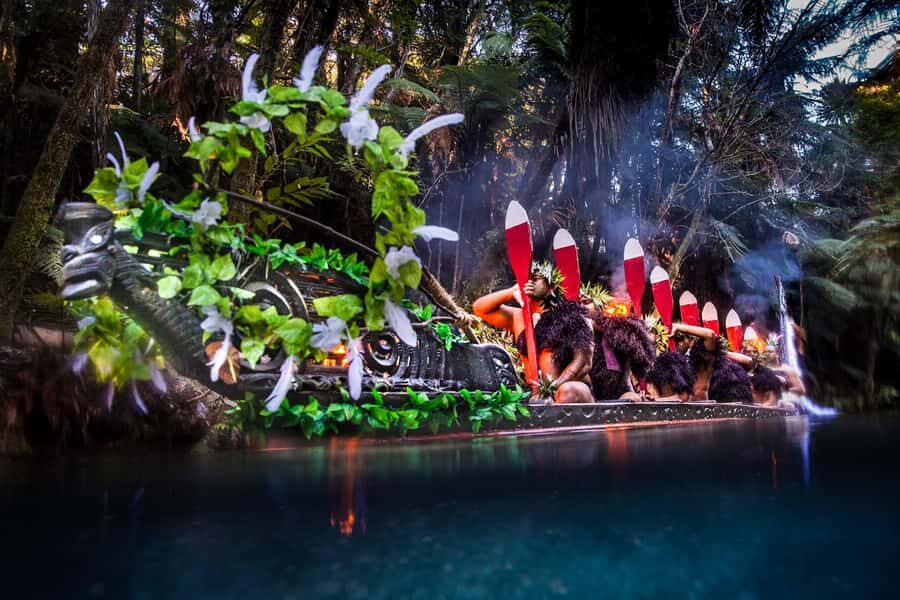
- Mitai Māori Village hangi lunch cooked in an earth oven style, with a full buffet setup
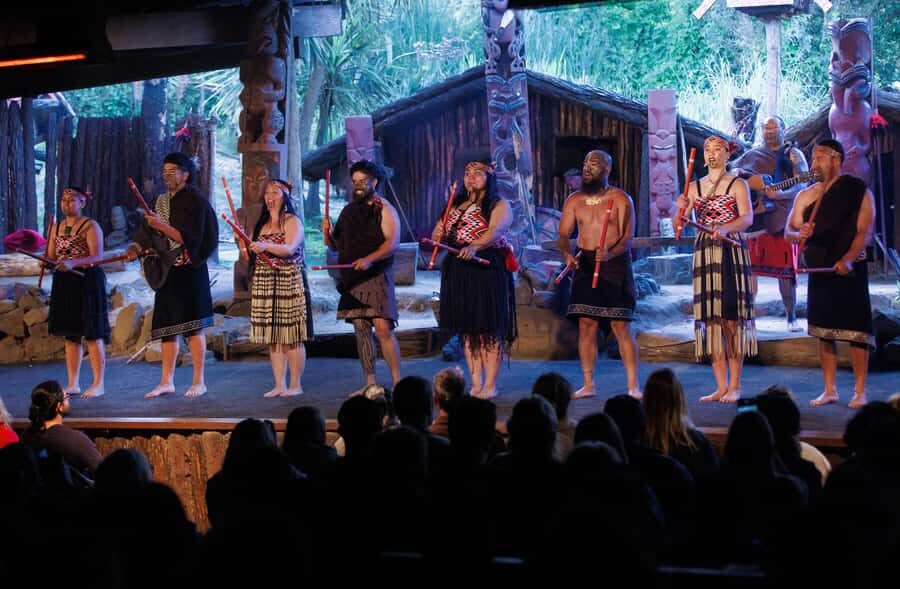
- Pōwhiri, Wero, Waiata, Mōteatea, Haka, and poi delivered as a connected performance, not random extras
- Warrior canoe display on the Wai-o-Whiro stream setting, built for impact and photos
- Wai-O-Tapu self-guided walk with time to linger at the Champagne Pool, bubbling mud, and steam features
- Hotel-area pickup and drop-off plus an English tour escort that keeps the day moving smoothly
- Comfort rules for geothermal ground: no touchy-touchy, and you’ll want shoes with grip
From Auckland Pickup to Rotorua: The Day Moves Fast (In a Good Way)

This is a classic “see the must-dos in one go” day, and that’s exactly why it’s popular. You start with pickup from Auckland CBD, then settle into a temperature-controlled minibus. The ride includes refreshments and water onboard, plus complimentary high-speed internet, which is handy if you want to plan your next stop or just stay entertained.
On paper, the driving time looks long: about 3.5 hours each way. In reality, the trip is set up to keep you from feeling stuck. You’ll have built-in leisure time during the day, and the overall schedule includes breaks at the two main experiences. If you hate long transfer days, this won’t feel short. But if you’d rather pay once and get two big highlights, this format makes sense.
One small detail I appreciate: they give you a lot of pickup options in Auckland, including major hotel zones like SkyCity, Sofitel, Pullman, Crowne Plaza, and others. That reduces the stress of hunting a specific address at dawn.
You can also read our reviews of more tours and experiences in Auckland.



What to keep in mind
You’ll be doing a full day outdoors, and the tour notes it runs in all weather conditions. Bring a layer you’ll actually wear, not the one you packed for emergencies and never touched.
Mitai Māori Village: Where the Hangi and Welcome Feel Like the Point

Mitai Māori Village is the cultural heart of this day. The focus isn’t just watching a show—it’s experiencing the welcome and food in a way that helps the performances land better.
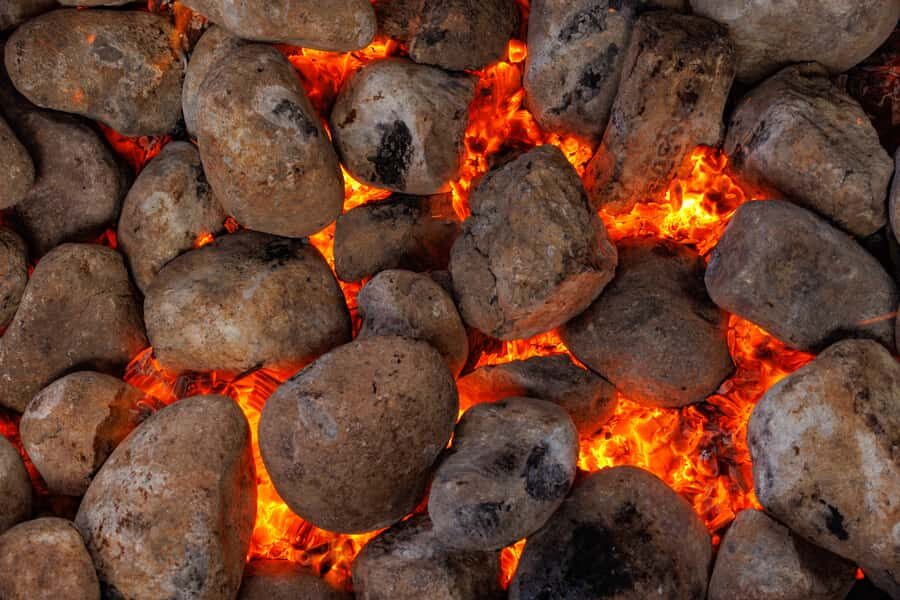
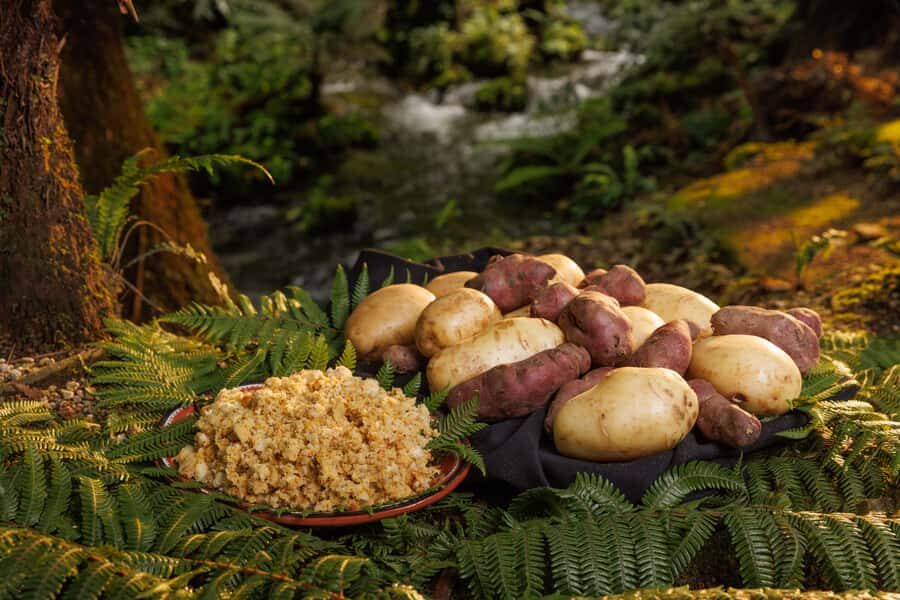
The hangi is a highlight because it’s more than a meal. Food is prepared using the earth-oven method: a pit in the ground (about 1–2 meters), hot stones at the bottom, and baskets of kai placed into the hāngī. That preparation is part of the “why” behind the occasion. You can taste the result, but you’re also seeing tradition in action.
You’ll also get a guided tour and lunch tied to the village experience. The lunch is described as a hāngi buffet, and it’s part of the admission. Translation: you should come hungry, because this isn’t a token snack before the next stop.
The welcome performance: Pōwhiri and friends
At Mitai, the performances are listed as a sequence of meaningful forms, including:
- Pōwhiri (traditional Māori welcome)
- Waiata (song)
- Mōteatea (traditional chant)
- Poi (performance with poi)
- Haka (war dance)
- Wero (challenge/warrior-style display)
This matters for your enjoyment. When it’s programmed as a connected set, you’re not trying to figure out what you’re seeing in real time. You can watch first, then make sense of it as the guide helps connect the pieces.
The Warrior Canoe Display: Fast, Fierce, and Photo-Friendly
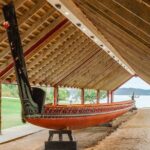
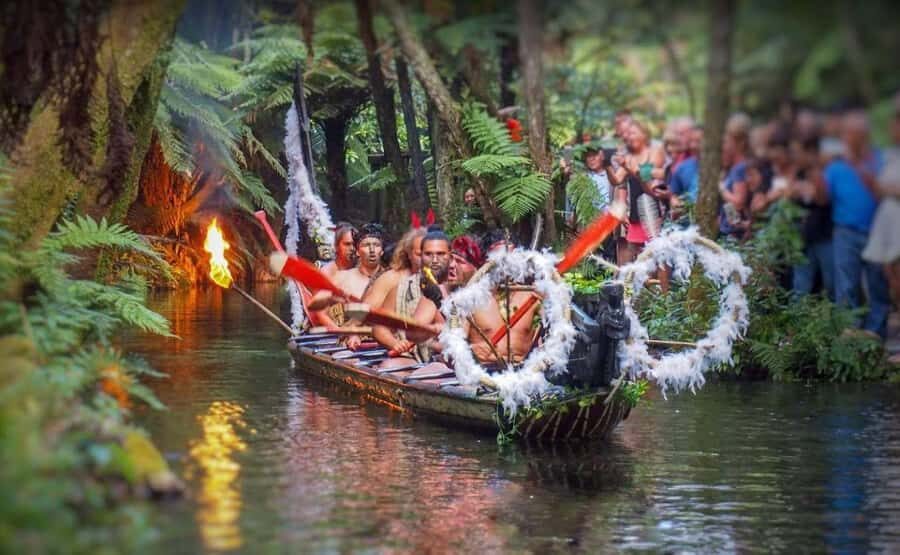
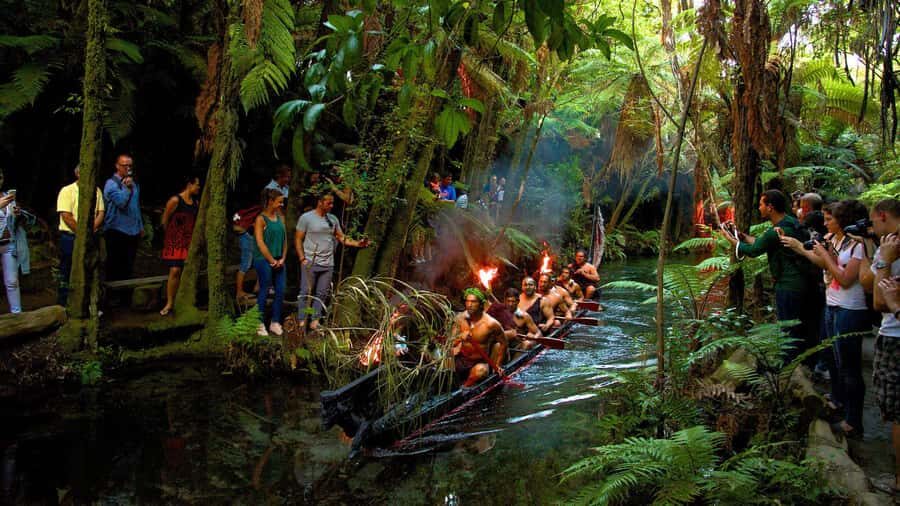
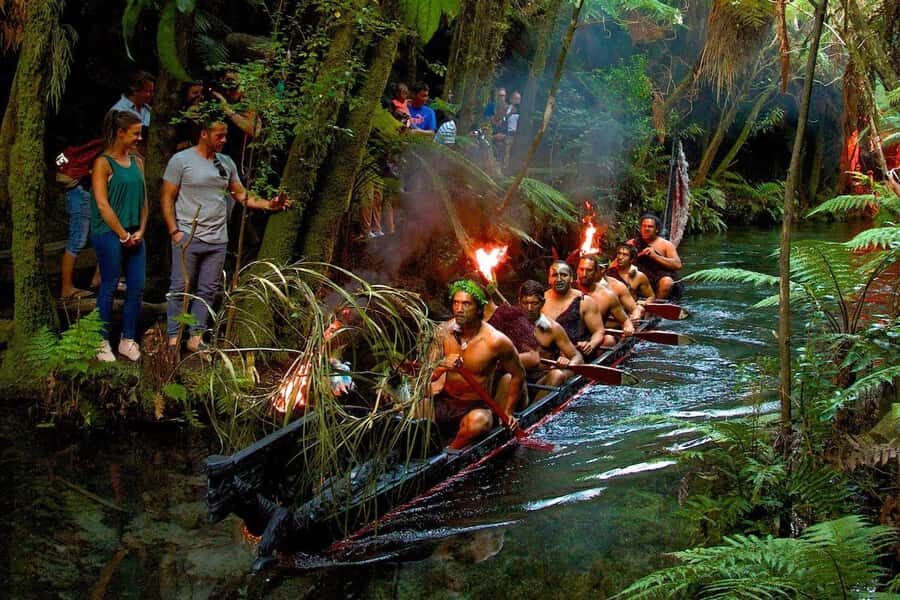
One of the most striking parts of the day is the warrior canoe experience on the Wai-o-Whiro stream. The display is described as a warrior canoe performance, including a “wero” style of intensity and the kind of combat energy that makes the performances feel physical, not theatrical.
It’s also set in a way that encourages viewing from multiple angles—good for photos and for appreciating how the performers move. If you’re the type who always ends up with motion-blur pictures during dance or action, you’ll still have a better chance here because the show is built for audience impact.
A quick practical tip: bring your camera or phone and be ready to shoot early. During high-energy segments, you don’t want to spend time fiddling with settings.



Ta Moko, Carving, and Weapon Displays: Cultural Context That Helps It Make Sense
Mitai also includes teaching moments around traditional arts and symbols. The information you’re given covers areas like:
- carving traditions
- ta moko (tattoo art)
- weaponry and combat displays
These components help you connect the emotional intensity of performances to cultural meaning. Without that context, haka and war stories can feel like pure spectacle. With it, you understand why the visuals matter and how identity, skill, and storytelling fit together.
One review-specific detail that’s worth your attention: the English tour guide Karthik is singled out for being attentive, patient, and very good at explaining what you’re seeing. If you get him (or another guide with a similarly clear style), lean into questions. This is one of those days where you’ll get more out of it if you ask.
Wai-O-Tapu Thermal Wonderland: The Champagne Pool Is the Headliner
After lunch and the cultural program, the day shifts to geothermal wonder. Wai-O-Tapu Thermal Wonderland is described as a self-guided walk through a natural bush setting. You’ll typically have 45 to 90 minutes to explore independently, and the day’s plan includes a scenic stop and then your walk time.
What you want to know ahead of time: this is an active geothermal area with uneven terrain. So even though it’s “self-guided,” you still need to move carefully.
What you can expect on the walk
The highlights are exactly the ones you’ve probably heard of:
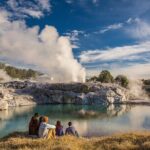
- the world-famous Champagne Pool
- bubbling mud
- steaming ground
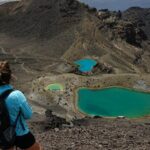
- naturally colored hot and cold springs
- Devil’s Bath
- expansive viewpoints and volcanic-crater scenery
- sinter terrace formations
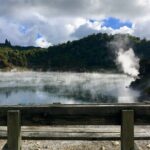
These features are very photogenic, and you’ll be in an environment that looks almost otherworldly—steam, heat, odd colors, and strong contrasts. The best part is that you control your pace. If you want to linger at the Champagne Pool, you can. If you’re moving fast for photos, you can too.
A small rule that matters
The tour notes you should not touch plants. In a geothermal area, that rule isn’t just about etiquette—it’s about preserving fragile ground and staying safe. You’re there to look and photograph, not to make friends with the landscape.
Waikato Drive Between Stops: Farm Animals and Mountain Views
The transit time isn’t just empty time. The day includes scenic driving through the Waikato region. You may spot farm animals along the way, and you’ll have a window for mountains and countryside views—plus time to refuel with the onboard water and refreshments.
This part sounds minor until you’re the person who gets carsick or tired. A good day tour gives your brain something to process between events, and this one does. You’ll come off the cultural intensity and then shift your senses again with the open-road scenery.
Timing and Comfort: What a 13-Hour Day Really Means for You
This tour is listed as 13 hours, with significant driving time each way. That matters because you’re planning an entire day around two destinations:
- Mitai Māori Village (guided program + lunch)
- Wai-O-Tapu (self-guided walk)
So treat it like a real outing, not a casual half-day.
What to wear and bring
The tour’s gear list is spot-on:
- comfortable shoes with grip
- hat
- camera or phone
- sunscreen
- water
- a jacket or warm layer, since weather can change
And here’s the important footwear note: the geothermal terrain is uneven, and the tour explicitly says sandals, flip-flops, and high heels aren’t suitable. If you only own “pretty” shoes, rent or borrow something with real traction.
Physical demands
You should be ready to climb and descend stairs and walk on unpaved or uneven terrain. It’s described as suitable for people of all ages with an easy-to-good fitness level, but it’s not built for wheelchair use.
If stairs and rough ground are deal-breakers, you’ll want a different Rotorua option.
Price and Value: Is $283 a Good Deal?
At $283 per person, you’re paying for more than a ticket to one place. You’re getting:
- fully guided return transfers from Auckland
- pickup and drop-off in Auckland CBD
- a live English tour escort
- temperature-controlled minibus transport
- refreshments and water onboard
- Mitai Māori Village admission, guided components, and hāngi buffet lunch
- Wai-O-Tapu admission for a self-guided walk
That combination is the value. The real expense in New Zealand day tours is time and transport. This one packages transport with two major attractions and includes the cultural meal. If you tried to DIY it, you’d spend time coordinating rides and buying separate admissions, and you’d lose some of the “everything timed for you” ease.
That said, it’s not a bargain if:
- you hate long road time
- you only want geothermal sights and not the cultural program
- you can’t do uneven walking
For the right traveler, it’s a fair price because you’re buying convenience plus two big highlights in one schedule.
Who This Tour Best Fits (and Who Should Skip It)
This is a good fit if you want a structured day that still gives you time to look around on your own at Wai-O-Tapu. It’s also a smart choice if you want a cultural experience that includes food and performance forms like pōwhiri and haka, rather than a quick photo stop.
I’d consider skipping if:
- you’re looking for a fully guided walk at Wai-O-Tapu (this is self-guided)
- you need wheelchair access (it’s not suitable)
- you have dietary needs beyond what’s possible for Māori kai (the tour says not all dietary requests can be met, including vegan options)
If you’re flexible and comfortable with a full-day plan, you’ll likely come away with two clear takeaways: Māori culture you can feel through welcome, performance, and hangi, plus geothermal sights that are genuinely unlike much else on earth.
Should You Book It?
If you want one Rotorua day that hits culture and geothermal, this tour is a strong yes. The best reason to book is the pairing: Mitai Māori Village gives you meaning, then Wai-O-Tapu gives you spectacle. The transport and escort reduce the headache of organizing a long day on your own.
My main “no” would be for people who can’t handle uneven terrain or stairs, or who dislike long travel days. Otherwise, bring sturdy shoes, charge your phone, and show up ready to watch and learn. This is the kind of itinerary that rewards curiosity.
FAQ
How long is the Auckland to Rotorua tour?
The tour duration is 13 hours.
What is included in the price?
It includes fully guided return transfers from Auckland, pickup and drop-off from Auckland CBD, refreshments and water onboard, onboard high-speed internet, a local English-speaking tour escort, temperature-controlled minibus transport, admission to the Mitai Māori Village guided tour plus a haka and hangi buffet lunch, and admission to the self-guided walk at Wai-O-Tapu Thermal Wonderland.
Is the Wai-O-Tapu part guided or self-guided?
Wai-O-Tapu is self-guided. You also get a photo stop and sightseeing as part of the day plan, but the walk itself is described as self-guided.
What performances are part of Mitai Māori Village?
The cultural program includes a traditional Māori welcome (Pōwhiri), Wero, Waiata (song), Mōteatea (traditional chant), poi, Haka, and additional elements like carving and ta moko explanations.
Are vegan or other dietary needs always available?
Some dietary requests could be met, but the tour states it can’t cater to all dietary needs, such as vegan options, due to the nature of Māori kai.
What should I bring and wear?
Bring comfortable shoes, a hat, camera, sunscreen, and water. The tour recommends a jacket or warm layer too. Sturdy footwear is important because it’s an active geothermal area with uneven ground.
Is this tour wheelchair accessible?
No. It is not suitable for wheelchair users.
Where does pickup and drop-off happen in Auckland?
Pickup and drop-off are offered from Auckland CBD with many hotel options listed, and the tour includes hotel-area transfers from those locations.
Can I cancel for a full refund, and can I reserve without paying now?
Yes. You can cancel up to 24 hours in advance for a full refund. You can also reserve now and pay later.