REVIEW · AUCKLAND
Auckland (Tawharanui): Wild Kiwi Bird Spotting Encounter
Book on GetYourGuide →Operated by Social Nature Movement · Bookable on GetYourGuide
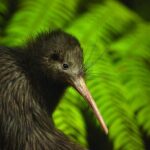
Kiwi hunting feels like pure midnight magic. At Tāwharanui Regional Park, you get a guided trek to hear and spot North Island brown kiwi, then look up at a rare dark-sky coastal night.
I like how the experience is built around real conservation fieldcraft: slow walking, listening for kiwi calls, and reading tiny signs in the bush. The second big win for me is the stargazing—planets and constellations explained in plain language once the sky turns properly dark. One possible drawback: kiwi are wild and elusive, so you might only get brief glimpses, and weather can affect what you see in the sky.
In This Review
- Key things to know before you go
- Tawharanui at night: stars first, then the kiwi hunt
- Meeting point and drive: getting to the real dark
- The kiwi-spotting walk: why patience is part of the ticket
- What you’re really spotting: North Island brown kiwi in the wild
- Stargazing in low light: planets, constellations, and a guide’s map
- The shoreline wild card: possible bioluminescence (not guaranteed)
- Glamping and overnight: sleeping under the dark-sky sky
- Price and value: what $89 buys you at Tawharanui
- Who this suits (and who might want a different plan)
- Practical tips so your night feels easy
- Should you book the Wild Kiwi Bird Spotting Encounter?
- FAQ
- How long is the Wild Kiwi Bird Spotting Encounter?
- What does the tour cost?
- Where do I meet the guide?
- What’s included with my ticket?
- Is transport included from Auckland?
- Can I expect to see kiwi on the night?
- What’s the cancellation policy?
Key things to know before you go
- North Island brown kiwi spotting using tracking skills, not just random wandering
- Dark-sky stargazing at a low-light coastal reserve near Auckland
- Provided equipment for both kiwi watching and nighttime sky viewing
- Māori stories and night-sky interpretation tied to what you’re seeing above you
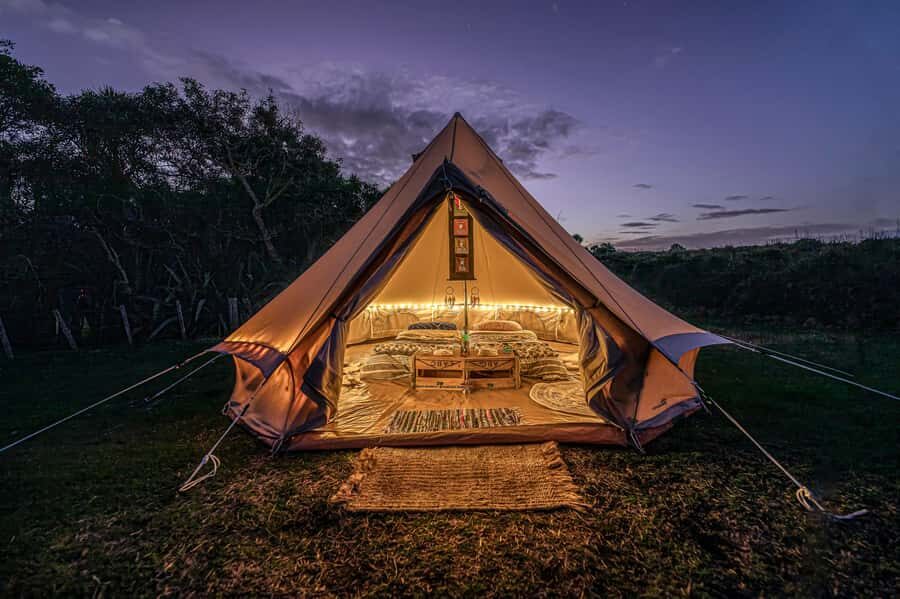
- Optional glamping/overnight if you want to turn one night into a real stay
Tawharanui at night: stars first, then the kiwi hunt
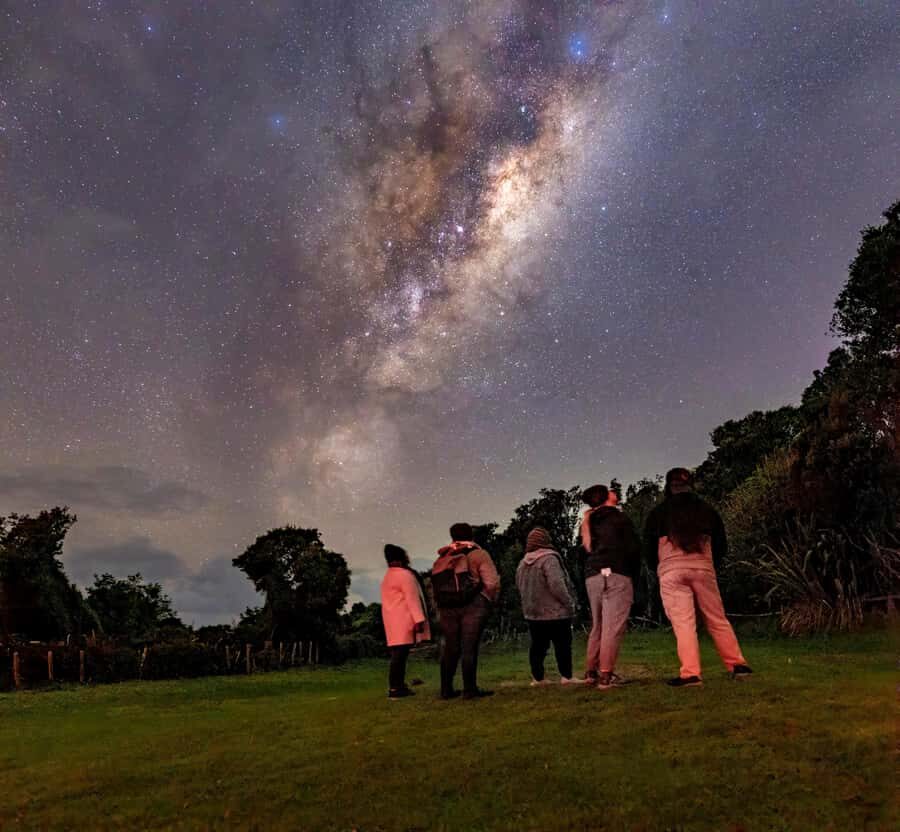
Tāwharanui Regional Park is the kind of place where night actually feels like night. City glare is far away, and the reserve’s protected status helps keep the dark-sky environment unusually intact. That matters because kiwi spotting is a low-light game: your guide needs the setting to be dark enough for you to observe natural behaviour, and for you to see anything at all.
This is also a place where the experience doesn’t rush you. Instead of snapping photos and moving on, you’re encouraged to slow way down. That’s the difference between seeing kiwi versus just hoping to see kiwi. You’re out there to learn how they move, how they call, and how to notice the subtle signs that happen before you spot the bird itself.
You can also read our reviews of more tours and experiences in Auckland.

Meeting point and drive: getting to the real dark
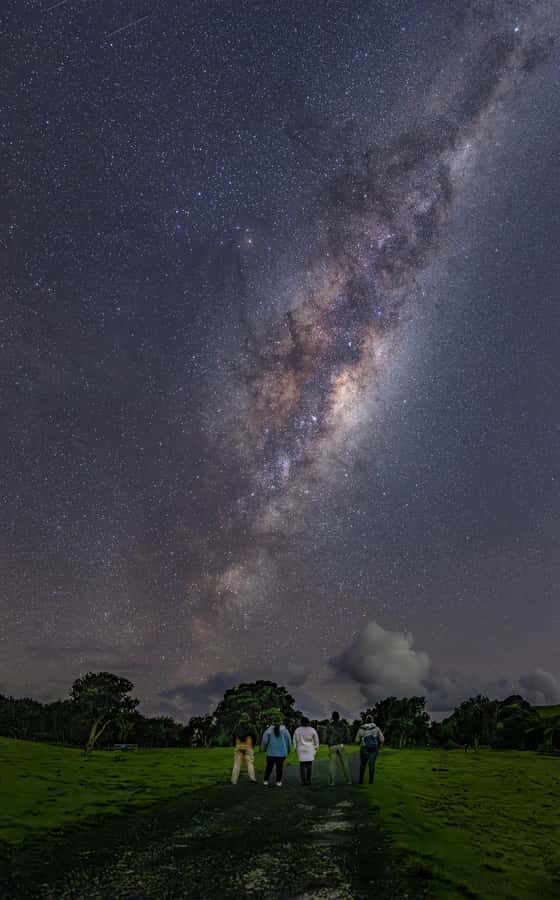
You meet near the public bathrooms at the end of Takatu Road in Tawharanui Regional Park. It’s not a complicated meet-up, but it does help to be on time—night doesn’t wait, and the guides are working on a schedule built around dusk and darkness.
From Auckland city, the drive is short and scenic. The timing is practical too. The tour is designed so you arrive as daylight drops, when kiwi activity becomes more likely and when the sky begins its gradual shift into proper stargazing conditions.
If you don’t have a car, there’s a transport option you can add at checkout. One person described a comfortable pickup from Auckland City, which is exactly what you want on a late-night outing—less stress, fewer logistics, and more time focused on the night.
The kiwi-spotting walk: why patience is part of the ticket
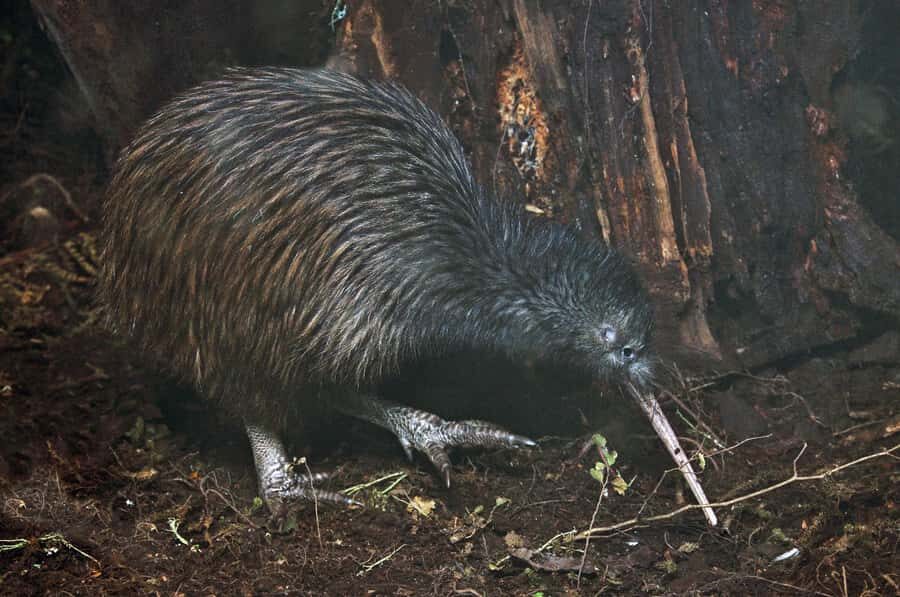
The main event is a guided kiwi-spotting expedition. You’ll move slowly and deliberately through native bush and open habitat, guided by tracking techniques that focus on calls and signs of activity. The guide also sets expectations at the start of the evening—covering safety basics and giving context on the park’s ecosystems and conservation goals.
Here’s what that means for you on the ground:
- You’ll listen for kiwi calls and try to connect sound to location.
- You’ll watch for movement and the smallest hints of activity.
- You’ll learn the behaviour side—how kiwi use their habitat and what threats they face.
The best part is that you’re not just waiting. You’re actively observing in a guided, respectful way. Several of the guides have a strong “story + skill” style: they’ll talk while you walk, then use that knowledge to help you read what the night is giving you.
Still, there’s no magic guarantee. Even with a skilled guide, kiwi are wild animals. One key note you should take seriously: kiwi spotting can be a slow process, and on some nights you might only get a couple of sightings or brief looks. If you’re the type who gets frustrated by waiting, you’ll want to adjust your expectations now.
What you’re really spotting: North Island brown kiwi in the wild
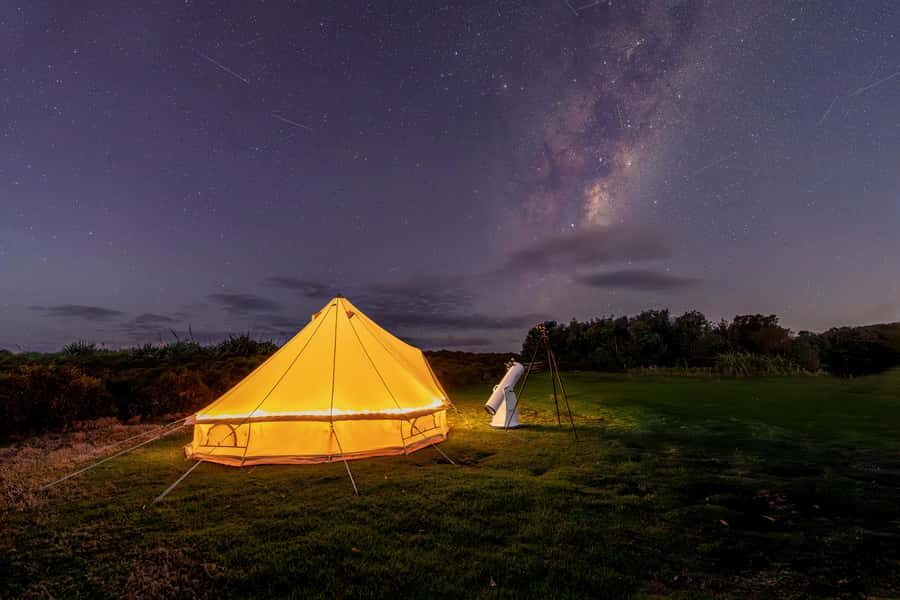
This encounter focuses on the North Island brown kiwi, the iconic flightless bird that calls its way through New Zealand nights. The tour’s goal is to see kiwi in their natural habitat, not in a controlled exhibit.
In practice, that means you might encounter kiwi at different points during the walk. Some nights seem to produce clusters of sightings, while other nights feel quieter until one bird finally decides you’re close enough to notice. Either way, the guide’s job is to help you observe without pushing the animal or turning the experience into a frantic search.
That’s also why your pace matters. When the group is moving too fast or shining lights too carelessly, it disrupts the whole experience. The guide’s whole approach is built around quiet observation, and you’ll feel that shift once you start walking with them.
Stargazing in low light: planets, constellations, and a guide’s map
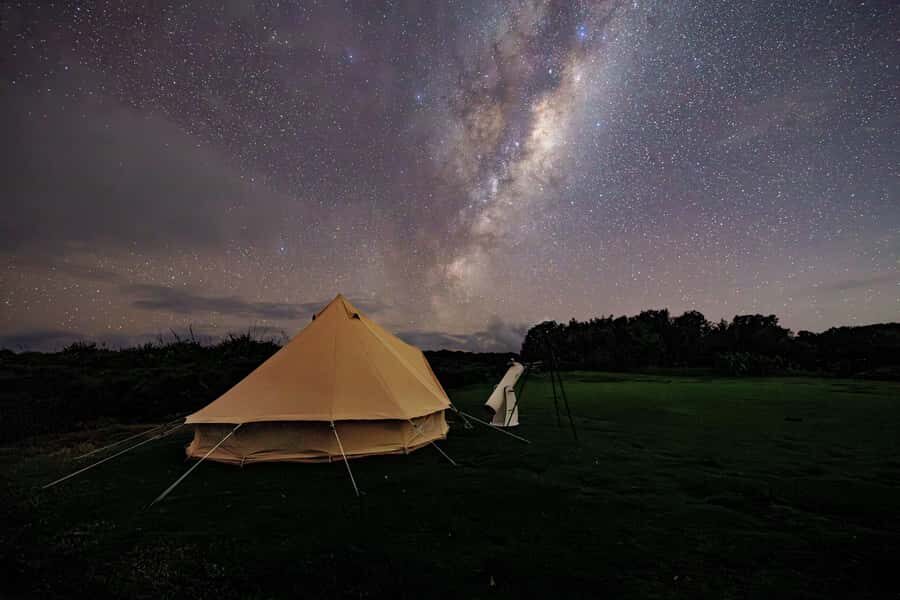
Once the sky darkens, the reserve’s low light pollution becomes a huge part of the value. Tawharanui is described as an important dark-sky coastal environment, and it shows. Instead of a handful of bright stars, you get dense star fields and a sky that feels close.
The guide interprets what you’re seeing—science and sky navigation tied to Southern Hemisphere features. It’s not “look at that and hope you recognize it.” You’ll get help making sense of what’s up there, and that makes the night feel more alive and personal.
A few helpful extras can appear depending on conditions:
- You may use binoculars or a telescope during stargazing.
- Some nights include a telescope view of dramatic targets like the moon’s craters.
- Even when the sky isn’t perfect, the guide still tries to connect what you see to patterns and stories.
Weather can change the plan. One night was reported as very cloudy, and stargazing got replaced with more kiwi time. So if you’re going primarily for the stars, understand you’re also buying a kiwi encounter—when kiwi are active and the sky isn’t, the night can tilt in that direction.

The shoreline wild card: possible bioluminescence (not guaranteed)
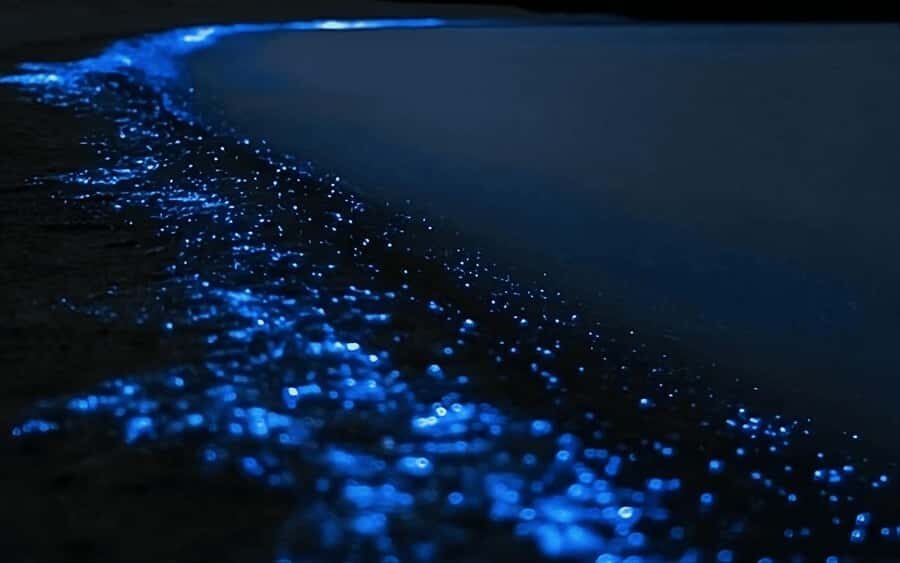
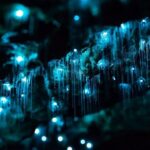
There’s a special extra that can happen on certain encounters: bioluminescence along the shoreline or in the shallows. When conditions are right, gentle movement in the sand or water can trigger a soft electric-blue glow.
It’s important not to plan your night around it. It’s described as never guaranteed, which makes sense—you can’t control sea conditions or the biological activity that produces the glow. But when it happens, it adds a rare New Zealand nightscape layer: the ocean becomes part of your viewing.
If this sounds like your kind of bonus, it’s worth going in with a flexible mindset. Some nights are about kiwi calls. Some nights add stars. On the right night, the coast itself becomes a light show.
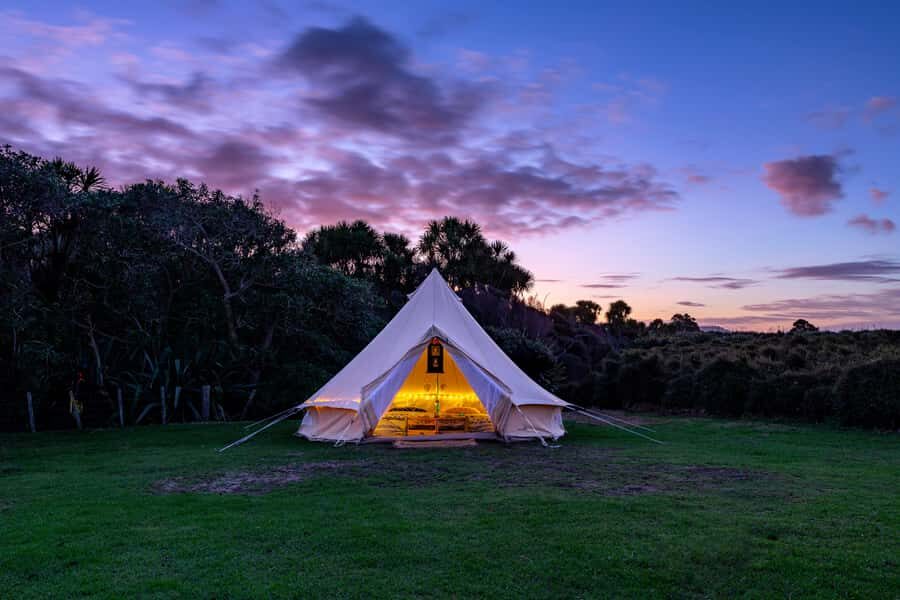
Glamping and overnight: sleeping under the dark-sky sky
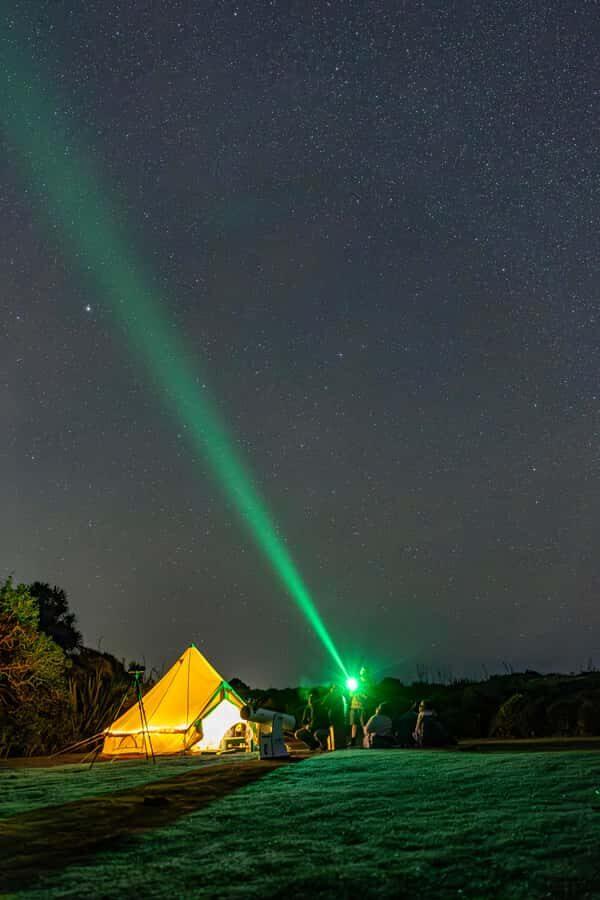
There’s an optional glamping stay if you choose it. If you go for the overnight, you’re not done after the walk. This turns a short encounter into a full night in Tawharanui’s night environment.
A detail that makes this option feel more than just a bed is that the tent setup can happen before or during the broader experience. One guest described their tent being set up for them prior to the tour, with practical comfort items like blankets and foam mattresses, plus small snacks. That’s a big deal when you’re outdoors and cold—comfort affects how much you can enjoy the night.
Some people also mentioned warm treats during the evening portion, with hot chocolate brought out during the sky time. Even if you don’t focus on the drink, it signals the same thing: the guides try to keep the experience both educational and actually pleasant in the dark.
Price and value: what $89 buys you at Tawharanui
At $89 per person for a 2-hour experience, you’re paying for more than a walk in the park. You’re buying:
- A live guide
- Stargazing and kiwi-spotting equipment
- Small-group style attention (private or small groups are available)
- The setting itself: a protected reserve with exceptionally low light pollution
In plain terms, the guide is the real product. Kiwi spotting is hard. You can do it on your own, but the difference is guidance—knowing where to look, how to listen, and how to interpret what you’re seeing without disturbing the birds.
The equipment also raises the value. Guests have specifically mentioned headlamps and torches being provided, and even a thermal apparatus as part of the toolkit on some nights. That kind of gear helps you observe in the dark without turning the entire night into guesswork.
Add the stargazing component and the math gets better. You’re getting two rare experiences in one: seeing North Island brown kiwi in the wild and then getting meaningful help interpreting the Southern Hemisphere sky.
Who this suits (and who might want a different plan)
This is a strong fit for you if:
- You love wildlife and enjoy patient, quiet watching
- You want a guided approach to spotting one of New Zealand’s hardest birds
- You care about night skies and want a guided explanation, not just a look
It’s less ideal if:
- You hate cold weather or long waits (the bush is dark and damp at night)
- You’re hoping for a guaranteed kiwi sighting no matter what
- You’re only interested in stargazing and would feel disappointed if kiwi spotting takes priority in cloudy conditions
The best mindset is simple: treat this as a guided night experience. Kiwi are the star event, but the sky, the night sounds, and the park context are part of the package too.
Practical tips so your night feels easy
You’re outside after dark in a coastal conservation area, so your “comfort layer” is not optional.
Bring:
- Comfortable shoes
- Warm clothing
- Water
And don’t overpack your expectations. Some nights are louder with kiwi activity than others. The same goes for stargazing. If you keep your plans flexible and dress warm, you’ll enjoy the walk more and stress less when the night goes slow.
Also, take the guide’s lead. Even if you think you’re good at spotting birds, kiwi spotting is its own sport. Follow their pace and their observation style, and you’ll get the best odds while respecting the animals.
Should you book the Wild Kiwi Bird Spotting Encounter?
I’d book it if you’re doing Auckland and you want one genuinely New Zealand night experience that pairs wildlife with dark-sky viewing. The $89 price makes sense for what you get: a guided kiwi hunt, equipment, and stargazing help in an area where the sky is actually worth looking at.
But book it with the right attitude. You’re not buying a show with guaranteed results. You’re buying a skilled guide in a protected reserve, with a real chance to hear and see North Island brown kiwi, plus the bonus of a night sky that’s hard to find in more light-polluted places.
If you want a late-night adventure that’s quiet, thoughtful, and outdoorsy, this is one of the best ways to spend a couple hours near Auckland.
FAQ
How long is the Wild Kiwi Bird Spotting Encounter?
The duration is listed as 2 hours.
What does the tour cost?
It’s priced at $89 per person.
Where do I meet the guide?
Meet near the public bathrooms at the end of Takatu Road in Tawharanui Regional Park.
What’s included with my ticket?
The tour includes a guide plus stargazing and kiwi-spotting equipment. If you select the option, a glamping stay is also included.
Is transport included from Auckland?
Transport is not included, but it can be added at checkout.
Can I expect to see kiwi on the night?
Kiwi spotting depends on wildlife activity, weather, and conditions. The process is slow and patient, and you may or may not catch a glimpse depending on the night.
What’s the cancellation policy?
You can cancel up to 24 hours in advance for a full refund.