REVIEW · DUNEDIN
Dunedin: Wildlife and Penguin Tour
Book on GetYourGuide →Operated by The OPERA · Bookable on GetYourGuide
Yellow-eyed penguins feel close here. This Dunedin Wildlife and Penguin Tour mixes a short education talk, a rehabilitation-centre visit, and a guided walk on the Otago Peninsula—so you’re not just hoping for wildlife, you’re learning how the place is being protected. I love that it’s built around a private eco-reserve, and I really like how the experience includes rehabilitation close-ups when penguins are present.
The second big plus is the tour rhythm and delivery. With guides like Emma and Eden (both appear in recent bookings), you get clear, steady commentary and enough time to look and photograph without feeling rushed, even when the action is slow. One consideration: wild penguin viewing is never guaranteed, and yellow-eyed penguins can vary a lot by season and day.
In This Review
- Key takeaways before you go
- Entering The Reserve Through Conservation, Not Just Sightings
- The 90-Minute Flow: Theatre, Rehab, Then a Guided Nature Walk
- Theatre Time: Habitat Restoration and How Visitors Fit In
- Rehabilitation Centre Access: When Penguins Are Present
- Bus Into The Otago Peninsula + The 2 km Walk for Wildlife Chances
- What I’d Bring (And Why): Shoes, Weather, Binoculars, Camera
- The Best Part Is the Guides: Emma, Eden, and the Value of Clear Explanations
- When Penguins Don’t Show: How to Still Make This Tour Worth It
- Price and Value: $44 for Conservation Access on the Otago Peninsula
- Who Should Book This Penguin and Wildlife Tour
- Should You Book It?
- FAQ
- How long is the Dunedin Wildlife and Penguin Tour?
- Where do I meet for the tour?
- What parts of the experience will I go through?
- Is a nature walk included, and how long is it?
- What wildlife could I see?
- Are penguin sightings guaranteed?
- What’s included in the price?
- What should I bring?
- Are there any rules about touching animals or smoking?
- Can I cancel and get a full refund?
Key takeaways before you go
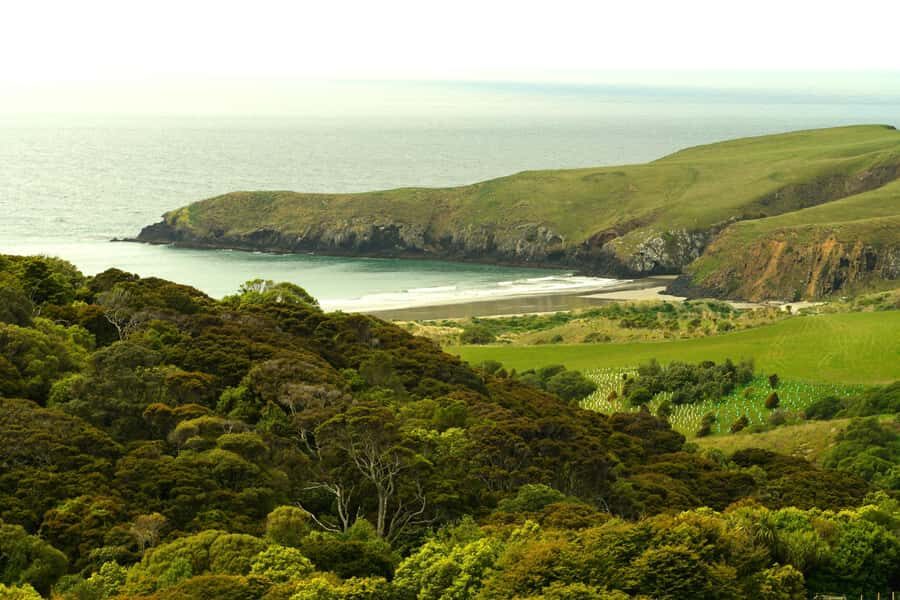
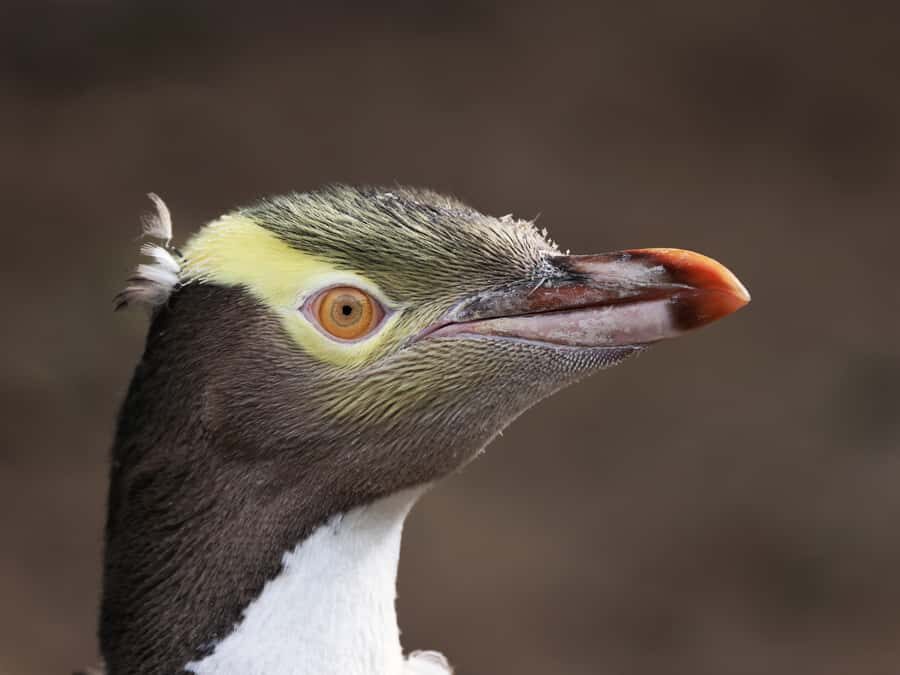
- Private eco-reserve on the Otago Peninsula focused on protecting hoiho (Yellow-eyed penguins) and kororā (little penguins)
- Theatre-style conservation talk that explains how habitat restoration is done and why it matters
- Rehabilitation centre access with penguins sometimes visible up close
- Guided wildlife walk in a protected area with chances for fur seals, sea lions, and seabirds
- Gear support for wildlife viewing including rain jackets and help if you arrive without the right basics
- Conservation-first purpose: your ticket supports restoration and future plans for the reserve
Entering The Reserve Through Conservation, Not Just Sightings
The smartest way to enjoy this kind of wildlife experience is to treat it like conservation education with a wildlife bonus. This tour starts with a short theatre session where you learn what the team is doing to restore the reserve back toward its original state. They focus on protecting yellow-eyed penguins and the wider web of plants and seabirds that depend on the same habitat.
I like that the message is practical, not just inspirational. Yellow-eyed penguins are the rarest penguin species in the world, and the tour is upfront that their numbers are under pressure and viewing changes day to day. That sets you up to be patient on the walk and to appreciate what you might see beyond the penguins.
You’ll also hear why the reserve is private and protected, and that matters because these birds are sensitive to people. The guide’s job is to keep you in the right spots and help you understand what you’re observing, even if a penguin doesn’t come ashore when you expect.
A few more Dunedin tours and experiences worth a look
The 90-Minute Flow: Theatre, Rehab, Then a Guided Nature Walk
This is a tight 90-minute experience, and it works because each segment has a different purpose: learn, witness, then walk for chances.
First, you begin at 45 Pakihau Road and check in at reception. From there, you’re taken into the theatre space for the conservation talk. Think of this as your quick field guide to what you’ll likely notice later—penguin needs, habitat work, and the kinds of birds and marine mammals that share the peninsula.
Next comes the rehabilitation-centre visit. If penguins are present, you may see yellow-eyed penguins and other penguin species up close. This is often the most emotionally satisfying part, because it turns conservation from a concept into living, breathing work happening right now.
Then you head into the reserve by bus. After that short ride, you’re guided on an approximately 2 km (1.25 mile) nature walk with stops for wildlife viewing and plant spotting. Even when you don’t get penguin sightings on the schedule you hoped for, the walk can still deliver real value because you’re watching seabirds, forest birds, and marine animals that use the same coastal system.
Theatre Time: Habitat Restoration and How Visitors Fit In
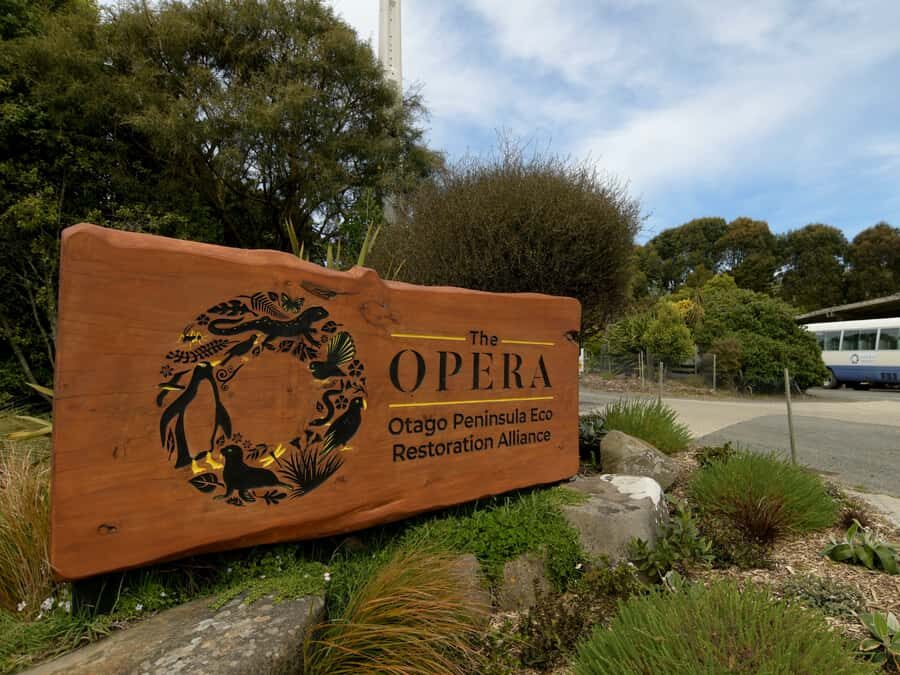
The theatre segment is not filler. It’s where the tour gives you the context that makes the reserve feel real instead of random. You’ll learn about restoring the reserve and why the team’s work is aimed at bringing the ecosystem closer to what it used to be.
This matters because penguin behavior is tied to habitat quality and disturbance. The tour emphasizes that wildlife is protected and that animals are sensitive to visitor presence. I appreciate that this framing helps you understand why you might not be able to chase a sighting or wander off for a closer look. It also helps you interpret what you’re seeing on the ground: signs, nesting areas, and the kinds of places penguins and birds choose.
If you’re coming from the cruise-ship circuit or city life, this short lesson changes your mindset. You stop thinking of the peninsula as a postcard viewpoint and start treating it as a managed ecosystem with rules for a reason.
Rehabilitation Centre Access: When Penguins Are Present
The rehabilitation-centre visit is where the tour can feel truly special. When penguins are present, you can see yellow-eyed penguins and other penguin species up close, rather than only viewing them at a distance.
Recent experiences highlight that you may see more than one penguin type during a single visit, including little penguins (also called kororā, sometimes described as blue penguins in casual speech). One booking notes seeing multiple penguins in the rehabilitation area at the time of the tour, while another mentions little penguins in nest boxes.
This part is also where conservation becomes tangible. It’s easy to support wildlife protection in theory. It’s different when you see how rehabilitation and careful monitoring help bring animals back into better conditions.
One note for your expectations: you’re viewing animals that are part of a working conservation program. The priority is animal welfare, so visibility and vantage points can be intentionally limited.
Bus Into The Otago Peninsula + The 2 km Walk for Wildlife Chances
Once you’re in the reserve, the bus ride gives you a head start, and the guide uses the travel time to keep things moving. Several recent tours mention continuous commentary during transport, which helps you feel like you’re learning even between viewing moments.
Then it’s onto the guided nature walk—about 2 km—on a route designed for wildlife watching. The tour isn’t about long hiking. It’s about getting you into the right part of the system with a guide who can point out plants, track where birds tend to appear, and explain how different species use the coastline and nearby habitat.
Your wildlife chances can include:
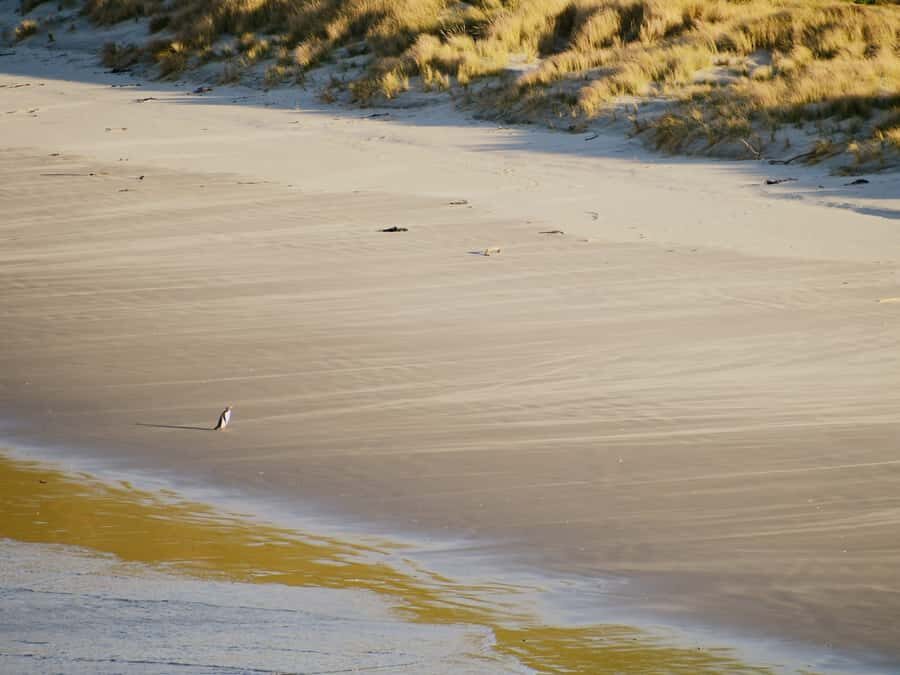
- Yellow-eyed penguins (hoiho), if conditions and timing align
- Little penguins (kororā)
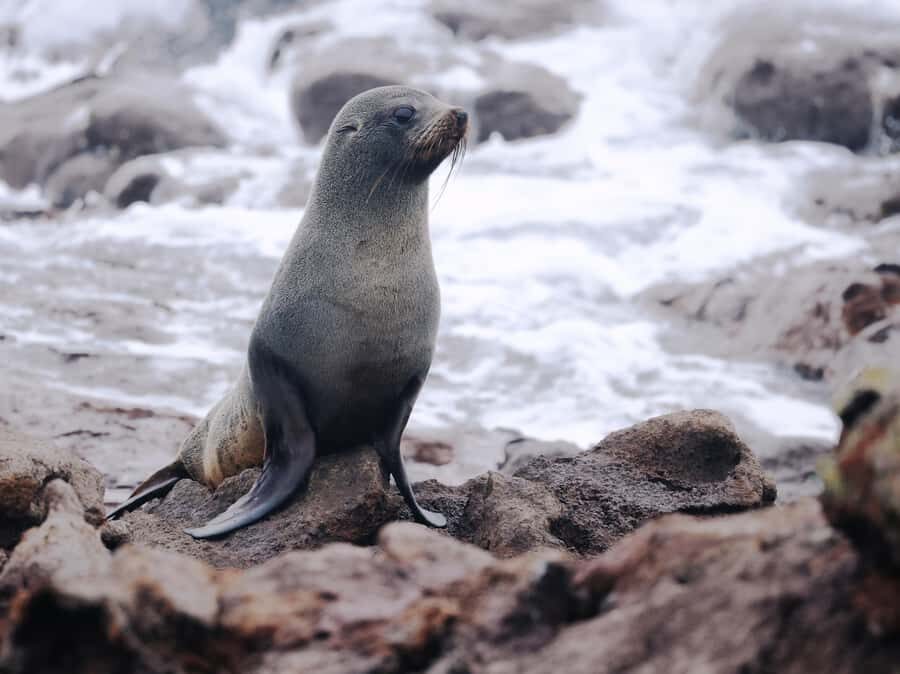
- NZ fur seals
- Sea lions
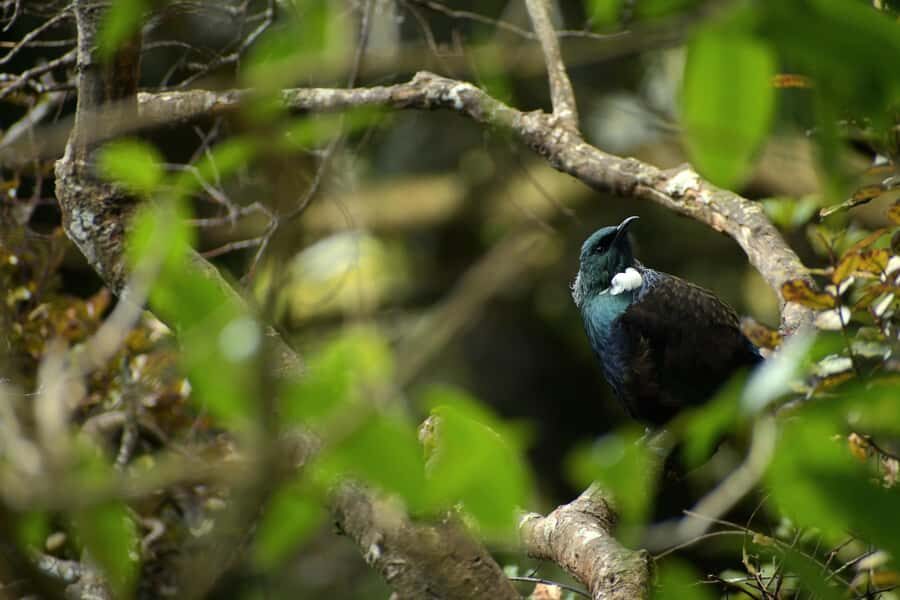
- Forest and seabirds, including shore and land birds
A key reality check: wildlife viewing is wild. The tour explicitly warns that you can’t guarantee penguins, and yellow-eyed penguins vary by year and day.
Still, this kind of guided walk often gives you better odds than trying to self-drive. You also get the advantage of binocular use. If you didn’t bring them, some groups have been helped with binoculars, so you’re not totally stuck.

What I’d Bring (And Why): Shoes, Weather, Binoculars, Camera
Because this is an outdoor eco-reserve walk, your comfort changes how much you enjoy the experience.
Bring:
- Comfortable shoes (you’ll be walking outside)
- Outdoor clothing (the Otago Peninsula can be changeable)
- Camera
- Binoculars
Good news: rain jackets are included, which makes it easier to dress for the weather instead of canceling your plans. One booking also mentions that wet-weather costs may be offered if you arrive without suitable gear, so if you forget something important, ask on arrival.
On the penguin-and-seal side, binoculars matter. You might see motion at a distance and miss it without magnification. Even if your best moments happen close-up, binoculars help you connect the dots: a bird call, a moving shape, and the habitat features that explain the behavior.
The Best Part Is the Guides: Emma, Eden, and the Value of Clear Explanations
In recent bookings, guides named Emma and Eden show up with a consistent pattern: they’re engaged, they answer questions, and they explain what you’re seeing instead of rattling off a script.
That’s a big deal. Wildlife tours often fail when the guide’s job becomes managing a group rather than teaching observation. Here, the guide’s enthusiasm helps you slow down and look properly, whether it’s fur seals doing seal things or seabirds landing where the habitat supports them.
A couple of experiences also mention that the tour didn’t feel rushed. If the guide noticed your group wanted extra time for photos or looking, they made room for it. That flexibility matters because wildlife isn’t on a schedule, and your best shot might come during the one-minute window when you happened to lower your camera.
When Penguins Don’t Show: How to Still Make This Tour Worth It
Let’s be honest. If your heart is set on seeing yellow-eyed penguins in the wild, you should book with eyes open. The tour clearly states that wild viewing cannot be guaranteed, and yellow-eyed penguin sightings vary by season and by day.
But this doesn’t mean the tour is a loss if hoiho doesn’t appear. For many people, the rehabilitation centre can still deliver penguin moments up close when penguins are present. And the reserve can still offer real wildlife value: fur seals, sea lions, and lots of birds.
In other words, I’d frame this as a conservation-centered reserve visit with serious wildlife opportunities, not as a promise of a specific penguin walk-by. If you go in expecting learning and possible sightings, you’re much more likely to leave happy.
Price and Value: $44 for Conservation Access on the Otago Peninsula
At $44 per person for about 90 minutes, you’re paying for more than a bus ride and a walk. You’re paying for guided interpretation, access to a rehabilitation centre, and entry into a protected private eco-reserve where conservation work is the main purpose.
Value is easiest to judge by what’s included:
- Guided tour
- Rehabilitation centre access
- Guided nature walk
- Opportunity for wildlife viewing (not guaranteed)
- Rain jackets
If you’d otherwise pay for separate things—wildlife viewing spots, education, and a guided outing—the bundled experience adds up. And because your ticket supports conservation efforts, it’s not just a passive viewing experience. It’s a chance to see how restoration and protection translate into outcomes for penguin and bird habitat.
Who Should Book This Penguin and Wildlife Tour
This tour is a strong fit if you:
- Want a focused, short outing (90 minutes) rather than a half-day hike
- Like guided interpretation and learning how conservation works
- Are okay with wildlife being unpredictable
- Want chances at multiple species, not just one
It may not fit if you:
- Have mobility impairments or need a wheelchair-friendly route (it’s stated as not suitable)
- Have low fitness for walking outdoors
- Need support for visual impairments (also listed as not suitable)
If you’re traveling with kids, this could work well if everyone is comfortable with outdoor walking and following instructions. If you’re sensitive to getting a bit cold or wet, bring layers, and rely on the included rain jacket.
Should You Book It?
I’d book the Dunedin Wildlife and Penguin Tour if you want a conservation-first wildlife experience on the Otago Peninsula and you’re happy to let the reserve decide what it offers that day. The combination of theatre education, rehabilitation-centre access, and a guided walk makes it more than a quick wildlife gamble.
Skip it if your plan is built around one strict outcome: seeing yellow-eyed penguins in the wild with certainty. The tour’s own guidance is clear that sightings vary and wild viewing isn’t guaranteed.
One practical note: the tour offers flexibility, including free cancellation up to 24 hours in advance and pay-later options, which is helpful on a weather-uncertain coast.
If you’re weighing this against a self-drive penguin spot, I’d pick this guided approach. You’ll learn more, you’ll be pointed toward likely wildlife areas, and your visit supports the ongoing work keeping hoiho and kororā alive.
FAQ
How long is the Dunedin Wildlife and Penguin Tour?
It lasts 90 minutes.
Where do I meet for the tour?
Check in at the reception at 45 Pakihau Road.
What parts of the experience will I go through?
You start with a short theatre setting talk, then visit a rehabilitation centre (when penguins are present), and finish with a guided nature walk in the reserve after a short bus trip.
Is a nature walk included, and how long is it?
Yes. You’ll do an approximately 2 km (1.25 mile) guided nature walk.
What wildlife could I see?
The reserve can include hoiho (Yellow-eyed penguins), kororā (little penguins), NZ fur seals, sea lions, and forest and seabirds.
Are penguin sightings guaranteed?
No. The tour notes that animals are wild and viewing cannot be guaranteed, and yellow-eyed penguin viewing can vary by year and day.
What’s included in the price?
Included are the 90-minute guided tour, rehabilitation centre access, nature walk, wildlife viewing opportunities, and rain jackets.
What should I bring?
Bring comfortable shoes, a camera, outdoor clothing, and binoculars.
Are there any rules about touching animals or smoking?
Yes. Smoking is not allowed, and touching animals is not allowed.
Can I cancel and get a full refund?
Yes. You can cancel up to 24 hours in advance for a full refund.