REVIEW · DUNEDIN
Dunedin: Monarch – One Hour Wildlife Cruise
Book on GetYourGuide →Operated by Monarch Wildlife Cruises & Tours · Bookable on GetYourGuide
The Otago Peninsula hands you wildlife fast. This one-hour cruise from Wellers Rock Wharf is built for serious birds, sea mammals, and big scenery, all with a running commentary on what you’re seeing. I like the way you’re not rushed, since the boat covers multiple wildlife “zones” during a compact ride. You’ll likely come away knowing why the animals are here, not just spotting them.
What I love most is the chance to see the world’s only mainland colony of royal albatross close to shore, plus a New Zealand fur seal breeding rookery right along the rocky coast. A second strong point is how the crew connects the wildlife to the harbor’s history and geology, so the trip feels more like a guided field day than a quick sightseeing loop.
One consideration: it’s not a good fit if you’re prone to seasickness. And you’ll want warm layers because the weather can stay cool and brisk, especially with a southerly wind.
In This Review
- Key highlights you should care about
- Getting to Wellers Rock Wharf from central Dunedin
- One hour at sea: the flow of the cruise
- Aramoana tidal sandflats: sea lions sunbathing and doing their thing
- The harbor channel history: gun emplacements in the rocks
- Taiaroa Head: the postcard lighthouse and the royal albatross show
- New Zealand fur seals: watching a breeding rookery close up
- Out toward the Pacific: ocean birds and marine mammal possibilities
- What you’ll get from the crew commentary (and why it matters)
- Timing and comfort: wind, layers, and boat reality
- Price value: what $41 buys you in real terms
- Who should book this wildlife cruise
- Quick checklist before you go
- Should you book the Dunedin Monarch One Hour Wildlife Cruise?
- FAQ
- Where does the cruise depart from?
- How long is the Monarch wildlife cruise?
- What wildlife can I expect to see?
- Do they provide commentary during the cruise?
- How long should I allow for driving from Dunedin?
- What should I bring for the cruise?
- Is the cruise suitable for wheelchair users?
- Can I bring a baby stroller or a drone?
- Is there food or drinks included?
- Is it okay to fish or feed animals?
Key highlights you should care about
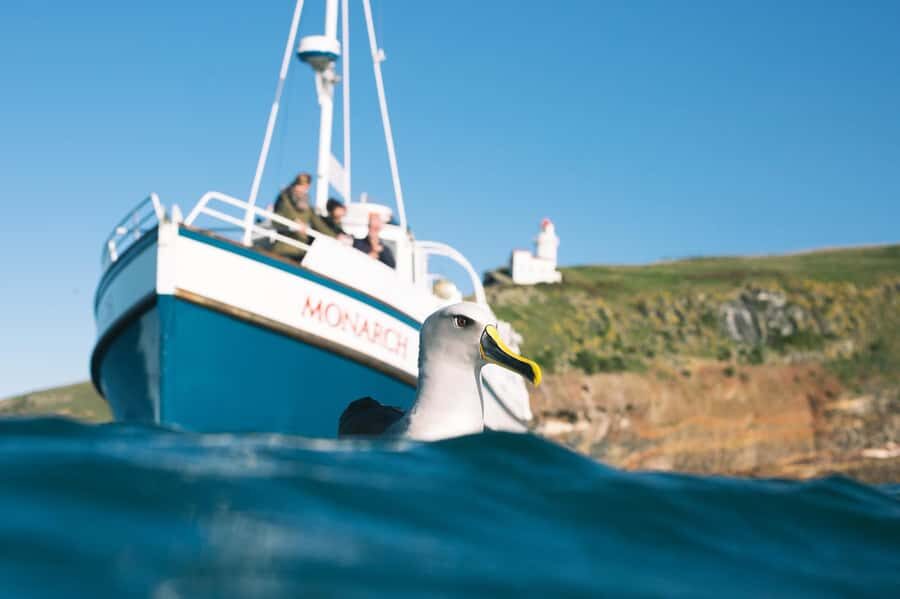
- Royal albatross, mainland-only colony views right around Taiaroa Head with huge wingspans overhead
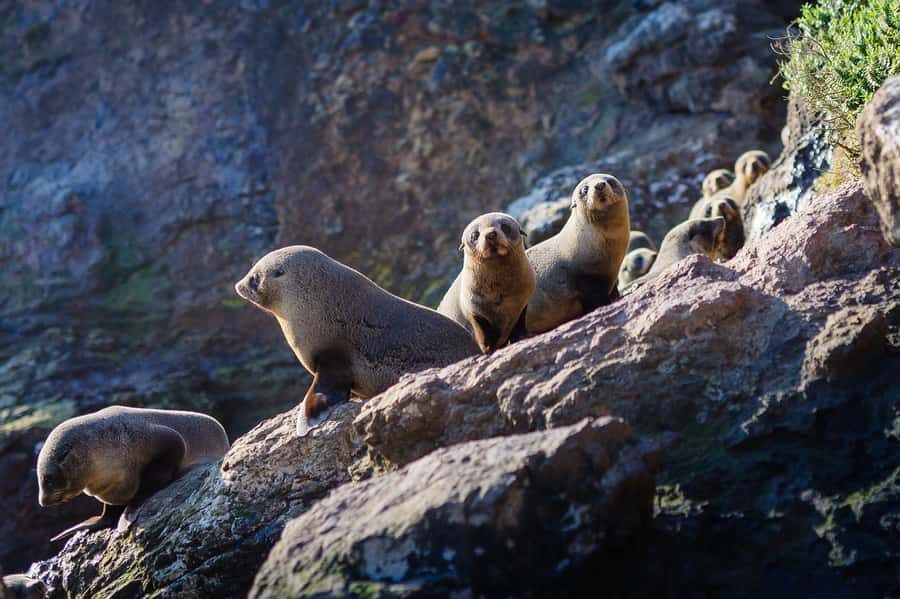
- Fur seals on the rocks, including behavior like sleeping, fighting, and playing at a breeding rookery
- Sea lions on Aramoana tidal sandflats, often sprawled out in the sun when conditions line up
- A full crew commentary tying wildlife to local history and geology as you cruise
- Military heritage by the harbor channel, with lookout posts and gun emplacements built into rock
- Rare ocean birds and marine mammals possible farther out into the Pacific
Getting to Wellers Rock Wharf from central Dunedin
This cruise is easy to understand: you drive yourself out from Dunedin, then board at Wellers Rock Wharf. Plan on about 45–60 minutes from central Dunedin, so it doesn’t feel like a last-minute add-on. The payoff is that the boat starts right by the Otago Peninsula’s rugged coastline and the Otago Harbour entrance, where wildlife tends to do its thing.
If you’re the type who hates feeling rushed, I’d treat the drive as part of the experience. The peninsula scenery is part of why this cruise works so well. Also, it’s common to have great viewing with a cool, brisk southerly wind—so dress for it, not for optimism.
Practical tip: pack for the mix of wind + sea air. A hat and warm layers matter more than you think on a boat deck for a full hour.
You can also read our reviews of more tours and experiences in Dunedin.
One hour at sea: the flow of the cruise
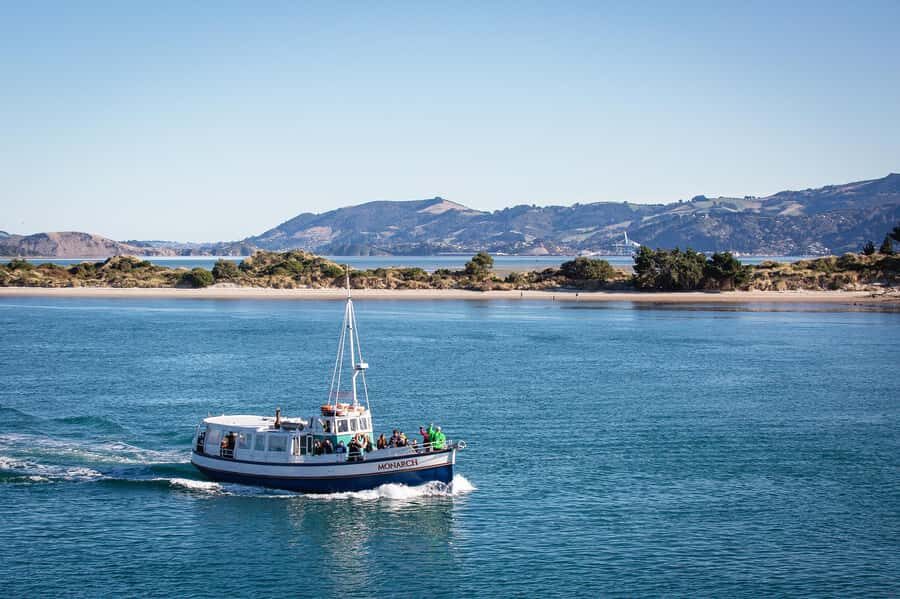
This is a 1-hour wildlife cruise, and the timing is the whole point. You’ll be on the water long enough to get proper views, but not so long that fatigue (or weather) ruins your day.
You’ll cruise out from the wharf along the coastline near the Otago Harbour entrance. As the boat moves, the crew gives a full live commentary about local wildlife, history, and geology. That’s a big deal because it helps you recognize species behavior fast—like when seabirds change pace to surf wind updrafts, or when fur seals are more active on land.
Then the boat’s route keeps returning you to the most “predictable” wildlife areas:
- Aramoana’s tidal sandflats for sea lions
- The rocky headlands and ocean-facing stretches for royal albatross and fur seals
- A short run out toward the Pacific Ocean for additional seabirds and possible marine mammals
Aramoana tidal sandflats: sea lions sunbathing and doing their thing
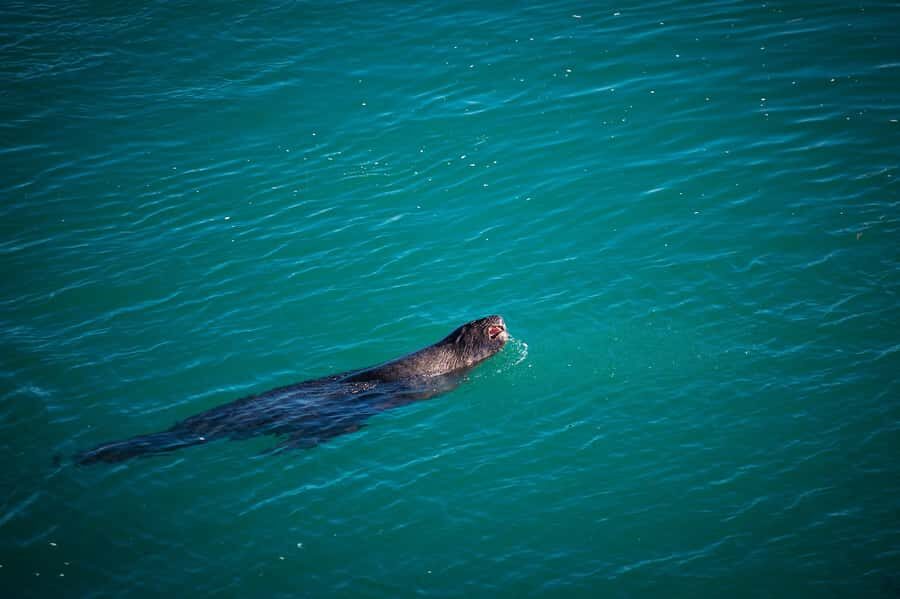
One of the most relaxed parts of the trip is passing Aramoana Beach and its tidal sandflats. This is where you can spot sea lions sprawled out and basking in the sun. It’s a simple visual, but it’s also more interesting than it sounds, because animal behavior is the real show: you’re not just looking at bodies on rocks—you’re watching them rest, shift position, and react to the world around them.
The big advantage here is the setting. Tidal sandflats are open, so sightlines can be good if the light and wind cooperate. And since the route keeps the cruise in one hour, you’re getting this without long travel detours.
What to watch for: sea lions often seem most visible when they’re resting in groups. If you see one moving, check the nearby rocks and edges of the sandflat—usually there’s more nearby than you spot at first glance.
The harbor channel history: gun emplacements in the rocks
As you cruise, you also pass remnants of the area’s military history across the harbor channel. The notable detail is that several lookout posts and gun emplacements were built into the rocky hill, and they were connected by tunnels.
This section isn’t about wildlife, but it adds texture to the coastline. You’ll come away seeing Taiaroa Head and the Otago Harbour not just as “pretty water,” but as a working strategic area shaped by geology and access. For many visitors, this is the moment when the commentary clicks: you realize the crew is guiding you through the peninsula as a whole system—rocks, wind, harbor shape, and animal habitat all linked.
If you like stories tied to real places (not generic history), this part helps the one-hour format feel worth it.
Taiaroa Head: the postcard lighthouse and the royal albatross show
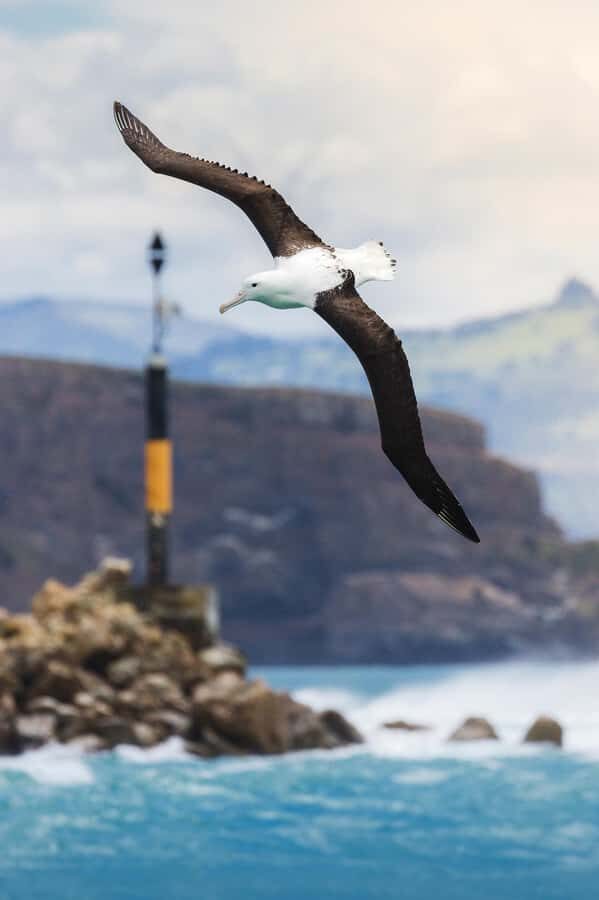
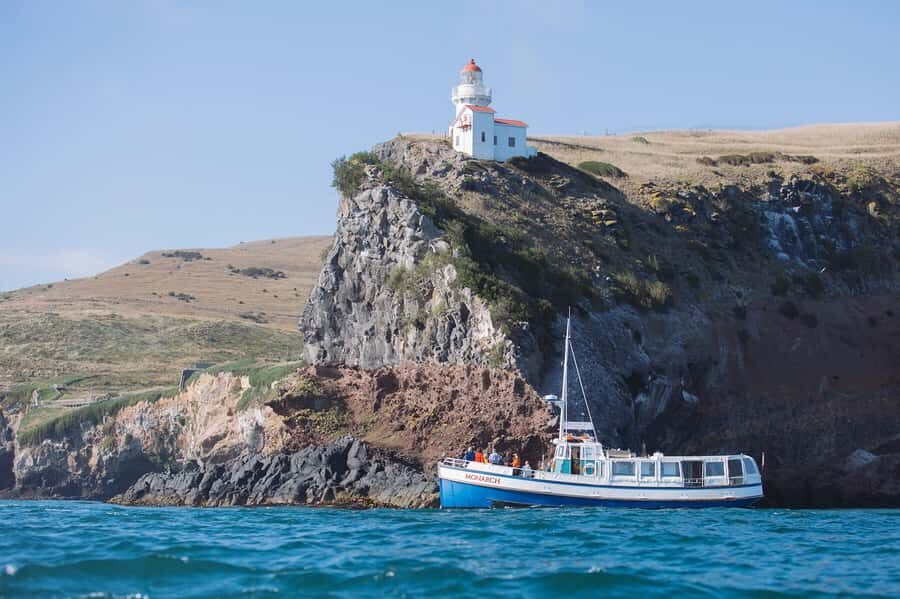
Taiaroa Head is where this cruise earns its reputation. You’ll get uninterrupted views of the world’s only mainland colony of royal albatross. And you’ll also see postcard-worthy views of the lighthouse perched above the volcanic cliffs.
A few facts that make this section special:
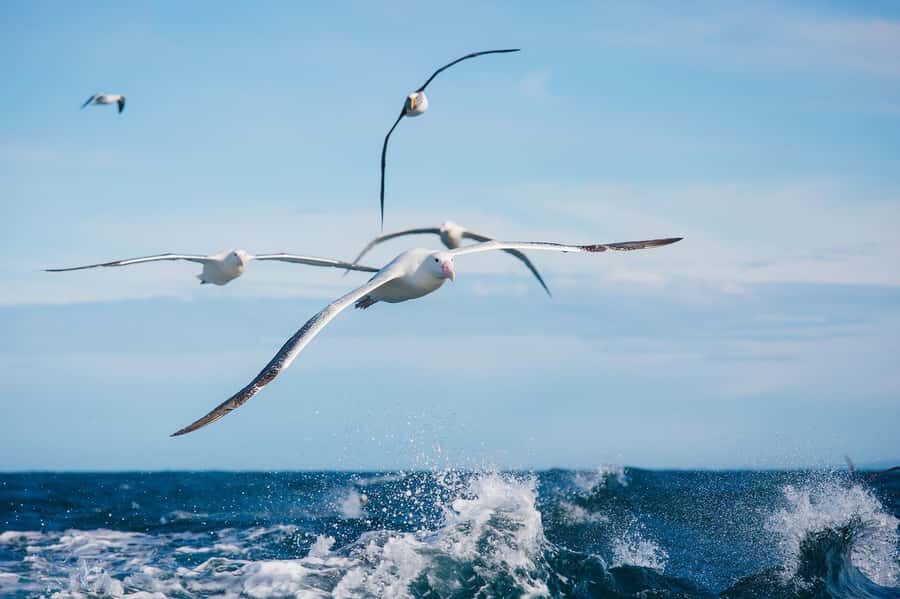
- The royal albatross has huge three-meter wingspans.
- You can watch them soar and glide and then land at their nests.
- You’ll often see low flights from the ocean, followed by use of updrafts from the hillside to gain height.
This is why a one-hour cruise can still feel like a “real” wildlife experience. You’re not just in the right region—you’re positioned to see the birds’ movement patterns. Flying mechanics matter here. When the birds catch updrafts, it’s not random. The coastline and cliffs shape the air, and you can literally see the result.
Also, the lighthouse has historic weight. It was the first lighthouse built on New Zealand’s South Island, back in 1864. Seeing it while you watch albatross around the headland makes the place feel both wild and historically anchored.
New Zealand fur seals: watching a breeding rookery close up
Next up is the rocky outcrops that stretch out to the ocean—where you can find a large New Zealand fur seal colony. The best part isn’t only the quantity. It’s the behavior. You can watch fur seals sleep, fight, and play on the rocks, and you may even see them swim in the water around the breeding rookery.
This is a great stop if you like wildlife that shows energy rather than just stillness. Seals do both: they nap like you’re on your day off, then suddenly decide it’s time to tussle or move around.
One note for expectations: rocky coast wildlife can look chaotic from a distance, so the crew’s commentary is your cheat code. They’ll help you connect what you’re seeing to what it likely means in their daily routine.
Out toward the Pacific: ocean birds and marine mammal possibilities
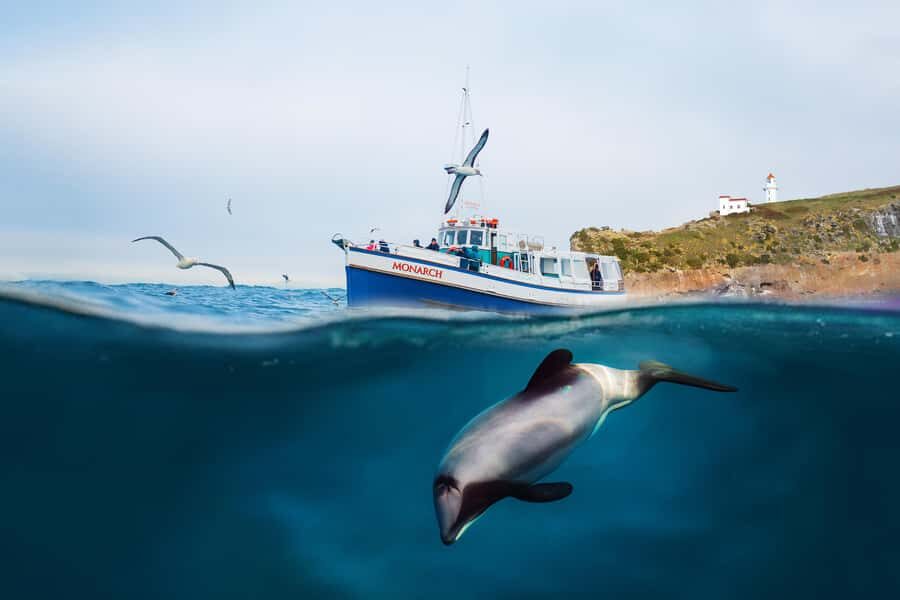
After you’ve covered the headline coastal animals, the boat cruises a short way out into the Pacific Ocean. This is when you can spot rarely seen ocean birds, including smaller albatross species, plus cormorants and petrels.
There are also sometimes sightings of:
- blue penguins
- dusky and Hector’s dolphins
- other marine mammals
Because this section is “possible,” it’s best to treat it as a bonus zone, not a guaranteed checklist item. The value is that your chances improve compared with a purely coastal viewing plan, since you’re changing your viewing angle and habitat zone during the cruise.
If you’re a photographer, this is also a more dynamic part of the route. Birds flying in open water tend to move with a different rhythm than birds near cliffs and rocks.
What you’ll get from the crew commentary (and why it matters)
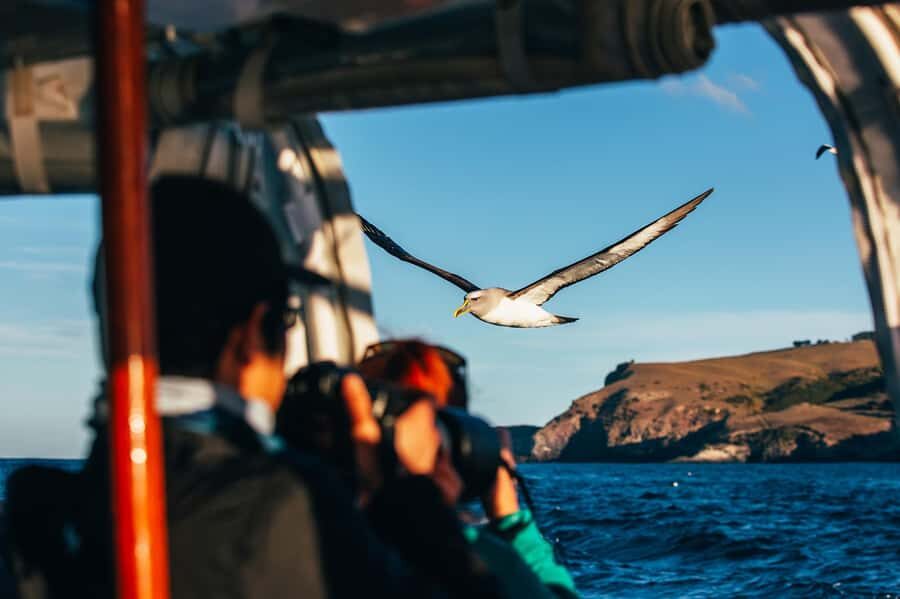
The cruise includes a full commentary by the crew, in English, covering wildlife, history, and geology. This is more than background noise. It turns sighting into understanding.
I’m a fan of tours that teach you how to look. Here, the commentary helps you:
- spot royal albatross behavior patterns (so you know what you’re seeing mid-flight)
- recognize why the harbor and headlands matter for animals
- appreciate the human stories built into the coastline, like the harbor channel fortifications
One review summary detail that matches what this kind of cruise is good at: people consistently highlight that the staff know their stuff and make the boat feel welcoming. You’ll want the crew’s knowledge, especially if you’re not a full-time bird nerd.
Timing and comfort: wind, layers, and boat reality
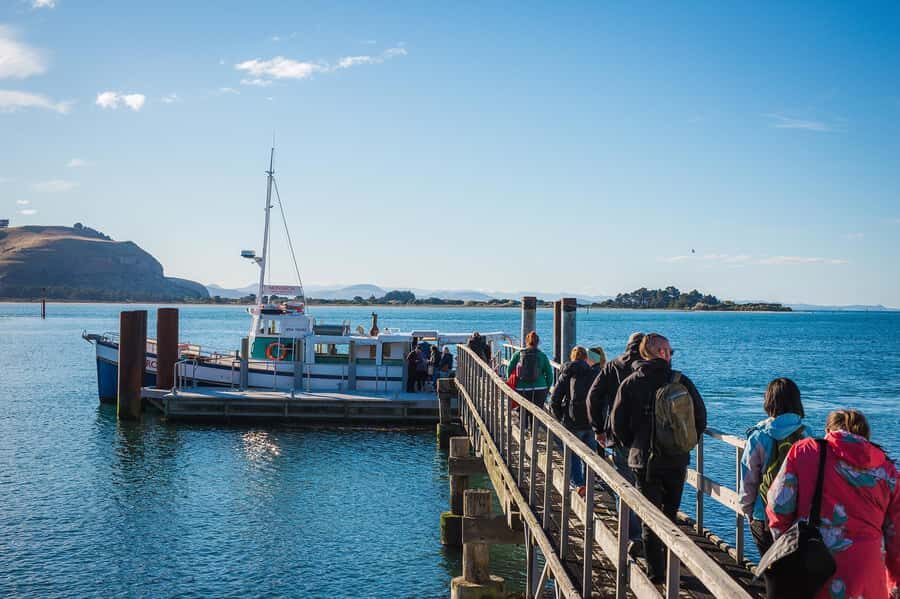
This is a practical outing, not a slow river cruise. You’re on a sturdy boat and you’ll spend real time looking out into wind.
What to bring:
- warm clothing
- a hat
- camera
- sunscreen
- waterproof camera gear if you have it
Why both sunscreen and warm layers? Because New Zealand can feel chilly but still burn your face when the sun breaks through. Also, sea spray and mist happen at the coast.
If you hate waiting for conditions, consider this your compromise. Viewing is often fantastic with that brisk southerly wind, but weather always has the last word. Keep your expectations flexible and your layers ready.
Not allowed items and behavior matters too:
- no baby strollers
- no smoking
- no drones
- no fishing
- no feeding animals
- no climbing
- no diving
- no alcohol and drugs, and no vaping
These rules protect both wildlife and safety, and they also help keep the ride calm and focused on viewing.
Price value: what $41 buys you in real terms
At $41 per person for a one-hour cruise, this isn’t a “cheap thrill,” but it also doesn’t drag into expensive full-day territory. The value comes from stacking three things in one ride:
1) A rare wildlife target: royal albatross at the only mainland colony
2) Up-close coastal wildlife: fur seals on rocks and sea lions on tidal sandflats
3) Knowledge delivery: live commentary on wildlife, history, and geology
If you’re trying to do this area justice with only a short window in Dunedin, this timing makes sense. The one-hour duration also means you can pair it with other local activities without building your whole day around a boat schedule.
Where it may feel less valuable is if you’re chasing a strict “guaranteed species” list. Some sightings beyond the core coastal animals can be variable. But for people who enjoy wildlife and want to learn while they look, the price-to-experience ratio is strong.
Who should book this wildlife cruise
You’ll likely enjoy this tour most if you:
- want wildlife viewing that’s grounded in real habitat (not just distant spotting)
- like guided explanations and not only sightseeing
- are comfortable with a brisk, windy coast
- can handle short boat time without stress
It’s also a smart choice for first-timers to Dunedin who want one iconic nature experience that connects animals to place.
If you’re traveling with kids, it can work well as long as they can sit still for an hour and you don’t need stroller access. If you have mobility concerns, note that it isn’t suitable for wheelchair users.
And if you’re even slightly prone to seasickness, I’d think twice. The tour isn’t positioned as a gentle, floating viewing deck. It’s a wildlife cruise with enough boat movement to matter.
Quick checklist before you go
Do yourself a favor and show up ready to watch. Here’s what pays off during the hour:
- dress warm for a cool southerly wind
- bring a camera and protect it from spray (waterproof helps)
- pack sunscreen
- keep your clothing simple enough that wind won’t steal your attention
- bring a hat you don’t have to chase
Also, skip drones and keep wildlife handling to zero. Feeding animals is not allowed, and that’s good for everyone.
Should you book the Dunedin Monarch One Hour Wildlife Cruise?
I’d book it if you want a compact, high-impact wildlife outing from Dunedin—especially if royal albatross and coastal seals are on your mental list. The mix of albatross views, fur seal behavior, and sea lions on tidal sandflats hits the sweet spot for a one-hour format. Add the crew’s live commentary on wildlife, history, and geology, and you get more than “look and leave.”
I would not book it if you’re very sensitive to boat motion or need wheelchair access. Also, if you’re the type who only values strictly guaranteed sightings beyond the main targets, treat the ocean bird and dolphin moments as luck-of-the-sea extras.
If you can handle wind and a short cruise, this is one of the most practical ways to spend an hour getting up close to some of Otago’s wild personalities.
FAQ
Where does the cruise depart from?
The meeting point is Wellers Rock Wharf.
How long is the Monarch wildlife cruise?
The duration is one hour.
What wildlife can I expect to see?
You can see royal albatross, New Zealand fur seals, and sea lions at Aramoana tidal sandflats. You might also spot other ocean birds, and sometimes blue penguins and dusky or Hector’s dolphins.
Do they provide commentary during the cruise?
Yes. The cruise includes full commentary from the crew about local wildlife, history, and geology.
How long should I allow for driving from Dunedin?
Allow about 45–60 minutes for the drive from central Dunedin.
What should I bring for the cruise?
Bring warm clothing, a hat, a camera, sunscreen, and consider something waterproof if you’re using a camera.
Is the cruise suitable for wheelchair users?
No, it is not suitable for wheelchair users.
Can I bring a baby stroller or a drone?
No baby strollers are allowed, and drones are not allowed.
Is there food or drinks included?
Food and drinks are not included.
Is it okay to fish or feed animals?
No. Fishing and feeding animals are not allowed.