REVIEW · DUNEDIN AND THE OTAGO PENINSULA
Dunedin Wildlife Cruise-Albatross, seals and harbour
Book on Viator →Operated by Port To Port Cruises and Wildlife Tours Ltd · Bookable on Viator
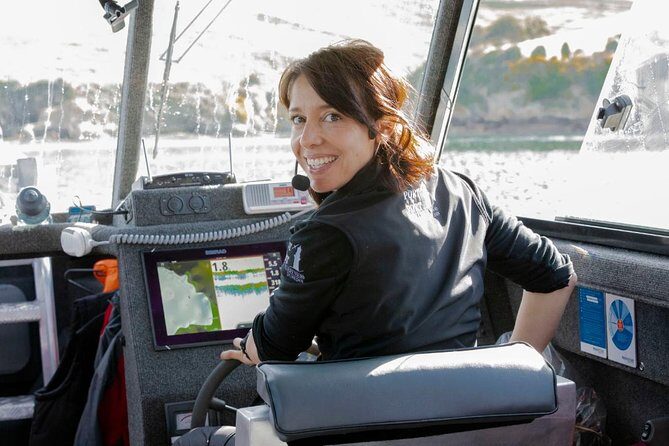
Albatrosses fly near the city, and this cruise makes it real. I especially like the small-group boat size (max 14), which helps wildlife come closer and lets you spot more details. I also like how the guide, often Rachel, uses live commentary plus on-board gear to help you actually identify what you’re seeing.
The trip runs about 90 to 120 minutes, with departures timed for late morning, early afternoon, and late afternoon. You’ll be comfortable on a small vessel with indoor and outdoor seating, and there’s a restroom on board for real-world convenience. Warm jackets and binoculars are provided, so you can focus on watching instead of preparing.
One big consideration: wildlife watching depends on conditions. On very windy or rough days, sailing may be cancelled for safety, and choppy water can limit how close birds come to the boat.
In This Review
- Key things you’ll care about on this Dunedin wildlife cruise
- How this Dunedin wildlife cruise gets you close to real sea life
- Getting to the boat: Port Chalmers vs Portobello, and what you should plan
- On-board comfort that makes a 1.5–2 hour cruise actually pleasant
- Stop-by-stop: Otago Peninsula for birds, shipwreck atmosphere, and seal time
- Taiaroa Head by boat: where the albatross watching payoff happens
- Wildlife sightings: what you can hope for, and why you should accept variability
- The guide experience: live commentary that helps you spot faster
- Weather and sea spray: how to dress so you don’t lose the day
- Price and value: does $105.50 make sense for this 1.5–2 hour outing?
- Who should book this, and who should think twice
- Should you book Dunedin Wildlife Cruise: albatross, seals and harbour?
- FAQ
- How long is the Dunedin wildlife cruise?
- What’s included on board?
- Where do I board the boat?
- Is transport included from the cruise terminal?
- Are snacks provided?
- Is the cruise suitable for people with mobility issues?
Key things you’ll care about on this Dunedin wildlife cruise
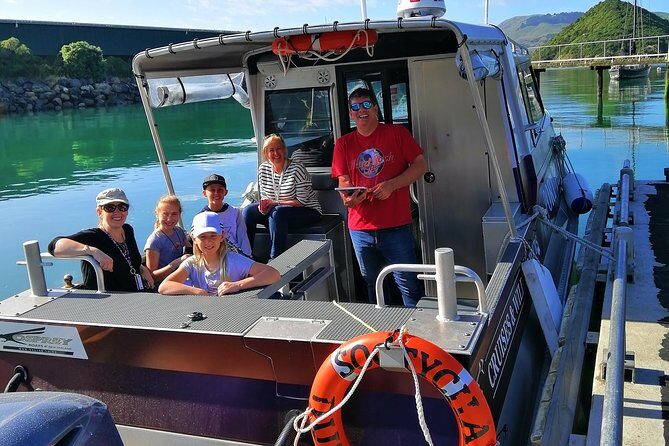
- Max 14 travelers means less crowding and steadier wildlife spotting
- Two key areas by boat: Otago Peninsula waters plus Taiaroa Head for albatross and seals
- Binoculars and warm jackets provided so you can dress right fast
- Indoor seating + restroom on board helps when the weather turns
- Live narration with info sheets/checklist to confirm species after you get off
- Sea conditions affect sightings and in extreme wind it may not sail
How this Dunedin wildlife cruise gets you close to real sea life
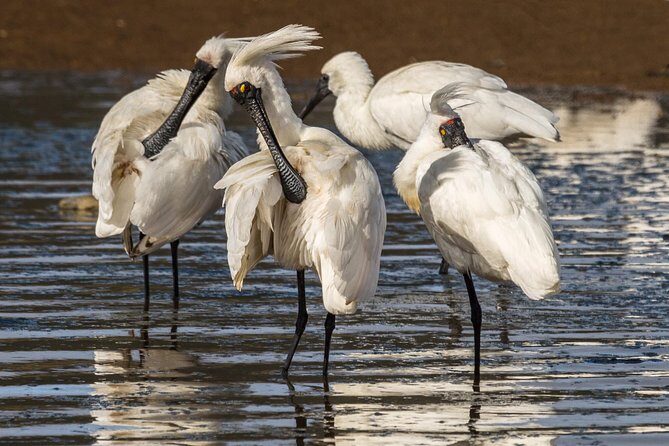
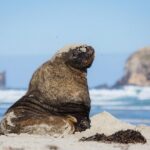
Dunedin’s harbor can feel surprisingly busy from shore, but on the water it turns into its own wildlife world. This is the kind of cruise where you’re looking out at seabirds, seals, and sea lions while still seeing the harbor shape and the coastline close by.
The “small” part matters. With a maximum group of 14, you tend to get less crowding at the best viewing spots, and it’s easier to follow the guide’s attention when something appears low on the water.
You can also read our reviews of more boat tours in Dunedin and The Otago Peninsula
Getting to the boat: Port Chalmers vs Portobello, and what you should plan
You can board either from Port Chalmers or Portobello. If you’re arriving by cruise ship, the most helpful detail is that the walk from the Port Chalmers cruise ship terminal building is an easy 5–10 minutes.
There’s no included transport from the cruise building, so build in time to walk and keep your directions simple. Also note that the activity is near public transportation, which can help if you’re not tied to a ship schedule.
On-board comfort that makes a 1.5–2 hour cruise actually pleasant
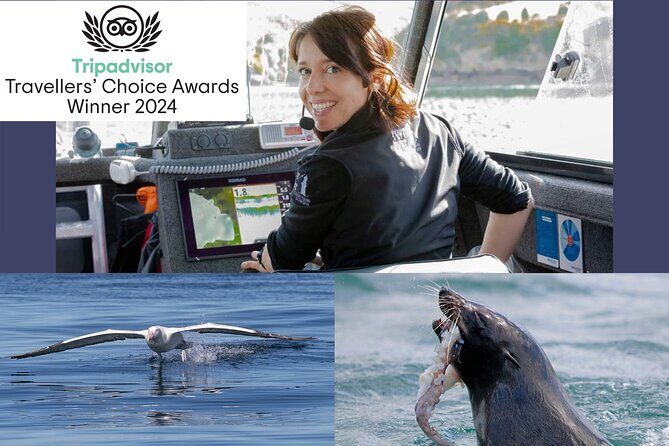
This isn’t a “stand in the wind for two hours” type of outing. The boat has indoor and outdoor seating, and there’s a restroom on board, which sounds basic until you’re on the water for the long day.
Cold or wet weather is part of the deal in southern New Zealand. You’ll get warm jackets and binoculars, and you should still dress for chilly wind and possible sea spray. One practical tip: layers beat a single heavy coat because you can adjust as you move between indoor and outdoor areas.
If you’re bringing kids, this duration tends to work well as a shorter water activity. If you have mobility concerns, keep in mind it’s not recommended for significant mobility problems, because you must be able to step down into the vessel (about 300 mm).
Stop-by-stop: Otago Peninsula for birds, shipwreck atmosphere, and seal time
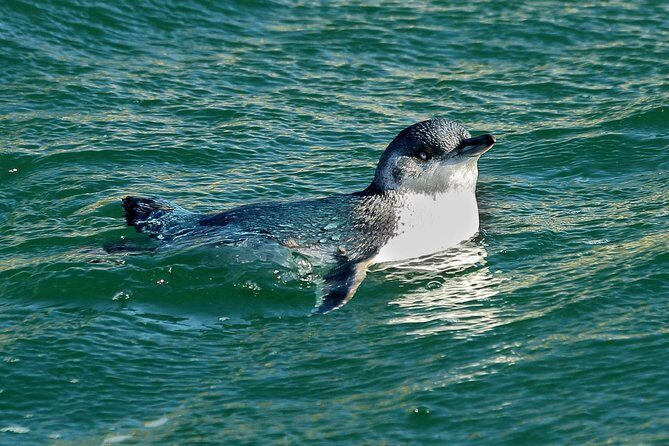
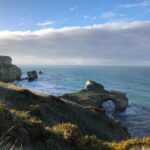
This cruise splits its attention between two zones, starting with the Otago Peninsula waters. Expect a mix of harbor scenery, ocean birds, and the kinds of marine mammals you can sometimes spot very close to where the boat is running.
This is the part of the trip that often feels like you’re building a list as you go. You might see things like shags and other seabirds, plus seals and shipwreck-linked coastal history visuals that give the area character beyond just wildlife.
One real advantage here is simply time efficiency. In 90 to 120 minutes total, you’re not driving all day or switching tours every hour. You’re on the water, moving through the areas most likely to produce sightings.
Taiaroa Head by boat: where the albatross watching payoff happens
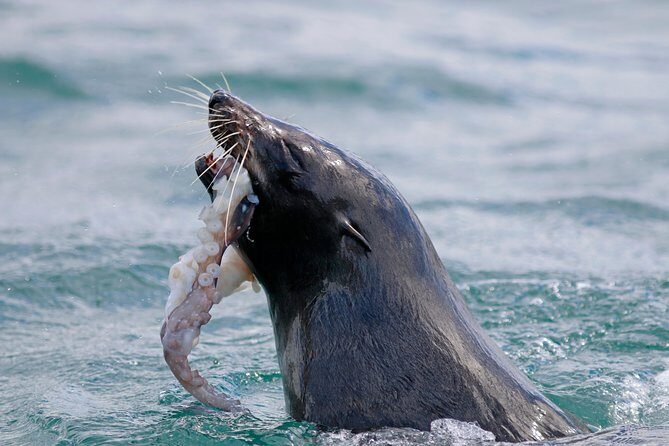
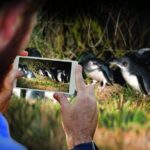
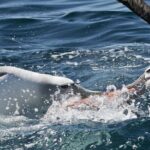
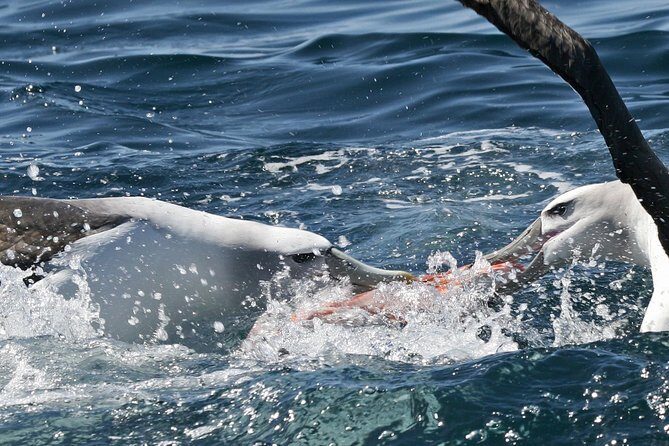
The second highlight zone is Taiaroa Head, and this is where your attention usually sharpens. The big draw is the chance to see albatross, along with seals and other sea birds in the same general waters.
People talk about species closeness for this kind of coastwatching, and the small boat size can help you get better views when an animal comes near the waterline. Even when the birds aren’t landing right at the boat, you’re not stuck guessing what you’re looking at. The guide can point out what matters and what to watch for.
This is also where you’ll get the most “payoff” feeling if you’re into bird watching. One common theme in experiences like this is that it can turn from scenery into serious spotting when albatross show up and stay in range long enough to watch.
A few more Dunedin and The Otago Peninsula tours and experiences worth a look
Wildlife sightings: what you can hope for, and why you should accept variability
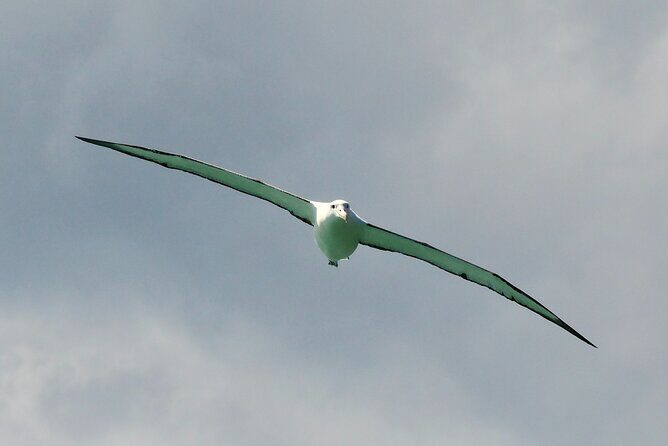
Let’s be honest: wildlife cruises are not a wildlife vending machine. You can go out expecting albatross and seals, and you can still have a day where conditions or animal behavior make it harder to get the close-up you’re imagining.
That said, the cruise is designed around the reality of this coast. The itinerary targets waters where seabirds and seals are part of the normal rhythm, and the guide’s job is to position the boat for the best chance to see them. On calmer or cooperative days, you may see multiple species in the same trip window.
You may also spot surprises. Some experiences mention additional species like sea birds and dolphins showing up when conditions make it possible. So I’d go in with a flexible plan: you’re booking a guided wildlife search with real odds, not a guaranteed species checklist.
The guide experience: live commentary that helps you spot faster
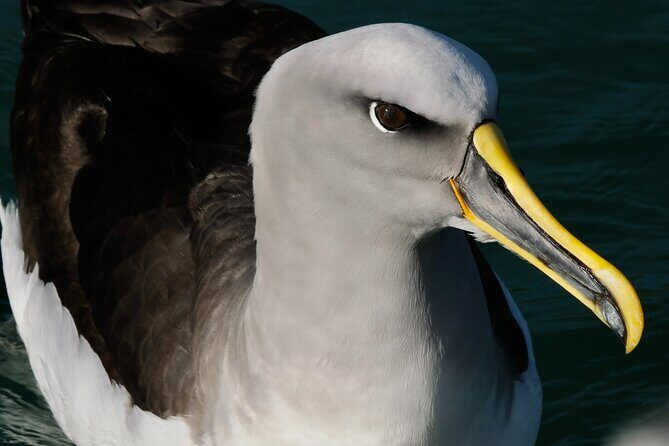
The biggest skill on this type of cruise is knowing what to look for in real time. Many tours on the water sound similar, but what makes this one feel different is how the guide pairs narration with spotting help.
Gear is part of that. Binoculars are provided, and you’re also handed wildlife information sheets that help you confirm what you saw. In experiences shared from past passengers, that end-of-trip recap can be a pictorial checklist vibe, which is handy when you’re trying to tell similar-looking birds apart.
Rachel is the name that comes up again and again as the guide/captain, known for detailed instructions and a steady approach to spotting. In one account, a different captain name, Rebecca, appears—so either way, you should expect a professional operating the boat and narrating as you go.
Weather and sea spray: how to dress so you don’t lose the day
If you take only one piece of advice, make it this: dress warmer than you think. Sea spray can happen at times, and even a bright day can feel colder when you’re moving across open water.
Here’s what helps most:
- Wear layers so you can adjust when you move inside/outside
- Bring warm outerwear, even if you think it won’t be cold
- If you get motion sensitive, consider planning your day so you’re not overly tired before the cruise
On extreme wind days, the operator may cancel for safety. One experience describes a wind situation well beyond what’s considered safe, with the cruise cancelled rather than pushed. That’s not a “bad luck” issue—this is a safety-first reality for small boats.
Price and value: does $105.50 make sense for this 1.5–2 hour outing?
At $105.50 per person, this isn’t a throwaway add-on. But it can feel like strong value when you compare what you actually get: a small boat, live guiding, binoculars and warm jackets, an on-board restroom, and access to two wildlife-focused coastal zones within a short time window.
It also helps that the group size is capped at 14. In practice, that usually means you’re paying for a more personal experience rather than a crowded ride where you see wildlife only as tiny specks far away.
The one thing not included is snacks, so plan to eat beforehand. If you tend to get hungry, bring water or a small snack you can have off the boat schedule, since you won’t get onboard food here.
Who should book this, and who should think twice
This cruise is a good fit if you:
- Want albatross and seal country without a full-day drive
- Like wildlife with a guided spotting approach and post-trip identification help
- Prefer a small-group boat experience over big-ship crowds
It may be less ideal if:
- You have significant mobility issues and can’t manage stepping down into the vessel (about 300 mm)
- You’re only happy if you see a specific species on cue—because wildlife viewing can vary with conditions and animal behavior
- You dislike rough weather days, since sea spray and choppy water can affect comfort and closeness of viewing
Should you book Dunedin Wildlife Cruise: albatross, seals and harbour?
If your goal is close-to-city wildlife viewing with a real guide and practical comfort, I think this is worth booking. The small-group limit, binoculars and jackets, restroom on board, and two focused waters within about 1.5–2 hours all point to a well-shaped experience for people who want maximum wildlife time with minimal fuss.
Book it especially if you’re arriving around Dunedin and want a day activity that feels both educational and genuinely “outside.” Just go in with the mindset of a guided wildlife search, not a guaranteed zoo schedule.
FAQ
How long is the Dunedin wildlife cruise?
It runs about 90 to 120 minutes.
What’s included on board?
You get binoculars, warm jackets, restroom access on the boat, and wildlife information sheets. Admission for the cruise experience is also included in the ticket.
Where do I board the boat?
You board at either Port Chalmers or Portobello. If you’re at the Port Chalmers cruise ship terminal building, the walk to the boat is an easy 5–10 minutes.
Is transport included from the cruise terminal?
No. You need to make your own way to the meeting point. The only detail given is the short walk from the Port Chalmers cruise ship terminal building.
Are snacks provided?
No. Snacks are not included.
Is the cruise suitable for people with mobility issues?
It’s not recommended for travelers with significant mobility problems, because you must be able to step down into the vessel (about 300 mm). Most other travelers can participate.