REVIEW · DUNEDIN AND THE OTAGO PENINSULA
Guided Evening Penguin Viewing Otago Peninsula, Dunedin, New Zealand
Book on Viator →Operated by Blue Penguins Pukekura · Bookable on Viator
Blue penguins come in on cue. This 90-minute evening viewing on Dunedin’s Otago Peninsula is timed for the moment hundreds of little blue penguins return to land and waddle toward roost. I like that the experience includes a biologist-style conservation talk, with guides including Leon and Shane showing up in the tour lineup.
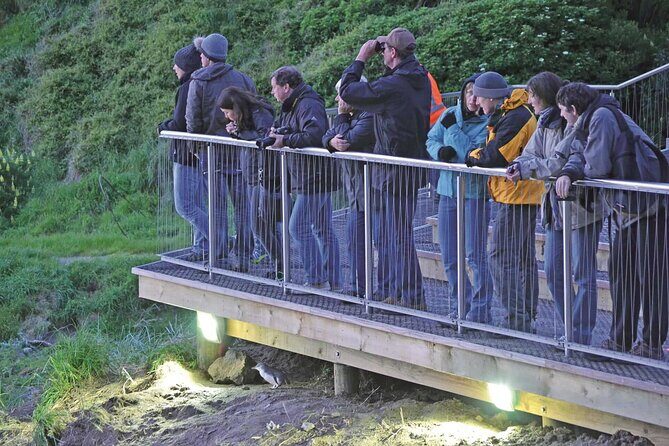
I also love the way the viewing setup is managed. The open platform lets you move a bit for angles, and the team rotates groups so you’re not stuck watching from one side.
The only real drawback is comfort. It can be very windy or wet, umbrellas are not allowed, and you’ll do a short walk on gravel and boardwalk with 60+ steps, so bring layers you can move in.
In This Review
- Key things to know before you go
- Otago Peninsula at Dusk: what you’re really paying for
- Arriving at Blue Penguins Pukekura: meeting point and your first vibe check
- The reserve walk: gravel, boardwalk, and steps you should expect
- The human story first: Māori presence on the headland
- The science bit: why a biologist guide improves your viewing
- Hidden spot to open platform: how the viewing works in real life
- Penguins up close, plus the chance of other wildlife
- Photography rules: how to capture without messing things up
- What to wear: wind-proof layers beat good intentions
- Seasonal expectations: how many penguins should you bet on?
- Timing and night drive reality: Dunedin-to-Otago Peninsula in the dark
- The value equation: why $34.13 can make sense
- Who this tour fits best (and who should reconsider)
- Should you book Blue Penguins Pukekura evening viewing?
- FAQ
- How long is the evening penguin viewing?
- Where does the tour start and end?
- Do I need my own car?
- Can I take photos or videos?
- What if it’s wet or windy?
- How much walking is involved?
- How many penguins should I expect to see?
- What happens if the tour is canceled due to weather?
- Is there a maximum group size?
Key things to know before you go
- Photography is allowed without flash, so you can actually capture the moment
- Penguins arrive at dusk in waves, with expectations ranging from 10–80 in non-breeding months to far more in summer
- A short walk with lots of steps means you should plan for mobility and stamina
- A conservation-first approach keeps the viewing close without disrupting the penguins
- Hot drinks may be available, but pack your own cold-weather strategy anyway
- You drive yourself to the reserve, so build extra time for a night drive
Otago Peninsula at Dusk: what you’re really paying for
You’re not paying just to see penguins. You’re paying for timing, guidance, and the right distance so the penguins keep doing what they do naturally.
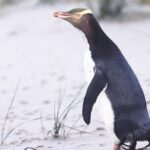
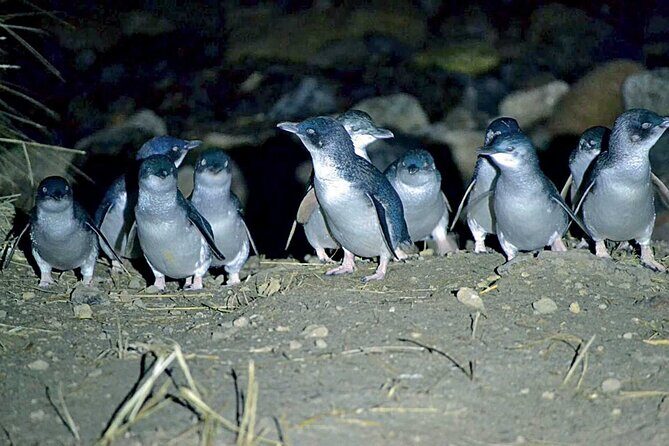
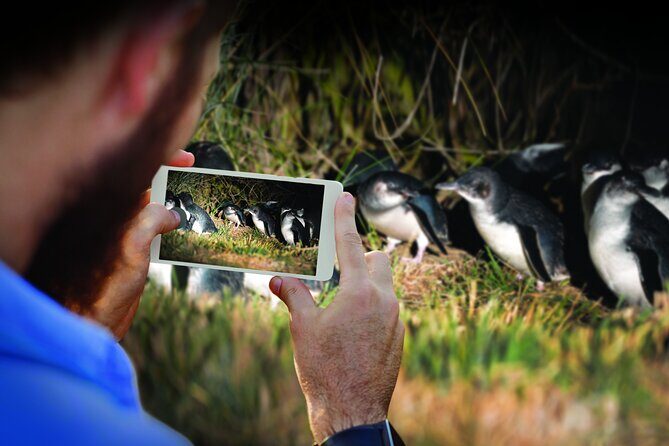
This evening tour is built around the nightly return from sea. On many nights you’ll see blue penguins come in close to shore, then waddle up from the water in a steady march. The company states up to 200 blue penguins can arrive home on a good night, and in the non-breeding months (February to August) they expect 10–80 each evening. That range matters, because it sets expectations: some nights feel packed, while others feel more intimate.
You can also read our reviews of more guided tours in Dunedin and The Otago Peninsula

Arriving at Blue Penguins Pukekura: meeting point and your first vibe check
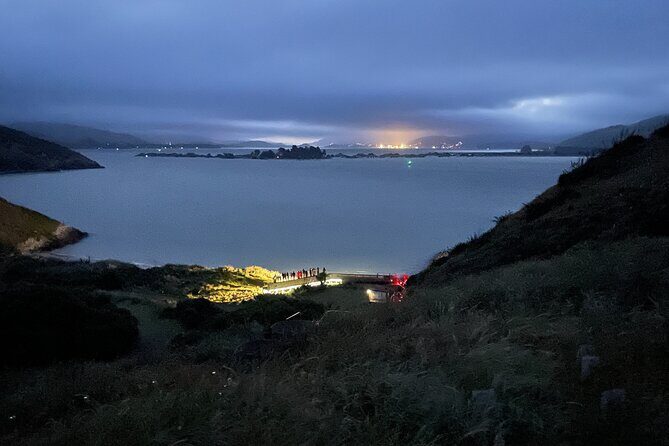
The tour starts at Blue Penguins Pukekura, 1245 Harington Point Road, Harington Point 9077. You’ll drive yourself here, and the activity ends back at the same meeting point.
Once you’re there, the vibe is calm and controlled. This isn’t a chaotic free-for-all. It’s a guided experience that funnels groups along the viewing route and then keeps everything orderly when the birds start moving.
The reserve walk: gravel, boardwalk, and steps you should expect
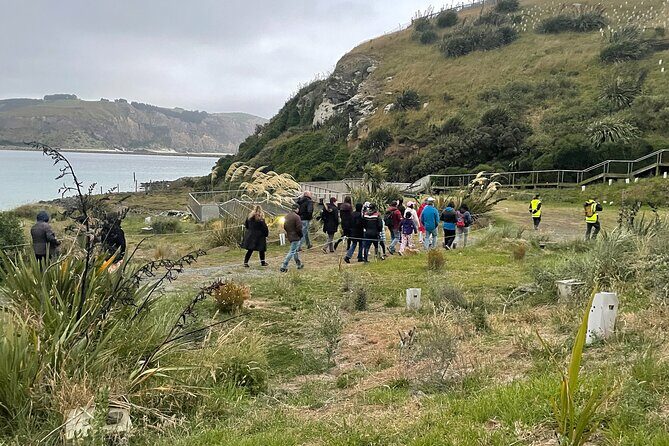
Right away you’ll do a walk of about 300 meters along a gravel path and boardwalk. The boardwalk has over 60 built-in steps, so wear shoes with grip and plan for the uphill feel.
You also need to be able to walk unaided. If that’s a question for you, this is the moment to be honest with yourself, because the viewing platform experience depends on getting everyone to the right spot safely and on time.
The human story first: Māori presence on the headland
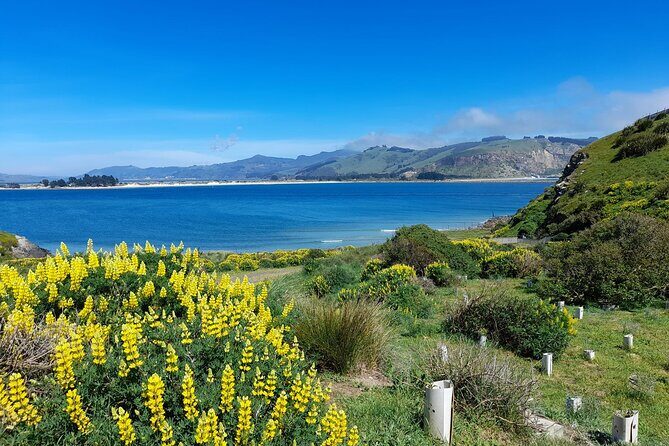
Before the penguins, you’ll start with an introduction to the headland’s human history. This headland was occupied by Māori long before European arrival.
I like this start because it changes the mood from animal-watching to place-understanding. When you learn even a bit about why people have valued this area for so long, you notice more details: the coast as a working landscape, and the penguins as a living part of it, not a novelty display.
The science bit: why a biologist guide improves your viewing
Most penguin tours teach you the basics. This one leans into interpretation and conservation.
You’ll hear from an expert biologist or conservation-focused guide, with an emphasis on penguin behavior and the environment they live in. That matters at dusk because the penguins aren’t just “cute animals”—they’re on a schedule. When you understand what you’re seeing, the whole hour feels more rewarding, not just visually busy.
And the guide approach is interactive. In past tours, people have praised the team for rotating groups so everyone gets a chance to see the penguins from different angles. You’ll also get help timing what to watch for as the return home starts.

Hidden spot to open platform: how the viewing works in real life
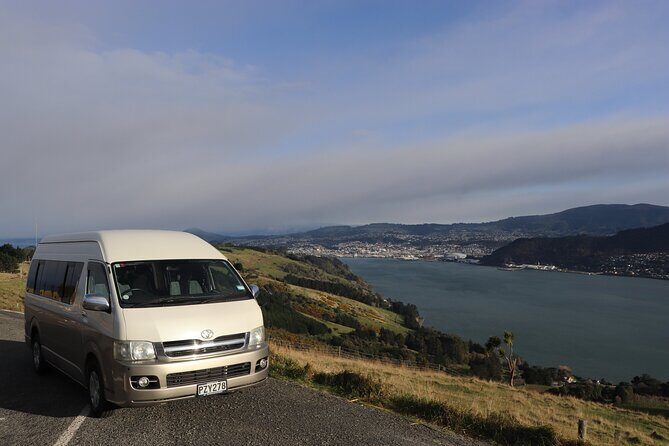
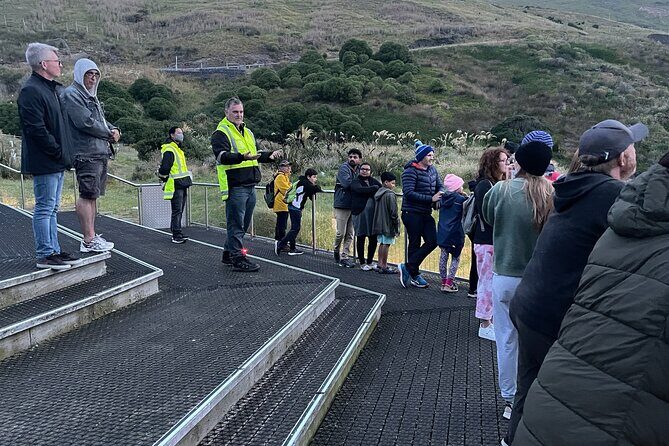
After the talk and walk, you move into the viewing area for the moment penguins start arriving.
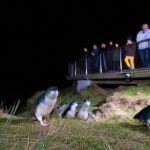
The experience is described as one of the closest and best opportunities to see little blue penguins without disturbing them. You’ll watch penguins waddle up the beach from a hidden spot and then shift to the platform viewing as the action picks up.
Here’s what you should expect physically:
- You’re on an open platform, not behind thick glass.
- You can move to see from different angles.
- The staff may rotate your group around the look-out area so people aren’t stuck with the same sightline.
One practical tip: come ready for waiting. The penguin return is timed, but nature doesn’t punch a clock. You’ll likely be outside for a good stretch once the action begins.
Penguins up close, plus the chance of other wildlife
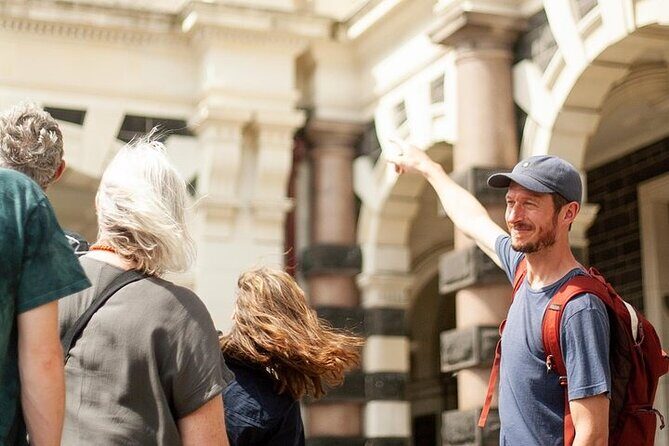
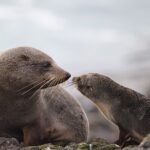
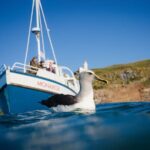
This evening route isn’t only about penguins. The tour description also points out the possibility of seeing other wildlife such as fur seals, sea lions, and albatross.
When it happens, it’s a bonus. When it doesn’t, you still get the star attraction: blue penguins returning home in large numbers.
Photography rules: how to capture without messing things up
Good news for camera people. Photography is allowed without flash.
That rule is important for two reasons. First, it supports the conservation goal of not disrupting nesting and roosting behavior. Second, it forces you to work with the natural low-light conditions and any lighting provided.
If you’re shooting video, expect the same: steady, low-light settings. A fast-moving bird on a dark beach is always a challenge, so having no-flash permission is a real practical advantage.
What to wear: wind-proof layers beat good intentions
Bring a serious warm-up plan. This is coastal Dunedin in the evening, and the headland can be cold and windy even when town feels fine.
A rain jacket is smart because umbrellas are not allowed. That’s a big constraint on a platform. If it’s wet, you’ll want hands free and something that blocks wind-driven spray.
A simple packing checklist:
- Warm layers you can move in while climbing steps
- Wind-proof outer layer
- Waterproof footwear with grip
- A camera strap you can trust
- Something warm for your hands if you run cold easily
Some people also note hot drinks like coffee and hot chocolate are available during the viewing. If you rely on them, treat them as helpful, not a substitute for real cold-weather gear.
Seasonal expectations: how many penguins should you bet on?
The tour gives clear seasonal math, which I like because it makes the experience easier to decide.
- Non-breeding months (February to August): expect 10–80 penguins each night.
- More active times (especially summer): the company expects more, with the potential of seeing hundreds.
That means you can go in February and feel good about seeing penguins, but you should not expect the same “crowd-level” number you might see in peak periods. If your goal is maximum penguin density, plan for seasons where the colony is more active.
Timing and night drive reality: Dunedin-to-Otago Peninsula in the dark
This is an evening activity, so you’ll be driving back at night. One of the practical considerations mentioned is that the roads can feel scary if you’re not used to New Zealand driving after dark.
So do yourself a favor:
- Give yourself extra time to find the meeting point.
- Drive like it’s windy and slow, because it often is.
- Eat before you go if you tend to get hungry while waiting outside.
The value equation: why $34.13 can make sense
At $34.13 per person, this is not a bargain like a free beach walk. It is also not overpriced compared with other wildlife experiences, because the value comes from three things you can’t easily DIY:
- Expert interpretation from conservation-focused guides.
- A viewing setup designed to keep the penguins safe while still letting you see close-up.
- A managed flow that helps people get different angles as the birds arrive.
There’s also an added confidence factor. The tour description states a 30% refund via the booking platform if you see fewer than 5 penguins. It also notes refunds are higher when booking direct (up to 50%). I take this as the operator trying to avoid the worst-case disappointment of an empty night, even though wildlife timing can’t be controlled.
Who this tour fits best (and who should reconsider)
This experience is ideal if you love:
- Bird behavior and want to understand what you’re seeing
- Nature viewing with a conservation mindset
- Close-up wildlife without flash photography
- Guided logistics, especially getting everyone lined up for the best viewing
It’s a tougher fit if:
- Your mobility is limited, since you must walk unaided on a path with over 60 steps
- Wind and cold are a big problem for you
- You need umbrellas or dislike being outside for extended periods
If you’re traveling with someone who hates waiting, reassure them early: the penguins do the main show once dusk hits, and the guides will help you time what to look for.
Should you book Blue Penguins Pukekura evening viewing?
I think you should book if your heart is in the right place: you want a close, orderly penguin viewing experience that prioritizes both conservation and a good view.
Go for it if you can handle cold, skip umbrellas, and are comfortable with a short but step-heavy walk. You’ll likely get the best night if you show up dressed for wind and rain, and you’re ready to wait patiently for the first wave of penguins.
Skip it only if the combination of steps, cold exposure, and weather variability would stress you out more than it excites you.
FAQ
How long is the evening penguin viewing?
The tour runs for about 1 hour 30 minutes (approx.).
Where does the tour start and end?
It starts at Blue Penguins Pukekura, 1245 Harington Point Road, Harington Point 9077, New Zealand and ends back at the same meeting point.
Do I need my own car?
Yes. No transport is provided, so you need to drive yourself to the reserve.
Can I take photos or videos?
Photography is allowed without flash.
What if it’s wet or windy?
You’ll be outside, and umbrellas are not allowed. If it’s wet, bring a rain jacket.
How much walking is involved?
There’s a 300m walk along a gravel path and boardwalk with over 60 built-in steps. You must be able to walk unaided.
How many penguins should I expect to see?
The colony can be large, with expectations of up to 200. In the non-breeding months (February to August), the expectation is 10–80 penguins per night.
What happens if the tour is canceled due to weather?
This experience requires good weather. If it’s canceled due to poor weather, you’ll be offered a different date or a full refund.
Is there a maximum group size?
Yes. This activity has a maximum of 75 travelers.