REVIEW · DUNEDIN AND THE OTAGO PENINSULA
Otago Peninsula In-Depth Tour & Blue Penguins Pukekura Experience
Book on Viator →Operated by Blue Penguins Pukekura · Bookable on Viator
Tiny penguins, serious nature, and cold night air. This Otago Peninsula tour pairs an in-depth drive with wildlife spotting and cliffside viewpoints, then ends at Pukekura for the Blue Penguins experience where you watch little penguins emerge from the sea and waddle toward their burrows metres away. I love the way the day is built around more than just penguins, with geology, botany, and human history woven into the ride out to Taiaroa Head. I also like the small-group format for the Peninsula portion, which makes it easier to ask questions and actually look out the window when birds and marine life appear.
The main thing to plan around is the physical side: you need to walk about 300m unaided and manage around 60 stairs on the viewing walkway, and it gets really cold after dark. If you can’t handle that, or you’re travelling with kids under 6, this may feel like more work than wonder.
In This Review
- Key points I’d circle before you go
- Otago Peninsula and Pukekura: more than a one-night penguin stop
- Price and value: how the $102-ish ticket really works
- Dunedin pickup and city passing: a quick start that sets the context
- The in-depth Otago Peninsula drive: built by someone who spent decades here
- Taiaroa Head cliff viewpoints: Māori significance and real-world wildlife focus
- The Blue Penguins Pukekura Experience: close-up penguin viewing rules
- Wildlife odds on the Otago Peninsula: seals, albatross, and why timing matters
- The evening reality: stairs, cold air, and how to be comfortable
- Guides and storytelling: you’ll feel the local passion
- Timing, crowds, and what the “5 hours” really feels like
- Who should book this Otago Peninsula and blue penguin combo?
- Should you book it? My practical verdict
- FAQ
- How long is the tour?
- Is pickup available from Dunedin?
- Where does the tour start?
- How many people are on the tour?
- What is the minimum age for children?
- How much walking and stairs are involved?
- Can I take photos during the penguin viewing?
- What should I bring for the evening viewing?
- What happens if fewer than 5 penguins are seen?
- What if the weather is poor?
Key points I’d circle before you go
- Small group (max 11) for the Peninsula drive, so the timing feels calm and personal
- Taiaroa Head cliff viewing pairs Māori significance with wildlife reserve viewpoints
- Blue penguin viewing at dusk is close-range, with a controlled platform and no flash photography
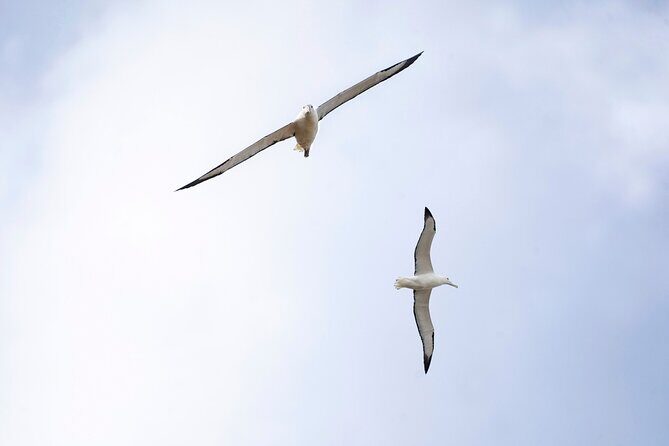
- Wildlife chances on the Peninsula can include seals nearby and albatross overhead (seasonal)
- Refund motivation if penguins are few: stated 30% refund when booked via Viator if fewer than 5 penguins are seen
- Warm-clothing and umbrella rules matter because you’ll be outside for a good chunk of the evening
Otago Peninsula and Pukekura: more than a one-night penguin stop
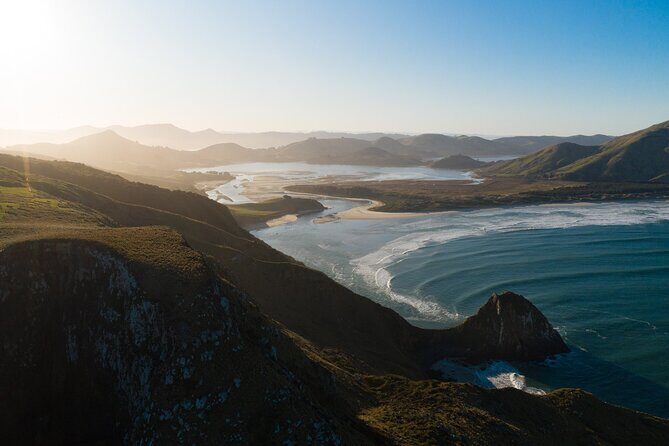
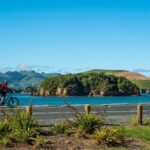
This is the kind of outing that makes you feel like you’re getting your bearings fast. You start in Dunedin, then the route shifts into Otago Peninsula terrain, with frequent stops for scenery, birds, and explanations that help you understand what you’re seeing instead of just snapping photos and hoping for the best.
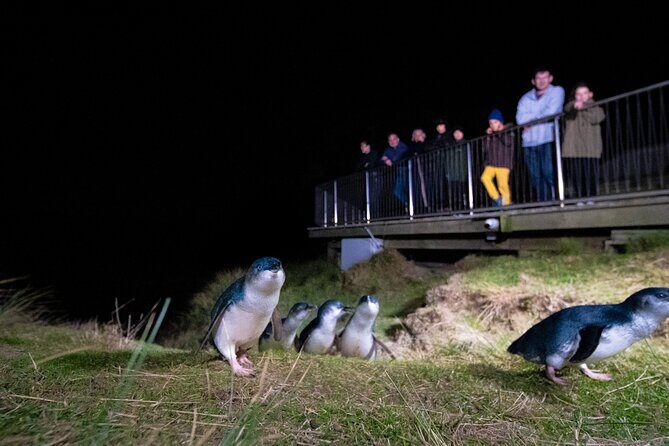
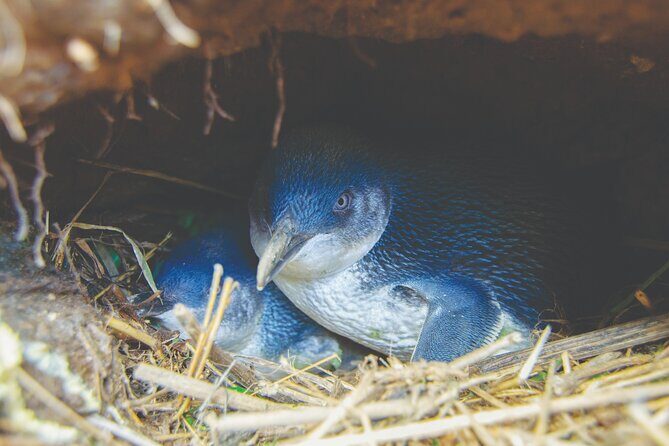
The big payoff is the final act: the Blue Penguins Pukekura Experience at Taiaroa Head (Pukekura). This is one of the few places where the world’s smallest penguin returns to shore and you can watch the whole routine up close—from sea to shore to burrows—as darkness sets in.
And yes, it’s a penguin event, but the tour framing is what makes it satisfying: you learn why this ecosystem matters, then you witness it in real time.
You can also read our reviews of more tours and experiences in Dunedin and The Otago Peninsula.
Price and value: how the $102-ish ticket really works
At about $102.39 per person for the 5-hour experience (approx.), you’re paying for three things at once:
1) guided transport through Dunedin and out onto the Peninsula,
2) an in-depth explanation stop by stop,
3) access to the Blue Penguins Pukekura Experience segment (included).
The value shows up in the sequence. Many people drive out on their own and miss the “why,” then they arrive at dusk and feel rushed while waiting for penguins. Here, you’re guided from the start, so the final waiting time at Pukekura feels like part of a story, not just standing around hoping.
One extra financial detail is worth knowing. There’s a stated refund plan tied to the penguin count: 30% refund if fewer than 5 penguins are seen when booked through Viator, and a higher refund is mentioned if booking direct through the operator’s own website. It’s not a guarantee of penguins, but it does show they’re thinking about disappointment risk.
Dunedin pickup and city passing: a quick start that sets the context
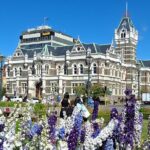
Most departures begin from the Dunedin i-Site Visitor Information Centre in Central Dunedin (50 The Octagon), unless pickup is offered for your starting point. Once you’re in the vehicle, you’re treated to a short look at some of the city’s famous buildings before the road begins climbing into Peninsula territory.
This part is brief—about 30 minutes including pickup time—but it matters. It helps you connect Dunedin’s “city edge” to the natural setting outside town, so when you reach the Peninsula viewpoints later, the whole area clicks into place instead of feeling like a random detour.
The in-depth Otago Peninsula drive: built by someone who spent decades here
The heart of the Peninsula portion is the guided stop where the focus shifts to geology, human history, botany, and zoology. The program is designed by Lyndon Perriman, described as a former wildlife ranger with 30 years on the Otago Peninsula.
You’ll get the sense that this is not a generic “wildlife spotting tour.” The explanations are aimed at making the ecosystem readable: what shapes the land, how plants fit into the bigger picture, and how wildlife uses the coastline and cliffs.
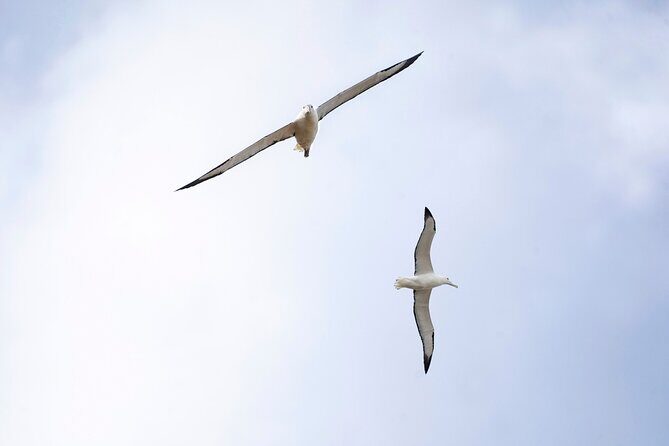
A practical bonus: this segment is also when seasonal wildlife sightings are most likely. You might spot seabirds and other birds overhead, and the guide’s scanning helps you notice things you would probably miss if you were just using your own eyes.
Taiaroa Head cliff viewpoints: Māori significance and real-world wildlife focus
At Taiaroa Head (Pukekura), the tour context deepens. The site is described as extremely significant to Māori, and it’s also a major wildlife reserve where the penguin story lives.
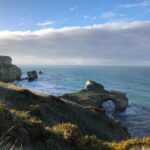
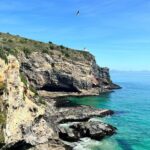
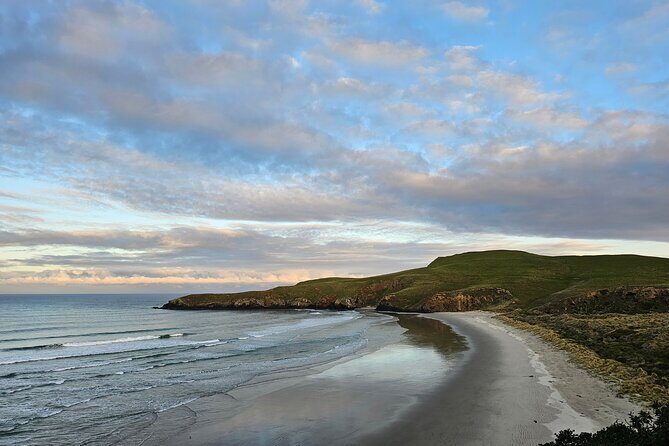
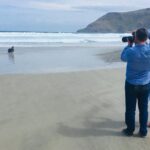
Your guide leads you to cliff viewing locations. This is where you see how the ocean, the cliffs, and the access points all connect—penguins aren’t just “cute birds,” they’re part of a coastal system that only makes sense when you can see the shape of the coastline.
Even if you’re mainly chasing penguins, the cliff stops help you understand what makes this place workable for penguins and other wildlife. It’s the difference between watching nature and understanding the setting where it happens.

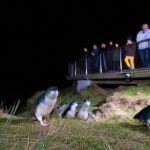
The Blue Penguins Pukekura Experience: close-up penguin viewing rules
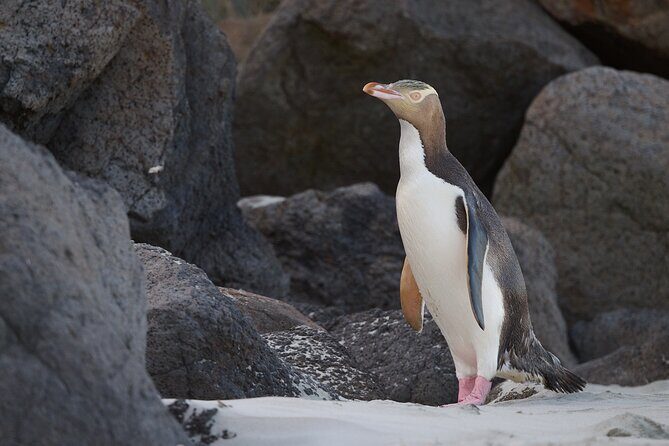
When the penguin portion begins, the format changes slightly. You join others for the Blue Penguins Pukekura Experience, with a maximum of 75 people during that segment.
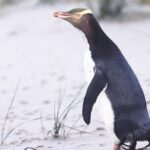
The key moment is watching the world’s smallest penguin come ashore at dusk. You’re not looking for a distant speck. The experience is set up so the penguins walk past you at close range as they move toward feeding or resting routines and their burrows.
Photography is allowed, with a big rule: no flash. That matters because it keeps light levels stable for the birds and reduces risk for other visitors.
One more equipment rule to note: umbrellas aren’t allowed on the penguin viewing platform due to eye risk for others. If you’re planning to bring a rain cover, think ahead—rain gear should stay compact and out of the viewing line.
Wildlife odds on the Otago Peninsula: seals, albatross, and why timing matters
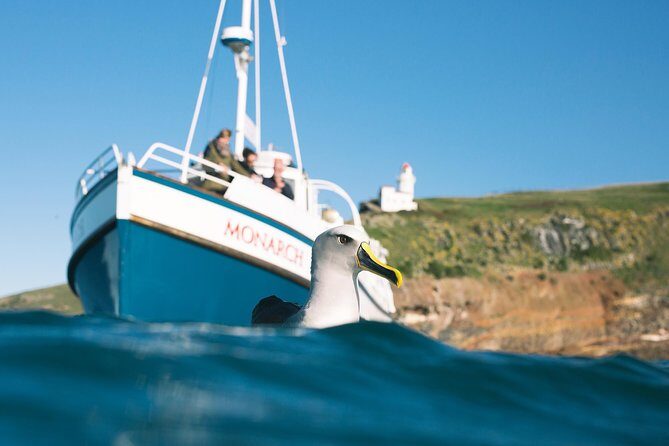
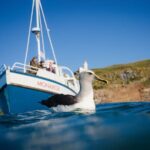
You can go for the penguins and still enjoy a wider wildlife show. Along the way, the tour promises a good chance of seals nearby and albatross flying overhead—and it reminds you that sightings are seasonal.
In real-world terms, this is why the guided route helps. When birds appear, the guide often points out what to watch for and where to look. And when wildlife is quiet, you’re still learning about why the Peninsula looks and works the way it does.
You may also catch other marine-life sightings depending on conditions. One review specifically notes seeing a sea lion, which is the kind of surprise you’d hope for when the ocean decides to participate.
The evening reality: stairs, cold air, and how to be comfortable

Plan for the fact that this tour runs in the evening and you’ll be outside for much of the time. The operator is very direct here: bring warm clothes, because it can get very cold after dark.
You also need to be able to handle movement requirements:
- you must be able to walk 300m unaided
- you must manage stairs, about 60 stairs on the walkway leading to the viewing platform
- the tour and vehicles aren’t suitable for very young children
- children must be at least 6 years old
That doesn’t mean it’s impossible for everyone. It just means you should dress and pack like it’s a winter coastal evening, not a casual sunset stroll.
For photos, remember the no-flash rule. If it’s windy or rainy, stabilize your camera. If it’s foggy or dark, your best “shot” is being ready and patient for the penguins to arrive on schedule.
Guides and storytelling: you’ll feel the local passion
One of the strongest reasons this tour earns near-perfect scores is how the guides deliver the mix of facts and enthusiasm. People mention guides such as Jono, Jonathan, Danni, Danny, James, Shaun, and Sian, and the common thread is that they connect the wildlife to the place.
In practice, that means you’re not just told names of animals. You’re given patterns: what to look for, how seabirds use the air space, and what the penguins are doing when they come ashore. Even when the weather shifts, the guide keeps the story moving so you’re still learning while waiting for penguins to appear.
If you care about ecology and bird behaviour, this is the kind of group where your questions get answered instead of ignored.
Timing, crowds, and what the “5 hours” really feels like
The tour is listed at about 5 hours. The penguin arrival happens at dusk, so there’s naturally a waiting rhythm built in. That’s normal for wildlife, and it’s also why the earlier Peninsula stops matter: they fill your time with viewpoints and explanations so you don’t feel trapped in a single location.
Crowd levels also shift. The Peninsula drive is a max 11 group, but the penguin viewing segment brings you into a wider gathering (max 75). That can feel different in your body and mindset—smaller group conversations during the ride, then a steady “stay in line and watch” setting at the platform.
The good news is that the viewing platform is designed for close viewing, and the operator’s focus on penguin welfare comes through in the rules like the umbrella ban and the controlled approach to photography.
Who should book this Otago Peninsula and blue penguin combo?
This is ideal if you want:
- wildlife close-up, with a realistic sense of what drives the sightings
- a guided explanation of the Peninsula’s geology, plants, and animals
- an evening event that feels special because it’s tied to when penguins come ashore
It’s especially good for couples and solo visitors who like small-group transport during the scenic parts, then enjoy a shared experience when penguins arrive.
Consider skipping or adjusting expectations if you:
- can’t handle stairs (about 60) or the 300m walk
- are travelling with very young kids (minimum age is 6)
- hate cold, because warm clothing is a must
- expect guaranteed penguin numbers, even with refund rules mentioned
Should you book it? My practical verdict
If you’re coming to Dunedin and you want a single outing that teaches you the Otago Peninsula while delivering the main wildlife event, I think this is a strong choice. The combination of guided Peninsula context plus the close-up Blue Penguins Pukekura Experience is exactly what makes the ticket feel worth it.
Book it if you’re the type who enjoys learning while looking. Pass if you want only a fast, self-driven penguin stop with minimal walking and minimal structure. For most people, though, this setup hits the sweet spot: you get the place, then you get the penguins at close range—and you understand why that’s a big deal here.
FAQ
How long is the tour?
The experience is listed at about 5 hours (approx.).
Is pickup available from Dunedin?
Pickup is offered, and the meeting point is the Dunedin i-Site Visitor Information Centre, 50 The Octagon, Central Dunedin.
Where does the tour start?
The start point is the Dunedin i-Site Visitor Information Centre at 50 The Octagon in Central Dunedin.
How many people are on the tour?
The full tour is described as having a maximum of 11 travelers. The penguin experience segment involves others and has a maximum of 75 people.
What is the minimum age for children?
Children must be at least 6 years old to participate.
How much walking and stairs are involved?
You need to be able to walk about 300m unaided and manage stairs (about 60 stairs along the walkway leading to the viewing platform).
Can I take photos during the penguin viewing?
Yes, photography is allowed at Pukekura, but flash is not allowed.
What should I bring for the evening viewing?
Bring warm clothes, since it can get very cold after dark. Umbrellas are not allowed on the penguin viewing platform.
What happens if fewer than 5 penguins are seen?
If fewer than 5 penguins are seen, a refund is offered: 30% when booked through Viator. A higher refund amount is mentioned for bookings made through the operator’s own website.
What if the weather is poor?
This experience requires good weather. If it’s cancelled due to poor weather, you’ll be offered a different date or a full refund.