REVIEW · NORTH ISLAND
Fine Wine Tour in Napier, New Zealand
Book on Viator →Operated by Grape Escape Wine Tours · Bookable on Viator
Hawke’s Bay wines, without the stress. This private fine wine tour is built around seated tastings at top wineries, plus wine education and Hawke’s Bay history. I like that you’re not doing a hit-and-run tasting sprint. You taste a solid mix of classic red and white varieties (and sometimes dessert-style bottles if they’re available).
One watch-out: each stop is about 30 minutes, so you’ll sample widely, not linger for long chats at every cellar door.
In This Review
- Key highlights (worth the money)
- Hawke’s Bay: why this region works so well for a tasting day
- The heart of the day: Craggy Range (Stop 1)
- Trinity Hill (Stop 2): where tasting meets a bit more comfort
- Smith & Sheth Oenotheque (Stop 3): the mid-tour reset
- Church Road Winery Cellar Door (Stop 4): finish strong
- What you’ll actually taste: reds, whites, and the dessert-wine wildcard
- Guide and transport: the human factor that makes it work
- Price and value: what $369.24 really covers
- Who should book this tour (and who should skip it)
- Should you book Fine Wine Tour in Napier for Hawke’s Bay?
- FAQ
- Is this a private tour or shared group?
- How long is the wine tour?
- Does the tour include pickup?
- What wines will I taste?
- How many wineries are included?
- Are admission tickets included?
- When will I get confirmation after booking?
- What is the cancellation policy?
- How do I access my tickets?
Key highlights (worth the money)
- Private, seated tastings at four planned Hawke’s Bay wineries, with admission tickets included
- A guided focus on wine education + regional history, not just pouring and leaving
- Classic red and white lineup, including Syrah/Shiraz, Merlot, Cabernet Sauvignon/Franc, Sangiovese, plus Chardonnay and Sauvignon
- Dessert-wine possibilities like Semillon/Riesling styles, and sometimes sherry or port if available
- Pickup offered and a driver who keeps the day moving so you can focus on tasting
- A small-group feel with a real host, with guides like Greg, Pete, and Robbie having led past tours
Hawke’s Bay: why this region works so well for a tasting day
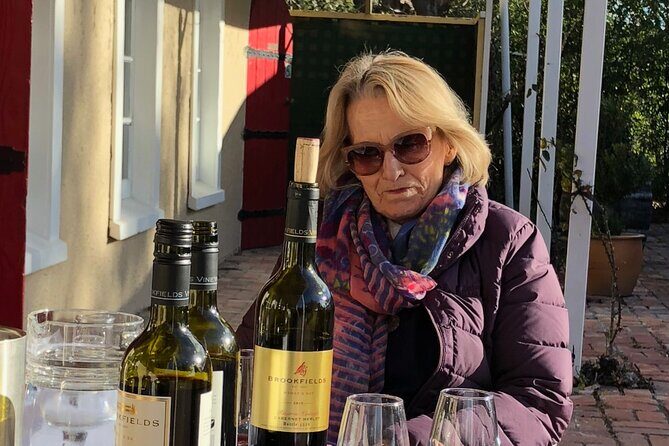
If you’re basing your trip around Napier, Hawke’s Bay is the easiest “serious wine” escape on the North Island. It’s not just famous for having wine. It’s famous for having wine that matches real eating, real conversation, and real spending time. This tour leans into that.
The key thing here is the pace. You’re not trying to squeeze in random tastings whenever you feel like it. You get a planned run of four wineries, each with a private seated tasting. That structure matters when you’re trying to learn. It’s easier to remember what you liked when someone helps connect the dots: grape to style, style to the region, and region to history.
Also, this is built for people who care. You’ll taste classic reds like Syrah/Shiraz, Merlot, Cabernet Sauvignon, Cabernet Franc, Sangiovese, and Pinot Noir. You’ll also taste well-known whites such as Chardonnay, Sauvignon, Pinot Gris, Viognier, plus Semillon and Riesling often seen in noble dessert styles. That gives you a broad picture of what Hawke’s Bay does best.
You can also read our reviews of more wine tours in North Island
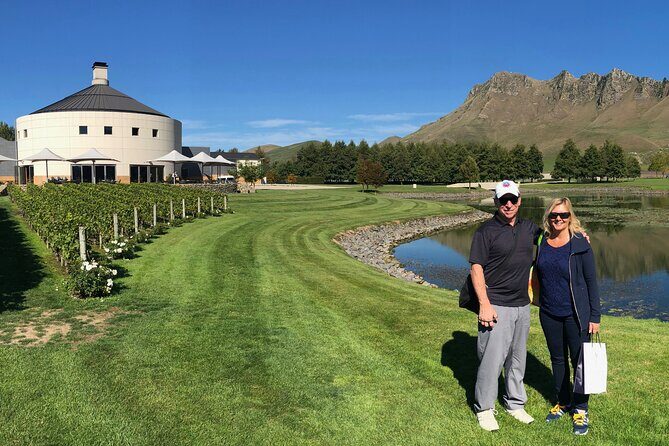
The heart of the day: Craggy Range (Stop 1)
Your first tasting sets the tone. Craggy Range is scheduled for a private seated wine tasting (about 30 minutes) with the admission ticket included. This is where I’d expect you to get the “start here” lesson: how to taste with intent, what to notice in the glass, and how Hawke’s Bay wineries often build their house style.
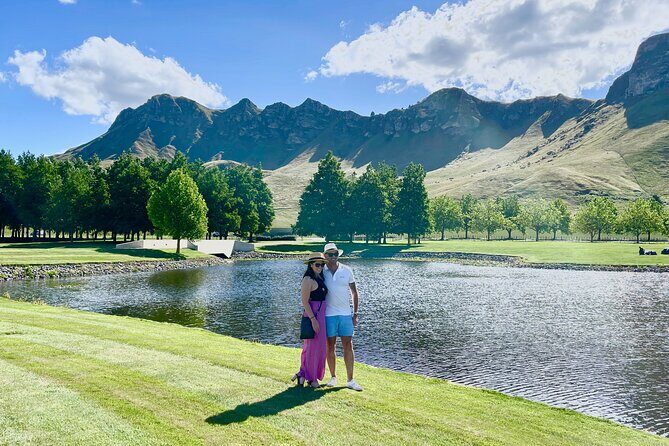
One of the most praised parts of Craggy Range is the overall experience—people highlight the setting as being genuinely impressive, not just marketing photos. In practice, that matters. When you start your day somewhere you actually want to look around, you’re calmer later, and you taste more carefully.
If you’re the type who tends to glaze over during wine talk, don’t worry. The best moments tend to be practical: what makes one red feel different from another, how a white might show its character early versus late, and how the same grape can shift in flavor depending on the winery’s approach.
A small consideration: you’ll be fresh at Stop 1, so it helps to pace yourself right from the start. Taste, take notes if you like, then move on. The tour is designed to stack multiple stops—so your best strategy is to keep your brain working.
Trinity Hill (Stop 2): where tasting meets a bit more comfort
Next up is Trinity Hill Wines, again with a private seated tasting for about 30 minutes and admission included. This stop is often remembered for more than just wine. In past experiences on this route, people have mentioned food pairings like cheese platters happening around the tasting time.
That’s a big deal for you if you’re trying to make this feel like a day out, not a lesson you survive. Cheese and wine can turn “I think I like this” into “I understand why I like this.” It can also help you slow down just enough to notice how tannins and acidity behave when you eat something salty or creamy.
Trinity Hill also tends to land well if you want a relaxed host moment—reviews highlight guides who keep things easy going and informative, without turning it into a hard sell. That matches what you want from a private, educational tour: you should feel invited to ask questions, not pressured to buy.
If you’re sensitive to bus or van noise during the day, it’s worth noting that energy can rise as the afternoon gets closer. Not every group is the same, and the “volume level” issue is more about the mix of people than the wine. Bring earbuds if you want a quiet pocket during the transfers.
Smith & Sheth Oenotheque (Stop 3): the mid-tour reset
By Stop 3, you’ve already sampled reds and whites, heard some context, and had enough time on the road to get your bearings. Smith & Sheth Oenotheque is slotted for another private seated tasting (about 30 minutes) with admission included.
This middle stop is your chance to re-center your palate. After two wineries, it’s normal to think your preferences are shifting fast. That’s exactly when a good guide helps. You’ll get pointers on what to look for beyond first impressions—how aromatics linger, how the wine’s structure shows up, and how a style changes when you move from one varietal type to another.
Also, this is the part of the day where a tour like this can start feeling more personal. Because the session is seated and private, you’re not competing with a line of other people. You’re there to taste, ask, and learn.
One practical tip: decide what you’re trying to answer by Stop 3. For example: Are you a red-first person? Are you looking for a white you’d actually drink at home? Or are you hunting for a particular grape like Cabernet Franc or Viognier? The more focused you are, the more rewarding the tasting becomes.
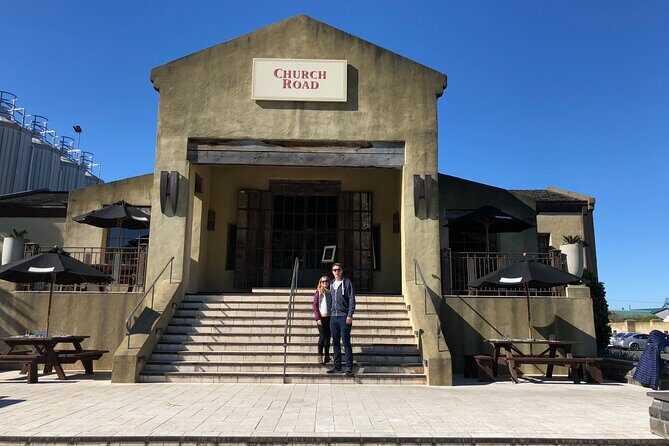
Church Road Winery Cellar Door (Stop 4): finish strong
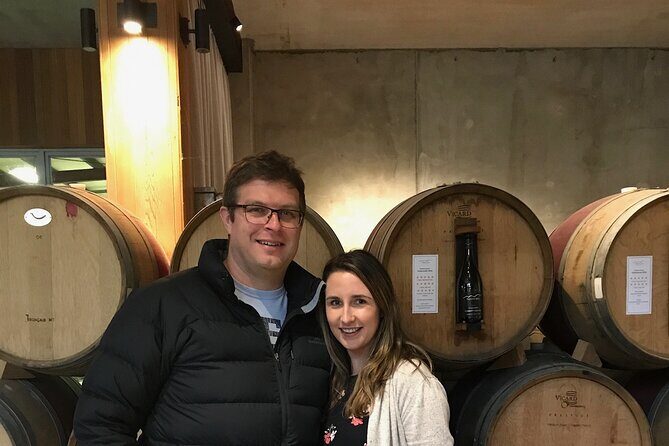
Church Road Winery Cellar Door is your final tasting stop, again with a private seated wine tasting of about 30 minutes and admission included. Many people remember this stop because it can connect the tasting to a proper sit-down vibe.
In one account, people even talk about enjoying lunch during the Church Road portion of the day. Even if you don’t plan a full meal, you can treat this stop as a “spend the energy you saved” moment—your palate has already been trained, and now you’re ready to enjoy.
If you’re choosing wines to buy later, this last stop is smart. It gives you a clear comparison point after your earlier tastings. If you found one red style that clicked—say Syrah/Shiraz or Sangiovese—Church Road can help confirm whether you just liked one bottle, or whether you truly prefer that style.
And yes, the tour keeps it moving. But that’s the point. You get a full tasting day with enough structure to avoid the common Hawke’s Bay problem: driving yourself around and getting stuck doing tastings that don’t really teach you anything.
What you’ll actually taste: reds, whites, and the dessert-wine wildcard
The wine list for this tour isn’t random. You’re scheduled for classic varieties across both red and white categories. On the red side, expect Syrah/Shiraz, Merlot, Cabernet Sauvignon, Cabernet Franc, Sangiovese, and Pinot Noir. On the white side, expect Chardonnay, Sauvignon, Pinot Gris, Viognier, plus Semillon and Riesling, often found in noble dessert wines.
Here’s the part that can surprise you in a good way: depending on availability, you may also taste sherry, ports, and even a dessert red or two. That’s a fun angle if you like variety, and it’s also educational—because dessert and fortified wines teach you a different set of tasting skills: sweetness balance, intensity, and how acidity behaves when the wine is concentrated.
If you want the day to feel educational (not just like a tasting flight), I suggest you pay attention to two comparisons:
- Red structure: how Cabernet-based wines feel versus Syrah-based wines
- White styles: how Chardonnay’s weight compares to Sauvignon’s lift
And if dessert wine happens, treat it like a palate tool, not a finish-line candy. Take a smaller sip than you think you want, then taste again after a short pause. Your palate adjusts fast in a good way.
Guide and transport: the human factor that makes it work
Grape Escape Wine Tours runs this experience, and the guide quality seems to be a consistent theme. Past tours on this same route have been led by hosts like Greg, Pete, and Robbie, and the vibe people praise is a mix of knowledge and ease.
What you should look for in a good wine host: they explain without talking down, and they don’t pressure you to buy. That shows up in the way these private tastings feel—more like a conversation than a sales pitch.
Transport matters too. Pickup is offered, which removes a major headache in wine country. Even if you’re a confident driver, wine touring is about saving your energy. The driver role is handled so you can focus on tasting instead of navigating.
One timing note: the start time is listed as 12:00 am. That’s the kind of detail you should sanity-check when you confirm. If you’re used to midday starts, don’t blindly trust the label—double-check the actual local time in your confirmation.
This tour runs about 5 hours, which is long enough to feel like a real day out, but short enough that you’re not stuck in wine-land until dinner. It’s also a good length if you still want to see Napier afterward—especially if you’re the type who enjoys ending the day with a walk, a meal, or a view.
Price and value: what $369.24 really covers
At $369.24 per person, this is not a budget wine tour. But it also isn’t charging like a luxury weekend. You’re paying for a few concrete things:
- Private format (your group only)
- Pickup offered
- Four private seated tastings
- Admission tickets included for each stop
- Wine education plus regional history
When you frame it that way, the price starts to make sense. You’re not just buying access to four tastings. You’re buying time with someone who can help you taste smarter, plus the convenience of having transport and timing handled.
Also, the fact that it’s commonly booked about 56 days in advance suggests demand. That’s usually a sign the experience sells out in busy seasons, or that people plan ahead because they want a specific date and time window.
If you’re deciding between a cheaper tasting day and this one, here’s the practical difference: on the cheaper option, you often get more wine stops but less guidance, and you risk spending time standing in lines or repeating the same basics. On this tour, you’ll spend your limited time tasting and learning in focused sessions.
Who should book this tour (and who should skip it)
This is a great fit if you are:
- A wine-minded visitor who wants education + history, not just drinking
- Someone who prefers a private format where you can ask questions
- You like variety across multiple grapes, including both reds and whites
- You want a day that ends in a good place without driving stress
It may not be the best fit if you:
- Want to linger for an hour+ at a single winery, because each stop is about 30 minutes
- Get annoyed by small-group energy changes during transfers
If you’re traveling with friends who all have slightly different tastes, this tour can be a good compromise. Everyone can try the classics and then you compare notes afterward, instead of one person dominating the day’s wine choices.
Should you book Fine Wine Tour in Napier for Hawke’s Bay?
If you want a structured, high-quality Hawke’s Bay tasting day with private seated tastings and real guidance, I’d book it. The value comes from the combination of admission included, four focused sessions, and the chance to taste from a lineup that covers the region’s core strengths.
Make your decision fast if your dates are set. With average booking happening about 56 days in advance, popular time slots can vanish.
Just do one thing before you go: plan to keep your palate and your curiosity fresh. This tour rewards attention. And if dessert wines or fortified pours show up, treat them as a bonus, not the main goal. The classics first, then let the sweet stuff surprise you.
FAQ
Is this a private tour or shared group?
This is a private tour/activity, so only your group participates.
How long is the wine tour?
It runs for about 5 hours.
Does the tour include pickup?
Yes, pickup is offered.
What wines will I taste?
You’ll taste classic reds such as Syrah/Shiraz, Merlot, Cabernet Sauvignon, Cabernet Franc, Sangiovese, and Pinot Noir. You’ll also taste classic whites like Chardonnay, Sauvignon, Pinot Gris, Viognier, plus Semillon and Riesling (often in noble dessert wines). Depending on availability, you may also taste sherry, ports, and dessert red.
How many wineries are included?
The tour features four seated wine tasting stops: Craggy Range, Trinity Hill Wines, Smith & Sheth Oenotheque, and Church Road Winery Cellar Door.
Are admission tickets included?
Yes. Admission tickets are included for each private seated wine tasting stop.
When will I get confirmation after booking?
Confirmation is received within 48 hours of booking, subject to availability.
What is the cancellation policy?
You can cancel for free up to 24 hours in advance for a full refund. If you cancel less than 24 hours before the start time, the amount paid will not be refunded.
How do I access my tickets?
The tour uses a mobile ticket.