REVIEW · AUCKLAND
Guided Tour at Pukorokoro Shorebird Centre
Book on Viator →Operated by Pukorokoro Miranda Shorebird Centre · Bookable on Viator
Shorebird watching here feels timed, not random. I like that the Guided Tour at Pukorokoro Shorebird Centre takes you through the Shorebird Coast ecosystem with telescopes and a tide-aware plan, so you’re not stuck scanning empty flats. One consideration: it’s not the best pick if you have very limited mobility, and good weather matters.
What I really like is the learning part. You don’t just look; you get help sorting what you’re seeing, including guidance on birds people often mix up, like wry-billed birds versus godwits. Guides such as Chelsea and Trudy are specifically praised for friendly, question-ready explanations.
You’ll walk around the Robert Findlay Wildlife Reserve, heading to bird hides to spot thousands of shorebirds, including the kuaka migration story and the pressures these birds face. If you want something outdoorsy but focused (and you’re staying in Auckland), this is a tidy 1 hour 30 minutes that packs a lot into one outing.
In This Review
- Key highlights you’ll notice fast
- Why this 90-minute shorebird tour feels like good value
- Robert Findlay Wildlife Reserve: walking route and bird hides
- What could slow you down
- Using telescopes to spot thousands of shorebirds
- Learning shorebird IDs: beyond naming, into noticing
- The estuary ecosystem: why geology and habitat matter
- The kuaka migration thread
- What to bring, and how weather changes everything
- Conservation impact: why supporting this centre makes sense
- Overnight options at Pukorokoro Miranda
- Who should book this tour (and who might skip it)
- Should you book the Guided Tour at Pukorokoro Shorebird Centre?
- FAQ
- How long is the Guided Tour at Pukorokoro Shorebird Centre?
- Where does the tour take place?
- How much does the tour cost?
- What’s included in the ticket?
- What should I bring?
- Is the tour private?
- Is the ticket a mobile ticket?
- Is confirmation received after booking?
- Is it suitable for people with limited mobility?
- What happens if the weather is poor?
- Can I cancel for a full refund?
Key highlights you’ll notice fast
- Telescope time included: You’re given telescopes so your sightings aren’t limited by distance.
- Tide-timed viewing: The tour is scheduled for when the birds are where you can actually see them.
- Bird hides + guided walking loop: You get both movement and stationary viewing points.
- Kuaka migration focus: You’ll learn how this species moves through these ecosystems and why it matters.
- ID help in plain language: You’ll get practical help with spotting and naming shorebirds out on the flats.
- Real conservation support: Your visit supports a centre committed to protecting shorebirds and wetlands.
Why this 90-minute shorebird tour feels like good value
For $31.03 per person, you’re paying for three things that matter: a guided route, telescope access, and a plan that matches the birds’ daily schedule. In real terms, that’s a lot of “time-on-the-bird” for a short Auckland outing.
The other value play is that this is private in the sense that it’s only your group. That usually means less waiting around and more space for questions, especially when the guide is helping you identify species through the telescopes.
Also, the tour format is built for efficiency. You get about 1 hour 30 minutes (approx.), which is long enough to actually see patterns—how the shorebirds use the shoreline and how the estuary ecosystem functions—without turning into a full-day grind.
You can also read our reviews of more guided tours in Auckland


Robert Findlay Wildlife Reserve: walking route and bird hides
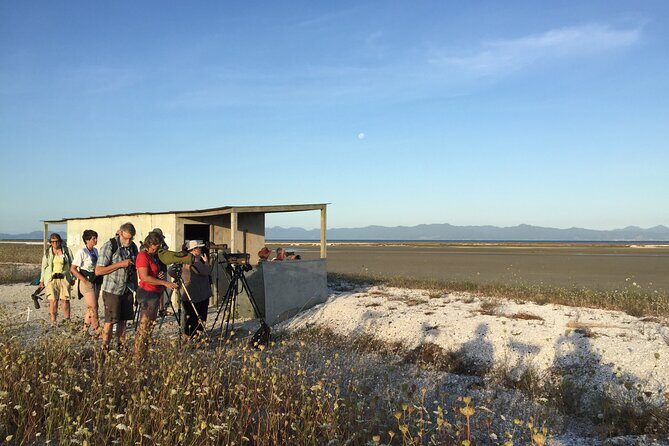
The core of the tour is a walk around Robert Findlay Wildlife Reserve, plus time at bird hides to watch shorebirds up close with telescopes. This matters because it changes how you experience the place. Instead of one view from one spot, you get several angles on the same wetland world.
Expect a gentle, guided outdoor loop. The exact pace will depend on your group and the birds’ activity, but the structure is clear: walk the reserve, then move toward the hides for the best viewing.
Here’s the practical payoff of the hides: shorebirds can be far out or still enough to test your eyesight. When you’re behind a hide and using telescopes, you stop guessing and start confirming. That’s where the guide’s explanations become useful, not just interesting.
What could slow you down
If you’re carrying yourself across uneven ground or you need frequent stops, be aware that this isn’t marketed for very limited mobility. The route includes walking and getting to hides, so plan on some physical effort.
Using telescopes to spot thousands of shorebirds
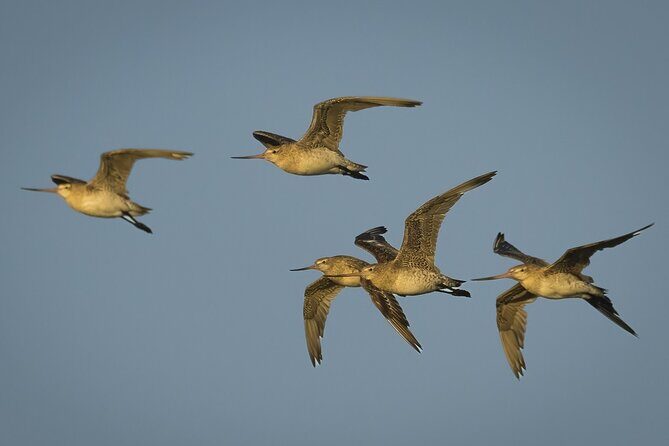
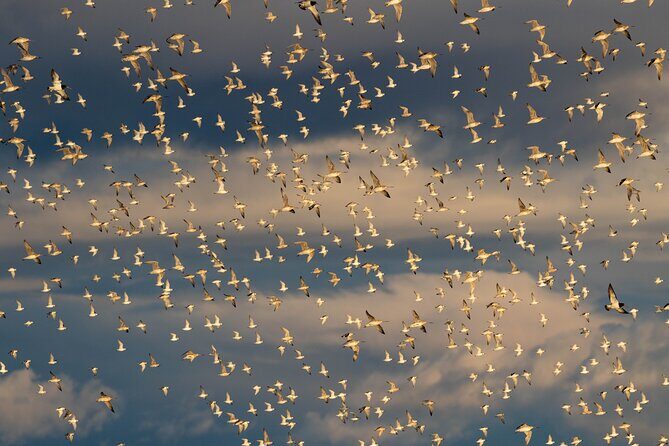
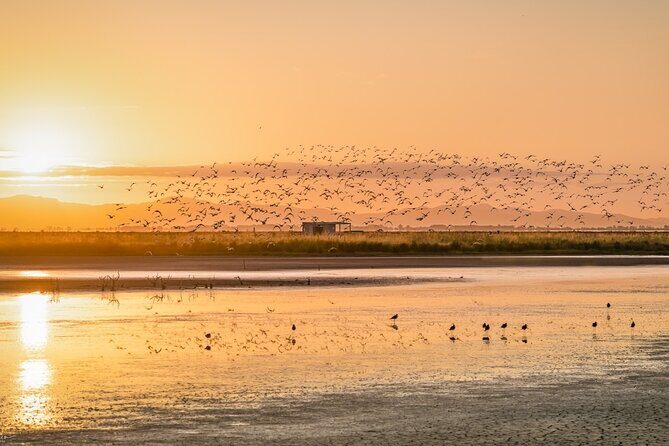
One of the biggest reasons this tour is worth doing with a guide is scale. The centre’s setup is designed for large numbers—think thousands of shorebirds in a natural habitat—and a telescope is the difference between vague movement and real identification.
You’ll be able to peer into what’s happening in the estuary area: the way birds distribute along shorelines, how they feed, and how different species show up together. It’s also where you’ll likely notice the “wow” moments people talk about, because shorebirds can look like specks until you magnify them and suddenly you’re looking at distinct shapes and behaviors.
Bring binoculars if you have them. Telescopes are included, but having binoculars can give you flexibility—like scanning while the guide is lining up a telescope view, or comparing details on the move. Even if you rely on the telescope most of the time, binoculars help you stay engaged between “look at this one” moments.
Learning shorebird IDs: beyond naming, into noticing
The best bird tours teach you how to look. This one does, and the clue is in the kinds of questions people ask—especially when birds have similar silhouettes or habits.
On this tour, you’ll get help identifying shorebird types you might confuse. People often wonder things like wry-billed birds versus godwits, and the guide helps you figure it out when you can actually see them clearly through the equipment. That kind of practical ID guidance is more satisfying than just hearing a name, because you leave knowing what to watch for next time.
You’ll also learn how shorebirds use this ecosystem as part of bigger life cycles. It’s not only about who’s present today; it’s about what their presence tells you about migration timing and the state of their habitat.
And yes, the viewing is timed with the tides. That’s not a small detail. Shorebirds can look sparse at the wrong tide point, then turn into a sea of birds when conditions are right. When the schedule matches the birds’ routine, your probability of seeing a lot goes way up.


The estuary ecosystem: why geology and habitat matter
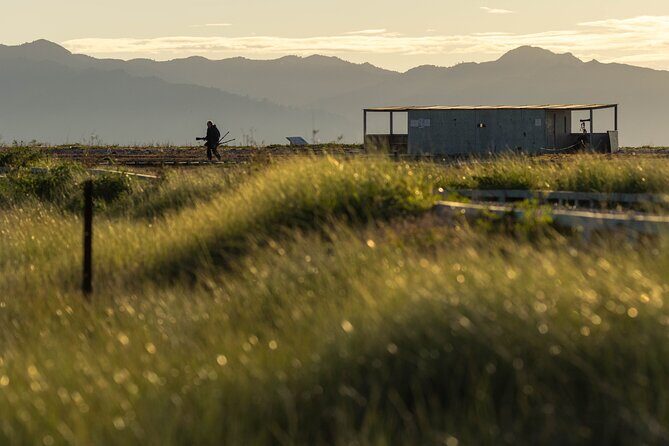
This isn’t presented as a generic nature lecture. The focus stays tied to what you’re seeing in front of you: the estuary ecosystem, the geology that shaped the sanctuary area, and the wetland environment that supports shorebirds.
That “ecosystem” angle is valuable because it turns a bird list into a functioning story. The birds aren’t just there because birds are everywhere. They’re there because the habitat provides food, shelter, and the kind of shoreline conditions shorebirds need to rest and feed.
You’ll also hear about the challenges shorebirds face. Even when details aren’t spelled out into a long scientific lecture, the theme comes through: migration demands energy, and habitat conditions can make or break a season for these birds.
The kuaka migration thread
A standout theme is the migration of the kuaka. If you’re new to New Zealand shorebirds, kuaka is a good gateway species because it connects everyday viewing to a much bigger story—birds moving through time and space, shaped by habitat availability along their routes.
Even if migration is a topic you’ve heard about before, this tour helps make it feel real. When you watch birds in one place while learning about their movement and pressure points, it stops being a distant concept.
What to bring, and how weather changes everything
This tour needs good weather. That’s not just comfort—weather can affect visibility, comfort outdoors, and whether the experience can run as planned.
From a practical standpoint, pack basics:
- Wear comfortable walking shoes for outdoor paths and hides.
- Bring a light layer in Auckland weather (conditions can shift fast near the coast).
- If you have them, bring binoculars to pair with the telescopes.
Water and snacks are partly on you. Bottled water isn’t included, but you can refill bottles at the centre. Snacks aren’t included either, and the centre can recommend local eateries—so plan a simple pre- or post-tour meal without assuming everything is available on site.
If you’re the type who likes to travel with minimal fuss, this still works. The tour structure is straightforward: walk, view, learn, done.
Conservation impact: why supporting this centre makes sense
One line in the tour description is easy to overlook, but it’s central: joining this outing supports an organisation committed to conservation. That’s not just feel-good marketing. When a centre puts effort into habitat protection and public education, visitors become part of the funding chain that keeps conservation projects active.
I like conservation-linked activities when they stay grounded in what you actually do on the day. Here, your ticket translates into guided monitoring and awareness—helping people understand why these shorebirds matter and why the wetland ecosystem deserves protection.
If you’re a nature lover, this tour gives you a conservation-friendly way to spend time that doesn’t feel like homework. It feels like being taught how to notice what’s already there.
Overnight options at Pukorokoro Miranda
If you want to turn this from a quick Auckland stop into a mini nature break, the centre notes that comfortable accommodation is available for overnight stays to enhance your experience.
That can be a smart move because shorebird viewing often benefits from more time. Even without promising a specific schedule, staying longer generally gives you more opportunities to experience the reserve and the surrounding coastal ecosystem at different times.
If you’re visiting from out of town or just want a slower rhythm, it’s worth considering.
Who should book this tour (and who might skip it)
This tour is a strong match if you:
- Want a short, guided introduction to New Zealand shorebirds
- Like hands-on nature watching with telescopes
- Enjoy learning migration stories like the kuaka in a real-world setting
- Prefer a group experience where questions are welcomed and answered
Skip it or think twice if:
- You have very limited mobility, since it involves walking and reaching bird hides
- Weather tends to ruin your outdoor tolerance. If skies are poor, the experience may be rescheduled or refunded depending on how it’s handled that day.
Also, if you already own top-tier birding gear and you’re an expert, you may feel it’s more beginner-to-intermediate. But the payoff is still the guide help: knowing what you’re looking at and why it’s there.
Should you book the Guided Tour at Pukorokoro Shorebird Centre?
I’d book it if your idea of a great Auckland day includes shorebirds, telescopes, and a guided explanation that turns sightings into understanding. The price feels reasonable when you factor in telescope use, a tide-timed schedule, and a focused 1 hour 30 minutes in a place built for serious wetland viewing.
I’d hold off only if mobility is an issue or if you need guaranteed good weather. Otherwise, this is the kind of tour that makes you leave looking at shorelines differently—spotting more, wondering more, and caring more about the habitats that support these migrations.
FAQ
How long is the Guided Tour at Pukorokoro Shorebird Centre?
The tour is approximately 1 hour 30 minutes.
Where does the tour take place?
The tour focuses on the Shorebird Coast area in Auckland, with the route centered around the Robert Findlay Wildlife Reserve.
How much does the tour cost?
The price is $31.03 per person.
What’s included in the ticket?
Your ticket includes admission to the reserve and the guided walking tour, plus use of telescopes.
What should I bring?
If you have binoculars, bring them. Bottled water is not included, but you can refill bottles at the Centre. Wear comfortable walking shoes for the reserve and bird hides.
Is the tour private?
Yes. Only your group participates.
Is the ticket a mobile ticket?
Yes, the tour uses a mobile ticket.
Is confirmation received after booking?
You should receive confirmation at the time of booking.
Is it suitable for people with limited mobility?
It is not recommended for travelers with very limited mobility.
What happens if the weather is poor?
The experience requires good weather. If it’s canceled due to poor weather, you’ll be offered a different date or a full refund.
Can I cancel for a full refund?
Yes. Free cancellation is available up to 24 hours in advance for a full refund.