REVIEW · BLENHEIM
Marlborough: Full-Day Self-Guided Biking Wine Tour
Book on GetYourGuide →Operated by Explore Marlborough Wine Tours · Bookable on GetYourGuide
Pedal your way between Marlborough wineries. This full-day self-guided bike setup in the South Island is a smart way to experience the region without being locked into a bus schedule, and you get a wine map plus guidance to build your own day.
I especially like the flat, easy riding (great if you want wine tasting to be the main event), and I also like that you’re not stuck driving—pickups and drop-offs from Blenheim and Renwick hotels are included. One drawback to keep in mind: since it’s self-guided, you’re relying on cellar-door timing and your own route choices, so it helps to plan for traffic, bike parking, and tasting-room busy moments.
In practice, the experience feels like having a local base camp near the wineries. The team sets you up with a helmet and lock, gives you a wine map filled with tips, and often has friendly staff like Roo, Rory, and Andy making the handoff quick and smooth. The possible consideration here: tasting fees aren’t included, so your final spend depends on how many wineries you choose to taste at.
In This Review
- Key things that make this Marlborough bike wine tour work
- Why bike-based Marlborough wine beats a rigid schedule
- The setup: bikes, locks, helmets, and a wine map that actually helps
- “12 wineries within 3 km” sounds simple. Here’s how it plays out.
- Picking your stops: how to build a day around your wine taste
- Cycling comfort: distances, pacing, and why you might skip e-bikes
- Transfers from Blenheim and Renwick: the hidden value
- Food planning: café before you ride, and tasting-room nibbles on the way
- Winter cycling: van support and walkable winery stops when it rains
- Getting around without carrying bottles all day
- What it costs, and where the extra spending usually shows up
- Who this Marlborough bike tour is best for
- Quick FAQ
- FAQ
- What is the duration of the Marlborough full-day self-guided biking wine tour?
- Where does the pickup and drop-off happen?
- Are pickups included from Picton or Havelock?
- What time does pickup occur?
- What’s included in the price?
- What isn’t included?
- Is the cycling difficult?
- Do they offer electric bikes?
- Do they have tandem bikes or bikes for children?
- What’s the minimum drinking age in New Zealand?
- Should you book this Marlborough bike wine tour?
Key things that make this Marlborough bike wine tour work
- Self-guided freedom: choose your cellar doors and how long you stay at each one
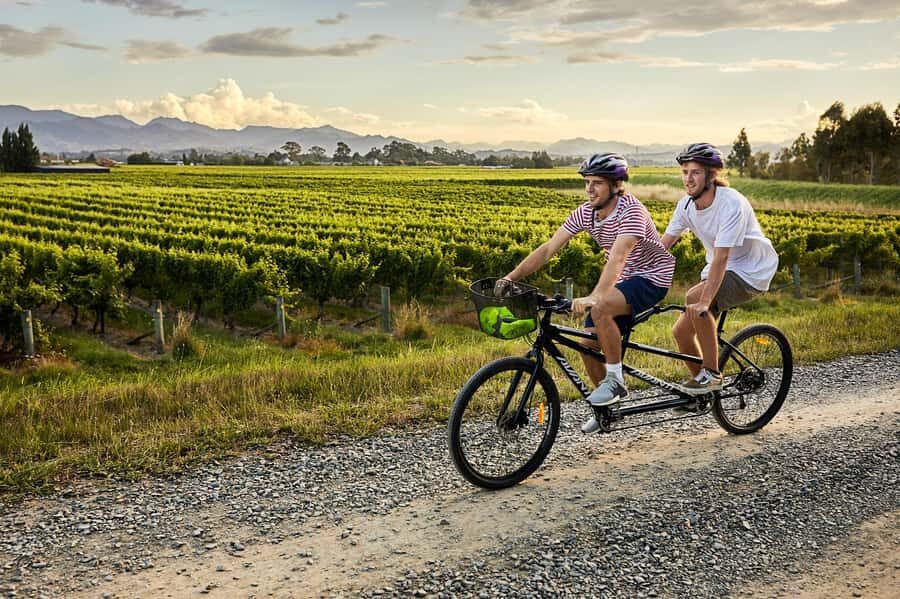
- Flat riding, short connections: the bike start area is within 3 km of a dozen wineries
- A map that’s more than paper: tips and recommendations to help you shape the day
- Hotel transfers from Blenheim and Renwick: you ride; you don’t drive
- Winter-ready support: van help plus umbrellas and walkable stops when weather turns
Why bike-based Marlborough wine beats a rigid schedule
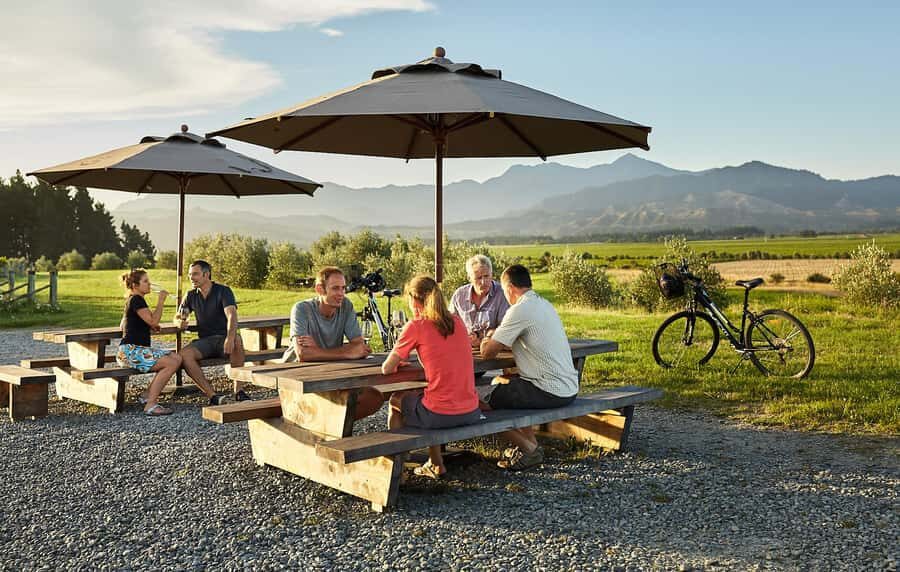
Marlborough is made for wandering. And the best part of doing it by bicycle is that you can time your day around taste, not clocks.
With this tour, you’re not pushed along in a big group. You pick where to stop, linger if a tasting room feels welcoming, and skip if it doesn’t match your mood. That flexibility matters in wine country, where one cellar door can feel totally different from the next.
And yes, it helps that the riding is flat and easy. That turns the day into more of a scenic loop between vineyards and less of a workout you resent halfway through. You’ll still feel like you did something active, but without the steep climbs that can drain energy before tastings.
You can also read our reviews of more cycling tours in Blenheim


The setup: bikes, locks, helmets, and a wine map that actually helps
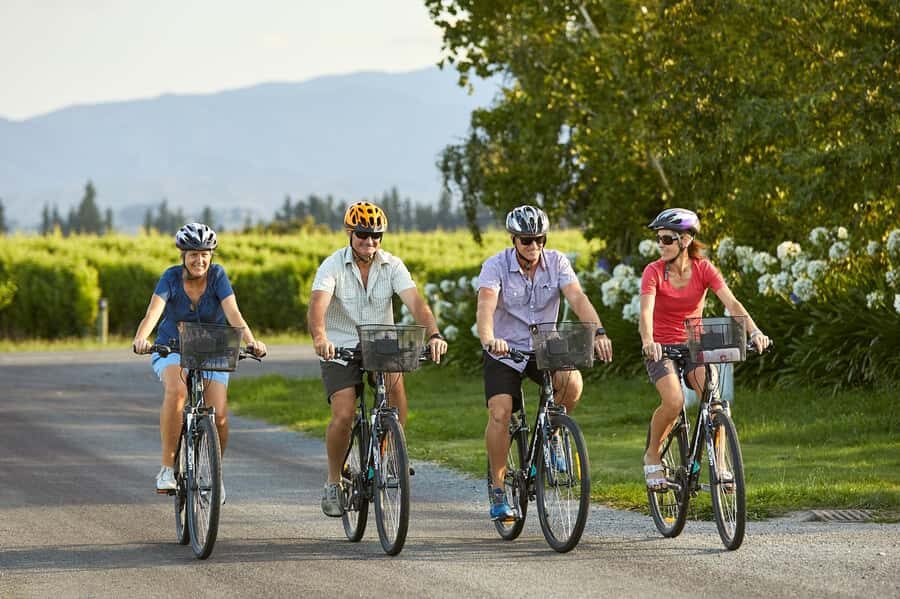
You start with the practical stuff handled quickly. You’ll be provided a bike, helmet, and a bike lock, plus a wine map designed to help you navigate the winery cluster near the starting point.
Before you roll out, expect a safety briefing and guidance on how to use the route. Staff are also part of the value here: multiple riders highlight helpful, upbeat team members who make check-in feel low-stress, including people named Roo, Rory, and Andy.
There’s also an on-site café and off-road parking at the bike base. If you want to start with a picnic-style lunch, this is where you can grab something before heading out—handy if you’re planning a day with multiple tastings.
“12 wineries within 3 km” sounds simple. Here’s how it plays out.
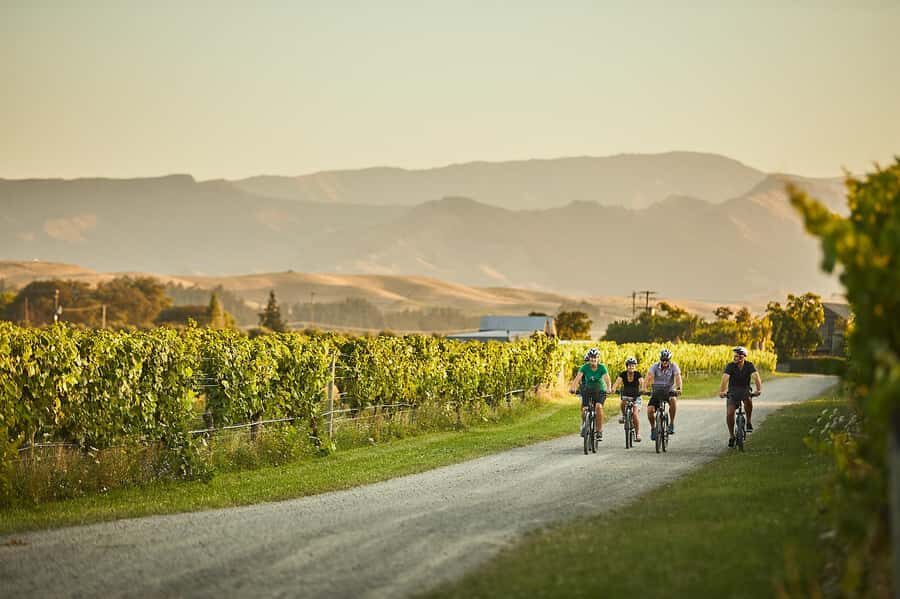
This is the core advantage: the starting area places you close enough to choose among 12 wineries within about 3 kilometers. That changes the whole rhythm of the day.
Instead of spending your morning in transit and your afternoon just trying to keep up, you can chain tastings together. The roads are suited to casual cycling, so you can focus on comparing varietals and styles rather than measuring how far you still have to go.
In real terms, you’ll see a variety of cellar doors and tasting rooms in a small radius. Named examples you can look out for include Hunters, Allen Scott, Gibson Bridge, Bladen, and Fromm. The exact mix you pick is up to you, but this area is known for keeping options close.
One small planning note from the practical side: some wineries may have limited room at a given moment. That means your exact route direction (and timing) can affect how smoothly you move through the day.
Picking your stops: how to build a day around your wine taste
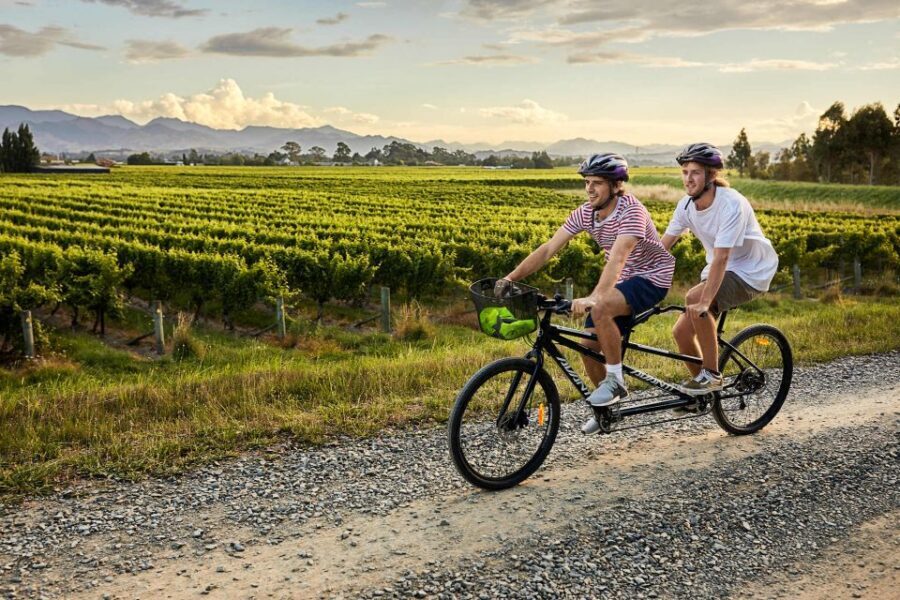
Because the tour is self-guided, your “itinerary” is really your tasting strategy. I like that you can do it in a few different styles:
1) The comparison day
Choose 3–5 wineries that offer different styles (for example, alternating between crisp white-focused producers and those leaning into different blends). The short rides make it easier to keep your palate awake.
2) The family-run and welcoming vibe
This region often feels personal at the cellar door. Some of the wineries people name as favorites include small, approachable places like Hunters, Allen Scott, Gibson Bridge, and Bladen—each with a distinct feel, so you’re not repeating the same experience five times.
3) The food + tasting combo
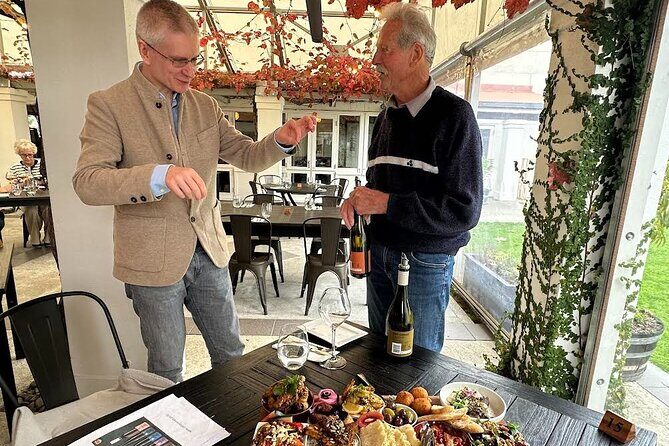
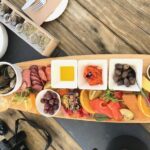
If you like wine and something to nibble, build in a stop that offers food. Hunters is specifically called out for a delicious charcuterie board, which is the kind of upgrade that turns a tasting into a proper lunch.
4) The wander and select
If you’re not sure where you want to land, you can start with one or two solid tasting rooms, then decide based on mood. With the wineries close together, you’re not forcing yourself into a rigid checklist.
The tour encourages tasting at each winery’s tasting room, but remember that your actual pours and session length come from the wineries themselves. You’ll get the freedom; you just need to follow what each cellar door offers on the day.
Cycling comfort: distances, pacing, and why you might skip e-bikes
The terrain here is flat. That’s huge for comfort, and it’s why you’ll see people describe the rides as easy even when they cover decent distance.
Many riders hit a route that includes 25 km-ish cycling while tasting at multiple vineyards, and the day still feels manageable because the winery cluster keeps you from crossing long empty stretches. Another rider described pedaling 17+ miles and being glad for the close connections between back roads and cellar doors.
About electric bikes: they’re available for an extra charge, and they can be a nice option if you want zero effort at all or if you’re traveling with less cycling confidence. But at the same time, multiple riders feel the terrain makes e-bikes optional because the distances between tastings are short and the roads are easy.
My practical take: if you’re comfortable on a normal bike, start with the regular bikes. If you’re even slightly nervous about stamina, it’s worth upgrading to an e-bike so you don’t spend the day thinking about effort.
You can also read our reviews of more guided tours in Blenheim

Transfers from Blenheim and Renwick: the hidden value
One of the easiest ways to ruin a wine day is logistics. Here, that’s handled: free transport is included from Blenheim and Renwick hotels, and drop-off runs around 4:30–5:00 PM.
That means you can keep your day focused on wine country, not on figuring out where you’ll park the car or how you’ll get back before the light fades.
There’s also a time window for pickup. You’ll pick up from your booked time—either 9:30 AM or 10:30 AM—so you can plan your morning momentum and settle into your cycling day without guessing.
Important caveat: pickup from Picton or Havelock isn’t included and would need a local shuttle arranged separately. So if you’re basing yourself in those towns, check your transport plan early.
Food planning: café before you ride, and tasting-room nibbles on the way
You don’t want to arrive hungry. The on-site café at the bike base helps you start smarter, whether you grab a drink or pick up picnic-friendly food for the ride.
Once you’re on the trail, some wineries offer food options and others are more about tastings. That’s why bringing your own picnic snacks can be a good idea if you want more control over your meal timing and budget.
Also, remember you’re tasting alcohol legally—New Zealand’s drink age is 18. If you’re under 25, it’s recommended to bring your passport as ID.
Winter cycling: van support and walkable winery stops when it rains
Marlborough’s winters can be wet, and the good news is you’re not stuck canceling if weather rolls in.
During Winter months (June, July, August), rain or shine support is built in. You’ll still be able to keep going, and you’ll get van support to two points on the wine trail, with umbrellas provided.
From those van drop points, the plan becomes easy walking access to up to 8 stops, including five cellar doors plus other experiences like a whiskey & cheese tasting and a boutique gin distillery. You’ll also find restaurants/cafés and gift shops at certain stops, so you can warm up and browse without feeling like you’re just cycling in the cold.
This is a big value point because self-guided tours can feel sketchy in bad weather. Here, the winter plan reduces that risk and keeps your day moving.
Getting around without carrying bottles all day
One practical detail that saves a lot of hassle: the team can arrange to collect wines you purchase from the vineyards, so you don’t have to pedal around with bottles.
That matters more than people think. When your stops are close together but your day includes several purchases, the bottle logistics start to feel annoying fast. Having staff help with that makes the day smoother and lets you keep cycling like you’re supposed to.
What it costs, and where the extra spending usually shows up
The advertised price is $41 per person for a full day. In a wine region, that’s a solid value because you’re paying for the bike rental gear, the wine map, and the included transfers from Blenheim and Renwick.
The part that isn’t included is tasting fees at the wineries. That means your total cost will rise if you taste at many cellar doors, especially if some tastings are paid experiences.
So I’d budget your money in two buckets:
- base cost for the bike day
- variable cost for how many tastings you do (plus any food you decide to upgrade)
If you’re the type who loves trying a lot, plan on spending more at the cellar doors. If you’re a lighter taster who only wants a few stops, you can keep the overall budget tighter while still getting the best part—cycling between wineries.
Who this Marlborough bike tour is best for
This tour fits best if you want:
- wine freedom without a bus schedule
- an easy day outdoors with scenic cycling between tastings
- a plan that lets you stay longer at the cellar doors that click with you
It’s also a great match for couples or friends who enjoy making decisions together. The self-guided format means you can move at the pace you actually want rather than averaging out to the group.
If you’re someone who hates navigating even simple routes, self-guided might feel like extra mental work. The map helps, but you still make the calls. In that case, consider upgrading your confidence with an e-bike or ask for extra route clarity at check-in.
Quick FAQ
FAQ
What is the duration of the Marlborough full-day self-guided biking wine tour?
It’s a full day, listed as 1 day.
Where does the pickup and drop-off happen?
Pickup and drop-off are included from Blenheim and Renwick hotels.
Are pickups included from Picton or Havelock?
No. Pickup from Picton or Havelock is not included and must be arranged with a local shuttle company.
What time does pickup occur?
Pickup happens from the time you book, either 9:30 AM or 10:30 AM, and drop-off is around 4:30–5:00 PM.
What’s included in the price?
Included are bike rental with a helmet and bike lock, a wine map, and pick-up and drop-off from eligible hotels.
What isn’t included?
Winery tasting fees are not included.
Is the cycling difficult?
The terrain is described as flat, and the riding is considered easy.
Do they offer electric bikes?
Yes. Electric bike upgrades are available for an additional charge.
Do they have tandem bikes or bikes for children?
Yes. Tandem bikes are available on request, and bikes for children and baby seats are available for an additional charge.
What’s the minimum drinking age in New Zealand?
New Zealand’s legal drink age is 18, and it’s recommended to bring ID if you’re under 25.
Should you book this Marlborough bike wine tour?
I’d book it if your ideal wine day looks like this: start near the wineries, ride easy distances, pick your cellar doors, and spend more time tasting than coordinating. The combination of short winery connections, self-guided freedom, and transfer convenience from Blenheim and Renwick makes it feel like good value.
I’d think twice if you want a fully hosted, step-by-step guided day. This is built around you making the calls at each tasting room, and tasting experiences depend on what each cellar door has available that day.
If you’re flexible and want the best chance of customizing your wine route, this one is a strong pick for Marlborough.