REVIEW · GLENTANNER
Mount Cook: Alpine Explorer 35 Minute Flight
Book on GetYourGuide →Operated by The Helicopter Line Mount Cook · Bookable on GetYourGuide
One mountain view feels like a movie set. This 35-minute Alpine Explorer flight from The Helicopter Line, Mount Cook, takes you over the Ben Ohau Mountains and up to an alpine viewpoint above Aoraki/Mount Cook, then you step out for a proper landing. I especially love the alpine landing experience and the pilot-led, straight-to-the-point sighting of the Southern Alps. The only real consideration: weather and the pilot’s discretion can change the exact routes and landing spot.
If you like big scenery in a small time window, this works. You’ll look down on glacial-carved terrain and turquoise lakes, and in winter (May–September) you may land on snow-covered alpine tops. Just note the rules: no selfie sticks and no iPads/tablets on board, so come ready to shoot with your camera.
In This Review
- Key Things That Make This Helicopter Flight Worth It
- Why the Ben Ohau Flight Feels Different Than Any Viewpoint
- The Start at The Helicopter Line: Timing You Can Actually Plan Around
- What You’ll See Over the Ben Ohau Mountains and Southern Alps
- The Alpine Landing: The Moment You Step Out Into Thin Air
- The Viewpoint Photo Stop: How to Get Your Best Shots Quickly
- Seasonal Differences: May–September Snow Landings vs Other Times
- Small Group Flights (Up to 6) and Wheelchair Accessibility
- Included Extras That Actually Affect Your Experience
- Price and Value: Is $337 Worth a 35-Minute Flight?
- What to Bring (and What to Leave Behind)
- Who This Tour Best Fits
- Should You Book the Alpine Explorer 35 Minute Flight?
- FAQ
- How long is the Mount Cook Alpine Explorer flight?
- Where does the helicopter tour start and end?
- Do I step out of the helicopter during the tour?
- Is the alpine landing on snow available in winter?
- How many people are in the group?
- Can I bring a selfie stick or an iPad/tablet?
- Is the tour wheelchair accessible, and how are infants handled?
- What is the cancellation policy?
Key Things That Make This Helicopter Flight Worth It
- Ben Ohau aerial views you can’t get from the road: quick look, then you’re suddenly above the ranges.
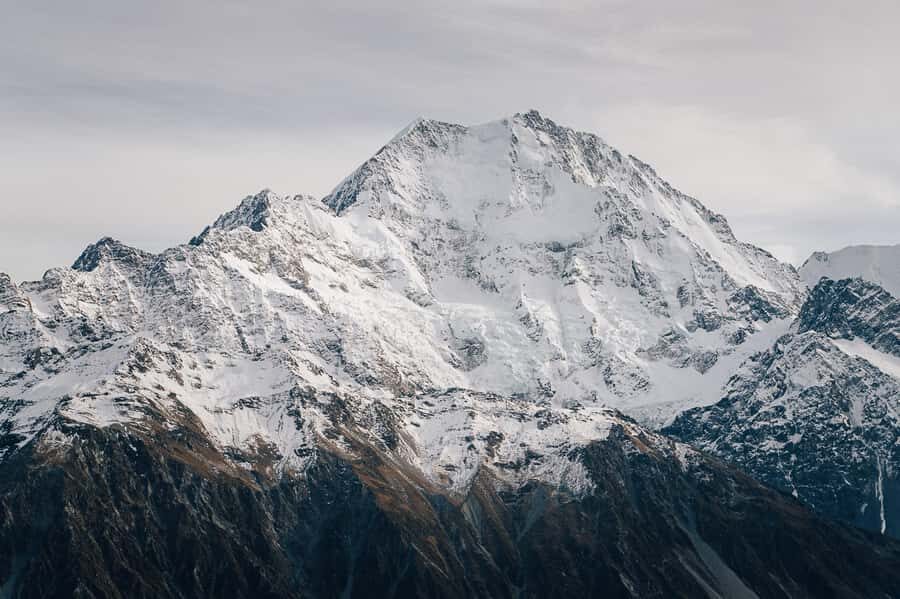
- Aoraki/Mount Cook meaning hits differently from up high: you’ll see why it’s called the cloud piercer by Māori.
- 35 minutes including the landing: the timing is tight, so you get sky time plus a real moment on the mountain.
- Photo stop at a viewpoint: not just flying past—there’s time to take photos and videos.
- Seasonal alpine landing: snow landings happen during May–September.
- Small group limit of 6: fewer people in the helicopter usually means a calmer experience and easier attention to what the pilot is pointing out.
Why the Ben Ohau Flight Feels Different Than Any Viewpoint
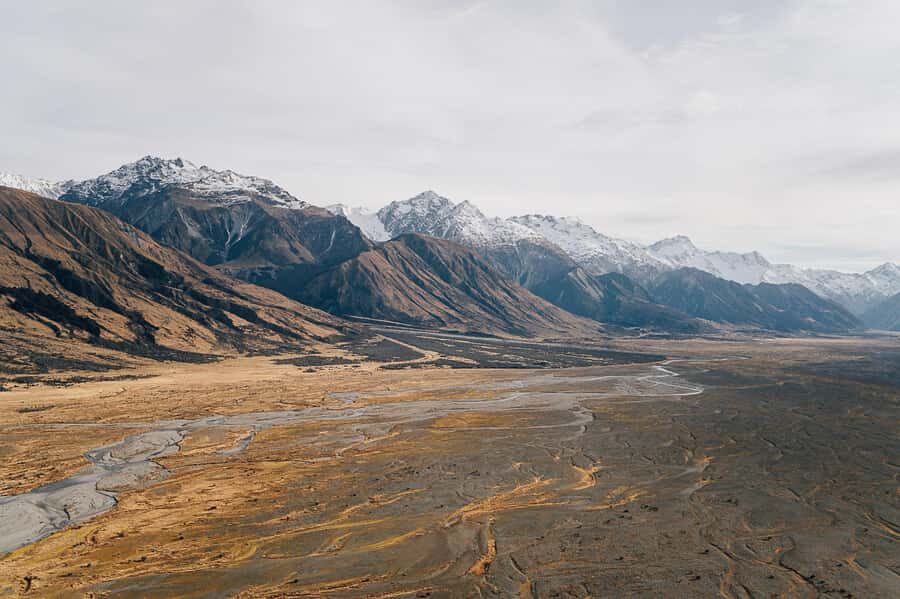
There are a lot of ways to see Mount Cook National Park. But there’s a big difference between looking at mountains and being placed among them. From the air, the whole scale clicks fast—Ben Ohau and the Southern Alps don’t feel like background. They feel like the room you’re standing in.
I also like that the flight is built around Aoraki/Mount Cook being above the surrounding ranges. The trip is short, yes, but it’s designed for a specific visual payoff: you spot Aoraki/Mount Cook raised over everything around it, then you get that moment stepping out onto an alpine top.
And there’s one more practical reason this feels special: you’re not waiting around to catch the perfect light from the same spot all day. You’re getting moving views, which matters in a region where weather can shift quickly.
You can also read our reviews of more tours and experiences in Glentanner.
The Start at The Helicopter Line: Timing You Can Actually Plan Around
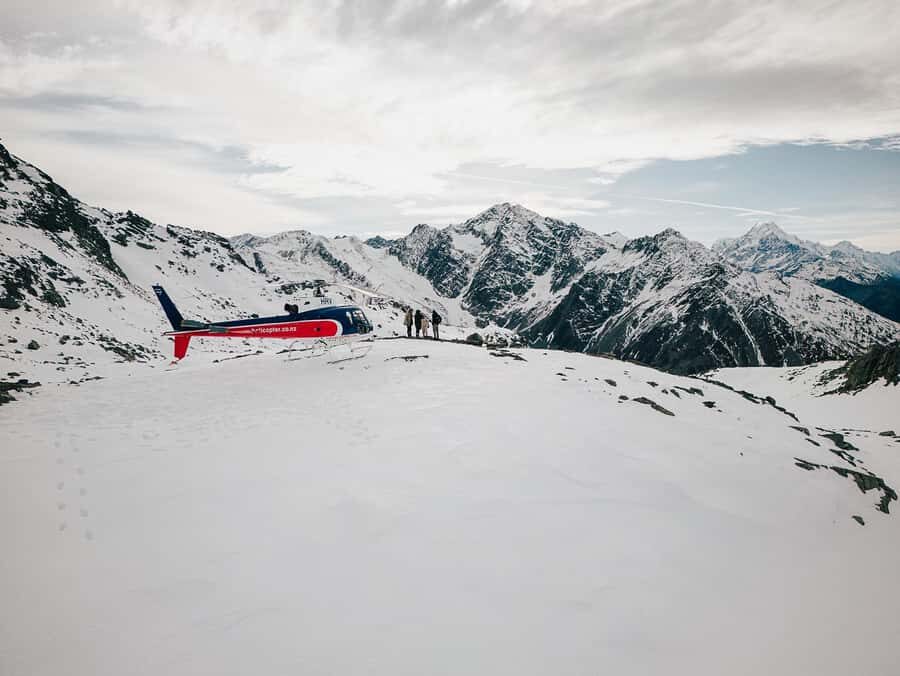
Your day is anchored by one main fact: the total trip duration is 35 minutes, and that includes the alpine landing. So you’re not signing up for a half-day tour where the helicopter feels like a tiny part of the experience.
The starting location is The Helicopter Line, Mount Cook. From there, the route is scenic over the Ben Ohau Mountains and peaks of the Southern Alps within Aoraki/Mount Cook National Park, and then you return to the same place.
One useful heads-up: flight times, landing spots, and routes can vary due to weather and the pilot’s discretion. That’s not a bait-and-switch. It’s how mountain flying works. If conditions change, your experience may look a little different, but the goal stays the same—big views plus a safe alpine landing.
What You’ll See Over the Ben Ohau Mountains and Southern Alps
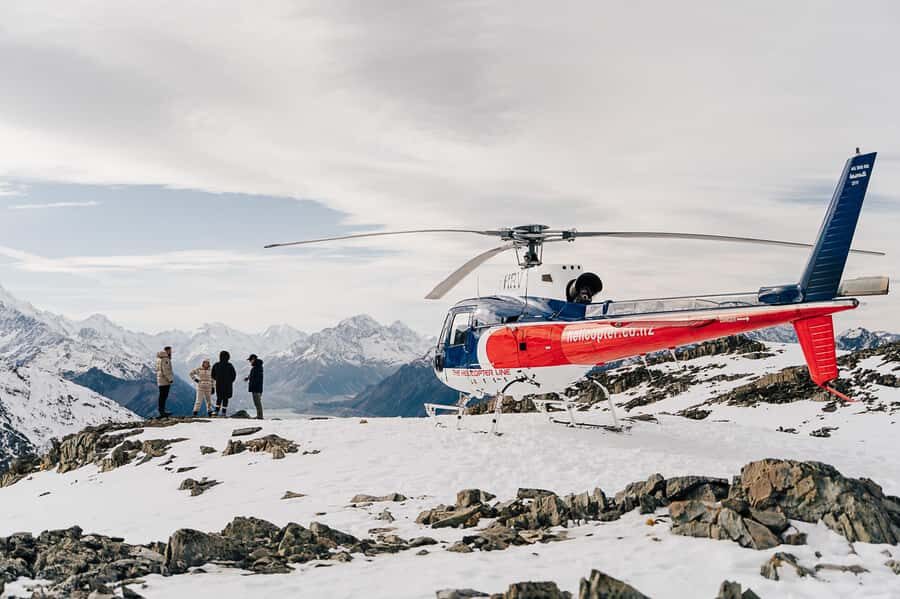
The highlight for your eyeballs is the sweep from Ben Ohau to the wider Southern Alps. In practical terms, that means you’ll be looking at the structure of the mountains—ridges, valleys, and how the terrain folds toward Aoraki/Mount Cook.
You’ll also get a sense of how glacial carving shaped this area. The information you receive is tied to what you’re actually seeing from above, including turquoise lakes far below. Those color cues can be hard to judge from the ground, but from the air you get that immediate “this is rock shaped by ice” clarity.
Then there’s the Aoraki/Mount Cook naming. Aoraki/Mount Cook is known as the cloud piercer by Māori, and seeing the mountain raised above the surrounding ranges helps the name make sense. Even if you’ve heard the term before, it hits different when you can literally see what’s sitting above what.
The Alpine Landing: The Moment You Step Out Into Thin Air
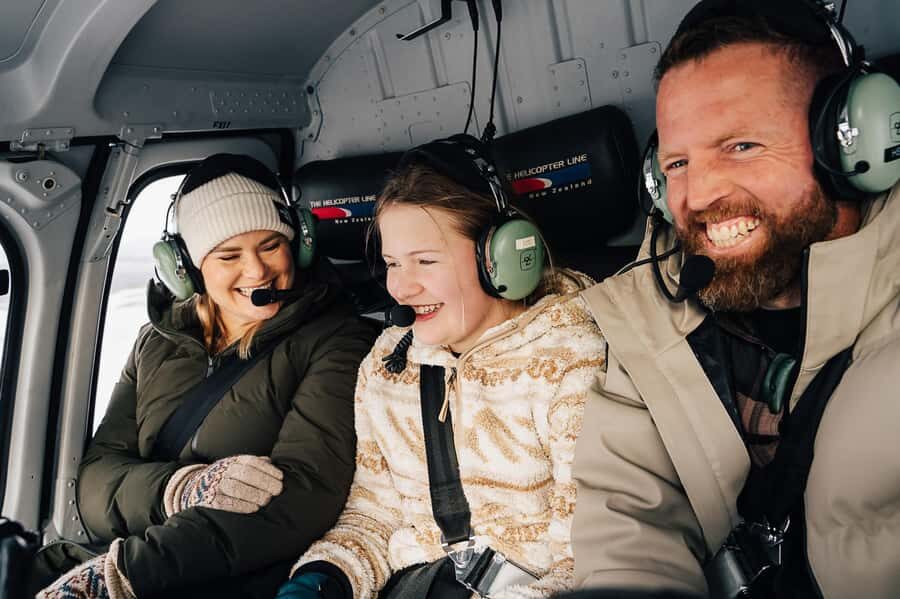
This is the reason to pick this style of flight. A scenic helicopter ride is nice. But an alpine landing turns the trip from “viewing” into “participating.”
You fly to a safe alpine vantage point where you can step out onto the mountain. In season, you’re landing on snow in the winter period (May–September). In other seasons, you’re still getting that top-of-the-world feeling—fresh air, close-up mountain textures, and the kind of photos you can only take when you’re standing there.
What you’ll want to pay attention to: depth and direction. From the helicopter window you’ll see features, but when you’re outside, you can line up where valleys lead, how ridges connect, and where Aoraki/Mount Cook sits in the larger pattern.
Also, this is where the rules matter. You’ll want closed-toe shoes because you’re walking around during that stop. And since there’s a photo moment built in, have your camera ready rather than scrambling once you’re on the mountain.
The Viewpoint Photo Stop: How to Get Your Best Shots Quickly
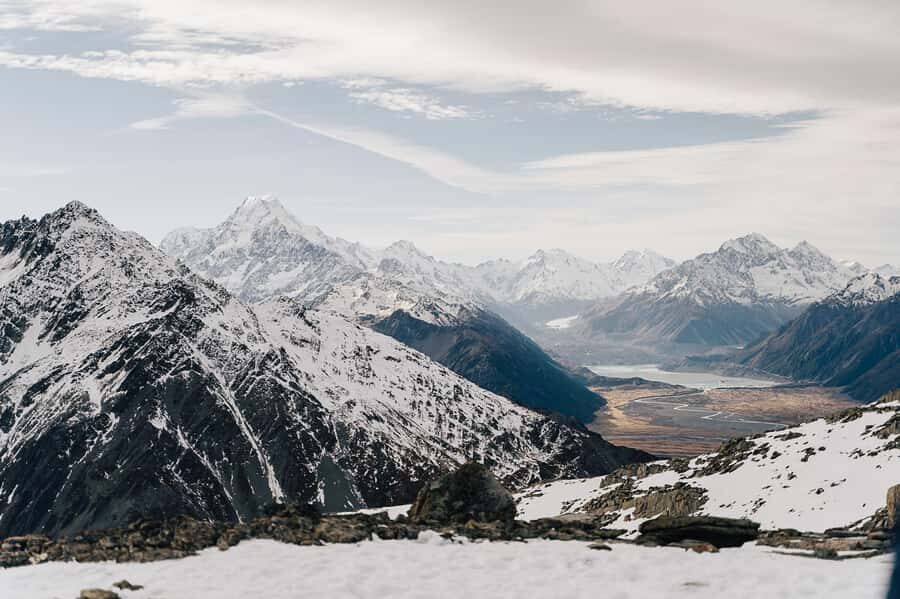
After the alpine landing, there’s a viewpoint photo stop as part of the experience. That’s valuable because it reduces decision fatigue. You’re not trying to invent an angle while the helicopter is already turning back.
Here’s the practical tip: keep your movements simple. With a small group and limited time, the best shots usually come from steady positioning, quick framing, and taking a couple of variations—wide shot for scale, then closer shots for mountain detail.
One thing you should plan for: no selfie sticks and no tablets/iPads. That means you’ll rely on normal camera handling and phone stability. If you want video, do it the same way you would at home: lock in your framing, then press record. Trying to set up a complicated rig on a windy alpine stop is how you end up with shaking footage.
Seasonal Differences: May–September Snow Landings vs Other Times
If you’re traveling in winter, May–September is the key window for snow-covered alpine tops. That matters because the experience shifts from “mountains and turquoise lakes” to “mountains framed by snow.” Either way, you get the same core elements: flight over the Ben Ohau range, Aoraki/Mount Cook in view, and an alpine landing.
In warmer months, you’re more likely to notice the glacial-carved patterns and turquoise lake colors from above. That color contrast is often what makes people go silent for a second—because it’s one thing to know the geography, and another to see the ice’s signature from the sky.
The best mindset is to book based on the idea of an alpine landing, then let the season decide the mood. You’re getting time outside the helicopter either way.
Small Group Flights (Up to 6) and Wheelchair Accessibility
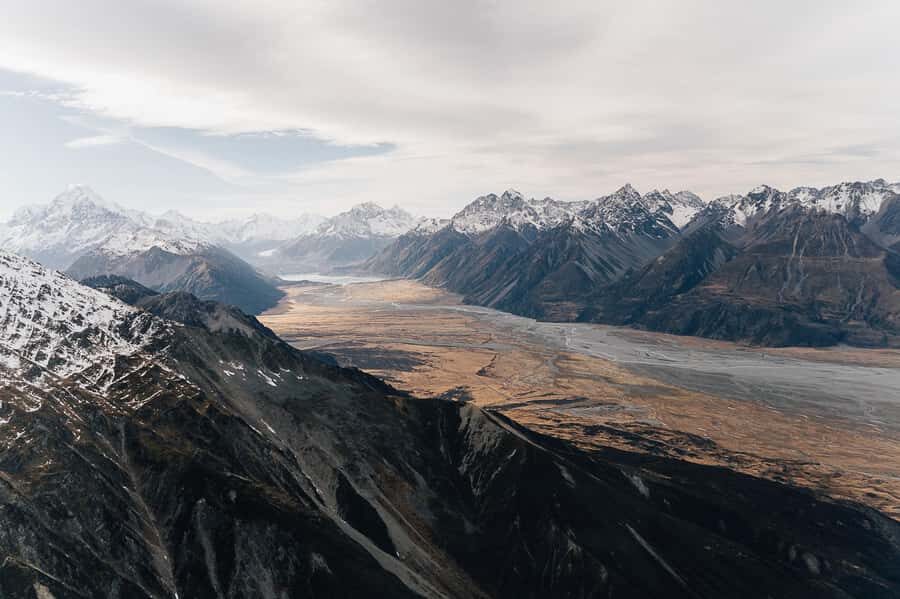
This tour is small group, limited to 6 participants. That size can make a difference. It’s easier to keep an eye on what the pilot is pointing out, and you’re not squeezed into a crowd. In a 35-minute experience, every minute counts, and smaller groups usually feel less rushed.
Wheelchair access is listed as available, which is a big deal if you want this kind of alpine experience but don’t want to lose the option because of mobility needs. I’d still plan to mention your requirements to the operator ahead of time so they can confirm what “accessible” looks like in practice for the helicopter seating and any boarding steps.
Also, there’s a child seating rule you should know: infants under 4 years and under 15 kg must sit on an adult’s lap. If you’re traveling with a toddler, that’s important for comfort planning and safety.
Included Extras That Actually Affect Your Experience
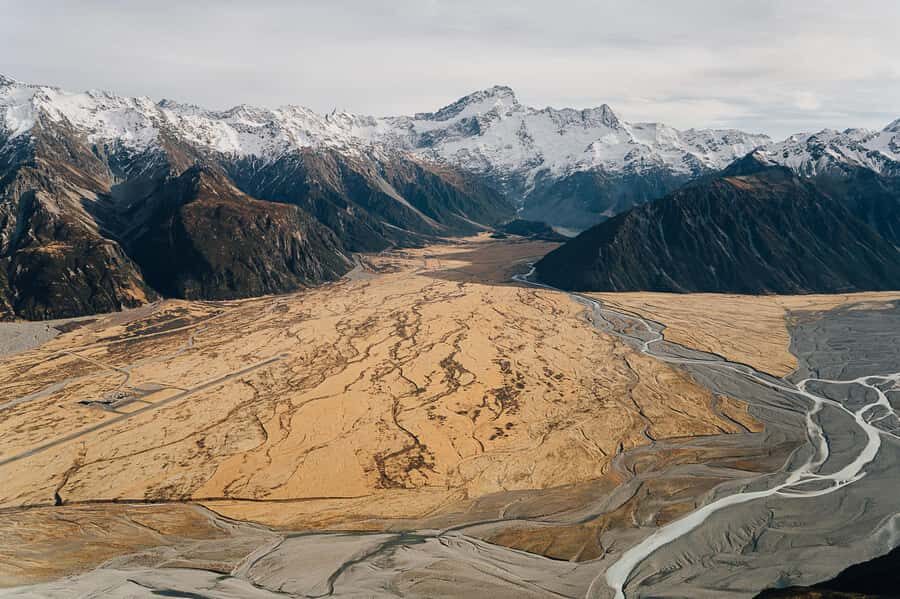
What you’re paying for isn’t just airtime. The included elements shape how the trip feels:
- Scenic helicopter flight over Ben Ohau and the Southern Alps.
- Alpine landing at a safe mountain viewpoint (seasonal snow landing in winter).
- Informative pilot commentary, so you’re not just staring out the window with no context.
- Photo stop at the viewpoint, giving you time to capture what you’re seeing.
- Complimentary transportation can be provided to and from Aoraki/Mount Cook Village.
That last point matters more than it sounds. Mount Cook can involve some back-and-forth logistics, and a free transfer can make the experience easier to fit into your day.
Price and Value: Is $337 Worth a 35-Minute Flight?
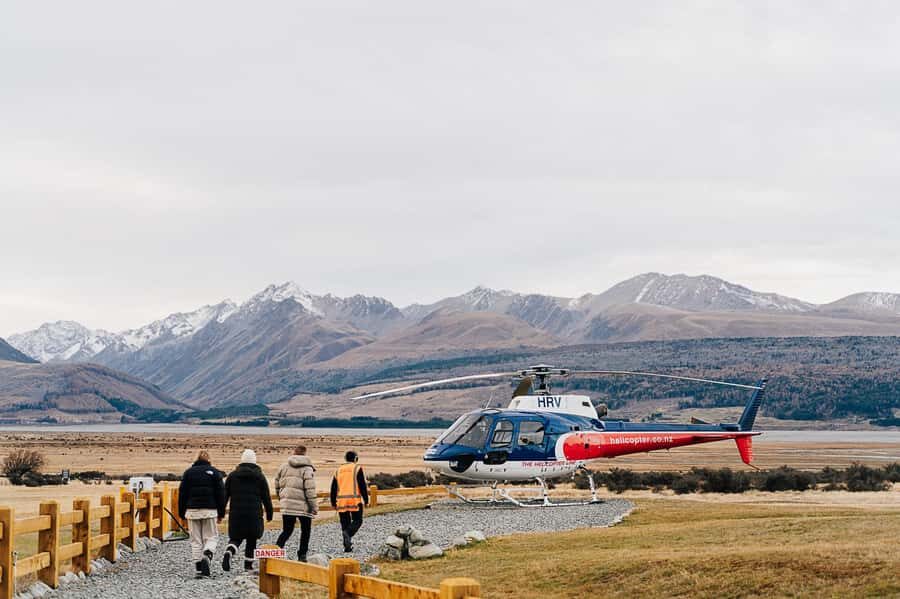
Let’s talk money without pretending it’s cheap. At $337 per person, you’re paying for a premium way to access alpine viewpoints: a helicopter, a landing, and time on a mountain top. That’s not the same value as a long hike, and it’s not trying to be.
So what makes it good value is the combination:
- 35 minutes total including the landing means the experience isn’t mostly transit.
- You get more than a “look from above.” You actually step out and take photos from an alpine top.
- You’re paying for local expertise via pilot commentary, and routes/landings are managed for safety in weather-dependent conditions.
- The price includes concession fees that contribute toward conservation and sustainability management.
In other words, you’re not just buying views. You’re buying access to a specific moment: sky views, then out-on-top alpine time, all packaged into a tight schedule.
What to Bring (and What to Leave Behind)
Bring:
- Sunglasses (mountain light can be strong).
- Camera (this is the kind of trip you’ll want to document).
- Closed-toe shoes (because you’ll be stepping out for the landing).
Not allowed on board:
- Selfie sticks
- Tablets/iPads
- Drones are also not allowed for safety.
You’ll also benefit from coming ready for changing conditions. Even when the stop is brief, alpine air and mountain wind can make your hands feel colder. Wear whatever you’d wear for a quick outdoor stop at altitude, not just a casual “city clothes” setup.
Who This Tour Best Fits
This helicopter experience is a strong match if you:
- Want maximum views with minimal time on the clock.
- Really care about the Aoraki/Mount Cook perspective—raised above surrounding ranges.
- Like the idea of stepping onto an alpine top rather than only watching from a window.
- Prefer small group experiences with limited participants.
It may be less ideal if you:
- Want a long, slow outdoor hike instead of a high-impact short outing.
- Need to use tablets/iPads or selfie sticks, since those are not allowed.
- Are hoping for a guaranteed exact route regardless of weather. Routes and landings can change at the pilot’s discretion.
Should You Book the Alpine Explorer 35 Minute Flight?
I’d book it if your priority is the rare combo of helicopter views plus a real alpine landing in a very short time. The “stepping out on top” part is the thing that turns this from scenery into memory.
I’d think twice only if you’re very sensitive to schedule changes. The timing is approximate because weather can affect routes and landing decisions. Still, the operator’s approach is built around safe flying, and the trip stays focused on the same payoff: Ben Ohau to Southern Alps, Aoraki/Mount Cook in view, then that mountain-top photo moment.
If you’re visiting Mount Cook and you want one experience that makes the whole region feel huge, this is it.
FAQ
How long is the Mount Cook Alpine Explorer flight?
The total duration is 35 minutes, and that includes the alpine landing.
Where does the helicopter tour start and end?
It starts and ends at The Helicopter Line, Mount Cook.
Do I step out of the helicopter during the tour?
Yes. The experience includes an alpine landing, and you step out at the alpine vantage point for photos and videos.
Is the alpine landing on snow available in winter?
Snow landings are listed as seasonal, specifically during May–September.
How many people are in the group?
This is a small group with a limit of 6 participants.
Can I bring a selfie stick or an iPad/tablet?
No. Selfie sticks and tablets/iPads are not allowed on board. Drones are also not allowed for safety.
Is the tour wheelchair accessible, and how are infants handled?
Wheelchair accessibility is listed as available. Infants under 4 years and under 15 kg must sit on an adult’s lap.
What is the cancellation policy?
You can cancel up to 24 hours in advance for a full refund. There is also a reserve now and pay later option.
If you tell me your travel month and whether you’re flying from Mount Cook Village or elsewhere, I can help you judge whether this timing lines up with the snow or lake-view season.