REVIEW · GLENTANNER
Mount Cook: 25-Minute Alpine Vista Helicopter Flight
Book on GetYourGuide →Operated by The Helicopter Line Mount Cook · Bookable on GetYourGuide
A snow landing feels like stepping onto another planet. This short helicopter flight from Glentanner to an alpine touchdown in the Ben Ohau range delivers two big wins for me: the chance to actually land on snow (when conditions allow) and the tight, clear pilot-led experience with a full safety briefing. One possible snag: seat choice matters, and if you end up in the middle you may lose some window views—plus seat swaps aren’t something to count on.
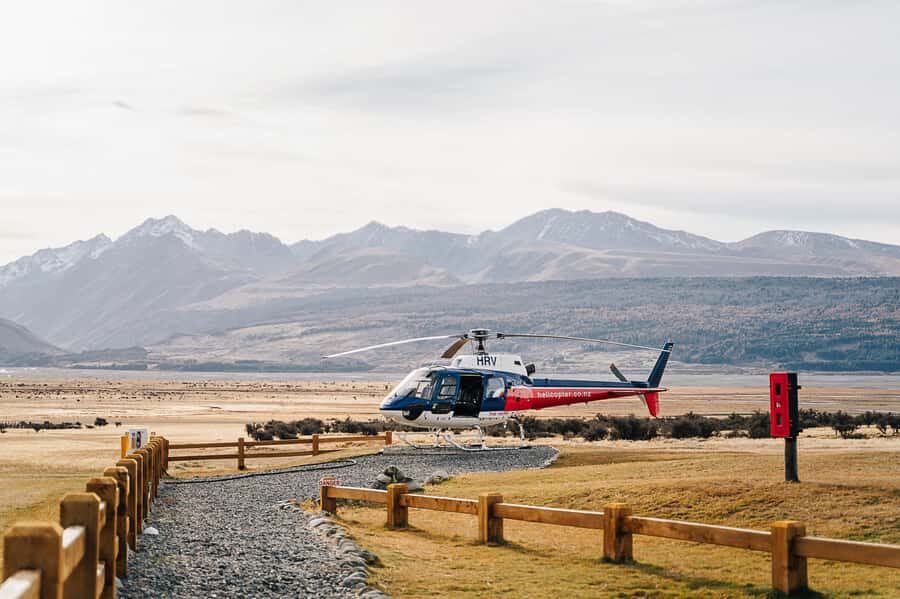
This is the kind of Mount Cook area activity that fits into a busy itinerary without draining your day. You’ll lift off from The Helicopter Line at Glentanner Park, rise above Lake Pukaki, fly the rugged high-country around Ben Ohau, then come back down after a brief alpine landing (about 10 minutes when snow is suitable). The route and timing can shift with weather and the pilot’s discretion, but when visibility is good, the whole trip feels like a front-row pass to the Southern Alps.
In This Review
- Key things I’d circle before you book
- Why this short Glentanner-to-Ben Ohau heli flight hits different
- Getting started: Glentanner departure and the Lake Pukaki rise
- Flying the Ben Ohau range: what you’ll notice from the air
- The alpine landing: the moment you’ll remember
- Photo stop time and how to avoid the common window-view disappointment
- Pilot briefing and commentary: how you get the most out of 20 minutes
- Timing, weather, and why your day needs a little flexibility
- Price and value: is $230 worth it?
- What to bring (and what to leave in the car)
- Who this helicopter flight is best for
- Should you book the Glentanner to Ben Ohau flight?
- FAQ
- Where do I check in for this helicopter flight?
- How long is the flight?
- What’s included in the price?
- Is there an alpine landing?
- Do I need to bring anything specific?
- What items are not allowed during the flight?
- Will the flight route always be the same?
- Is hotel pickup included?
- Is this tour wheelchair accessible?
Key things I’d circle before you book
- Real alpine touchdown time: you’re not just flying over—you land in the mountains for a short stop.
- Pilot commentary in English: you get context while you’re looking out the window.
- Short and focused: about 20 minutes total, including the landing, so it’s great when you want a thrill with minimal time.
- Lake Pukaki lift-off views: the flight begins with a dramatic rise above the water.
- Small group setting: limited to 6 participants, so the vibe stays calm and personal.
Why this short Glentanner-to-Ben Ohau heli flight hits different
You know that moment when you finally look at the map and realize the mountains don’t just sit there—they loom, they dominate, they shape everything around them? Helicopter time does that fast. This flight is short, but it’s built for maximum payback per minute.
What I like is that you get two distinct sensations that most tours can’t offer in one go: flying up into the airspace above the peaks, and then touching down in the alpine zone. Even if you’ve seen photos of Mount Cook region snowfields and ridgelines, being down at the landing spot changes your sense of scale. The air feels sharper, the terrain feels closer, and you start understanding why these valleys were shaped by glaciers over centuries.
The experience is also very “on purpose.” It’s not a half-day detour. It’s a tight circuit that’s designed to get you airborne, deliver views of the Ben Ohau mountain range, and bring you back before you feel rushed.
You can also read our reviews of more tours and experiences in Glentanner.
Getting started: Glentanner departure and the Lake Pukaki rise
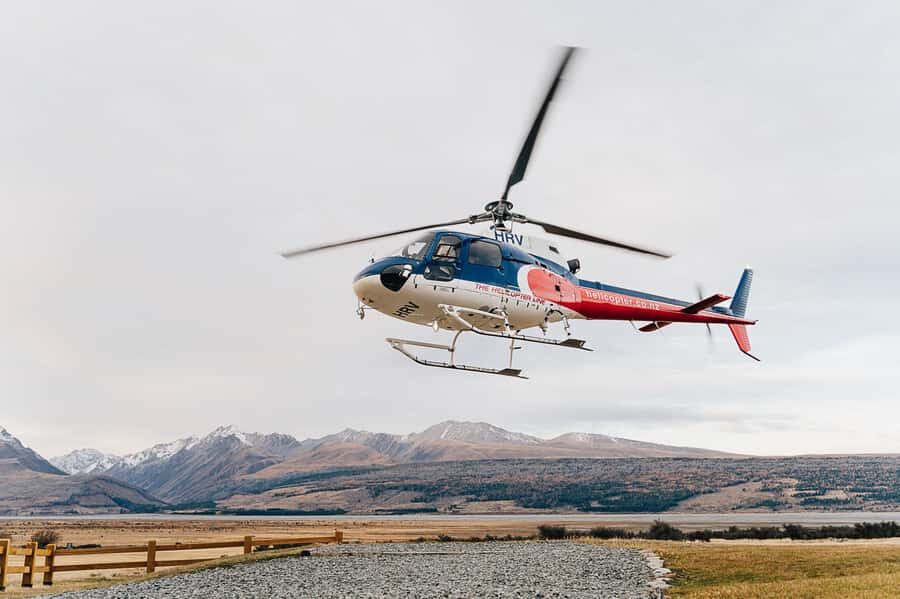
Your day begins at The Helicopter Line, Mount Cook. You’ll check in at the front desk, and that’s where your trip clock starts. Since there’s no hotel pickup or drop-off included, plan to be at the meeting point on time and not cutting it close in alpine-country weather.
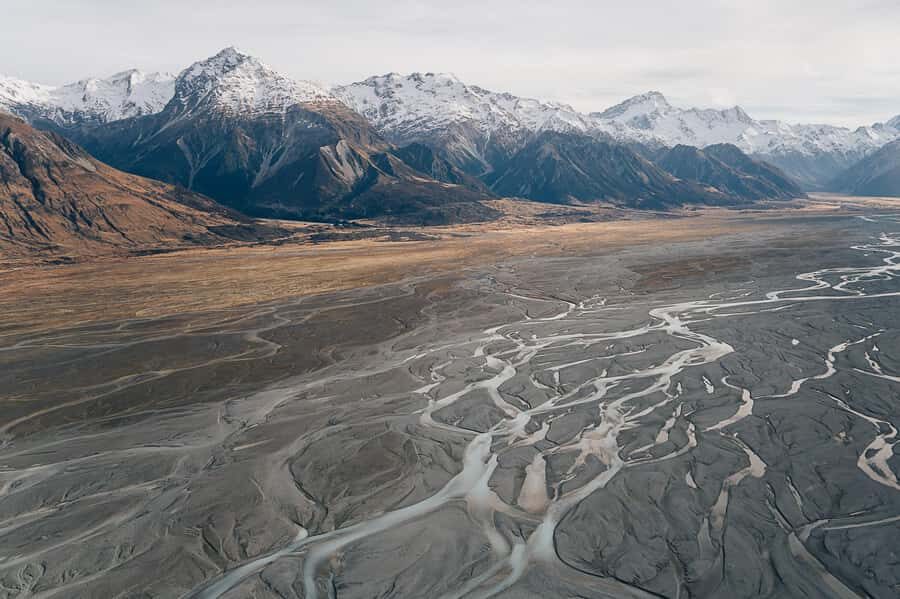
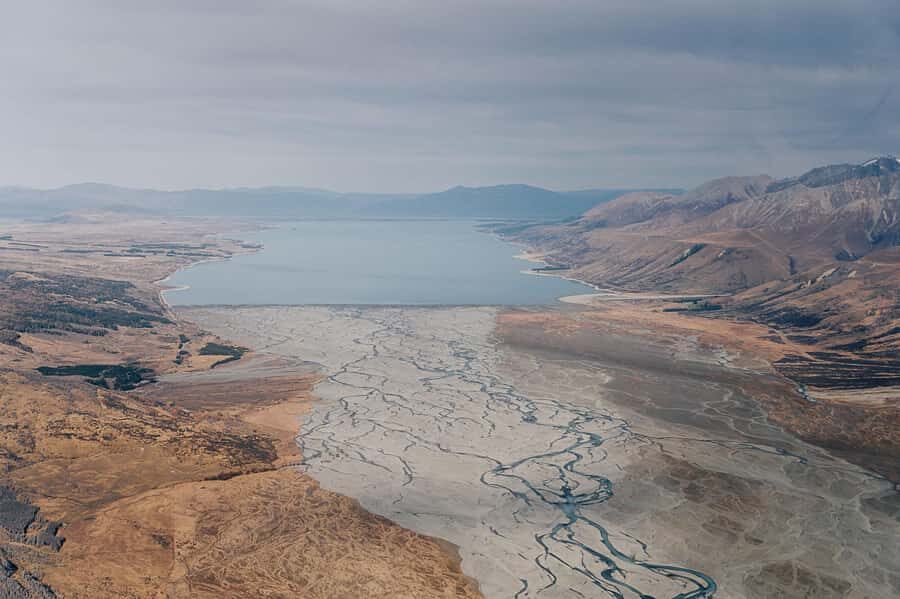
Once you’re aboard, the first visual reward is the lift-off above Lake Pukaki. That climb matters because it quickly establishes orientation: you can spot how the water sits relative to the surrounding high country, and you start seeing the glacier-carved geography the way it was meant to be understood—from above.
In practical terms, this is also when you’ll want to be ready with your camera and sunglasses. The sun can hit hard in mountain light, and wind chill climbs fast. Warm layers are your friend even when the day seems mild at ground level.
Flying the Ben Ohau range: what you’ll notice from the air
The core of the flight is your passage through the Ben Ohau mountain range. Expect sweeping views of peaks and rugged terrain, plus that satisfying feeling of seeing the valleys that were carved by glaciers. From the air, you can often read the “story” of the land: ridges, drop-offs, and how routes through the valleys look more obvious than they do on foot.
This route design also helps you get perspective without committing to a long hike. You’re getting the “overlook” experience, but instead of standing still, you’re moving through the same visual angles that hikers chase with hours of elevation gain.
A quick reality check: flights, landings, and routes may vary due to weather and at the pilot’s discretion. That’s not a bait-and-switch; it’s how mountain flying works. If clouds roll in or visibility shifts, the pilot may adjust to keep the experience safe and scenic. So if your main goal is the views, pick a flexible day when you can.
The alpine landing: the moment you’ll remember
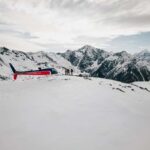
The highlight for many people is the alpine landing—about 10 minutes when seasonal snow conditions allow it. This is where the flight stops being just a ride and becomes an experience.
Touching down in the mountains gives you a totally different kind of “wow” than looking out during the cruise. The timing is short, so you’ll feel the rhythm: arrive, take a breath, soak in the view, and get back in the air. It’s long enough to let the moment land, but short enough that you’re not left shivering for ages.
Because snow is seasonal, you may land on snow only when conditions are suitable. That doesn’t mean the trip is less impressive—it just means the exact landing surface can change with the time of year. Either way, you’re still stepping onto the alpine zone, which is rare for people who don’t have the day for a full trekking plan.
Also, pay attention during the landing. This is when pilot guidance matters most, since weather, wind, and footing conditions can shift. You’re not just there to pose; you’re there to experience the terrain safely.
Photo stop time and how to avoid the common window-view disappointment
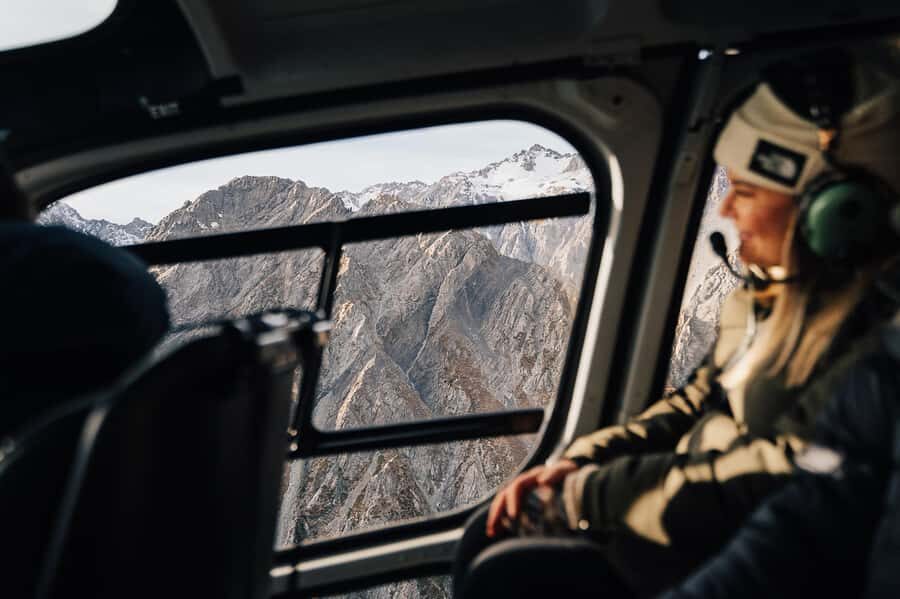
There’s a photo stop built into the experience after your flight segment. It’s a chance to grab key angles—especially useful if you’re trying to capture the Ben Ohau range from a specific vantage.
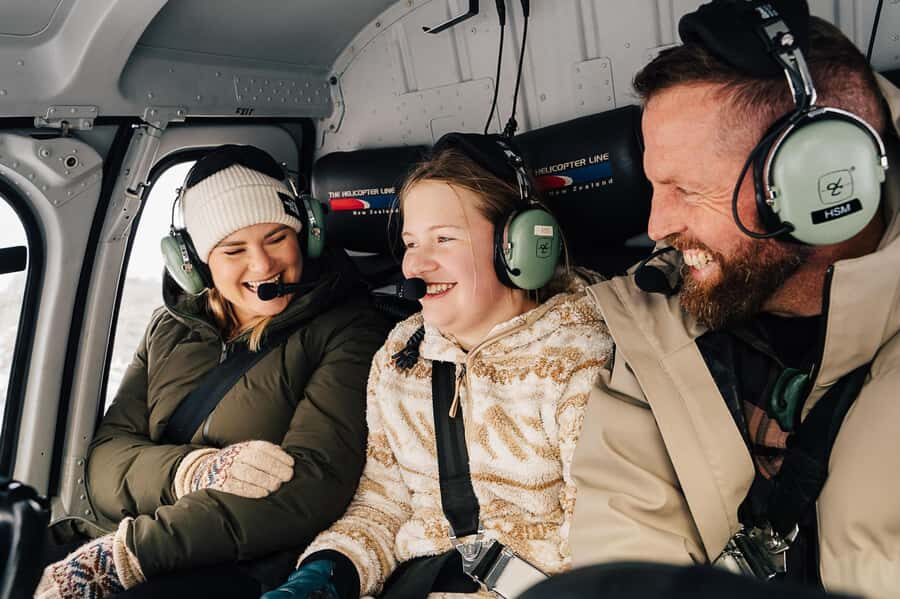
You should also know that not all seats guarantee the same view. One review described being asked to sit in the center with limited window access, and the pilot didn’t allow a seat swap to improve visibility. That’s a fair warning: if you care a lot about getting photos of the peaks and you’re sensitive to losing sightlines, you’ll want to think about seating right away when you board. Don’t assume you can rearrange later.
Practical gear notes that really help:
- Bring sunglasses and sunscreen. Sun + snow air can be intense.
- Wear warm clothing and closed-toe shoes. You’ll want sturdy footing.
- Keep your hands free. Selfie sticks are not allowed, and tablets/iPads aren’t allowed either.
Pilot briefing and commentary: how you get the most out of 20 minutes
This flight is only about 20 minutes total, including your landing time, so you can’t afford to be half-present. The good news: you get a detailed safety briefing before the flight, and the pilot provides commentary in English throughout.
I love this setup because it turns passive sightseeing into active understanding. When the pilot talks about what you’re seeing, you start noticing details you’d miss otherwise—how the terrain folds, where glacial carving shows up, and why certain areas look the way they do from the sky.
Safety briefing also isn’t just paperwork. In a helicopter, it helps you get comfortable fast. You’ll know what to do, how to handle small procedures, and how the flight will operate. That means you can spend your energy on the views instead of worry.
One more reason this matters: the experience is weather-dependent. If visibility improves, your views can feel like a gift. If conditions tighten, your pilot may change routes or landing plans. When you’re informed in the moment, the shifts feel less random and more professional.
Timing, weather, and why your day needs a little flexibility
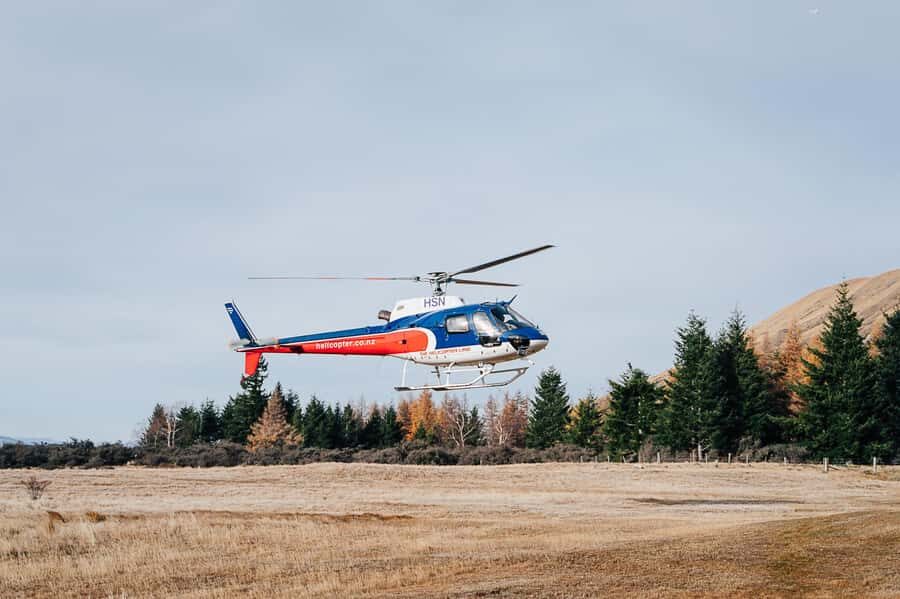
Helicopter flights in the Mount Cook area are famously at the mercy of weather. The trip is designed for quick adventure, but it still depends on favorable conditions.
Here’s what you can reasonably count on:
- Flight times are approximate and include your landing.
- Flights, landings, and routes may vary due to weather and at the pilot’s discretion.
- Snow landing depends on seasons.
So I suggest booking this type of flight on a day where you’re not trapped by rigid plans. If you have travel days where weather could cancel big hikes, this short heli option can still be a strong choice because it’s built around quick execution—when conditions allow.
If the flight has to be cancelled due to poor weather, you’re given the option of an alternative date or a full refund. That’s the key: the product is designed to match conditions, not to force the mountains into your schedule.
Price and value: is $230 worth it?
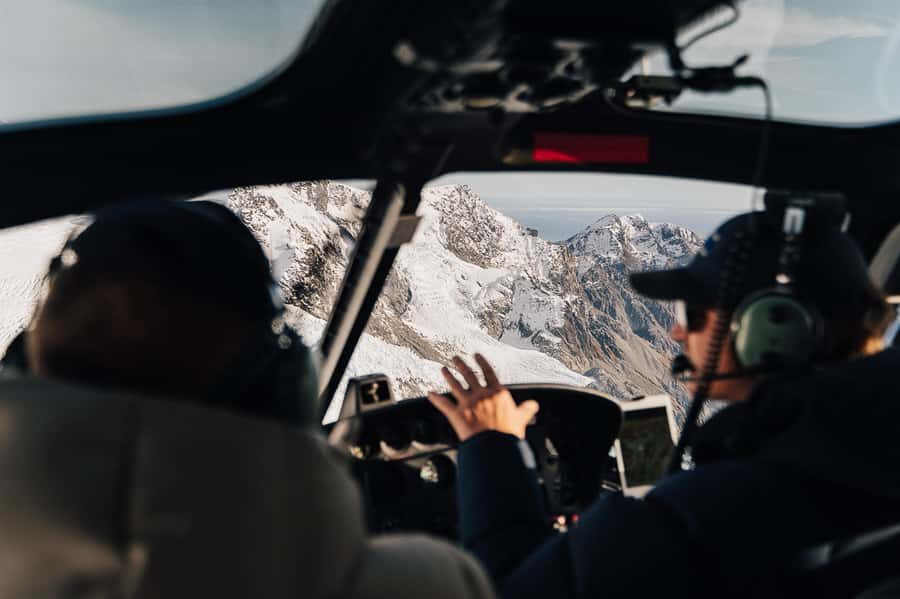
$230 per person is not pocket-change. But helicopter pricing isn’t just about the vehicle—it’s about the access. You’re paying for three high-value things that don’t come together in most options:
- Time savings in a remote alpine environment.
- A landing in the alpine zone (seasonal snow), not just a scenic pass.
- Expert in-the-moment interpretation via pilot commentary in English, plus a full safety briefing.
When I look at value, I ask: would I trade money for the specific sensation I can only get from this? In this case, yes—especially because you get a touchdown experience plus aerial views of the Ben Ohau peaks in one tight package.
Where the value can feel uneven is seat placement. If you end up in a spot with limited window visibility, you might feel like you paid for a lot less scenery than you expected. That’s why it’s smart to care about where you sit and be realistic about what the helicopter layout can do.
What to bring (and what to leave in the car)
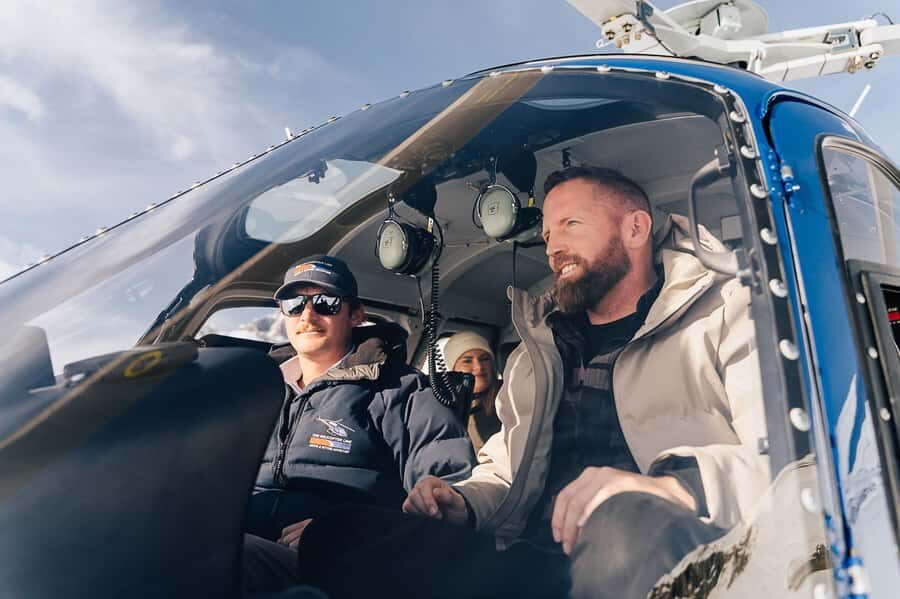
This is one of those tours where being prepared makes the flight more comfortable, not more complicated.
Bring:
- Warm clothing. Think layers, not one thick jacket.
- Sunglasses.
- Camera.
- Sunscreen.
- Closed-toe shoes.
Leave behind:
- Selfie sticks. They’re not allowed.
- Tablets/iPads. They’re not allowed.
If you’re the type who hates cold air, you’ll still be okay—but you have to dress for it. Mountain temperatures and wind in a small aircraft can surprise you. Also, being comfortable makes it easier to stay focused during your landing.
Who this helicopter flight is best for
This experience is ideal if you want:
- The thrill of a helicopter flight without committing to a full day.
- Stunning aerial views of the Ben Ohau mountain range.
- A rare alpine landing experience that goes beyond looking from a trail.
It’s a strong fit for couples, solo travelers, and small groups who like efficient itineraries and don’t want to spend hours hiking just to feel the scale of the Southern Alps. It’s also a great option when your schedule is tight but your curiosity is big.
It’s not a fit for wheelchair users, based on the provided information.
Should you book the Glentanner to Ben Ohau flight?
If your goal is maximum mountain feeling per hour, this one is a solid yes. The combination of a short helicopter ride, an alpine landing (seasonal snow), and pilot-led English commentary is exactly the kind of “worth it” combo that makes sense in Mount Cook country.
Book it if:
- You’re flexible about weather and timing.
- You want a real landing, not just a view from above.
- You’re okay spending time in cool mountain air dressed for it.
Think twice if:
- You care obsessively about getting the best window views and you’re worried about seat placement.
- You prefer low-motion experiences. A helicopter is quick, but it’s still fast and windy.
My advice: if you can, arrive ready to board confidently, dress warmly, and treat the landing as the main event. When conditions align, this isn’t just scenery. It’s a hands-on taste of alpine New Zealand from the inside.
FAQ
Where do I check in for this helicopter flight?
You’ll check in at the front desk of The Helicopter Line, Mount Cook.
How long is the flight?
The duration is listed as about 20 minutes, and flight times include the landing.
What’s included in the price?
The price includes a scenic helicopter flight, an alpine landing when conditions allow (seasonal snow landing), and pilot commentary.
Is there an alpine landing?
Yes. There is an alpine landing, and it’s described as a seasonal snow landing for approximately 10 minutes when conditions suit.
Do I need to bring anything specific?
Bring warm clothing, sunglasses, a camera, sunscreen, and closed-toe shoes.
What items are not allowed during the flight?
Selfie sticks and tablets/iPads are not allowed.
Will the flight route always be the same?
No. Flights, landings, and routes may vary due to weather and at the pilot’s discretion.
Is hotel pickup included?
No. Hotel pickup and drop-off are not included.
Is this tour wheelchair accessible?
No, it is not suitable for wheelchair users.