REVIEW · NELSON NEW ZEALAND
Nelson: Brook Waimārama Sanctuary Guided Night Walk
Book on GetYourGuide →Operated by The Brook Waimārama Sanctuary Trust · Bookable on GetYourGuide
Night in Nelson gets real fast.
This Brook Waimārama Sanctuary night walk turns the forest into a living soundboard. I love the glowworms—their soft bioluminescent glow makes the forest floor feel magical. I also like the small group pace, which helps you actually notice what is happening in the dark.
Here’s the catch: wildlife is wildlife. You’ll have a chance to hear kiwi pukupuku and ruru, but you might not spot every highlight, even with a great guide. Plan to dress warm and be ready for a gentle, steady walk on uneven ground.
In This Review
- Key highlights worth making time for
- Brook Waimārama Sanctuary at night: what makes it special
- Visitor Centre briefing: conservation, predators, and why your walk matters
- The forest walk after dark: hearing ruru, kiwi pukupuku, and the action you can’t see
- Glowworms under red light: the moment the sanctuary really clicks
- Timing, group size, and why 10 minutes from Nelson is a big deal
- Price and value: what you pay for and what you should budget for
- What’s included on the night walk (and what isn’t)
- What to bring and what to leave at home
- Who this tour is best for (and who should skip it)
- A few words on guides and the tone of the tour
- Should you book this Brook Waimārama guided night walk?
- FAQ
- Where do I meet for the Nelson Brook Waimārama Sanctuary night walk?
- How long is the guided night walk?
- How much does it cost?
- What’s included in the ticket?
- Is transportation included?
- What should I bring for the night walk?
- Is the tour suitable for young children?
- What is the cancellation policy?
- Are strollers or backpacks allowed?
Key highlights worth making time for
- Glowworms at night lighting up parts of the forest floor and vegetation
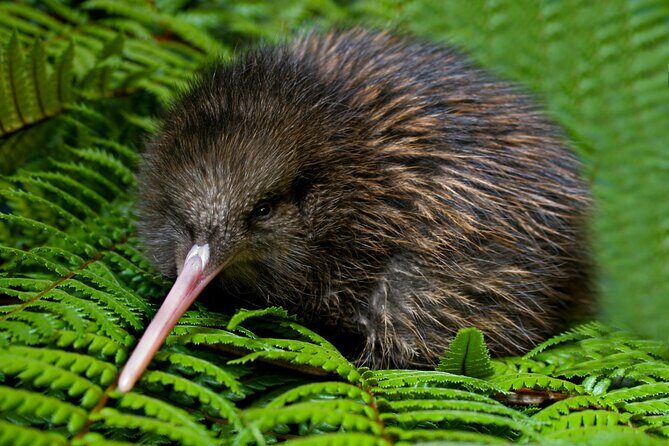
- Ruru and kiwi calls (especially ruru, with kiwi pukupuku calls when you’re lucky)
- A massive fenced eco-sanctuary: 690 hectares of protected native forest near Nelson
- Conservation explained in real terms including predator management, translocations, and habitat restoration
- Red head torches and a short group tour for easier viewing without blinding everyone
- Hot drink and biscuit to warm up after the trek in the cool night air
Brook Waimārama Sanctuary at night: what makes it special
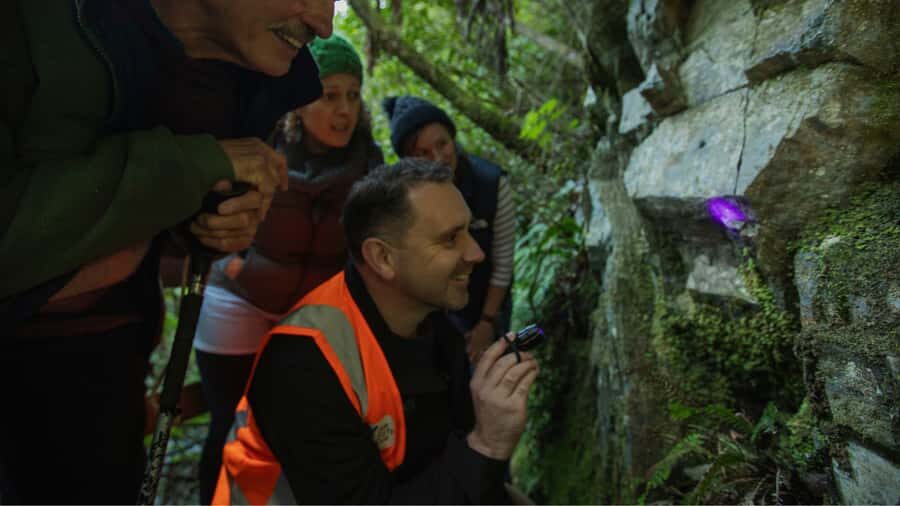
Brook Waimārama Sanctuary is one of those places where the setting does half the work for you. It is South Island New Zealand, close to Nelson city, and it is set up as a safe haven for native wildlife. The big headline is size and protection: the sanctuary covers 690 hectares and is described as the South Island’s largest fully fenced eco-sanctuary.
When the tour starts after dark, that fenced protection matters because it changes what you might hear and see. The experience is less about sightseeing and more about tuning in. You listen for the quiet movements of nocturnal creatures, then you watch for the tiny signals: a glowworm patch, a sudden rustle, or that eerie, rolling call of the ruru (morepork owl).
And yes, it can feel wonderfully still. The night here is not one big drama scene. It’s slow, focused, and very New Zealand.
You can also read our reviews of more walking tours in Nelson New Zealand

Visitor Centre briefing: conservation, predators, and why your walk matters
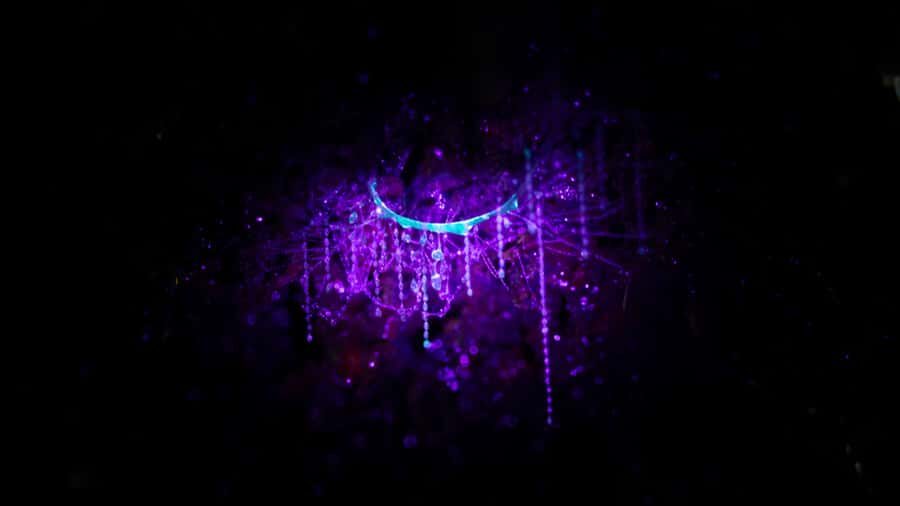
Your tour begins in the Brook Waimārama Sanctuary visitor centre. This is where your guide sets the stage and explains what the sanctuary is doing to protect species that are threatened in the wider landscape.
What I appreciate is the practical angle. You’re not just handed a history lesson. You get a clear look at the kinds of work that make this sanctuary function, including predator management and habitat restoration. You also learn about translocations, which is part of how threatened animals are moved to safer areas so they have a better chance to survive.
This matters to you because it reframes the whole night walk. When you’re standing in the dark later, you’re not thinking, Will we see wildlife? You’re thinking, This is what protection looks like on the ground. You might still go home without a kiwi sighting, but you’ll understand why the sanctuary is built the way it is.
One extra detail I like: guides are clearly comfortable teaching by sound and behavior. In other words, you learn how to look at the forest floor, and how to interpret what you hear without rushing or stomping around.
The forest walk after dark: hearing ruru, kiwi pukupuku, and the action you can’t see
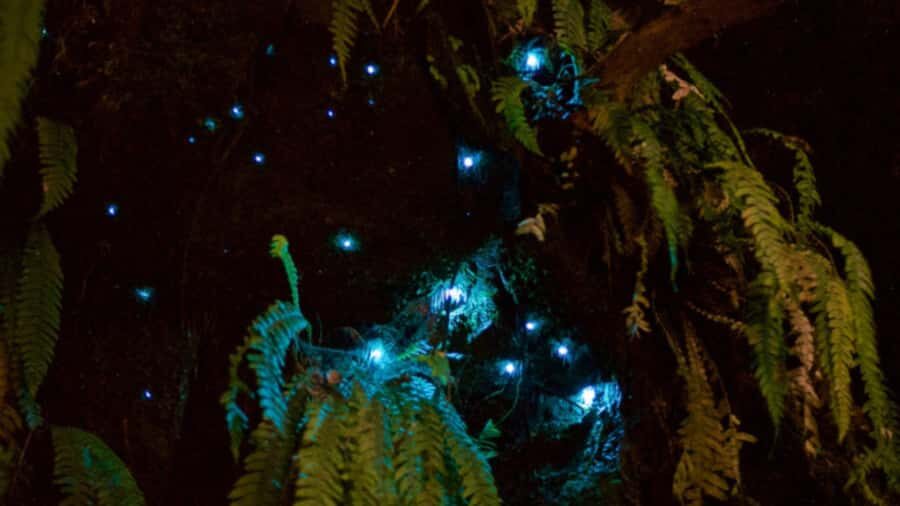
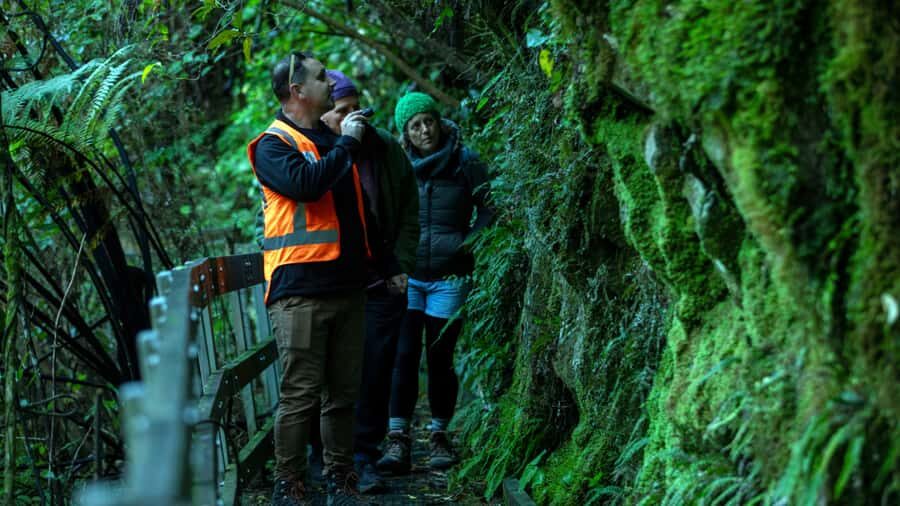
Once the sun drops, you head into the ngahere, the forest. The guide’s job here is to manage two things at once: keep you moving safely and keep you quiet enough to pick up what’s going on.
This is where the tour earns its 105 minutes. It’s long enough to settle into the darkness and long enough for the forest to start giving you clues. You’ll be listening for nocturnal life, including the call of ruru (morepork owl). You might also hear kiwi pukupuku (little spotted kiwi), though a kiwi call can be quick and easy to miss if you’re not paying attention.
A key point for your expectations: the experience is often more about presence than proof. Some nights may bring closer sightings—other nights may bring mostly sounds, insects, and glowworms. Even in a small group, conditions like wind, temperature, and general night activity can shift what you notice.
If you’re the kind of person who loves nature at a quiet volume, you’ll probably find this part satisfying. If you expect a guaranteed highlight show, you may feel let down. The tour is built for respectful wildlife spotting and learning, not for forcing nature to perform.
Glowworms under red light: the moment the sanctuary really clicks
Glowworms are the big visual payoff. You’ll get your first chance to notice them after you’ve started walking and the forest has fully gone dark. The point is not just that they glow. It’s how their glow changes your perception of the forest floor and vegetation.
Your tour includes red head torches, which are there for a reason. Red light helps keep your night vision working while also reducing glare for others. That means you’re more likely to see the glowworms as intended, rather than stumbling around with white light that blows out the scene.
Practical tip: slow down when the guide pauses. Glowworms are subtle and tend to reward patience. If you rush to the next patch of darkness, you’ll miss the tiny twinkling effect that makes the tour feel special.
Glowworms also fit the sanctuary’s conservation story. Their presence is tied to habitat health and the overall protected environment. So even though they’re the most magical thing you’ll see, they’re part of the bigger picture.
Timing, group size, and why 10 minutes from Nelson is a big deal
This tour runs about 105 minutes. That length is a good match for a night walk: enough time for instruction, a real walk through the sanctuary, and enough waiting to let the forest sounds settle in.
Another detail that makes planning easier is the location. The sanctuary is about 10 minutes from Nelson city centre. That’s huge if you want a nature evening without turning it into an all-day mission.
Group size also matters. The experience is limited to 8 participants. In practice, that’s what makes the guide’s sound-and-spotting approach work. With fewer people, it’s easier to keep noise down and it’s easier to see what the guide is pointing out.
You’ll likely feel the pace shift as you move from bright-day expectations to a night mindset. Instead of rushing and photographing everything, you start letting the forest lead.
You can also read our reviews of more guided tours in Nelson New Zealand
Price and value: what you pay for and what you should budget for
At $34 per person for a 105-minute guided night walk, this is not a bargain you’ll feel like you cheated the system on. It is priced like a specialized, guided conservation experience with small-group control.
Here’s what makes it feel worth it:
- The sanctuary’s protective setup (a fenced eco-sanctuary of 690 hectares) is the real value engine.
- You get a trained guide giving commentary the entire way.
- You get gear support: red head torches.
- You get comfort items: a hot beverage and biscuit.
The main extra cost is obvious: transportation is not included. If you are staying in Nelson, you’ll want to plan how you’ll get to the visitor centre and back. Budget for that upfront so the ticket price doesn’t feel cheaper than the real trip cost.
Also, pack-light matters. Backpacks are not allowed, so bring a small bag if you need one. If you show up with too much stuff, that can add stress before the walk even begins.
What’s included on the night walk (and what isn’t)
Included:
- Fully guided tour with commentary
- Red head torches
- Hot beverage and biscuit
Not included:
- Transportation
That division is straightforward. Your main responsibility is to arrive ready to walk and ready for the cold. The sanctuary environment after dark is not the time to improvise clothing.
What to bring and what to leave at home
The checklist is short, which I like. Bring:
- Warm clothing
- Closed-toe shoes
Now the no-go list. You shouldn’t bring:
- Baby strollers or baby carriages
- Backpacks
- Alcohol and drugs
- Bare feet
- Electric wheelchairs
If you wear a jacket that you can move in and shoes with solid grip, you’ll set yourself up for an easier night.
And since this is a night experience, your brain will thank you for being prepared. When it’s dark and you’re waiting for sounds, fumbling with zippers or searching for forgotten gloves gets old fast.
Who this tour is best for (and who should skip it)
This night walk is well matched to people who enjoy quiet wildlife moments and learning. It’s also built for small-group respectful observation.
It is not suitable for:
- Children under 10 years
- People with mobility impairments
- People with diabetes
- People who are visually impaired
- People with low level of fitness
So if you’re thinking of going and you’re unsure about walking comfort, take the fitness note seriously. A night walk is not just about seeing things. It’s about steady footing and being comfortable in cooler conditions.
If you’re the type who likes to hear nature more than chase it, you’ll probably love this. If you need constant action, you might find the pace slower than you expected.
A few words on guides and the tone of the tour
Guides are a big part of why this experience scores so high. People like the way guides explain the sanctuary at the start and the patience they show while waiting for sounds and insects in the dark.
One guide named Emma appears in the feedback as especially knowledgeable and engaging, with glowworms as a standout moment. Another guide referred to as Bo is praised for competency, friendliness, and a lot of learning points, including tuatara and glowworms.
The takeaway for you: you are not just walking in the dark. You’re getting a guide who knows how to make the forest feel readable.
Should you book this Brook Waimārama guided night walk?
Book it if you want an evening that is genuinely about New Zealand wildlife and conservation, not just a quick photo stop. The glowworms, the chance to hear ruru and kiwi pukupuku, and the small-group setup near Nelson are a strong mix.
Skip it if you need guaranteed animal sightings, or if your fitness or accessibility needs don’t match the tour’s requirements. And if you’re hoping to bring extra gear like a backpack, you’ll need to adjust—backpacks aren’t allowed.
If you’re flexible, you’ll get the best experience by leaning into listening, staying warm, and letting the forest reveal itself at its own pace.
FAQ
Where do I meet for the Nelson Brook Waimārama Sanctuary night walk?
You should check inside the Brook Waimārama Sanctuary visitor centre.
How long is the guided night walk?
The tour lasts about 105 minutes.
How much does it cost?
The price is $34 per person.
What’s included in the ticket?
The tour includes a fully guided experience with commentary, red head torches, and a hot beverage with a biscuit.
Is transportation included?
No. Transportation is not included.
What should I bring for the night walk?
Bring warm clothing and closed-toe shoes.
Is the tour suitable for young children?
No. It is not suitable for children under 10 years.
What is the cancellation policy?
Free cancellation is available up to 24 hours in advance for a full refund.
Are strollers or backpacks allowed?
No. Baby strollers and backpacks are not allowed.