REVIEW · NELSON NEW ZEALAND
Abel Tasman National Park: Waka & Walk Tour
Book on GetYourGuide →Operated by Wine, Art & Wilderness · Bookable on GetYourGuide
Paddle, then walk, then paddle again. This Abel Tasman Waka & Walk day pairs real canoe teamwork with guided Māori cultural lessons. I love that you start with the basics of Māori protocol (like how to mihi or pepehā), not just a vague history talk, and you actually use it as part of the day’s flow.
My second favorite part is the mix of water and feet: waka paddling to four beaches, then boat cruising, then a 2-hour hike through the park. One thing to consider is the walking load: you’ll hike about 3–6 km (2–4 miles) and the tour isn’t set up for wheelchair users, so plan for comfortable shoes and a steady pace.
In practice, the experience feels like a carefully timed circuit—canoe team energy, brief beach breaks, and enough guidance that you always know what comes next. And yes, the guides make a difference: names like Angelika, Allan, and Jeremy show up in the vibe—bilingual where possible and seriously invested in the plants and stories around you.
In This Review
- Key takeaways at a glance
- Waka, boat, and a hike: what this day feels like
- Māori protocol isn’t a side note here
- Nelson pickup and the short setup that matters
- Shared waka paddling: teamwork, timing, and a real team job
- Four beaches in one day: how to use the beach windows
- Boat cruises: why you get two of them
- Lunch plus the plant stories that make the park feel real
- The 3–6 km hike: scenery plus usable knowledge
- What’s included, what’s not, and where the value shows
- What to bring (and what to wear) for comfort
- Who should book this Abel Tasman Waka & Walk Tour
- Should you book it?
- FAQ
- How long is the Abel Tasman National Park Waka & Walk Tour?
- Do you get pickup from Nelson?
- What food and drinks are included?
- How much hiking is included?
- Is swimming included?
- How many beaches do you visit?
- What should I bring for the tour?
- Is the tour wheelchair accessible?
Key takeaways at a glance
- Shared waka work as a team, with a karakia blessing to start and end
- Te Reo Māori you can actually use, including how to introduce yourself (mihi/pepehā)
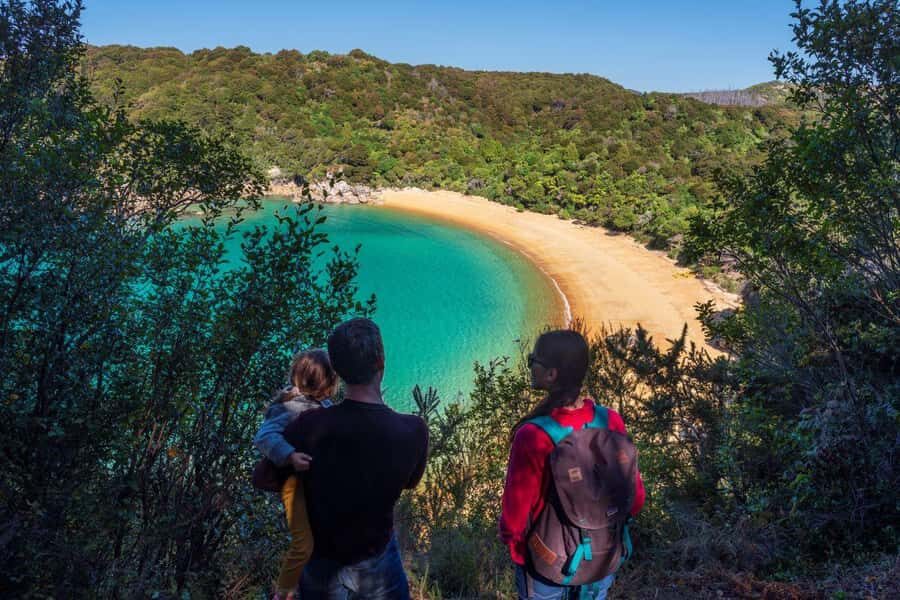
- Four beaches in one day, plus a designated swimming window
- Rongoā Māori plant knowledge connected to what you see on the hike
- A full day on water plus a 3–6 km hike, so bring dry clothes and sun protection
Waka, boat, and a hike: what this day feels like
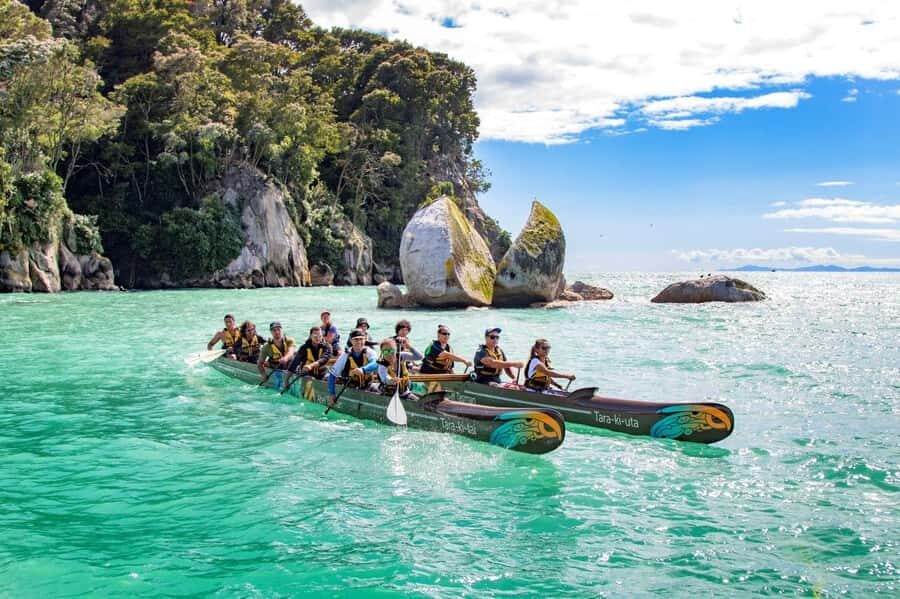
This tour is built for people who want Abel Tasman National Park to feel active, not just scenic. You’ll spend hours on water in two different ways: a traditional waka (shared canoe) and boat cruises that change how the coast is viewed. Then you’ll switch to walking time with a guided hike through the park.
What makes it work is the pacing. You’re not stuck in one mode for the whole day. You get paddling rhythm, short beach opportunities (including swimming), and then a trail stretch where the guide can connect flora and history to what’s around you.
For you, the payoff is a day that’s hard to recreate on your own unless you’re already set up for waka time and boat logistics. This is also a good format if you like learning while moving—stories land better when you’re standing where the story applies, or paddling past the places you’ll later hike around.
You can also read our reviews of more walking tours in Nelson New Zealand

Māori protocol isn’t a side note here
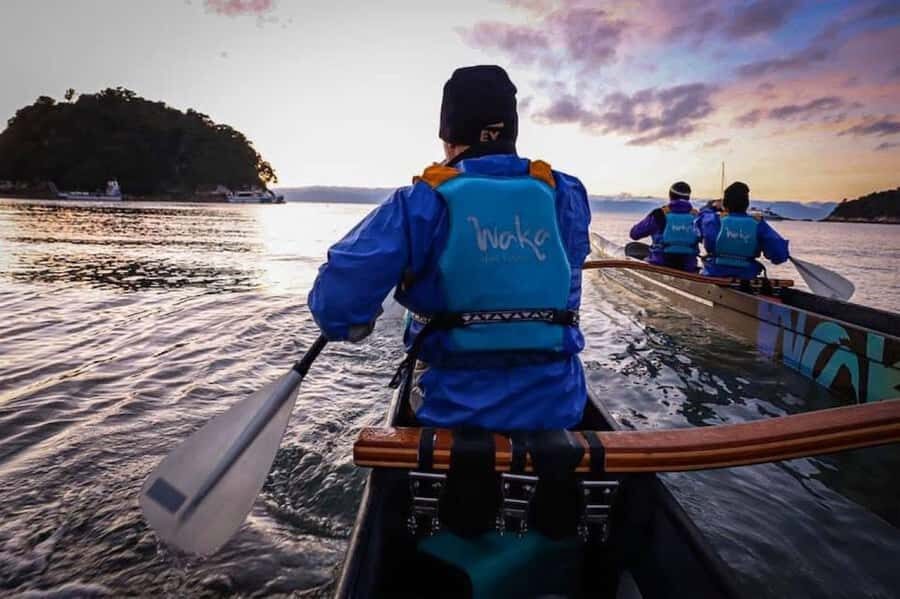
I especially appreciated how the tour treats Māori culture as something lived, not “extra.” You’re taught how to introduce yourself using Te Reo Māori—mihi or pepehā—and you’ll also learn key Tikanga Māori (protocols and customs). That changes how you move through the experience, because you’re not just watching; you’re participating in the etiquette of the moment.
Then there’s the spiritual tone. The waka experience begins and ends with a karakia (blessing). It’s not presented as a performance for tourists. It’s part of the day’s structure, and it’s one reason the canoe time feels meaningful, not just sporty.
You’ll also hear about Rongoā Māori, which is Māori medicinal knowledge of native plants. On paper, that might sound like a lecture topic. In practice, it becomes practical context for the hike: you learn what the plants are and why people cared for them, so the trail stops being just views and becomes a living resource story.
Nelson pickup and the short setup that matters
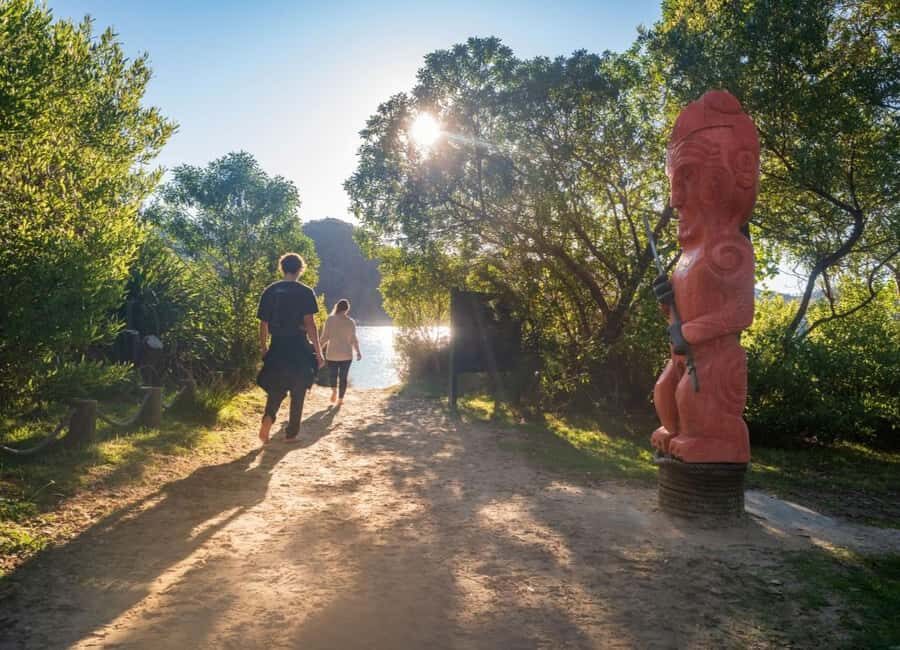
Your day starts with pickup in Nelson and a drive toward the edge of Abel Tasman National Park (about an hour by van). After you arrive, you get a safety briefing (about 15 minutes). It’s long enough to set expectations—what to do, what to avoid, and how the canoe segment is run—without dragging the day out.
This “arrive, brief, then go” flow matters because you’ll be on water for multiple parts of the day. If you’ve ever had a tour where you wait around too long before the first active segment, you’ll know the difference when the day starts moving quickly.
Tip for you: arrive ready to go. Even though there’s a guide, the day still depends on you being present, hydrated, and dressed for sun and weather.
Shared waka paddling: teamwork, timing, and a real team job
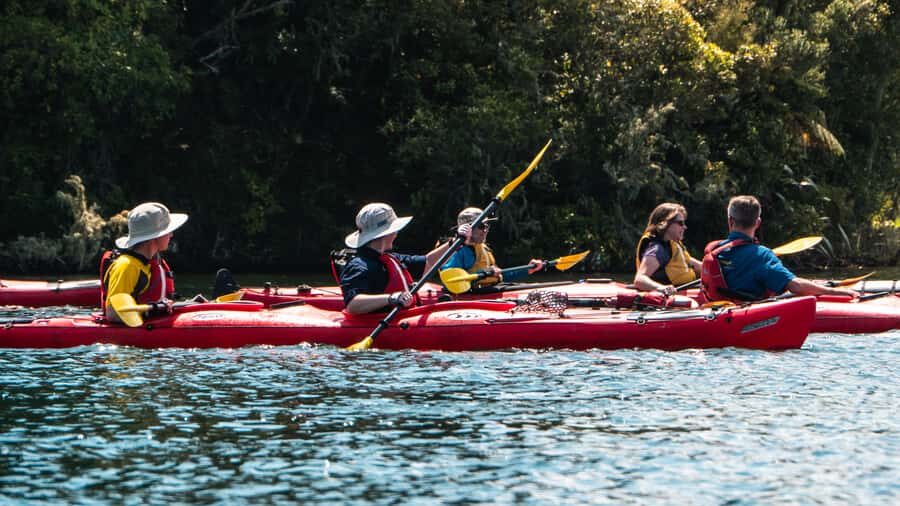
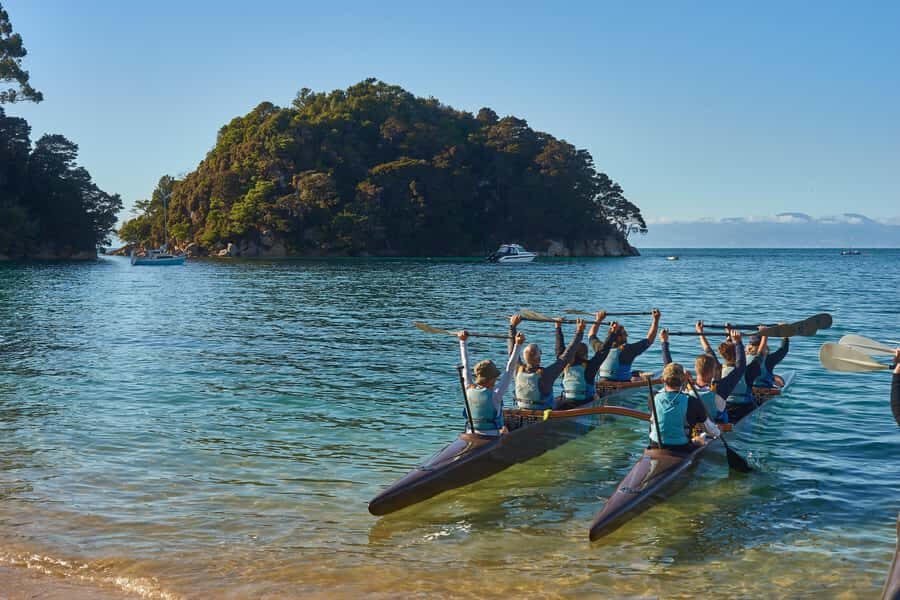
The core of the tour is the shared waka session, guided for about 3 hours. This is not a solo paddling fantasy—this is teamwork. You’ll paddle together as a group, working out rhythm and coordination while learning the cultural framework of the activity.
You also get the “human intro” part during the experience: learning how to mihi or pepehā in Te Reo Māori, and understanding Tikanga Māori so you know how to show respect in the canoe space. The blessing at the start and again at the end turns the experience into a full cycle, not a quick activity with a photo at the end.
From the experiences shared by previous guests, the guide quality is a standout. Names like Angelika, Allan, and Jeremy come up because they tended to connect the canoe time with both culture and nature—so you’re not just rowing; you’re learning what you’re seeing and why it matters.
If you’re new to canoeing, this kind of guided structure is a plus. You don’t need to bring advanced water skills. You do need a willingness to cooperate and listen—because waka paddling is, by design, a team activity.
Four beaches in one day: how to use the beach windows
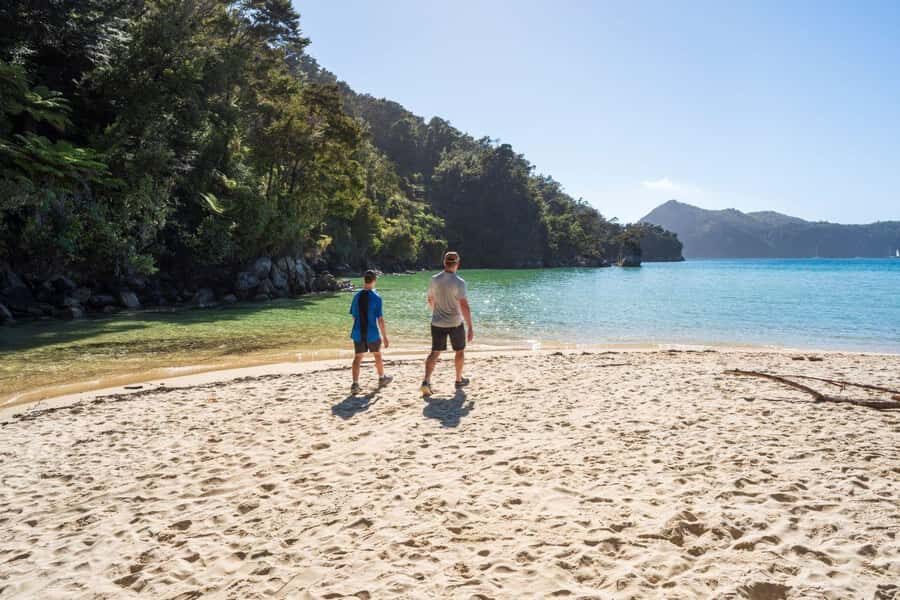
One of the biggest reasons this tour sells is the beach count. You visit four of New Zealand’s most beautiful beaches in one day. You’re not hopping between beaches by car the way a typical sightsee loop might. You move there as part of the canoe journey, so the coastline feels like it’s unfolding rather than being checked off.
You’ll also have a swimming window (about 30 minutes). That’s enough time to cool off and enjoy the water without turning the day into a long beach lie-in. In a place like Abel Tasman, the water time can become the memory anchor—especially if you’re the type who likes being active rather than just photographing.
Practical note for you: bring a change of clothes. The tour provides sunscreen and insect repellent, and bottled water is included, but you still need to plan for getting wet. A dry layer after swimming makes the rest of the day feel way more comfortable, especially before the hike portion.

Boat cruises: why you get two of them
After the waka segment, the day doesn’t just stop at lunch and then walking. You get boat cruises (two separate stretches, about 45 minutes each). These add a different perspective on the park—one that’s hard to replicate just from trail viewpoints.
Boat time also acts as a reset. You go from the physical coordination of paddling to a more relaxed, watch-and-listen mode. That matters because the tour later includes a hike of a few kilometers. The schedule isn’t random; it’s built to shift energy use so you don’t feel totally spent before the trail.
If you’re the kind of traveler who likes to understand how water shape the coast, the boat sections are where that starts to click. You’ll likely notice how the beaches line up, how the shoreline bends, and why certain trail sections feel positioned for the best sight angles.
Lunch plus the plant stories that make the park feel real
Lunch is included (about 40 minutes). It’s a welcome break in the middle of a full day, and it helps you recharge before the next movement-heavy parts.
But what makes the day feel more than just a food stop is how the guide connects what you’re eating and seeing to what the park means culturally. You’re learning about Rongoā Māori and native plants, plus Māori and colonial history in the region. Even when you’re not reading a sign, you’re building a mental map of how people have used and understood this area.
From the guide notes people shared, Jeremy in particular was praised for flora knowledge during the hike. That’s exactly what you want: plant info that’s attached to the path in front of you, not generic nature facts.
The 3–6 km hike: scenery plus usable knowledge
The walking portion is about 2 hours and covers 3–6 km (2–4 miles) through Abel Tasman National Park. That distance is manageable for most active travelers, but it’s still long enough to feel like a hike, not a stroll.
This is also where the cultural context becomes practical. You’ll learn more about the area’s Māori and colonial history, and you’ll connect plant information to the environment you’re moving through. If you care about native species, the hike is likely your best “learn and look” time because you’re not just passing viewpoints from a boat.
What could be a drawback? The tour isn’t described as wheelchair-friendly, and the hiking is part of the core plan. So if you’re on the fence, be honest about your footwear and your ability to walk several kilometers on a guided trail.
Tip: wear comfortable shoes and stay mindful about sun. The tour includes sunscreen, but it can’t replace the need to protect your face, neck, and shoulders.
What’s included, what’s not, and where the value shows
The price is $417 per person for a full 10-hour day. Here’s what that covers: transfers from Nelson-based accommodation, lunch, snacks, refreshments, bottled water, the shared waka experience, guided hiking, and a live English tour guide. You also get sunscreen and insect repellent.
That’s not just “transport and a guide.” It’s a bundled set of park access pieces: getting you to the start point, running the canoe segment as a shared team experience, adding boat cruises, and keeping you moving through a guided hike. If you tried to recreate even two of those pieces on your own, you’d likely spend extra on coordination and transport, and you still wouldn’t replicate the culture teaching structure (mihi/pepehā, Tikanga Māori, karakia).
What’s not included: a private waka. If you’re imagining a private canoe time, you’d need a different arrangement. For most people, shared waka is the point—because you’re building the team rhythm together.
What to bring (and what to wear) for comfort
The essentials are pretty clear, and I’d follow them closely:
- Comfortable shoes for a 2-hour hike
- Sunglasses and a sun hat
- Weather-appropriate clothing
- A change of clothes (especially if you plan to swim)
The tour also provides bottled water, sunscreen, and insect repellent, which saves you from packing those basics. Still, you’ll want your own comfort items: a bag you don’t mind getting wet, and something simple to store your change of clothes.
One more rule: alcohol and drugs aren’t allowed on the tour. If you’re planning a celebratory day, keep it to how you treat people and the experience itself.
Who should book this Abel Tasman Waka & Walk Tour
This tour fits best if you want a day that mixes activity and learning. You’ll likely enjoy it if you:
- like being outside for hours and switching between water and walking
- want cultural education tied to real actions (mihi/pepehā, Tikanga Māori, karakia)
- care about native plants and Rongoā Māori stories, not just generic facts
- don’t mind a guided group format and prefer teamwork over solo exploration
You might want to look for a different option if:
- you need wheelchair accessibility (the tour is not suitable for wheelchair users)
- you strongly prefer low physical effort—there is a hike and a swim window, and the day runs about 10 hours
Also, because the tour runs from Nelson and includes transfers, it’s a good “base camp” choice if you’re staying in town and don’t want to handle park access logistics yourself.
Should you book it?
I’d book this if you want more than a beach day. The waka experience isn’t treated like a quick thrill; it’s structured with protocol lessons and a karakia beginning and end. The combination of waka + boat + a 3–6 km hike means you get multiple angles of Abel Tasman in one packed, guided day.
Two quick decision checks for you:
1) Are you comfortable walking a few kilometers and dressing for sun and changing weather?
2) Do you want cultural context that you can practice, not just watch?
If you said yes to both, this is strong value for the time on the water, the guided knowledge, and the fact that the day is already stitched together for you—pickup through return to Nelson.
FAQ
How long is the Abel Tasman National Park Waka & Walk Tour?
The tour runs for about 10 hours.
Do you get pickup from Nelson?
Yes. There is pickup from your Nelson accommodation (optional), and you’re taken by van to the start of the experience.
What food and drinks are included?
Lunch is included, along with snacks and refreshments. Bottled water is also provided.
How much hiking is included?
You’ll hike for about 2 hours, covering roughly 3–6 km (2–4 miles).
Is swimming included?
Yes. There is a swimming break of about 30 minutes.
How many beaches do you visit?
You visit four beaches in one day.
What should I bring for the tour?
Bring comfortable shoes, sunglasses, a sun hat, weather-appropriate clothing, and a change of clothes.
Is the tour wheelchair accessible?
No. The tour is not suitable for wheelchair users.