REVIEW · CHRISTCHURCH
Ōtautahi: Christchurch Small-Group Inner City Food Walking Tour
Book on Viator →Operated by Amiki Tours · Bookable on Viator
Christchurch has a way of telling stories with food. This 2.5-hour small-group walking tour links inner-city landmarks and gardens with Māori and European history, plus tastings that keep you moving. I especially like the guided context (post-quake rebuild, culture, and city details) and the way the stops are paced for actual conversation, not just hopping from place to place.
One heads-up: the food plan includes a sit-down meal at a partner restaurant, so if your tastes are picky, that one component may be a deciding factor.
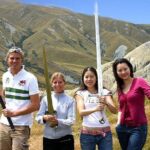
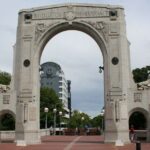
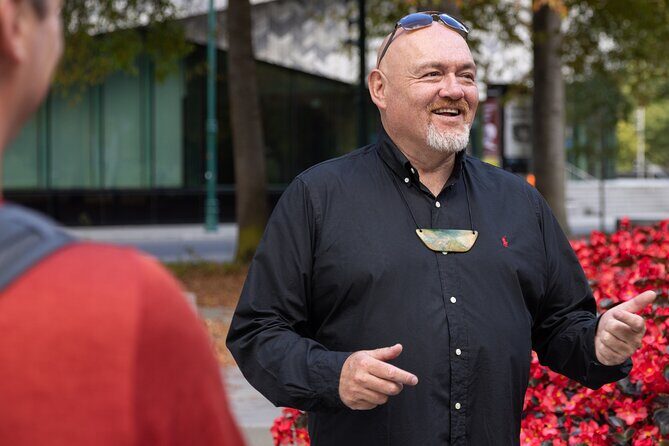
The tour also starts at a seriously photogenic spot—the Bridge of Remembrance—which instantly grounds you in Christchurch’s history before you even hit the first tasting. With a maximum of 12 people, it feels personal, and guides like Ash, Emily, and Riwai are clearly comfortable answering follow-up questions as you walk. My main caution is value perception: it’s not a cheap snack crawl, so you’ll get the most out of it if you actually want multiple tastes plus wine/beer-style drinks and sweets.
In This Review
- Key points before you lace up
- Bridge of Remembrance to the Avon River: how the tour sets the tone
- Christchurch rebuilt after 2011: the stories your guide ties to food
- The lunch-and-drink strategy: Kaiser-style meals and craft beer moments
- Chocolate, manuka honey, and gelato/ice cream: a sweet arc that actually works
- Māori and European threads you’ll spot as you walk
- Group size, pace, and how to decide if this is your style
- Price and value: is $133.42 worth it?
- Planning tips that make the tour smoother
- Should you book this Christchurch inner-city food walk?
- FAQ
- What is the duration of the Ōtautahi Christchurch Small-Group Inner City Food Walking Tour?
- Where does the tour start?
- What time does the tour begin?
- How many people are in the group?
- What food and drinks are included?
- Is the tour suitable for people with mobility needs?
- What should I know about weather?
- Is there a cancellation option if my plans change?
Key points before you lace up
- Bridge of Remembrance kickoff: your orientation begins at the Avon River crossing opened in 1924
- Small group, maximum 12: enough space to ask questions without feeling rushed
- Culture tied to what you eat: Māori and European stories show up alongside landmark stops
- A built-in meal, not just samples: expect a sit-down lunch as part of the experience
- Sweet finish arc: chocolate, manuka honey tasting, and gelato/ice cream are common highlights
- Guides with real local range: Ash, Emily, and Riwai bring history and rebuild stories to life
Bridge of Remembrance to the Avon River: how the tour sets the tone
You meet at the Bridge of Remembrance on Cashel Street. It’s more than a landmark for photos. The guide uses it as a launchpad for how Christchurch’s identity developed—especially the shared history between Māori and European peoples. You’ll look across the Avon River while your guide frames what to watch for as you move through the Central City.
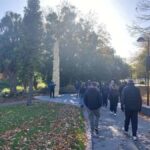
This kind of start matters because it trains your eyes. Instead of wandering around “because it’s nice,” you’re learning the city’s logic: where civic monuments sit, how public spaces are shaped, and how everyday streets can carry deeper meaning. I like that the guide doesn’t treat history like a lecture. It’s used to explain why certain buildings and spaces exist where they do, and how the rebuild changed what you see today.
Logistics are simple. It runs for about 2 hours 30 minutes, begins at 11:30 am, and ends back where you started. You’ll also have a mobile ticket, and the meeting point is near public transportation, which is handy if you’re mixing it with other plans.
You can also read our reviews of more walking tours in Christchurch



Christchurch rebuilt after 2011: the stories your guide ties to food
One of the strongest reasons to do this tour early in your trip is the way it gives you a mental map of Christchurch’s “before and after.” Guides talk about the post-earthquake reality—how parts of the city were damaged, what reconstruction changed, and how the city rebuilt around community needs.
And they don’t keep it vague. In guides’ storytelling (including Riwai and Ash), you get specifics on how the change shows up in the CBD now: streetscapes, public art, and the mix of old and newly designed spaces. You’ll also hear how Māori culture and European influence overlap in the city’s present-day character, not just in history books.
Here’s the practical payoff for you: once you understand that rebuild story, you’ll read the city differently. You’ll notice why some areas feel planned in a modern way, and why certain symbols and artworks matter. That makes the rest of your sightseeing easier, even if you only do a short list of other activities.
The lunch-and-drink strategy: Kaiser-style meals and craft beer moments

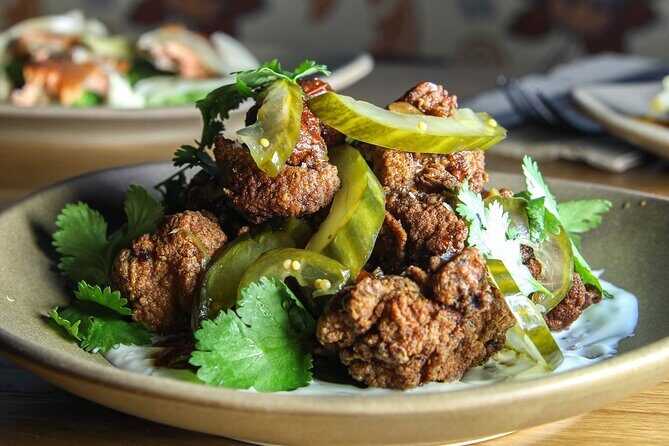
This is a walking food tour, but it’s not only “nibble, nibble, move on.” The design includes a sit-down component, and that’s a big value driver because you’re paying for more than walking and commentary—you’re paying for meals and tastings.
In practice, the lunch experience often happens at a partner venue such as Kaiser’s Brew Garden (and people also mention Riverside Market settings). Depending on the group and your guide, you may see craft beer options like the Kaiser Pilsner, plus other local drink pairings (some guides connect food and wine-style tastings too). If you’re a beer fan, that’s a clear plus.
Now, the balancing note: one review feedback pointed out that the meal wasn’t great for their tastes because it centered around a single restaurant stop. That doesn’t mean it’s always like that, but it’s worth keeping in mind. If you’re the type who hates the idea of committing to one sit-down meal, decide based on your comfort with a set lunch format.
If you’re flexible, the lunch becomes the anchor. It’s when the guide’s big stories land and you can ask questions without rushing. That’s when the tour shifts from “food tour” into “city orientation.”
Chocolate, manuka honey, and gelato/ice cream: a sweet arc that actually works
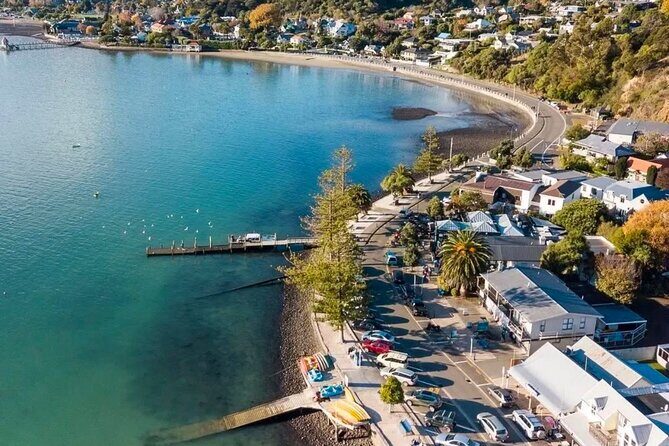
The tour has a clear rhythm: landmark talk, then tastings, then more walking, with sweets sprinkled in so you finish happy instead of just full. Chocolate shows up early in the sweet sequence for many people, and you’ll likely have a tasting stop where honey is the star—often manuka honey.
What I like about the honey stop is that it’s local and specific. It’s not just dessert for dessert’s sake. Your guide can connect flavors to the land and to cultural context, which turns a quick tasting into something you remember.
Then comes the final “cool-down” phase: gelato or ice cream. That ending is smart for a 2.5-hour schedule. It lets you cap the tour with something light enough to keep exploring on your own afterward.
The bigger practical tip: if you’re sensitive to dairy, be sure to flag it upfront. The tour can be tailored to dietary needs and personal preferences (people specifically mention this), but your best outcome comes from telling the guide early so they can steer you toward options that make sense.
Māori and European threads you’ll spot as you walk
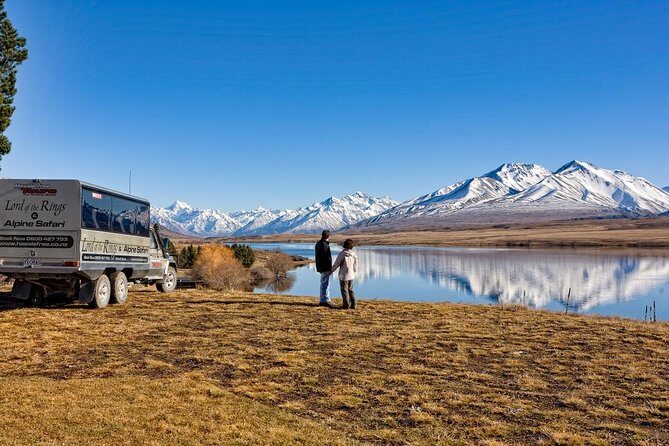
This is a city where stories overlap, and the best guides know how to show it in small details. You’ll hear about dual heritage between Māori and European peoples and how that shows up in Christchurch’s landmarks and public spaces.
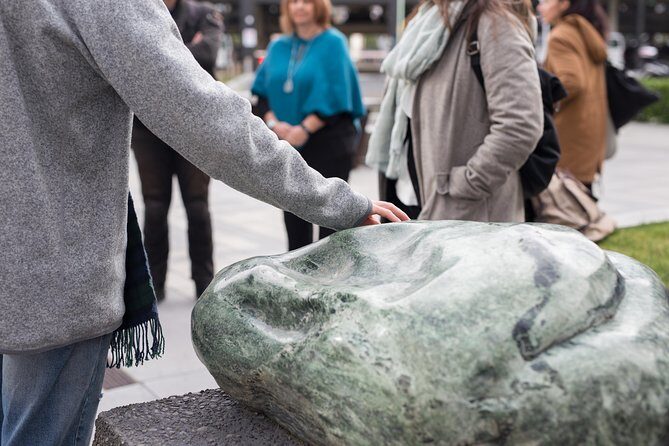
Guides also point out cultural connections you might not notice alone—especially through public art and symbolism in the CBD. Some guides (including Riwai) call attention to artwork that reflects both Māori and English cultural influences. That matters because Christchurch can look like a modern city on the surface, but there are layers you can miss if you’re rushing.
If you like cultural context that’s tied to real places, this tour fits. You’re not just reading about tradition—you’re learning why certain choices exist in the streetscape and how the post-earthquake era carried those influences forward.


Group size, pace, and how to decide if this is your style
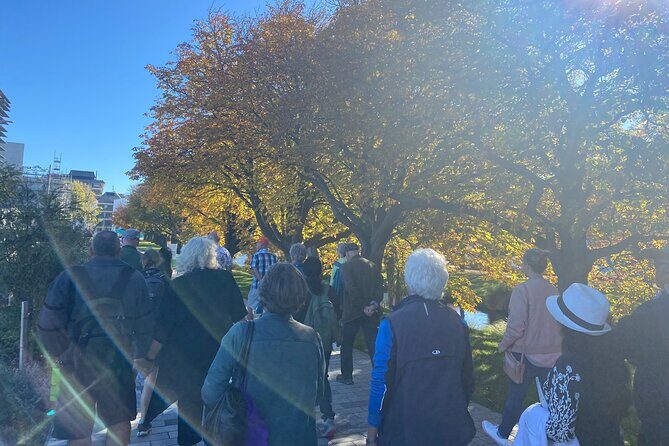
With a maximum of 12 travelers, you get the benefits of a small group: you can ask questions without the guide repeating the same explanation ten times. Several guides also seem comfortable tailoring the conversation—people mention that dietary needs and preferences were handled thoughtfully, and that the guide adjusted the experience to the group.
Pace-wise, it’s a walking tour that doesn’t try to punish you. Reviews describe it as relaxed and suited for people who still want a city experience without sprinting. If you’re short of breath or using a walker, you should still be able to participate based on the general “most travelers can participate” note, but keep your own limits in mind and bring what helps you (water, sun protection, comfortable shoes).
This tour is especially good if you:
- want history without feeling trapped in a museum
- like food-and-drink stops that feel local, not generic
- want a guide who can answer follow-ups about Māori culture, Christchurch rebuild, and what to do next
It’s less ideal if you only want quick street-food bites and hate sit-down components.
Price and value: is $133.42 worth it?
At $133.42 per person for about 2.5 hours, you’re paying for three things at once: guided storytelling, multiple food and drink tastings, and a meal component. It’s not “just a walk with a guide.”
The strongest value argument is the combination. People report tastings across categories—food, wine or beer-style drinks, chocolate, manuka honey, and gelato/ice cream—with lunch included. That turns the price into a bundled experience rather than a series of separate paid meals and guided hours.
That said, one review raised a direct concern that the price felt high for a walking tour, largely because the “included vs received” felt uneven to them. I’d treat that as a reminder to match the tour to your appetite and drink preferences. If you’re excited about lunch plus multiple tastings, the value usually makes sense. If you only want a tiny snack-and-story mix, you might feel shortchanged.
The best move: plan to eat what’s included. Don’t show up hungry and then look for a reason to skip the restaurant meal. When you lean into the structure, you tend to feel like you got your money’s worth.
Planning tips that make the tour smoother
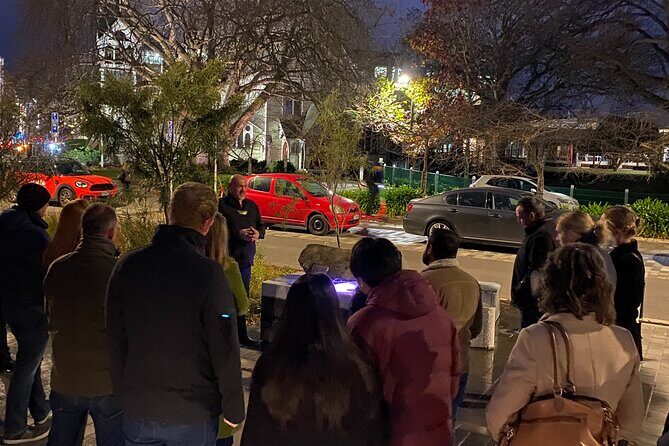
- Wear comfortable walking shoes. You’ll cover a decent amount of inner-city ground at a leisurely pace, but you’re still walking for 2.5 hours.
- Come hungry, but pace yourself. Lunch plus sweets is the design, not an accident.
- Tell your guide about dietary needs early. People report the tour being tailored to dietary needs and preferences. That works best when you communicate clearly.
- Bring a question list. Guides like Ash, Emily, and Riwai are clearly comfortable answering culture and rebuild questions as they walk.
- Go when weather is reasonable. The experience requires good weather, so have a backup plan in case conditions shift.
Also worth knowing: service animals are allowed, and the meeting point is near public transportation—useful if you’re connecting from a hotel or another attraction.
Should you book this Christchurch inner-city food walk?
If your ideal Christchurch day is part walking tour, part “show me what locals actually eat,” and part cultural orientation, I’d say yes. The payoff is strongest when you want context: the rebuild story, Māori and European threads, and guidance on how to see the CBD with better understanding.
I’d only think twice if you dislike sit-down restaurant lunches or you’re very price-sensitive and prefer smaller, more frequent food samples over a set meal. In that case, you may still enjoy the city stories, but the food format could feel limiting.
FAQ
What is the duration of the Ōtautahi Christchurch Small-Group Inner City Food Walking Tour?
It lasts about 2 hours 30 minutes.
Where does the tour start?
You start at the Bridge of Remembrance, Cashel Street, Christchurch Central City.
What time does the tour begin?
The start time is 11:30 am.
How many people are in the group?
The tour has a maximum of 12 travelers.
What food and drinks are included?
You’ll sample local food and drinks along the way, and the experience commonly includes lunch plus tastings such as chocolate, honey (often manuka), and gelato/ice cream. Some tastings and drink pairings also include wine or craft beer.
Is the tour suitable for people with mobility needs?
Most travelers can participate. The walking tour is designed to be manageable, but it still involves walking, so plan for your own comfort level.
What should I know about weather?
The tour requires good weather. If it’s canceled due to poor weather, you’ll be offered a different date or a full refund.
Is there a cancellation option if my plans change?
Yes. You can cancel for free up to 24 hours in advance for a full refund.