REVIEW · CHRISTCHURCH
Private Christchurch Walking Tour
Book on Viator →Operated by Green Kiwi Tours · Bookable on Viator
History hits hard in Christchurch’s city center. This private walking tour moves fast through Māori and European roots and then lands you in the city’s modern rebuild story, with stops like Christchurch Cathedral and the Canterbury Earthquake National Memorial. You’ll get a guided loop that helps you get your bearings fast before you spend the rest of your trip wandering on your own.
I especially like how the stops are practical: you see key landmarks within easy walking distance, and you can linger afterward near the Botanic Gardens if you want more green time. I also like the human touch from guides such as Simon, Sam, and Ben—friendly, flexible, and able to keep both teenagers and older visitors engaged.
One consideration: this tour needs good weather, and it is a 2-hour walk focused on central sights. If you’re hoping for long museum time at every stop, you may find the pacing a bit brisk.
In This Review
- Key highlights at a glance
- Christchurch Cathedral to Cardboard Cathedral: The Big Story in Just 2 Hours
- Private Guides and Flexible Pacing (Simon, Sam, and Ben Factor In)
- Stop-by-Stop Route: What You’ll See and Why It Matters
- Christchurch Cathedral: The Starting Point
- Botanic Gardens Stop: A Low-Effort Stretch
- New Regent Street: Spanish Mission Style in the Middle of Town
- Canterbury Earthquake National Memorial: Remembering 2011
- Cardboard Cathedral: Modern, Practical Rebuilding
- Christchurch Art Gallery (Te Puna o Waiwhetu): A Major Restoration Project
- The Value Question: Is $93.09 Worth It?
- Getting Your Bearings in Central Christchurch (and What to Wear)
- Weather and Timing: A Small Detail That Changes Everything
- Who Should Book This Tour?
- Should You Book Green Kiwi Tours’ Private Christchurch Walking Tour?
- FAQ
- How long is the private Christchurch walking tour?
- Where does the tour start?
- Is this tour private?
- What stops are included on the walk?
- Is there an admission fee for the stops?
- What happens if the weather is poor?
- What is the cancellation window for a full refund?
Key highlights at a glance
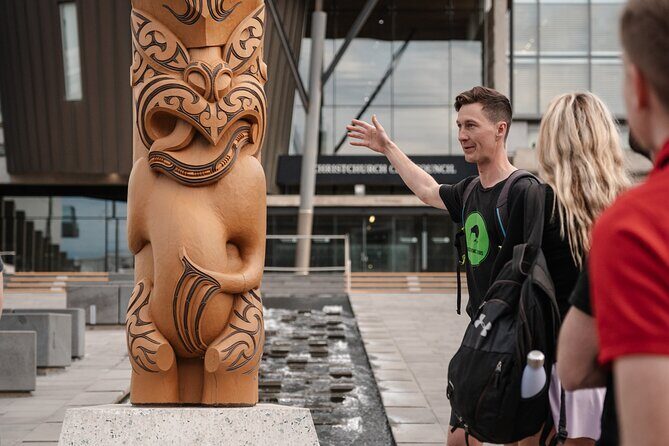
- Private, just-for-your-group guide in central Christchurch
- Stop-to-stop route that connects cathedrals, streets, memorials, and art
- Earthquake storytelling at the Canterbury Earthquake National Memorial
- Cardboard Cathedral context and why it was built to be deconstructed
- Photo-worthy architecture including New Regent Street’s Spanish Mission style
- Flexible pacing that works across ages and walking abilities
Christchurch Cathedral to Cardboard Cathedral: The Big Story in Just 2 Hours
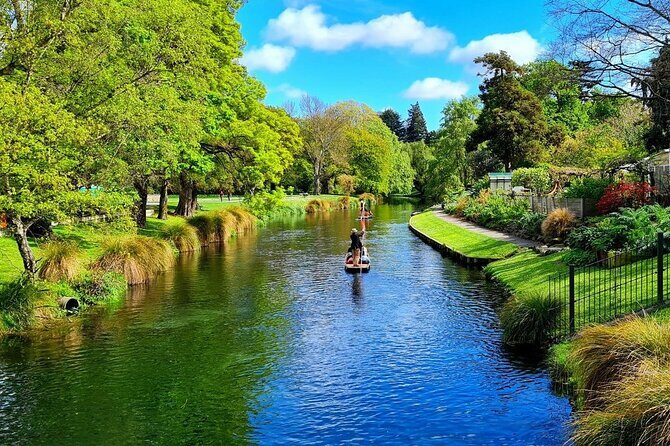
Christchurch can feel like two cities at once: the older city that shaped everyday life, and the newer city that had to be rebuilt after the 2011 earthquake. This walking tour is built to make that connection clear without turning it into a textbook. You start with the cathedral story, then you move through architecture and streetscapes, and you end in a part of town where the rebuild is literally visible.
The route also does a smart thing for travelers: it links place to meaning. It’s not just, Look at that building. It’s why it matters, how people use it, and what changed after the quake. If you like walking tours that help you read a city instead of just ticking off sights, this one fits.
And you’ll notice the guides keep the tone upbeat. In the reviews, I saw praise for guides such as Simon, Sam, and Ben as welcoming and adaptable, including tailoring direction when interest shifted. That’s a big deal on a private tour: you’re not stuck with a rigid script if your group wants to spend a few extra minutes looking at details on the street.
You can also read our reviews of more walking tours in Christchurch



Private Guides and Flexible Pacing (Simon, Sam, and Ben Factor In)
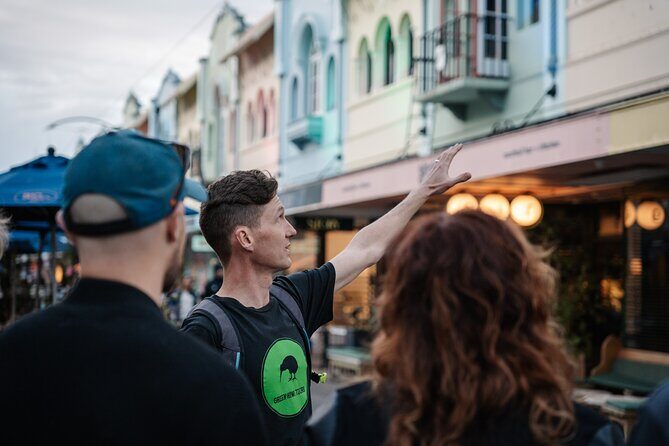
This is a private tour, so the “group management” part is handled for you. You get a local guide, and your group stays together, moving at a pace that suits your shoes and energy level.
The stand-out theme from the feedback is flexibility. People liked that Simon could adjust the walk based on what the group wanted to see, and that pacing felt comfortable for mixed ages—like a 19-year-old and a 70-year-old sharing the same route. That tells me the guide style is practical, not overly academic, and they’re paying attention to the room.
You’ll also see the value of this format in small moments: stopping when a detail catches your eye, slowing down for photos, or letting someone who’s moving a bit more slowly keep up without feeling rushed. On a 2-hour tour, those adjustments matter.
Stop-by-Stop Route: What You’ll See and Why It Matters

You’ll start near the Christchurch city center at 28 Worcester Boulevard. From there, the walk is organized around major landmarks that connect to the city’s bigger narrative—Māori and European history, the shape of the city, and then the quake era that changed the skyline and planning.
Christchurch Cathedral: The Starting Point
The tour begins at Christchurch Cathedral, with a quick mention of the idea of the Cardboard Cathedral as part of the larger cathedral story. Christchurch Cathedral sets the tone: it’s a major city symbol, so you get orientation right away.
What I like about starting here is that it gives you a reference point. Once you’ve seen one major landmark, the rest of the walk feels like a journey through themes: permanence, loss, adaptation, and rebuilding.
What to watch for: take a moment just to look at scale and layout—cathedrals are built to anchor a city visually, not just spiritually.
Botanic Gardens Stop: A Low-Effort Stretch
Next comes Christchurch Botanic Gardens. This stop is short, but it sets you up for something useful: the tour notes that you can return afterward and stroll. That’s a smart add-on for travelers who want a bit more time to decompress after history-heavy moments.
Even if you don’t go deep into the gardens right then, you’ll learn how the city edges blend into walkable green space, which is helpful for planning the rest of your day.
Potential drawback: if you were hoping for a longer garden walk during the tour itself, this is more of a passing-and-orienting stop.
You can also read our reviews of more private tours in Christchurch






New Regent Street: Spanish Mission Style in the Middle of Town
Then you hit New Regent Street, known for its Spanish Mission style. This is one of those city sections that rewards looking closely. Streets like this show how Christchurch experimented with design choices and how architectural styles influence the feel of a neighborhood.
Why this stop is worth it: you learn that the city isn’t only about the earthquake aftermath. It also has older layers of design choices and planning decisions that still affect where people shop, walk, and gather.
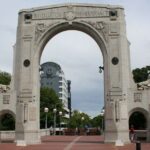
Canterbury Earthquake National Memorial: Remembering 2011
Now you move to the Canterbury Earthquake National Memorial, a permanent memorial for those who perished in the 2011 earthquake. This stop is brief, but it’s emotionally heavy in the right way. You’re not just hearing facts—you’re seeing the city’s decision to keep the memory present in daily life.
A good guide makes a difference here. In the feedback, people appreciated how the walk covered the quake and its aftermath in a way that kept the group engaged. You want your guide to balance respect with clarity, and the tone described for Simon and Ben suggests they do.
Tip for you: if your group likes photos, take a beat for one or two shots, but also give the memorial a moment of quiet attention. This stop works best when you treat it as part of the city’s living story, not a backdrop.
Cardboard Cathedral: Modern, Practical Rebuilding
Next is the Cardboard Cathedral, designed to be deconstructed. That detail matters. It tells you this isn’t only about what got rebuilt—it’s also about how Christchurch thought about the future during recovery.
The Cardboard Cathedral is often described as a modern cathedral with a construction approach that reflects the times. On this tour, you’re not just seeing the structure—you’re learning what its design choice meant in practical terms after a disaster.
What to watch for: look at the idea of temporary becoming functional, and how the city used innovation while planning for what came next.
Christchurch Art Gallery (Te Puna o Waiwhetu): A Major Restoration Project
Finally, you reach Christchurch Art Gallery (Te Puna o Waiwhetu). This is one of the standout architecture stops on the walk, and it comes with a big message: it was part of one of the biggest restoration projects in the world (as described in the tour information).
This ending stop works well because it shifts the tone from earthquake memory and rebuilding into culture and creative life. Art galleries are where cities show what they value, and this one adds proof that restoration isn’t only structural—it’s also about returning shared spaces to the public.
Practical note: the tour stop is short, so use it to appreciate the building and the fact that it’s tied to major restoration work. If you want more art, you’ll likely want to return on your own time after the walk.
The Value Question: Is $93.09 Worth It?

At $93.09 per person, this isn’t a budget-only walking tour. But for a private experience, the cost can make sense—especially if you compare it to what you’d pay for separate transport, museum tickets, and the time you’d spend figuring out a route yourself.
Here’s why I think it can be good value:
- You get a local guide who adjusts to your group. That’s hard to replicate if you self-walk.
- You cover multiple major themes in one go: Māori/European context, architecture, and the 2011 earthquake’s impact.
- Key stops are admission-free in the tour info, so you’re not stacking extra costs at each location.
- Mobile ticket makes it simpler once you’re on the ground.
Also, reviews highlight an experience length that felt right. People said the 2-hour duration was perfect, with walking described as easy and the pace set by the guide. That matters because time is often your scarcest travel resource.
If your group is split between history lovers and people who just want a good orientation walk, a private guided format is a smart compromise. Everyone still gets something.
Getting Your Bearings in Central Christchurch (and What to Wear)

This is a city-center loop with a focus on walkable sights. That’s good for first-time visitors. If you’re only in Christchurch for a short stay, this kind of tour helps you understand where the major landmarks are and how the city’s story threads together.
The walking itself is described as easy, and the guide goes at the pace of the group. That said, you should still plan like it’s a real walk: wear comfortable shoes. You’ll be moving between several locations, and the stops are spread across key points in central Christchurch.
If you’re traveling with mixed ages, this tour’s short segments and flexible guiding style are exactly what you want. The feedback that both a 19-year-old and a 70-year-old stayed engaged is a strong signal that the guide doesn’t talk only for one type of visitor.
Weather and Timing: A Small Detail That Changes Everything

The tour requires good weather. Christchurch weather can shift, and if conditions aren’t great, expect the experience to be adjusted with a different date offer or a full refund. This is one of those travel realities you don’t want to ignore, especially if you only have a couple of days in town.
Timing-wise, the activity window shown is 9:00 AM to 7:00 PM. Starting within that range usually helps because you’re less likely to end the walk in low light, and the city’s central streets are more pleasant to explore.
Who Should Book This Tour?

I’d book this private walking tour if:
- you want an organized orientation to central Christchurch without spending hours researching
- you care about how places connect to the 2011 earthquake and rebuilding
- your group includes people with different walking abilities and interests
- you want local guidance with a relaxed pace rather than a fast slideshow tour
I might skip it if:
- you want mostly indoor time at each stop (the walk is built around quick exterior/area visits)
- you’re traveling on days when weather is uncertain and you can’t flex your schedule at all
- you’re already extremely familiar with Christchurch’s cathedral-and-quake story and want something more specialized
Should You Book Green Kiwi Tours’ Private Christchurch Walking Tour?

If you like getting context while you walk—and you’re interested in how Christchurch’s skyline, streets, and public spaces reflect real change—this tour is a solid choice. The combination of cathedrals, the earthquake memorial, the cardboard rebuild symbol, and the art gallery restoration story gives you a clear arc of the city in a short time.
For me, the big selling point is the human side: the guides you’ll likely meet (Simon, Sam, and Ben come up in feedback) sound friendly, flexible, and good at keeping mixed-age groups engaged. If that’s your goal, book it and then use what you learn to explore the rest of Christchurch with more confidence.
FAQ
How long is the private Christchurch walking tour?
The tour is about 2 hours.
Where does the tour start?
The meeting point is 28 Worcester Boulevard, Christchurch Central City, Christchurch 8140, New Zealand.
Is this tour private?
Yes. It’s a private tour/activity, so only your group will participate.
What stops are included on the walk?
The walk includes Christchurch Cathedral, Christchurch Botanic Gardens, New Regent Street, Canterbury Earthquake National Memorial, Cardboard Cathedral, and Christchurch Art Gallery (Te Puna o Waiwhetu).
Is there an admission fee for the stops?
The tour details list admission ticket free for the stops shown.
What happens if the weather is poor?
The experience requires good weather. If it’s canceled due to poor weather, you’ll be offered a different date or a full refund.
What is the cancellation window for a full refund?
You can cancel up to 24 hours in advance for a full refund. Changes made less than 24 hours before the start time aren’t accepted.