REVIEW · WELLINGTON
Private Group Puzzle-Solving Adventure Game: Atlantis
Book on Viator →Operated by Escape Mate Limited · Bookable on Viator
Atlantis pulls you into a ticking-clock mystery. This is a private puzzle-solving adventure in Wellington based on the lost city legend, run with gadgets, props, and tech-style riddles. I like that the whole outing feels built for teams—story, puzzles, and time pressure all work together—and that it’s a solid rainy day plan.
What I also like is the human side: a mission briefing that gets you in character fast, then just enough guidance to keep the fun moving. One thing to consider: you need at least 4 players for the game, so it works best when you can round up a team.
In This Review
- Key Things to Know Before You Play Atlantis
- Mission Briefing at 195 Victoria Street, Te Aro
- The Atlantis Story: Why You’re Solving Puzzles in Wellington
- Inside the Room: How the Puzzle Adventure Actually Feels
- Teamwork on a Timer: What “Private” Changes
- The Biggest Value: A Rainy Day Activity That Doesn’t Feel Like Homework
- Who This Atlantis Adventure Works For Best
- Timing: How to Plan Your Evening Around the One-Hour Mission
- Support, Clues, and the Role of the Game Master
- Practical Tips for Getting the Most From Atlantis
- Getting In and Getting Out: Location and the Easy Logistics
- Should You Book Atlantis in Wellington?
- FAQ
- How much does Atlantis cost in Wellington?
- How long is the Atlantis puzzle adventure?
- Is this a private experience?
- What is the minimum group size?
- Where is the meeting point for Atlantis?
- What ticket format do I need?
- Is Atlantis offered on specific days?
- How soon will I get confirmation after booking?
- Is the activity near public transportation?
- Can I bring a service animal?
Key Things to Know Before You Play Atlantis

- Private for your group: you’re not sharing the experience with strangers.
- About 2 hours total: plan on roughly an hour in the main mission, plus briefing and wrap-up.
- Tech-and-props puzzle style: electronic challenges, gadgets, and set pieces are part of the game.
- Legend-based storyline: Atlantis, a missing power source, and an altar mission to put things right.
- Host-led briefing: game masters run a mission pre-game so you start with momentum.
- Works for mixed groups: teams can succeed even when skills vary (including families).
Mission Briefing at 195 Victoria Street, Te Aro
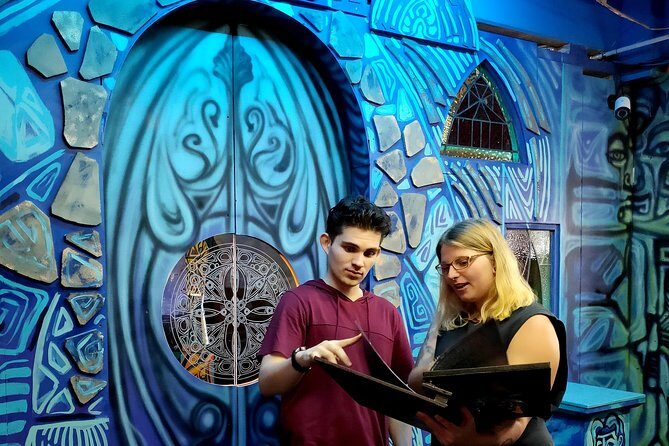
Start at 195 Victoria Street, Te Aro in Wellington. This spot is easy to reach and is near public transportation, which matters in a city where weather and schedules can change fast.
You’ll kick things off with an interactive briefing. The game is set up like you’re turning into secret agents, so the first few minutes aren’t a long lecture—they’re a quick way to get your group thinking in puzzle mode. In the feedback I saw, hosts such as Ty and Billy helped set the tone, with clear direction and an engaging, team-first vibe.
This pre-game moment is more important than it sounds. If you arrive scattered, the clock starts and teamwork can get messy. A good briefing helps you get your bearings fast—who’s trying logical steps, who’s checking details, who’s testing gadgets.
You can also read our reviews of more private tours in Wellington



The Atlantis Story: Why You’re Solving Puzzles in Wellington
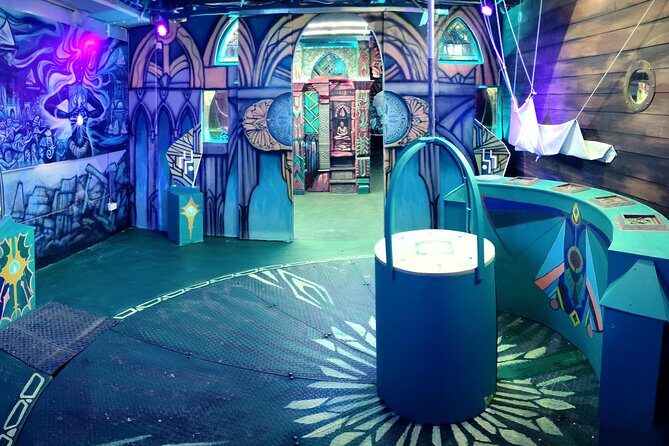
The game’s premise is straightforward and fun: Atlantis was a paradise blessed with wisdom and eternal life, then it sank in a single day and night. Your team’s mission is to stop the damage by returning the power source—called the Mighty Crystal—to the altar and figuring out what led to Atlantis’ destruction.
That storyline matters because it gives every puzzle a reason to exist. You’re not just clicking buttons for the sake of it. You’re piecing together the mystery like a group investigation, using riddles, technology-style challenges, and physical set pieces.
You also get a clear challenge rule: you only have one hour for the main mission. That time pressure is a big part of the fun, especially if you like racing the clock together instead of working slowly and stopping every two minutes.
Inside the Room: How the Puzzle Adventure Actually Feels
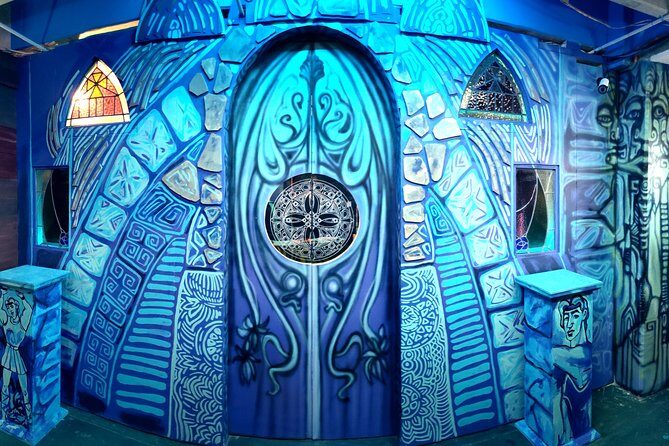
Once you’re in, the room is built for interaction. Expect high-tech, electronic puzzles, plus props and set design that support the Atlantis theme. The pacing is designed so you’re not wandering around confused for long—you’re supposed to solve, test, and move forward.
Here’s the practical part: these puzzles tend to involve different types of thinking. Some tasks reward careful observation. Others feel more like hands-on experiments with gadgets or contraptions. That variety is why mixed groups often do well—someone might spot a detail quickly, while someone else is great at turning a clue into an action.
In the feedback I reviewed, teams described the clues as varied and well thought out, and that the game master support was the right kind of help. Not too much, not too little. You get nudges that keep the story flowing, without turning the room into a guided tour.
Also, the setup seems designed to keep things tidy and controlled. It’s not the kind of messy, frantic environment where you spend half your time bumping into each other. For teams of 4 to 6, that calm structure helps a lot.
Teamwork on a Timer: What “Private” Changes
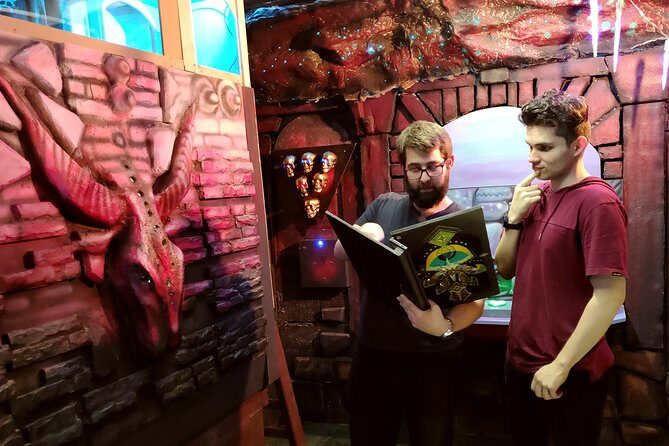
Because this is private for your group, you get a quieter kind of focus. You’re not competing for attention with another team, and you’re not waiting your turn for clue access or help. That matters if you’re doing this for coworkers, a family, or friends who want to actually talk strategy—not just solve in silence.
Private also changes the group dynamic. With fewer people around, you’ll manage turn-taking more naturally. You can create your own roles, like:
- One person scanning for patterns
- One person trying combinations on gadgets
- One person tracking what you already tried so you don’t repeat steps
In one example of how it plays with different ages, a family group included teens and a younger player (around age 11), and everyone still had a real job to do. That’s a useful clue for you: if your group includes different strengths, the puzzle design seems to allow for contributions across skill types.
The Biggest Value: A Rainy Day Activity That Doesn’t Feel Like Homework

Wellington weather can flip quickly. This Atlantis mission is a great answer when you want something indoors that still feels like an adventure.
For $27.93 per person, you’re not paying for a seat at a show—you’re paying for a structured, interactive problem-solving experience for your specific team. And because it’s private, your group time doesn’t get diluted. For teams of 4, it’s a straightforward “everyone participates” activity rather than something where half the people are spectators.
Also, because the whole activity runs about 2 hours, you can fit it into a day without blowing your schedule. It’s long enough to feel like an event, but short enough that you’re not counting hours like a bus ride.






Who This Atlantis Adventure Works For Best
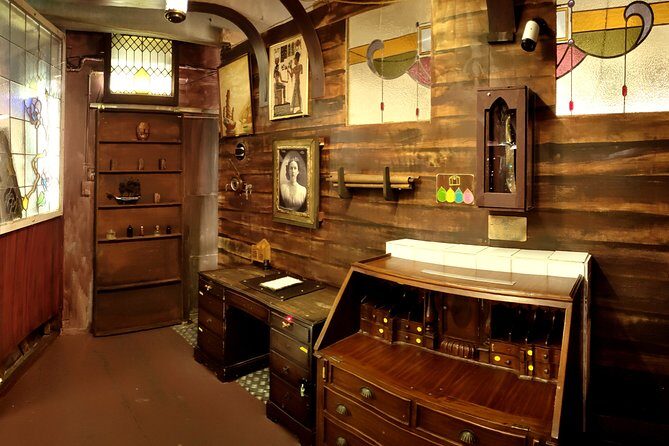
This is a team-building friendly activity. It’s great for coworkers because the rules push you into quick collaboration: communicate, test ideas, and learn from small failures without it turning into blame.
It’s also a strong choice for friends who want a shared challenge. If you like puzzles, riddles, and hands-on problem solving, you’ll likely enjoy the tech-and-prop style.
Families can work well too, especially when adults stay patient and let kids try. In one instance, a family group succeeded with a mixed experience level, including players doing it for the first time. That suggests the game isn’t designed only for escape-room veterans.
Two practical notes before you decide:
- You need at least 4 players, so plan your group size.
- If your group hates time pressure or prefers passive activities, this won’t match that mood.
Timing: How to Plan Your Evening Around the One-Hour Mission
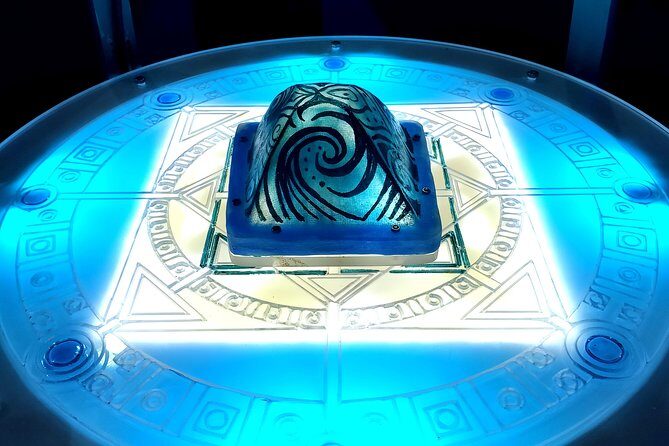
Total duration is listed at about 2 hours. The main mission portion is described as a one-hour challenge with the “escape before time runs out” pressure.
So I’d plan your schedule like this: arrive a bit early, settle in, enjoy the briefing, then expect the main puzzle session to feel like a fast, intense hour. After that, you’ll end back at the meeting point.
If you’re pairing this with other Wellington plans, don’t stack it right next to a long dinner reservation. Build in some cushion so you’re not rushing in wet weather.
Support, Clues, and the Role of the Game Master
A big part of why this kind of room succeeds is how the staff manages help. From the feedback tone, game masters keep an interactive presence and help the team progress when you’re stuck—without stealing the solve.
That “just the right amount of clues” is what keeps the game from feeling either too hard or too easy. The best escape-room moments are when you feel smart because the room rewards your choices, not because someone solved it for you.
In the examples I saw, the secret agent role (again, names like Ty show up) isn’t just a title. It’s the person who gets you started and sets the pace, then guides you when needed. Another host called Billy was mentioned as a strong, supportive presence.
Practical Tips for Getting the Most From Atlantis
Here are smart moves that fit the way the game is described:
1) Assign roles right away.
Within a minute or two, pick who will observe, who will test, and who will communicate what you’ve found.
2) Move as a team, not as a crowd.
With electronic puzzles and gadgets, it’s easy for one person to pull the whole group in the wrong direction. Stay coordinated so the team doesn’t fracture.
3) Take notes mentally, not physically.
No clue trail is mentioned as paper-based. So instead, remember key steps you already tried so you don’t waste time repeating them.
4) Ask for help early if you hit a wall.
If you get stuck for too long, the timer gets mean. A clue at the right moment can save the whole run.
Getting In and Getting Out: Location and the Easy Logistics
Meet at 195 Victoria Street, Te Aro, Wellington. The activity ends back at the meeting point, which makes planning simple.
It’s listed as a mobile ticket experience, which is helpful if you’re already walking around Wellington and don’t want extra printouts. It also runs 7 days a week, so you have more flexibility when weather or schedules don’t cooperate.
And yes, service animals are allowed, which is an important practical detail to know ahead of time.
Should You Book Atlantis in Wellington?
If you want an indoor Wellington activity that feels like a real team challenge—and not a passive rainy-day fallback—Atlantis is an easy yes. The mix of tech-style puzzles, hands-on gadgets, story-driven mystery, and a one-hour mission window makes it the kind of experience that keeps everyone involved.
Book it if your group can meet the 4-player minimum and you’re up for working together under time pressure. Skip it if you prefer quiet, low-effort activities or if your group is too small to form a proper team.
FAQ
How much does Atlantis cost in Wellington?
It costs $27.93 per person.
How long is the Atlantis puzzle adventure?
Plan for about 2 hours total.
Is this a private experience?
Yes. It’s private for your group, so you won’t share the game with other groups.
What is the minimum group size?
You need a minimum of 4 players.
Where is the meeting point for Atlantis?
You meet at 195 Victoria Street, Te Aro, Wellington 6011, New Zealand.
What ticket format do I need?
The experience uses a mobile ticket.
Is Atlantis offered on specific days?
It’s open 7 days a week.
How soon will I get confirmation after booking?
You’ll receive confirmation within 48 hours of booking, subject to availability.
Is the activity near public transportation?
Yes, it’s listed as near public transportation.
Can I bring a service animal?
Yes, service animals are allowed.