REVIEW · WELLINGTON
Private Stargazing at Star Safari near Martinborough
Book on Viator →Operated by Star Safari · Bookable on Viator
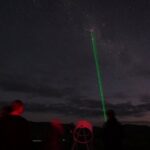
Dark skies beat crowded tours. Star Safari near Martinborough turns an ordinary night out into private astronomy time with serious gear and two instructors who explain what you’re seeing in plain language. I especially liked the 2×16-inch telescopes for crisp views, and the way the session is tailored to your questions and your observing list.
One thing to consider: you’re outdoors at night, so bad weather can mean the session shifts to indoor VR and planetarium software instead of sky viewing.
When it works, it’s hard to beat watching the Southern sky from a certified dark-sky reserve area. And even when the stars are shy, you still get a full 90-minute run with a guided universe tour, plus hands-on discussion using astrobiology rocks from across New Zealand.
In This Review
- Key highlights you’ll care about
- Star Safari in a Dark Sky Reserve near Martinborough
- Why this is truly private (and not just a small tour)
- The telescope session: 60 to 90 minutes under the Southern sky
- When clouds win: VR planetarium and the e-astronomy plan
- What’s included (and how the details add up)
- A quick reality check on the value of $155.14 per person
- Practical logistics: meeting point, timing, and how to prepare
- Who should book Star Safari near Martinborough?
- Should you book Star Safari? My decision guide
- FAQ
- How long is the Star Safari experience?
- What happens if the weather is bad?
- Is this a private tour?
- What’s included in the ticket?
- Are children allowed?
- Where do I meet and where does it end?
Key highlights you’ll care about
- Private stargazing for just your group, no outsiders tagging along
- 60–90 minutes with powerful telescopes aimed at deep-sky objects in the Southern sky
- Dark Sky Reserve setting on a hill about 10 minutes from Martinborough
- Smart weather backup: planetarium software on a big screen and VR Solar System
- Astrobiology focus with a unique collection of rocks from across New Zealand
- Hot chocolate or tea included, plus time to ask questions throughout
Star Safari in a Dark Sky Reserve near Martinborough
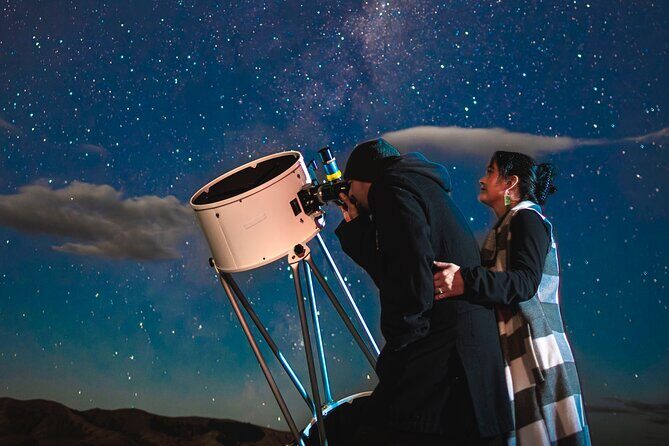
Star Safari is set up so you’re not fighting light pollution. You’re on a hill in an internationally recognised Dark Sky Reserve, and that matters because stars look sharper and darker when the sky is truly black. The location is also easy to plan around: it’s about 10 minutes from Martinborough, and it starts and ends at 1169A Ponatahi Road, Ponatahi (5792).
I like that they’re straightforward about what they’re chasing: an exceptional night-sky view and the chance to learn your way around the sky. This is not just “look up and hope.” It’s a guided experience built around helping you understand what you’re seeing and how to orient yourself.
There’s also a practical detail I appreciate: the telescope area is only about 25 meters from reception, inside something called the Moon Garden. That means less wandering in the dark, more time focused on observing.
You can also read our reviews of more private tours in Wellington


Why this is truly private (and not just a small tour)
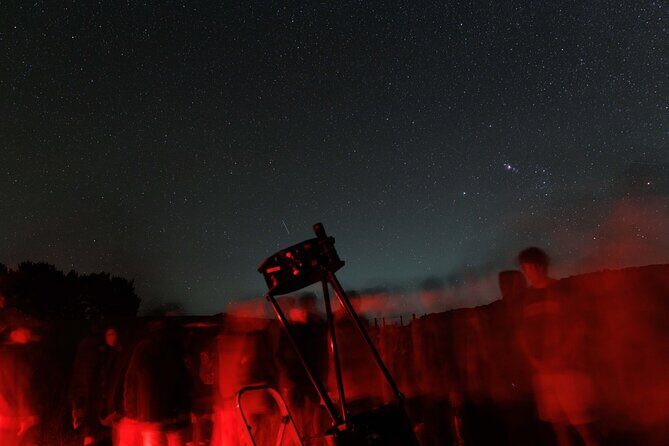
This is marketed as private stargazing, and the difference shows up in the way you’re treated. Your group stays exclusive, so you’re not taking turns or waiting for others to finish while your session time ticks away. The host team specifically mentions a customised programme for you, and that’s exactly what makes a night like this worth paying for.
You’ll be guided by Hari and Sam:
- Hari, an astrobiologist (TEDx featured) who brings the “what could life be like?” side of astronomy into the conversation.
- Sam, an astrophysicist, focused on the technical and observational side—what’s happening in the sky and why it looks the way it does through telescopes.
You also have a chance to bring an observing list. If you don’t have one (totally normal), they can make one for you. That’s a big deal for first-timers because it takes the pressure off. You can show up, say what you want to see, and they’ll steer the night from there.
And throughout the session, you get time for questions. That’s where these kinds of tours can either feel scripted or genuinely educational—and this one is set up to answer.
The telescope session: 60 to 90 minutes under the Southern sky
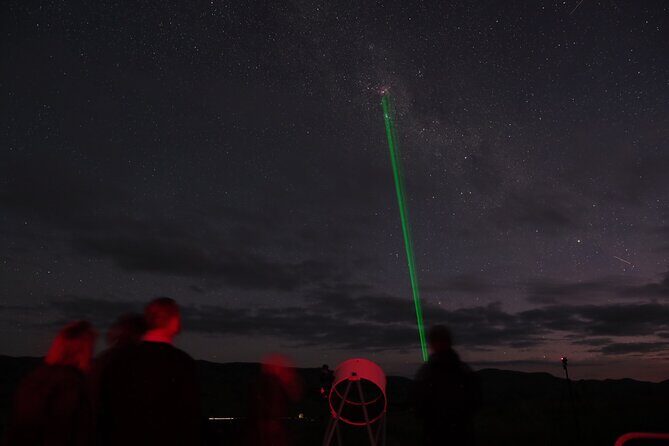
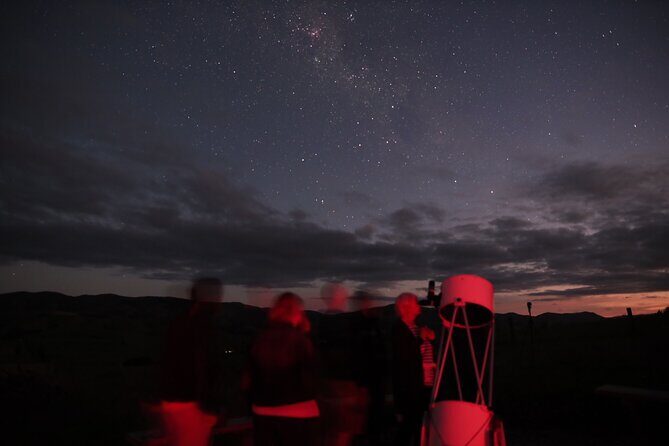
When conditions are good, the experience shifts into telescope mode. You arrive, then grab a jacket or blanket through reception. The viewing space is right nearby in the Moon Garden, and you’ll spend the next 60–90 minutes looking at deep-sky objects of the Southern sky.
Here’s what that means for you in real terms: the difference between seeing stars with your eyes and seeing them through optics is often immediate. Stars that look like a single point can turn into something with shape, structure, and detail once the telescope and attachments are doing their job. With the setup here—2×16-inch telescopes—you’re not getting a toy telescope experience.
From the feedback I’ve seen, people especially light up when the night sky goes beyond “a few dots.” One common highlight is seeing Saturn and Jupiter with telescope views that show features close up, including Saturn’s rings and Jupiter’s details. That’s exactly the kind of moment that makes a beginner feel like the sky is suddenly in focus.
You’ll also learn the basics of orienting yourself. By the end, the goal is that you don’t just remember what you saw—you know how to find your bearings next time. That’s the practical part: learning where to look, not just what to look at.
One small note: it’s a nighttime activity. Dress for cool air even if the forecast says mild. In the reviews, people specifically advise bringing warm clothes. The hot beverage helps, but it’s still smart to be comfortable while you settle in for observing.
When clouds win: VR planetarium and the e-astronomy plan
Bad weather doesn’t automatically mean a missed night. If the weather is unsuitable for stargazing, Star Safari pivots to an e-astronomy experience. Instead of telescope time, you’ll move into a guided universe tour using planetarium software on a big screen.
Then there’s virtual reality. You’ll explore the Solar System with VR headsets, which is a fun way to keep momentum even when the clouds block the real sky. It’s also useful: you can connect what the instructors describe to a visual model, especially if you’re learning astronomy from scratch.
If you’re the type who likes science beyond star names, this is where Hari’s astrobiology angle really shows up. During the indoor session, you’ll also see a unique collection of astrobiology rocks from across New Zealand. The focus is on astrobiology and the search for life on Mars, using those rocks as a talking point. It turns a weather-disrupted evening into a different kind of “wow”—less about distant light, more about the ideas and questions astronomy leads to.
And in both formats, you still get to ask questions. That helps the session feel like a conversation, not just a show.
What’s included (and how the details add up)
The experience includes a few items that sound minor until you’re actually there on a cold night.
You get:
- A complimentary hot beverage, chocolate or tea
- Blankets or jackets made available at reception
- A guided, customised programme tied to what’s visible (or what the indoor tools show)
- Mobile ticket entry
- All fees and taxes included in the quoted price
It also helps that the instructors are described as professionals—Hari and Sam both bring science credibility, and the equipment is built for real observing.
Time-wise, it’s approximately 90 minutes. You might find it runs a bit longer when things allow, which is a nice bonus when you’re paying for a private session. More time with the telescope or more Q&A is typically what people hope for, and it’s built into the format.
A few more Wellington tours and experiences worth a look
A quick reality check on the value of $155.14 per person
$155.14 per person sounds like a splurge, so I look at what you’re really buying:
- Private format: your money buys exclusivity and undivided attention.
- High-end equipment: the tour specifically highlights 16-inch telescopes and telescope attachments.
- Two instructors with different science strengths: you’re not getting a one-size-fits-all guide.
- Weather-proof backup: you’re not gambling your night on one forecast with no plan B.
Also, the pricing structure can work out better for families. 15 and younger are free with no lower age limit, with a limit of two children per paying adult. If you’re traveling with kids, that can turn this into one of those rare family-friendly science outings where adults and kids both come away impressed.
One condition to plan around: there’s a minimum of two adults for a booking. So it’s not designed for a solo ticket.
Practical logistics: meeting point, timing, and how to prepare
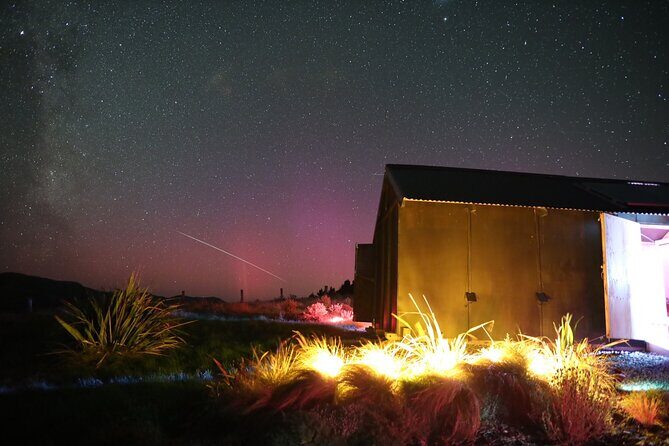
The start and end point is the same, so you won’t need to figure out transport back after dark. The meeting point is 1169A Ponatahi Road, Ponatahi 5792.
Because it’s a stargazing-focused evening, timing matters more than you might expect. You’ll want to arrive with enough buffer that you can settle in, get dressed properly, and not rush the first part of the experience.
A few practical tips that help you enjoy the session more:
- Bring warm clothes. Even with hot chocolate or tea, you’ll feel the temperature sitting and waiting.
- If you have an observing list, bring it (or at least a rough idea of what you want to see). They can use it to shape the programme.
- Be ready to look and ask questions. The experience is designed so you learn star orientation, not just watch.
Also, if you’re sensitive to noise or lighting, remember you’ll be in a telescope viewing area. Following the instructors’ cues will help your eyes adjust and your viewing get better.
Who should book Star Safari near Martinborough?
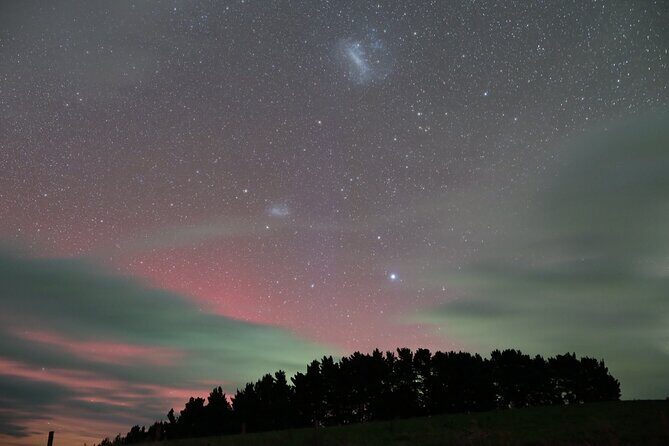
This is a great fit if you want an astronomy night that feels structured, not random. In particular:
- Beginners who want help orienting themselves and learning what’s in the sky.
- Couples looking for a memorable night out with a clear learning component.
- Families with kids who enjoy science and won’t get bored with a 90-minute guided session.
- Science-minded travelers who like the astrobiology angle and the Mars-life discussion, especially with the rock collection.
It’s also a good choice if you’re visiting Wellington and want something different that’s still close enough to make sense as an outing. The experience is designed around being worth the drive because the darkness and equipment do the heavy lifting.
If you’re hoping for a long lecture or a museum-style explanation, this may feel more like guided observing with teaching in-between. The telescope time and the VR backup both move quickly enough to keep the session lively.
Should you book Star Safari? My decision guide
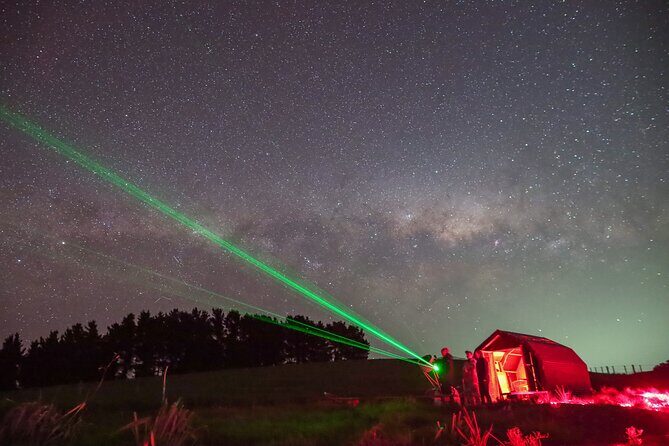
Book it if you want a private, science-led night under dark skies, and you’re willing to dress warm and stay focused for about 90 minutes. The value is strongest if you care about telescope views (not just casual star spotting) or if you want the astrobiology side that goes beyond planets and constellations.
Pass or think twice if you’re expecting a guaranteed clear-sky event. They do have a strong backup plan with VR and planetarium software, but if your personal goal is purely telescope stargazing, weather still matters.
If you’re deciding based on price, look at it this way: this is priced like a private astronomy session with high-end equipment and expert instruction, not like a drop-in public stargazing night. For the right group, that difference is exactly what makes the experience feel worth it.
FAQ
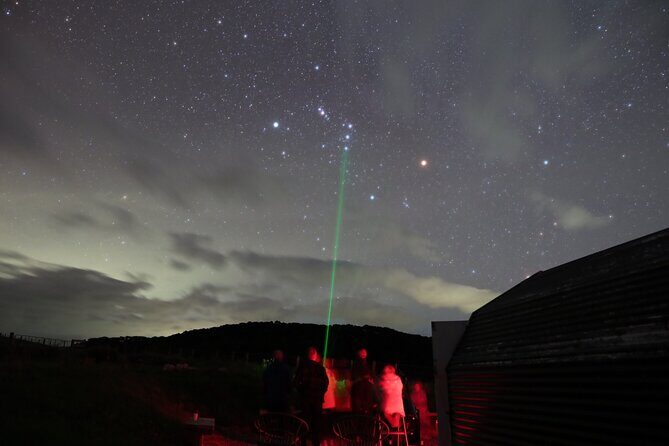
How long is the Star Safari experience?
The experience is about 90 minutes, including both the stargazing portion (when skies are clear) or the e-astronomy/VR portion (when conditions aren’t suitable).
What happens if the weather is bad?
If stargazing isn’t possible, you’ll do an e-astronomy experience with state-of-the-art planetarium software on a big screen and a virtual reality experience for exploring the Solar System.
Is this a private tour?
Yes. It’s private for your group only, with undivided attention and a customised programme.
What’s included in the ticket?
It includes hot beverages (chocolate or tea), professional instructors (Hari and Sam), telescope viewing equipment when weather allows, and a VR/planetarium experience if weather doesn’t allow stargazing.
Are children allowed?
Yes. 15 and younger are free, with no lower age limit, with a limit of two children per paying adult.
Where do I meet and where does it end?
You meet at 1169A Ponatahi Road, Ponatahi 5792, New Zealand, and the activity ends back at the same meeting point.