REVIEW · WELLINGTON
Kiwi Night Encounter at Nga Manu Nature Reserve
Book on Viator →Operated by Ngā Manu Nature Reserve · Bookable on Viator
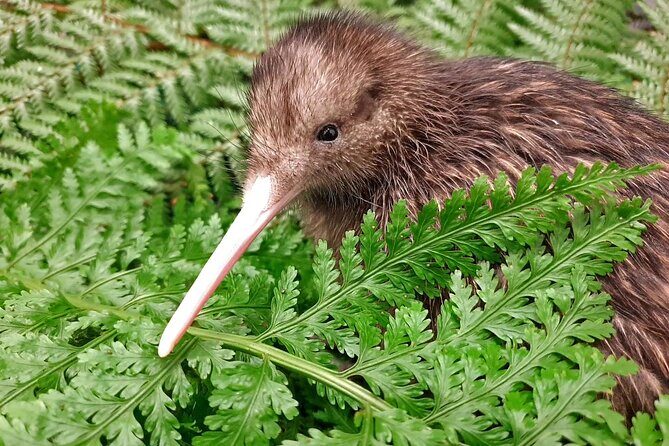
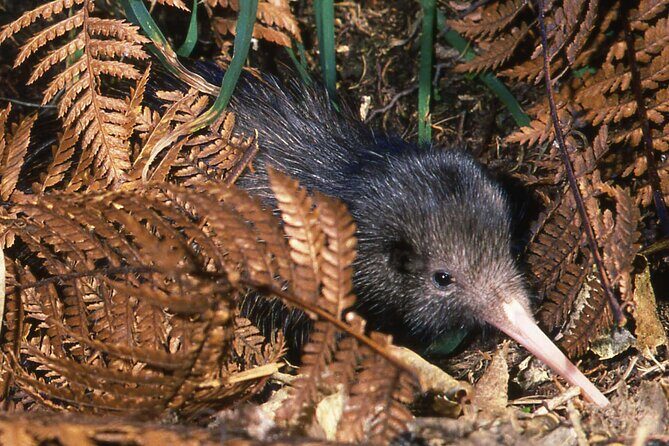
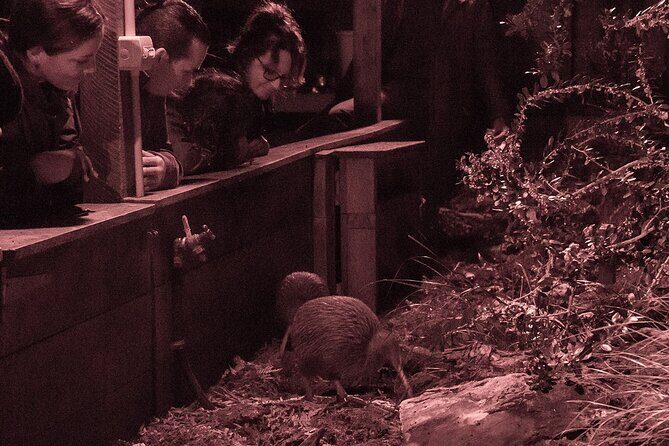
A kiwi in the dark feels unreal. The Kiwi Night Encounter at Nga Manu Nature Reserve takes you to a private enclosure away from the public, then shows you two North Island brown kiwis in their own habitat using ultra red light. It’s a conservation-focused night experience, run for small groups, so the guide can talk and you can watch without constant noise or crowding.
I also love the intimacy of this setup: you’re in a group of up to 10 people, and the kiwi share the space with ruru (morepork or brown owl). One possible drawback to plan for is that wildlife is wildlife—there’s a chance the kiwi don’t come out the way you hope, even though the guides know the program and the habitat routines.
In This Review
- Key points worth knowing before you go
- Nga Manu Nature Reserve after dark: how this night works
- Ultra red light viewing: the value of watching without pushing
- The kiwi and the ruru: one enclosure, shared space
- Your hour-and-a-half: what to do once you’re in the dark
- It’s not guaranteed, and that’s the honest part
- No photography: why that rule actually helps you
- Price and value: is $49.65 worth 1.5 hours?
- Timing matters: double-check the start time in your app
- Who should book Kiwi Night Encounter (and who might not)
- Should you book it? My practical call
- FAQ
- What is the duration of the Kiwi Night Encounter?
- Where does the tour start?
- What time does it run?
- How many people are in the group?
- What is included in the ticket price?
- Is photography allowed during the experience?
- How do tickets work?
- Can I cancel for a refund?
- What if the tour is canceled due to minimum travelers?
Key points worth knowing before you go
- Small group, calm pacing: max 10 people at a time, plus waves of 10 for larger demand
- Ultra red light viewing: designed to let you watch while disturbing the birds as little as possible
- Two kiwi, private habitat: North Island brown kiwi in the NZ recovery breeding program
- Ruru in the same enclosure: you may see morepork/brown owl flying around as you observe
- Comfort tool included: kneel pads are provided for watching in the dark
- No photography: it keeps the focus on observation (and limits disturbance)
Nga Manu Nature Reserve after dark: how this night works
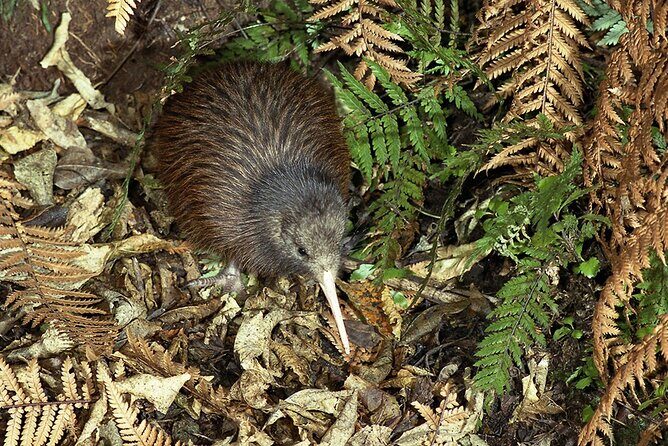
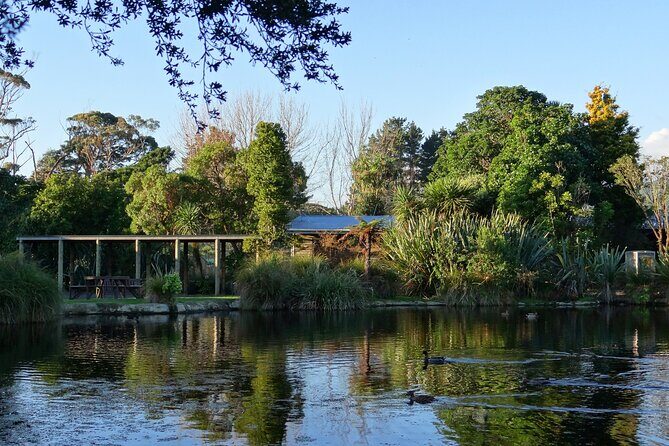
Nga Manu Nature Reserve is where the whole experience makes sense. You’re not waiting behind glass, and you’re not on a broad public walkway with hundreds of people peeking. Instead, you’re guided to a private enclosure created specifically for close kiwi viewing.
The timing matters here. This is a night activity, operating Thursday through Sunday from 8:30 PM to 10:00 PM (for the season dates shown in the listing). That window isn’t arbitrary—it’s when you can best expect the kiwi routines to be active enough for visitors to observe. Your total time out is about 1 hour 30 minutes, so it’s long enough to settle, sit, and actually notice small changes in movement and sound in the dark.
The experience is also built around a conservation story, not just spectacle. The two kiwi are part of New Zealand’s North Island brown kiwi breeding recovery program, and you learn how Ngā Manu contributes to that effort. That context gives your night watching more meaning: you’re seeing real animals in a managed recovery setting, not just hoping for a rare sighting.
You can also read our reviews of more evening experiences in Wellington
Ultra red light viewing: the value of watching without pushing
The main technique that makes this tour feel special is the lighting approach. You view the kiwi in the dark using an ultra red light, which is intended to help the birds keep going about their normal routine without reacting to your presence like it’s a bright spotlight.
For you, that means a better chance of seeing natural behavior. You’re not just looking for a quick flash—you’re letting the kiwi behave as they normally would at night. Even small movements become more noticeable when you’re not being blasted with harsh light or constantly redirected by a crowd.
This also changes the tone of the whole night. It’s quieter, slower, and more focused. You’re watching the habitat work the way it works, with the guide helping you connect what you’re seeing to how kiwi survive, feed, and move. And because the enclosure is private (not public), you avoid the feeling of being constantly in someone else’s way.
The kiwi and the ruru: one enclosure, shared space
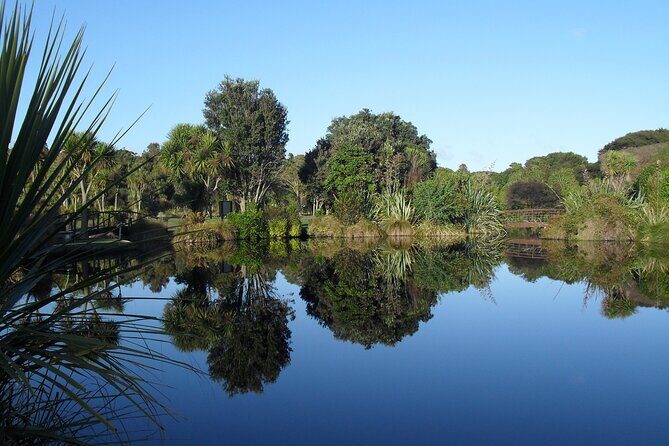
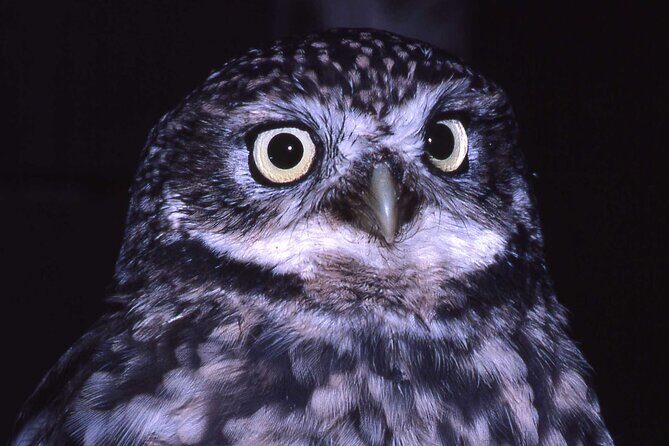
In this enclosure, the kiwi aren’t alone. They share the space with two ruru, which are morepork (often called a small brown owl) or brown owl. During the viewing, you’ll use ultra red light to watch the kiwi, and you may also see ruru fly around as you do.
That detail matters because it reminds you this isn’t a staged “bird show.” Predators and other night species operate on their own schedules. Your job is to stay still, watch carefully, and let the night come to you. If a ruru appears overhead or crosses the enclosure, it can be a memorable moment—part nature drama, part “this is real.”
Also, the guides help you interpret what you’re seeing. You’ll learn about kiwi and the role of Ngā Manu in the kiwi recovery work. That pairing—close observation plus explanation—turns the ruru sightings (which can otherwise feel random) into something you can understand in context.
Your hour-and-a-half: what to do once you’re in the dark
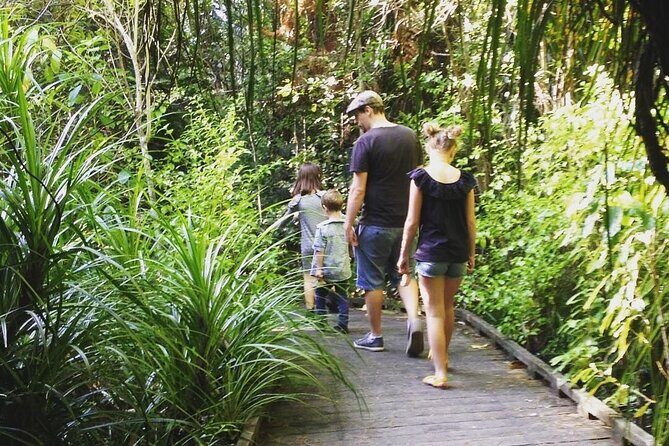
Once you arrive at 74 Nga Manu Reserve Road, Waikanae 5391, you’ll get hosted by a Kiwi Night Encounter volunteer guide. Your time on-site is structured around one main stop: the reserve viewing area where the enclosure work happens.
The key “how it feels” part is the waiting. You’re seated or kneeling in the dark while the guide keeps things calm and helps you observe. This is where the kneel pads matter: they’re included, and they make a real difference for comfort and stillness. If you’re the type who struggles to sit still, this is still manageable—you just want to be ready for a quiet stretch where the animals decide what you’ll see.
A good habit for this kind of night viewing is to focus on slow watching rather than scanning. With kiwi, you can miss the important parts if you keep moving your attention too quickly. Let your eyes adjust, listen for changes, and only then pick out movement.
And do keep your attention on the guide’s instructions about the environment and lighting. The ultra red light approach only works if everyone uses it as intended. It’s one of those “small rules, big outcome” setups.
It’s not guaranteed, and that’s the honest part
Here’s the one thing you should plan for: seeing a kiwi is wildlife-dependent. One of the less-perfect experiences people report is ending up with a night where the kiwi did not come out after a long sit. The important part is the explanation you’ll likely hear from the operator: the kiwi can’t be commanded to appear. They’re being observed in their habitat.
That doesn’t mean your night will fail. It does mean you should go in with the right expectations:
- You’re paying for an experience focused on kiwi conservation viewing, not a promise of a guaranteed sighting.
- Patience is part of the experience. Sometimes the best sightings come after you stop looking like you’re searching.
There’s also a smart consolation built in: the operator offers a chance to return at no additional cost in at least that one reported case. In other words, if the night doesn’t deliver what you hoped for, there’s at least a willingness to make it right.



No photography: why that rule actually helps you
You can’t take photos on this tour. That might sound limiting, but it also improves the overall experience in two ways.
First, it keeps everyone focused. At night, cameras and phone screens can add extra light and distraction. No photography helps the group stay in “observe mode,” which is exactly what the ultra red light setup is trying to support.
Second, it respects the animals and the habitat. Even if you’re careful, photography can lead to sudden movements, extra handling of devices, and bright screens. In a private enclosure situation, the fewer disturbances the better.
So come ready to remember with your eyes and your notes from what the guide explains. If you love photography, you’ll still get plenty of payoff from watching and learning—just don’t rely on capturing everything on a screen.
Price and value: is $49.65 worth 1.5 hours?
At $49.65 per person, this is not the cheapest thing to do in Wellington. But it’s also not overpriced for what you get if you care about conservation and intimate wildlife viewing.
Here’s the value equation that matters:
- Small group size (max 10): you’re not fighting for sightlines
- Private enclosure: you’re not viewing from a public crowd
- Conservation program access: the kiwi are part of the NZ recovery breeding recovery work
- Guided interpretation: you’re not just staring at darkness with no context
- Included comfort item: kneel pads are provided
If your ideal night out is a quiet, guided nature experience with a strong conservation angle, this price starts to feel reasonable. If your main goal is a guaranteed photo-worthy kiwi sighting at any cost, this may feel risky—because the tour is still wildlife-first.
For most people who want a genuinely New Zealand experience (and who don’t mind that nature sets the schedule), this is a solid use of your evening.
Timing matters: double-check the start time in your app
This tour runs Thursday through Sunday in the 8:30 PM to 10:00 PM slot. The experience duration is about 1 hour 30 minutes, and it ends back at the meeting point.
One practical warning: some bookings have had confusion around displayed times in the app. That’s the kind of problem you can prevent easily. Before you head out, verify the start time shown for your specific date against the tour’s stated evening schedule. Then plan to arrive with a little buffer so you’re not walking in after the whole group is already settled.
At kiwi nights, being early isn’t just polite—it helps you get into the viewing rhythm before the animals start moving in earnest.
Who should book Kiwi Night Encounter (and who might not)
This is best for you if:
- You want an up-close kiwi viewing experience rather than a general wildlife walk
- You enjoy guided explanations and conservation context
- You can handle a night that may involve waiting and quiet watching
- You appreciate rules that protect animals and improve the viewing environment (like no photography)
It may be frustrating if:
- You want guaranteed animal sightings with no uncertainty
- You strongly prefer flexible schedules, because this is a specific evening time window
- You’re upset by the idea that wildlife might not cooperate on a given night
For couples and small groups, this kind of intimate setup is ideal. For solo travelers, it’s also a friendly way to experience the kiwi recovery program with other people, without the stress of large crowds.
Should you book it? My practical call
If you’re visiting Wellington and you care about doing something that feels distinctly Kiwi—while also learning what’s being done to protect the birds—I think this is a good booking. The combination of small group size, private habitat, and the ultra red light approach is exactly what makes this kind of tour worthwhile.
Just be honest with yourself about the one thing you can’t control: the kiwi’s behavior. If you go in expecting a calm evening in a real habitat—rather than a guaranteed show—you’ll get a much better experience.
If you’re on the fence, I’d choose it if you have flexibility for at least one clear evening (Thursday through Sunday). And I’d treat the displayed app time as something to verify carefully before you leave.
FAQ
What is the duration of the Kiwi Night Encounter?
The experience is listed at about 1 hour 30 minutes.
Where does the tour start?
The meeting point is at 74 Nga Manu Reserve Road, Waikanae 5391, New Zealand.
What time does it run?
It runs Thursday through Sunday from 8:30 PM to 10:00 PM during the published seasonal dates.
How many people are in the group?
The tour has a maximum of 10 travelers, with waves of 10 people at a time for bigger groups.
What is included in the ticket price?
Kneel pads are included.
Is photography allowed during the experience?
No photography is allowed during the tour.
How do tickets work?
You receive a mobile ticket.
Can I cancel for a refund?
Yes. You can cancel up to 24 hours in advance for a full refund.
What if the tour is canceled due to minimum travelers?
If it’s canceled because the minimum isn’t met, you’ll be offered a different date/experience or a full refund.