REVIEW · QUEENSTOWN
Gold Discovery Trail Horse Trek Cardrona – Most popular!
Book on Viator →Operated by The Cardrona · Bookable on Viator
Horseback through Cardrona Valley feels like time travel. This short trek pairs Otago’s 19th-century gold rush history with real animal time and big views near Wānaka.
I love how the gold-rush stories are woven into the ride, not dumped on you before you saddle up. You’ll be on trails that feel remote enough to make the history land in a fresh way, especially as you climb for panoramas over Lake Wānaka.
My other big plus is the way the team matches you with a horse and keeps the learning simple. If you’re new, guides like Phoebe (and other friendly guides such as Val) focus on feeling safe first, then building skills step-by-step.
That matters because you’re not just paying for scenery. You’re getting a guided horse-riding experience designed for different ability levels.
One consideration: at $309.67 per person for about 2 hours, it can feel pricey if you’re expecting a long ride or lots of extras beyond the guide and the trail. Also, they won’t wait if you’re late, so punctuality is part of the deal.
In This Review
- Key things I’d zero in on
- Cardrona Valley and the Gold Discovery Trail: what makes it work
- Getting started at 2125 Cardrona Valley Road (and why timing matters)
- How the matching and instruction keep beginners comfortable
- The main ride: crossing streams, climbing lanes, and seeing working farms
- What to watch for on the trail
- The mountain climb and Lake Wānaka views (when they shine)
- Horses and guides: the real value is safety plus personality
- Price and value: is $309.67 for 2 hours worth it?
- Weather, clothing, and comfort: what actually matters
- Who this tour suits best (and who should reconsider)
- Should you book the Gold Discovery Trail Horse Trek?
- FAQ
- FAQ
- How long is the Gold Discovery Trail Horse Trek?
- What time does it start, and where do I meet?
- Do I need prior horseback riding experience?
- How many people are in the group?
- What age is the minimum for this trek?
- What’s included in the price?
- Are souvenir photos included?
- Does it run in bad weather?
- What if I cancel?
- What fitness level do I need?
Key things I’d zero in on
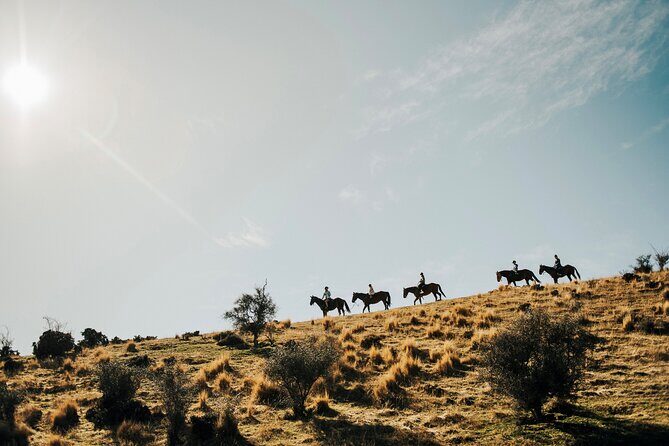
- Beginner-friendly planning: you’re asked to specify your riding ability so you match with the right horse
- Small group size: up to 7 travelers, which helps with calmer horses and more personal coaching
- Gold rush history on the trail: you’ll hear stories while you’re moving through the valley
- Active, scenic route: streams, farm lanes, and mountain climbs mean you earn the views
- Photo help is part of the experience: the guide takes pictures you can keep as souvenirs if you choose
- All-weather operation: it runs in all conditions, so what you wear matters
Cardrona Valley and the Gold Discovery Trail: what makes it work
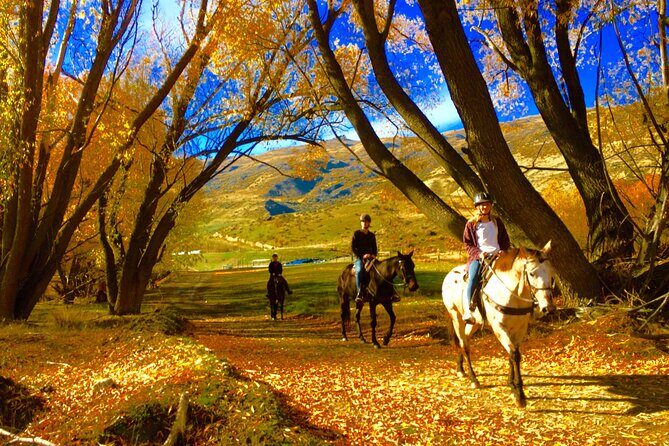
If you’re already in Queenstown or planning a Wānaka-focused trip, this ride is a smart way to spend a morning outdoors without doing anything complicated. Cardrona Valley has that classic Central Otago feel: open country, working farms, and a sense of wide space that makes the ride feel more than just a loop around a stable.
What makes the Gold Discovery Trail especially interesting is that it’s tied to the 19th-century gold rush. You’re not just hearing dates. You’re seeing the kind of terrain people moved through back then—valleys, crossings, and higher ground where you can look out and understand why the gold rush mattered.
You can also read our reviews of more hiking tours in Queenstown
Getting started at 2125 Cardrona Valley Road (and why timing matters)
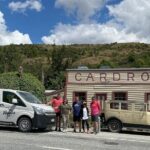
Your adventure starts at 2125 Cardrona Valley Road, Cardrona 9382, with a 9:30 am start time. You make your own way to the meeting point, then you link up with your instructor and the stable team.
Here’s what I’d plan for: you’ll need a little buffer so you’re not stressed at the start. The operator is clear that they can’t wait if you arrive late, and they won’t issue refunds or reschedule for late arrivals or no-shows. That means this isn’t the right activity if you’re the type who always shows up after the first notification.
Once you’re there, you’ll be introduced to the horses, and you’ll get matched with an animal suited to your level. You’ll also get brief, practical coaching on basics like stopping and steering before you head out.
How the matching and instruction keep beginners comfortable
This is one of the rare horseback activities where the training logic is upfront: tell them your riding ability, and they’ll pair you with a suitable horse. The activity is explicitly designed for first-time riders, but it’s not one-size-fits-all.
That setup is what you’re really paying for. A good beginner experience means:
- the right horse temperament
- clear instruction that doesn’t get technical too fast
- guidance that helps you feel in control, not just along for the ride
The ride is described as staying simple for people who are starting out. You’ll learn the key controls first—how to stop and steer—so you’re not trying to figure it out halfway into a valley crossing. For people with more experience, you’ll still benefit from structure, because it’s easier to enjoy the scenery when your ride basics are solid.
Also, the tour has a moderate physical fitness expectation and a minimum age of 5 years. If you’re comfortable walking on uneven outdoor ground and handling a saddle for a couple hours, you’ll likely be fine.
The main ride: crossing streams, climbing lanes, and seeing working farms
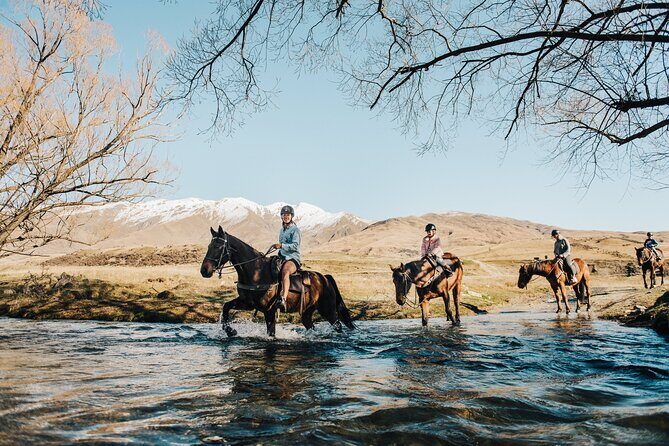
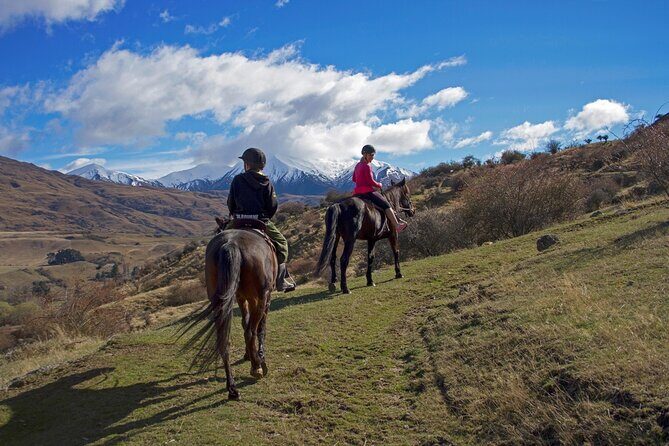
The itinerary is built around a single main trail portion often associated with Stop 1: The Cardrona. In plain terms, once you leave the stables, you’ll move through the Cardrona Valley on an adventurous route.
Here’s what that route tends to include:
- crossing streams
- climbing mountain lanes
- passing traditional farms
- built-in photo time and viewpoints
You’ll also get history as you go: tales of the 19th-century gold rush that swept the area. This is one of those activities where the “content” feels earned. When you’re breathing fresh air, seeing the terrain, and riding at a steady pace, the story makes more sense than it would in a classroom.
What to watch for on the trail
Horseback riding isn’t silent and still. Expect some movement through uneven ground and natural obstacles like stream crossings. The operator notes the experience runs in all weather conditions, so if it’s wet, you’ll want to be mentally prepared for slippery patches and a slower pace.
If you’re someone who gets anxious with animals, this kind of start-with-basics instruction is a big deal. The ride is designed so you’re not left guessing.
A few more Queenstown tours and experiences worth a look
The mountain climb and Lake Wānaka views (when they shine)
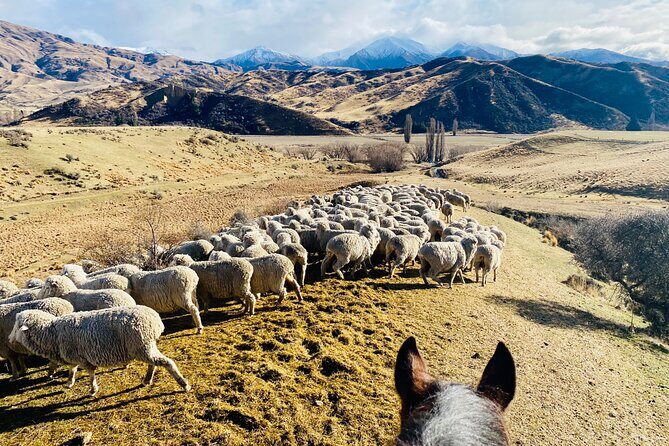
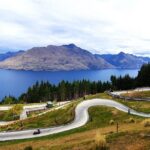
One of the standout promises here is the chance to climb for a thrill and to look out over Lake Wānaka. That climb is part of what keeps the ride from feeling like a short, repetitive trail.
You’ll also have time to pause for photos. In fact, the experience is set up so you can enjoy the views without constantly juggling your phone while riding. Several riders highlight that the guide takes pictures for you, which is helpful when you’d rather be present than constantly trying to frame a shot.
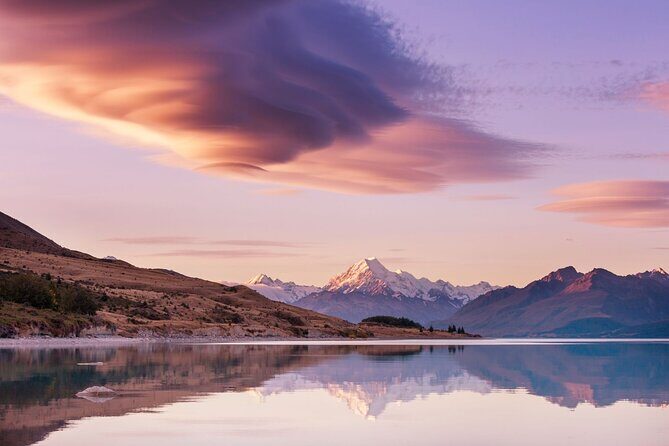
If you’re hoping for snowy mountain views, you might be in luck on certain days. One rider specifically mentioned a snow view on the mountain. Still, it’s not something you can count on, so treat it as a bonus if conditions cooperate.
Horses and guides: the real value is safety plus personality
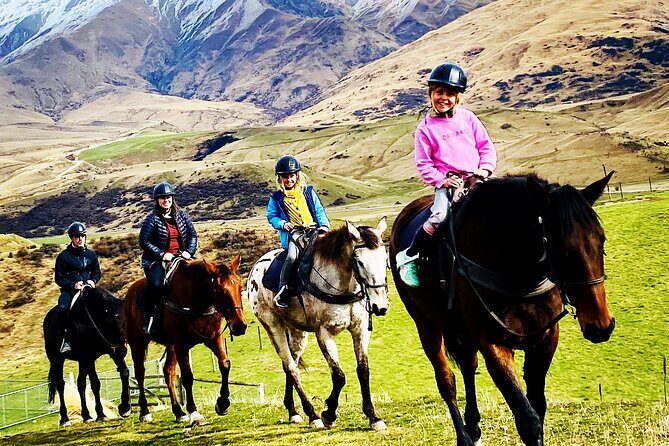
The horses are described as well matched to ability levels, and that matching is central to why people rate this so highly. In a small-group ride (max 7 travelers), it’s easier for an instructor to keep an eye on everyone and help you build confidence.
The guide experience also seems to be a highlight. Guides like Phoebe are mentioned as friendly and informative, with a style that mixes local farming and horse-life anecdotes. Another guide, Val, is also noted for being welcoming and fun.
I like this approach because it makes the ride feel less scripted. You’re learning about the region while you’re doing something active. And the horses themselves tend to be described as sweet and well behaved, which is exactly what you want if you’re new.
After you ride, you’ll return safely to the stables, bid farewell to your horse, and the experience ends back where you started.
Price and value: is $309.67 for 2 hours worth it?
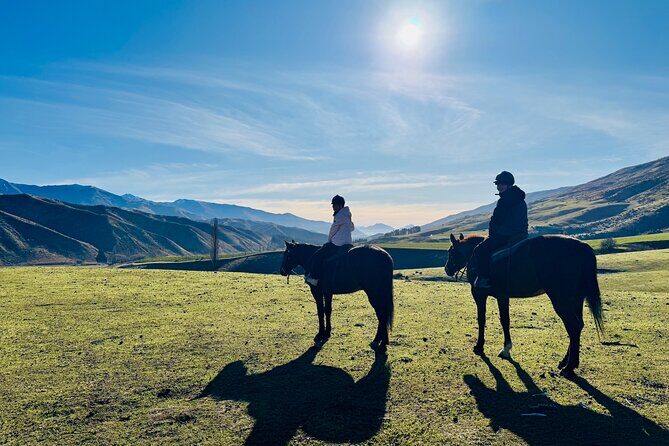
Let’s be real: $309.67 per person isn’t cheap for a ride that’s about 2 hours total. The key question is what you get for that money.
You’re paying for:
- a guided horse trek (not self-led riding)
- small-group management (max 7)
- horse matching by riding level
- basic instruction so you can actually steer and stop
- history storytelling tied to the terrain
- a guide who takes photos you can purchase as souvenirs
If your goal is to spend hours in the saddle, this might feel short. But if your goal is a guided, safe, well-organized horse experience with meaningful scenery and local context, it’s easier to justify the price.
The one thing I’d hold in your head is the “no-late-arrival” rule. If timing issues derail your morning, the value can sour fast. So pair this with a schedule that gives you breathing room.
Weather, clothing, and comfort: what actually matters
This tour operates in all weather. That’s great in the sense that you’re not stuck waiting for perfect conditions, but it also means you should dress for the reality of being outdoors in Cardrona Valley.
Practical tips:
- wear layers you can adjust if the sun comes out
- choose shoes with grip for outdoor terrain
- bring a rain layer if forecasts look uncertain
And remember: you’re not just walking. You’ll be sitting and moving with the horse, so plan for comfort. If you’re prone to feeling cold outdoors, bring something warm enough for a morning start.
Who this tour suits best (and who should reconsider)
This trek fits well if you:
- want a beginner-friendly introduction to horseback riding
- like nature and animals but still want guidance and structure
- enjoy local stories, especially around the gold rush era
- prefer a small-group experience for safety and attention
You might reconsider if:
- you’re expecting a long full-day ride
- you hate being on a strict schedule (because they won’t wait for late arrivals)
- you’re looking for lots of extras beyond guidance, trail time, and optional souvenir photos
Should you book the Gold Discovery Trail Horse Trek?
If you want a morning activity that blends Otago gold rush history, farm-country scenery, and real horseback skills without needing prior experience, I think this is a strong choice. The best version of this trip is when you show up on time, share your riding ability clearly, and let the guide do what they’re built to do: match the right horse and keep the ride safe and fun.
For me, the decision comes down to your priorities:
- If you want a guided, confidence-building first ride with scenery and stories, book it.
- If you’re chasing maximum saddle time or you’re on a tight schedule, look for a longer or more flexible alternative.
FAQ
FAQ
How long is the Gold Discovery Trail Horse Trek?
The tour lasts about 2 hours.
What time does it start, and where do I meet?
It starts at 9:30 am. The meeting point is 2125 Cardrona Valley Road, Cardrona 9382, New Zealand.
Do I need prior horseback riding experience?
No experience is necessary. The tour says it’s suitable for first-time riders, and you should specify your riding ability when booking.
How many people are in the group?
The activity has a maximum of 7 travelers.
What age is the minimum for this trek?
The minimum age is 5 years.
What’s included in the price?
The guided tour is included.
Are souvenir photos included?
No. Souvenir photos are available to purchase, but they’re not included.
Does it run in bad weather?
Yes. The tour operates in all weather conditions, so you should dress appropriately.
What if I cancel?
There is free cancellation up to 24 hours in advance for a full refund. If you cancel less than 24 hours before the start time, you won’t get a refund.
What fitness level do I need?
The tour notes travelers should have a moderate physical fitness level.