REVIEW · QUEENSTOWN
Queenstown to Christchurch via Franz Josef 2-Day Small-Group Tour
Book on Viator →Operated by Cheeky Kiwi Travel · Bookable on Viator
First time you see the South Island’s extremes. This small-group 2-day run strings together Queenstown’s alpine views, West Coast rainforest and glaciers (via Franz Josef), and then opens out into Canterbury plains toward Christchurch, with guide-led stops that keep the day moving and the story making sense. I like the pacing and extra time given for iconic photo moments like the Wānaka Tree and Lake Matheson, and I especially like the kind of on-the-road commentary that keeps even long stretches interesting, including names like guides Holly and Joel from recent groups.
The main drawback to plan for: it is a long day of driving, and there’s no restroom on board, so you’ll want to use stops at the sightseeing breaks. Also, you’ll need moderate fitness for the walking options, especially the Devils Punchbowl track.
In This Review
- Key Points to Know Before You Go
- Two Days That Actually Connect Queenstown, Franz Josef, and Christchurch
- Starting in Queenstown at 7:00 am
- Day 1 Highlights: Crown Range Stops, Waterfalls, and Lake Matheson
- Cardrona and the Crown Range road vibe
- Wānaka Tree and the Mt Aspiring backdrop
- Lake Hāwea lookout: quick and worth it
- Thunder Creek Falls: a 28-meter reminder of glaciers
- The Hard Antler lunch break
- Ship Creek Walks: toes in sand and Tasman Sea noise
- Bruce Bay: rainforest meeting open ocean
- Lake Matheson: the easiest “big wow” walk
- Franz Josef Arrival: Why Overnight Matters for This Route
- Day 2 From Franz Josef: Wetlands, Black Sand, and Hokitika Gorge
- Lake Ianthe: wetland birds in a glacial setting
- Hokitika: laid-back pace and black sand coastline
- Hokitika Gorge Walk: turquoise water and a native bush canopy
- Greymouth lunch: a set menu break
- Cobden Beach: waves against a rock breakwater
- Otira Viaduct Lookout to Arthur’s Pass: Big Alpine Views With Optional Walking
- Otira Viaduct Lookout, aka Deaths Corner
- Arthur’s Pass Village: choose your next walk level
- Devils Punchbowl track: low-to-moderate fitness, big payoff
- Castle Hill: limestone shapes from ancient ocean days
- Lake Lyndon and the Final Push Into Christchurch
- Price and Value: Is $359.93 Fair for a 2-Day South Island Route?
- Logistics That Matter: Pickup, No On-Board Restroom, and Walking Choices
- Pickup and drop-offs
- No restroom on board
- What “moderate fitness” means here
- Child seats
- Who This Tour Fits Best (And Who Might Prefer Something Else)
- Should You Book This Queenstown to Christchurch via Franz Josef Tour?
- FAQ
- What’s the price for the Queenstown to Christchurch tour via Franz Josef?
- How long is the tour?
- What time does the tour start in Queenstown?
- Is pickup included?
- How many people are in the group?
- What’s included in the price?
- Are restrooms available on the vehicle?
- What if I have dietary requirements?
- Do kids need car seats?
- What happens if weather is poor?
Key Points to Know Before You Go
- Small-group size (max 15): Less crowd pressure and more time for questions.
- West Coast to Plains contrast: Glacier country, black sand beaches, and then big mountain passes and tussock hills.
- Guided stops with time to breathe: Photo viewpoints and short walks aren’t just drive-bys.
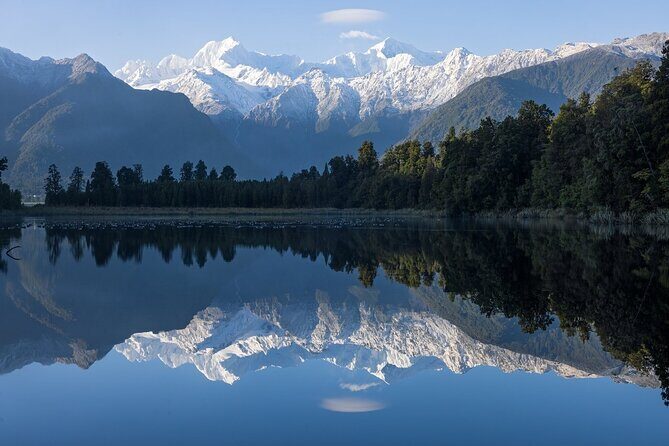
- Lake Matheson and Hokitika Gorge: Two of the easier ways to see the South Island’s famous scenery up close.
- Arthur’s Pass highlights: Otira Viaduct Lookout (Deaths Corner) plus the optional Devils Punchbowl track.
- Overnight base in Franz Josef: The route is designed so you don’t waste the best West Coast time.
Two Days That Actually Connect Queenstown, Franz Josef, and Christchurch
This isn’t a flight-and-ferry tour where you only catch a few angles from the bus window. It’s a route that links the South Island’s big geographic stories in a logical order: mountains and lakes first, then rainforest-to-ocean West Coast scenery, then inland passes and limestone formations before finishing in Christchurch.
You start in Queenstown at The Station – Home of Adventure in the morning (7:00 am). From there, you’re in a comfortable small group and you’ll make a steady series of stops, with water and snacks along the way. You also get luggage space for 1 large and 1 small bag per person, which matters more than people think on multi-day touring—especially if you’re carrying day gear and a thicker outer layer for glacier-region weather.
A few more Queenstown tours and experiences worth a look
Starting in Queenstown at 7:00 am
Queenstown mornings can feel early, but that start time is what makes the route work. If you leave at 7:00 am, you gain real daylight for viewpoints, short walks, and photo stops before the day gets busy.
The meeting point is The Station – Home of Adventure in Queenstown (corner of Shotover & Camp Streets, 25 Shotover Street). It’s a simple start, near public transport. And since you’re on a guided tour, you don’t have to map out turns or decide what to skip when you’re tired.
Practical tip: dress for layers. Even if Queenstown is sunny, the route includes rainforest coasts and glacier country, where weather can change fast.
Day 1 Highlights: Crown Range Stops, Waterfalls, and Lake Matheson
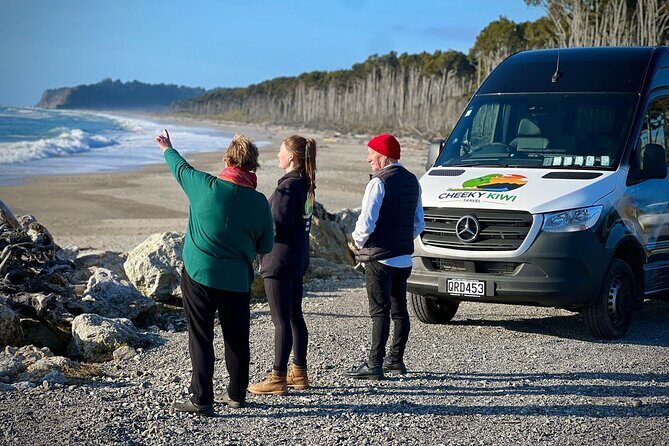
Day one is all about building your mental map of the South Island—first with alpine roads and lake scenery, then with glacier leftovers and West Coast coastline.
Cardrona and the Crown Range road vibe
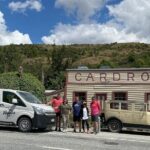
Your first meaningful stop is Cardrona, located along the Crown Range Road between Queenstown and Wānaka. The Cardrona Hotel is a long-running icon, and the point here isn’t just a quick photo. It’s a look at that classic alpine roadside character—mountains, wide skies, and the old-meets-rustic feel you can’t quite reproduce elsewhere.
Wānaka Tree and the Mt Aspiring backdrop
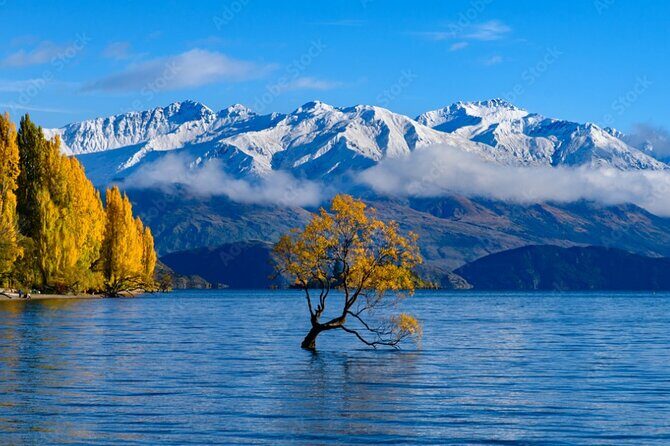
Next comes Wānaka, with time to stroll down toward the lakeside for the iconic Wānaka Tree photo. If you’re chasing the classic South Island look—blue water, serious mountains in the distance—this is one of the fastest ways to get it without planning your own detours.
Lake Hāwea lookout: quick and worth it
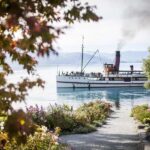
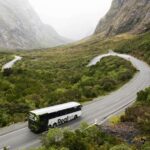
At Lake Hāwea, you’ll cross the Clutha River and have a quick photo stop at a lookout between Lake Wānaka and Lake Hāwea. This is one of those short stops that pays off because it gives you scale: you see how these lakes sit in a bigger alpine system, not as isolated pretty spots.
Thunder Creek Falls: a 28-meter reminder of glaciers
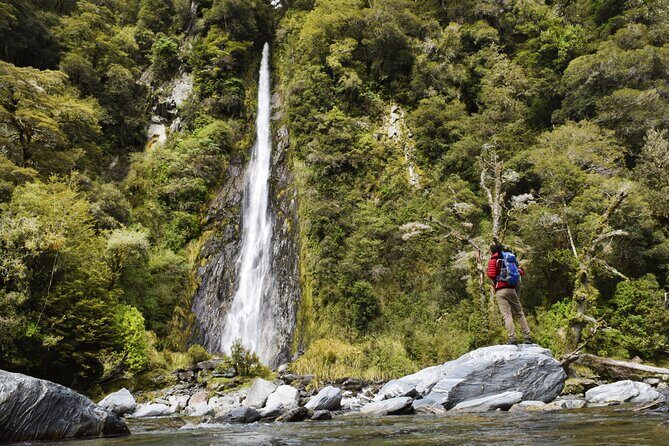
Thunder Creek Falls is a short walk and a satisfying payoff. The waterfall is 28 meters high and described as a remnant of a once-great glacier pouring from a hanging valley. Translation: you’re not just looking at water—you’re seeing a landscape shaped by ice, even if it looks gentle from the trail.
If the weather is good, this is a great stop to slow down for a few minutes and actually watch the flow.
The Hard Antler lunch break
Lunch happens at The Hard Antler, and you get about 45 minutes. That’s enough time to eat without feeling rushed, and it’s also long enough to reset mentally—use it to refuel and check your camera batteries.
Ship Creek Walks: toes in sand and Tasman Sea noise
Then you head to Ship Creek, where ancient rainforest meets the ocean. You’ll get time to explore the dunes and feel the Tasman Sea crash nearby. It’s the kind of stop that makes the West Coast feel real: you can smell salt, hear waves, and understand why this region got its reputation.
Bruce Bay: rainforest meeting open ocean
Bruce Bay is another short but scenic stop where thick native rainforest meets an endless stretch of ocean. If you only saw the West Coast in one light, it would look like this: lush inland greenery and wild shoreline drama in the same frame.
Lake Matheson: the easiest “big wow” walk
Lake Matheson is a famous stop for a reason. It’s a relatively easy 4.4 km walk (about 90 minutes). On calm days, Mt Cook can reflect across the lake, creating that postcard moment people chase in real life.
Even if conditions aren’t perfectly mirror-like, the walk is still worth it because the lake and surrounding mountains give you space to slow down. It’s also an easy way to stretch after a long driving day.
Franz Josef Arrival: Why Overnight Matters for This Route
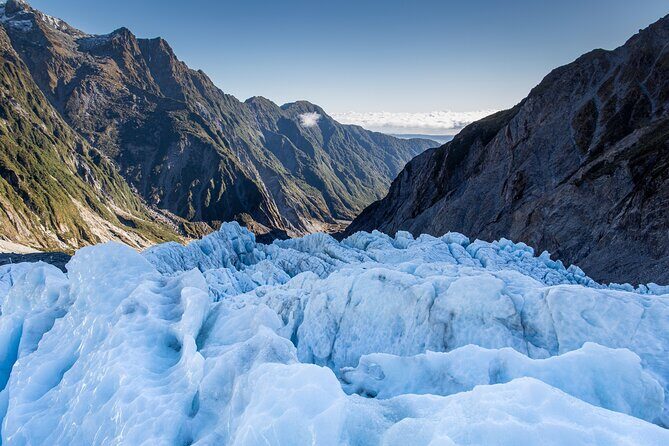
By late day one, you’ll reach Franz Josef. The tour route passes glacial rivers and goes by Fox Glacier along the way. Then the guide drops you at central accommodation in either Franz Josef or Fox Glacier (depending on where you stay).
This matters for your experience. Overnighting near Franz Josef means you’re positioned for day two without losing time. It also helps because West Coast weather isn’t fully predictable. If conditions are better in the morning, you get a stronger chance to catch good visibility while you’re already there.
Practical recommendation from the tour guidance: if you can choose, booking accommodation in Franz Josef makes the next day’s pickup smoother. If you choose Fox Glacier lodging, you should know the tour notes that it does not include drop-off in Fox Glacier at the end of day two.
Day 2 From Franz Josef: Wetlands, Black Sand, and Hokitika Gorge
Day two starts with pickup from your accommodation in Franz Josef. Then the West Coast continues, but with a different flavor: wetlands, beach country, and that striking gorge scenery.
Lake Ianthe: wetland birds in a glacial setting
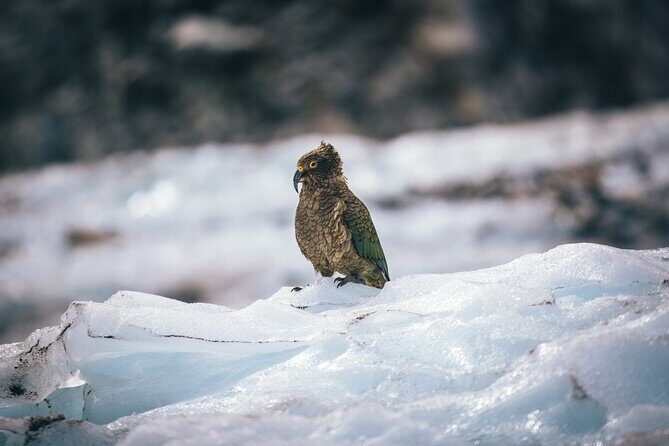
Lake Ianthe is a short stop and it’s about birds and habitat. You’ll learn that the lake is home to a variety of wetland birds, including the endangered Great Crested Grebe, known for having one of the largest populations in New Zealand. You’re not signing up for a long hike here; it’s more about seeing how the glacier-shaped trough supports life now.
Hokitika: laid-back pace and black sand coastline
Hokitika is next, with about 30 minutes to stroll. The focus is a wild beach where black sand meets a rugged coastline. It’s a small-town reset after the rainforest stops—less “rapid-fire scenery,” more “walk and breathe.”
Hokitika Gorge Walk: turquoise water and a native bush canopy
Then comes Hokitika Gorge, with about an hour for the walking loop. The standout here is the turquoise water and the way the gorge sits under native bush canopy. This is the kind of stop that feels otherworldly without being hard. You get a real walk, not just a viewpoint.
Greymouth lunch: a set menu break
Greymouth is for lunch, with about an hour and a set menu option. The value of a set menu is simple: you avoid decision fatigue when you’ve been in motion since morning. You also don’t waste time looking for somewhere open or trying to translate menus on the fly.
Cobden Beach: waves against a rock breakwater
Cobden Beach is a quick stop (about five minutes), mainly for photos. You’ll see waves breaking right against a rock breakwater at the southern end. If you like dramatic coastal shots, this is a good “turn the camera on and capture the moment” stop.
Otira Viaduct Lookout to Arthur’s Pass: Big Alpine Views With Optional Walking
Now you shift from the West Coast feel to interior mountain pass scenery. This is where the South Island changes again—less ocean influence, more sheer mountain power.
Otira Viaduct Lookout, aka Deaths Corner
Otira Viaduct Lookout is the kind of viewpoint that makes you understand why this route exists at all. It’s also known as Deaths Corner, and it’s described as the only reason driving Arthurs Pass is possible. The viaduct is huge at 440 meters long, so even a short stop feels meaningful.
You’ll want to stand still here for a minute. Distance and scale are hard to appreciate while you’re bouncing in a vehicle.
Arthur’s Pass Village: choose your next walk level
Arthur’s Pass Village comes next with about an hour. You’ll see the Southern Alps close up. You can do the Devils Punchbowl walk if you want, or spend the time around the village area instead.
Devils Punchbowl track: low-to-moderate fitness, big payoff
Devils Punchbowl gives you the option of completing a one-hour walk with a gradual incline and steps. The reward is a 131-meter-tall waterfall. The fitness level is low to moderate, but steps and steady uphill mean you should be honest about your legs.
If you’re the type who likes “one planned walk” per day, this is a strong choice. If you prefer flat strolling, you might decide to skip the track and stay at the village area.
Castle Hill: limestone shapes from ancient ocean days
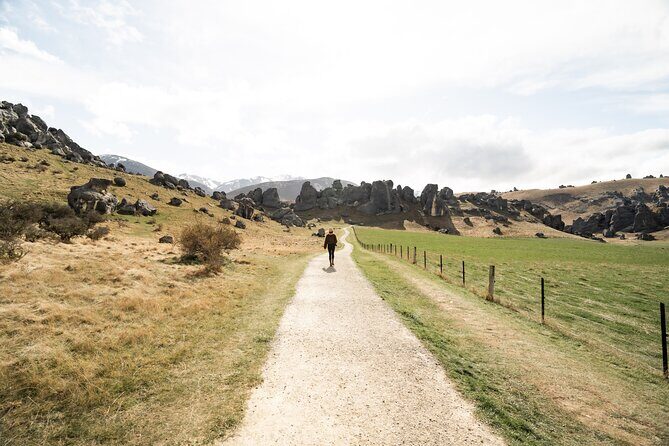
Castle Hill is next, with about an hour. You’ll see weathered limestone rocks sitting on tussocky hills—formations that were once underwater and have eroded into the unique shapes you recognize from South Island road-trip photos. It’s a good stop for people who like geology and weird rock silhouettes.
You don’t need to be a hiking expert. The value here is the visuals plus the ability to wander at a comfortable pace.
Lake Lyndon and the Final Push Into Christchurch
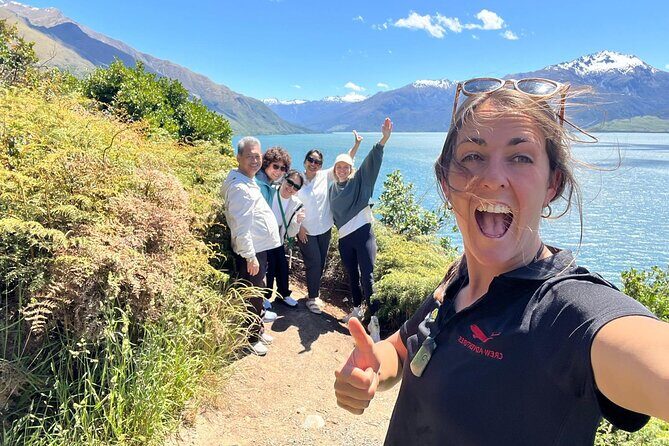
After the limestone-and-mountain scenery, you get one more quick nature stop: Lake Lyndon. It’s near Porters Pass and is a popular spot for rainbow trout fishing, fed by the Acheron River and located within the Korowai/Torlesse Tussocklands Park.
Then you have the final stretch toward Christchurch. The tour guidance suggests you’ll arrive with a mix of history, culture, and architecture, plus an art scene that keeps things moving once you’re in the city.
If you’re planning dinner plans for Christchurch the same night, I’d keep them flexible. This kind of trip can run close to timing, and you’ll want energy left after two long days.
Price and Value: Is $359.93 Fair for a 2-Day South Island Route?
At $359.93 per person, you’re paying for more than just rides between points. You’re paying for guided timing, route logic, and the ability to see a lot of country without renting a car or managing day-by-day driving.
Here’s where the value really shows:
- Small-group format (max 15): you get calmer attention and fewer bottlenecks at stops.
- Guided stops plus storytelling: the route is built around context, not just checklists. Recent groups noted excellent guidance from Holly and Joel, with live commentary that helped the long drive feel like one continuous experience.
- Included food: lunch is included twice, plus water and snacks. That saves you from finding quick meals at the worst moments.
- Time to explore: you don’t just roll past every stop. You get walking breaks at Lake Matheson, Hokitika Gorge, and the optional Devils Punchbowl track.
- Overnight in Franz Josef area: your second day doesn’t start from scratch.
What could make it feel expensive depends on your travel style. If you like ultra-flexible solo driving and you’re comfortable building your own stops, you could DIY cheaper in some cases. But if you want a guided, packed itinerary with fewer logistics headaches, the price starts to make sense fast.
Logistics That Matter: Pickup, No On-Board Restroom, and Walking Choices
A few things to plan around so you don’t get surprised.
Pickup and drop-offs
You’re picked up in Queenstown at the start. Overnight is in the Franz Josef area, and day two pickup is from your Franz Josef accommodation. At the end, you’re dropped in Christchurch at your centrally located accommodation or the closest alternative if you’re not central.
No restroom on board
The tour info explicitly notes that there’s no restroom on board. That’s the biggest comfort-related downside. You’ll want to use bathrooms during scheduled breaks and not assume there’s a mid-drive option.
What “moderate fitness” means here
The tour suggests moderate physical fitness. You can choose the walking track at Devils Punchbowl, and you can take the Lake Matheson walk and Hokitika Gorge walk at your own pace, but these are real trails with time on foot. If you have mobility limits, talk with the provider before booking.
Child seats
If you’re traveling with kids, children aged 7 and below are required to travel in a child safety car seat. You can hire seats for NZ$20 per seat or provide your own.
Who This Tour Fits Best (And Who Might Prefer Something Else)
This is a great match if you:
- Want a guided Queenstown to Christchurch experience without car rental work
- Like mixing short walks with scenic photo stops
- Want the West Coast side of New Zealand plus mountain pass country in one go
It might not be ideal if you:
- Need frequent restroom breaks during driving (because there’s no restroom on board)
- Prefer fully flat itineraries with minimal walking
- Want a slow, open-ended schedule with lots of free time at each stop
If you’re the type who likes having your days planned but still wants time to walk, stretch, and take photos, this one fits.
Should You Book This Queenstown to Christchurch via Franz Josef Tour?
Yes, if you want an efficient, story-led route that hits the South Island’s major contrasts in two days. The best reasons to book are the small-group format, the included meals, and the way the itinerary balances short walks like Lake Matheson and Hokitika Gorge with big view stops like Otira Viaduct and Arthur’s Pass.
I’d say skip it or look for a different style of tour if you strongly dislike driving days or you need lots of flexibility. In that case, a slower multi-day itinerary with more free time could suit you better.
If you’re ready for packed scenery and you can handle long travel stretches with no on-board restroom, this route is a solid use of your time in Aotearoa.
FAQ
What’s the price for the Queenstown to Christchurch tour via Franz Josef?
It costs $359.93 per person.
How long is the tour?
The tour runs for 2 days (including travel time between attractions).
What time does the tour start in Queenstown?
The start time is 7:00 am, and the meeting point is The Station – Home of Adventure in Queenstown.
Is pickup included?
Pickup is offered. You’ll start from Queenstown at the meeting point, and on day two you’ll be picked up from your accommodation in Franz Josef.
How many people are in the group?
The tour has a maximum of 15 travelers.
What’s included in the price?
It includes a fully guided small group tour, water & snacks, space for luggage (1 large and 1 small per person), and lunch (2).
Are restrooms available on the vehicle?
No, the tour notes that there is not a restroom on board.
What if I have dietary requirements?
You should indicate dietary requirements at the time of booking.
Do kids need car seats?
Yes. Children aged 7 and below must travel in a child safety car seat. You can hire seats for NZ$20 per person or bring your own.
What happens if weather is poor?
The tour requires good weather. If it’s canceled due to poor weather, you’ll be offered a different date or a full refund.