REVIEW · AUCKLAND
Rotorua Cultural & Geothermal Small Group Tour From Auckland
Book on Viator →Operated by ExperienceKart · Bookable on Viator
A long day, with two sides of Rotorua. You’ll start in Auckland, ride south as a small group, then go from Māori culture to geothermal steam and color.
I love the way the tour gives you a real cultural block at Mitai Māori Village, not just a quick look-and-go. I also love that Wai-O-Tapu includes a guided intro plus time for your own walk through the steam, pools, and photo stops at Wai-O-Tapu.
One thing to consider: this is a 13-hour day with an early start, and the geothermal paths can be uneven with stairs and uneven ground. If you’re prone to motion sickness or hate mornings, plan for comfort first.
In This Review
- Key highlights you’ll care about
- Rotorua in one day from Auckland: what this tour gets right
- The Auckland pickup, 7:00 am start, and road-trip rhythm
- Bombay Hills, Robert Harris coffee, and Tirau’s corrugated-iron quirks
- Mitai Māori Village: the culture block you actually get to experience
- Warrior canoe and haka: why the performances feel more powerful in person
- Wai-O-Tapu Thermal Wonderland: a guided start, then your own path
- Timing and pacing: how to plan your energy for a full day
- Guides make the difference: what I’d watch for on the day
- Food on this tour: hangi buffet details and what to know
- Photo strategy for Champagne Pool and the performances
- Price and value: is $294.77 fair for this day?
- Who should book this Rotorua cultural + geothermal day?
- Should you book this Rotorua Cultural & Geothermal Tour from Auckland?
- FAQ
- How long is the tour from Auckland to Rotorua?
- What time does the tour start, and where do I meet?
- Is pickup available besides the meeting point?
- What’s included with Mitai Māori Village and the Māori cultural performances?
- What’s included at Wai-O-Tapu Thermal Wonderland?
- Is lunch included, and what about breakfast or dinner?
- How many people are in the group?
- What should I wear for Wai-O-Tapu?
- Is this tour suitable for children?
- What happens if the tour can’t run due to weather or minimum numbers?
Key highlights you’ll care about
- Small group (max 16) for a more personal guide experience
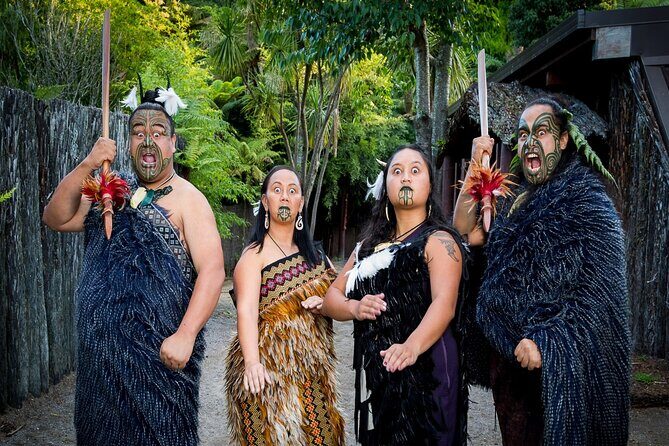
- Mitai Māori Village includes hangi buffet + performances (poi and haka, plus welcome and warrior elements)
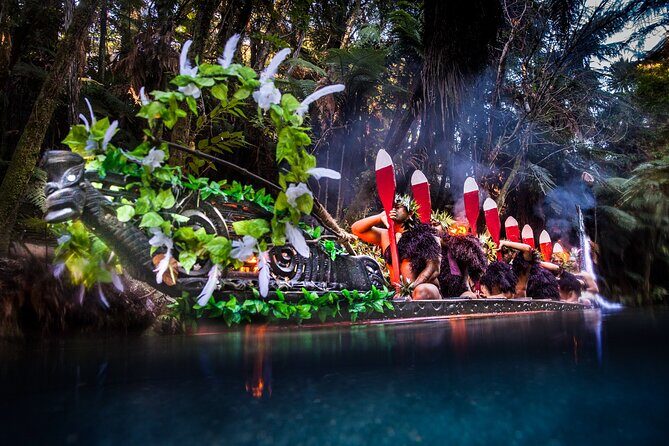
- Waka taua warrior canoe experience is the culture highlight, not a token photo stop
- Wai-O-Tapu admission included with a short self-guided walk through the volcanic features
- Bonus road-trip stops like Tirau’s corrugated-iron animal buildings and a coffee/comfort break
Rotorua in one day from Auckland: what this tour gets right
This is the kind of day trip that feels ambitious when you first read the schedule, then makes sense once you’re actually on the road. You leave Auckland early, spend meaningful time in Rotorua for culture and food, then wrap up at Wai-O-Tapu before heading back. It’s not trying to be “easy”—it’s trying to be worth it.
What I like most is the balance. You get culture (and context) before you get the science-y, otherworldly geothermal stuff. And because it’s a small group, the guide can actually explain what you’re looking at instead of just herding everyone like luggage.
The tradeoff is simple: you’ll be sitting in a minibus for a good chunk of the day. If you can handle a long road trip and enjoy structured sightseeing, you’ll likely find the pacing satisfying.
You can also read our reviews of more tours and experiences in Auckland.

The Auckland pickup, 7:00 am start, and road-trip rhythm
Your day starts at 7:00 am at the Mövenpick Hotel Auckland, 8 Customs Street East (Auckland Central). Pickup is also offered from most locations within the Auckland CBD area, and the operator says they’ll try hard to accommodate if your exact pickup point isn’t on the listed options.
This matters because you’re saving time that you’d otherwise spend finding a meeting point. It’s also one less stress step when you’re traveling solo, or when you’re trying to coordinate with another person’s schedule.
Onboard, you’re in a temperature-controlled minibus and get complimentary refreshments and water. There’s also high-speed internet, which is handy if you want to map out photo spots or just distract yourself during the drive. The drive is long, but the tour is set up with small breaks so you’re not stuck in one long stretch without a chance to reset.
Bombay Hills, Robert Harris coffee, and Tirau’s corrugated-iron quirks
Between Auckland and Rotorua, you’ll break the day with a few very local-style stops. You pass through the Bombay Hills, a small range at the southern boundary of the Auckland region. It’s not a headline destination, but it gives you that “this is really New Zealand” sense—open country changing under you as the road heads into the Waikato region.
Then there’s a practical stop at Robert Harris for coffee (at your own expense) plus a comfort break. I like these moments because they’re not forced sightseeing. They’re there so you can hydrate, stretch, and keep your energy up for Rotorua’s longer activity blocks.
You’ll also pass through Tirau, known for corrugated iron sculpture and animal-shaped buildings. Even if you don’t have time for deep shopping, it’s a fun detour that makes the road trip feel less like commuting and more like traveling.
Mitai Māori Village: the culture block you actually get to experience
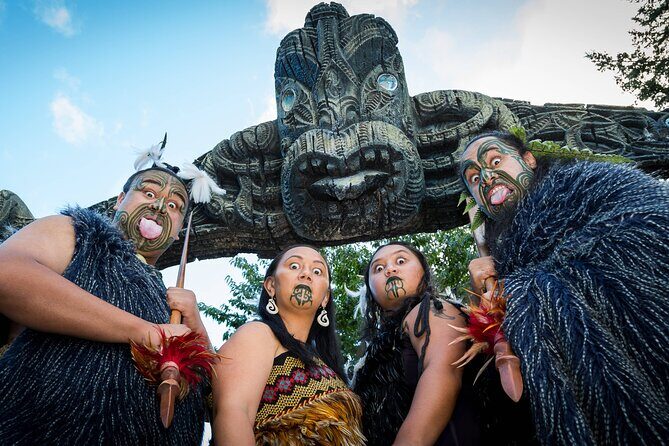
This is where the tour becomes more than just a transportation + tickets combo. At Mitai Māori Village, you’ll spend about two hours inside a Māori cultural setting designed for visitors to understand daily life, land use, and ceremony through performance and storytelling.
The biggest reasons this works well are:
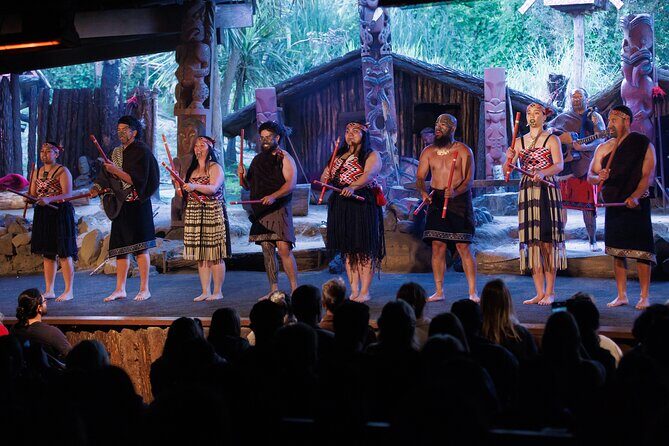
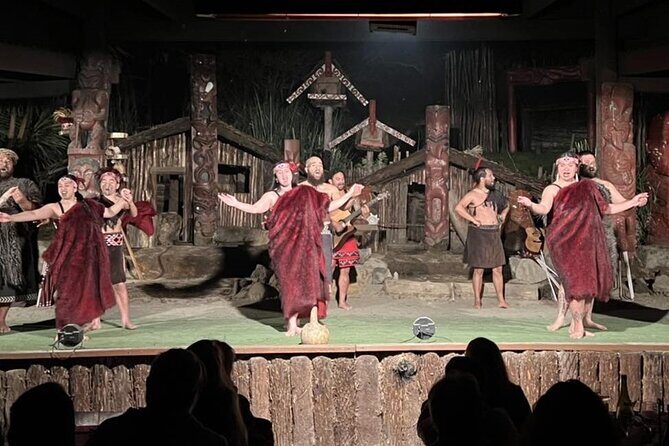
- You get more than one style of performance, including poi and haka.
- You experience key ceremony moments like Pōwhiri (traditional Māori welcome).
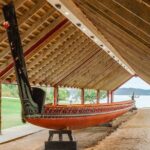
- You see the warrior canoe element (waka taua), with warriors navigating a canoe along Wai-o-Whiro stream.
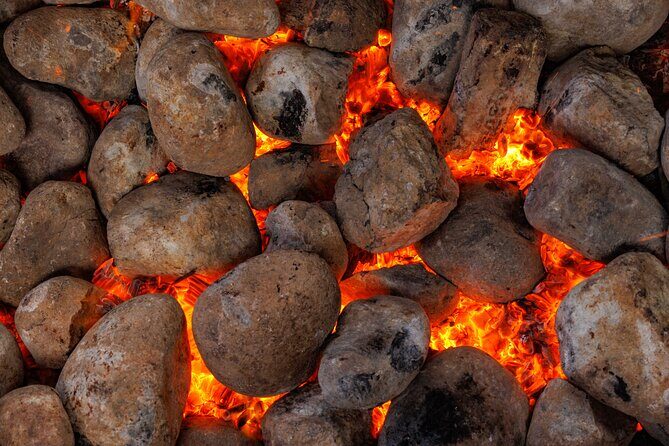
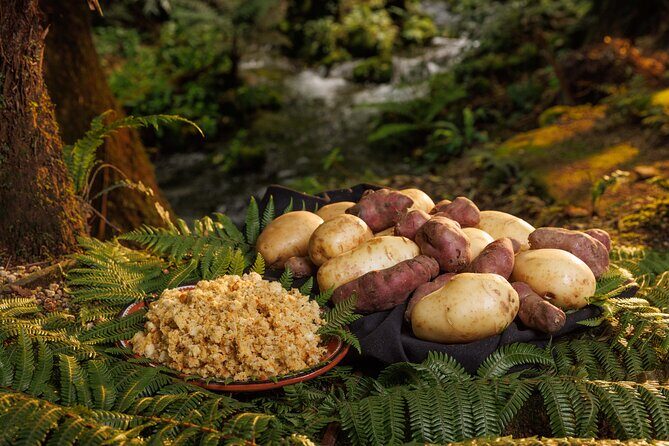
Food is part of it too. There’s a hangi buffet lunch included, and the experience includes the unveiling of the hangi meal. That means you’re not just handed a plate—you’re watching the process and getting a better sense of how this cooking method connects to tradition and land.
One practical consideration: performances are a big part of the experience, so you’ll want to arrive ready to watch, listen, and take photos carefully (and follow any guidance from staff). If you’re the kind of person who likes learning the meaning behind what you’re seeing, this stop will feel satisfying instead of like a show with no context.
Warrior canoe and haka: why the performances feel more powerful in person
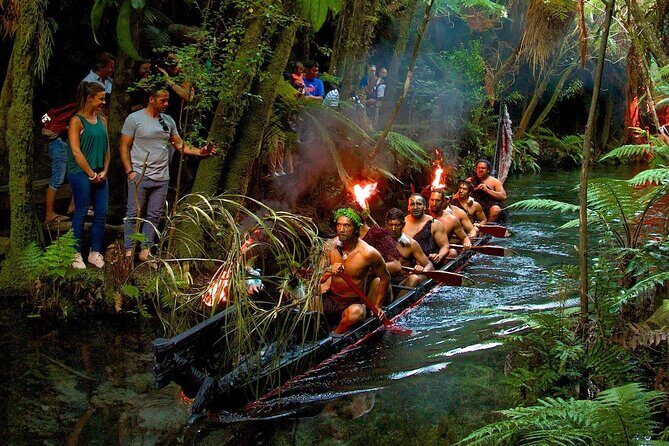
The waka taua (warrior canoe) part is one of those moments that looks dramatic in pictures—and even better in real life. You’re not just hearing about warrior traditions; you’re watching the action happen in real time on the water.
Same for the haka and poi. The guide-led context helps you read what you’re seeing instead of treating it like pure entertainment. A recurring theme in the tour’s strong feedback is how guides add detail that makes the performances click—especially for first-time visitors to New Zealand culture.
If you want the best photos, keep two things in mind. First, plan for quick moments. Second, don’t get so focused on filming that you miss the guide’s explanation, because that’s where the performance turns from something loud and impressive into something meaningful.



Wai-O-Tapu Thermal Wonderland: a guided start, then your own path
Next up is Wai-O-Tapu Thermal Wonderland, and you’ll have about an hour there with admission included. The tour gives you a guided framework first, then you can explore on your own.
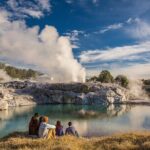
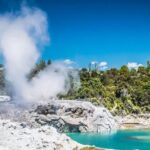
This is one of the smartest formats for a geothermal park. Some areas move fast because you’ll want to capture the famous features quickly. Others reward patience—standing still while steam shifts and colors change. With self-guided time, you can choose your pace instead of feeling rushed in a crowd.
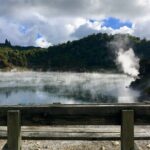
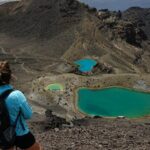
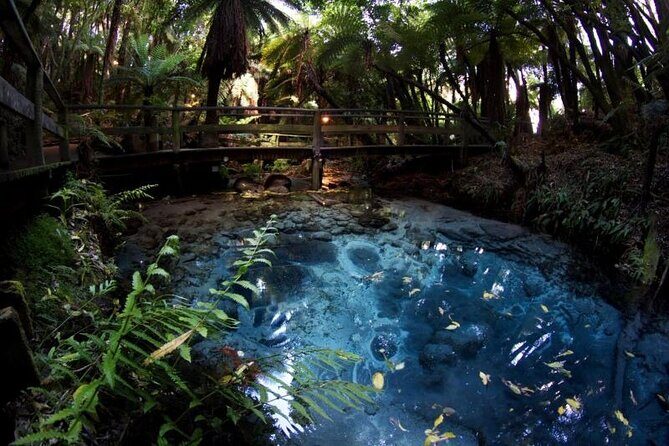
You’ll pass well-known features like the Champagne Pool, famous for its orange rim. You’ll also walk through the sort of surreal, lunar-like volcanic terrain where everything feels slightly unreal. That’s the point of Wai-O-Tapu: it’s a reminder that Earth has a sense of drama, and it’s been rehearsing for thousands of years.
What to watch for: the terrain is uneven and active geothermal ground means you’re walking in conditions that aren’t like a paved city sidewalk. The operator specifically warns that sturdy footwear is recommended and that jandals/sandals/flip-flops or high-heeled shoes aren’t suitable. I’d treat this as non-negotiable advice—your feet will thank you later when you’re back in the minibus.
Timing and pacing: how to plan your energy for a full day
A day trip like this can feel split into three moods:
1) Early drive mood (wake up, snack, hydrate)
2) Rotorua culture + food mood (sit, watch, walk, eat)
3) Thermal park mood (short walk, photo sprint, steady patience)
Since lunch is the hangi buffet and it’s included, you don’t need to hunt for food at the most hectic time of day. Still, I suggest you bring your own snacks if you’re easily hungry—because you’ll be traveling for hours and you might want something between the coffee/comfort break and lunch.
Dress matters more than you think. The tour operates in all weather conditions, so you should expect sun, wind, or damp air. Plan for layers: a warm layer plus something you can peel off if the sun shows up. Sun protection is also specifically recommended, since geothermal days can still be bright.
And yes, you’ll likely be tired on the return ride. That’s not a reason to cancel—it’s a reason to bring a battery pack, download offline maps, and let the road do the sightseeing while you rest.
Guides make the difference: what I’d watch for on the day
One of the most repeated strengths in the tour feedback is the quality of the guide—especially in how they connect what you’re seeing to local geography and heritage. Names that come up include Karthik and Marty, and both are praised for being friendly and for sharing lots of practical and historical context during the drive and at the stops.
In plain terms, the difference between a good and a great day here is interpretation. You can visit geothermal sites on your own and you can watch performances anywhere—but when a guide explains what landforms mean, why ceremonies are structured the way they are, and what volcanic activity looks like on the ground, the whole day lands better.
So when you’re on board, pay attention during the storytelling bits. If something sounds confusing, don’t wait until later. Ask a question while you’re still in the moment. Small-group format is built for that.
Food on this tour: hangi buffet details and what to know
Your lunch is the hangi buffet, included at Mitai Māori Village. The experience includes the unveiling of the hangi meal, which is part of the show-and-story angle, not just a timing cue.
A big practical note: the operator says they’re unable to cater to all dietary needs such as vegan options, though some dietary requests could be met. If you have a strict diet, it’s worth contacting them before booking and being very clear about what you can and can’t eat.
Also remember: geothermal tour days often work best when you don’t wait until you’re starving. Eat what you can during the included lunch, then keep your own energy steady for Wai-O-Tapu and the return drive.
Photo strategy for Champagne Pool and the performances
This is a photography-friendly day, but you’ll get more satisfying photos if you plan how to shoot.
For Wai-O-Tapu:
- Wear shoes you can move in quickly, because you may end up on short walks and stair areas.
- Aim for a mix: one or two “big feature” photos (like Champagne Pool) and then some slower shots where steam changes the scene.
For Mitai Māori Village:
- Watch the guide’s cues so you know when the action peaks.
- If you’re filming, keep it short and steady. You’ll get better clips, and you won’t block others.
One small humorous reality: the smells in geothermal areas can be… intense. Even with that, the photo results can be worth it. Just make sure your camera strap and hands are ready, because you’ll want to keep moving safely.
Price and value: is $294.77 fair for this day?
At $294.77 per person, this tour is priced like a full-day “do it for me” package. And that’s exactly what you’re getting: return transfers from Auckland, a small-group experience, admissions for the guided cultural stop and Wai-O-Tapu, plus a hangi buffet lunch.
Where the value clicks is that you’re not just buying tickets. You’re buying:
- transportation across a long day
- an English-speaking guide escort throughout
- cultural performances and a structured Māori village experience
- onboard comfort items like water and refreshments
If you tried to assemble this alone—transport, parking, guided entry, and a coherent schedule—you’d likely spend time and energy that you don’t have on a tight trip. The price feels more justified for visitors who want one clean plan, not a puzzle.
Who should book this Rotorua cultural + geothermal day?
This tour fits best if you:
- want a first Rotorua day that combines culture and geothermal features
- enjoy guided explanations, not just wandering around
- like small groups (max 16) for better interaction
- can handle an early start and a long road trip
You might skip it (or look for a different format) if you:
- have trouble with uneven ground, stairs, or walking in geothermal terrain
- get stressed by long driving days
- need guaranteed dietary options beyond what the operator can accommodate
If you’re traveling as a couple, solo, or with friends, the small-group size makes it easier to blend into the day without feeling lost. Families with older kids can also do it, but plan for car-seat needs for younger children.
Should you book this Rotorua Cultural & Geothermal Tour from Auckland?
I’d book it if you want one memorable Rotorua day without arranging anything yourself. The combo of Mitai Māori Village (hangi, welcome, poi and haka, and the waka taua element) plus Wai-O-Tapu gives you two very different experiences in a single trip, and the guided format helps you understand what you’re seeing.
I wouldn’t book it if you’re trying to keep the day short, or if you’re not comfortable walking on uneven geothermal paths. This is an early, active day. But if that works for you, it’s a strong use of your time in New Zealand—and it’s the kind of day you’ll remember long after the drive ends.
FAQ
How long is the tour from Auckland to Rotorua?
It’s approximately 13 hours.
What time does the tour start, and where do I meet?
The start time is 7:00 am, and the main meeting point is Mövenpick Hotel Auckland, 8 Customs Street East, Auckland Central.
Is pickup available besides the meeting point?
Yes. Pickup is offered from most locations in the Auckland CBD area. If your pickup location isn’t listed, you can contact the provider and they’ll do their best to accommodate.
What’s included with Mitai Māori Village and the Māori cultural performances?
Admission is included for a fully guided experience at Mitai Māori Village, along with a haka and hangi buffet lunch. The experience also includes Māori cultural performance elements such as poi and haka, plus the waka taua (war canoe) experience.
What’s included at Wai-O-Tapu Thermal Wonderland?
Admission to Wai-O-Tapu is included, along with a guided tour component, then time for a self-guided walk through the thermal features.
Is lunch included, and what about breakfast or dinner?
Lunch is included as a hangi buffet lunch. Breakfast and dinner are not included.
How many people are in the group?
The tour has a maximum of 16 travelers.
What should I wear for Wai-O-Tapu?
Wear comfortable clothing suitable for the conditions, plus a jacket or warm layer and sun protection. Sturdy footwear is recommended, and sandals or flip-flops aren’t suitable for the uneven geothermal terrain.
Is this tour suitable for children?
Most travelers can participate and the tour is suitable for all ages with average fitness. Children below 8 years old are required to use a child safety car seat, and children aged 5–7 are also recommended to use a booster seat.
What happens if the tour can’t run due to weather or minimum numbers?
The tour requires good weather, and if it’s canceled due to poor weather you’ll be offered a different date or a full refund. If the minimum number of travelers isn’t met, you’ll also be offered a different date/experience or a full refund.