REVIEW · TAURANGA
Rotorua Highlights Tour
Book on Viator →Operated by Tino Pai Tours · Bookable on Viator
Rotorua is geothermal on a schedule. This highlights tour from Tauranga strings together geothermal hot spots, lakes with Māori connections, and the Redwood forest in one cruise-friendly day. Two things I really love: you get a small group feel (max 15) and you’re not just looking at views—you’re learning the meaning behind them, often with lively guide storytelling and song. One possible drawback: it’s a packed day, so each stop is short. If you want slow wandering for hours, you may feel a bit rushed.
You’ll start near Mount Maunganui at 2 Salisbury Avenue, then head about 1.5 hours to Rotorua. The standard run is roughly 10:00am to 4:00pm, but cruise timing can shift—if your ship docks after 10:00, you’ll likely leave about 60 minutes after docking (they confirm with you). Expect a lot of car time broken up with meaningful stops, plus all-inclusive snacks and bottled water to keep the energy up.
In This Review
- Key Highlights You’ll Actually Feel During the Day
- From Tauranga To Rotorua: The Pace That Makes This Tour Work
- Rotorua Snacks And The “Don’t Get Hangry” Setup
- Government Gardens And Rachel Pool: A Gentle Start Before The Steam
- Sulphur Point: Where Rotorua Gets Loud And Real
- Kuirau Park Geothermal Walks And The Warm Foot Spa Payoff
- Lake Tarawera: Māori Rock Art And The 1886 Eruption Story
- Lake Tikitapu: A Quiet Lake With A Big Māori Meaning
- Whakarewarewa Redwoods: Giant Trees And A Walk That Breaks Up the Driving
- The Best And Not-So-Best Part Of A Highlights Tour
- What works best
- Where you might feel shortchanged
- Price And Value: Is $111.70 Fair for What You Get?
- What To Pack And How To Make the Most of Each Stop
- Should You Book This Rotorua Highlights Tour?
- FAQ
- FAQ
- What are the standard tour times?
- What if my cruise ship docks after 10:00am?
- How long is the Rotorua Highlights Tour?
- How much does the tour cost?
- Where do I meet the tour?
- Is this a small group tour?
- What is included during the day?
- Is there any walking involved?
- Are admissions required for the main stops?
- What weather conditions are required?
- Can I get a refund if I cancel?
Key Highlights You’ll Actually Feel During the Day
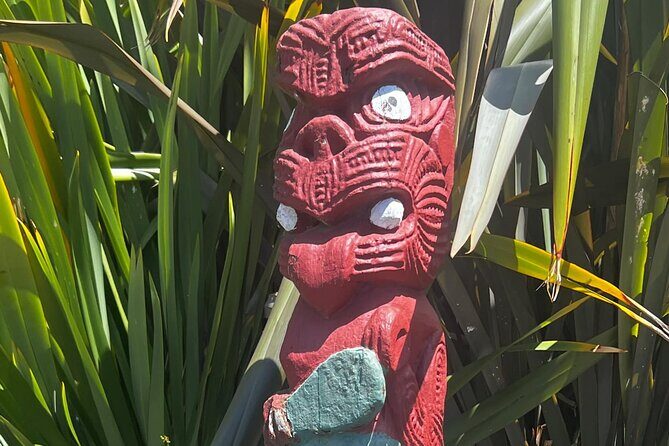
- Small group size (max 15) means easier questions and a more personal rhythm.
- Kuirau Park foot spa with warm foot pools and towels—quick, fun, and very Rotorua.
- Māori rock art at Lake Tarawera connected to the 1886 eruption story.
- Whakarewarewa Redwoods (55,000 ha) for those “giant tree” moments—great for photos.
- Short, focused stops across Sulphur Point, Government Gardens, and lakes—perfect for a day on shore.
From Tauranga To Rotorua: The Pace That Makes This Tour Work
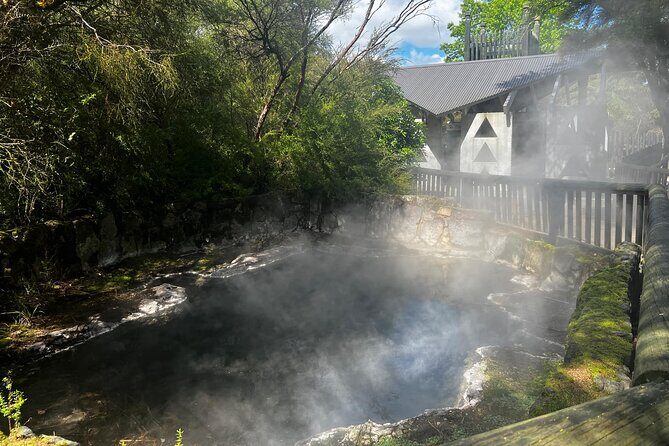
This is built for people who want a real overview of Rotorua without turning their shore day into a full-day slog. You’re looking at an approx. 6–8 hour experience, and the route is designed around moving between key geothermal and culture stops quickly but not lazily.
Here’s the practical bit: Rotorua is about a 1.5-hour drive from Tauranga, so the day starts with time on the road. That can feel like a lot if you hate sitting in a vehicle. But in exchange, you get a sequence of stops that cover multiple sides of the region—geothermal activity, garden calm, lake stories, and then giant trees—so you leave with a mental map of what Rotorua is.
Also worth noting: the tour uses a mobile ticket, and the meeting point is in Mount Maunganui (2 Salisbury Avenue). It’s near public transport, so you’re not stuck figuring out remote logistics, and service animals are allowed.
You can also read our reviews of more tours and experiences in Tauranga.
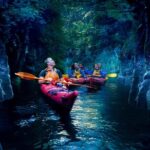
Rotorua Snacks And The “Don’t Get Hangry” Setup
One thing I appreciate in tours like this is avoiding the midday scramble. This one includes all-inclusive snacks and bottled water on the drive. That’s not just convenience—it changes how you experience a fast itinerary. When you’re not hunting for food at each stop, you can actually enjoy the geothermal steam, the lakefront stories, and the forest walk without constantly checking your watch and your hunger.
Because the day is time-bound (especially on cruise schedules), that kind of simple planning matters. It helps you keep your energy for the walking parts—Government Gardens strolls, the geothermal track areas, and the short stops that still add up to a good amount of walking.
Government Gardens And Rachel Pool: A Gentle Start Before The Steam
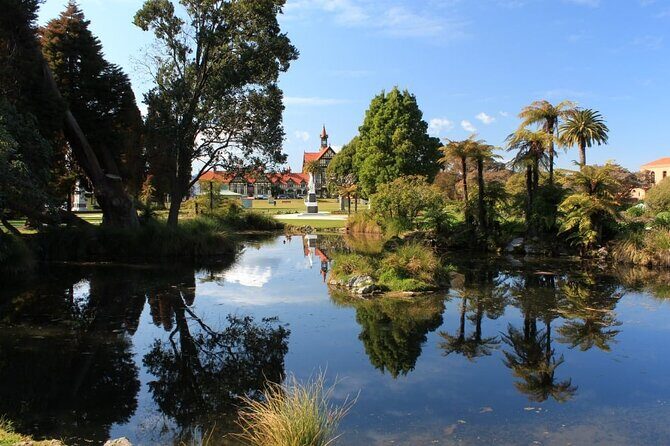
You’ll begin with the Government Gardens, a spacious area near the center of Rotorua. This is a good opener because it sets a calmer tone before you get into the louder, smellier geothermal spots.
Inside the gardens, you’ll come across recreational corners like a bowling club and petanque. There’s also croquet and a golf course, which makes it feel less like a staged attraction and more like an actual living part of Rotorua.
The standout geothermal connection here is the Whangapipiro Rachel Pool, known for its therapeutic water. Even if you don’t plan to soak (and this tour doesn’t frame it as a long soak stop), it gives you an early understanding of why geothermal features matter to locals: not just “cool to watch,” but tied to the idea of wellbeing.
Why this matters for your day: starting here means your first impression isn’t just fumes and steam. It’s a grounded introduction—gardens, community spaces, and then a geothermal thread running through it.
Sulphur Point: Where Rotorua Gets Loud And Real
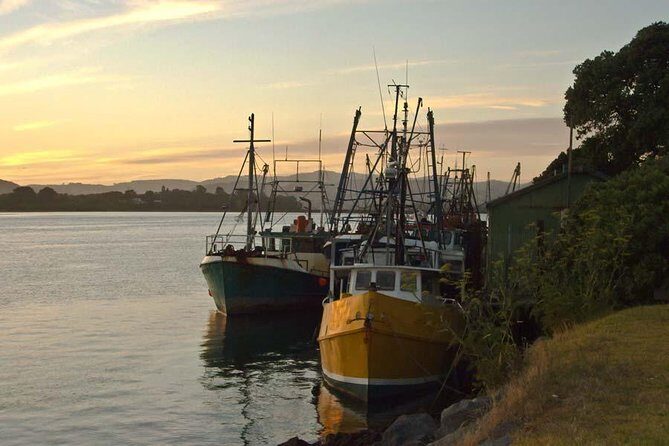
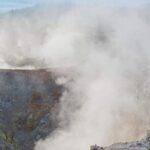
Next up is Sulphur Point at the southern end of Lake Rotorua. This is one of those places where you can feel Rotorua’s geothermal environment without needing a technical explanation.
The big value of stopping here is contrast. After the gardens, Sulphur Point is visually dramatic and instantly “this is the region.” It’s also a quick stop, so it doesn’t eat your time—just gives you a strong geothermal taste.
If you’re the type who loves photos, this is a great checkpoint: you’ll likely get shots of steam and geothermal textures with the lake nearby. It’s fast, so you’re not standing around wondering when the day moves on.
Kuirau Park Geothermal Walks And The Warm Foot Spa Payoff
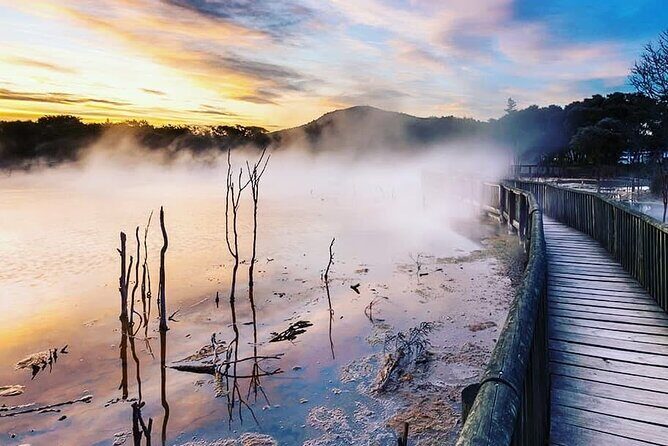
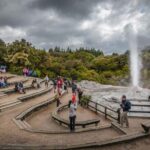
Kuirau Park is one of the most memorable parts of the tour because it mixes active geothermal sights with an experience you can actually enjoy on your body.
You’ll walk paths that lead you to areas of vigorous geothermal activity—described as hissing, roaring, and bubbling. That matches what most first-time visitors feel: it’s alive. The key safety tip here is simple—stay on the cool side of the safety fences. Eruptions can occur from time to time, so the fences aren’t for show.
Then comes the moment most people don’t forget: the warm foot spa. You can take off your shoes and enjoy a foot pool experience, with towels provided. It’s a small thing time-wise, but it turns the geothermal theme into something playful and refreshing.
Possible drawback to plan for: if you’re expecting a long, deep geothermal walk, this is still a highlights-style stop. It’s built to fit the whole day, so you’ll likely see the major geothermal features without having hours to linger.


Lake Tarawera: Māori Rock Art And The 1886 Eruption Story
You’ll then move to the Tarawera area, which is where the tour’s cultural meaning becomes more central. The region is tied to the dramatic 1886 eruption of Mount Tarawera, and your stops connect that event to what was lost—and what remains.
First, you visit Mt. Tarawera / lakefront painting area. Lake Tarawera means burnt spear, and it’s described as one of New Zealand’s largest lakes. The tour focuses on the lakefront paintings that relate to that eruption story and the Māori villages that existed nearby until 1886.
Then you continue to Lake Tarawera, where TUHOURANGI TE IWI (The tribe) presents treasured Māori rock art. The key detail here is the relationship between the eruption and the art: these Māori rock paintings were submerged as a result of the eruption.
If you’re the kind of person who likes understanding why things are there—not just what they look like—this section is a highlight. It turns Rotorua from a “geothermal sightseeing checklist” into a place with specific events, specific people, and a strong cultural storyline.
How long you get: the stops are short, so you’ll want to listen closely to the explanations as you go. This is not the kind of day where you can comfortably wander alone and still catch every cultural detail.
Lake Tikitapu: A Quiet Lake With A Big Māori Meaning
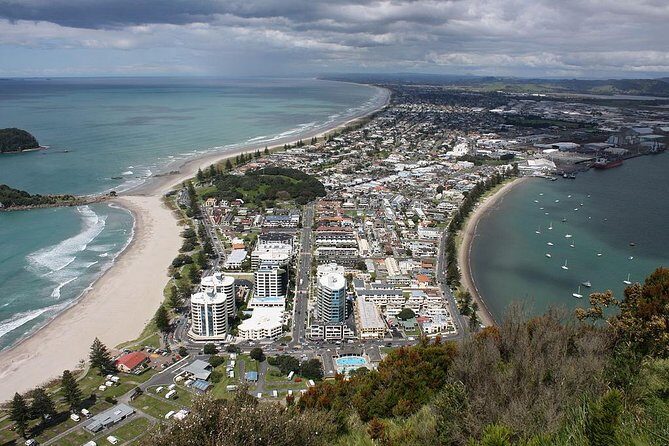
After Tarawera, you’ll have time at Lake Tikitapu. This is the kind of stop that feels calmer than the geothermal areas, but the story still carries weight.
The name Tikitapu connects to a sacred greenstone, or pounamu, necklace. The tour framing includes the belief that it was worn by a daughter of a high-ranking chief. That matters because it explains why places like this aren’t just scenic—they’re meaningful in Māori tradition.
Even if the lake itself is what draws your eyes first, you’ll likely get more out of the stop by paying attention to what the guide says about the necklace and its story. It helps you see Tikitapu as part of living culture rather than just a picture backdrop.
Whakarewarewa Redwoods: Giant Trees And A Walk That Breaks Up the Driving
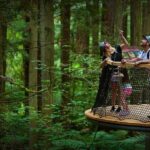
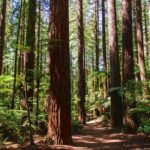
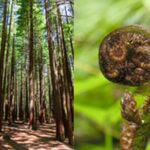
Later in the day, you’ll reach the Redwoods in Whakarewarewa Forest. This is a big moment because you’re no longer dealing with steam or lakes—you’re in a forest environment dominated by towering Californian redwoods.
What I like about this stop is that it gives your brain a break from the “geothermal intensity.” The forest covers 55,000 hectares, so even on a short visit, it feels like a real landscape of scale. (And yes, it’s great for photos.)
The tour framing focuses on the fact that the forest supports walking and other activities like mountain biking and horse riding. Even if you don’t do a full activity, you’ll still get the feel of a place locals actually use, not a fenced-off attraction.
Practical note: it’s usually a short stop, so don’t plan on a long hike. Think of it as a “step into the forest and take a satisfying look” moment.
The Best And Not-So-Best Part Of A Highlights Tour
This tour is designed around being efficient. That’s its strength and its tradeoff.
What works best
- You want the Rotorua overview fast. The day hits hot spots, lakes, Māori-connected sights, and redwoods without requiring you to choose only one theme.
- You care about guided context. Many of the strongest moments come from the guide’s storytelling.
- You like a small group vibe. With a max of 15, you’re less anonymous than on bigger buses.
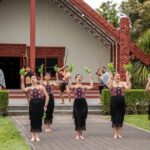
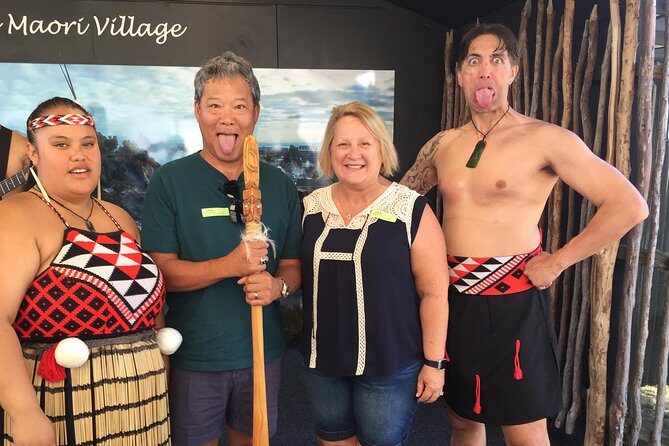
And yes, the guide experience is a real part of the value. Names mentioned include Tom and Messina, and their style stands out: friendly, culturally connected explanations, plus occasional music. One guide is described greeting the group at the port with an original song accompanied by guitar. Another guide is described as playing guitar and singing Māori songs. Even if you’re not usually a “music on tours” person, it adds personality and helps the cultural stories stick.
Where you might feel shortchanged
- If you want deep time in one place. You won’t get hours in Government Gardens or long stretches in the forest. It’s “see it, learn it, move on.”
- If you hate car time. The drive from Tauranga to Rotorua is part of the deal. You’re paying for the route coverage, not for “spend all day walking.”
- If you’re picky about roadside stops. There’s a mention of a short kiwi-farming style stop that didn’t land for one person. You should go in expecting a couple quick add-on stops that support the day’s pacing.
Price And Value: Is $111.70 Fair for What You Get?
At $111.70 per person, you’re paying for a structured day that includes:
- transport from the Mount Maunganui meeting point into Rotorua and back
- multiple major stops across geothermal, lakes, and redwoods
- all-inclusive snacks and bottled water
- a warm foot spa moment with towels
- small-group handling (max 15)
- and the fact that many stops are described as free admission in the tour details
Is it a bargain? It’s not a “cheap bus ride” either. But the price feels fair when you consider you’re buying time efficiency. Most people on a shore day don’t want to arrange separate transport to geothermal parks, then separately search for lake viewpoints, then separately find local cultural stops. This tour bundles it.
The main reason people might hesitate is the same reason the tour exists: highlights mean shorter time at each place. If your ideal day is slow and unhurried, you may find the value better in a longer, single-area experience. If your ideal day is getting the main Rotorua hits in one shot, this price starts to make sense.
What To Pack And How To Make the Most of Each Stop
You’ll be on your feet some, even if the walks are short. Here’s what I’d plan around based on what the tour does:
- Comfortable footwear is strongly recommended. You’ll be walking tracks and moving between stops.
- Bring a layer. Even in warmer months, geothermal areas can feel cool once you’re near steam vents.
- If you like photos, wear clothes that are easy to move in quickly. Some stops are “arrive, look, learn, photograph, go.”
- Don’t skip the foot spa experience because it’s “just a gimmick.” It’s one of the most fun ways to experience the geothermal theme without overcommitting to soaking.
And keep your expectations aligned: this is a day to get your bearings fast. You’ll finish with a strong sense of where Rotorua’s stories live—even if you’ll come back later for deeper exploration.
Should You Book This Rotorua Highlights Tour?
Book it if you’re doing Rotorua from Tauranga (or on a cruise day) and you want a balanced overview: geothermal spots, lake storytelling connected to Māori heritage, and the famous redwoods—all handled for you.
Skip it (or consider a slower alternative) if:
- you hate short stops and want hours in one place
- you’re sensitive to car time
- you’re expecting a full-length guided museum-style cultural experience rather than a highlights-format route
If you choose it, I’d treat the tour like this: use it to learn the shape of Rotorua. Then, if something really hooks you—geothermal activity, lake stories, or the forest—plan a follow-up day to go deeper where you felt the most connection.
FAQ
FAQ
What are the standard tour times?
The standard tour window is 10:00am to 4:00pm.
What if my cruise ship docks after 10:00am?
If your cruise arrives after 10:00am, the tour will depart about 60 minutes after the ship docks. The exact timing will be confirmed with you prior.
How long is the Rotorua Highlights Tour?
The duration is approximately 6 to 8 hours.
How much does the tour cost?
The price is $111.70 per person.
Where do I meet the tour?
The meeting point is 2 Salisbury Avenue, Mount Maunganui 3116, New Zealand. The tour ends back at the meeting point.
Is this a small group tour?
Yes. The maximum group size is 15 travelers.
What is included during the day?
You’ll get all-inclusive snacks and bottled water, and you’ll have a warm foot spa experience with towels provided.
Is there any walking involved?
Yes. There are walkable tracks, including at Kuirau Park. Comfortable footwear is recommended.
Are admissions required for the main stops?
The tour details list admission as free for multiple stops (including Sulphur Point, Government Gardens, Kuirau Park, and the lake/forest stops).
What weather conditions are required?
The experience requires good weather. If it’s canceled due to poor weather, you’ll be offered a different date or a full refund.
Can I get a refund if I cancel?
You can cancel up to 24 hours in advance for a full refund. If you cancel less than 24 hours before the start time, the amount paid isn’t refunded.