REVIEW · TAURANGA
Dolphin & Wildlife Encounters
Book on Viator →Operated by Bay Explorer · Bookable on Viator
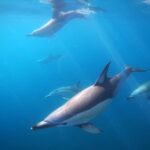
Dolphins can show up fast here. This half-day cruise runs from Tauranga on an 18-metre boat with 360° outdoor views, plus a relaxed mix of walking stops and serious ocean-scanning time. I love how the crew stays alert for marine life and helps everyone get a good look, and I also like the small-group feel that keeps the wildlife watching personal. One thing to keep in mind: it’s weather-dependent, and sightings can change with the day.
You’ll cruise the Bay of Plenty coastline and islands looking for seasonal marine wildlife, then you’re back with time to keep exploring the region after lunch.
In This Review
- Key highlights you’ll care about
- Why the Bay of Plenty dolphin-and-wildlife cruise is worth your morning
- Boat comfort that actually helps with wildlife watching
- The morning flow: from Mount Maunganui tracks to island wildlife zones
- Stop 1: Mount Maunganui Summit Track
- Stop 2: Mt Maunganui Main Beach
- Stop 3: Mount Maunganui Base Track
- Stop 4: Pilot Bay
- Stop 5: Moturiki Island
- Stop 6: Mayor Island
- What wildlife you can realistically hope to see
- Commentary that turns spotting into understanding
- Price and value: is $108.60 fair for a half-day wildlife cruise?
- Who this cruise suits best (and who might want a different plan)
- Practical tips to get the most out of your deck time
- Should you book Dolphin & Wildlife Encounters?
- FAQ
- How long is the dolphin and wildlife cruise?
- What time does it start and where do I meet?
- When does the tour end?
- What seating is available on the boat?
- What animals might I see?
- Is there onboard commentary?
- What if the weather is poor or I need to cancel?
Key highlights you’ll care about
- 18-metre vessel with 360° outdoor views for constant sight lines
- Two viewing zones: enclosed seating downstairs plus an open sun deck on top
- Crew actively positions you for wildlife, so you’re not stuck watching from one angle
- Onboard commentary with facts about the Bay and marine animals
- Multiple island/coast stops including Pilot Bay, Moturiki Island, and Mayor Island
- Small group cap (max 50) for a more comfortable, family-friendly vibe
Why the Bay of Plenty dolphin-and-wildlife cruise is worth your morning
If you like nature that feels real—not staged—this Tauranga cruise hits the sweet spot. The whole experience is built around searching the water for marine wildlife along the Bay of Plenty coastline and islands. And because there’s so much ocean coverage from the boat, you’re not spending the day waiting for one viewpoint to magically work.
I also like the “story” approach the crew brings. It’s not just spotting animals; it’s about learning what lives here and why. That matters, because you start noticing patterns fast: where seabirds feed, how marine mammals move through the water, and how the coastline shapes what you might see.
Now, the honest note: wildlife watching is never guaranteed. Even on a great day, animals might show up early, late, or choose a different pocket of water. That’s why this tour leans into comfort and flexibility—so you can stay watching without feeling rushed.
You can also read our reviews of more dolphin watching tours in Tauranga
Boat comfort that actually helps with wildlife watching
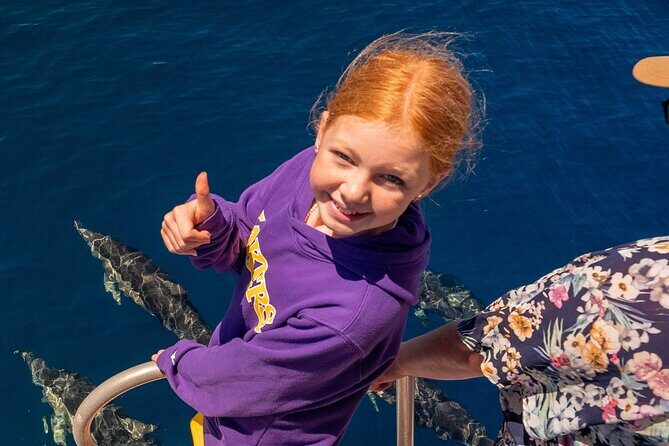
The boat is an 18-metre vessel with room to breathe. You get fully enclosed seating downstairs, which is a big deal on New Zealand coastal days when the breeze can switch moods. Upstairs, the sun deck is large and open, so you can stand up, lean forward, and scan without glass in your way.
Here’s the practical magic: wildlife isn’t static. Dolphins, seals, seabirds, and other animals can move quickly, and having multiple areas onboard means you can shift your position without turning the whole experience into a bottleneck.
Also, this is the kind of setup where your camera matters. The tour is built around close-up opportunities, and it’s explicitly set up as a photographer’s dream. If you’re bringing a phone with a decent camera, or a proper lens, you’ll be happiest if you plan to keep it ready.
The morning flow: from Mount Maunganui tracks to island wildlife zones
Your day starts on a busy, scenic base: Mount Maunganui. The stops around the mountain and beaches aren’t random sightseeing sprinkles. They help set the scene for the Bay of Plenty coastline you’ll be cruising, and they break up the cruise time so you’re not just sitting on water for five hours.
Stop 1: Mount Maunganui Summit Track
This is about getting above the shoreline view. A summit track stop usually means you’re on foot, moving at least a bit, and you’ll want sensible shoes. The reward is a wider sense of the area, which helps you understand where the water routes and island shapes sit.
Potential drawback: if you’d rather avoid climbs or you want a very low-effort morning, this segment may feel like more work than you expected. Keep that in mind if your energy is better saved for the water scanning.
Stop 2: Mt Maunganui Main Beach
After the summit, Main Beach gives you the “at sea level” perspective. It’s a classic spot for coastal views, and it’s a good place to reset: breathe, check your gear, and get ready for the marine-focused part of the day.
The tradeoff is time. You’ll get a chance to enjoy the area, but it won’t feel like a full beach day with lingering lunches and long walks.
A few more Tauranga tours and experiences worth a look
Stop 3: Mount Maunganui Base Track
This is another foot-on-ground moment that keeps the morning active. The base track stop balances the earlier summit experience by returning you closer to the beach level vibe.
If you’re traveling with family, this kind of structure can be nice: you’re not doing only heavy walking, and the scenery changes in between. Still, this is not a “sit and relax from start to finish” tour.
Stop 4: Pilot Bay
Pilot Bay is where the cruise-world starts to feel real. You’ll be positioned near the water in an area tied to local marine movement, and it’s a natural launchpad for the wildlife watching ahead. This stop is all about getting ready to scan: look out, spot seabirds, and start watching how the water looks compared to the earlier beach views.
Potential drawback: if you’re expecting this stop to be a long hangout, plan for a shorter stop and use it to focus on orientation rather than treating it as a separate attraction.
Stop 5: Moturiki Island
Moturiki Island adds island scenery to the cruise route. Islands tend to funnel activity—birds, resting wildlife, and marine movement often cluster in the same zones. The crew’s commentary helps here, because you can translate what you see into what it might mean for the animals you’re hunting.
The big thing for you: be ready to look between moments. Wildlife watching isn’t just staring at one point. It’s following movement, noticing changes, and letting the crew guide where your attention goes.
Stop 6: Mayor Island
Mayor Island is the kind of stop that gives your day a little “this is more than a quick boat ride” feel. The area is part of why the Bay of Plenty region earns its reputation for marine diversity. You’ll still be focused on spotting wildlife, but now you’re in the deeper context of the islands and the ocean system around them.
And again, the tradeoff is that it’s still a half day. You’ll see a lot, but you won’t do it slowly.
What wildlife you can realistically hope to see
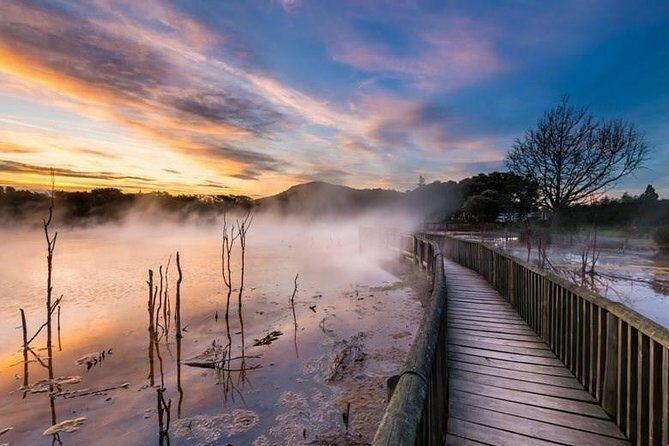
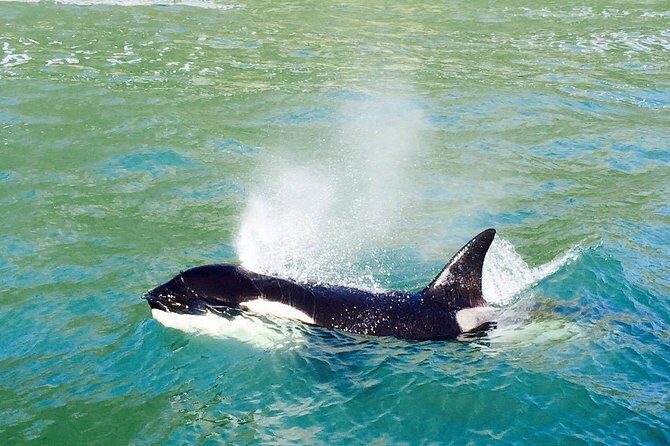
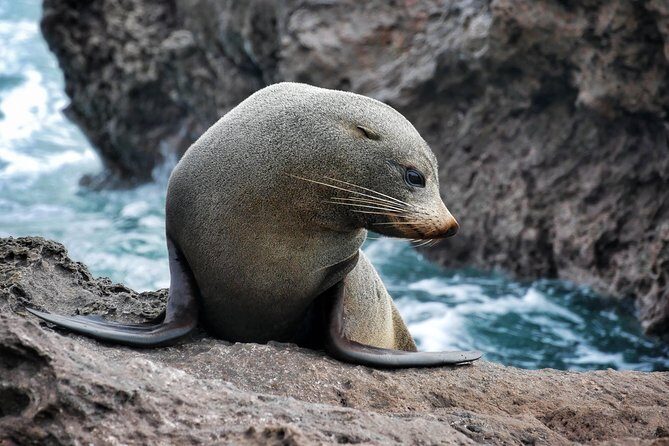
The tour highlights a wide range of seasonal marine wildlife. That list includes penguins, seals, dolphins, whales, sunfish, school fish, seabirds, sharks, turtles, and orca. That’s a serious spectrum, but the key word in your mind should be seasonal.
So what’s the smart way to watch? Here’s how I’d approach it on a day like this:
- Scan the horizon and surface early and often. Marine life shows up where food is moving.
- Watch seabirds. When birds start acting interested, it’s often because something is going on under the surface.
- Follow the crew’s points of reference. The commentary and facts they share aren’t filler; they help you aim your attention.
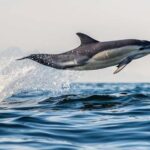
The standout promise is dolphins. And one of the best signs this cruise is set up for success is how the crew works to make sure everyone has a chance to see dolphins from different parts of the vessel. You’re not just getting one window view and hoping for the best.
Still, you should be prepared for a reality check: a half day is not the same as a multi-day wildlife expedition. The goal is high-quality sightings when they happen, plus the chance to spot different kinds of marine life as you move along the coast and islands.
Commentary that turns spotting into understanding
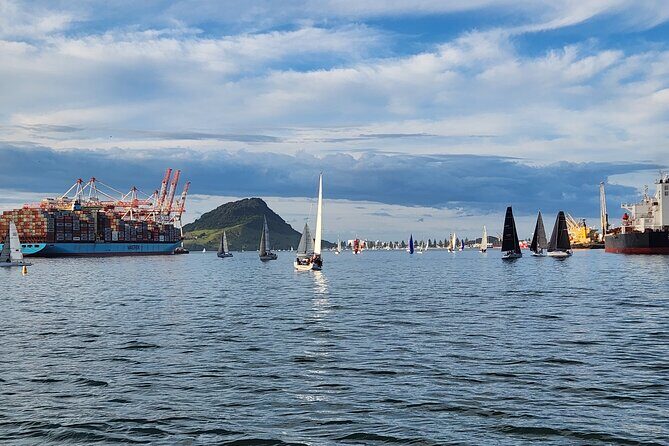
Onboard commentary is a huge part of why this feels like a “kiwi in nature” experience rather than a generic sightseeing cruise. You’ll hear facts and references about the Bay and local marine wildlife, and the captain and crew are experienced enough to point out what they see so you don’t miss it.
That changes the experience for you. Instead of hoping you can identify animals from the distance, you get guidance that helps you notice the right things: where the animals are likely to be, what kinds of behavior to look for, and how the environment supports different species.
It also helps your photos. When you know what to look for, your camera work improves fast. You’re more ready to capture the exact moment something surfaces or moves into view.
Price and value: is $108.60 fair for a half-day wildlife cruise?
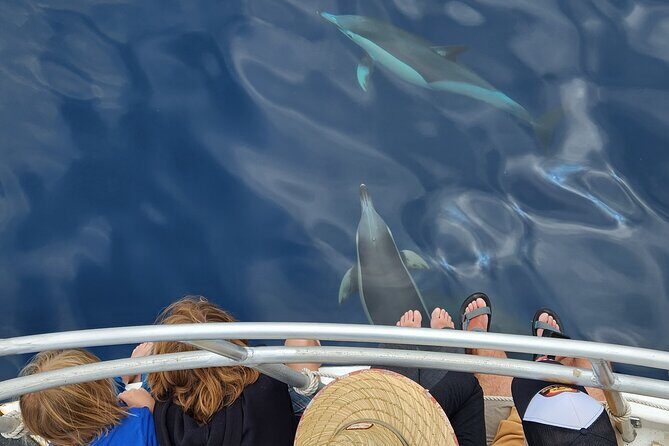
At $108.60 per person for about five hours, this sits in the “worth it if it matches your style” category. The value isn’t only in the wildlife list. It’s in how the experience is structured:
- A spacious 18-metre boat with both enclosed and open deck options
- 360° outdoor views, which increases your odds of a great look even as wildlife moves
- Onboard commentary that adds meaning, not just noise
- Photos included (the tour says photos of a lifetime), which is a practical bonus if you don’t want to rely entirely on your own camera skills
- Limited passenger numbers to keep it comfortable and personal
The main cost-vs-benefit question for you is risk. Wildlife cruises are inherently weather- and animal-dependent. The tour requires good weather, and the day’s sightings are seasonal. If you’re the type of traveler who expects certainty, you may feel frustrated on a slower day. If you’re the type who enjoys learning, scanning, and staying flexible, this price makes more sense.
Also, timing matters. You return to Tauranga by about 2:00pm and are back in Rotorua by around 3:00pm, leaving the rest of the day for your own exploring. That boosts value if your Rotorua itinerary needs space for lakes, geothermal stops, or a relaxed dinner.
Who this cruise suits best (and who might want a different plan)
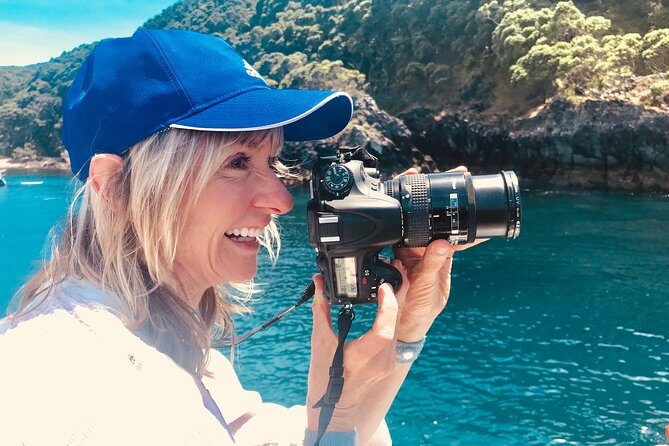
This works best if you:
- Want a genuine New Zealand nature experience focused on marine wildlife
- Enjoy being outdoors but still like having enclosed seating as backup
- Want a cruise that’s family-friendly and not crowded
- Like guided interpretation, not just animal spotting
It may be less ideal if you:
- Need a fully seated, low-walking morning. The Mount Maunganui stops include track time, so expect some on-foot movement.
- Are the type who gets stressed by weather changes. Since the experience requires good weather, your day depends on conditions.
Practical tips to get the most out of your deck time
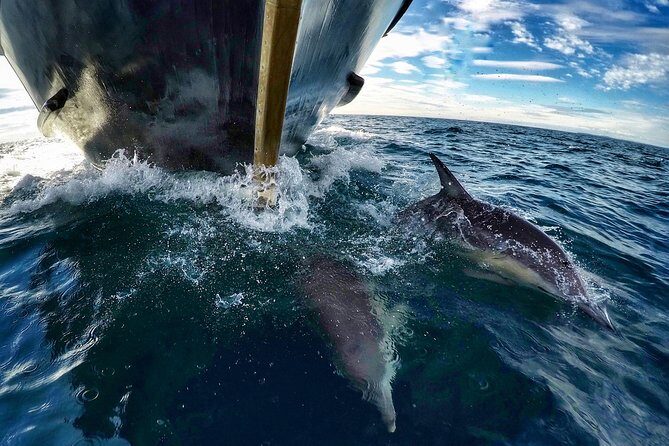
You can set yourself up for a smoother cruise with a few smart habits:
- Bring your camera. The tour is set up for close-up opportunities, and that’s the whole point.
- Use both viewing zones. Start upstairs when you want full horizon scanning, then head downstairs if you want a break or better comfort.
- Keep your eyes up while the crew watches ahead. The best moments often happen quickly when something surfaces or turns toward the vessel.
- Plan your expectations around “seasonal wildlife.” Instead of hunting one species, treat it like a menu of possibilities: dolphins, seals, penguins, and more.
If you’re traveling with kids, this kind of setup can be a win: the open deck is exciting, while enclosed seating gives you an easy reset when attention drops.
Should you book Dolphin & Wildlife Encounters?
Book it if you want a half-day Bay of Plenty wildlife experience that blends comfort, guidance, and real marine watching. The combination of 360° views, an open sun deck, and an enclosed option makes it easy to stay ready for animals without turning the day into a misery contest. Add the crew’s onboard facts and the emphasis on dolphins, and you’ve got a strong match for nature lovers.
Skip or reconsider if you’re set on a guaranteed wildlife outcome or you’d rather avoid any track walking around Mount Maunganui. And if you’re arriving with the mindset of “I’ll just go for a boat ride,” you’ll get more enjoyment if you actually lean into the watching and listening part.
If you’re flexible and curious, this one earns its place on a Tauranga-and-Rotorua schedule.
FAQ
How long is the dolphin and wildlife cruise?
The duration is approximately 5 hours.
What time does it start and where do I meet?
It starts at 9:00am at Bay Explorer – Dolphin and Wildlife Cruises, 115 The Strand, Tauranga 3110.
When does the tour end?
This activity ends back at the meeting point in Tauranga. The schedule notes you return to Tauranga by about 2:00pm and are back in Rotorua by about 3:00pm.
What seating is available on the boat?
There is comfortable fully enclosed seating downstairs and a large open sun-deck for wildlife watching.
What animals might I see?
The tour highlights seasonal wildlife such as penguins, seals, dolphins, whales, sunfish, school fish, seabirds, sharks, turtles, and orca.
Is there onboard commentary?
Yes. You’ll get onboard commentary and references with facts on the Bay and local marine wildlife.
What if the weather is poor or I need to cancel?
The experience requires good weather. If it’s canceled due to poor weather, you’ll be offered a different date or a full refund. Free cancellation is available up to 24 hours in advance for a full refund.