REVIEW · TAURANGA
Rotorua via Kiwi/lakes country & a visit to iconic Whakarewarewa
Book on Viator →Operated by Arrow Tours · Bookable on Viator
Rotorua in one day feels impossible. That is exactly why this port-friendly tour works: you stack Whakarewarewa’s geothermal world with Māori culture and the Bay of Plenty road trip without needing to wrestle with transfers.
I especially like the way this day balances big-ticket Rotorua with calmer breaks—like the Lake Tikitapu area for forest walks and postcard photo time. The one possible drawback is that it’s a long 6–8 hour day with a bit of walking and at least one optional stair descent at Okere Falls, plus lunch is on your own budget.
In This Review
- Key Highlights You’ll Actually Care About
- From Tauranga Dock to Rotorua: The Value of Not Getting Lost
- Mt Maunganui Main Beach and the Cook Story You’ll Remember
- Te Puke Kiwifruit Country: A Short Stop With Real Flavor Potential
- The Scenic Route to Rotorua: Redwood, Blue Lake Views, and River Stops
- Whakarewarewa Living Māori Village: Geothermal + Culture in One Stop
- Government Gardens (Paepaekumana) and Rotorua Bathhouse Photo Time
- Lake Rotorua Lunch Break With Lake-View Options
- Tikitapu Nature Walk and the Blue Lake (Lake Tikitapu) Pause
- Mt Tarawera Lookout: The 1886 Eruption Story on a Photo Stop
- Okere Falls: The Optional 60-Step Walk for When You Still Have Energy
- Time, Transport, and What to Expect From a 6–8 Hour Loop
- Price and Value: Is $182.50 a Smart Use of Your One Day?
- Should You Book This Rotorua and Māori Culture Tour?
- FAQ
- How long is the Rotorua via Kiwi/lakes tour from Tauranga?
- Is port pickup and drop-off included?
- What’s included in the price besides the guide?
- Is lunch included?
- How many people are in the group?
- What fitness level and weather do I need?
Key Highlights You’ll Actually Care About
- Port pickup and drop-off from Tauranga: no hunting for a meeting point after you get off the ship.
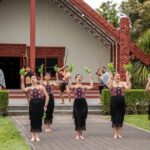
- Whakarewarewa entry plus a live Māori performance: geothermal sights and culture in one stop.
- Te Puke kiwifruit country stop: short but well-timed for tastings and stories about how kiwifruit is grown.
- Two lake areas with different vibes: Lake Okareka photo views and the Tikitapu nature walk near the Blue Lake.
- Photo-driven Rotorua backroads: Mt Tarawera lookout and Okere Falls options before heading back to port.
- Maximum group size of 16: small enough to feel personal, big enough for a lively day.
From Tauranga Dock to Rotorua: The Value of Not Getting Lost
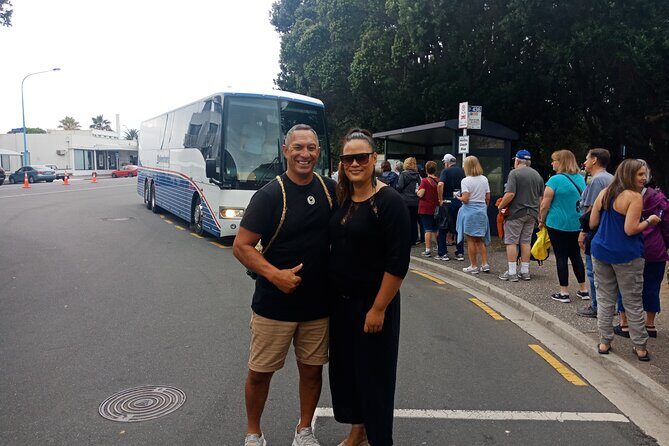
If you’re on a cruise day, the biggest stress is time. This tour is built around that reality with pickup from the Port of Tauranga and a return drop-off back at the same meeting point. That matters because once you’re in Rotorua, you’ll be doing a lot in a day—geothermal areas, lake views, and a Māori cultural performance—so you do not want to burn time coordinating anything.
The drive is part of the deal. You’ll get an overview of Mt Maunganui, ride along scenic routes through native bush and river scenery, and pass through the geothermal region. You’re not just “going to Rotorua,” you’re moving across the Bay of Plenty and Lakes District in a structured loop. You’ll end the day back at the ship with enough margin for everyone’s schedules.
One more practical note: the tour runs about 6 to 8 hours, and it has a moderate physical fitness level. That doesn’t mean you need to be an athlete, but you should be ready for short walks and photo stops, and you’ll have an optional 60-step descent at Okere Falls if you feel like it.
You can also read our reviews of more tours and experiences in Tauranga.
Mt Maunganui Main Beach and the Cook Story You’ll Remember
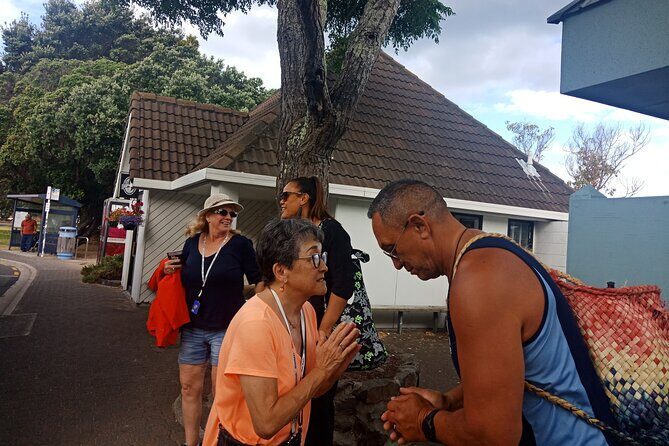
The morning starts with a quick stop at Mt Maunganui Main Beach. It’s only about 15 minutes, but it gives you bearings fast—because Mt Maunganui is one of the key coastal anchors of this region. The guide shares how James Cook discovered the area in 1769, which is a nice little history hook before you head inland.
Why this stop works: it turns the drive into more than just transportation. You get a sense of what kind of coast you’re leaving behind, so when you later see rivers, forests, and lake scenery, you understand how the terrain changes.
You’ll also start the day with a consistent rhythm: quick explanations, a timed stop, then back on the road. If your cruise port day feels rushed, that predictable tempo is comforting.
Te Puke Kiwifruit Country: A Short Stop With Real Flavor Potential
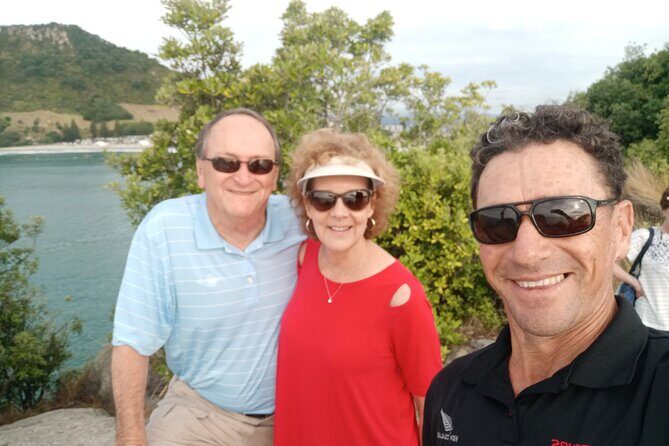
Next you head to Kiwifruit Country in Te Puke, where you’ll drive through about 25,000 acres of orchards. The stop is roughly 10 minutes, but it’s focused: you’ll get a narrative on how kiwifruit developed in New Zealand and the growing techniques used to produce it.
Here’s why you might enjoy this even if you’re not a fruit fanatic: kiwifruit is one of New Zealand’s best-known exports, so you’re seeing a working industry, not just a souvenir moment. And from what I’ve picked up from the real-world experience around this tour, some days include tastings—on at least some harvest-season outings, people have reported trying a red kiwi variety.
You should plan for it to be brief. If you want a long, hands-on farm experience, this isn’t that. But as a flavor-and-stories stop on a cruise excursion, it punches above its weight.
The Scenic Route to Rotorua: Redwood, Blue Lake Views, and River Stops
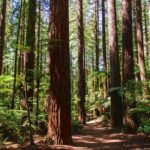
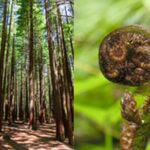
Rotorua doesn’t sit alone—it’s surrounded by changing scenery as you travel. Along the way you’ll pass through a redwood forest and you’ll also see the Blue Lake area en route. There’s also a Mangorewa River stop (about 50 minutes) on a scenic route down from the elevated plateau, with views toward the Pacific and native fauna in the mix.
This is one of those “you’ll be glad you included it” parts of the itinerary. The geothermal region can feel like one concentrated theme, so these stretches give your eyes a break. They also help you understand why Rotorua is such a magnet for visitors: you’re not just heading to steaming ground, you’re traveling through countryside that looks and feels distinctly New Zealand.
If it rains, don’t assume the day is ruined. You’ll still have roadside viewpoints and short stops that can work in bad weather, and the main indoor element—the Māori cultural performance—has its own timing.
Whakarewarewa Living Māori Village: Geothermal + Culture in One Stop
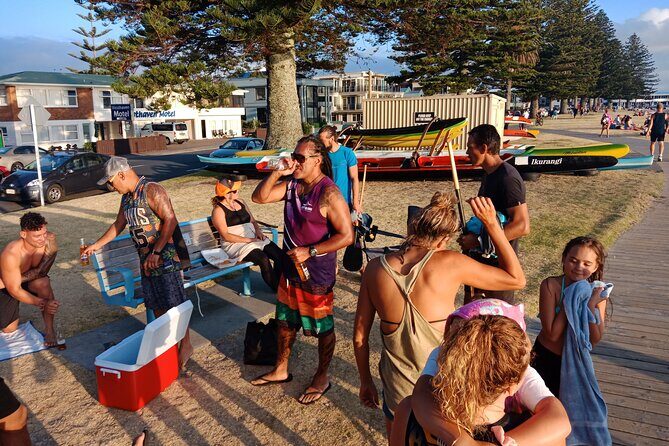
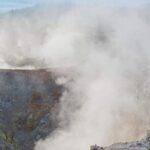
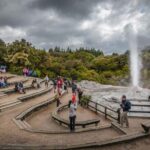
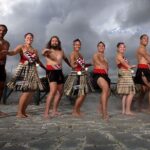
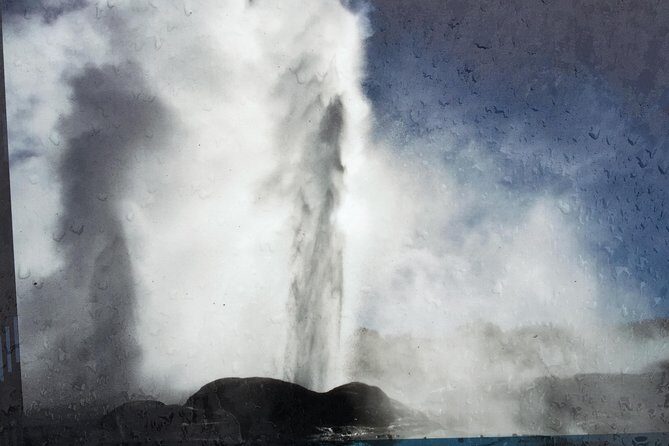
The heart of the tour for most people is Whakarewarewa, often called the Living Māori Village. Entry is included, and it’s a historic geothermal village where local Māori still live. You’ll see steaming hot springs and the Pohutu Geyser area, and you’ll also get Māori cultural exhibits.
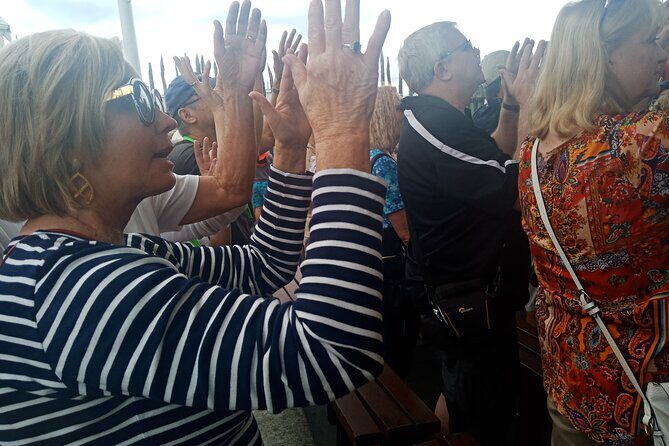
Plan for about 1 hour 30 minutes here, including a live performance. The schedule information frames it as a 30-minute Māori dance performance, while the village experience is described as a 40-minute cultural performance. Either way, it’s a substantial live show, not a quick background clip.
What I like about this stop is the combination. Geothermal sites can be impressive but one-dimensional if you only focus on the steam. Here, you’re also getting context: how Māori culture connects with place and the geothermal environment. You’re not separating “nature” and “people”; you’re seeing them side by side.
Also, this is not just sightseeing from behind a fence. You’re walking through a geothermal village setting with active features, and it gives you a sense of what “living with geothermal activity” actually looks like.


Government Gardens (Paepaekumana) and Rotorua Bathhouse Photo Time
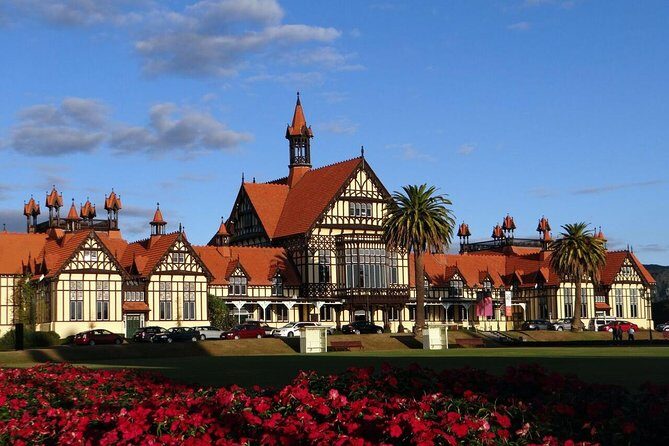
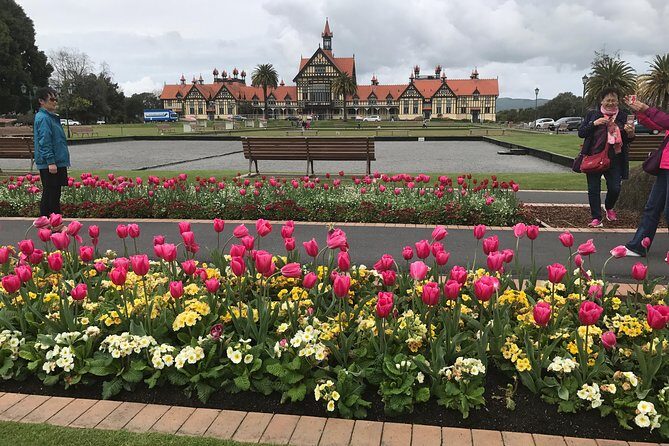
After the village, the day shifts toward calmer city greenery. You’ll drive through the Government Gardens (Paepaekumana) and the route includes the Rotorua Bathhouse, noted for its historic architecture. There’s a stop here of about 15 minutes.
This is the right length for most cruise passengers. You’re not trying to do a full garden stroll; you’re using the time to reset your senses after steam and sound. It also gives you an easy place to take photos without adding extra stress.
If you like walking, you’ll likely enjoy moving across both sides of the gardens. The stop is short, but it’s designed for quick viewing.
Lake Rotorua Lunch Break With Lake-View Options
Lunch is on your own expense, and this part of the tour is handled by giving you options. You’ll head to selected cafés (about a 30-minute lunch window) with at least one choice offering lake views and the chance to see Rotorua’s carved meeting house, or whare nui.
This is one of the few parts where I’d encourage you to think a little strategically. If you want a view, choose the café that prioritizes it. If you want speed and you’re running on cruise-day timing, pick the one that feels quickest for ordering and getting back on time.
Also, remember that Rotorua is inland. You may feel like the day “should slow down” once you’re near the water, but you still have a nature walk and additional stops later. So keep lunch simple and don’t get stuck in a long wait.
Tikitapu Nature Walk and the Blue Lake (Lake Tikitapu) Pause
Then you get the kind of quiet contrast that makes geothermal tourism feel balanced. You’ll stop at an elevated spot for Lake Okareka walkway photos and then continue to Tikitapu Nature Walk.
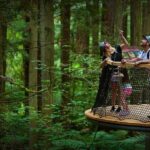
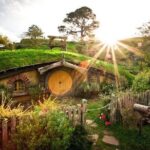
The Tikitapu walk is about 25 minutes. The forest setting is native and the description calls out tall podocarps and lots of fern varieties. You’ll step into a shaded green environment that’s a different world from the steam route earlier.
Next comes Lake Tikitapu, known as the Blue Lake, with about 10 minutes at the water. The route pairs the Blue Lake with the idea of Lake Rotokakahi (the green lake), so you get a sense of the Lakes District character even if you’re not spending hours there.
If you’re thinking about what to photograph, this is where you’ll want to slow down. The walk and viewpoints are built for postcard angles, and you’ll get the best results by taking your time on the walk rather than sprinting for the final overlook.
Mt Tarawera Lookout: The 1886 Eruption Story on a Photo Stop
Mt Tarawera is one of those New Zealand landmarks that feels bigger in person than in photos. You’ll stop for about 5 minutes at a lookout that’s described as a photo stop extraordinaire, with views over the lake and mountain region.
The guide shares the history of the 1886 eruption. Even if you’ve read about it before, this kind of timed stop helps the story stick because you’re seeing the terrain while you learn it.
This is not a long museum-style visit. It’s a quick, high-impact moment—and in a long day, that’s often exactly what you want.
Okere Falls: The Optional 60-Step Walk for When You Still Have Energy
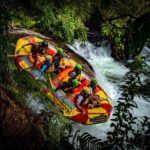
Okere Falls is the last major stop before the return trip to Tauranga. Timing allows about 20 minutes, and there’s an optional descent: if you’re fit and able, you can go down a 60-step walkway to see the falls from closer range.
This is where you should make a call based on your day and comfort level. The tour is designed for moderate fitness, and the step descent is optional. If you skip it, you still get the falls as a photo stop. If you do it, you’ll feel rewarded with a more direct view.
One nice part: because it’s near the end of the itinerary, you’re not dragging yourself through difficult walking hours. You’re using a smaller chunk of energy when you likely still have some left.
Time, Transport, and What to Expect From a 6–8 Hour Loop
This is a busy full-day schedule, and the pacing is meant for cruise days. Think of it as a moving sampler: short stops, meaningful explanations, and a clear arc from coast to geothermal village to lakes and volcanic views.
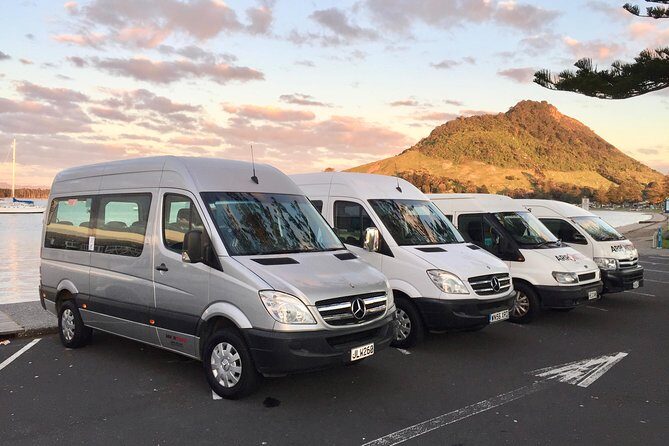
Transport is a key part of the comfort equation. The tour includes port pickup and drop-off, and it’s capped at 16 travelers, which generally helps with moving quickly and not getting stuck in chaos. Bottled water is included, which matters on a hot or sunny day when you’re walking small stretches and sitting during drives.
Also keep in mind the day depends on good weather. If weather is poor, the experience can be canceled and you’ll be offered a different date or a full refund. That’s important for the lake and walk segments.
One more timing consideration: the tour also mentions an optional chance to soak in mineral waters or get a mud massage only found in Rotorua. That option can add time, so don’t assume it fits neatly unless you know you’ll want it and you’ll keep your pace.
Price and Value: Is $182.50 a Smart Use of Your One Day?
At $182.50 per person, this isn’t a budget “see everything from the bus” tour. But when you break down what you’re paying for, the value makes more sense.
Included items cover:
- Port pickup and drop-off in Tauranga
- A local guide
- All fees and taxes
- Bottled water
- Whakarewarewa entry (so you’re paying for a major attraction, not just passing by)
Lunch is not included, so you’ll want to budget for that separately. But that’s also true of many other day tours—you’re basically choosing your own meal stop rather than being locked into a fixed lunch.
Where the tour feels like good value is in the mix: geothermal village entry plus a live Māori performance, then lakes walks and multiple iconic photo stops (Mt Tarawera, Okere Falls). If you’re comparing it to piecing together separate activities on your own from scratch—especially on a port day—this bundled structure reduces time stress.
If you dislike long days, this is the one warning. If you want a “one day hits the highlights” approach, it’s priced about where you’d expect for a guided, port-anchored loop with paid admission at the main cultural/geothermal stop.
Should You Book This Rotorua and Māori Culture Tour?
I’d book it if you meet two conditions: you want to see Rotorua highlights without planning a thing, and you can handle a long day with short walks. The strongest reason to choose it is the Whakarewarewa combination—geothermal sights plus a meaningful Māori cultural performance. Add in the lakes walk and the volcanic lookout, and you get a Rotorua day that doesn’t feel one-note.
I’d think twice if you’re sensitive to time pressure or step-based walking, since Okere Falls includes a 60-step descent option. It’s also not a “slow travel” day; it’s a well-paced circuit.
If you do book, you’ll likely appreciate the small-group feel (max 16), the port pickup convenience, and the guides who tend to keep things moving and build in comfort stops. You might even be with a guide like Toby, Steve, Terry, or Kerry, who have been praised for steering the day smoothly and keeping the experience engaging.
FAQ
How long is the Rotorua via Kiwi/lakes tour from Tauranga?
It runs about 6 to 8 hours.
Is port pickup and drop-off included?
Yes. Pickup is offered from the Port of Tauranga, and the tour returns to the meeting point.
What’s included in the price besides the guide?
Bottled water, port pickup and drop-off, the local guide, and all fees and taxes are included. Entry to Whakarewarewa is included as part of the tour.
Is lunch included?
No. Lunch is not included, but the tour includes a lunch stop with café options near Lake Rotorua.
How many people are in the group?
The tour has a maximum of 16 travelers.
What fitness level and weather do I need?
The tour lists a moderate physical fitness level. It’s described as requiring good weather, and if it’s canceled due to poor weather, you’ll be offered a different date or a full refund.