REVIEW · WELLINGTON
Small Group Daytime 2-Hour Eco Wildlife Tour at Zealandia
Book on Viator →Operated by Zealandia · Bookable on Viator
Wellington’s wildlife is within city limits. Zealandia is a fully-fenced urban eco-sanctuary, and this 2-hour small-group walk puts you on the tracks to spot native birds like kākā, kakariki, tūī, and bellbirds, plus the chance of rare sightings such as flightless takahē. I like that the tour is built around interpretation, not just wandering: your guide explains what Zealandia is doing for wildlife and what to listen and look for.
One possible drawback: it runs in all weather, so plan for damp ground and pack layers, because the experience depends on walking the trails.
In This Review
- Key things you’ll notice on this Zealandia tour
- Zealandia in Wellington: a walk where native wildlife matters
- Price and value: what $43.44 buys you here
- Where you start (and how to plan your timing)
- The 2-hour flow: from the visitor centre film to feeding-station stops
- Birdwatching focus: kākā, kakariki, tūī, bellbirds, and takahē odds
- Reptiles on the trail: green gecko and tuatara
- Why the guide matters more than you think
- Weather and footwear: how to dress for an all-weather walk
- Who should book this Zealandia walk?
- After the tour: keep exploring on your ticket terms
- Should you book the Small Group Daytime 2-Hour Eco Wildlife Tour at Zealandia?
- FAQ
- What is the duration of the Zealandia 2-hour eco wildlife tour?
- Where do I meet for the tour?
- What’s included in the tour price?
- Is photography allowed?
- Does the tour run in bad weather?
- What is the cancellation window for a full refund?
Key things you’ll notice on this Zealandia tour
- Fully-fenced urban eco-sanctuary means you’re visiting a designed haven for native species.
- Max 12 people keeps the pace calm and the bird-spotting attention focused.
- Expert guide + pre-walk intro (visitor centre film and talk) helps you understand what you’re seeing.
- Birds, reptiles, and wetland/forest tracks keep the walk interesting even when birds are quiet.
- Viewpoints and feeding stations give you better odds of sightings without rushing you.
- Photography is allowed so you can capture what you spot as you go.
Zealandia in Wellington: a walk where native wildlife matters
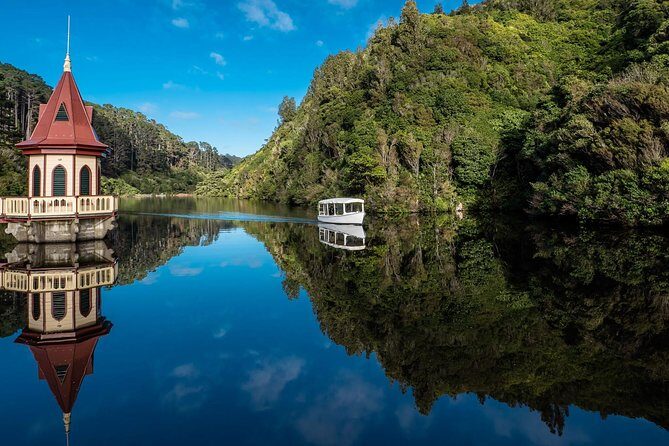
If you want New Zealand nature without the long drive into the backcountry, Zealandia is one of the best options in the Wellington area. It’s a fully-fenced urban eco-sanctuary, which is a big deal because it’s specifically set up to protect native wildlife while people can still visit and learn.
This tour is only about two hours, but it’s structured so you’re not just taking selfies and calling it a day. You get an intro at the visitor centre, then you’re guided out on the tracks through forest and wetlands. Along the way, you stop at viewpoints and feeding stations, which changes the whole experience from random luck to more targeted wildlife watching.
I also like that this is not only about birds. You can watch for reptiles too, including green gecko and tuatara. And the park’s story is conservation-focused, not “look at this cute animal” focused. That matters, because it turns the visit into something you can carry home.
A few more Wellington tours and experiences worth a look
Price and value: what $43.44 buys you here
At $43.44 per person for a 2-hour guided tour, the price feels fair for what’s included. The biggest value points are simple:
- Entrance fees are included, so you’re not adding another ticket at the gate.
- A professional tour guide is included, which is important at a place where species are small, fast, and easy to miss if you don’t know what you’re looking for.
- Small-group size (up to 12) gives you more time for questions and slower bird-spotting moments.
Where the value really shows is in efficiency. Instead of you learning the park on your own, the guide helps you interpret the habitat and wildlife behavior while you’re still in the thick of it. For a short visit in Wellington, that matters.
Where you start (and how to plan your timing)
Meet at 53 Waiapu Road, Karori at the Zealandia Visitor Centre. The tour ends back at the visitor centre, so you’re not doing a complicated route through town. You’ll want to arrive about 15 minutes before your start time so you can check in without stress.
The tour is near public transportation, which is useful in Wellington. You’re also picking from a morning or afternoon departure time depending on what’s available, so it can fit into a day that’s already packed with museums, harbour views, or a cable car ride.
One practical tip: treat this like a real walk, not a quick stroll. It’s on tracks through wetland/forest areas, and you’re outside for the full two hours.
The 2-hour flow: from the visitor centre film to feeding-station stops
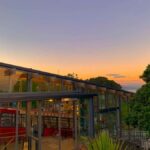
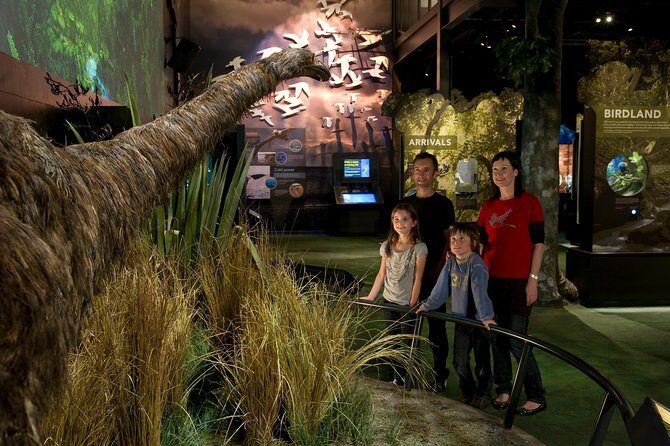
Your first stop is Zealandia Te Mara a Tane at the Visitor Centre. The tour begins with an introduction in the exhibition and a short film shown on the big screen. This part is more than a warm-up. It sets the context for why the sanctuary exists and how the conservation work works, so the walk doesn’t feel like you’re just moving from one bird sighting to the next.
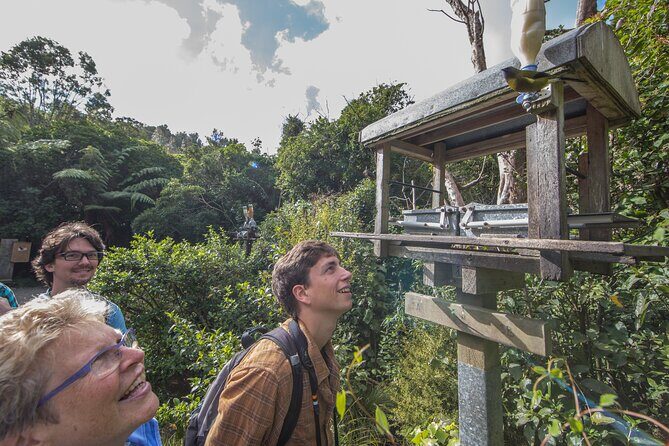
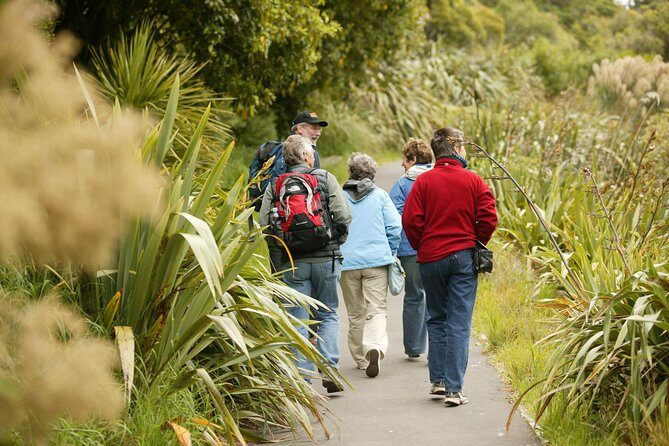
After the film, you head out into the sanctuary via a mix of tracks and trails. You’ll follow your guide around walkways and viewpoints, and you’ll have stops along the way at feeding stations. Those feeding stations can be the difference between a walk where you hear birds but see few, and a walk where you actually spot the birds close enough to learn what they are.
Because the tour is guided, you also get the “how to read the habitat” piece. Your guide’s stories help you connect plants, wetland/forest conditions, and bird behavior. That’s exactly what turns a short visit into real learning.
The tour ends back at the Visitor Centre after about two hours. It’s a clean loop: start with orientation, then go walk, then you’re done.
Birdwatching focus: kākā, kakariki, tūī, bellbirds, and takahē odds
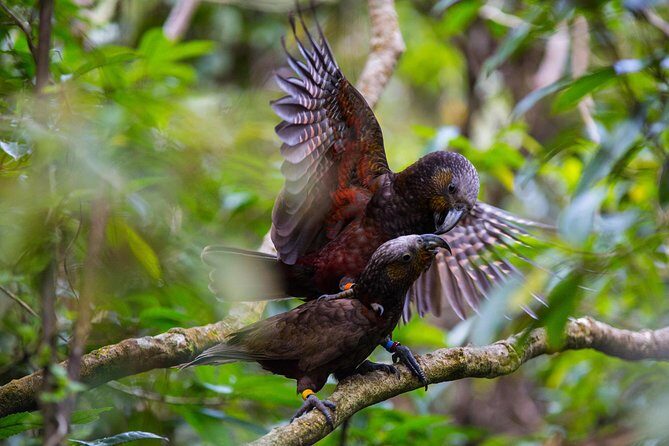
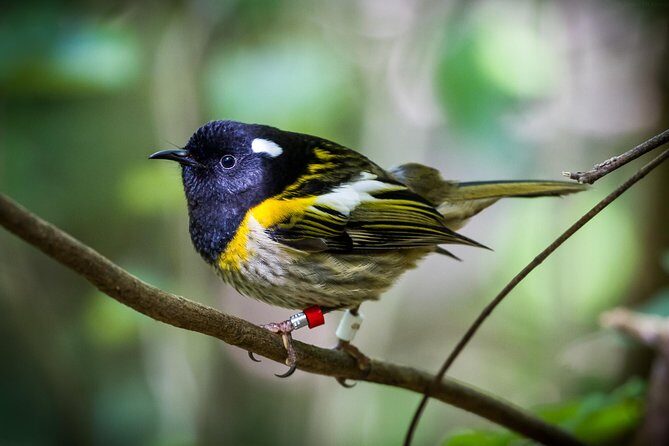
Zealandia is famous for native birds, and this tour is built around that. You’re likely to hear and see common species such as kākā, kakariki, tūī, tīeke (saddleback), hihi, and bellbirds. Those names matter because they’re the best way to stay engaged while you’re walking. Even when you don’t spot every bird, your guide helps you connect what you’re seeing with the soundscape and the habitat.
Then there’s the headline species chance. The tour information and the park’s conservation goals include rare birds such as flightless takahē. Real talk: you shouldn’t plan your whole day around guaranteed takahē. But the fact that this is a controlled sanctuary improves your chances compared to random birding.
What I like about the guided approach is that you’re not waiting passively for a miracle. The guide points things out along the route—often by helping you notice movement, call patterns, and where birds are likely to be at that moment. It makes even a quiet moment feel productive.
A few more Wellington tours and experiences worth a look
Reptiles on the trail: green gecko and tuatara
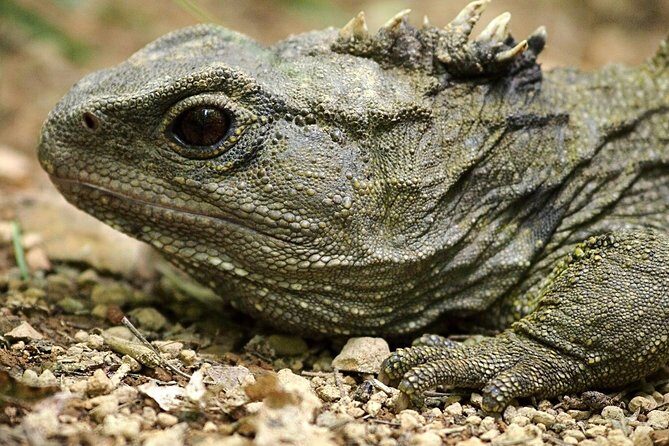
Not every eco-tour gives reptiles a fair shake. Here, reptiles are part of the core wildlife list. You can look for green gecko and tuatara while you’re walking the tracks.
Reptile spotting changes your pace. Birds often show up as quick bursts. Reptiles usually reward patience. The feeding-station stops and the scheduled slow-down moments help, because you’re not rushing past the best looking-time spots.
If you’re a fan of New Zealand’s unusual wildlife, this is a nice bonus. It also helps balance the tour on days when birds are slow.
Why the guide matters more than you think
This is the part people sometimes underestimate with short tours. A two-hour walking tour can turn into either:
- a nice walk with a few random sightings, or
- a walk where you leave with a real understanding of what you saw and why it matters.
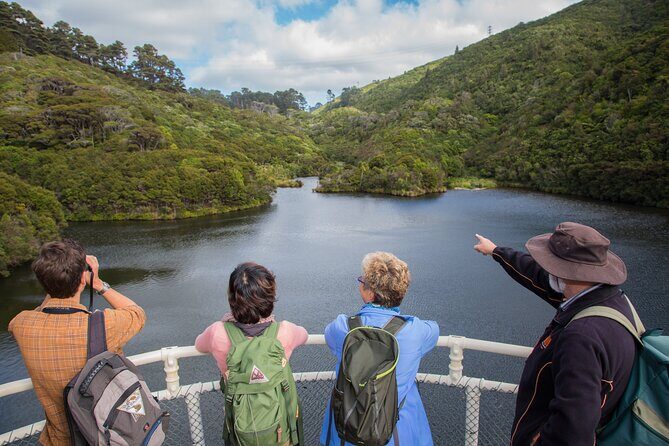
This tour leans hard toward the second option. Your guide shares stories about Zealandia, its conservation mission, and the sanctuary’s wildlife. Several guides are mentioned in past tours—names like Manuela, Ruth, Oliver, Matt, Don, Roy, and Gill come up for their enthusiasm and ability to spot and explain what’s going on.
That guide skill shows up in small ways. You’ll get help knowing what to look for in the forest and wetlands. You’ll also get guidance on photo moments so you’re not blocking others or missing the “wait here for a second” animal.
If you’re even a casual bird fan, I’d strongly suggest this guided version over self-walking first. The park is special, but interpretation makes it stick.
Weather and footwear: how to dress for an all-weather walk
The tour operates in all weather conditions, so you should dress for damp, wind, and variable visibility. That doesn’t mean it’s miserable. It just means you need to be practical.
Bring:
- a light rain layer or waterproof outer layer
- grippy footwear for wet ground on trails
- a warm layer if the morning or afternoon is cool
The route is described as suitable for a moderate physical fitness level. That’s your clue: this is a real walking experience, not a wheelchair tour, and not a “shoe optional” stroll. If you’re bringing kids, they must be accompanied by an adult.
Who should book this Zealandia walk?
This is a good fit if you:
- want a short, guided nature experience in Wellington
- care about native birds and conservation
- like walking tours but don’t want a long day
- want to try wildlife watching with an expert’s help, especially for identifying species by sight and sound
It can also work well for families, since kids can join with an adult and the pacing is manageable for most people. One note to keep in mind: while some tracks may feel workable for different ability levels, the walking environment can still involve trail choices. If you have mobility concerns, the smartest move is to ask the operator ahead of time what portions you can access comfortably.
After the tour: keep exploring on your ticket terms
A nice perk is that the learning doesn’t have to stop when the guide ends the walk. Some guests note their tickets can be used for self-guided visiting after the tour (one comment mentioned a two-day window). If that matches your ticket terms, you can come back later when your eyes are fresh and you want to linger in one area longer.
Even if you don’t return, you can still use the two hours as a high-quality “first look” so your self-walk makes more sense.
Should you book the Small Group Daytime 2-Hour Eco Wildlife Tour at Zealandia?
Yes, I’d book it if you want the best chance of meaningful wildlife spotting in limited time. The mix of small group size, an intro film, and guided stops at viewpoints and feeding stations turns a sanctuary visit into a guided education you can actually use. And at $43.44 with entrance included, it’s a solid value for what you get.
Skip (or at least ask questions first) if you strongly dislike walking on trails in mixed weather, or if mobility constraints mean you’ll struggle with track surfaces. In that case, confirm access areas before you commit.
If your goal is to see New Zealand’s birds and reptiles in a protected setting—without turning the day into a long logistics puzzle—this is an excellent choice.
FAQ
What is the duration of the Zealandia 2-hour eco wildlife tour?
It’s about 2 hours.
Where do I meet for the tour?
Meet at the Zealandia Visitor Centre at 53 Waiapu Road, Karori, Wellington 6012.
What’s included in the tour price?
Your tour includes a professional tour guide and entrance fees. Food and drinks are not included.
Is photography allowed?
Yes, photography is allowed during the tour.
Does the tour run in bad weather?
Yes. The tour operates in all weather conditions, so you should dress appropriately.
What is the cancellation window for a full refund?
You can cancel up to 24 hours in advance for a full refund. If you cancel less than 24 hours before the start time, the amount paid is not refunded.