REVIEW · WELLINGTON
Zealandia Small Group Eco Wildlife Night Tour
Book on Viator →Operated by Zealandia · Bookable on Viator
Kiwi country goes quiet at night. This Zealandia eco wildlife night tour pairs a guided visit to Zealandia: The Exhibition with a nighttime walk through Sanctuary Valley, where you’re led by light and sound and then sent searching for nocturnal wildlife in the dark.
I really like the mix of learning and doing: you start with lifelike extinct-animals models (moa and Haast’s eagle) and conservation context, then you get out on the ground with torches for a predator-proof habitat hunt.
The other thing I like is the small size, capped at about 12 people, so it stays calm while the guide and spotters track what’s active after dusk. The main drawback is also simple: it’s a 2.5-hour walk in low light, so dress for cold wet weather and avoid it if walking in the dark would be stressful for you.
In This Review
- Key things I think you’ll notice fast
- Zealandia at night: why this tour hits differently than a daytime visit
- Price and timing: what $74.47 buys you (and what to watch for)
- Getting there from central Wellington: Karori meeting point and taxi reality
- What to wear and bring for the Sanctuary Valley flashlight walk
- Stop 1: Zealandia Te Mara a Tane and the exhibition’s “set up the story” approach
- The light-and-sound show: 1,000 years of change in a compact experience
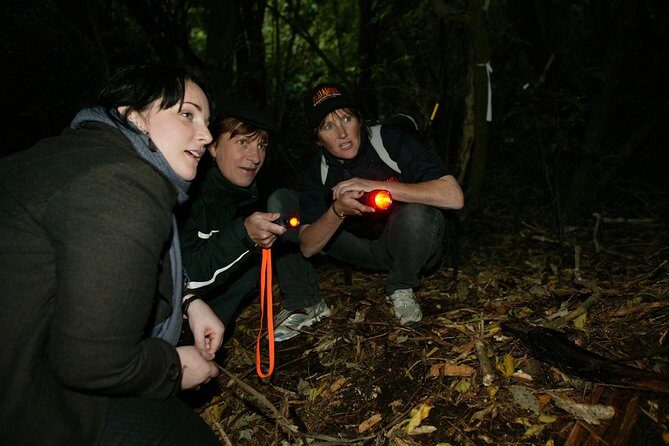
- Moving into Sanctuary Valley: predator-proof walking with a guide and spotter team
- What you can realistically spot after dark (and what kiwi odds feel like)
- Small-group pace: why a cap of 12 matters
- Guides, not scripts: what makes the night hunt work
- Weather and the length of the walk: how to avoid the cold creep
- Value check: eco conservation you can actually support
- Who this tour suits best (and who might skip)
- Should you book Zealandia’s Small Group Eco Wildlife Night Tour?
- FAQ
- How long is the Zealandia Small Group Eco Wildlife Night Tour?
- What’s included in the tour price?
- Are torches or flashlights provided?
- What is the minimum age to join?
- Where do I meet and where does the tour end?
- Is food or drinks included?
- Can I expect to see kiwi on this tour?
- What’s the maximum group size?
Key things I think you’ll notice fast
- Max 12 travelers keeps the kiwi-search from feeling like a parade.
- Torches/flashlights are supplied, and you’ll want to use them carefully in front of wildlife.
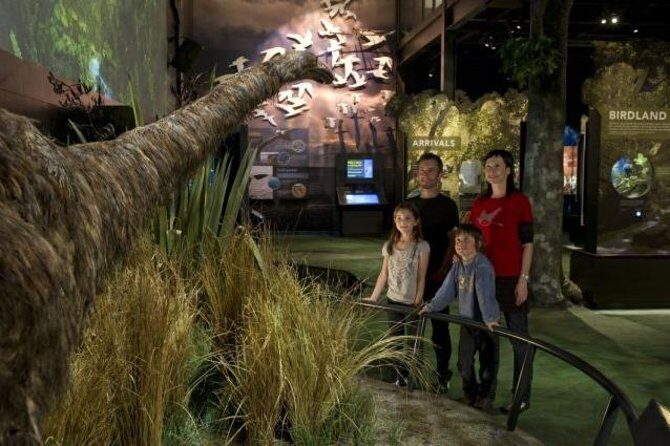
- Lifelike moa and Haast’s eagle models give the story before the night walk begins.
- Sanctuary Valley is a fenced eco-sanctuary (550 acres / 225 hectares) designed for endemic species.
- You’re hunting nocturnal animals (including kiwi) by flashlight with a guide and spotter team.
- Some groups report a next-day return pass tied to the Zealandia ticket.
Zealandia at night: why this tour hits differently than a daytime visit
Wellington’s Zealandia is close to the city, but it doesn’t feel like it once you’re inside. By night, the mood changes. Daytime viewing is about what’s out in daylight; this is about what comes alive after the sun goes down.
What makes this tour especially interesting is the structure. You don’t start in the dark with a wish and a prayer. You start in Zealandia’s visitor area with a short film and an interactive exhibition, then you move into the sanctuary with your torch in hand. That order helps you understand what you’re seeing and why the fences and conservation work matter.
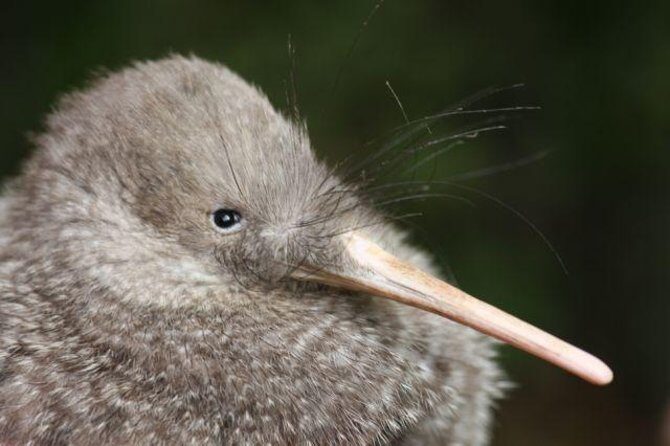
You’re also not just looking for one animal. The night walk is built around a whole web of nocturnal life. If kiwi is your priority, great. If not, you still get a real shot at tuatara, weta, glowworms, frogs, and other native creatures that many people never get to see.
You can also read our reviews of more evening experiences in Wellington
Price and timing: what $74.47 buys you (and what to watch for)
At $74.47 per person, this isn’t a budget “quick stop” add-on. You’re paying for a guided, small-group walk plus admission into Zealandia’s exhibition. In practical terms, that means you’re not just buying entry—you’re buying interpretation and time with people who know where to look.
The tour runs about 2 hours 30 minutes and includes the guided walk through Zealandia: The Exhibition and then Sanctuary Valley at night. You’ll want to plan your evening so you’re not rushing. In bad weather, that 2.5 hours can feel longer than you expect, especially if wind and cold make it harder to stand still while the guide scans for movement.
Start time matters too. You’ll typically arrive before it’s totally dark. Several guides also time the walk so you catch the shift from dusk into full night, when birds call and then quiet down. It’s a small change in timing, but it makes the experience feel like a real transition instead of a single flat “night time” visit.
Getting there from central Wellington: Karori meeting point and taxi reality
The meeting point is 53 Waiapu Road, Karori, Wellington 6012. The activity ends back at the same meeting point, so you’re not left figuring out how to exit the sanctuary in the dark.
Zealandia is described as about 10 minutes from downtown Wellington, but at night you’ll still likely want a plan for the last leg. The tour operator recommends booking a taxi via your hotel concierge team or calling Wellington Combined Taxis: (04) 384 44 44.
A couple practical notes:
- Arrive 15 minutes early so you’re not stressed when it’s time to head out.
- The meeting area is described as near public transportation, but the nighttime walk means you should expect to move around on your own once the tour starts.
What to wear and bring for the Sanctuary Valley flashlight walk
This is an all-weather activity in the sense that it operates in a range of conditions. The “good weather required” language means you should be ready for the possibility that conditions could impact scheduling.
Bring a real strategy for comfort:
- Wear sturdy footwear. Paths can get muddy, and low light makes footing less forgiving.
- Dress in extra layers plus a waterproof jacket. Cold wind plus stillness while you scan the scrub is not a fun combo.
- You’ll receive torches/flashlights, so you don’t need to bring equipment.
- If you’re the kind of person who gets cold easily, bring something you can add without digging through your bag during the walk.
One small-but-important wildlife tip: keep your light controlled. Some groups note that bright or careless flashlight use can spook animals like kiwi. If your guide talks about using red light or keeping the beam steady, follow it. You’ll get better results and you’ll help protect the animals that live there.
Stop 1: Zealandia Te Mara a Tane and the exhibition’s “set up the story” approach
Before you go searching outside, you get a short intro inside the visitor centre’s interactive exhibition. The tour begins with a short film, then the guide brings your group into the main exhibit area.
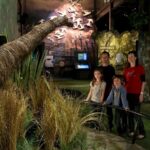
This is where Zealandia’s conservation mission becomes understandable. You’ll see lifelike models of extinct animals, including a life-size moa and Haast’s eagle. Even if you’ve read about them before, seeing them in person in an interpretive setting lands differently. It turns extinct history into a physical reference point for the restoration story you’re about to witness.
I also like this part because it works for different learning styles. If you love facts, there’s plenty. If you love a good narrative, the exhibit and show do that too. You’re not just waiting around until it’s time for the walk.
A few more Wellington tours and experiences worth a look
The light-and-sound show: 1,000 years of change in a compact experience
After the extinct-animal portion, there’s a light and sound show that takes you through at least 1,000 years of change. This matters for your night walk because it explains the “why” behind the sanctuary.
Here’s the value: a predator-proof fenced eco-sanctuary is more than a barrier. It’s part of a long-term shift in how New Zealand protects endemic species. When you understand the time scale, you’ll interpret what you’re seeing at night with more context.
And it’s a good pacing tool. You’ll be standing and listening in the exhibition area, then you shift to walking outside. If you show up undercaffeinated or late, the show helps reset your focus before the hunt starts.
Moving into Sanctuary Valley: predator-proof walking with a guide and spotter team
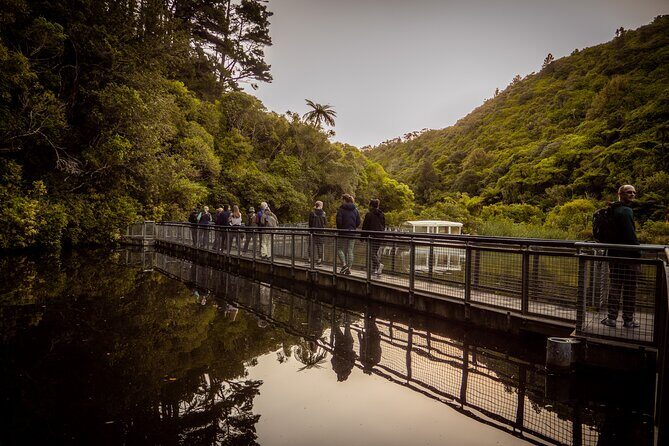
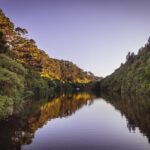
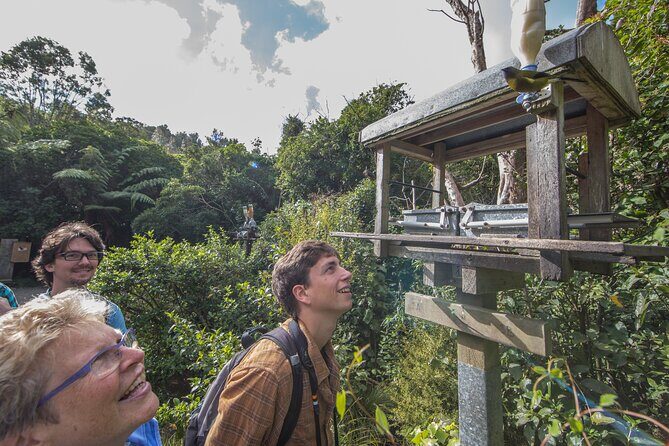
Once you step outside, you’re walking into a fenced eco-sanctuary in Sanctuary Valley. The size is notable: 550 acres (225 hectares). It’s designed as a safe haven for endemic wildlife, including the nocturnal little spotted kiwi.
The mechanics of the experience are simple and effective:
- You follow your guide through the sanctuary.
- You carry a torch/flashlight for visibility.
- A guide (and often a spotter assistant) helps track movement and calls.
- You listen for birdsong and other signs, then watch for the animals that respond to the night.
Some groups also describe getting outfitted with a radio receiver, which makes sense in a reserve where communication matters. If you get one, don’t worry about it. Just use it like your guide suggests.
A key takeaway: this is a search, not a guarantee. Kiwi and many other nocturnal animals are shy. The tour sets expectations for that, and the best mindset is curiosity with patience.
What you can realistically spot after dark (and what kiwi odds feel like)
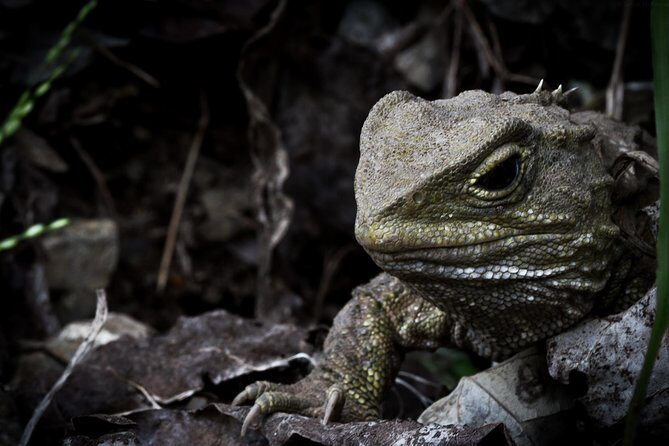
The night walk is where the tour earns its name: you’re actively searching for nocturnal creatures such as kaka, weta, tuatara, and the elusive kiwi. Other wildlife you might see includes glowworms and native reptiles and amphibians noted by recent groups.
Here’s what’s shown up in the experiences you provided:
- Kiwi sightings: some tours reported multiple kiwi, including close looks (including a young kiwi in one account).
- Tuatara and lots of smaller native life: several groups mention frequent tuatara sightings.
- Weta and glowworms: common hits in the narrative, with glowworms appearing in more than one account.
- Frogs: at least one group mentions Maud Island frogs and another mentions Hamilton frogs.
- Other night calls and birds: some accounts reference hearing kiwi and even Morepork-type calls, plus sightings of various birds.
Still, remember the honest part: you might not see kiwi, even on a great night. Kiwi are shy and rare, and the reserve isn’t a zoo where every animal is on cue. When the guide explains that expectation, it usually makes the sightings you do get feel even better.
If kiwi is your top goal, the biggest practical help is to keep your light low, move quietly, and pay attention to the guide’s timing. That’s how you end up with more chances when the animals briefly show themselves.
Small-group pace: why a cap of 12 matters
With a maximum group size of 12, the guide can keep sightlines clear and help people who walk a bit slower. That shows up in the feedback: groups frequently mention well-paced walking, enough time to stop and listen, and guidance that doesn’t feel like a rushed trek.
It also helps the spotting work. When there are fewer people, it’s easier for the guide and spotter to track what’s responding—especially when wildlife is moving through dense scrub.
If you’re sensitive to cold or tired, this group size matters more than you might think. Your guide can build in breaks without turning the experience into a stop-start shuffle.
Guides, not scripts: what makes the night hunt work
The guides get repeated praise for two things: clear explanations and hands-on searching. Different guides were named in the feedback you shared, including Rebecca, Autumn, Clare, and Mary. Even without using the names as a promise, it signals a pattern: the team is invested and prepared.
You’ll notice it in the way information is shared. It’s not just a list of animals. Guides explain conservation efforts and why the sanctuary is built the way it is. Then they connect that to the practical hunt at night: what you should listen for, what you might see, and how to avoid spooking animals with harsh light.
One more human detail: it’s a small team with volunteers in some groups. You may meet an assistant spotter who helps with sightings and positioning. When the spotting is tight, kiwi and other animals seem to “appear” more often because you’re in the right place at the right time.
Weather and the length of the walk: how to avoid the cold creep
Because this tour runs outside and you’ll be walking for about 2.5 hours, the weather can change the feel of the night. One piece of feedback pointed out that on a cold, windy evening the tour felt a touch too long.
That doesn’t mean the tour is poorly planned. It means you should take cold seriously. If you’re on the fence about what to wear, choose warmth over style. You’ll be stopped at times. You’ll wait while the guide scans. Those are the moments that turn “chilly” into “why am I still here” if you didn’t pack well.
If the weather turns miserable, trust the guide’s decision-making. The goal is wildlife viewing while protecting the animals. Sometimes stopping or shifting plans is the best move, even if it feels slower.
Value check: eco conservation you can actually support
A big part of the appeal is that you’re not just entertained. You’re supporting a working eco-restoration effort. The sanctuary exists because conservation has to be active, monitored, and funded.
It helps that the tour includes the exhibition first. That’s where you learn about long-term change, including the story of New Zealand’s natural history and the conservation efforts to preserve other native species. Seeing the moa and Haast’s eagle models isn’t a gimmick. It’s a reminder of what can be lost, and what can be brought back or protected through modern restoration.
And then you directly benefit from the system. Your ticket gives you night access and guided viewing, and multiple groups noted that it can also lead to a next-day return to Zealandia, so you can see how wildlife and landscapes look at daylight too. That makes the total value better than a single-night-only outing.
Who this tour suits best (and who might skip)
This is a great fit if:
- you’re visiting Wellington and want a distinctly New Zealand experience, not just another city museum night
- you like animals and want the chance to see nocturnal species like kiwi, tuatara, and weta
- you enjoy guided nature walks with a strong conservation angle
- you don’t mind the dark and you’re comfortable walking outdoors with a flashlight
It’s less ideal if:
- you have limited mobility or find it hard to walk for about 2 hours in low light conditions
- you’re extremely heat-cold sensitive and haven’t planned proper layers
- you’re expecting a guaranteed kiwi sighting on cue
Should you book Zealandia’s Small Group Eco Wildlife Night Tour?
I’d book it if you want a high-likelihood chance of seeing native wildlife in a setting designed for them, not just a drive-by zoo experience. The small group size, the guided search method, and the exhibition first step make it feel purposeful. Even when sightings vary, you end the night with real insight into New Zealand’s conservation work and a sense of what life looks like after dark.
Don’t book it if you can’t handle cold, damp outdoor walking or if you strongly dislike the uncertainty that comes with nocturnal wildlife. This tour doesn’t promise kiwi on demand. It gives you the best setup for trying, with guides who work carefully and keep the group moving at a thoughtful pace.
If you’re torn, one practical move is to make your evening flexible. That way, if you need to adjust plans for weather, you still have time in your schedule to enjoy Zealandia in daylight too.
FAQ
How long is the Zealandia Small Group Eco Wildlife Night Tour?
It runs about 2 hours 30 minutes (approx.).
What’s included in the tour price?
The tour includes admission to Zealandia: The Exhibition and the guided walking tour of Zealandia: The Exhibition and Sanctuary Valley. Torches/flashlights are supplied as well.
Are torches or flashlights provided?
Yes. The tour supplies torches/flashlights.
What is the minimum age to join?
The minimum age is 12 years.
Where do I meet and where does the tour end?
The tour starts at 53 Waiapu Road, Karori, Wellington 6012, New Zealand and ends back at the same meeting point.
Is food or drinks included?
No. Food and drinks are not included.
Can I expect to see kiwi on this tour?
You’ll search for kiwi, but sightings are not guaranteed since kiwi are shy and rare. The guide team works hard to find them, and when they’re out you can get very close.
What’s the maximum group size?
The tour has a maximum of 12 travelers.