REVIEW · WELLINGTON
Zealandia – Twilight Guided Eco Wildlife Tour
Book on Viator →Operated by Zealandia · Bookable on Viator
A forest comes alive after sunset. This Zealandia twilight guided eco wildlife tour times your visit for when animals shift from day habits to night activity, so you get more than a daytime stroll. I love the mix of learn-by-walking guiding plus the quiet magic of being in a predator-controlled sanctuary right as the nocturnal soundtrack starts.
Two things I really like: first, the tour includes the interactive exhibition before you hit the sanctuary trail, so you understand what you’re seeing (and why the fences matter). Second, you get a warming hot drink, served in the forest, which is a small comfort that makes the timing easier. One possible drawback: kiwi and other nocturnal sightings are never guaranteed, so you’ll want to go in ready to be patient and happy with hearing calls even when a bird doesn’t show itself.
In This Review
- Key highlights worth your attention
- Twilight timing: why this walk feels different than daytime Zealandia
- The opening exhibition: get your bearings before the trail
- Zealandia Te Mara a Tane at night: the regenerating valley walk
- The wildlife: kiwi, wētā, tuatara, and the rest of the cast
- Hot kawakawa tea in the forest: a small detail that matters
- How long is it, and what’s the pace really like?
- What to wear and bring for Wellington weather at night
- Getting there after dark: Karori meeting point and transport options
- Price and value: what you actually get for $68.26
- Who should book this Zealandia twilight tour
- Should you book it? My decision shortcut
- FAQ
- FAQ
- What does the twilight tour include?
- How long is the Zealandia twilight guided eco wildlife tour?
- What time does the tour start?
- How many people are in a group?
- What wildlife might I see or hear during the tour?
- Is the hot drink included?
- Is food provided?
- What should I wear?
- Is hotel pickup included?
- Is it suitable for kids?
Key highlights worth your attention
- Start-time timing for peak wildlife activity, roughly two hours before sunset when day animals wind down and night birds begin moving
- Interactive exhibition first, giving you the conservation context before the valley walk
- Hot kawakawa tea (coffee/tea) in the forest, a smart way to stay warm during the twilight
- Small group of up to 12 travelers, which helps you hear the guide and spot wildlife
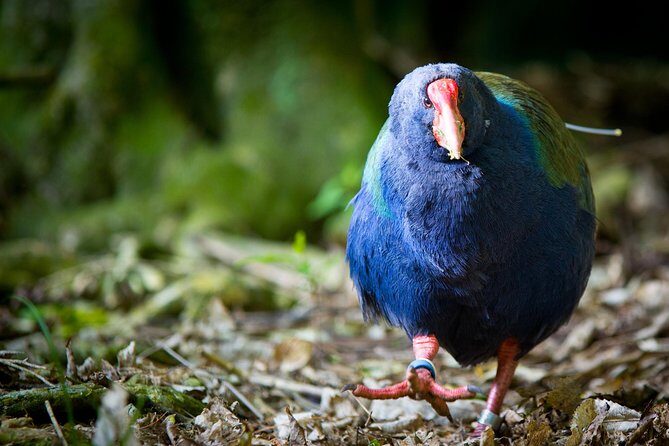
- A chance to hear or see kiwi and ruru, plus other sanctuary species like wētā, takahē, and tuatara
Twilight timing: why this walk feels different than daytime Zealandia
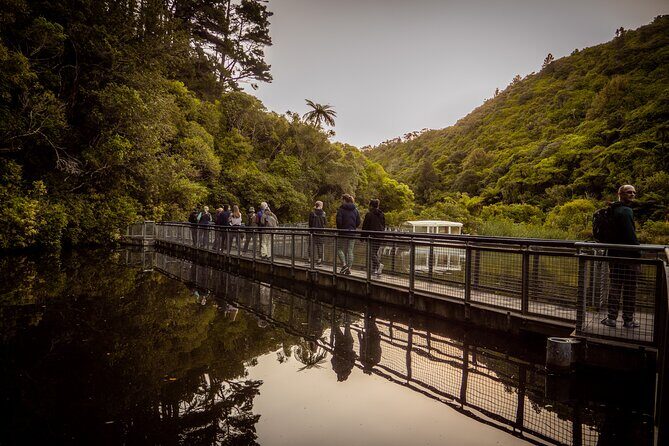
Zealandia is already special in Wellington. But this twilight tour changes the vibe. Instead of seeing wildlife mostly in daylight mode, you’re there during the transition—when resident animals become active at the same time you’re walking through the regenerating valley.
That timing matters because many of the most famous New Zealand icons, especially kiwi, are strongly tied to night hours. Even when you don’t get a perfect sighting, you often get the next best thing: sounds. Multiple guides and tour descriptions point to hearing nocturnal birds as they wake, like kiwi and ruru (morepork). That’s not a consolation prize. It’s part of how you actually experience the sanctuary at the right hour.
The tour also helps you avoid the busiest feel of a normal daytime visit. It starts after the last daytime visitors have left, so you’re not elbowing through crowds when the animals start to behave like… well, animals.
You can also read our reviews of more guided tours in Wellington


The opening exhibition: get your bearings before the trail
Before you head out, you begin at Zealandia Te Mara a Tane with the sanctuary’s interactive exhibition highlights. This is where you get the big-picture story of New Zealand’s natural history and Zealandia’s long 500-year vision for the refuge.
I like this step because it turns random spotting into understanding. When you later scan for wētā, tuatara, takahē, or other native birds, you’re not just hunting. You’re looking with purpose—why these species are here, what’s being protected, and why the sanctuary was built in the first place.
It’s also a practical move. In places like Zealandia, the landscape can look dense and similar after a while. The exhibition helps you mentally tag what you’re seeing and hearing, so the trail doesn’t become a blur.
Zealandia Te Mara a Tane at night: the regenerating valley walk
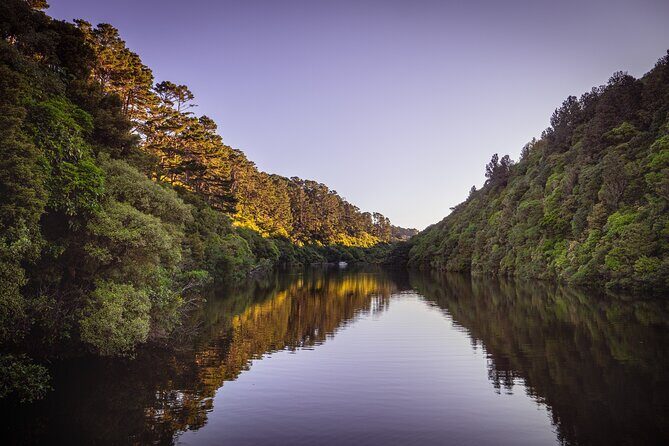
Once your guide is ready, you move into the sanctuary valley for the after-hours part of the tour. This is the main event: a guided walking route through regenerating habitat during one of the most active windows for resident species.
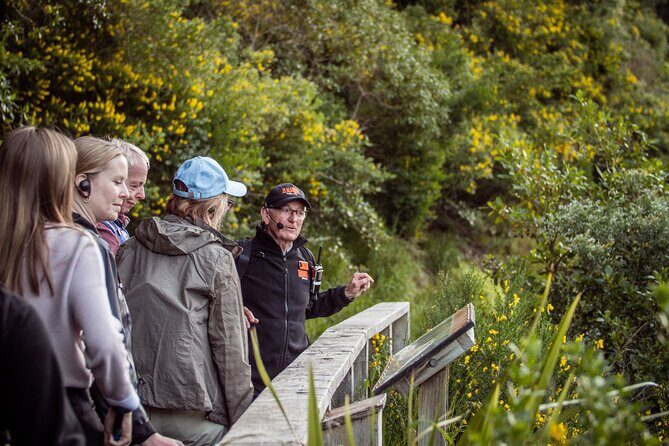
You can expect a slow, attentive pace. Guides call out movement, calls, and the tiny details that make a wildlife sanctuary worth paying attention to—things you’d miss if you were just wandering on your own. The tour is built around the moment when animals shift from daytime routines to nighttime behavior, so your eyes learn to look differently as the light fades.
Wildlife possibilities include wētā, takahē, tuatara, and more. You might also get the first sounds of nocturnal birds as darkness settles. In the best-case scenario, that rhythm pays off with close-up views. Even in the so-so scenario, you’ll still come away with a stronger sense of how the ecosystem works after dark.
The wildlife: kiwi, wētā, tuatara, and the rest of the cast
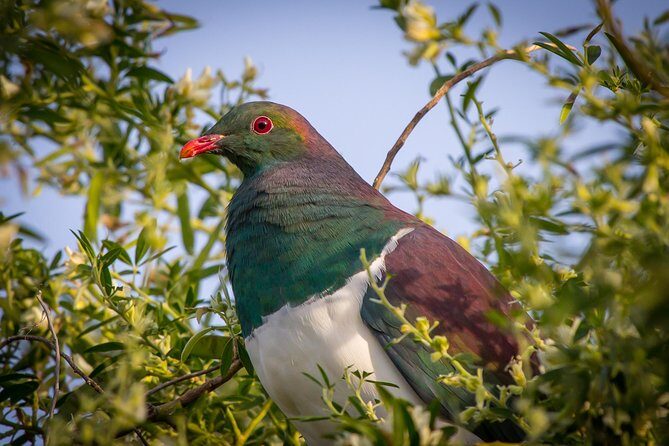
Let’s be honest: the word kiwi drives most people. But the smartest way to enjoy this tour is to treat kiwi as one possible highlight in a wider show.
Kiwi: you may see kiwi, but you might also only hear them. Either way, the twilight window gives you more chances than a standard daytime visit. More than one guide-led experience emphasizes that you can hear birds as they wake up, including kiwi calls.
Ruru (morepork): ruru can be one of those early-night sounds. If you notice a guide slowing down and listening, follow their lead. This is exactly where small details become big experiences.
Wētā and other invertebrates: twilight can be prime time for spotting unique native creatures like wētā. If you love the smaller stuff—bugs, reptiles, and oddball critters—this tour is a good fit.
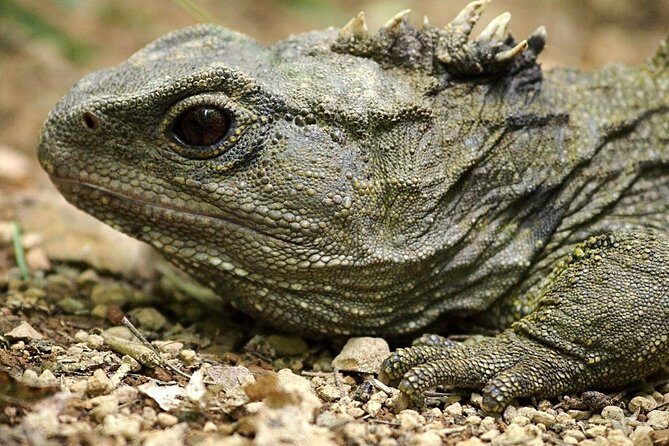
Tuatara and takahē: these are high-interest species within the sanctuary setting, and the timing gives you a shot at seeing movement rather than just reading about them.
One pattern I’d encourage you to plan for: sometimes you’ll get the sound, not the full sight. That’s still a real moment in New Zealand wildlife watching, especially in a fenced sanctuary designed to help animals recover.
Hot kawakawa tea in the forest: a small detail that matters
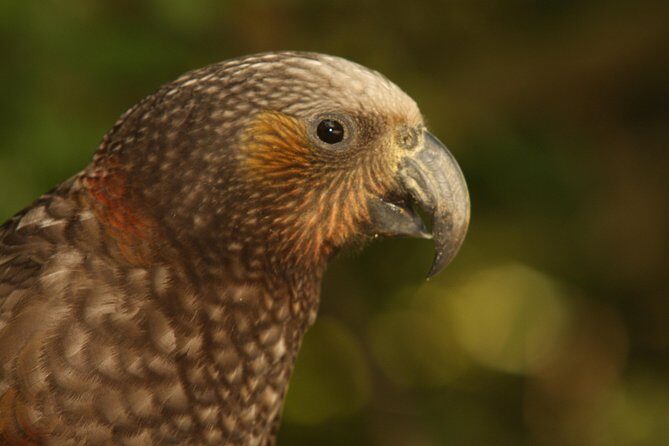
Zealandia’s twilight can get chilly. This tour includes a warming hot drink—coffee and/or tea, including hot kawakawa tea—served in the forest during the experience.
It’s more than a nice gesture. It’s also practical. When you’re standing still, listening for calls, and walking slowly, warm-up breaks keep your focus on what’s happening instead of on your discomfort. It also gives you a natural pause point, which helps you recharge before the last stretch when the night activity ramps up.
A few more Wellington tours and experiences worth a look
How long is it, and what’s the pace really like?
You’re looking at about 2 hours 30 minutes total for the twilight guided experience.
The walk itself is long enough to feel like you did something real, not just a quick loop. At the same time, it isn’t an all-day hike. Reviews and tour descriptions also point to a walk that suits moderate physical fitness levels, not a hardcore trek.
A big bonus: the group size max is 12 travelers. Smaller groups tend to work better for wildlife watching because guides can shift attention faster, and you’re less likely to block someone’s view in dense vegetation.
What to wear and bring for Wellington weather at night
This tour operates in all weather conditions. That means the forecast matters, but so does your clothing strategy.
Wear sturdy footwear. You’ll want shoes with grip for forest paths, especially as the light fades. Bring extra layers, because Wellington twilight can turn cool quickly. Add a waterproof jacket to the mix, since rain can show up without asking permission.
Also, plan to arrive early. You’re advised to show up 15 minutes before the start time. This is one of those simple rules that makes the whole experience smoother—finding the meeting spot, getting settled, and not rushing once you’re already in the conservation mood.
Getting there after dark: Karori meeting point and transport options
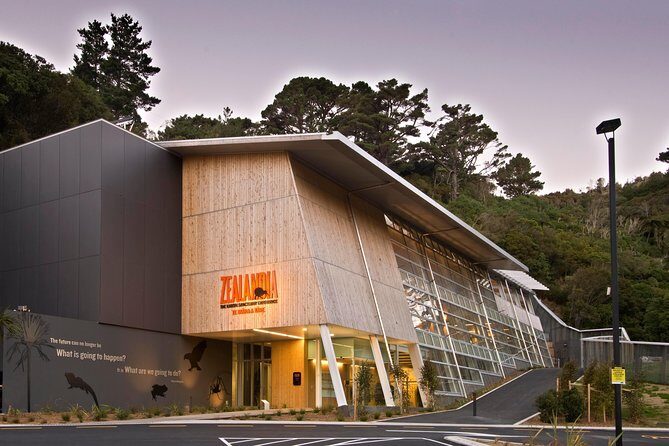
The meeting point is 53 Waiapu Road, Karori, Wellington 6012, and the tour ends back at the same point.
The good news: it’s near public transportation. The practical advice: because this is at night, the tour guidance recommends booking a taxi via your hotel concierge or calling Wellington Combined Taxis (04) 384 44 44. That’s especially helpful if you’re staying in central Wellington and don’t want to mess with timing on buses.
No hotel pickup is included, so build your plan around getting yourself to Karori for the start.
Price and value: what you actually get for $68.26
At about $68.26 per person, this tour isn’t just paying for a walk. You’re paying for three concrete value pieces:
- A guided twilight wildlife tour timed for the day-to-night shift
- Entry to Zealandia’s general admission on the day of your tour or the following day
- A warming hot drink (coffee and/or tea, including kawakawa tea)
That admission add-on is important. It turns your ticket into a two-part experience: one guided evening window, plus the option to explore more at your pace. If you arrive earlier, you can also get a better sense of the sanctuary layout before the night walk starts.
One note to keep your expectations realistic: Zealandia is a sanctuary, not a theme park with scheduled animal appearances. You’re buying your way into better odds—better timing, a guide who knows where to look, and a setting designed to help animals thrive.
Who should book this Zealandia twilight tour
This is a great choice if you:
- Want wildlife viewing with a real conservation focus, not a generic nature walk
- Like learning while you move—exhibition first, then sanctuary valley
- Care about New Zealand’s species beyond the obvious
- Enjoy being out at twilight, when the sounds change and the air feels different
It’s also a good pick for bird and nature lovers who like listening as much as looking. If you want a long, social group bus tour, this won’t be that. This is a quieter, attentive walk.
Families: children must be accompanied by an adult, and the minimum age is 5. If your group includes kids who can handle a 2.5-hour walk in real weather, it can work well.
Should you book it? My decision shortcut
Book this tour if you want the best shot at New Zealand night wildlife without the stress of planning a self-guided twilight route. The combination of small group size, hot drink comfort, and an expert-led walk timed for animal activity makes it feel like good value for the hour.
Skip it or rethink your expectations if you need guaranteed kiwi sightings. Even when the reserve is doing everything right, animals decide what they’ll show. This tour gives you the right conditions, but it can’t force a bird to appear on schedule.
If you want a memorable first Wellington nature experience, this is one of the most sensible ways to do it—quiet, educational, and timed for when the sanctuary truly wakes up.
FAQ
FAQ
What does the twilight tour include?
The tour includes a guided walking tour of Zealandia’s exhibition and sanctuary valley, a hot drink (coffee/tea including hot kawakawa tea), and entry to Zealandia as general admission on the day of or the day after your tour.
How long is the Zealandia twilight guided eco wildlife tour?
It runs about 2 hours 30 minutes (approx.).
What time does the tour start?
The exclusive twilight tours start about 2 hours before sunset.
How many people are in a group?
This activity has a maximum of 12 travelers.
What wildlife might I see or hear during the tour?
You may encounter wildlife such as wētā, takahē, tuatara, and birds. The guide may also help you hear nocturnal birds like kiwi and ruru as they wake.
Is the hot drink included?
Yes. Coffee and/or tea is served, including hot kawakawa tea, during the tour in the forest.
Is food provided?
No. Food and drinks are not included (beyond the hot drink served on the tour).
What should I wear?
Wear sturdy footwear and bring extra layers. The tour operates in all weather conditions, so pack a waterproof jacket.
Is hotel pickup included?
No. Hotel pickup and drop-off are not included, and you’ll meet at 53 Waiapu Road, Karori.
Is it suitable for kids?
Children must be accompanied by an adult, and the minimum age is 5 years.