REVIEW · STEWART ISLAND
Stewart Island: Guided Wilderness Walk
Book on GetYourGuide →Operated by RealNZ · Bookable on GetYourGuide
The Neck is where Stewart Island feels remote fast. This small-group walk pairs a return catamaran cruise with an in-the-know guide who brings Oneke, The Neck to life through Māori and European stories, plus wildlife spotting along coastal, beach, and forest tracks. I especially like that it’s not just sightseeing from the water—you get to walk the terrain with context.
The biggest practical plus is the guidance. You’ll hear real local culture and customs, and the guides leading the experience (including India and Harry) focus on practical understanding, not a memorized script, so the whole outing feels personal.
One thing to plan for: the track can be uneven and muddy, and weather can lead to a cancellation on the day, so you’ll want solid footwear and a wind-and-waterproof layer.
In This Review
- Key things I’d prioritize before you go
- Oneke, The Neck: the short boat ride that changes the whole day
- The catamaran cruise from Oban: comfort first, then the scenery
- Walking the coastal, beach, and forest trails at wilderness pace
- Oneke stories: Māori and European history in plain, practical terms
- Wildlife and plant spotting: the guide turns pauses into learning
- What about lunch? Plan your timing so you don’t get hungry
- Fitness and weather: how to dress so the trail feels doable
- Price and value: is $118 per person fair?
- Who this tour fits best
- Should you book the Stewart Island Guided Wilderness Walk?
- FAQ
- How long is the Stewart Island Guided Wilderness Walk?
- Where do I meet for the tour?
- What’s included in the price?
- Is lunch included?
- Do I need a certain fitness level?
- What should I wear?
- Is the tour guide language English?
- What if weather affects the trip?
Key things I’d prioritize before you go
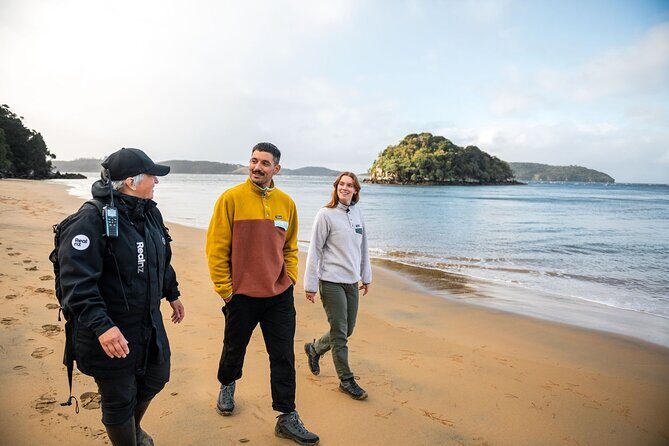
- Small-group feel (around 6 people), so you’re not just a face in a crowd
- Return catamaran transport that makes reaching Oneke straightforward
- Exclusive access to Oneke, The Neck, the remote area you can’t just wander into
- Coastal, beach, and forest trails on one guided route
- Storytelling with Māori and European history, with guides sharing language and customs
- Native wildlife spotting built into the walk, including sea lions
Oneke, The Neck: the short boat ride that changes the whole day
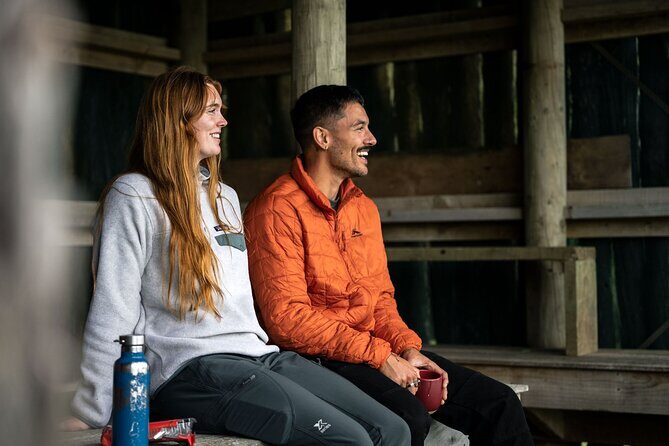
Stewart Island can feel like a place that’s always a little out of reach—and that’s exactly why Oneke is such a good goal. The experience is designed so you don’t spend the half-day trying to figure out logistics or directions. Instead, you get transport by sea first, then you’re guided onto the remote area itself.
What I like here is the way the day shifts gear. Starting on the water sets the scene: you see the coastline and you get oriented before your feet hit the trails. Then the walk turns the scenery into stories, with your guide connecting what you’re seeing to Māori and European heritage tied to the place. You come away with a sense of the land’s meaning, not just its appearance.
The practical consideration is that Oneke is a wilderness-style outing. That means you should treat it like a real walk outdoors, not a casual stroll.
You can also read our reviews of more walking tours in Stewart Island
The catamaran cruise from Oban: comfort first, then the scenery
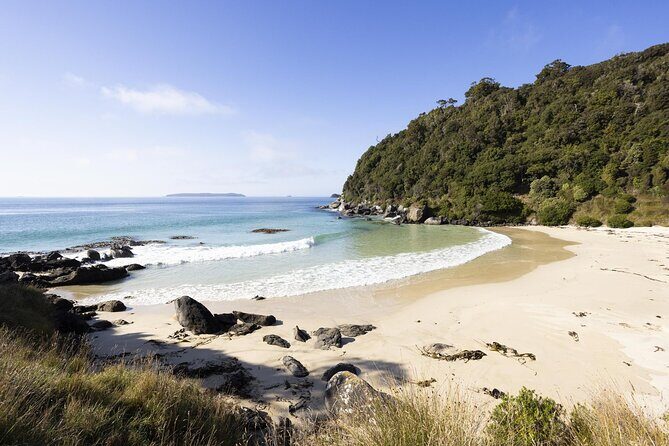
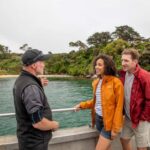
You meet at the Ferry Terminal in Oban, and it’s easy to get to on foot from the main road. I’d plan to arrive about 30 minutes early so you can check in without rushing—this is one of those experiences where being calm makes the whole day nicer.
The tour then starts with a return sea cruise on a comfortable catamaran. Even though it’s not the entire time on the water, it sets up the outing. You’re moving along the coastline with time to look, notice birds and wildlife, and spot what the guide will later point out from the trail.
This matters for value: if you’ve only got a half-day on Stewart Island, a guided boat-and-walk combo gives you two different viewpoints in one go. You’re not paying for transport alone; you’re paying for transport that feeds into interpretation and on-foot access.
Walking the coastal, beach, and forest trails at wilderness pace
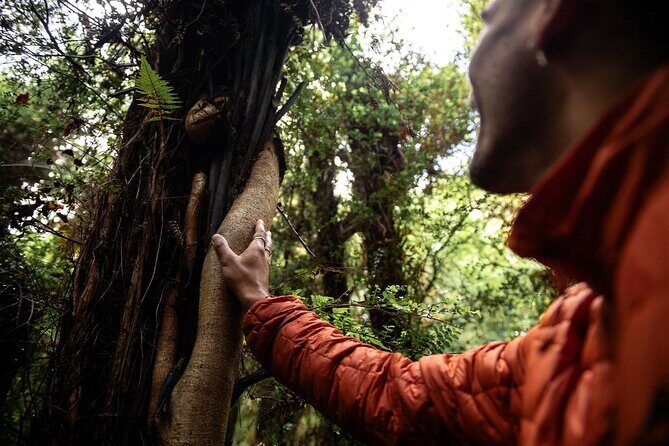
Once you land at Oneke, the guide leads a route across coastal, beach, and forest trails. The walking time fits a half-day pace, but don’t mistake that for being effortless. The tour notes call for a reasonable level of fitness because the ground can be uneven and muddy at times.
I like that this mix of trail types changes the feel every segment. Coastal and beach sections tend to be exposed and wind-sensitive, while forest parts can feel cooler and more sheltered. That variety also helps you see why the guide’s stories matter—you’re experiencing multiple parts of the environment instead of repeating the same view for hours.
Your best move is to dress for wet, not for sun. A wind and waterproof jacket matters here. If you’re the type who hates slippery boots, this is the day to pick the grippiest footwear you own.
Oneke stories: Māori and European history in plain, practical terms
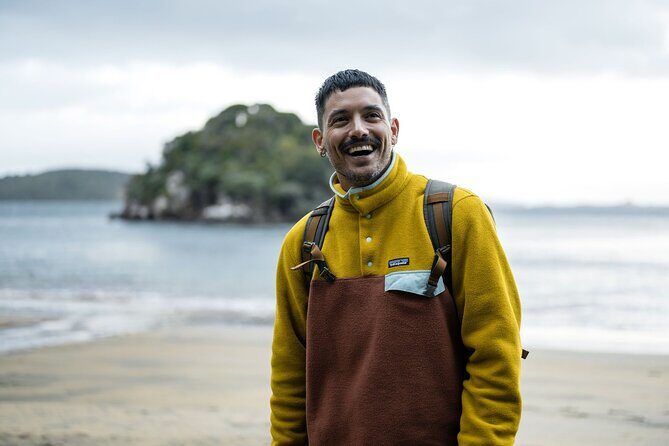
The most praised part of this experience is the storytelling. Guides on this outing—such as India and Harry—focus on cultural and historical context, including Māori language and customs. That practical cultural layer is a big deal because it changes how you interpret what you see outdoors.
Instead of treating history like a lecture, the guide ties it to the place as you walk. You’ll hear about Oneke and the people connected to it, and you’ll learn how Māori and European histories overlap in how this area has been used and understood. In the process, you also get guidance on etiquette and customs, delivered in a way that makes you feel welcome and at ease.
One possible drawback is also the most obvious one: because this is a walk, the stories are paced alongside movement. If you’re hoping for long, stop-and-stare moments, you may find the day moves at a steady walking rhythm.
Wildlife and plant spotting: the guide turns pauses into learning
The tour includes native wildlife spotting built into the experience, not as a random bonus. From the feedback I’ve seen, sea lions are a standout moment on the walk, along with local birds and other fauna you might spot during coastal portions.
The real value is how the guide helps you look. When someone knows what to point out—and when to point it out—you spend less time scanning blindly and more time actually seeing. Add in plant spotting and local legends, and the trail starts to feel like a guided field lesson without being overly formal.
This is also why small groups help. When there are only about 6 participants, it’s easier for the guide to stop, explain, and re-group without losing half the group in the undergrowth.

What about lunch? Plan your timing so you don’t get hungry
Lunch is not included, so you’ll want to plan food either before you go or after you return to Oban. Since the total duration is 200 minutes, you should think of this as a half-day activity that ends while you’re still ready to eat, rather than one that covers the whole day.
If you’re traveling in a group, it helps to coordinate food plans in advance—otherwise everyone starts negotiating where to eat once you’re back. I’d rather you treat lunch like part of the trip planning, not an afterthought.
Fitness and weather: how to dress so the trail feels doable
This walk can be muddy and uneven, and sometimes weather means the trip may need to be canceled. That’s not a flaw—it’s the reality of going onto remote coastal terrain.
Here’s what to do so you’re comfortable:
- Wear adequate footwear with grip for mud and uneven ground
- Dress for warmth, and bring a wind and waterproof jacket
- Expect the weather to be changeable around the water and shoreline
Also, make sure you’ve got reliable contact details so the operator can update you if conditions require changes. If you’re the type who hates surprises, this is worth double-checking when you book.
If you can handle damp ground and a steady walking pace, you’ll likely find the day enjoyable. If you can’t, you’ll spend too much time thinking about your feet instead of the place.
Price and value: is $118 per person fair?
At $118 per person for a 200-minute guided half-day, you’re paying for a bundle: expert guidance, access to Oneke, and return boat transport. It’s not cheap, but it’s also not just a sightseeing ticket.
You’re getting several value drivers at once:
- You’re transported by sea on a catamaran, which is usually the hardest part of reaching remote spots
- You get exclusive access to Oneke, The Neck, rather than general viewing
- The guide isn’t just talking about what you can see—they’re adding cultural context and practical meaning
- The experience includes wildlife spotting and guided interpretation along multiple trail types
For me, this is the kind of activity that earns its price when you care about context. If you only want views and don’t care about Māori and European stories, you might feel like you paid for guidance you didn’t use. If you do like learning while you walk, it feels like a strong use of a limited time on Stewart Island.
Who this tour fits best
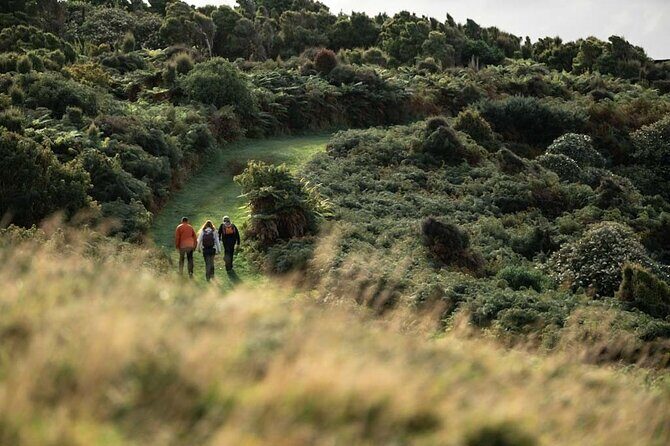
This guided wilderness walk is a great match if you want an outdoors day with meaning. It suits you if you like hands-on learning—seeing coastal, beach, and forest environments—and you’re happy walking on uneven ground.
It’s also a good pick if you enjoy small-group experiences. Around 6 people helps keep the vibe calmer and makes it easier for the guide to manage both the stories and the stops for wildlife spotting.
If you have mobility limitations or you dislike muddy, uneven terrain, you may want to choose something less wilderness-focused. The requirement for reasonable fitness isn’t just a box-tick; it affects whether the day feels fun or stressful.
Should you book the Stewart Island Guided Wilderness Walk?
I’d book it if you’re excited by guided interpretation and you don’t want your Stewart Island day to feel like travel logistics. The combo of catamaran access, exclusive Oneke access, and storytelling led by guides like India and Harry is the core reason this tour works.
I’d skip it only if muddy, uneven ground sounds like your personal worst. This isn’t a sit-and-smile option. It’s a guided wilderness walk where the best moments come from paying attention—watching for wildlife, listening for local stories, and moving at a steady outdoor pace.
If that sounds like your kind of day, this is one of those half-day tours that can anchor your trip.
FAQ
How long is the Stewart Island Guided Wilderness Walk?
The tour duration is about 200 minutes.
Where do I meet for the tour?
You meet at the Ferry Terminal in Oban, Stewart Island. Plan to arrive about 30 minutes before departure.
What’s included in the price?
The experience includes a half-day walk with a local guide and return boat transport.
Is lunch included?
No, lunch is not included.
Do I need a certain fitness level?
Yes. A reasonable level of fitness is required because the track can be uneven and muddy.
What should I wear?
Wear adequate footwear and dress for warmth, ideally with a wind and waterproof jacket.
Is the tour guide language English?
Yes, the live tour guide speaks English.
What if weather affects the trip?
On occasions, the trip may need to be canceled due to weather. You should provide contact information so you can be updated.