REVIEW · TAURANGA
Tauranga History and Culture
Book on Viator →Operated by Travel Ed t/a Mana Māori Experiences · Bookable on Viator
Tauranga history has a voice. This is a small-group Māori cultural experience led by a family operator from the Tauranga tribal area, with a storyteller guide who ties sites to real ancestry and real community. You also get a practical plan for the day: short drives, a few focused walks, and steady stops that make the timeline of Aotearoa feel close and clear.
I especially like the way the story moves backward and forward in time, starting with Kupe’s arrival around 925AD and then stepping into later conflict and colonisation. I also appreciate the payoff of a hands-on New Zealand food break at Patrick’s Pies Gold Star Bakery, so the history doesn’t feel like it’s happening in theory.
One thing to consider: there’s walking, and the tour notes it may be challenging if you find walking for 20 minutes or more difficult. If that’s you, plan to wear supportive shoes and be ready for shorter on-foot stretches in different stops.
In This Review
- Key highlights you’ll care about
- From Mount Maunganui to Tauranga’s turning points
- How the small-group format changes everything
- Kupe around 925AD: wayfinding ideas you can picture
- 1828 and the collision of communities
- The Mission House stop: memory inside old walls
- Gate Pa Memorial Reserve: carvings with a story
- Tahuwhakatiki Marae: community connections, not a performance
- Patrick’s Pies stop: where New Zealand food fits the day
- Summerhill Charitable Trust: harbour views as a reset
- Timing, pace, and what to wear
- Price and value: what you’re really paying for
- Who should book this Tauranga Māori experience?
- Should you book Travel Ed’s Tauranga culture day?
- FAQ
- What is the duration of the tour?
- How much does the tour cost per person?
- Where do I meet for the tour?
- Is pickup offered?
- What’s included in the price?
- Is lunch included?
- How many people are in the group?
- What stops and themes will I see?
- Is there walking during the tour?
- Can I bring a service animal?
- What if I need to cancel?
Key highlights you’ll care about
- Small group size (maximum 9) with a guide who can slow down for questions
- Aotearoa timeline that starts at 925AD with Kupe and Polynesian wayfinding ideas
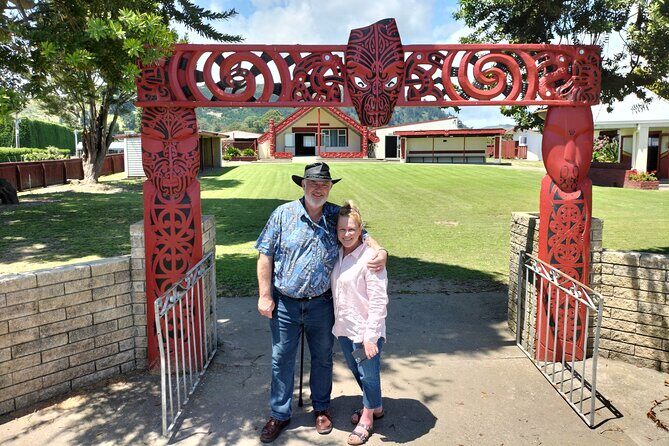
- Gate Pa Memorial Reserve with time on the ground for carvings and the meaning of the 1864 battle
- Tahuwhakatiki Marae where you can hear local connections and community stories firsthand
- Patrick’s Pies stop for a classic New Zealand pie break (lunch not included, but you’ll know where to go)
- Harbour views from Summerhill to end the day with perspective over Tauranga
From Mount Maunganui to Tauranga’s turning points
Tauranga’s story doesn’t start in a museum room. It starts on the move. You’ll meet at Port of Tauranga Ltd on Salisbury Avenue in Mount Maunganui, then head out in an air-conditioned vehicle with a local guide who begins sharing stories while you drive.
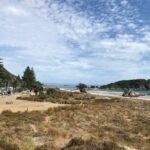
The first part of the day is built for getting oriented fast. As you pass Mount Maunganui, you’ll take in the beaches and coastline scenery that make Tauranga feel like more than a stop on the way to somewhere else. Then the drive gets you into Tauranga, where the guide’s storytelling becomes the thread that connects each location.
This matters because you’re not just collecting facts. You’re learning how place, names, and events connect—especially for a Māori family operator with deep ties to the Tauranga tribal area.
You can also read our reviews of more historical tours in Tauranga
How the small-group format changes everything
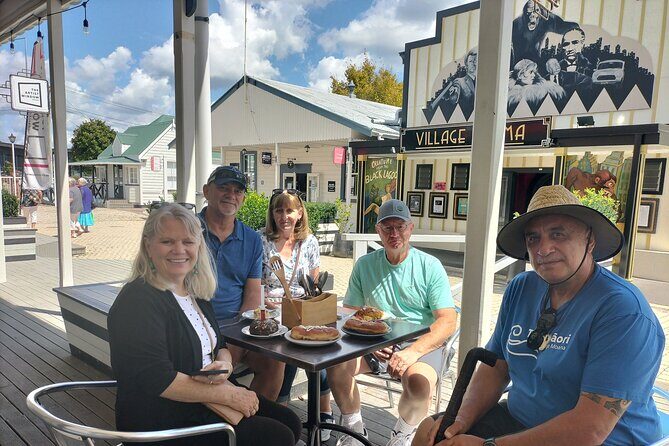
This is a tour with a cap of 9 travelers and a minimum group size of 4 to run. That small size isn’t a marketing detail; it changes the day.
With fewer people, the guide can:
- slow down when you ask follow-up questions
- point out details you might miss if you were moving through too fast
- keep the pace comfortable across a 5.5-hour outing that still includes time on foot
The operator, Travel Ed (t/a Mana Māori Experiences), frames the day as education tied to real-life experiences and learning outcomes across cultures. You’ll feel that in the way the story is structured: it’s not just events, it’s meaning—why these sites mattered to people at the time, and why they’re still important now.
And if you’re hoping for a teacher-style guide, pay attention to the name Les. Many high marks in the feedback point to Les as a Māori educator who “touched the heart” and made the history feel alive through personal teaching.
Kupe around 925AD: wayfinding ideas you can picture
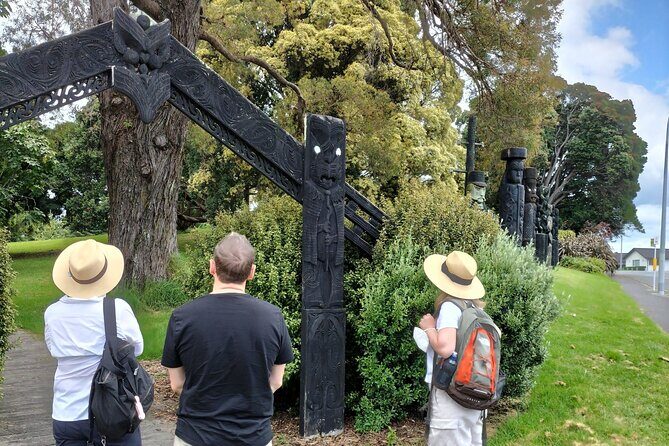
One of the first major stops focuses on Tauranga and the arrival of Kupe around 925AD, described as the first known Polynesian explorer to reach Aotearoa from Hawaiiki. Even if you’ve heard the name Kupe before, this stop is about how stories travel with people—and how navigation and knowledge worked long before modern maps.
You’ll also see an example related to Polynesian wayfinding, including a Polynesian compass (Te Kāpeh) reference. The value here is practical: it helps you connect the legend to a tangible tool and a way of thinking. It’s easier to remember a story when it’s tied to something you can visualize.
Tip for you: if you’re the type who likes to learn by asking, this is a good time to ask what details the guide emphasizes about the meaning of exploration stories, not just the date.
1828 and the collision of communities
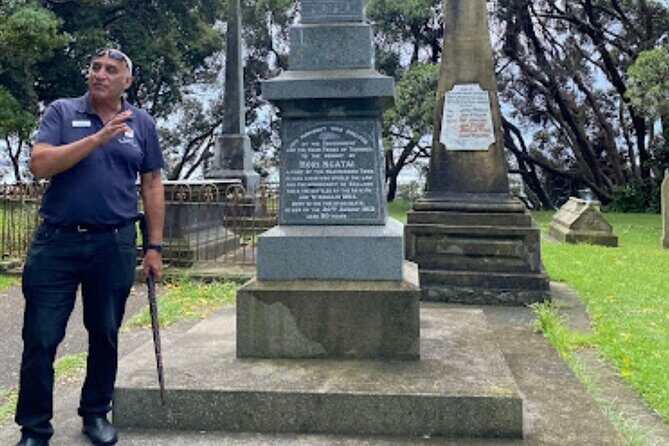
After the Kupe-era grounding, you’ll drive a short distance into a later period—1828—a time described as inter-tribal conflict alongside the arrival of settlers, missionaries, and British colonial forces.
This section matters because it shows a shift from earlier arrival and settlement stories into the pressures and upheavals that followed. It also helps you see how Māori history isn’t a single straight line. It’s change, resistance, adaptation, and ongoing community life.
The guide will point you toward the significance of what happened there, and how that context connects to what you’ll see next—especially around the Mission House.
The Mission House stop: memory inside old walls
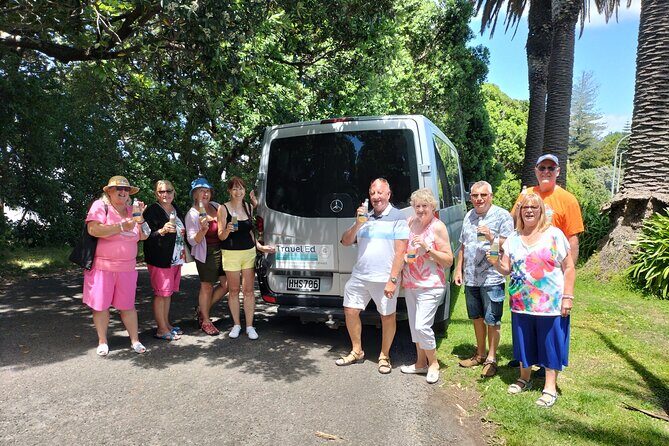
You’ll stop briefly to view the Mission House, noted as having relevance for the conflict that followed. It’s also highlighted as the oldest free standing library in New Zealand.
That combination is worth your attention. A mission building and a library aren’t neutral objects. They’re symbols of systems—learning, authority, and contact—showing up in architecture. Seeing the place in person (even briefly) gives you a real sense of how history can be physically present in a town.
Because this stop is short, keep your focus narrow: look at the significance the guide gives to the building’s role in the events you just heard about.





Gate Pa Memorial Reserve: carvings with a story
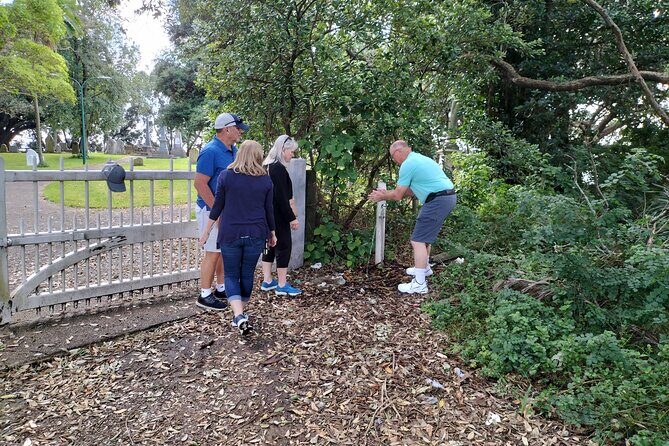
Now you’re stepping into one of the hardest-hitting locations of the day: Gate Pa Memorial Reserve.
Here, you learn about the 1864 battle between colonial troops and local Māori tribes. You won’t just hear the big headline. You’ll walk through the reserve and learn about carvings—what they show, what they represent, and how they connect to the conflict.
This is also a stop where the guide’s family connections matter. The strongest praise in the feedback repeatedly focuses on guides who can share details only a tribe member could. Gate Pa is exactly the kind of site where that kind of context helps you read the carvings instead of just seeing them.
Practical note: wear shoes you can trust. Even if the walk portions are described as manageable, this is still time on the ground.
Tahuwhakatiki Marae: community connections, not a performance
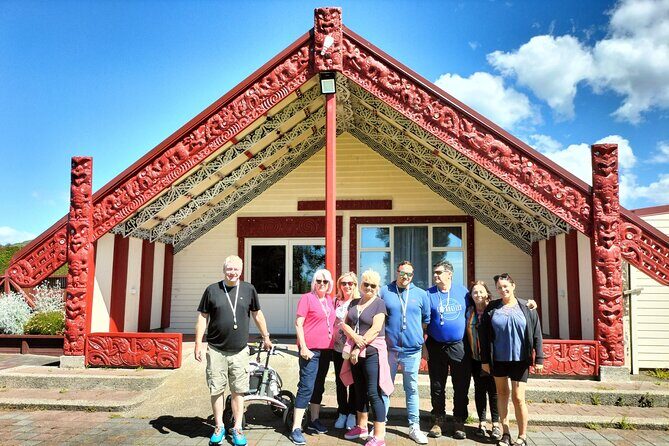
Next comes Tahuwhakatiki Marae. This is where the tour shifts from battle sites and historic buildings toward living Māori community connections.
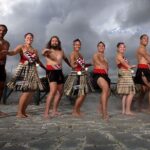
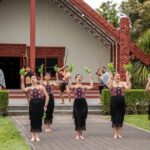
You’ll be taken into a local marae setting and spend time learning traditions, connections, and stories. The goal is clear: you should leave with a stronger understanding of local Māori culture and a sense of community—how people connect, not only what happened in the past.
You should also be prepared for this to feel different from a “see it, snap it, move on” stop. A marae is a place with protocols and meaning, so it’s wise to keep your questions thoughtful and your phone use respectful if you’re unsure. (The tour notes the experience is focused on learning outcomes across cultures, so treat it like a class, not a photo safari.)
One review response to the lack of a dance is a reminder: don’t book this expecting a specific stage performance. This day is structured around storytelling, sites, and understanding.
Patrick’s Pies stop: where New Zealand food fits the day
After the heavier history, you’ll take a break at Patrick’s Pies Gold Star Bakery Tauranga. This stop is set aside so you can experience an icon of New Zealand culinary culture: the humble pie.
The bakery is described as a 9 times New Zealand pies supreme award-winning bakery, which gives you a good reason to treat it like more than a snack. You’re paying for time and atmosphere in the middle of a long cultural day.
Lunch isn’t included, and the tour says you can purchase an iconic pie at this stop or a similar option. I like this setup because it gives you control. You can match your budget and appetite, and you can keep the day moving without anyone forcing a full sit-down meal.
Tip for you: if you’re sensitive to crowds or queue times, arrive ready to order quickly, then return to the group without lingering. This keeps the pacing of the day intact.
Summerhill Charitable Trust: harbour views as a reset
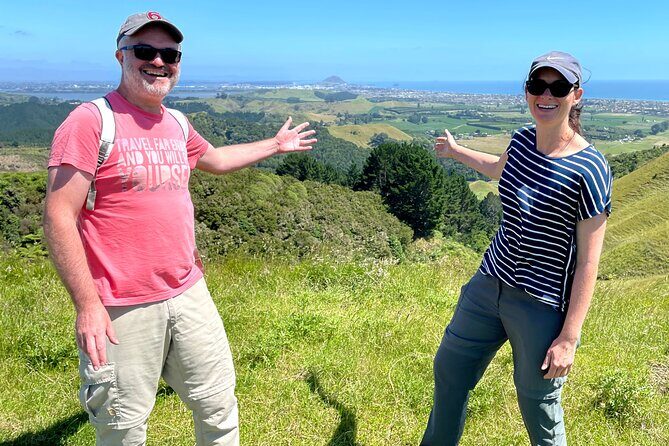
Near the end, you’ll head to Summerhill Charitable Trust for views over Tauranga Harbour and the coastline from surrounding hills.
This stop is shorter, but it plays a useful role. After hours of listening and walking through memory-rich places, you get a chance to look outward and reset. Views do more than look nice. They help you place the whole story in geography—coastline, harbour edges, and the sense of where people built lives.
It’s also the moment to check your energy. If you’ve been holding back because you worried about walking, this is a good point to breathe, take a few photos, and feel caught up.
Timing, pace, and what to wear
The duration is about 5 hours 30 minutes, and travel time is included. The day is broken into multiple short stops, with a few segments involving walking (the tour flags that walking around 20 minutes or more could be challenging).
Here’s what you can do to make the day easier:
- wear supportive shoes that handle uneven or outdoor surfaces
- bring sun protection and a light layer, since coastal weather can change
- plan to ask questions as they come up, rather than waiting until the end
Group size is small, and pickup is offered, so the logistics are built to be low-stress. Still, this isn’t a purely “sit on a bus” tour. You’re getting up and moving often enough to stay engaged and actually see what the guide is referring to.
Price and value: what you’re really paying for
At $129.84 per person, you’re paying for a guided cultural education experience in Tauranga, not just transportation. The tour includes an air-conditioned vehicle, all fees and taxes, and bottled water—specifically locally produced natural Mānuka sparkling water.
Most of the stops are marked with free admission in the tour details, which helps justify the pricing. You’re not paying for ticketed attractions so much as you’re paying for:
- a family-anchored storyteller guide
- time at significant sites where context matters
- a small group format
- a structured timeline across several key historical periods
Lunch is not included, but the pie stop is clearly laid out. You can treat it as your optional meal plan rather than a hidden extra.
If you’re deciding between a generic “history drive” and this style of guided cultural storytelling, this tour’s value comes from the guide’s personal framing and the sequence of places—Kupe-era wayfinding, later conflict, Gate Pa’s carvings, and a marae visit.
Who should book this Tauranga Māori experience?
This tour fits best if you:
- want a story-led way to learn Māori and Tauranga history
- like a timeline that connects people to places
- prefer a small group where you can ask questions
- don’t need a formal show to enjoy the cultural content
It may be less ideal if:
- you can’t manage outdoor walking segments that may add up to 20 minutes or more
- you expect a large number of scenery-heavy stops, since some are brief but meaningful
If you do book, lean into the lesson mindset. This is a day built around conversation, reflection, and learning—not a checklist.
Should you book Travel Ed’s Tauranga culture day?
I’d book it if you want Tauranga history with a human voice attached to it. The strong points are the small-group size, the guide-led teaching approach (with Les singled out in feedback as a true teacher type), and the way the day links Kupe-era themes through later conflicts and into marae community connection.
You’ll need to be comfortable with a moderate amount of walking and a schedule that includes short stops rather than long scenic wandering. But if that works for you, this is a high-value cultural experience that helps you understand more than just dates and names.
If you’re in Tauranga for more than a day and you want one meaningful guided moment that connects the coast to community history, this is a very solid choice.
FAQ
What is the duration of the tour?
The tour lasts about 5 hours 30 minutes.
How much does the tour cost per person?
The price is $129.84 per person.
Where do I meet for the tour?
You start at Port of Tauranga Ltd, 2 Salisbury Avenue, Mount Maunganui 3116, New Zealand, and the tour ends back at the meeting point.
Is pickup offered?
Yes, pickup is offered.
What’s included in the price?
Included are an air-conditioned vehicle, all fees and taxes, and bottled water (including locally produced natural Mānuka sparkling water).
Is lunch included?
No. You can purchase food at Patrick’s Pies Gold Star Bakery Tauranga or a similar bakery.
How many people are in the group?
The tour has a maximum of 9 travelers and requires a minimum of 4 guests for the tour to proceed.
What stops and themes will I see?
You’ll learn about Kupe around 925AD, visit sites connected to 1828 conflict and later events, see the Mission House (including its note as the oldest free standing library in New Zealand), walk through Gate Pa Memorial Reserve, visit Tahuwhakatiki Marae, and get views from Summerhill Charitable Trust, with a stop at Patrick’s Pies.
Is there walking during the tour?
There may be walking, and it could be challenging for those who find walking for 20 minutes or more difficult.
Can I bring a service animal?
Yes, service animals are allowed.
What if I need to cancel?
You can cancel for free up to 24 hours before the experience’s start time for a full refund.