REVIEW · TONGARIRO NATIONAL PARK
Tongariro Alpine Half Day Guided Group Walk
Book on GetYourGuide →Operated by Adrift Tongariro Guiding · Bookable on GetYourGuide
Volcano views in just four hours. This Tongariro Alpine Half Day Guided Group Walk gives you a smart taste of the Tongariro Crossing, walking among volcanic scenery toward Soda Springs with explanations along the way. You’ll also get close to the base of Mt Ngauruhoe, plus a rare little “pause” spot where you can refill with pure spring water.
Two things I really like about this tour: you’re in a small group (limited to 10), which helps on narrow sections and keeps the pace friendly; and you learn as you walk, with guides talking geology, eruptions, and local plant and animal life. The included gear support also makes it feel low-stress—especially in colder months when crampons and ice axes may come out.
One drawback to plan around is weather. On a cold, rainy day you can still have fun and safety stays solid, but low cloud can cut down the views you hoped for, and you’ll need to dress like you mean it.
In This Review
- Key Highlights You’ll Feel on the Trail
- Why This Half Day Version of Tongariro Works for Most People
- Meeting Up at 53 Carroll Street: The Simple Start
- Safety Briefing and Gear: What’s Covered (and Why It’s a Big Deal)
- The Walk Begins on the Tongariro Alpine Crossing Track
- The Soda Springs Stop: Water, Morning Tea, and Living Plants
- At the Base of Mt Ngauruhoe: Seeing Volcanic Country Up Close
- Optional Upgrade: Returning or Continuing Toward the Full Crossing
- What You Should Pack (So Cold and Rain Don’t Steal the Day)
- Price and Value: Is $209 a Fair Deal?
- How Weather Can Change Your Experience (and How to Handle It)
- Who This Tour Suits Best
- Should You Book This Tongariro Half Day Guided Walk?
- FAQ
- How long is the Tongariro Alpine Half Day Guided Group Walk?
- Where is the meeting point?
- How many people are in the group?
- Do I need alpine experience?
- What hiking gear is included, and what do I need to bring?
- Is food or lunch included?
Key Highlights You’ll Feel on the Trail
- Small group size (max 10) keeps the walk calmer and easier to manage
- Start on the Tongariro Alpine Crossing track, not just a viewpoint stop
- Soda Springs water refill + morning tea, a practical comfort break
- Mt Ngauruhoe base scenery with on-the-spot geology context
- Winter-ready equipment (crampons and ice axes if needed) included
- Optional upgrade at Soda Springs to complete more of the Crossing if conditions allow
Why This Half Day Version of Tongariro Works for Most People
The Tongariro Crossing is famous for a reason, but doing the full day can be tough if you’re short on time, traveling with kids, or you just want a controlled hike rather than a long slog. This half-day version keeps the core “volcano walking” feeling while cutting the commitment down to about four hours total.
You also don’t need prior alpine experience. That matters because the terrain can feel intimidating on paper, yet this tour is set up for a wide range of fitness levels. The guides are there to pace you and keep you oriented, so you can focus on seeing and learning instead of worrying about what comes next.
You can also read our reviews of more walking tours in Tongariro National Park
Meeting Up at 53 Carroll Street: The Simple Start
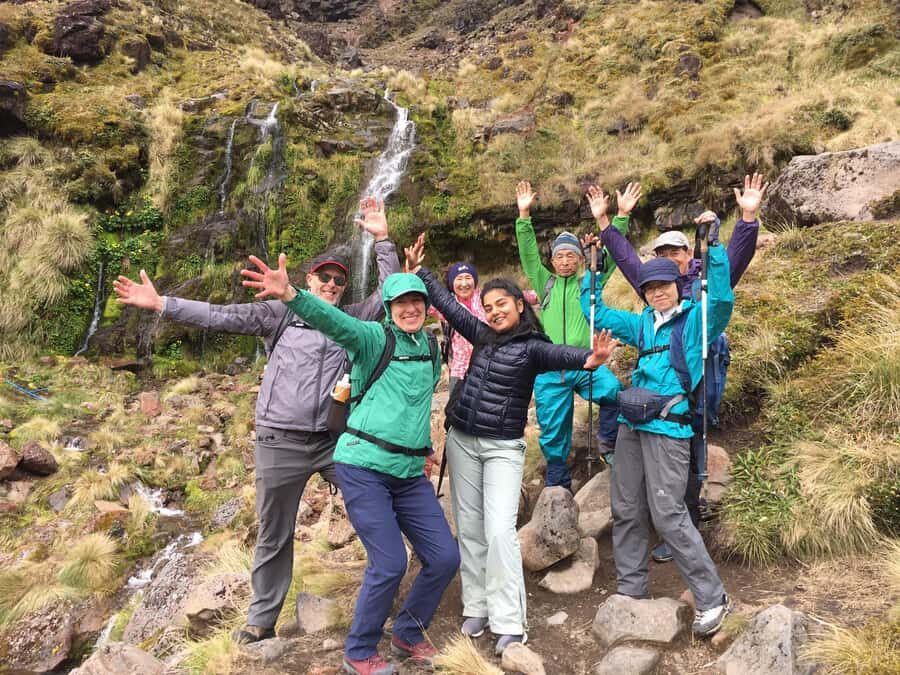
Your day starts at 53 Carroll Street. Before anything begins, you’ll check in with your voucher number at the ticket counter and look for the blue sign on the storefront.
From there, the schedule is straightforward: you’ll get a safety briefing (about 20 minutes), then ride by coach (about 25 minutes) to the park area. This matters because it compresses the “prep” time before you’re actually hiking—less time figuring things out when your legs are already getting cold.
Safety Briefing and Gear: What’s Covered (and Why It’s a Big Deal)
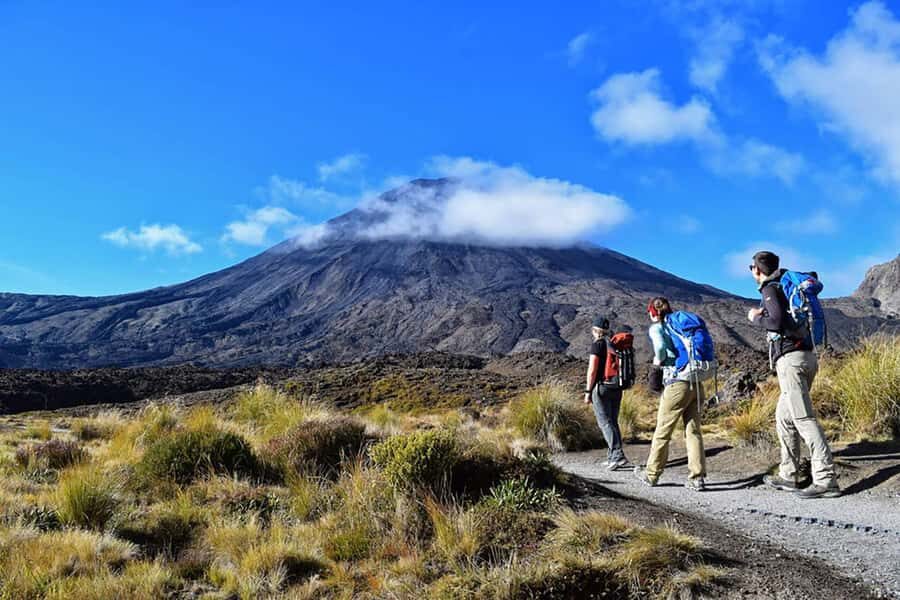
One of the most practical parts of this tour is the equipment plan. You’re provided with all mountain equipment required, including crampons and ice axes during winter. If winter conditions apply, you’re not left to improvise with whatever you packed in your suitcase.
You’ll also get a NZD 60 footwear and clothing allowance for items you might need to supplement. And if your own gear is limited, there’s the option to hire personal equipment footwear and clothing at Adrift Tongariro.
The tour’s comfort level also comes down to how they think about layering. You get a clear list of what to bring for summer and winter, and it’s detailed for a reason: Tongariro weather can flip fast. Even when it’s technically “summer,” mornings at altitude can feel like winter unless you’re ready.
The Walk Begins on the Tongariro Alpine Crossing Track
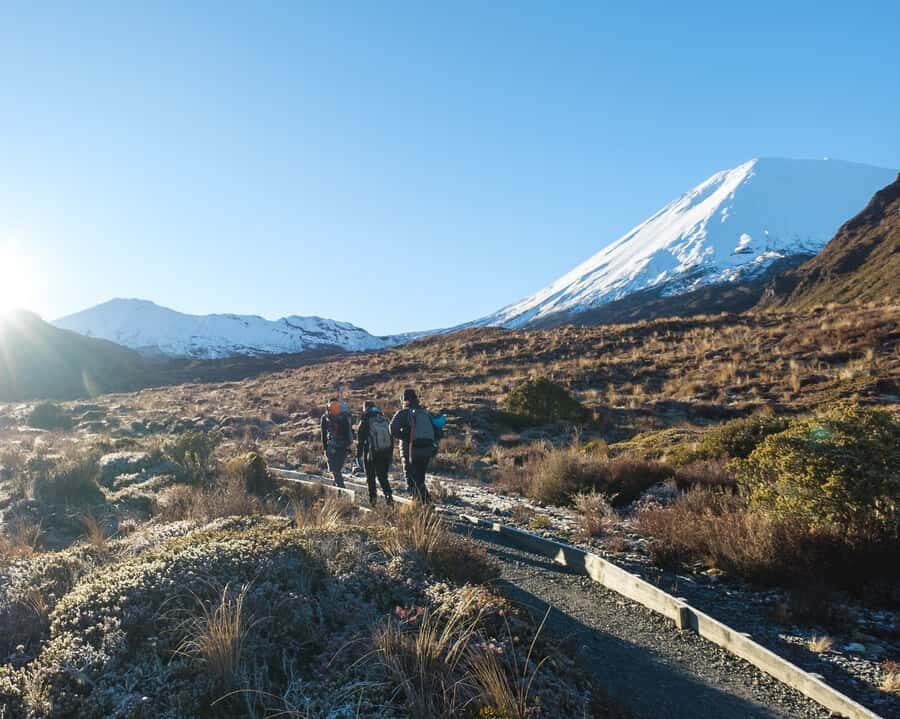
The walking portion is guided and designed as an “intro” route. You’ll start on the Tongariro Alpine Crossing track and head up toward Soda Springs, with about three hours on foot.
This isn’t just a scenic stroll. It’s an easy walk in the sense that it’s accessible and manageable, but you’re still moving through real alpine terrain. The trails are described as well maintained and pretty easy to navigate, which helps a lot if you’re not used to hiking in volcanic country.
Along the route, the guide commentary turns the scenery into something you can understand. You’ll learn about past eruptions and what that means in the rocks under your boots. You’ll also pick up info on local flora and fauna—small details that you’d likely miss if you were hiking alone.
The Soda Springs Stop: Water, Morning Tea, and Living Plants
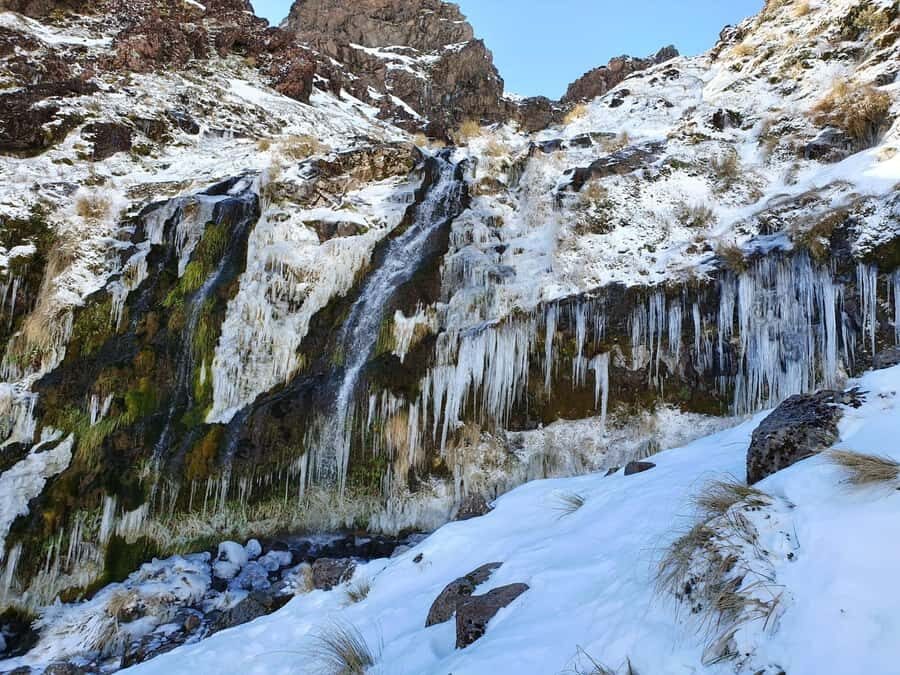
Soda Springs is the tour’s key “comfort and meaning” moment. The walk ends here for most guests, where Mt Ngauruhoe’s cold water creates a small oasis of lush yellow mountain buttercups and white foxgloves. It’s a cool detail because it shows how life adapts to harsh-looking volcanic terrain.
You also get to refill your water bottles with Tongariro pure spring water. That’s one of those small logistics wins that can save you from carrying extra weight and helps you stay hydrated without guessing whether your water plan is solid.
Morning tea is included here, which turns the stop from a quick breath into an actual reset. The guide uses this time to talk about Tongariro and New Zealand in a broader way—recent and past eruptions, geology, flora and fauna discovery, and settlement context. Even if you think you know volcano basics, these talks tend to make the whole region feel more grounded and human.
One practical note: the tour description doesn’t include beverages, water, or snacks beyond the morning tea. So you’ll want to treat this as a hike where you follow the packing list and rely on the included tea stop rather than expecting extra food along the way.
You can also read our reviews of more guided tours in Tongariro National Park
At the Base of Mt Ngauruhoe: Seeing Volcanic Country Up Close
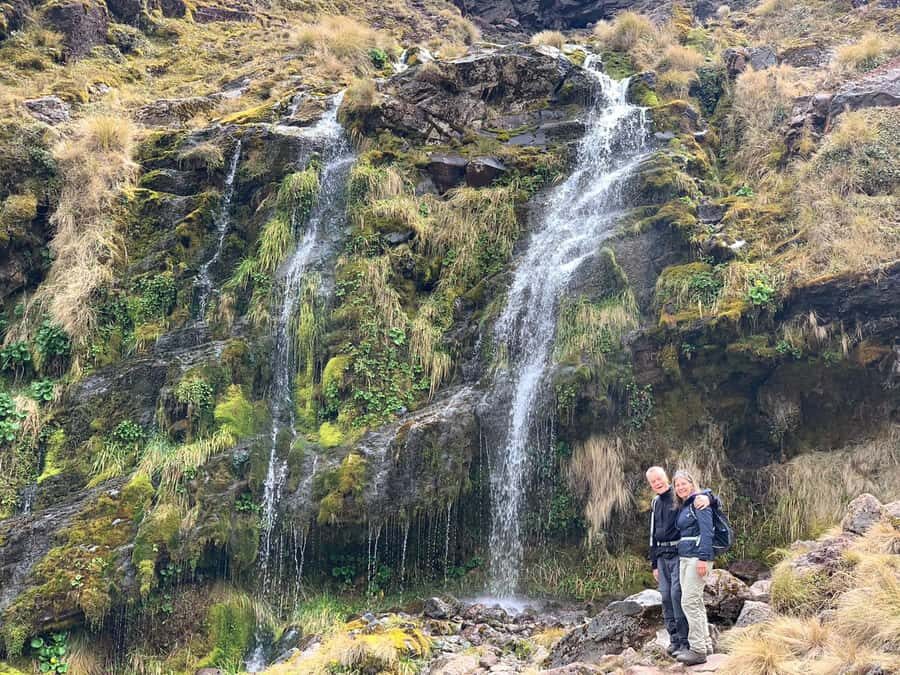
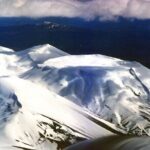
You’ll walk around the base of Mt Ngauruhoe. This is where the Tongariro Crossing’s drama becomes more than marketing photos. Ngauruhoe’s presence gives the whole area a “you are here” reality, and the guide helps connect that feeling to geology you can actually picture.
Why this is valuable: volcano landscapes can look similar at a distance, but the guide explanations help you notice differences in rock types, formation processes, and how eruptions shaped the trail experience. You’re not just snapping pictures; you’re building a mental map of what you’re standing on.
It’s also a useful moment for families. Kids (and adults who pretend they’re not curious) often respond well when the guide points out the small plant life and explains why it survives here. It turns a hike into a story you can follow step by step.
Optional Upgrade: Returning or Continuing Toward the Full Crossing
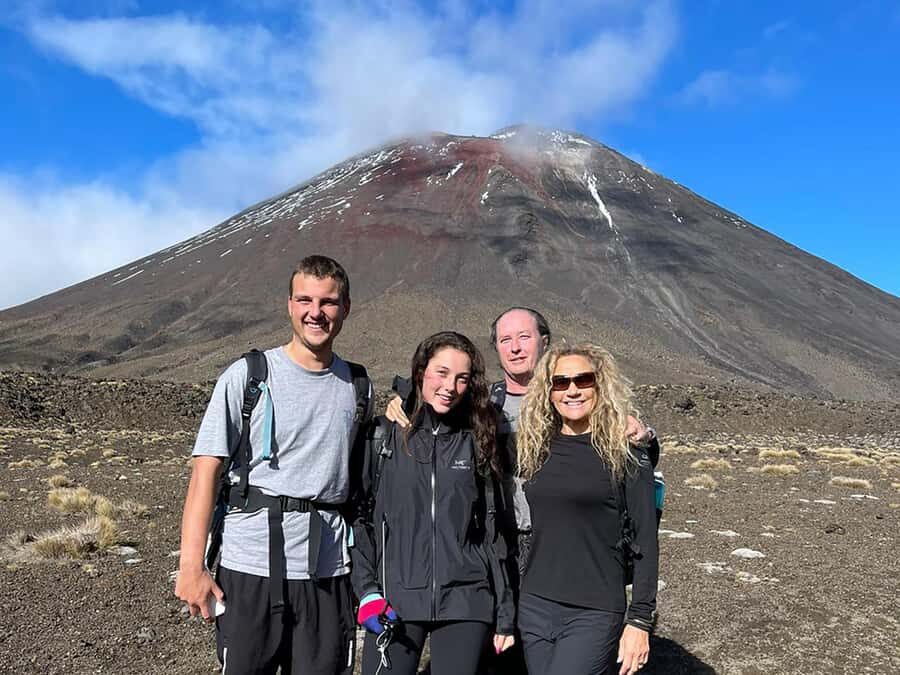
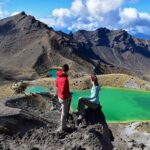
At Soda Springs, you’re offered a choice. You can return to the start or, if conditions and logistics allow, upgrade to complete more of the Tongariro Alpine Crossing, including Blue and Emerald Lakes.
This option is worth paying attention to because it gives you flexibility. If the weather is cooperating and your energy matches the day, you have a pathway to see more of the iconic route. If conditions turn rough, you’re not forced into a long day; you can stop at the half-day point and still feel like you got the core experience.
What You Should Pack (So Cold and Rain Don’t Steal the Day)
Tongariro weather is the main variable, and the tour’s own packing guidance is solid. Here’s how to think about it:
Summer packing mindset: even in warmer months, bring water (about 1.5–2 litres), sunscreen, sunglasses, and a sun hat. Add layers anyway: a warm top layer or two, plus a waterproof raincoat. Winter-cold has a way of showing up when wind and cloud roll in.
Winter packing mindset: water (about 1–1.5 litres), thermal layers, warm hat, and gloves become non-negotiable. Bring hiking boots with grip and over-trousers if you have them. Sunscreen still matters, because brightness at altitude can surprise you.
Also, don’t treat “personal medication” as a check-the-box item. Bring what you rely on (examples include an asthma inhaler and blister protection), because you’re active for hours and the trail environment can be more demanding than a city walk.
Price and Value: Is $209 a Fair Deal?
At $209 per person for a half-day, you might wonder if it’s “too much” for a few hours on a trail. Here’s the value angle that makes it make sense for many people.
You’re paying for three big things:
- Guided interpretation that turns the walk into something you understand (geology, eruptions, flora and fauna, plus broader New Zealand context)
- Equipment support, including winter traction gear when needed
- Transport between the local base and the activity site, so you’re not solving logistics after you’ve already arrived
You’re not paying for lunch or extra drinks, so budget for your own snacks if you snack outside the tea stop. But you are getting a guided experience that’s designed to be accessible, with safety and gear handled for you.
And if you’re traveling as a family, the small group size (max 10) can be a real quality-of-experience multiplier. It’s easier to manage questions, pacing, and route guidance.
How Weather Can Change Your Experience (and How to Handle It)
One of the most honest things you need to know is that this area can be cold and rainy, and cloud can reduce visibility. That can make the views less dramatic than the clear-weather photos you’ve seen.
But weather doesn’t automatically mean a bad day. If you dress properly, the maintained trail and guided pace still create a good outing. The most common “weather downside” is simply that you’re seeing less distance, not that you’re having a dangerous or miserable experience.
So the real strategy is: come ready for the worst-weather version, and enjoy the best-weather version if it happens.
Who This Tour Suits Best
This is a great fit if you want:
- A shorter Tongariro experience without committing to the full day
- A family-friendly guided hike where the route is manageable
- Hands-on context about volcanoes and the living environment
- A day plan with gear and transport handled, not just “good luck out there”
It may be less ideal if you’re the kind of hiker who wants to go fully independent, since the value here is the guidance and structure. It also might feel short if you’re chasing the full Crossing highlights as your main goal—though you do have the option to upgrade at Soda Springs when conditions allow.
Should You Book This Tongariro Half Day Guided Walk?
I’d book it if you’re looking for a smart, efficient way to get onto the Tongariro Crossing track, learn while you walk, and keep logistics simple. The small group setup and the gear support make it feel especially practical, and Soda Springs is exactly the kind of stop that turns effort into comfort.
I’d think twice if you’re extremely view-dependent and your trip has a tight window where you can’t tolerate cloud and rain. On those days, you’ll still hike and learn, but you may not get the sweeping visibility you expected.
FAQ
How long is the Tongariro Alpine Half Day Guided Group Walk?
The tour runs for about 4 hours total, including a safety briefing and coach time plus around 3 hours of guided walking.
Where is the meeting point?
You meet at 53 Carroll Street. You must reference your voucher number at the ticket counter and look for the blue sign on the storefront.
How many people are in the group?
It’s a small group limited to 10 participants.
Do I need alpine experience?
No alpine experience is required.
What hiking gear is included, and what do I need to bring?
Mountain equipment is included, including crampons and ice axes during winter. You should bring warm clothing, a windbreaker, sunglasses, sunscreen, rain gear, gloves, hiking shoes, a daypack, and enough water for the season.
Is food or lunch included?
Beverages, water, snacks, and lunch are not included. Morning tea is provided at Soda Springs, and you can refill your water bottles there.
If you want, tell me your travel month and whether you’re going as a family or solo, and I’ll help you decide what layer plan will work best.