REVIEW · TONGARIRO NATIONAL PARK
Tongariro Thrills: Grade 3 Whitewater Rafting Adventure
Book on Viator →Operated by Tongariro River Rafting · Bookable on Viator
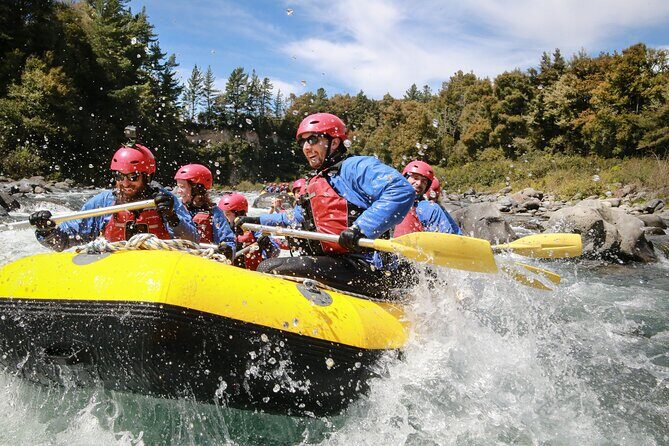
Fast, wet, and very New Zealand. The Tongariro Thrills Grade 3 rafting run turns the Tongariro River into a fun classroom with real whitewater. You’ll paddle about 14 km with about 60 rapids, while your guide keeps the energy high and the technique simple.
I love that this is built for first-time rafters. The guide shows you how to paddle, then gives instructions the whole way so you’re not just hanging on and hoping. Another big win for me is the included gear: you get wetsuit and helmet, plus river shoes and gloves (and fleece/boots in cooler months).
One consideration: Grade 3 still means real splashes, cold water exposure, and some physical effort. If you’re not comfortable in moving water, or your medical needs require strict planning, you’ll want to think carefully and bring your emergency meds as instructed.
In This Review
- Key Things I’d Circle Before You Go
- Tongariro Grade 3 Whitewater: What the 14 km Run Really Feels Like
- Gear Up at the Rafting Centre: Wetsuit Comfort, Helmets, and What to Pack
- The Safety Briefing That Sets the Tone (Before the Drive to the River)
- On the River: Paddle Coaching, 60 Rapids, and Whio Blue Ducks
- The End Moment at the Rafting Centre: Video, Photos, and Getting Dry
- Price and Value: Is About €102 a Fair Deal?
- Who This Grade 3 Tongariro Trip Fits Best (and Who Might Rethink It)
- Quick Tips to Make Your Day Smoother
- Should You Book Tongariro Thrills Grade 3 Rafting?
- FAQ
- How long is the Tongariro Thrills Grade 3 rafting adventure?
- Where do I meet for the rafting trip?
- What rapids grade is included?
- Do I need prior rafting experience?
- What should I bring with me?
- What rafting gear is included?
- Are souvenir photos included?
- What happens if the weather is poor?
- Is there a group size limit?
- What if I need to cancel?
Key Things I’d Circle Before You Go
- Grade 3 rapids with coaching all the way: you learn the basics quickly and keep using them.
- About 14 km / 60 rapids on the Tongariro River: a lot of action for one outing.
- Serious safety prep before you hit the water: helmets, wetsuits, and a full briefing.
- Wildlife spotting potential: keep an eye out for Whio (blue ducks) along the banks.
- Water + weather matters: the trip depends on good conditions.
- Photos and video are extra: plan on buying souvenirs only if you want them.
Tongariro Grade 3 Whitewater: What the 14 km Run Really Feels Like
This is classic Tongariro River rafting: confident river guides, loud water, and enough rapids to keep your shoulders working. You’ll travel the river for around 14 km and you’ll run through roughly 60 rapids during that stretch. That’s important, because it means you don’t spend your whole time waiting for the next big moment.
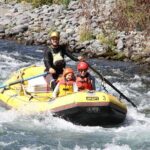
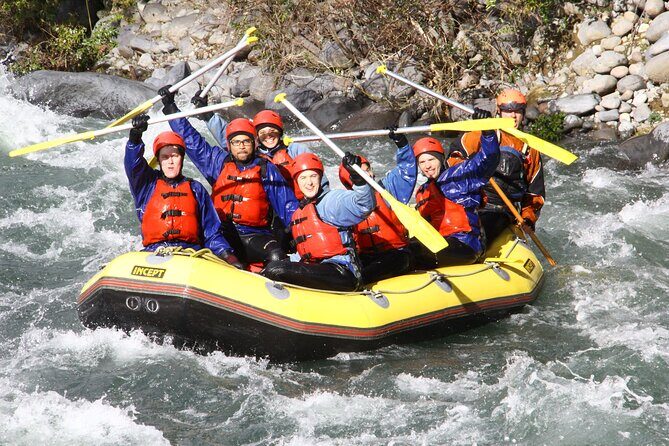
Grade 3 is the sweet spot for a lot of people. It’s not “sit back and float,” and it’s not “advanced-only” whitewater either. You’ll likely get hit with waves, cross-current moments, and the kind of paddling that makes you laugh while you catch your breath. The good part is that you’re not thrown in without guidance—your guide teaches you how to paddle, then keeps you on track while you’re on the move.
And yes, you’re going to feel it. This is the kind of activity where you remember every splash. If you’re expecting a gentle nature cruise, temper those expectations. If you want action, this delivers.
You can also read our reviews of more tours and experiences in Tongariro National Park.


Gear Up at the Rafting Centre: Wetsuit Comfort, Helmets, and What to Pack
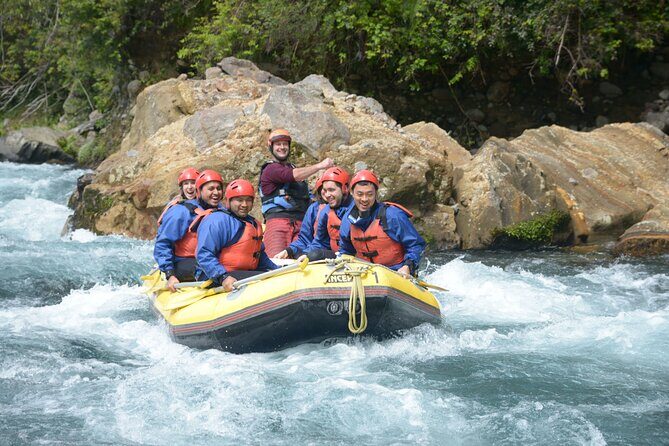
Before you even reach the water, you’ll meet at the rafting centre in Tūrangi and get kitted out. Included gear covers the essentials: wetsuit, helmet, river shoes, and (seasonal) gloves and fleece/boots for warmth. This matters because cold water and wet weather can turn a “fun day” into a shiver-fest fast. With the right gear on, you can focus on rafting instead of worrying about your body temperature.
What you bring is refreshingly simple:
- a swimsuit
- a towel
- and any emergency medication you may need, including items like an asthma inhaler or an epi pen, plus heart medication if applicable
That last part is not a small detail. Whitewater rafting is physical, sometimes stressful, and always wet. If you have a medical condition, bring your medication the way you would for any active day outdoors. Don’t assume the wetsuit or the adrenaline covers anything.
Also, plan to get changed after the trip. You’ll return to the rafting centre at the end to swap notes, watch your video/photos if you choose, and get dry enough to enjoy dinner.
The Safety Briefing That Sets the Tone (Before the Drive to the River)
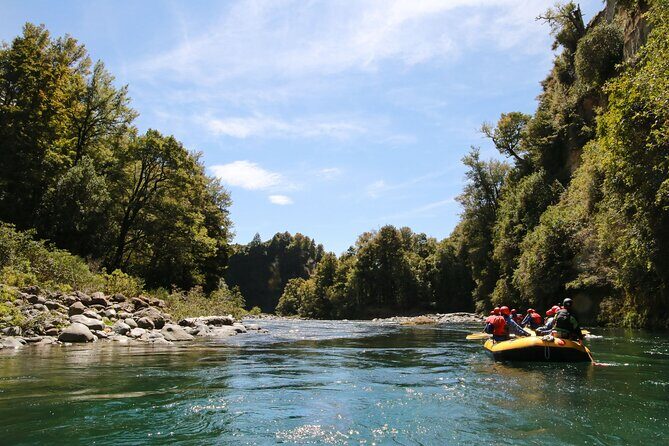
You start with an in-depth safety briefing, then you drive to the entry point before you get on the water. That sequence is a big deal for first-timers. A lot of people fear whitewater because they don’t know what’s coming. A solid briefing reduces that anxiety quickly, because it turns the unknown into clear actions: how to hold your paddle, how to listen for instructions, and what your guide expects from you in the rapids.
Your guide also spends time coaching on the river. You’re not left to interpret the water yourself. Expect instructions during the run, so you’re actively part of the team instead of passive passengers riding the chaos.
One name stands out from the experience: Stefan. In one of the best-rated accounts, he’s praised for tutoring a group of six well. The key detail: he gives confident instructions that helped people who initially felt like they should hold on most of the time. That’s the kind of guiding style you want on Grade 3—calm, clear, and ready to bring the group along.
On the River: Paddle Coaching, 60 Rapids, and Whio Blue Ducks
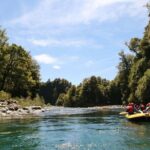
Once you hit the Tongariro River, the outing becomes a mix of effort and surprise. You’ll be shown how to paddle, then you’ll follow along as your guide gives directions the entire time. That continuous coaching is what makes Grade 3 feel approachable. You’re not just experiencing the river—you’re learning how to work with it.
The action rhythm tends to go like this: you paddle into a section, get quick cues from the guide, then you hit rapids that demand timing. With around 60 rapids over the course of the run, there’s rarely a moment where you can switch fully off. That keeps things exciting, and it also helps you stay “in the boat” mentally rather than panicking.
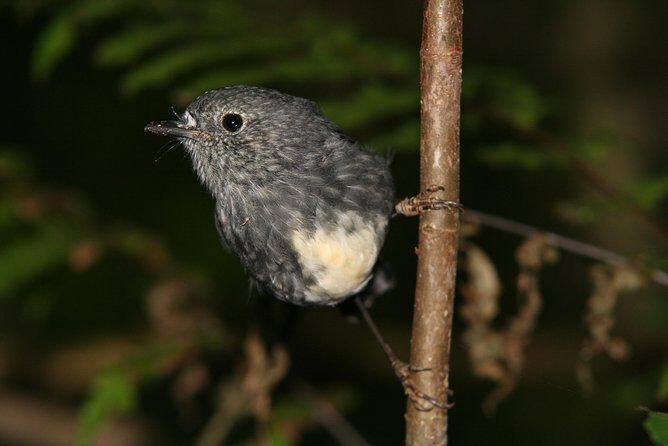
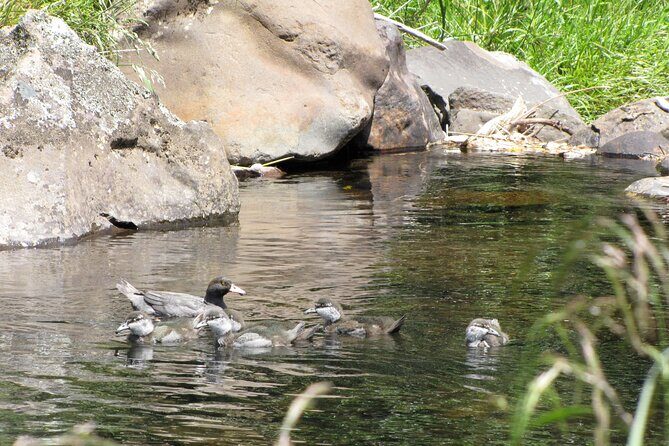
Now for the fun, uniquely New Zealand part: the wildlife can show up while you’re focused on paddling. You’ll have the chance to spot Whio, the endangered blue ducks, nesting along the river banks. You might also see New Zealand trout moving in the water beneath you, and yes, some are described as so large they’ve been known to snack on a passing mouse or two. Even if you don’t catch every wildlife moment, it’s a neat reminder that this river is a living system, not just a thrill ride.
One more practical note: because the water is moving, pay attention when your guide calls for specific paddle strokes or body positions. Small corrections matter when currents shift and waves stack.
The End Moment at the Rafting Centre: Video, Photos, and Getting Dry
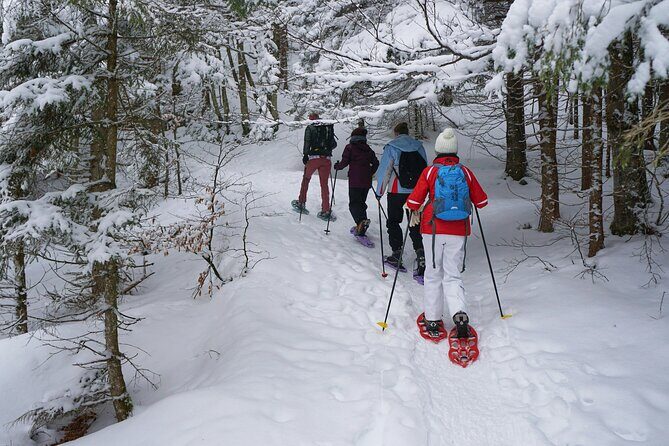
At the end of the trip, you’re transported back to the rafting centre. From there, you change, and you can look at the video and photos taken during your run. This is a nice wrap-up because it helps you connect the physical sensations you felt with what actually happened in the rapids.
Souvenir photos aren’t included, though. So if you love proof (and most people do), budget a little extra for that. If you’d rather save money, you can treat the experience as the souvenir and skip the extras.
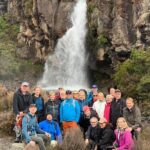
Swapping notes with your rafting group is part of the fun. Even if your paddling style looked totally different from your seat neighbor’s, you’ll probably share the same highlights: the loud sections, the big splashes, and the moment you realized the guide was right about where the boat needed your effort.
Price and Value: Is About €102 a Fair Deal?
At about €102.41 per person, this rafting outing sits in the “activity that includes the heavy lifting” category. The value comes from several things bundled together:
- the full safety briefing and on-water coaching
- the included core equipment: wetsuit, helmet, river shoes, and (seasonal) gloves/fleece/boots
- a substantial run length (about 14 km) with lots of rapids, not a short taste
If you were to rent gear separately and book instruction elsewhere, the total cost usually climbs fast. Here, you’re paying for a guided, gear-provided adventure that lasts about four hours and keeps you actively paddling.
The one cost you should plan for is photos. Since souvenir photos aren’t included, treat any picture package as optional rather than baked into the price.
Who This Grade 3 Tongariro Trip Fits Best (and Who Might Rethink It)
This rafting trip is designed to be accessible for first-time rafters. If you’re willing to wear a wetsuit, get wet, and listen to instructions, you’ll probably find it a great confidence builder. It also fits people with moderate physical fitness. You don’t need to be an athlete, but you should be ready to paddle, brace, and move with the boat.
You’ll especially enjoy it if you like a trip where the excitement is constant: about 60 rapids in a single run means you get more action per hour than many “quick adventure” tours.
Consider rethinking if:
- moving water makes you feel panicky rather than excited
- you can’t manage the wet, cold conditions (even with the wetsuit)
- you need specific medical routines and haven’t planned how you’ll handle them on an active outing
If you’re unsure, bring your medication and talk through your needs before you go. The trip includes instructions and safety support, but you still control the big-picture planning.
Quick Tips to Make Your Day Smoother
- Pack a towel that actually dries you. You’ll be damp at the end.
- Bring your swimsuit in a way you can change quickly at the centre.
- If you use emergency medication, make sure you have it on you as instructed, not locked away somewhere inconvenient.
- Listen closely during the briefing. The faster you understand the basics, the more fun Grade 3 becomes.
Should You Book Tongariro Thrills Grade 3 Rafting?
I’d book this if you want real whitewater thrills without advanced training. The combination of Grade 3 rapids, included gear, and continuous guide coaching makes it a practical choice for first-timers who still want the water to feel wild. I’d also lean toward it if wildlife moments matter to you—keep an eye out for Whio along the banks and watch for trout below the surface.
I’d skip it if you’re looking for something gentle, if you’re not comfortable in cold wet conditions, or if medical needs make you hesitate. For most people who want action, this is a strong value: you get hours on the river, not just a quick splash-and-dash.
FAQ
How long is the Tongariro Thrills Grade 3 rafting adventure?
It runs for about 4 hours.
Where do I meet for the rafting trip?
You meet at 133 Atirau Road, Tūrangi 3334, New Zealand. The activity ends back at this meeting point.
What rapids grade is included?
The rafting is Grade 3.
Do I need prior rafting experience?
No. It’s designed to be perfect for first-time rafters.
What should I bring with me?
Bring a swimsuit, a towel, and any emergency medication you may need (including items like an asthma inhaler, epi pen, or heart medication).
What rafting gear is included?
You’re provided with a helmet and wetsuit, plus river shoes, gloves, and fleece in seasonal conditions.
Are souvenir photos included?
No. Souvenir photos are available to purchase.
What happens if the weather is poor?
The experience requires good weather. If it’s cancelled due to poor weather, you’ll be offered a different date or a full refund.
Is there a group size limit?
Yes. The maximum is 40 travelers.
What if I need to cancel?
You can cancel for free up to 24 hours in advance for a full refund. If you cancel less than 24 hours before the start time, the amount paid is not refunded.