REVIEW · FRANZ JOSEF AND FOX GLACIER
Ultimate Discovery: 3 Glaciers & Snow Landing – 45min
Book on Viator →Operated by Glacier Country Helicopters · Bookable on Viator
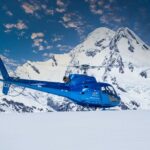
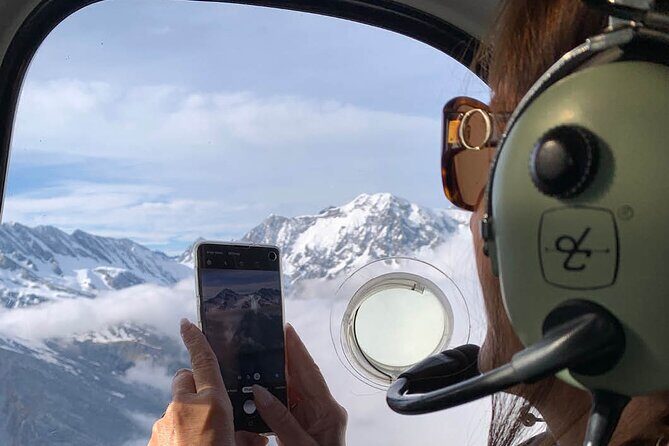
A helicopter flight over New Zealand’s glaciers is hard to top, especially when you can touch snow. The Ultimate Discovery experience pairs a roughly 45-minute helicopter ride with a snow landing to get close-up views of Franz Josef, Fox, and Tasman Glaciers. You also pass by big Alpine icons like Mount Cook and Mount Tasman—way easier from the sky than from the ground.
Two things I love about this tour are the small-group feel (max 12 people) and the fact that the pilot commentary helps you actually understand what you’re looking at. One drawback to plan for: weather and ice conditions can change the route, and sometimes you won’t land on snow even though you’ll still fly for the best available views.
This is also one of those experiences where the timing matters. The flight is about 45 minutes, but you should expect extra time for boarding and getting sorted on ladders into the helicopter—plus the operator may adjust plans quickly if conditions shift.
In This Review
- Quick hits before you book
- Why a 45-minute helicopter can beat a full day on the ground
- Check-in, ladders, and the seat situation you should plan around
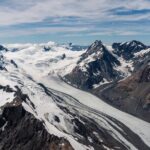
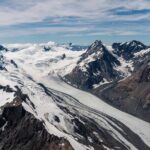
- Taking off over the Southern Alps: Franz Josef, Fox, and Tasman
- Mount Cook and Mount Tasman: the part you’ll recognize fast
- The snow landing: why one minute on ice is worth the whole price
- Weather reality: how cloud and ice change what you get
- Price and value: what $403 really buys you here
- Who this works for best (and who should choose another style)
- Practical tips that make the day smoother
- Should you book Ultimate Discovery: 3 Glaciers & Snow Landing?
- FAQ
- How long is the Ultimate Discovery helicopter flight?
- What glaciers and mountains will I see?
- Is a snow landing guaranteed?
- What happens if weather cancels the experience?
- Where do I meet for the tour?
- How big is the group?
- Are there weight and seat requirements?
Quick hits before you book
- Three major glaciers in one flight: Franz Josef, Fox, and Tasman Glacier are the stars of the route.
- Small group, max 12: less crowding means easier attention and a calmer ride.
- Snow landing included when possible: you get those rare, close-up snow-and-ice photo moments.
- Mount Cook and Mount Tasman from above: big-name peaks you’ll recognize instantly from the air.
- Weather-ready operations: routes can be altered if cloud or ice limits landings.
- Seat choices can matter: front seats have stricter weight limits, and you can request upgrades in advance.
Why a 45-minute helicopter can beat a full day on the ground
If you’re basing yourself in Franz Josef or Fox Glacier, you’re already in the home region of some of New Zealand’s most famous ice scenery. The catch is that glaciers are huge, and the best viewpoints aren’t always close. A helicopter solves that. In a short amount of time, you get a true aerial map: where the ice sits, how it curves through the mountains, and how it connects to the broader Alpine system.
What makes this flight feel practical (not just flashy) is that you’re not only sightseeing—you’re also getting context. Pilots on past departures, including Mark, Mike, Poppy, Rebecca, Greg, and Gus Gordon, have provided guided in-flight commentary that points out key landmarks while you’re up there. That matters because glacier views can look similar if you don’t know what you’re looking for.
Also, the value improves when the weather is good. With clear visibility, you can see multiple glaciers and mountain landmarks in one go. And if clouds roll in, at least you’re already in the air looking at the region from a perspective most people never get.
A few more Franz Josef and Fox Glacier tours and experiences worth a look
Check-in, ladders, and the seat situation you should plan around
You meet at 10 Main Road, Franz Josef (Waiau 7886). The location is convenient, and check-in is handled so you can get into the helicopter without a long wait.
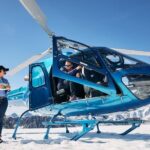
Here’s the practical part: there are two ladder-style steps into the helicopter. If you have limited mobility, an injury, arthritis, or recent surgery, you’ll want to tell the operator ahead of time because it can affect which aircraft type is used.
Seat rules are worth reading carefully:
- If you weigh 120kg / 265lbs or over, you must purchase a Comfort Seat.
- Comfort seats are 40cm wide, and the operator notes an empty seat can sometimes be reserved next to you if you want extra space.
- A Front Seat Upgrade exists, but it must be requested at least 24 hours in advance (and then confirmed at check-in).
- The front seats have lower weight limits, which can affect who gets placed there for safety and balance.
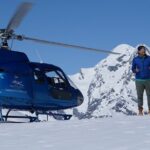
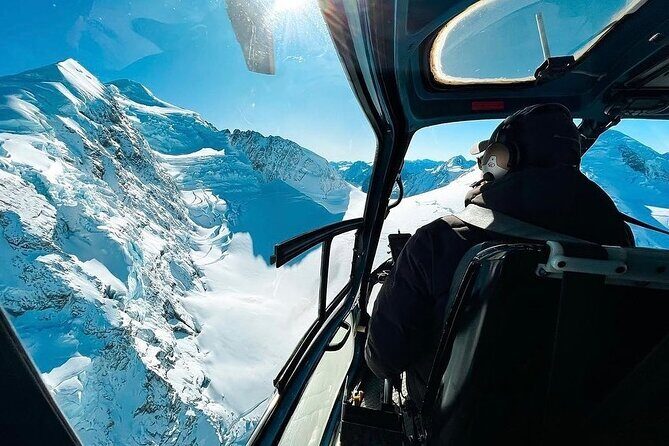
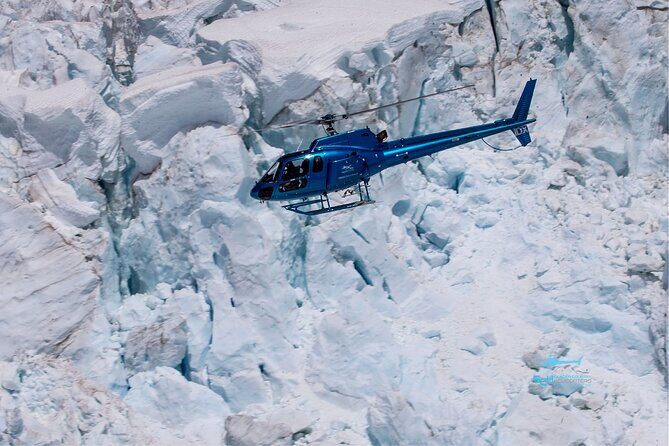
One reviewer shared a frustrating seat-view issue, and the operator responded that the front seats often go to passengers within those lower limits. The good news is that the helicopter used (a B2 Squirrel is mentioned) has large windows, so the ride is designed so you don’t feel totally shut out from viewing. Still, if you’re picky about the angle you’ll shoot photos from, request the front seat upgrade early.
Taking off over the Southern Alps: Franz Josef, Fox, and Tasman
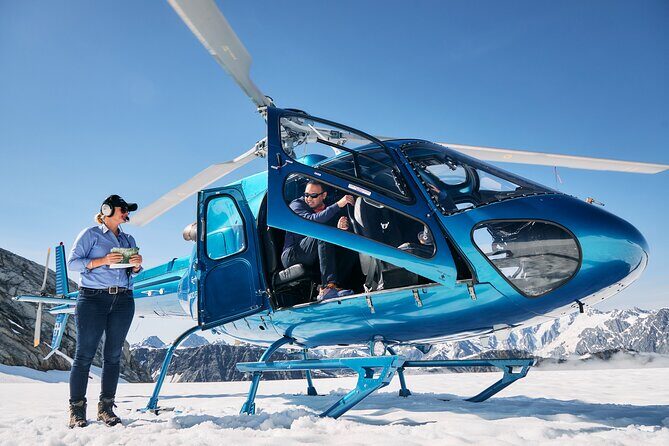
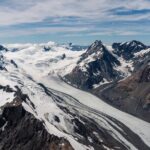
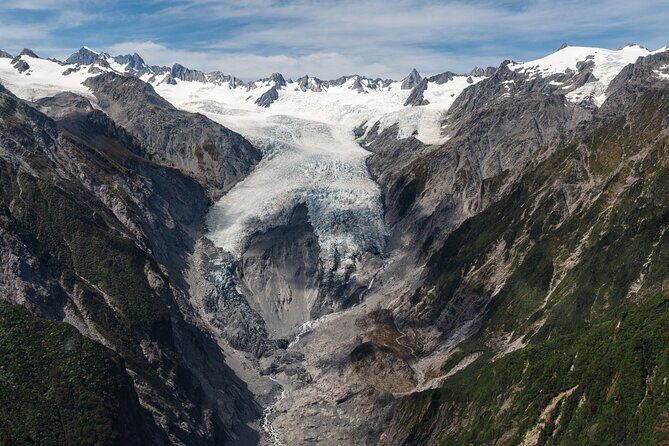
Once you’re airborne, the flight is set up like a living overview. You start with the ice scenery that’s closest to your base: Franz Josef and Fox Glaciers, then you move across to Tasman Glacier—the long one that people talk about for good reason.
From above, glaciers read differently than on foot:
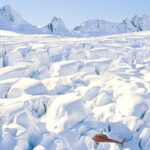
- You see the flow path and the shape of the ice field, not just the edge.
- You notice where it’s breaking, thinning, or tucked into valleys.
- You get a clearer sense of scale—your brain really struggles with glacier size from ground viewpoints.
The pilot’s job is to keep you oriented. On past flights, comments from pilots like Mike and Poppy have helped guests connect names to shapes and valleys. If you want a smoother experience, keep your eyes up when the pilot points something out. It’s not just narration; it helps you keep track of what comes next.
And because this is built as a small-group experience, you’re less likely to feel lost in a chaotic shuffle. You’ll typically get more practical attention if you ask a quick question during the briefing period.
Mount Cook and Mount Tasman: the part you’ll recognize fast
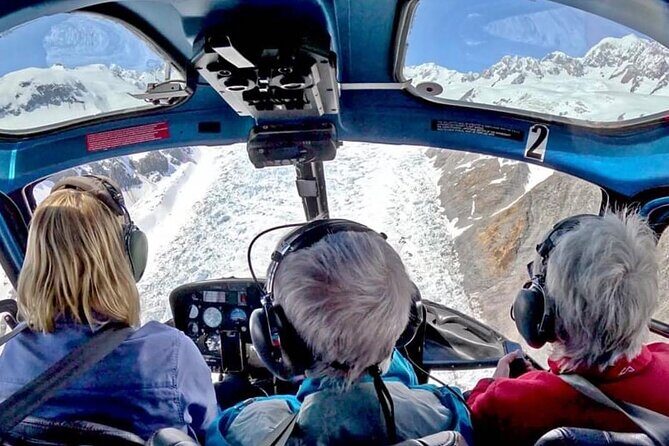
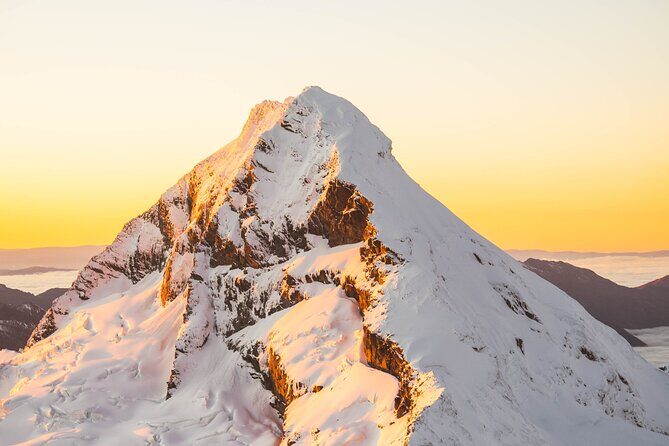
Half the magic of this route is that glaciers are only one chapter. As you fly, you also pass by Mount Cook and Mount Tasman. Even if you’ve only seen them on postcards or in documentaries, the shapes up close hit different.
This segment is especially valuable if you’re the kind of traveler who likes a “I can’t believe this is real” moment. Helicopter flight makes it hard to fake that feeling—mountains are simply too big to ignore.
A practical tip: if clouds are present, the pilot may adjust the route for the best visibility. One flight description notes that cloud prevented the planned path, but the pilot still found a way to keep the scenery excellent. So don’t assume the itinerary is fixed stone. It’s designed to be flexible while keeping safety first.
The snow landing: why one minute on ice is worth the whole price
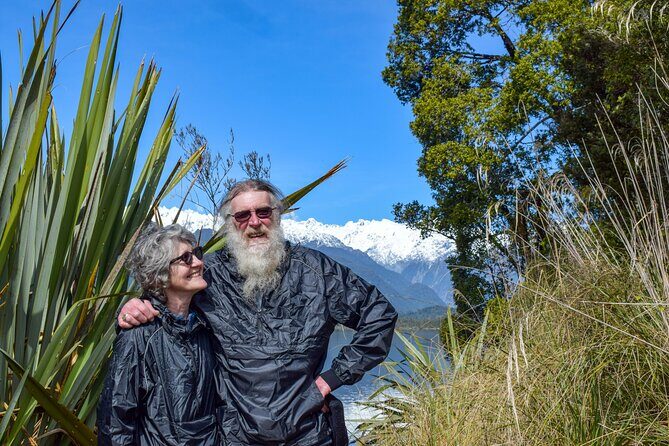
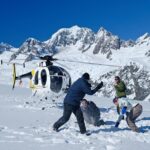
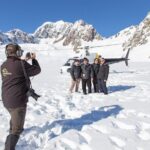
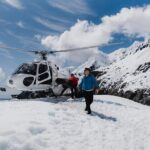
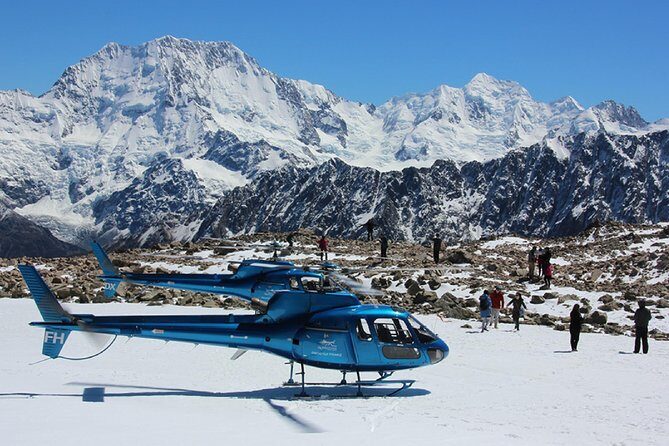
The headline promise is a snow landing. That’s where this tour becomes a true once-in-a-lifetime memory maker. Getting out onto snow is not just about photos—it’s about your body getting feedback from the environment. Cold air hits different when you’re standing on it, and the textures of snow and ice feel real in a way that a window view never does.
A few key things to know:
- The snow landing is included, but it depends on conditions. Some departures can modify or shorten the plan if ice conditions aren’t safe for a landing.
- You might land more than once when conditions allow; one highlighted account mentions landing twice.
- If a snow landing isn’t possible, you may still land elsewhere (for example, one account references landing on a rocky site for Mount Cook views).
Photo-wise, bring the same mindset you’d use for a glacier hike: you can’t control the light, and you can’t stop time. If you’re using a phone, keep it warm in your jacket pocket so it doesn’t get cranky on cold wind exposure. If you’re using a camera, take a few test shots quickly so you don’t waste your best visibility window fiddling later.
Also, remember headset etiquette. One review notes that you’ll want your headset plugged in for the best commentary. So when staff hand you gear or set up your audio, double-check it works before takeoff.
Weather reality: how cloud and ice change what you get
South Island weather can be dramatic. The operator specifically requires good weather for this experience, and you should assume plans can shift quickly. This matters for expectations.
Here’s what’s common in real life based on accounts:
- The flight time and route can be shortened when cloud cover or other conditions limit the full plan.
- A snow landing may be swapped out or skipped if ice conditions are not right.
- If the entire experience is canceled due to poor weather, you’ll be offered a different date or a full refund.
This is why I like the tour’s “small-group + professional pilot” approach. In places like this, safe decisions beat perfect photos. When cloud moved in on one ride, the pilot kept things moving and still delivered a strong scenic flight, then handled the situation professionally.
So if your schedule is tight, you’ll want to build in flexibility. If you can, schedule this for a day where you’re not forced to catch a car or flight immediately afterward.
Price and value: what $403 really buys you here
At $403.37 per person, this isn’t a budget activity. But it’s also not just a “flying taxi.” You’re paying for three things that are hard to replicate any other way:
- Time compression: a roughly 45-minute flight that hits multiple glaciers and named peaks in one go.
- Pilot expertise and route decisions: in an area where visibility changes fast, the pilot’s job directly shapes your outcome.
- The snow landing experience: it’s a rare add-on compared with simple scenic flights.
The best way to think about value is not the price tag. It’s your likelihood of getting the complete experience on a good weather day. When conditions line up, this tour can feel like multiple highlights stitched together: glacier aerial views, contextual commentary, and a step-on-snow moment.
And if conditions limit landings or reduce the route, the operator’s system typically adjusts rather than just canceling out the whole thing. Some accounts mention refunds when the full experience can’t happen as planned. That doesn’t fix the disappointment, but it does mean you’re not paying for nothing.
My rule of thumb: if glaciers are a priority for your trip and you have at least a little schedule flexibility, this price often feels easier to swallow. If you’re hoping to do it cheap, you may prefer ground viewpoints and a hike. But if you want the sky-level scale of the Southern Alps, this is one of the most direct ways to get it.
Who this works for best (and who should choose another style)
This tour works best for you if:
- You want glacier views with minimal time loss.
- You like photography and want unique angles you can’t get from trails.
- You appreciate good in-flight interpretation, not just sightseeing.
- You’re comfortable with short, guided logistics and small-group dynamics.
It may be a tougher fit if:
- You have mobility limits that make ladder-style steps hard.
- You have a strong preference for guaranteed snow landings no matter what weather does. Because safety and ice conditions govern whether landing is possible, the outcome can vary.
- You’re very sensitive to seat angles. Even with large windows, some people care deeply about where they sit. If you want the best shot possible, request upgrades early and show up ready to confirm your seating during check-in.
If you’re traveling as a couple or a small group and you’re willing to spend for maximum view, this can be a “worth it” splurge. If you’re optimizing for comfort and you’re particular about privacy, a private charter style option would naturally reduce the seating tradeoffs—but that’s a different price bracket.
Practical tips that make the day smoother
A few things help you get the most from the ride:
- Dress for cold air and wind. Even in good weather, open-air glacier regions can feel chilly.
- Bring a camera strategy. Decide whether you’ll shoot video, stills, or both. Helicopter lighting changes quickly.
- Keep your phone/camera batteries warm. Cold drains power faster than you’d expect.
- Plan to listen. If there’s headset audio, plug it in and use it. The pilot commentary adds value when you can hear it.
- Don’t wander far during waiting. One review noted confusion when names weren’t heard during a safety moment, and the team had to locate people. Stay nearby so you get called quickly.
And if you’re booking, think like a logistics pro:
- If you’re near the weight threshold, sort out Comfort Seats early.
- If you care about front-seat viewing, ask for the upgrade well before your flight.
Should you book Ultimate Discovery: 3 Glaciers & Snow Landing?
Book it if you want a fast, high-impact glacier hit: Franz Josef + Fox + Tasman in one flight, plus the chance to step onto snow. This is a strong pick for couples, solo travelers, and anyone who wants glacier scale without spending the whole day hiking between viewpoints.
I’d pause and rethink if:
- Weather and delays would throw off your entire schedule.
- You know ladder-style steps are hard for you.
- You’re uncomfortable with the idea that landing on snow can depend on ice and conditions.
If your plan has one flexible day and glaciers are a top priority, this is exactly the kind of splurge that can turn into real memories fast. The small-group size, professional pilots, and the snow-landing goal make it feel like more than a ride—it’s an experience built around seeing the Southern Alps the hard way: from the air.
FAQ
How long is the Ultimate Discovery helicopter flight?
The flight portion is approximately 45 minutes, and you should allow extra time for boarding and disembarking. The overall activity is listed at about 1 hour 30 minutes.
What glaciers and mountains will I see?
You’ll see Franz Josef Glacier, Fox Glacier, and Tasman Glacier, plus views from the air of Mount Cook and Mount Tasman.
Is a snow landing guaranteed?
A snow landing is included, but weather and ice conditions can affect whether landing is possible on the day. If conditions limit landings, the plan may be modified.
What happens if weather cancels the experience?
The experience requires good weather. If it’s canceled due to poor weather, you’ll be offered a different date or a full refund.
Where do I meet for the tour?
You meet at 10 Main Road, Franz Josef / Waiau 7886, New Zealand, and the tour ends back at the meeting point.
How big is the group?
The maximum number of travelers is 12.
Are there weight and seat requirements?
Yes. Total weight per passenger is a factor. For passengers 120kg / 265lbs and over, a Comfort Seat is required. Comfort seats are 40cm wide. A front seat upgrade can be requested at least 24 hours in advance and confirmed at check-in.