REVIEW · WAIHEKE ISLAND
Waiheke Island Private History and Heritage Tour
Book on Viator →Operated by Terra & Tide · Bookable on Viator
Waiheke looks better with a local lens. This private 6-hour heritage day pairs Hauraki Gulf views with real place stories from a Māori perspective. You’ll also get a bush walk to a pa site with archaeological remains and native birds overhead, plus a café lunch stop along the way.
I especially love how the tour explains today’s Māori culture through te reo revitalisation and the meaning behind carving and traditional tattooing. One thing to keep in mind: this is not the kind of tour where you just wander onto a community marae—formal welcome (a powhiri) is its own process, and community spaces aren’t always staffed for casual visits.
If you want scenic Waiheke plus thoughtful Indigenous context, this works well. If your idea of cultural experience is hands-on ceremony time, set expectations early.
In This Review
- Key things to know before you go
- The big idea: Waiheke’s heritage without the usual tourist script
- Price and what you’re actually paying for ($465.43 per person)
- Getting there and staying on schedule for the 4pm ferry
- Stop 1: Oneroa orientation and island “reading” from the wharf
- Waiheke beaches and stories that connect coast to culture
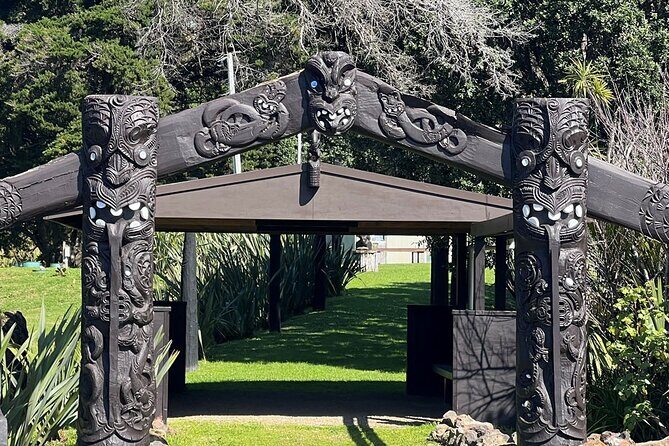
- The Māori community focus: carving, traditional tattooing, and te reo revitalisation
- Native bush walk: medicinal plants, pa archaeology, and birdsong
- Lunch at a local café: a chance to reset, not a grand included meal
- How the day ends: back to Matiatia, or stay in Oneroa
- Who this tour suits best (and who should look elsewhere)
- Should you book the Waiheke Island Private History and Heritage Tour?
- FAQ
- Is the ferry to and from Waiheke Island included?
- What time does the tour start?
- How long is the tour?
- Is this a private tour?
- Where do we meet and where does it end?
- Is lunch included?
- Does the price include tastings like wine or olive oil?
- Can I get a full refund if I cancel?
- Is the tour suitable for most people and are service animals allowed?
Key things to know before you go
- Sea-view orientation first: you start by reading the island from the water, with Auckland City and the Pacific in view
- Māori perspective built into the route: stories aren’t tacked on at the end; they shape what you see
- Native bush + medicinal plants: the walk isn’t just pretty, it’s taught with practical plant uses
- Pa summit with visible archaeological remains: kumara pits, shell middens, and defensive terraces are part of the walk
- Wildlife chances: you may spot tui, kereru, and piwakawaka in the native areas
- Private group format: you can ask questions and move at your guide’s pace
The big idea: Waiheke’s heritage without the usual tourist script
Waiheke is famous for views, beaches, and wine—fair. But this day is organized around a different question: what does the land mean when you’re hearing it through Māori eyes?
What makes it feel more grounded is the pacing. You begin with an orientation that helps you understand where everything sits—then you move into places that have cultural and historical weight. By the time you’re walking through native bush and up to a pa site, the stories you’ve heard actually connect to what you can see on the ground.
You’re not getting a museum lecture. You’re getting a route through real locations: coastlines, community focal points, and archaeological remains that show how people lived, grew food, defended themselves, and used native resources.
You can also read our reviews of more private tours in Waiheke Island
Price and what you’re actually paying for ($465.43 per person)
At $465.43 per person for a 6-hour private tour, you’re paying for more than driving around an island.
Here’s what you get for that cost:
- A local guide (expert, and central to the value here)
- A full day structure that mixes sea views, beaches, native bush, and a pa site
- A Māori perspective that covers carving and tattooing traditions, the revitalisation of Māori language, and the impacts of colonisation
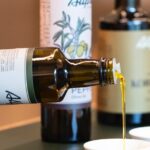
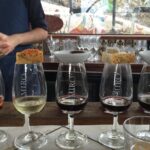
What’s not included matters too. Your ferry isn’t built into this price, and lunch is also not included (you’ll stop at a local café). There’s also an optional wine and olive oil tasting that, if you choose it, won’t exceed $50.
So the honest way to judge value is this: if you want a private day with meaningful context—and not just a scenic loop—this can feel fair. If you mostly want photos and minimal talking, you’ll likely feel the price.
Getting there and staying on schedule for the 4pm ferry
This tour starts at 9:45am, with the activity ending back at the meeting point. You’ll be guided back in time for the return 4pm ferry, so timing is part of the plan.
Meeting point (as listed): Fullers360 Matiatia ticket office, 1 Ocean View Road, Oneroa, Auckland 1081, New Zealand.
A practical note: the ferry to and from Waiheke isn’t included. The operator indicates ferry tickets can be purchased from them for $42 per adult return. Plan your day so you’re not sprinting between boats and timelines—this tour is designed around that 4pm return.
Also, the tour notes you can be dropped back in Oneroa, the main village, if you want to stay longer. From there, you can make your own way back to the ferry via a 15-minute walk or a short bus ride.
Stop 1: Oneroa orientation and island “reading” from the wharf
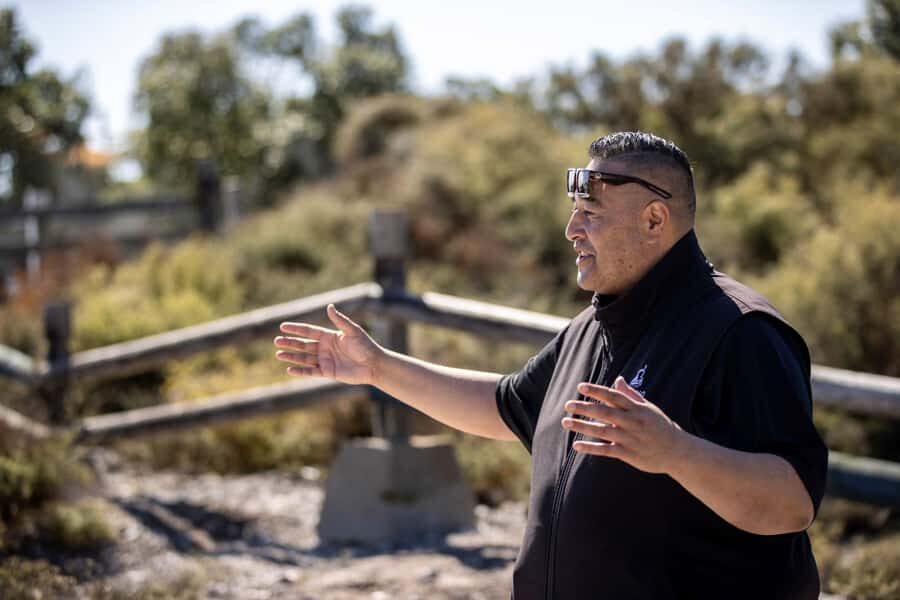
The day kicks off in the Oneroa/Matiatia area, where you’ll be greeted by your local guide. This matters because an orientation isn’t just travel talk—it’s how you learn the island layout fast.
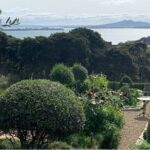
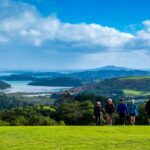
Early on, you’ll get stunning sea views over the Hauraki Gulf, Auckland City, and out to the Pacific Ocean. That view setting is more than postcard fuel. It helps you understand what you’ll later hear about: why certain places were valuable, how communities related to coastlines, and how inland areas connect to food gathering and shelter.
If you’re the type who likes to know where you are while you’re walking, this start is your friend. You’ll likely feel like you’re not just following directions—you’re building a mental map.
Waiheke beaches and stories that connect coast to culture
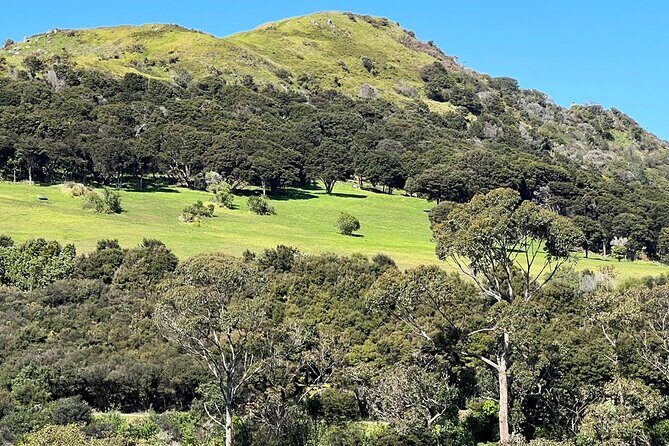
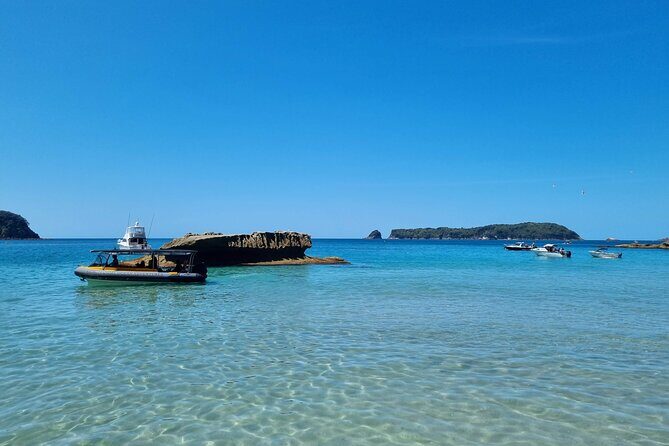
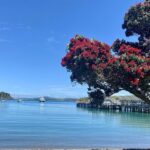
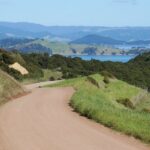
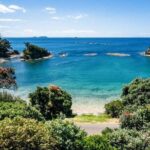
After orientation, the route takes you past pristine white sand beaches, with history and place stories woven into what you’re seeing.
Here’s what makes beach time more than a break:
- You’re not only told what the shoreline looks like.
- You’re guided toward understanding why people valued areas like these.
- You’re listening for cultural meaning, not just scenic facts.
A drawback to flag: beach and culture can’t both be at maximum intensity at the same moment. You will likely get a nice amount of beach time, but the main goal is learning. If your top priority is uninterrupted lounging and long swims, you may need to treat this as a guided day rather than a beach day on autopilot.
You can also read our reviews of more historical tours in Waiheke Island
The Māori community focus: carving, traditional tattooing, and te reo revitalisation
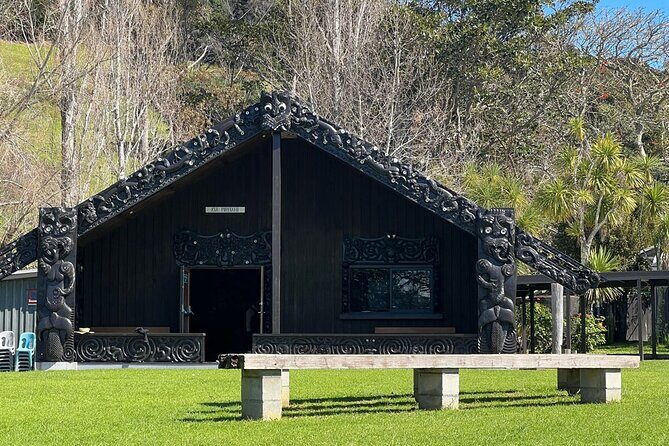
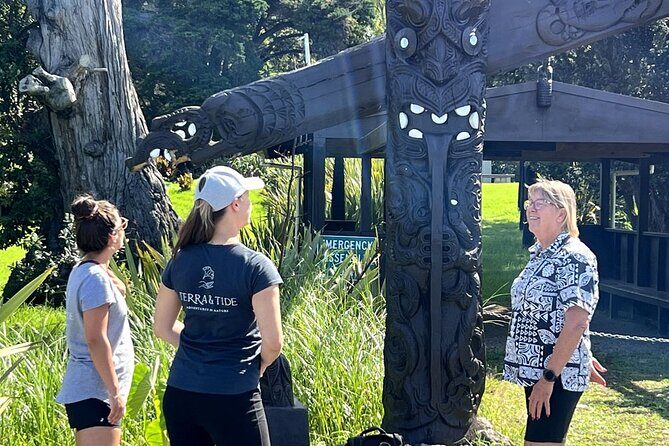
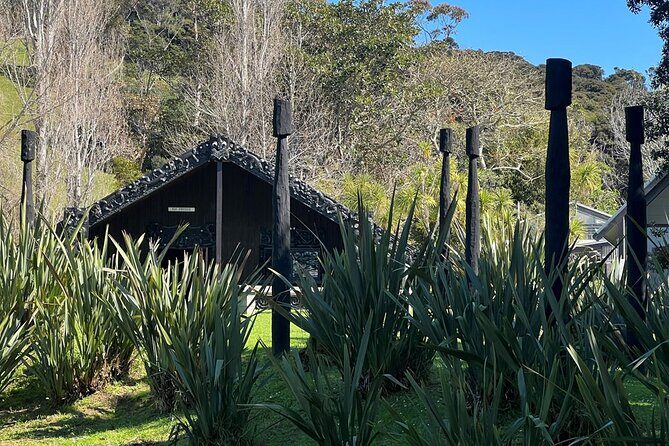
One of the most important parts of the tour is the stop at the focal point of the Māori community on Waiheke. This is where the day’s narrative becomes unmistakably Indigenous-led.
You’ll learn about the significance of:
- Carving (and what it represents)
- Traditional tattooing (and its cultural importance)
- The revitalisation of Māori language (te reo)
- The impact of colonisation on Māori people
This matters because it’s not just “heritage as past.” The tour frames culture as living—something shaped by history, then rebuilt and strengthened over time.
You’ll also hear about why places may look different to visitors than you’d expect. One key consideration from the tour’s own responses: you can’t simply stroll into a community marae like it’s a public building. Formal welcome (a powhiri) is part of how those community spaces operate, and they aren’t necessarily staffed and ready for casual access.
So if you’re hoping for a ceremony you can watch without planning, temper that expectation. This tour focuses on education and respectful understanding of meaning rather than guaranteeing direct entry to ceremonial spaces.
Native bush walk: medicinal plants, pa archaeology, and birdsong
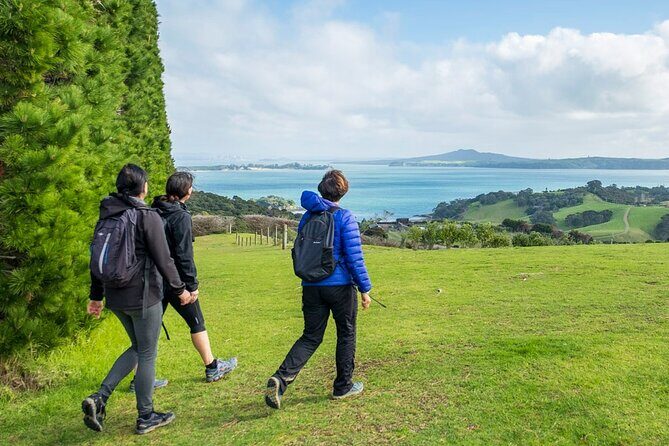
The walk through native bush is one of the day’s most satisfying stretches because it’s sensory and practical at the same time.
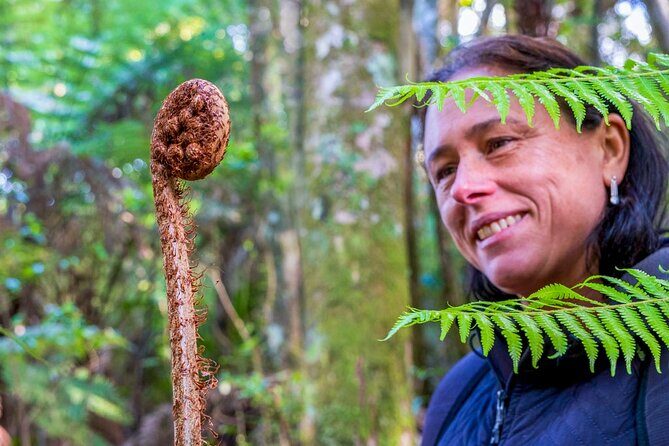
Your guide will explain traditional and medicinal Māori uses of native plants. That turns a normal walk into something you can actually carry home: you start noticing how people read the environment. You may also learn the value of certain species as tools for living, healing, and everyday needs.
Then you move toward the summit of a pa (fortified village) site where you can see archaeological remains, including:
- Kumara pits
- Shell middens
- Defensive terraces
Seeing these features on the ground changes the story. Instead of hearing that communities managed food and defended themselves, you can look at the landform evidence and understand why those locations mattered.
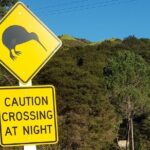
And yes, there’s a wildlife bonus. The tour notes you may likely see native birds like tui, kereru, and piwakawaka. If you’re the kind of person who stops when you hear a distinctive call, this is a great moment to slow down.
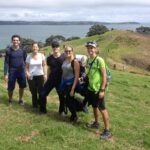
Small realism check: this is a guided walk. Wear shoes suited for uneven ground and come prepared for a day that includes both coastal walking and bush paths.
Lunch at a local café: a chance to reset, not a grand included meal
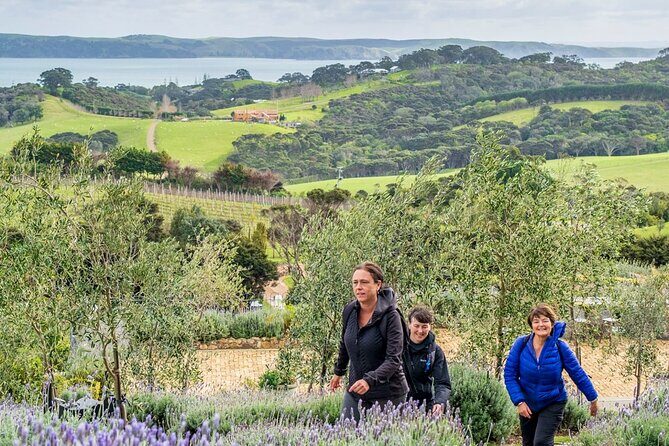
At some point during the day, you’ll have lunch at a local café. The food and coffee are described as delicious, but lunch isn’t included in the tour price.
That setup can be a positive. It gives you flexibility to choose something that fits your appetite and budget, and it also keeps the tour from turning lunch into a rushed stop where you eat the same pre-set thing as everyone else.
If you care about timing, use lunch as your reset. Ask your guide what to look for on the way back and whether there’s time for any extra viewpoint stops at a reasonable pace.
How the day ends: back to Matiatia, or stay in Oneroa
The tour is designed to return you to the wharf in time for the 4pm ferry. You’ll end back at the meeting point.
If you want to extend your day on the island, you can be dropped in Oneroa and then handle the return yourself using either:
- a 15-minute walk, or
- a short bus ride
This gives you a practical choice:
- You can keep things simple with the scheduled return, or
- You can tack on your own beach stroll or café time in the main village
Who this tour suits best (and who should look elsewhere)
This private Waiheke heritage tour is a great fit if:
- You want scenic Waiheke but also want it explained through Māori perspectives
- You care about cultural meaning behind things like carving and tattoo traditions
- You enjoy guided nature time and want the native bush walk to be more than just a stroll
- You like archaeology you can see with your own eyes, not only read later
It may be less satisfying if:
- Your definition of cultural experience is watching a formal powhiri or walking into community spaces for ceremonies on demand
- You want a beach-heavy day with lots of free time and minimal education talk
Should you book the Waiheke Island Private History and Heritage Tour?
I’d book it if you want a day that treats Waiheke like more than an Instagram route. The strongest reasons to choose it are the Māori community context, the native bush medicinal plant walk, and the chance to reach a pa summit where archaeological remains are part of the experience, not a footnote.
It’s also a solid option for people who value private touring because it’s easier to ask questions, and the guide can pace the day around your interests.
Just go in with the right expectation: this tour is about understanding and respectful learning, not a guarantee of casual marae access or scheduled ceremony viewing.
FAQ
Is the ferry to and from Waiheke Island included?
No. Ferry tickets are not included. The operator notes tickets can be purchased from them for $42 per adult return.
What time does the tour start?
The tour starts at 9:45am.
How long is the tour?
It runs for about 6 hours.
Is this a private tour?
Yes. It’s private, so only your group participates.
Where do we meet and where does it end?
You meet at the Fullers360 Matiatia ticket office on Ocean View Road in Oneroa. The tour ends back at the meeting point, with time to catch the 4pm ferry.
Is lunch included?
No. Lunch is not included, though the tour includes a lunch stop at a local café.
Does the price include tastings like wine or olive oil?
Wine and olive oil tasting is not included. If you choose it, the optional cost will not exceed $50.
Can I get a full refund if I cancel?
Yes. You can cancel up to 24 hours in advance for a full refund.
Is the tour suitable for most people and are service animals allowed?
The information says most travelers can participate, and service animals are allowed.