REVIEW · WELLINGTON
Wellington: Half Day Seal Coast Safari
Book on GetYourGuide →Operated by Wanderlust Tourism · Bookable on GetYourGuide
Wellington’s seal coast feels worlds away. This half-day safari strings together native forest, working farmland access, big coastal views, and a real fur seal colony on the South Coast near Tongue Point. I especially like the way it mixes NZ conservation stories with classic Wellington-region scenery, all in about three and a half hours.
Two things I love: first, Otari-Wilton’s Bush gives you a fast, satisfying introduction to New Zealand’s plants and birds, with that skybridge canopy view that makes the forest feel huge. Second, the 4WD portion uses private farmland roads to get you to the coast, so you’re not just stuck looking at seals from far away—you’re guided to a safe viewing spot and told what you’re seeing.
One drawback to consider is that this is a true safari, not a gentle stroll. You’ll be on rougher farm tracks and a rocky, sandy coastal track, and the tour runs in all weather, so you’ll want warm layers even on bright days.
In This Review
- Key Highlights You’ll Care About
- Otari-Wilton’s Bush: A Native Forest Start That Actually Sets the Tone
- Terawhiti Station by Private Roads: Views, Farm Life, and Kiwi Reintroduction
- Project West Wind Ridgeline Road: How Wellington Powers Rural Work
- The Leaning Karori Rock Lighthouse and the Descent to Tongue Point
- Tongue Point Fur Seals: What Close (Safe) Watching Looks Like
- The Real Deal on Walking, Weather, and Comfort
- Small Group Size and Private Access: Is It Worth $116?
- Who This Tour Fits Best (and Who Might Hesitate)
- Names You Might Hear Along the Way
- Should You Book the Wellington Half Day Seal Coast Safari?
- FAQ
- How long is the Wellington Half Day Seal Coast Safari?
- What’s included in the tour?
- Do I need to walk a lot?
- Does the tour run in bad weather?
- Is the tour wheelchair accessible?
- What should I bring?
- Are luggage or large bags allowed?
- How safe is the transport on the roads?
- What if I need to change plans?
Key Highlights You’ll Care About
- Otari-Wilton’s Bush skybridge views plus native birds like tui, kaka, kereru, and more
- Private farmland access via Terawhiti Station for big viewpoints and a less-touristy feel
- Kiwi conservation context tied to the Capital Kiwi project and reintroduction efforts
- Wind farm storytelling along ridgelines shaped by Project West Wind
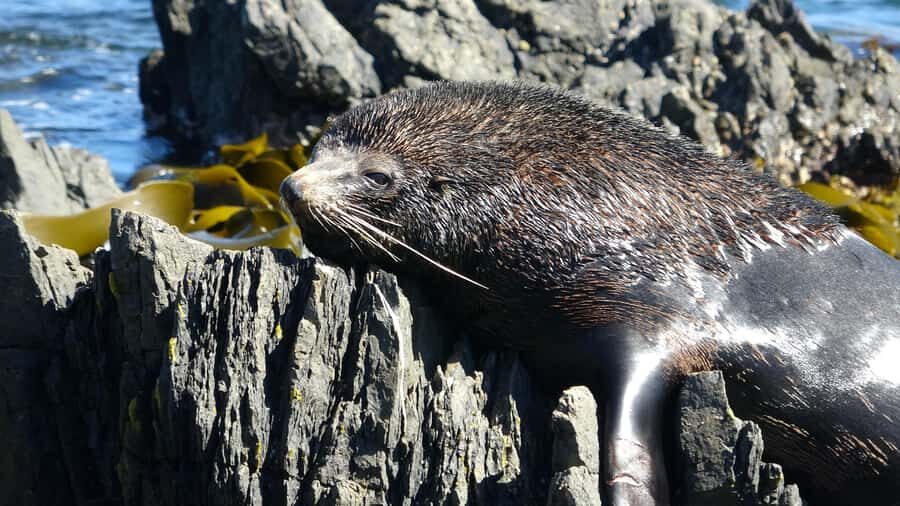
- Tongue Point fur seals seen up close at a safe distance on the beach
Otari-Wilton’s Bush: A Native Forest Start That Actually Sets the Tone
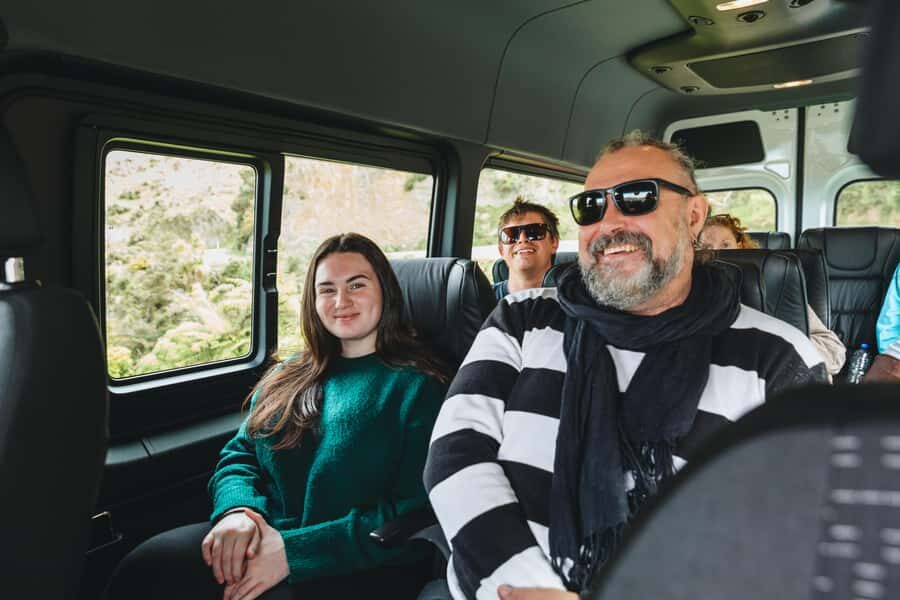
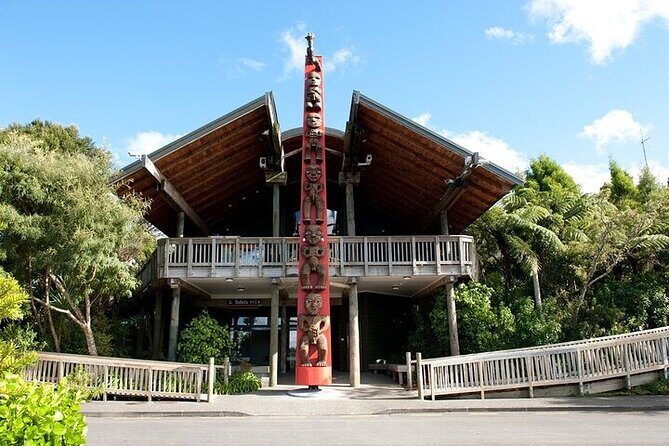
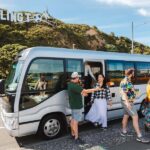
Your adventure begins with pickup from central Wellington (or the cruise terminal) in an exclusive 4WD Mercedes van, then you head straight to Otari-Wilton’s Bush. This place is 100 hectares of ancient and regenerating native forest, and it’s also where you’ll find New Zealand’s only botanical garden dedicated solely to native plants. That matters because the rest of the tour keeps referring back to what “native” looks like, and Otari gives you the baseline.
The entry highlight is the skybridge. Rather than wandering randomly, you cross a bridge that puts you above the forest canopy. From there, it’s easier to picture how the vegetation is layered—and why some birds and plants survive where they do. Your guide points out the endemic species and explains the survival challenges they’ve faced in the Wellington region, where several native birds were extinct or endangered as recently as about 25 years ago.
It’s also one of the most bird-friendly moments in the day. You might spot native birds such as tui, kaka, kakariki, and kereru, and on lucky outings you may even see karearea (more commonly known as the New Zealand falcon). If you’re the type who gets excited by “small details,” this is your warm-up: it teaches you to look, not just to see.
Practical note: walking here is described as minimal. You’re not signing up for a hike, so even if your legs prefer short efforts, this portion is designed to be friendly.
A few more Wellington tours and experiences worth a look
Terawhiti Station by Private Roads: Views, Farm Life, and Kiwi Reintroduction
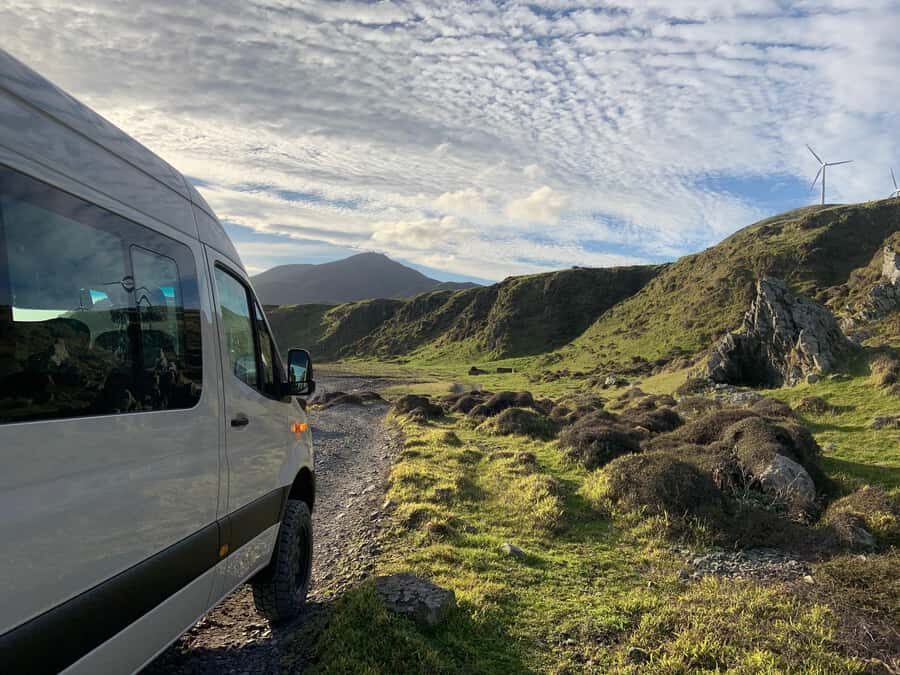
After Otari, the drive turns from city edge to working country. You leave the main road and use private access through Terawhiti Station, one of the oldest and largest stations in New Zealand. On the way up the hill, you may see sheep, cows, and goats, which makes the shift feel real. You’re not just driving past farmland—you’re driving through it.
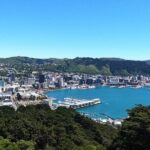
The pay-off is the viewpoint: when you reach higher ground, you get sweeping views across Cook Strait, the Kaikoura Ranges, and the South Island in the distance. This is the kind of horizon that makes Wellington’s geography click. From sea-level and city vantage, you might not fully grasp how mountains and ocean stack up so close together.
There’s also a conservation story attached to this ridgeline area. The Capital Kiwi project has reintroduced wild kiwi a full 100 years since they were last seen and heard in the hills. Even if you don’t spot kiwi on the day (wild kiwi presence is never guaranteed), the context is still valuable. It explains why this land matters beyond scenic photos: it’s part of a long-term attempt to bring a species back to its historical range.
And yes, you’ll see more than birds here. Guides connect the dots between the working farm landscape and conservation. It helps you understand that protection isn’t happening in a vacuum. It takes land stewardship, cooperation, and planning—especially in harsh conditions.
Project West Wind Ridgeline Road: How Wellington Powers Rural Work
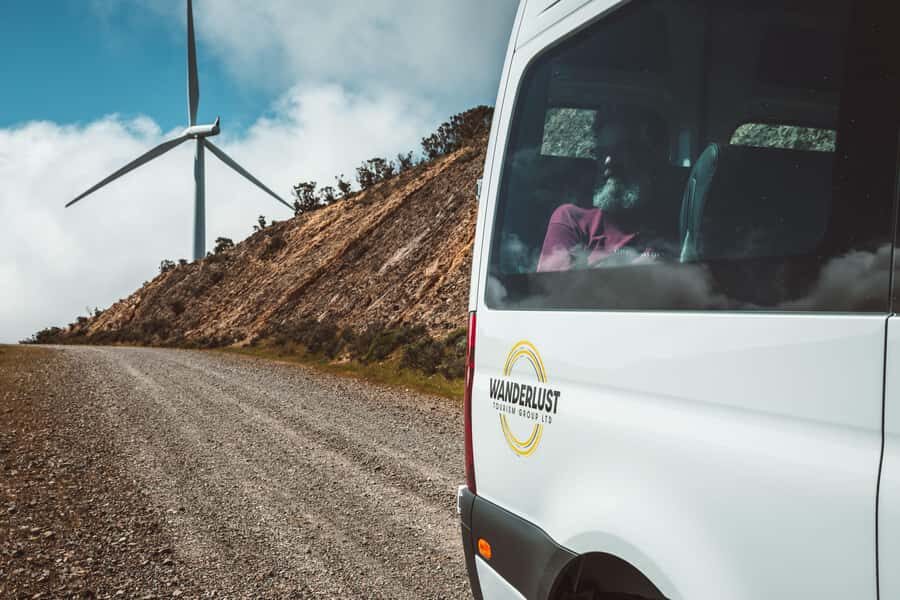
From Terawhiti Station, you continue along a ridgeline road created for Project West Wind. This wind farm generates enough electricity to power all the houses in the Wellington region. That’s a huge fact, but the real value is how it’s explained during the drive.
Wellington has a reputation for wind, and “Windy Welly” isn’t just a nickname. Your guide ties the wind farm to the realities of running a farming operation in difficult conditions—showing how electricity generation links back to everyday survival and maintenance on remote land.
This segment is also a good pacing reset. You’re coming down from the forest-focused bird viewing, then you’re heading toward the coast. The wind farm story sits neatly in the middle: it gives you something grounded in current life while still feeding the tour’s conservation-and-history theme.
If you love learning how infrastructure affects land use, this is one of the most interesting transitions on the safari.
The Leaning Karori Rock Lighthouse and the Descent to Tongue Point
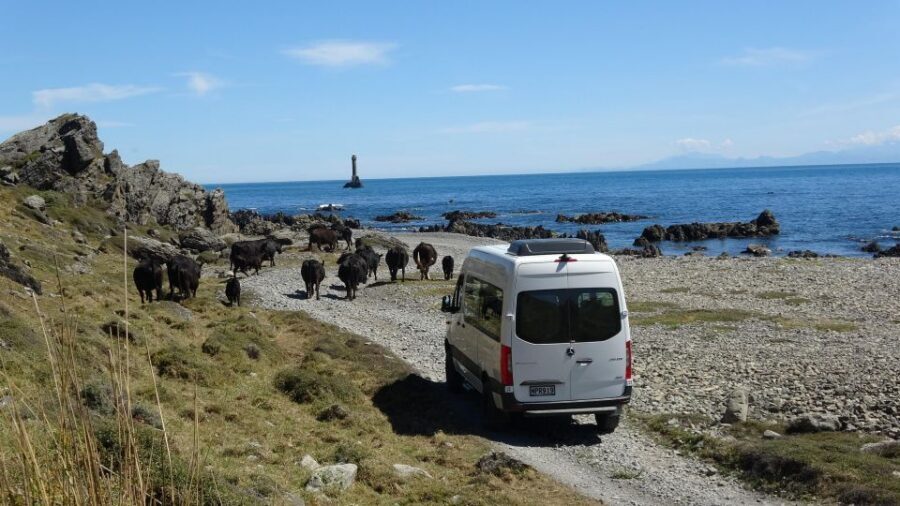
As you start the descent toward sea level, the Karori rock lighthouse appears in the distance—often called the leaning lighthouse because, well, it really does lean. You’ll see it more clearly once you reach the coast.
From there, you traverse a rocky, sandy track to Tongue Point, where there’s a native fur seal colony. This part is short, but it’s the part where you’ll notice the “safari” factor. Comfortable shoes matter here. The track is described as rocky and sandy, and on some days the weather can make traction a concern—so don’t plan on wearing brand-new sneakers.
Light refreshments are included, and your guide uses this time to keep the vibe relaxed. You’ll likely enjoy photos while you settle in and watch.
A key point: you don’t rush straight to seals. You move to the coastline in a way that builds anticipation, and your guide sets expectations about distance and safety before you get your best angles.
Tongue Point Fur Seals: What Close (Safe) Watching Looks Like
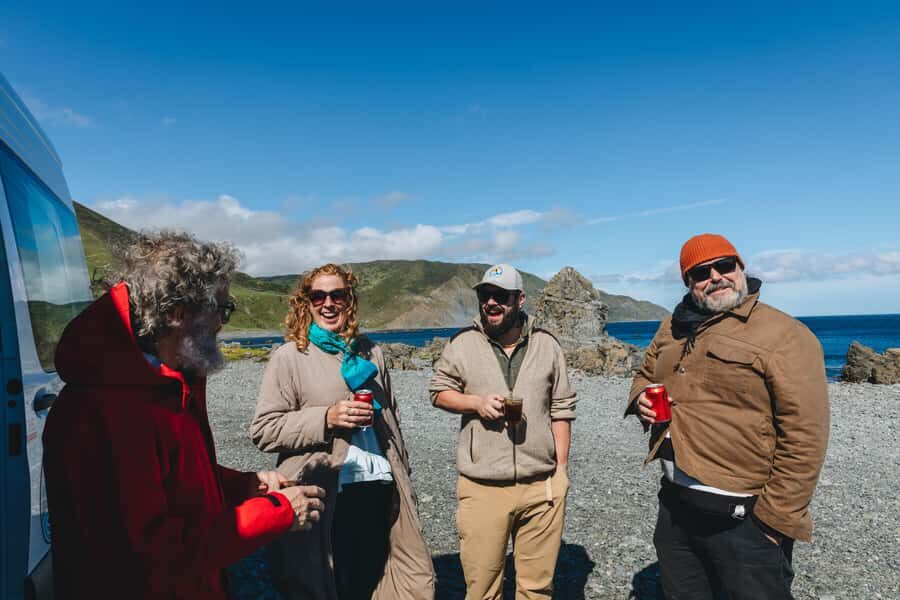
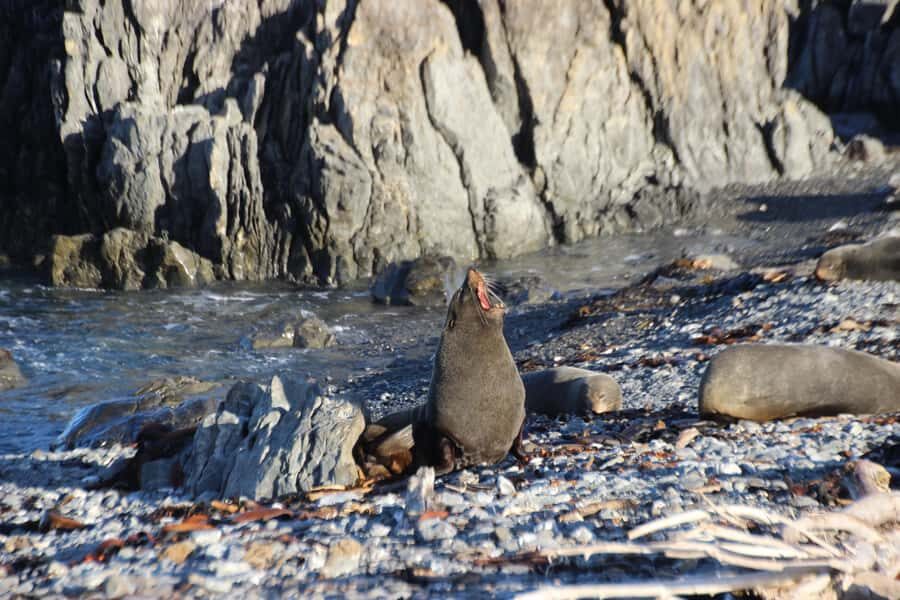
The main event is seeing New Zealand fur seals in their natural environment. At Tongue Point, you can watch them sunbathe, play, and swim. It’s a mix of motion and lounging, so even if you arrive when they’re quiet, something usually changes—heads lift, groups shuffle, and occasionally you’ll see them get active in bursts.
Your guide emphasizes safety and respects the animals’ space. Staying at a safe distance for both their safety and yours is part of the experience design. That’s not just rules talk. It’s why the viewing tends to feel calmer and more rewarding: you’re observing rather than crowding.
From the distance described by guests in the past, it’s often possible to photograph seals without turning it into a chaotic chase. On some trips, people have reported having a very peaceful feel at the beach, which makes sense—Tongue Point isn’t a theme-park stop.
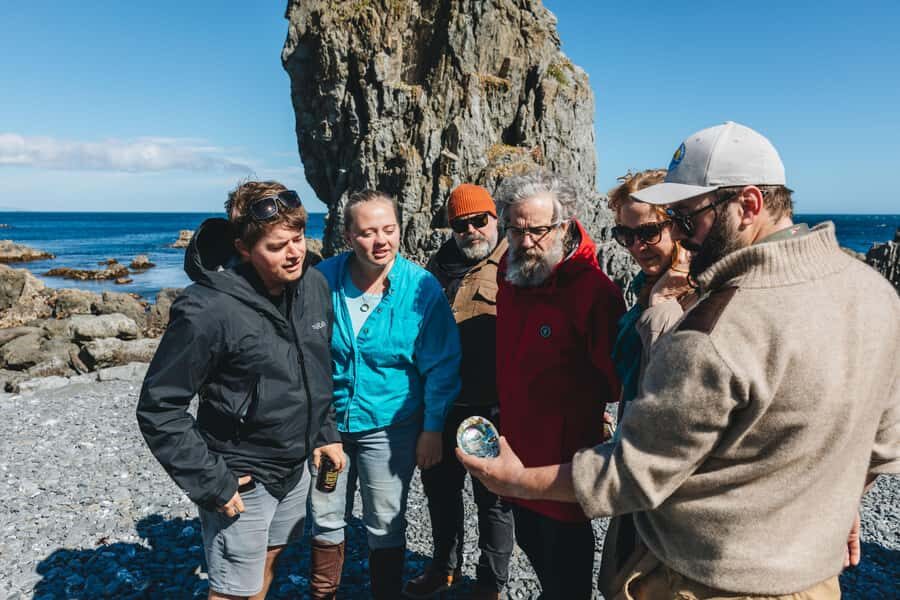
Your guide also talks about the history, ecology, and conservation that helped fur seal numbers flourish again. That adds meaning to what you’re seeing. Without it, fur seals can feel like a cute “sighting.” With it, you understand why the colony is there and what it took to bring populations back.
And if the weather cooperates, the ferries crossing between New Zealand’s main islands can become an extra visual treat while you watch the seals.

The Real Deal on Walking, Weather, and Comfort
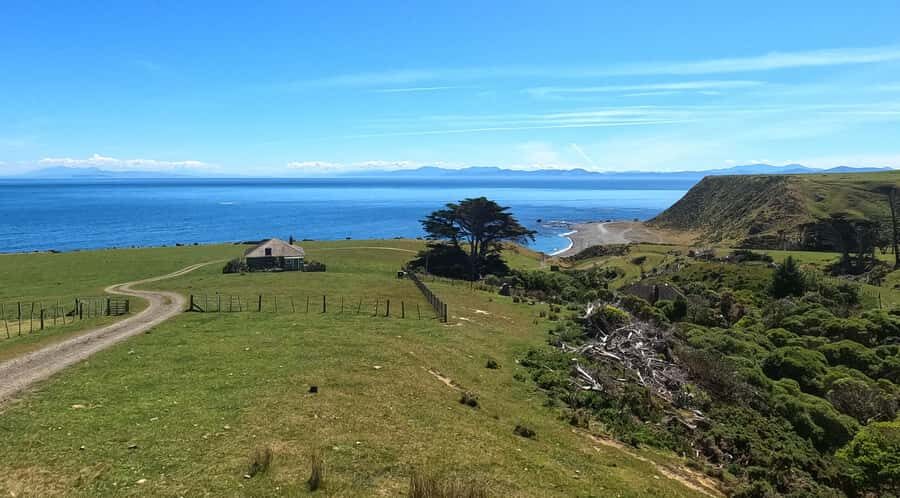
This tour is described as having minimal walking, but that doesn’t mean it’s “sit on a bus the whole time.” You’re dealing with farm roads in a 4WD, plus a rocky, sandy coastal track. In other words: you’ll want shoes that can handle uneven ground.
Weather is also part of the deal. The safari runs in all weather, and route changes may happen due to conditions. That’s normal here. Wellington region coastline and ridgelines can shift fast—wind, rain, fog, and visibility all affect what’s safe and comfortable.
So plan like a local: bring warm clothing, plus sunscreen and sunglasses. You might also appreciate a camera with enough zoom to capture seals without getting closer. And keep in mind there’s no allowance for luggage or large bags, so pack light.
On rainy days, guides have been known to offer warm drinks while waiting for conditions to improve. It’s not the kind of sightseeing “perk” you see in big tour groups, but it fits the overall vibe: keep you comfortable, keep you moving, keep you informed.
Small Group Size and Private Access: Is It Worth $116?
At $116 per person for 210 minutes, this isn’t a budget bus tour. The value comes from three places.
First, you’re paying for private access through farmland. Ordinary visitors don’t get that road access, and it’s a big reason the views and seal viewing feel more personal. Second, the transport is a 4WD Mercedes van with a strong safety record—multiple guests highlight feeling safe on windy roads and rougher tracks. Third, the group is limited to 10 participants, which keeps the guide’s attention focused and the experience from feeling rushed.
So yes, it costs more than a standard city excursion. But the cost-to-time ratio works best if you want variety plus access. You’re getting forest, farming country, wind farm context, and a fur seal beach viewing, all in a single half-day block.
A fair way to judge value: if your only goal is seals, you might not love the full itinerary depth. Some people have felt the farm portion was less central than the forest and the seal beach. Still, in this tour, the farmland is also what makes the coast accessible and lets you build the conservation and ecology stories as you go.
Who This Tour Fits Best (and Who Might Hesitate)
This tour fits you if you:
- Want a half-day nature break without needing a rental car
- Care about conservation context, not just photo ops
- Like being in small groups where the guide can answer questions
- Enjoy scenic viewpoints and wildlife viewing with a safety-first approach
You might hesitate if you:
- Need wheelchair access (the tour is not suitable for wheelchair users)
- Strongly dislike rough farm-track rides or rocky ground surfaces
- Want minimal driving on windy coastal roads (this safari includes plenty of road time)
If you’re on a cruise, the pickup option from the cruise port is a practical win. And if you’re staying in central Wellington and don’t want to spend your day organizing transport, this is built for you.
Names You Might Hear Along the Way
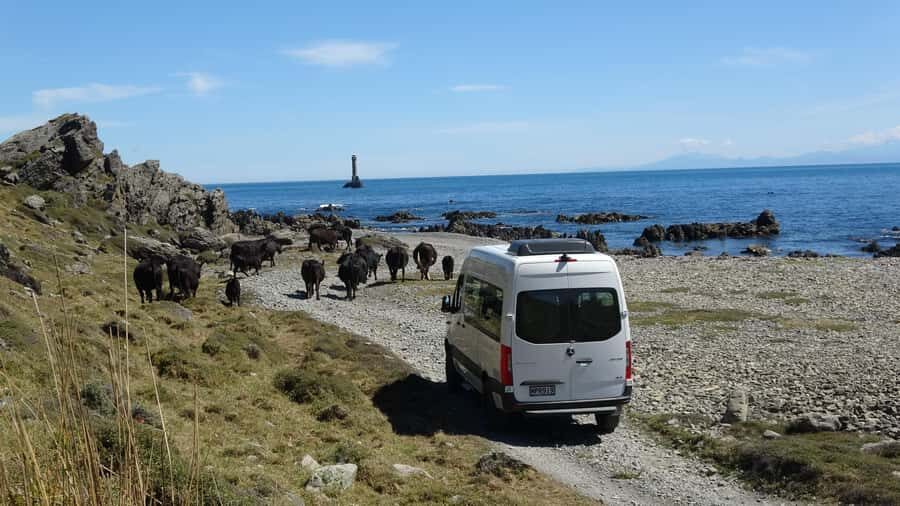
Wanderlust Tourism runs this experience with live English-speaking guides, and the storytelling style shows up repeatedly in the guide names you might encounter: Grant, Sarah (with Chewy as part of the guiding team at times), James, Marc, Gina, Andy, Emily, Hamish, Blue, Chris, and others. The consistency is that guides talk you through what you’re seeing—forest birds, farm history, wind power, lighthouse details, and fur seal ecology—so the day feels like a guided narrative rather than a checklist.
Should You Book the Wellington Half Day Seal Coast Safari?
Book it if you want one of the best uses of a short Wellington window: you get native forest, private farmland viewpoints, major Wellington-region conservation stories, and real fur seal viewing in a compact timeframe.
Skip it only if you’re very sensitive to wind, weather uncertainty, or uneven ground. Since the safari runs in all weather and includes a rocky, sandy track to the seals, you’ll enjoy it more if you’re flexible and ready for outdoor conditions.
If you’re deciding between a generic city tour and something that feels more like a New Zealand “day out,” this one earns its place. The seals are the headline, but the best part is how the guide helps you understand why this coastline, this farmland, and these native species belong together.
FAQ
How long is the Wellington Half Day Seal Coast Safari?
The duration is 210 minutes.
What’s included in the tour?
Light refreshments are included, and pickup is included from central Wellington locations or the cruise terminal (when selecting the cruise port pickup option).
Do I need to walk a lot?
Minimal walking is required. There is still a rocky, sandy track as you go to Tongue Point, so comfortable shoes help.
Does the tour run in bad weather?
Yes. The safari runs in all weather, and route changes may happen based on weather and other conditions.
Is the tour wheelchair accessible?
No, it is not suitable for wheelchair users.
What should I bring?
Bring comfortable shoes, a camera, sunscreen, sunglasses, and warm clothing.
Are luggage or large bags allowed?
No. Luggage or large bags are not allowed.
How safe is the transport on the roads?
The tour uses exclusive 4WD Mercedes vans, and the transport has been highly rated by reviewers.
What if I need to change plans?
You can cancel up to 24 hours in advance for a full refund. Confirmed bookings can also be transferred to another day at no charge if the supplier is notified with at least 24 hours notice.