REVIEW · WELLINGTON
Seal Coast Safari – Exclusive access to Wellington’s secret coast
Book on Viator →Operated by Seal Coast Safari · Bookable on Viator
A secret-coast drive beats the usual city loop. This 3.5-hour small-group safari pairs Wellington’s fur seal colony with big Cook Strait panoramas from private farmland access, not roadside lookouts.
I love the setup: morning or afternoon timing, plus pickup that keeps cruise days sane. You also get a comfort-first 4WD ride that makes the trip feel like a day out with local nature people, not a cattle-call tour.
Second on my list: the stops have real variety. You start at Otari-Wilton’s Bush Native Botanic Garden, then head through Terawhiti Station’s working farm landscape before dropping down to the coast for seal viewing.
The only real drawback to plan around is motion and road comfort: the route includes steep, curvy roads, and the tour is not recommended if you have neck problems.
In This Review
- Key things that make this Seal Coast Safari special
- Why this seal trip feels different from a standard “wildlife stop”
- Getting to the “right” coast: the 4WD Mercedes ride through working land
- Otari-Wilton’s Bush Native Botanic Garden: a calm warm-up before the rugged coast
- Terawhiti Station: private farm views, wind turbines, and animal sightings
- Cape Terawhiti and Karori Rock: the leaning lighthouse moment
- The real highlight: fur seals in their natural habitat
- How the small-group format changes your experience
- Timing, comfort, and what 3.5 hours really means
- Price and value: is $121.01 worth it?
- Photo tips that match what this tour offers
- Who should book this Seal Coast Safari?
- Should you book the Seal Coast Safari?
- FAQ
- Is there a morning or afternoon tour option?
- How long is the Seal Coast Safari?
- Do you offer pickup from Wellington cruise ships?
- Is there hotel pickup?
- What size group is this tour?
- What wildlife and animals should I expect to see?
- Are refreshments included?
- What’s included at the first stop (Otari-Wilton’s Bush)?
- Do I pay anything for the lighthouse area at Cape Terawhiti?
- What if the weather is bad?
- Is the tour suitable for everyone?
Key things that make this Seal Coast Safari special
- Exclusive private-farm access for views that most people never see from Wellington
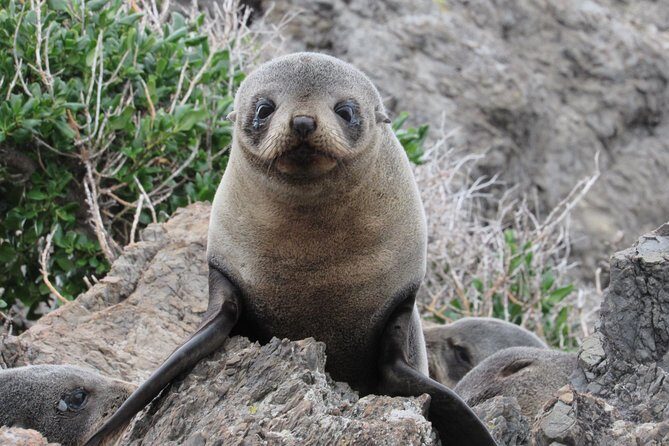
- Close fur seal viewing in the wild at Wellington’s south coast colony
- Otari-Wilton’s Bush start at New Zealand’s native-only botanical garden
- Karori Rock leaning lighthouse area as a memorable coastline viewpoint
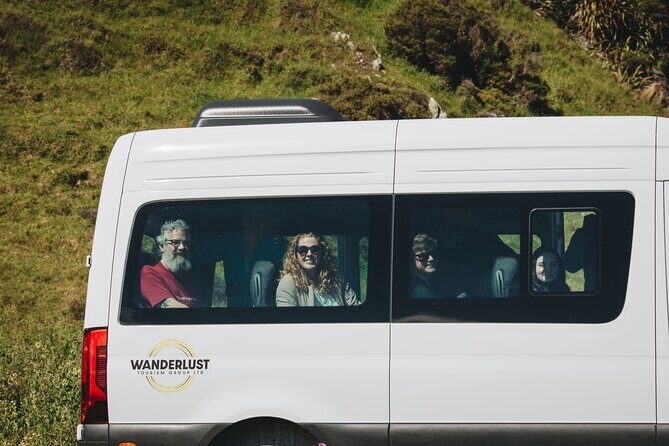
- Small group limit (max 10) with a 4WD Mercedes for comfort and safety
- Tea, coffee, and snacks provided so the stops feel relaxed, not rushed
Why this seal trip feels different from a standard “wildlife stop”
Wellington has wildlife, but it also has logistics. If you only drive yourself, you spend time figuring out routes and you miss the thrill of getting to the right angles. On this safari, the whole day is built around getting you into the right places with minimal fuss.
What makes it work is the mix: botanic garden first, then working farmland, then the coast. You leave with a better sense of how Wellington’s ecosystems connect—from native forest to farm ridges to sea-level habitat. Even the driving is part of the story, with guides pointing out what you’re seeing as you go.
The “secret coast” promise also holds up. A fur seal colony is one thing. Access to the best viewing approach is another. This tour uses private land and a dedicated route to get you where the seals are actually living, not just where a bus can park.
A few more Wellington tours and experiences worth a look
Getting to the “right” coast: the 4WD Mercedes ride through working land
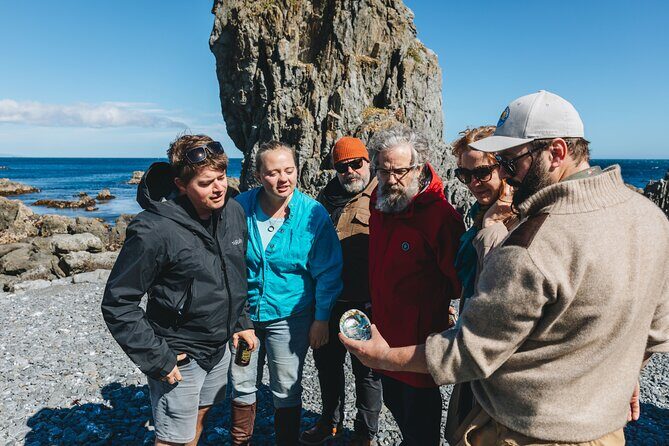
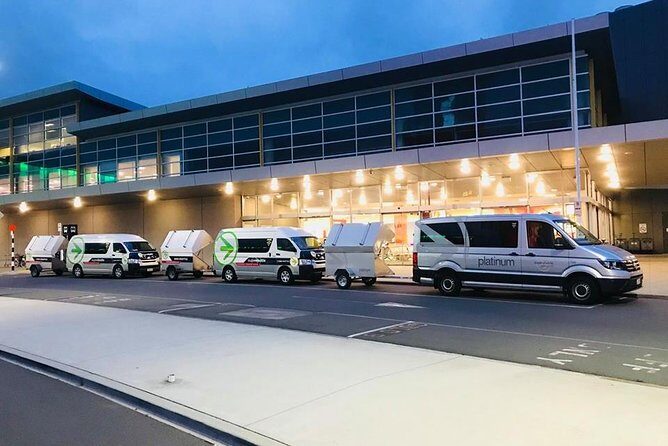
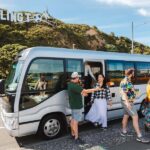
The vehicle is a big part of the appeal. You travel in newer 4WD Mercedes vans, built for comfort on uneven terrain and the kind of roads that twist and drop toward the shoreline. In a city, you don’t think about how quickly Wellington changes from streets to ridges to coast.
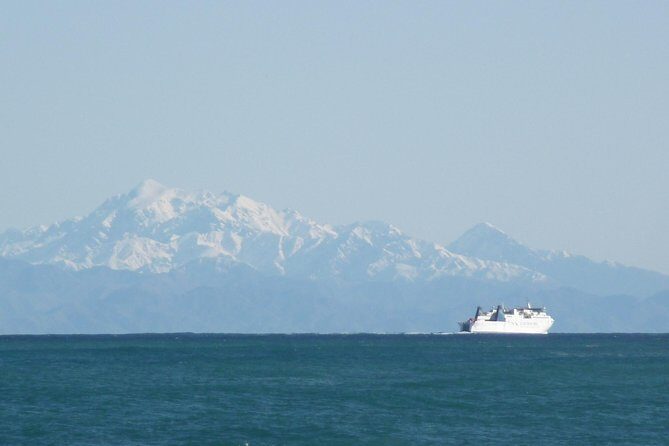
That drive matters for two reasons. First, you get panorama shots of the Cook Strait and the South Island on clear days. Second, you’re moving through private farmland where you can spot animals from the road—cows, sheep, and goats—while still getting to the coastal viewing zone efficiently.
The route isn’t for everyone, though. One of the most consistent bits of practical feedback is that you should be ready for curvy, sometimes steep roads. If you’re sensitive to motion, bring what helps you most on winding trips. And if your neck is an issue, the tour is explicitly not recommended.
Otari-Wilton’s Bush Native Botanic Garden: a calm warm-up before the rugged coast
The tour begins at Otari-Wilton’s Bush Native Botanic Garden, a native-only botanic garden set inside a forest reserve. This is your “take a breath” stop before the ride goes more dramatic.
Why this matters: it sets context. You’re not just going to see animals. You’re learning the plants and birds that make this region tick. The garden is also a nice pace reset after travel days, especially if you’re coming off a cruise. You get about 30 minutes here, which is long enough to stroll, take photos, and get a few key points without turning it into a long hike.
If you like bird spotting, keep your eyes open. One of the guides’ favorite things to point out in this area is native bird life, and you may catch sights like kākā and kererū depending on conditions. Even when you don’t, you’ll come away with a clearer idea of what “native forest” looks like in Wellington.
Terawhiti Station: private farm views, wind turbines, and animal sightings
From the botanic garden, you head toward Wellington’s south coast via suburbs and then turn off onto a route that uses private access through Terawhiti Station. This is one of the oldest and largest stations in New Zealand, and the working-farm feel comes through fast—space, ridges, and the sense that you’re traveling across the real Wellington edge, not just a scenic shortcut.
This stop is where the safari earns its “secret” vibe. You get a guided drive through the station’s land rather than just pausing at public viewpoints. That means you can see both farm activity and big sky views while keeping the group moving at a comfortable pace.
A practical bonus: the station drive gives you animal spotting along the way. The tour is set up for you to look out for cows, sheep, and goats, so your eyes stay busy even before you reach the seals.
Also, keep an eye out for the modern layer on the ridges. One person noted seeing wind turbines across the farmland. That mix—working land plus renewable energy plus ocean views—is very Wellington, and it helps explain how the region balances nature and industry.
Cape Terawhiti and Karori Rock: the leaning lighthouse moment
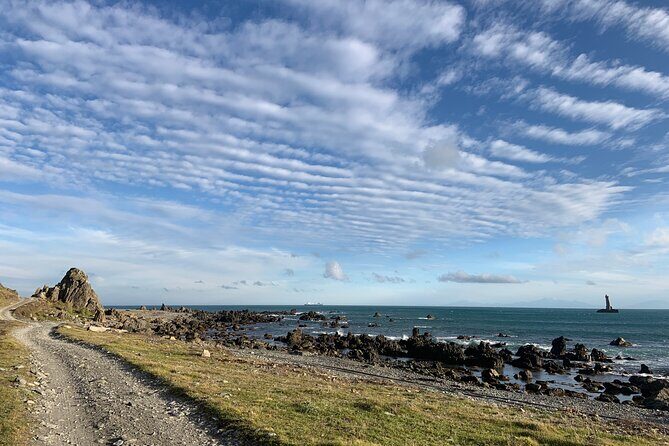
As you descend toward sea level, you’ll notice the Karori Rock lighthouse area, commonly called the leaning lighthouse. It’s a famous coastline marker, and it makes a good “pause and frame” moment in the day.
This part is more than a photo stop. It gives you a sense of where the coastline drops away into the Cook Strait. You start to connect what you saw from higher ground—fields and forest—with the habitat that the fur seals depend on.
Cape Terawhiti itself is listed as a stop with no admission ticket cost, so you’re not paying extra at this point. Expect around an hour here, which is enough time for viewpoints and for your guide to point out what to watch for as you head back toward the seal area.
The real highlight: fur seals in their natural habitat
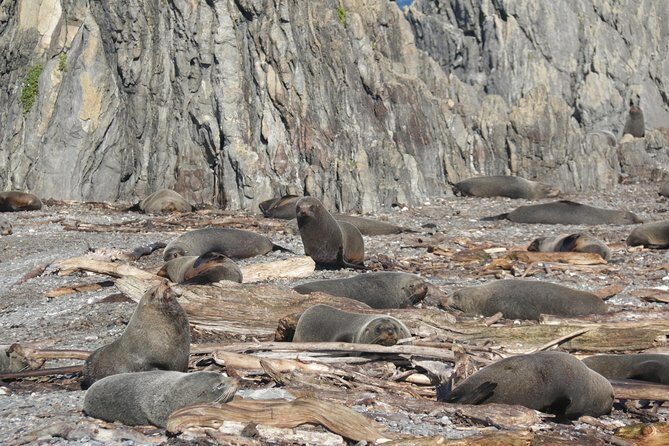
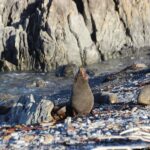
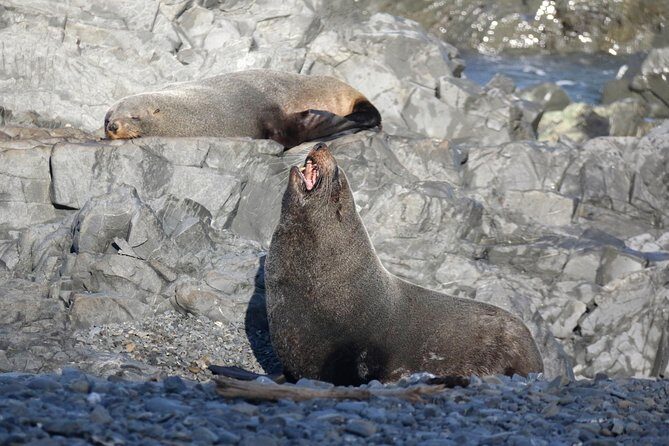
Let’s talk about the main event: Wellington fur seals at a dedicated colony on the south coast. This is the region’s only fur seal colony, and the tour is built to put you close to where the animals rest and haul out.
The best part of the experience is that it doesn’t feel staged. You’re not in an aquarium setup or looking at seals from far away. You watch them in the wild—sunbathing, shifting positions, and going about their day with zero concern for your itinerary. It’s a humbling, satisfying kind of wildlife viewing.
Timing can be a surprise here. Some people loved the overall time on the beach; others wished they had more than a short stretch. The takeaway for you: go in thinking your seal time is a focused photo-and-watch window, not a half-day beach hang. If you’re traveling for wildlife above all, plan your expectations accordingly.
The guide you get can also change how easy it is to spot seals. One practical note: a participant said they wanted a bit more help finding the seals on the day. That’s not a deal breaker—your guide should help—but if you’re the type who gets frustrated if you can’t immediately spot wildlife, don’t be shy about asking for a quick pointer once you’re settled.
How the small-group format changes your experience
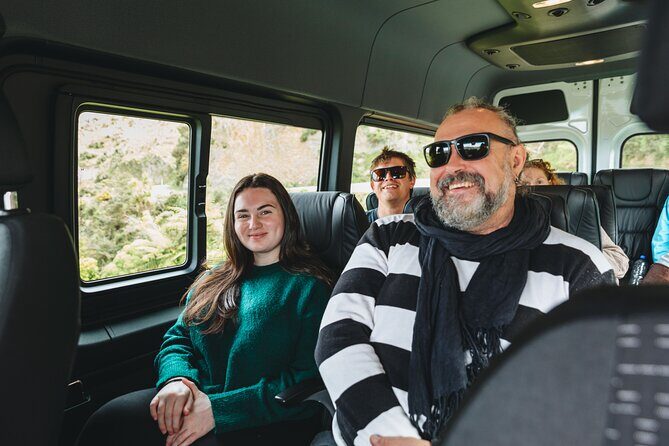
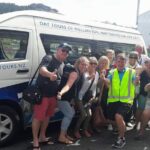
This tour caps at 10 travelers, and you can feel it from start to finish. With fewer people in the vehicle, the guide’s commentary lands better, and photo stops don’t turn into a traffic jam.
You also tend to get more attention at key moments. When you arrive at the coast, there’s more room to spread out and then refocus when the guide calls out what to look for. Even on days where visibility is mixed, smaller groups keep the pace from becoming chaotic.
A few guides stand out in the feedback. Sara and Grant got repeated praise for being fun, safe, and strong at connecting what you see to the local story. Hamish was noted for covering Wellington history and running the tour with a warm, capable style. Marc was mentioned for humor and show-stopping vistas. Chewy and Blue (and another guide spelled as WiiWii) were praised for enthusiasm and for making the ride feel like a chat with someone who loves the place.
In short: you’re not just buying access to seals. You’re buying interpretation, and the small-group limit helps that interpretation actually stick.
Timing, comfort, and what 3.5 hours really means
The tour runs about 3 hours 30 minutes. That’s a sweet spot if you’re on a short Wellington stay, including cruise calls. The schedule also works because you aren’t trying to cram in multiple long walks. Most of the time is driving plus short, purposeful stops.
You’ll have tea, coffee, and snacks. That small detail matters more than you’d think. It keeps the day comfortable, especially when the coast is breezy or your timing overlaps with your usual snack hunger.
If you’re sensitive to motion or you tend to get stiff on winding roads, the comfort part becomes important. You’re in a 4WD, which helps stability, but the route still has sharp turns. This is one reason the tour advises against neck issues. If that’s you, consider a calmer city alternative.
Price and value: is $121.01 worth it?
At $121.01 per person, this isn’t a cheap bus ride. But it also isn’t paying only for “a viewpoint.” You’re paying for several things that cost real money in the real world:
- Private farmland access to reach the right angles
- A 4WD Mercedes designed for this terrain
- Entry included at Otari-Wilton’s Bush Native Botanic Garden
- Tea, coffee, and snacks
- A small group with dedicated guides
For a cruise day, the value can feel even stronger because the tour includes pickup and drop-off aligned with dock access. Multiple people highlighted that cruise timing was handled smoothly, which is exactly what you want in a port where every minute matters.
Where the price feels less perfect is if you’re only going for seals and you’re expecting unlimited beach time. Your seal viewing is a highlight, but it’s not an all-day beach camp. If you like structured wildlife watching in the right locations with context, the price makes sense. If you want pure hours-on-sand lounging, you might feel the edges of the schedule.
Photo tips that match what this tour offers
You’re going for panoramic views and close wildlife, so set up your expectations like a shooter, not like a tourist-only photographer.
- Bring a phone or camera with a fast way to zoom. Fur seals can be near, but you might still want tighter framing for faces and textures.
- Be ready for changing light. Coastal wind can change how you see things fast.
- Wear something you’re comfortable in for cool breezes. A snack and a hot drink help, but the coast can still feel chilly.
If you’re hoping for the South Island view across Cook Strait, your best bet is a clear day. The tour runs with the expectation of good weather, and clear skies pay you back in the form of stronger ocean panoramas.
Who should book this Seal Coast Safari?
This is a strong fit if you want a half-day nature outing with real logistics handled for you. It’s also great if you like variety—forest first, then farm ridges, then coastline wildlife.
It’s also a good call if you’re traveling in a group of friends or couples who still want conversation with the guide. The small size keeps the day from feeling like a production line.
Think twice if any of these apply:
- You’re not comfortable on curvy roads or you get motion sick easily
- You have neck problems, since the tour is not recommended for that
- You want a long, unstructured beach day with no driving and no schedule
Should you book the Seal Coast Safari?
Yes—if you’re the type who wants more than a quick wildlife photo, and you like the idea of getting far beyond Wellington’s city edges with private access. This tour pairs the spectacle (fur seals) with context (native bush and working farmland), and it does that in a well-paced 3.5-hour format.
Skip it if you need gentle, straight roads or if your top priority is hours of beach time over guided stops and interpretation. For most people, though, this is exactly the kind of Wellington experience that feels both practical and genuinely memorable.
FAQ
Is there a morning or afternoon tour option?
Yes. You can choose either a morning or an afternoon tour to better match your schedule.
How long is the Seal Coast Safari?
The experience runs about 3 hours 30 minutes.
Do you offer pickup from Wellington cruise ships?
Yes. Pickup and drop-off are offered direct from cruise ships.
Is there hotel pickup?
Yes. Free hotel pickups are mentioned as part of the experience service.
What size group is this tour?
The tour has a maximum of 10 travelers.
What wildlife and animals should I expect to see?
You’ll visit a fur seal colony and also have chances to see cows, sheep, and goats during the drive through private farmland.
Are refreshments included?
Yes. Tea, coffee, and snacks are provided.
What’s included at the first stop (Otari-Wilton’s Bush)?
Admission is included at Otari-Wilton’s Bush Native Botanic Garden.
Do I pay anything for the lighthouse area at Cape Terawhiti?
Cape Terawhiti is listed as free in the tour information.
What if the weather is bad?
The experience requires good weather. If it’s canceled due to poor weather, you’ll be offered a different date or a full refund.
Is the tour suitable for everyone?
Most travelers can participate, but it is not recommended for travelers with neck problems.