REVIEW · WELLINGTON
Wellington: Lord of the Rings Filming Locations Tour
Book on GetYourGuide →Operated by Xplor Tours NZ Limited · Bookable on GetYourGuide
That quarry stop can feel like magic. This Wellington Lord of the Rings filming locations tour stitches Middle-earth filming spots into a full day out, with Weta Workshop and Weta Cave as the hands-on payoff. I like that you get guided context for scenes tied to real places (not just photo ops), and I also like the mix of film locations with Wellington viewpoints like the Mount Victoria lookout. One consideration: the outdoor locations have changed a lot since filming, so you should expect to recognize the story beats more than see perfectly preserved sets.
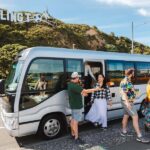
The day runs about 390 minutes and is paced to fit multiple stops across the Hutt Valley and Miramar. It’s a small group (up to 15) with an English-speaking guide, so you usually get time to ask questions. Still, some parts include walking on uneven ground and a few steeper bits, so wear solid shoes and plan for weather.
In This Review
- Key highlights worth planning around
- Middle-earth in Wellington: what to expect from real filming locations
- The best payoff: Weta Workshop in Miramar (and why it’s worth the ticket)
- Dry Creek Quarry, Helm’s Deep, and Minas Tirith: big names, real terrain
- Following the story: River Anduin and Harcourt Park’s Isengard scenes
- Rivendell at Kaitoke Regional Park: a guided walk, not a theme park
- Hobbiton Woods from Mount Victoria: picture the scenes in the right light
- Weta Cave and the photo-op reality check
- Timing, pacing, and group dynamics in a 390-minute day
- Price and value: where $176 makes sense (and where it might not)
- Who should book this Lord of the Rings Wellington tour
- Should you book this tour?
- FAQ
- How long is the Lord of the Rings Filming Locations Tour in Wellington?
- How much does the tour cost?
- What is included in the tour price?
- Where is pickup provided?
- Which Lord of the Rings filming locations do you visit?
- What do you do at Weta Workshop and Weta Cave?
- Is lunch included?
- What should I bring for the day?
- Is smoking allowed during the tour?
- Is the tour wheelchair accessible?
Key highlights worth planning around
- Weta Workshop behind-the-scenes: Included entry plus an exclusive workshop tour where you can see how props and weaponry are made.
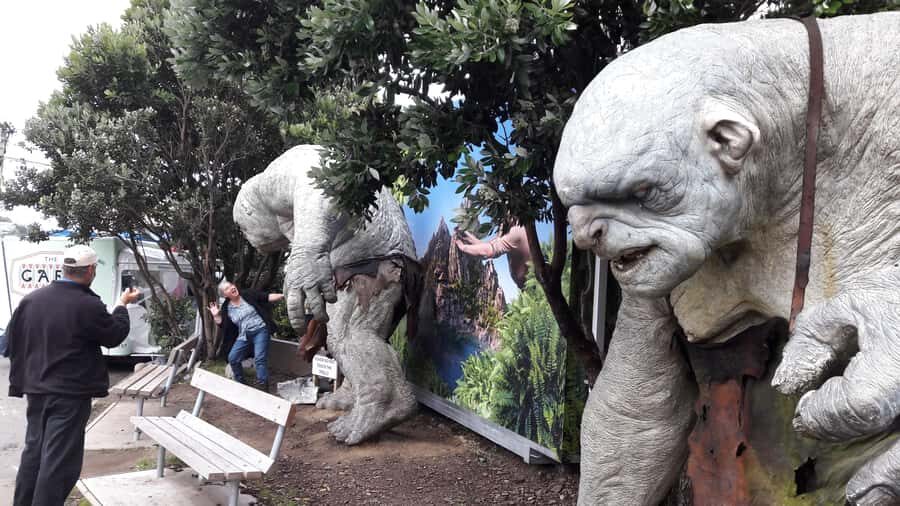
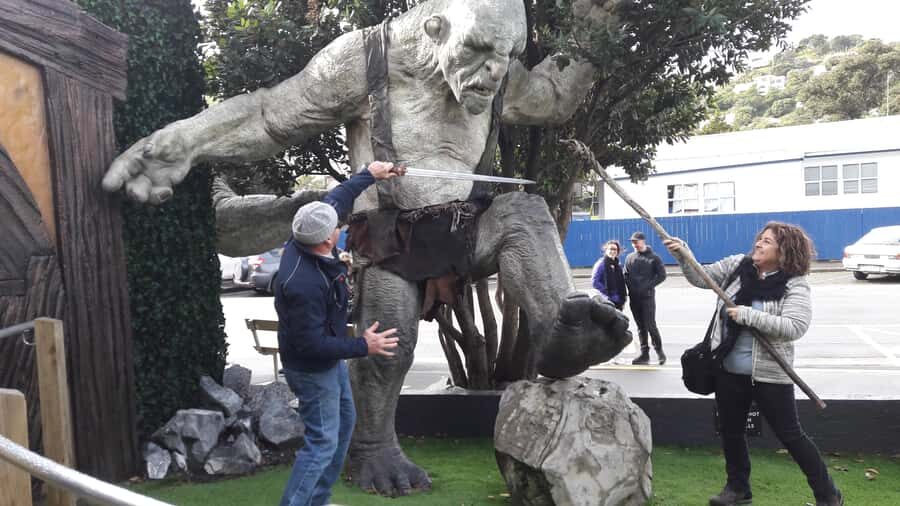
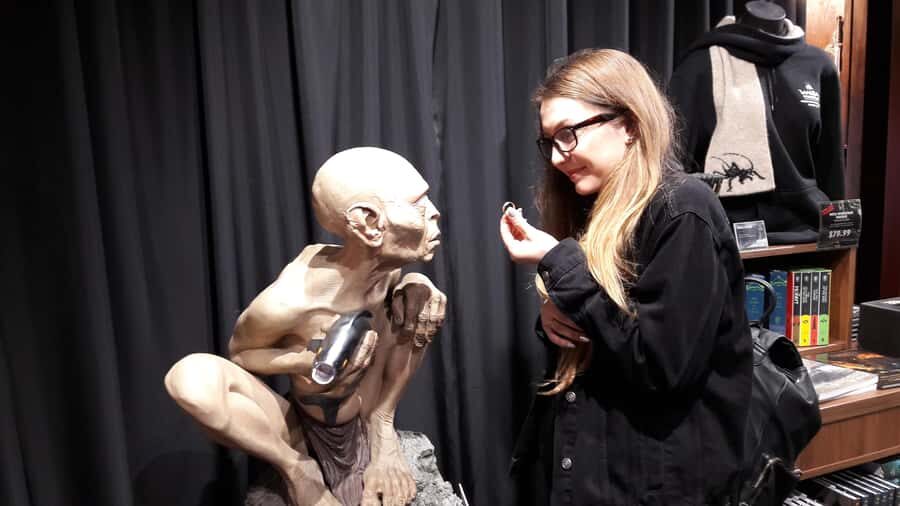
- Weta Cave photo moments: Time to buy souvenirs and pose with characters and props like Gollum and Lurtz the Uruk-hai.
- Four key filming locations in the Hutt Valley: Dry Creek Quarry, River Anduin (Hutt River), Harcourt Park, and Rivendell at Kaitoke Regional Park.
- Rivendell walk with a swing-bridge option: A guided stroll tied to the Elves’ setting, plus the chance to cross if you want.
- Hobbiton Woods scenes from Mount Victoria: You’ll be in position to picture specific moments linked to Sam and Frodo, the Black Rider, and Dunharrow.
- Panoramic Wellington views: Mount Victoria gives you a wide look over the city and harbor, camera ready.
Middle-earth in Wellington: what to expect from real filming locations
This is a story-driven tour that uses real-world locations across Wellington’s region. That means you’ll stand in places used in production, not recreated sets. In practice, that’s why the tour works best when you’re curious about why a location was chosen and how directors turned hills, rivers, and quarries into cinematic worlds.
I like that the stops connect directly to recognizable moments. For example, you’re taken to Dry Creek Quarry for elements of Helm’s Deep and Minas Tirith, then you follow the river corridor for Amon Hen on the River Anduin (the Hutt River). Later, Harcourt Park is tied to the Gardens of Isengard story beats—Gandalf’s conversation with Saruman the White and the Orc army destruction aftermath.
The main drawback is also the biggest expectation to set early: outdoor sites have changed in the 25 years since filming. So you won’t get the wow of walking into a set that looks exactly like the movie. Instead, you’ll get a guided read on what you’re looking at now, and how it became Middle-earth then.
You can also read our reviews of more tours and experiences in Wellington.
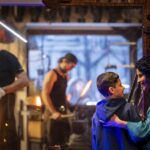
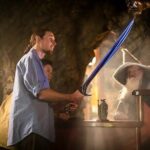
The best payoff: Weta Workshop in Miramar (and why it’s worth the ticket)
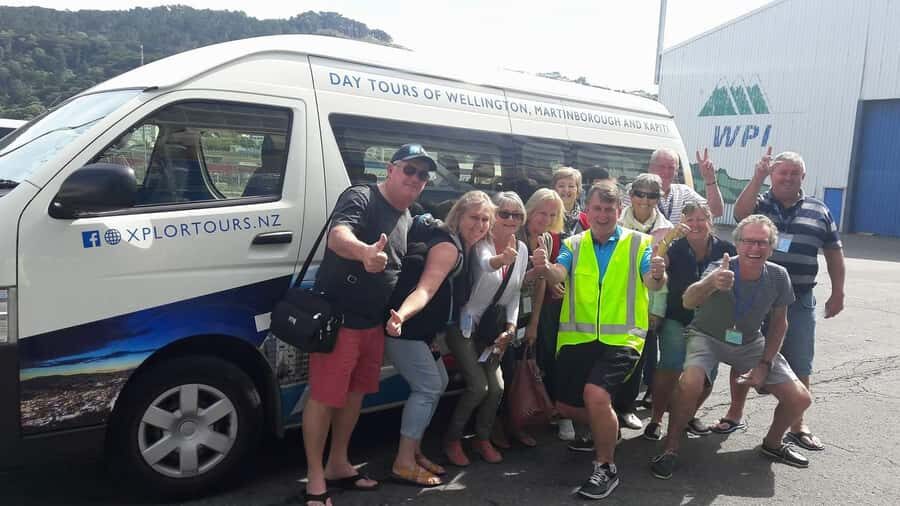
If you’re choosing what to prioritize in Wellington, Weta Workshop is the anchor. The tour includes entry to Weta Workshop and an exclusive behind-the-scenes tour of how props and weaponry get made. You’re not just looking at exhibits; you’re getting the production mindset—what gets built, why it’s built that way, and how the craft supports the films.
This is also where the day can turn from sightseeing into something more tactile. Depending on the day’s flow, you may even meet artists at work creating props. That’s the kind of detail that makes the workshop feel different from a standard museum stop.
It’s smart to give the workshop your full attention even if some of the outside locations feel less movie-perfect. The workshop is where the Middle-earth “magic” becomes visible: materials, design choices, and the practical engineering behind what you saw on screen.
Dry Creek Quarry, Helm’s Deep, and Minas Tirith: big names, real terrain
The first key filming area is Dry Creek Quarry, tied to Helm’s Deep and Minas Tirith. In theory, it sounds like you’ll be stepping into towering fortress vibes. In real life, you’ll be looking at a functioning quarry environment that production adapted for cinematic scale.
That’s not bad—it’s just honest. The value here is your guide’s framing: where the camera likely placed viewpoints, how the surrounding rock and depth could become dramatic battles, and how the setting translated into the films’ sense of massive distance.
One consideration to keep in mind: if your personal wow-factor depends on exact set recreation, this quarry stop may not satisfy that. Some people want the outdoors to look like the movie stills. If that’s your expectation, adjust it now. Think of this as a location explanation tour first, and a photo tour second.
Practical tip: take a wide shot from a few angles, even if it feels like a parking lot at first. Often, it’s the guide’s comments that help your brain “rebuild” the film frame onto the real terrain.
Following the story: River Anduin and Harcourt Park’s Isengard scenes
After Dry Creek Quarry, the tour moves to the River Anduin (the Hutt River). This stop centers on the Fellowship’s travel to Amon Hen. The river setting matters here because it gives you a long line for the story—water as a journey marker, and river bends that can act like location transitions on screen.
Then it’s on to Harcourt Park, which is the filming location tied to the Gardens of Isengard. This is where the tour usually feels most narrative-heavy: you get the context for why Gandalf met Saruman the White to discuss the Ring, and you also hear how Saruman’s Orc army destroyed the gardens.
Harcourt Park helps you understand a key filmmaking trick: how a peaceful-looking park area can be framed as something sinister once lighting, movement, and set dressing do their work. Even if the gardens aren’t the same today, the story logic comes through when your guide keeps pointing out the sightlines and the emotional shift in the scenes.
Rivendell at Kaitoke Regional Park: a guided walk, not a theme park
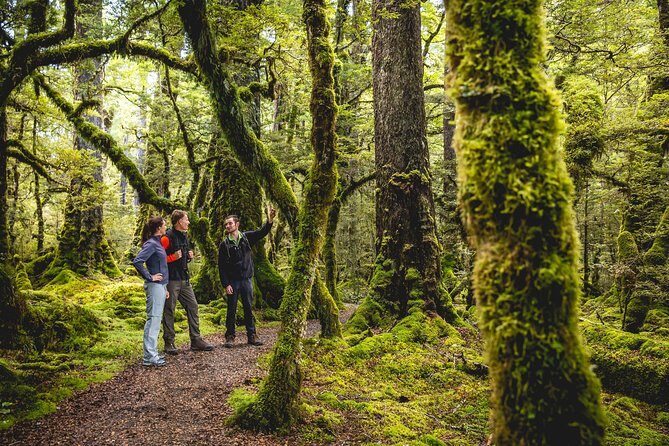
Next up is Rivendell at Kaitoke Regional Park, the home of the Elves. This stop tends to feel calmer, more natural, and more “walkable” than the quarry portion.
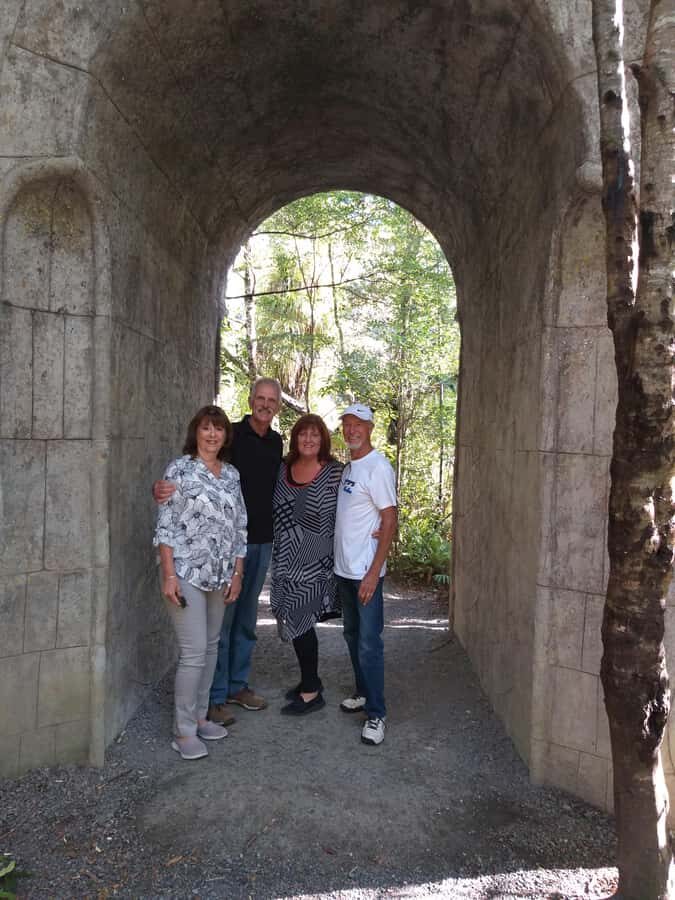
You’ll enjoy a walk through Rivendell and see the nearby river used for the scene where Éomer recovers the dying Théodred, son of King Théoden. This is the kind of stop where paying attention to the guide’s direction matters. The riverbank and surrounding edges of the park are what help you connect the geography of the film to the geography of the present.
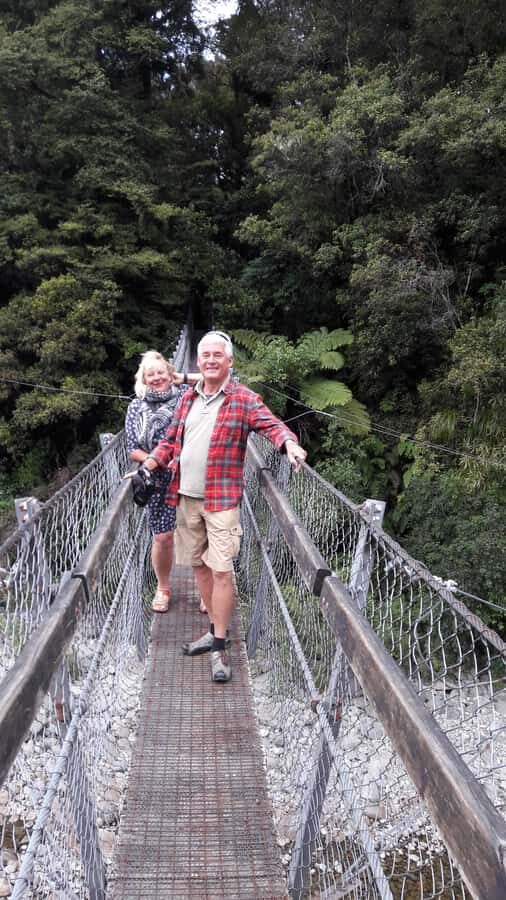
There’s also an optional moment for a bit of extra fun: more adventurous travelers may cross a swing bridge over the Hutt River. If you do, treat it like a mini-adventure break. Just remember that suspension bridges and uneven approaches aren’t ideal if you’re not comfortable on your feet.
One more reality check: this is an outdoor walk. If you know you struggle with steep hills or short climbs, plan accordingly. The tour is designed for most people, but some parts of the day involve walking down and up.
Hobbiton Woods from Mount Victoria: picture the scenes in the right light
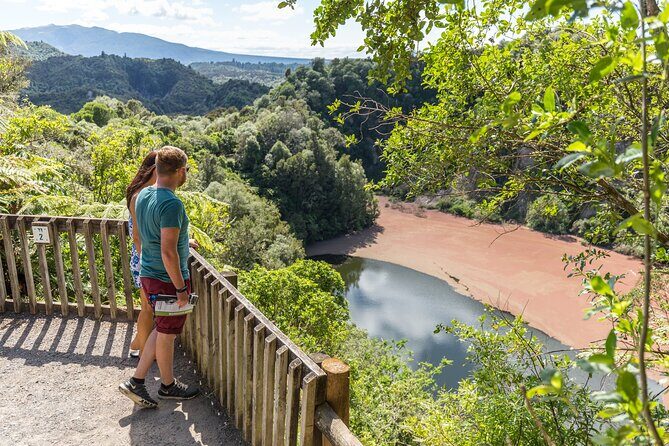
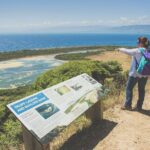
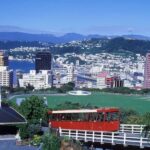
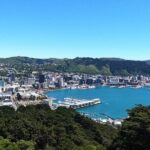
After Weta Cave and lunch time, the tour heads to Mount Victoria. From here you’ll get panoramic views over Wellington’s city and harbor, so have your camera ready.
Then the day ties you into the Hobbiton Woods area for moments filmed during the trilogy. This is where the tour becomes a fan-mapping exercise: you’re not just seeing a place, you’re placing scenes onto it.
You’ll be connected to the Shortcut to Mushrooms idea, Sam and Frodo’s Second Breakfast, the moment where the Hobbits hid and told the Black Rider to get off the road (the idea of that scene is specifically called out), the Race to the Buckleberry Ferry, and King Théoden’s Dunharrow encampment.
Here’s why that works: Mount Victoria gives you a wider context than a single location stop. When you can see how the area connects, your brain fills in the travel paths and makes the scenes feel more believable. Even if the exact film frame isn’t sitting in front of you today, the physical geography helps.
Weta Cave and the photo-op reality check
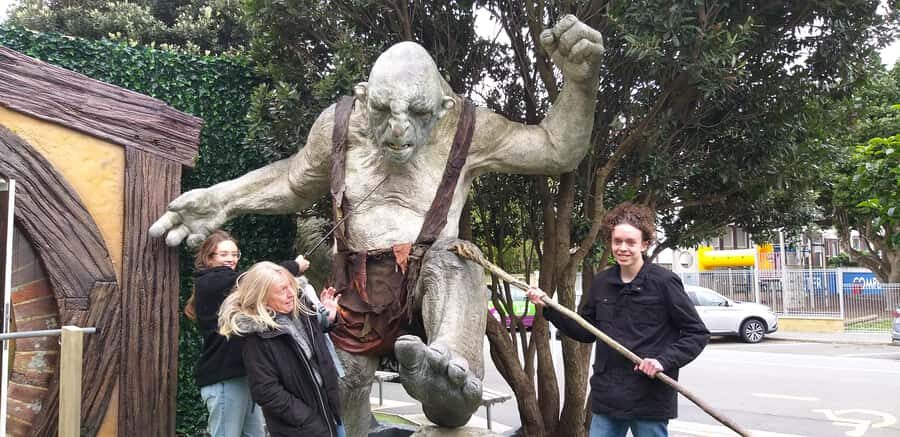
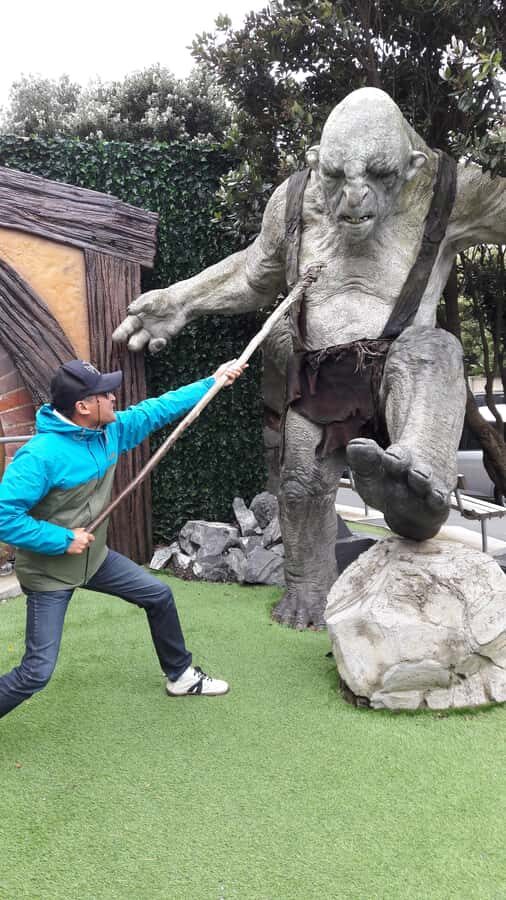
Near the end of the tour, you’ll reach the Weta Cave. This is where the fun shifts into souvenirs and character meet-and-photo moments. You’ll have an opportunity to purchase items and pose with Weta characters and props, including Gollum, Lurtz the Uruk-hai, and Bilbo’s three Trolls (plus characters from other movies Weta has been involved in).
This part is straightforward, but it’s important to manage your time. The tour includes plenty of moving pieces, so decide early if you want a quick browse or a slower, shopping-first approach. If you do want photos, factor in time for lines and getting the pose right.
Also, remember that this is a photo-heavy zone. If you’re traveling with non–Lord of the Rings fans, this is often the easiest segment to keep everyone happy, because the characters are instantly recognizable even to casual viewers.
Timing, pacing, and group dynamics in a 390-minute day
The tour runs 390 minutes (about 6.5 hours). That’s long enough to feel like a real day trip, but short enough that you’ll be doing a lot of “moving, looking, listening, snapping, repeat.”
Most of the included value is in the bundled sights: multiple filming locations plus the workshop and cave. To make it all work, the day depends on timing—especially if the Weta Workshop tour availability affects the format. The provider also notes that details may change without notice, so keep a flexible mindset.
Group size is capped at 15, which is a great setup for questions and a guide who can keep the thread of the day. Still, some days can feel busier than you’d expect if departures happen in separate bus groups. If you’re sensitive to crowding or you don’t like lots of walking in the same time window, arrive with patience and wear shoes you can trust.
Lunch isn’t included, but the guide will discuss lunch preferences based on time and options like café, takeaway, or pub. In other words: plan to eat on your own schedule, not on a fancy tour program.
Price and value: where $176 makes sense (and where it might not)
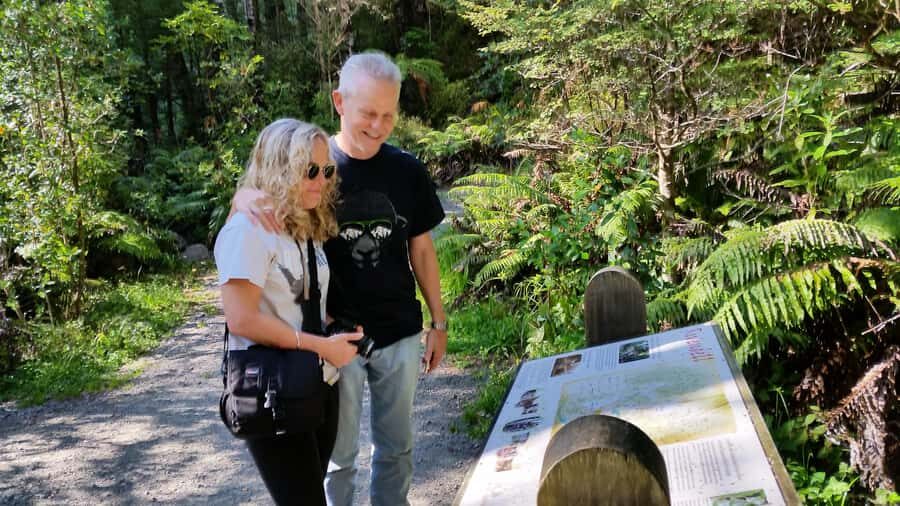
At $176 per person, this tour’s value comes from what’s included—not just the filming locations.
You’re paying for:
- Hotel or i-Site pickup in Wellington
- Entry and an exclusive behind-the-scenes tour at Weta Workshop
- Guided visits to four key Hutt Valley filming locations
- A Weta Cave stop for souvenirs and photos
- Mount Victoria lookout panoramic time
If Weta Workshop and Weta Cave are “must-dos,” the price is easier to justify because those parts aren’t quick add-ons. The workshop portion takes time and adds real production context, which then makes the outdoor filming locations click more.
If, however, your personal priority is seeing film sets that look exactly like the movies, you may find the outdoor stops underwhelm. The quarry and outdoor parks are real places now. They can still be great—just not in the exact-set way some people expect.
My best advice for value is simple: go in wanting story context and production craft. Not expecting movie-still recreation.
Who should book this Lord of the Rings Wellington tour
This is a strong choice if you:
- Love the Lord of the Rings films and want your day in Wellington tied to specific scenes
- Care about the practical side of filmmaking (props, weaponry, how scenes get built)
- Want a guided route so you don’t spend half your time figuring out where everything is
It’s also a good fit if you’re traveling with a mix of film fans and people who like beautiful views, since Mount Victoria delivers scenery and the workshop delivers craft.
Choose carefully if:
- You need a low-walking day or you’re relying on wheelchair-friendly routes. The information you’ll see includes both a wheelchair-accessibility note and a warning that it’s not suitable for wheelchair users, plus limited wheelchair accessibility on some parts. So do your homework before booking.
- You expect outdoor locations to look like the films. They won’t.
One more note on guide energy: tour quality often depends on the guide’s narration style. People have had experiences with different guide styles over time, and names like Stan and Richard have come up as examples of guides who delivered a fun, teaching-forward day. If you’re the type who loves clear pacing and explanations, pick this tour when you know you’ll enjoy a story-heavy format.
Should you book this tour?
I think you should book it if your Wellington plan includes both Middle-earth sightseeing and serious Weta craftsmanship time. The included workshop and Weta Cave stops are the core reasons this works, and they give you something more than “stand here, take a photo.”
You should pause and rethink if your main goal is exact movie-set visuals. Outdoor locations have changed, and the day is built around recognition and storytelling rather than perfectly preserved sets.
If you’re flexible, bring good shoes, and show up ready to connect film scenes to real terrain, this is a genuinely satisfying way to spend a Wellington day.
FAQ
How long is the Lord of the Rings Filming Locations Tour in Wellington?
The tour duration is 390 minutes, or about 6.5 hours.
How much does the tour cost?
The price is $176 per person.
What is included in the tour price?
It includes hotel or i-Site pickup, entry to Weta Workshop, visits to four key LOTR filming locations in the Hutt Valley, an exclusive behind-the-scenes tour at Weta Workshop, time at Weta Cave for souvenirs and photos with Weta characters/props, and panoramic views from Mount Victoria lookout.
Where is pickup provided?
Pickup is included from your hotel or from Wellington i-Site. The default i-Site pickup point is outside Tākina at 217 Wakefield Street, and cruise ship guests select the Wellington Cruise Ship Port option. A pickup location must be given when booking.
Which Lord of the Rings filming locations do you visit?
You visit Dry Creek Quarry (Helm’s Deep and Minas Tirith), the River Anduin (Hutt River) tied to Amon Hen, Harcourt Park for the Gardens of Isengard, and Kaitoke Regional Park for Rivendell. You also go to Mount Victoria for the Hobbiton Woods-related filming moments.
What do you do at Weta Workshop and Weta Cave?
At Weta Workshop in Miramar, you get an exclusive behind-the-scenes tour where props and weaponry are made (entry included). At Weta Cave, you can purchase souvenirs and pose for photos with characters and props such as Gollum, Lurtz the Uruk-hai, and Bilbo’s three Trolls.
Is lunch included?
Lunch cost is not included. The guide will discuss lunch preference based on timing, with options like café, takeaway, or pub.
What should I bring for the day?
Bring comfortable shoes, a hat, a camera, sunscreen, and water.
Is smoking allowed during the tour?
Smoking is not allowed.
Is the tour wheelchair accessible?
The activity information includes wheelchair accessibility, but it also states it is not suitable for wheelchair users and that some parts have limited wheelchair accessibility. It’s best to check accessibility details before booking.