REVIEW · CHRISTCHURCH
Willowbank Wildlife Reserve Day Entry
Book on Viator →Operated by Willowbank Wildlife Reserve · Bookable on Viator
Kiwi time is real at Willowbank. This Christchurch wildlife reserve is a compact mix of native animals and interactive enclosures, and the visit works well even if you’re tight on time. I love the hands-on animal time where you can feed and pat many of the animals, and I also love the guaranteed kiwi house experience that gives you a real shot at seeing New Zealand’s most famous bird. One thing to consider: the kiwi nighttime exhibit is dark, so you’ll need patience and a little dark-adaptation to spot them.
For about $22.65 per person, you’re buying 1 to 3 hours of flexible, self-paced exploring plus a cafe and retail store on-site. If you like things simple, you can use a mobile ticket or a paper ticket, and you’ll get confirmation at the time of booking.
Guaranteed kiwi house viewing in a simulated nighttime setup
Feed-and-pat style animal encounters across multiple enclosures
Native NZ icons in one visit (kea, kaka, takahe, tuatara, kiwi)
Good family fit with farm animals and easy paths
Easy Christchurch stop close to the airport and near public transport
Small enough to feel personal with a maximum of 200 travelers
In This Review
- Entering Willowbank: tickets, timing, and how to use your day
- Your self-paced route: how to plan the 1–3 hours
- Kiwi house at night: what you’re really buying
- Kea, kaka, takahe, tuatara, and other NZ icons in one stop
- Hands-on feeding and patting: how the animal encounters work
- Walkways, water views, and why the reserve feels relaxing
- The cafe and store: don’t skip the break
- Price and value: is $22.65 worth it?
- Who should book Willowbank, and who might want to plan better
- Should you book Willowbank Wildlife Reserve day entry?
- FAQ
- How long does the Willowbank Wildlife Reserve day entry take?
- Is kiwi viewing included and guaranteed?
- How much does it cost?
- What ticket options do I have?
- Are food and drinks included?
- Is transportation to and from Willowbank included?
- What is the cancellation policy?
- Can children visit?
Entering Willowbank: tickets, timing, and how to use your day

Willowbank Wildlife Reserve is built for a day-entry style visit. You’re not stuck to a rigid tour schedule. You can plan your arrival when it fits your Christchurch day—whether you’re coming from the airport, building in a calm break mid-itinerary, or trying to make a short stop work without rushing.
Your ticket is set up for convenience. You’ll have either a mobile ticket or a paper ticket option, and booking gives you confirmation right away. That matters because a wildlife reserve can be one of those “we’ll see if we can fit it in” plans—prebooking removes the guesswork and saves you time when you’re already traveling.
Once you’re inside, the visit is essentially self-guided. Most people aim for around two hours, but the reserve is easy to stretch to three if you slow down for animal feeding and extra time in the kiwi area. With a max of 200 travelers, it’s large enough to be well set up, but not so huge that you feel lost.
Your self-paced route: how to plan the 1–3 hours
Because the reserve is designed as a walking trail with changing habitats, I’d plan your time around pacing, not speed. Go at the speed that lets you stop when an animal comes close—especially in feeding zones.
A helpful detail: the kiwi enclosure tends to be toward the end of the walk. That means if you arrive late in the day, you might run into lower light and less time to wait quietly. If you’re serious about kiwi viewing, I’d arrive with enough daylight padding so you’re not trying to squeeze the kiwi house in at the absolute last minute.
The paths are generally walkable and easy to follow. One review noted signage could be better in spots along gravel paths, so give yourself a little margin for orientation if you’re the type who hates backtracking. If you’re with kids, the general layout still works well because you’re moving through varied habitats instead of one long stretch of the same view.
Also, the reserve layout makes it feel like you’re walking through something “wild,” even though this is a managed wildlife experience with interactive zones. That’s part of the appeal: you get authentic-looking habitats without the logistics hassle.
You can also read our reviews of more tours and experiences in Christchurch.

Kiwi house at night: what you’re really buying
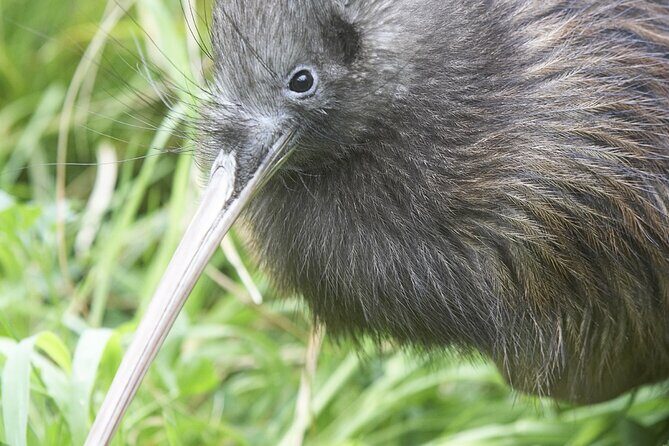
The main reason most people come is the kiwi house. And it’s not a vague promise. The ticket includes guaranteed kiwi viewing, with kiwi kept in a simulated nighttime environment.
Here’s the key practical point: the kiwi area is intentionally dark. One of the most common considerations in the experience is that if you struggle with low light—like if you’re blinking into the dark from bright outdoor sunlight—you may miss your chance. This is why patience matters more than speed.
What helps:
- Arrive with a calm mindset and plan to wait quietly near the fence.
- Give your eyes a few minutes to adjust before you decide the kiwi are not visible.
- Stay still and listen for quiet movement. When people spot something, it usually takes a moment for it to become obvious.
In multiple accounts, the kiwi has shown up at the moment someone pointed it out or after a period of waiting. That lines up with how simulated nighttime wildlife viewing usually works: the point isn’t constant action, it’s attentive observation.
And yes—when you do see one, it’s special. The encounter is often described as fascinating, and people tend to remember the kiwi house more than the rest of the walk. If kiwi is your top priority, plan the rest of the reserve as a warm-up and treat the kiwi house like the main event.
Kea, kaka, takahe, tuatara, and other NZ icons in one stop
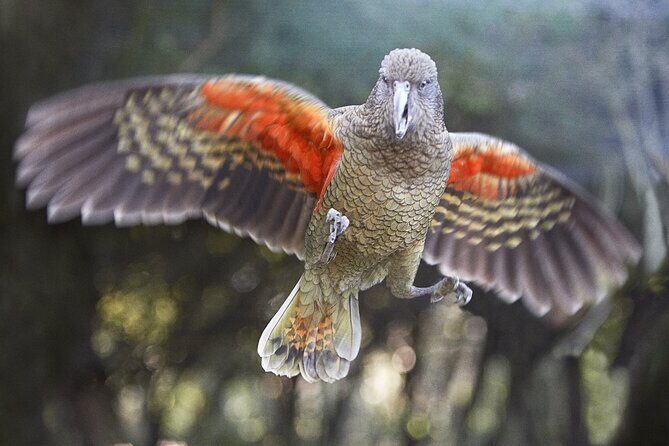
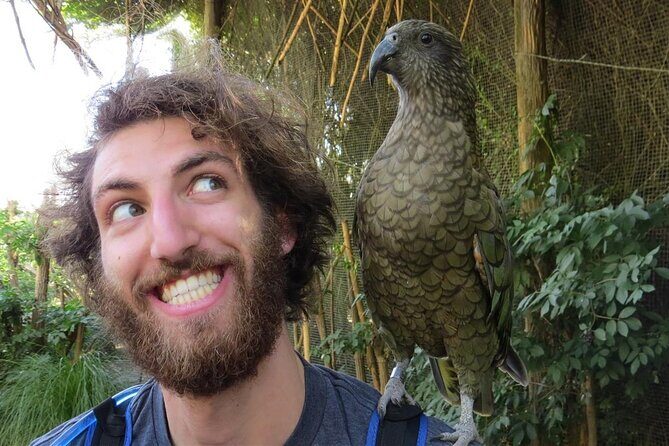
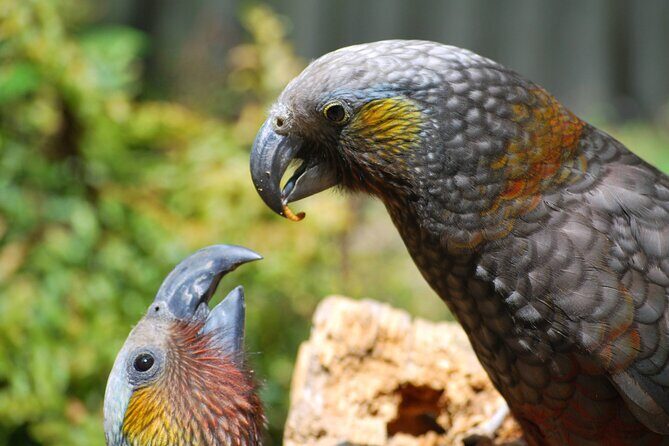
Willowbank packs a lot of New Zealand’s signature wildlife into one visit. On the native side, you can expect chances to see kea, kaka, takahe, tuatara, and kiwi.
The value here is simple: you’re not driving all over the South Island hunting species one-by-one. You’re getting a concentrated look at different types of animals—birds and reptiles with very different behaviors—within a walking route that doesn’t require advanced planning.
A few practical notes from what people experience on-site:
- Birds like kea and kaka tend to feel lively and interactive as part of the habitat experience.
- Tuatara viewing is usually about slow observation and habitat context rather than constant action.
- The reserve’s native section is easier to enjoy when you don’t try to “complete everything” like a checklist. Stop and watch patterns. Animals often show up when you do.
One extra bonus: the reserve experience includes more than just “NZ-only.” You’ll also find introduced and familiar animals inside the same day. That helps if you’re traveling with a mix of ages or interests, because you can build your day around your favorite category—native wildlife, hands-on feeding, or farm-style animals.
Hands-on feeding and patting: how the animal encounters work
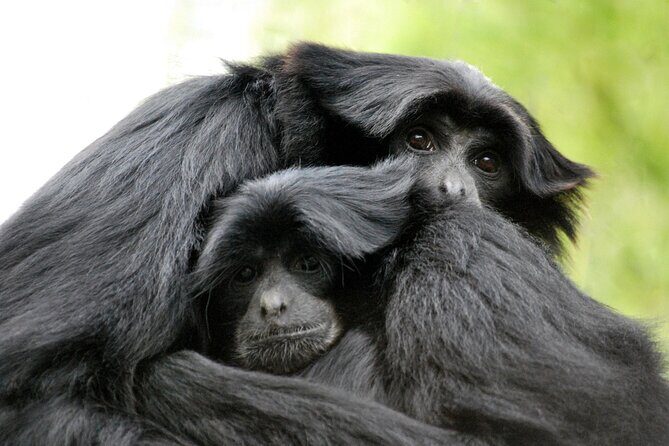
This is one of Willowbank’s defining strengths. The reserve is hands-on and interactive, and the experience is designed so you can feed and pat many of the animals. That turns the visit into something closer to a learning-and-connection experience instead of a purely observational zoo-style stop.
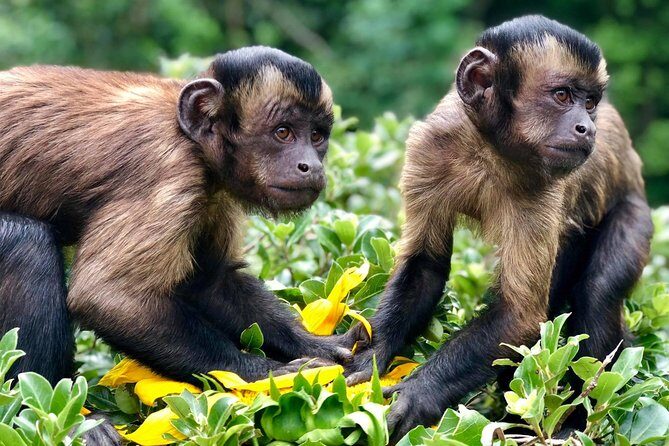
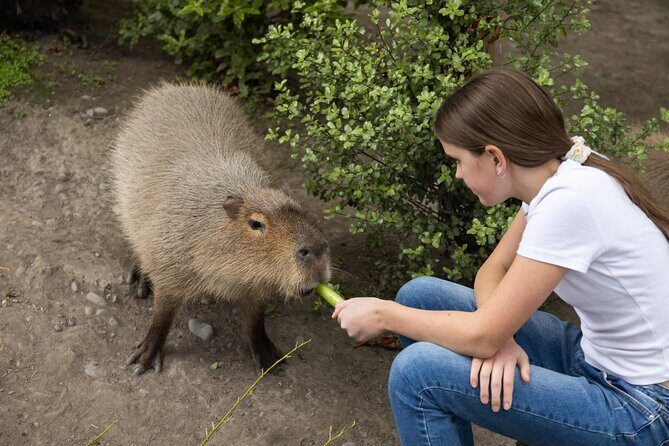
You’ll see introduced animals to New Zealand such as monkeys, lemurs, and capybara, plus other animals like wallabies. There are also farm animals in the mix—sheep, rabbits, and alpaca—so even if someone in your group isn’t a “bird person,” there’s still something to watch and interact with.
Capybara often gets special attention. More than one person highlights a capybara encounter as a favorite, and that makes sense: these animals tend to be calm, social, and tolerant, which makes them ideal for a hands-on setting.
A small note worth keeping in mind from the experience itself: in feeding areas, animals can be bold. One person mentioned deer that would go for feed pouches when offered. I wouldn’t call that chaotic—just be aware that “hands-on” means animals may move quickly toward your attention.
So if you’re planning a visit with kids, it helps to set expectations: keep the experience gentle, follow staff guidance, and treat feeding like a supervised activity with animals that are curious and sometimes persistent.
Walkways, water views, and why the reserve feels relaxing
It’s not just the animals. The reserve is designed so the walking feels pleasant, and people notice the setting. One highlight mentioned is wooden walkways over water, which adds a scenic rhythm to the day. Another common theme: the paths feel easy to navigate, and the reserve encourages a relaxed pace.
That matters because a wildlife reserve can be either rushed and tiring—or calm and rewarding. Willowbank leans toward the calm side, especially because you’re allowed to move at your own pace.
If you’re traveling with kids, the environment helps too. There are areas that support exploring and learning, and the “you can stop here and see something” style of layout is easier for children than a long, uninterrupted museum-like route.
Even adults tend to like the atmosphere. People describe it as a relaxing half-day, with well-cared-for habitats and a sense that animals live in settings designed for their needs.


The cafe and store: don’t skip the break
You’ll find a cafe and a retail store on-site, which is a real convenience if you’re spending a couple hours here and don’t want to plan a separate meal stop. Food and drinks aren’t included in the ticket price, but the cafe is there so you can fuel up and keep your day comfortable.
One of the strongest practical signals from people who ate there is that the cafe has good food options, including choices that work for children. So if you’re visiting with a younger traveler, it’s reassuring to know you can handle lunch without a big detour.
The retail store is also a nice “end your day” stop. Even if you don’t buy anything, it gives you a place to browse and refocus before you head back out.
Price and value: is $22.65 worth it?
At $22.65 per person, Willowbank day entry sits in a range that feels fair for what you get: a self-paced reserve with lots of animal variety, plus the biggest draw of the day—the kiwi house with guaranteed kiwi viewing.
What pushes the value up:
- You’re not paying for a single enclosure. You’re paying for a full walk through multiple habitats.
- The interactive style (feeding and patting many animals) gives you more direct engagement than standard viewing-only experiences.
- The reserve is a compact way to see multiple native species—kea, kaka, takahe, tuatara, and kiwi—in one place near Christchurch.
If you’re comparing alternatives, think about the time cost. Wildlife watching around Christchurch can turn into multiple stops and driving time. Willowbank is close to the airport and near public transport, which helps you keep the day simple. The reserve also runs well for 1 to 3 hours, so it’s not an all-day commitment.
And if you care about kiwi specifically, the guarantee is the big deal. When kiwi is a priority, certainty is worth a lot.
Who should book Willowbank, and who might want to plan better
This is a strong choice for:
- Families with kids who want animal interaction rather than just watching from afar.
- First-time visitors who want a concentrated intro to New Zealand wildlife.
- People with limited time in Christchurch who need a high-value, nearby activity.
- Anyone who’s serious about seeing kiwi without making their entire trip revolve around late-night searching.
You might want to plan a bit more carefully if:
- You don’t handle dark environments well. The kiwi house is intentionally dark, and it’s the part where patience helps the most.
- Your schedule is very tight for late-day entry. Since kiwi viewing is toward the end of the route, you’ll want enough time to wait quietly.
One more useful reality check: the experience is set up for a maximum of 200 travelers. That means it’s not private, but it also shouldn’t feel overcrowded if you’re coming at a normal time window.
Also, it has a strong overall reception (a 4.5 rating across 94 reviews), which lines up with the big repeat themes: animal encounters, good layout, and the kiwi highlight.
Should you book Willowbank Wildlife Reserve day entry?
If kiwi is on your list for Christchurch, I’d book Willowbank. The ticket price is reasonable for the length of the visit, and the guarantee is the one factor that removes a lot of stress from the kiwi hunt.
I’d also book it if you want something hands-on and low-effort to fit into a day. You can walk at your pace, stop when animals come close, and still get a “this is very New Zealand” feeling from kea, kaka, takahe, tuatara, and kiwi all in one reserve.
Only be sure you’re okay with the kiwi house being dark and requiring quiet waiting. If that sounds like a deal-breaker, then you might not get the most from the main show.
Otherwise, Willowbank is one of those simple wins: prebook, arrive, walk, and let the animals do the surprise part.
FAQ
How long does the Willowbank Wildlife Reserve day entry take?
Most visits run about 1 to 3 hours, depending on how much you stop for animal interactions and how long you spend in the kiwi viewing area.
Is kiwi viewing included and guaranteed?
Yes. The admission ticket includes guaranteed kiwi viewing.
How much does it cost?
The price is $22.65 per person.
What ticket options do I have?
You can choose between a convenient mobile ticket or a paper ticket option.
Are food and drinks included?
No. Food and drinks are not included in the ticket price.
Is transportation to and from Willowbank included?
No. Transportation to/from attractions is not included.
What is the cancellation policy?
You can cancel for a full refund up to 24 hours in advance of the experience start time. If you cancel less than 24 hours before, the amount paid is not refunded.
Can children visit?
Yes, children must be accompanied by an adult.