REVIEW · AORAKI MOUNT COOK NATIONAL PARK TE WAHIPOUNAMU
55-Minute Grand Circle Helicopter
Book on Viator →Operated by Inflite Ski Planes Limited · Bookable on Viator
There are few ways to see the Southern Alps fast and up close. This 55-minute Grand Circle helicopter flight stitches together Aoraki/Mt Cook and the West Coast glacier country, with live commentary and a glacier landing built into the route.
What I like most is how it trades long drives for a tight flight plan, and how the headsets keep the narration clear while you look out the windows. One thing to consider: the schedule can shorten or change if the weather turns, including possible reductions in flight time.
In This Review
- What your flight really delivers
- Quick takeaways
- Why a 55-minute Grand Circle feels worth it
- Mt Cook Airport check-in: the part you should not rush
- On-board comfort: headsets and real narration
- Stop over Tasman Glacier: where the views go big
- Franz Josef Glacier: another ice landing moment
- Aoraki/Mt Cook in the air: the Alps from the closest angle you’ll get
- Price and what you’re really paying for
- Weather reality: how your plan can shift without losing the experience
- Who this is best for (and who should think twice)
- Should you book the 55-minute Grand Circle helicopter?
- FAQ
- What is the duration of the Grand Circle helicopter flight?
- Where does the tour start and end?
- What is included in the helicopter ride?
- Are souvenir photos included?
- What happens if the weather is poor?
- How early do I need to check in?
- What are the age and passenger limits?
What your flight really delivers
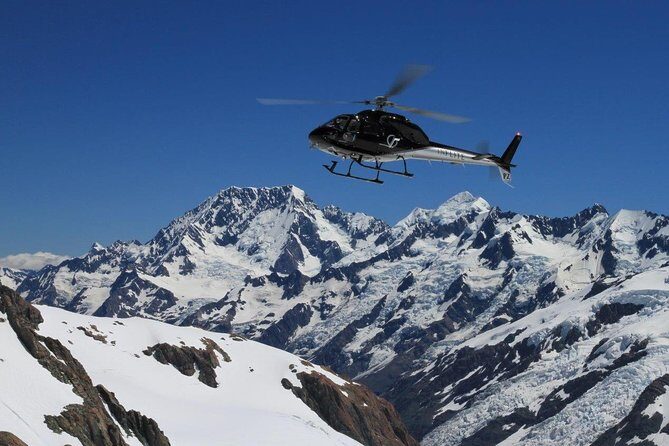
This route is designed for big views in a short window: you’re up over Fox, Franz Josef, and Tasman Glacier country, and you get time on the ice for photos. It also runs in a small aircraft setup, with a maximum of 12 people, so it feels more like an intimate tour than a crowded bus ride. The possible drawback is simple: if visibility is poor or conditions are unsafe, you may be offered a different date or refunds instead of your planned flight.
Quick takeaways
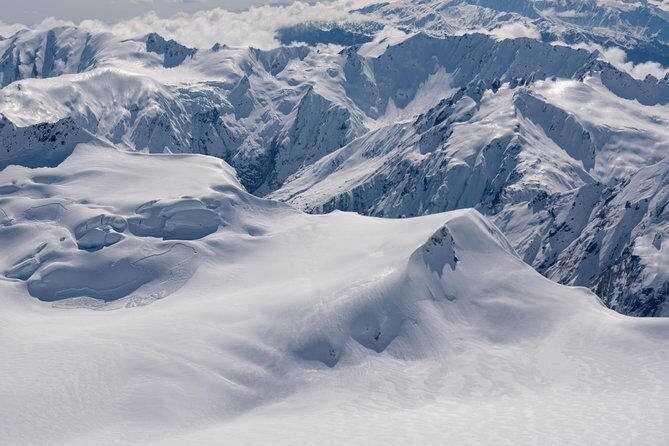
- A true Grand Circle route connecting Mt Cook and the West Coast glacier region in one go
- Live on-board commentary plus clear reception thanks to provided headsets
- A glacier landing time window (10–15 minutes on the Tasman Glacier) for real photo stops
- Small group cap with a maximum of 12 people per helicopter flight
- Weather and wind can change duration so you need a little flexibility
A few more Aoraki Mount Cook National Park Te Wahipounamu tours and experiences worth a look
Why a 55-minute Grand Circle feels worth it
If you’re deciding between another hike, a scenic drive, and a helicopter, the key question is time. This experience is built to compress a massive region into one short flight window, starting and ending at Mt Cook Airport. In practical terms, it’s a way to see the Southern Alps without spending your whole day in transit.
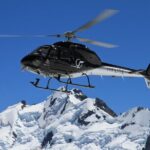
For me, the value comes from the combination: flight + narration + landing. Plenty of helicopter rides give you flying; fewer give you a chance to step onto the glacier for photo time. The “Grand Circle” concept matters because it isn’t just a point-to-point hop. You get a loop-style view over multiple glacier areas, which helps you understand how Mt Cook and the West Coast relate to each other in the real world.
And yes, this is one of those bucket-list moments, but it’s also a smart use of a limited itinerary. If you only have a day or two in South Island, this is one of the cleanest ways to turn that time into standout memories.
Mt Cook Airport check-in: the part you should not rush
This flight uses mobile tickets, so you don’t need paper in your pocket. Check-in closes 45 minutes before flight time, and departure time can shift daily depending on bookings and conditions—then it’s confirmed 24 hours prior. That timing detail matters because helicopter schedules can be tighter than you expect.
You’ll also want to plan for small-group logistics. The flight operates with a minimum of 4 people, and the maximum is 12 travelers. That cap can affect how full the helicopter is, and fullness can affect what kind of options you get if things need to be adjusted.
A useful planning move: if weather looks iffy, give the operator a call the morning of your flight and ask what to expect. One of the themes I’d take from real-world experiences is this—when winds push things around, calling early can help you avoid surprises and make sure you’re at the airport ready to go.
On-board comfort: headsets and real narration
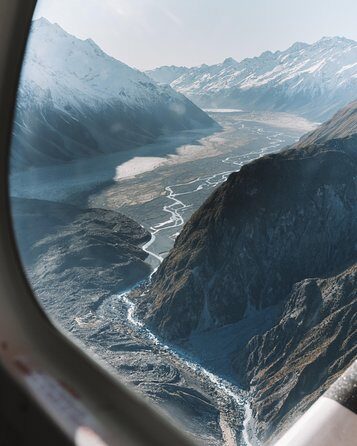
The ride isn’t silent sightseeing. You’ll get headsets so you can hear the guide clearly, plus live commentary during the flight. In a helicopter, your attention naturally flips between the cockpit sound, rotor noise, and the view outside. The headsets help you actually follow the story instead of just pointing at mountains.
In practical terms, this is especially helpful if you don’t know the region already. The Alps around Mt Cook aren’t random peaks; they’re connected by glacier systems and the geography of the valleys feeding them. Live guidance helps you connect what you’re seeing to what it means.
Also, this is a short flight. When you have only around an hour, you want that hour to feel informative, not just scenic.
Stop over Tasman Glacier: where the views go big
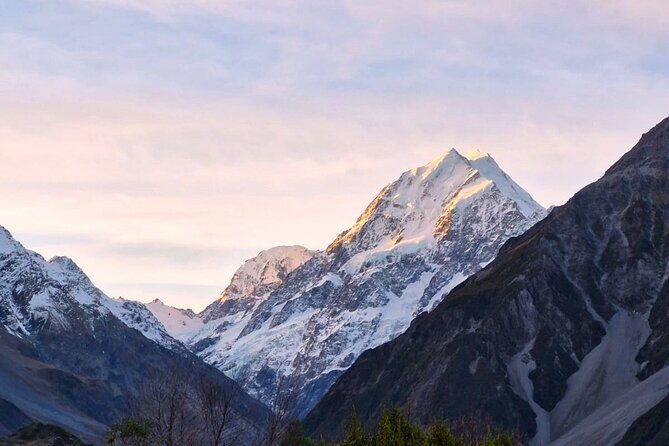
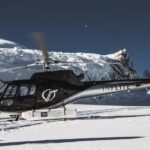
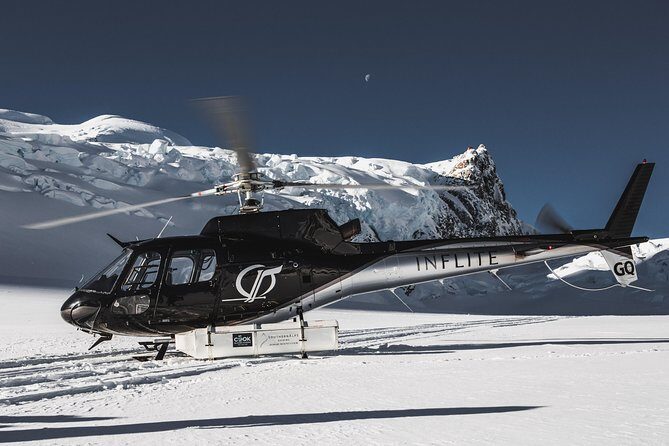
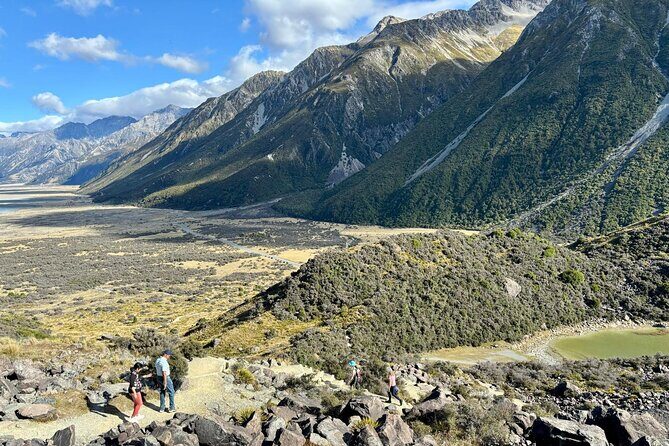
The most memorable part for most people is the glacier landing component. The Tasman Glacier is the star here, and the plan includes a glacier landing for about 10–15 minutes. That time window is enough to get photos from a few angles without turning the trip into a long outdoor expedition.
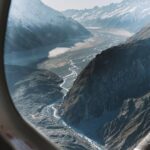
From the air, the route is set up to show you the Aoraki/Mt Cook area and then swing you toward the West Coast. This is where you get that wow factor: the scale of glacier country is hard to grasp from a road viewpoint. Up in the air, you can see how the glaciers sit in valleys and how they stretch across the terrain.
What to consider: a glacier landing is weather-dependent in more ways than one. Even if the flight goes ahead, cold air and wind can feel sharper when you’re not moving much on the ice surface. Dress in layers you can zip or pull quickly, and wear shoes you’re comfortable standing in for your photo window. You don’t need to overpack for a “hike,” but you do want to be ready for a cold moment.
Franz Josef Glacier: another ice landing moment
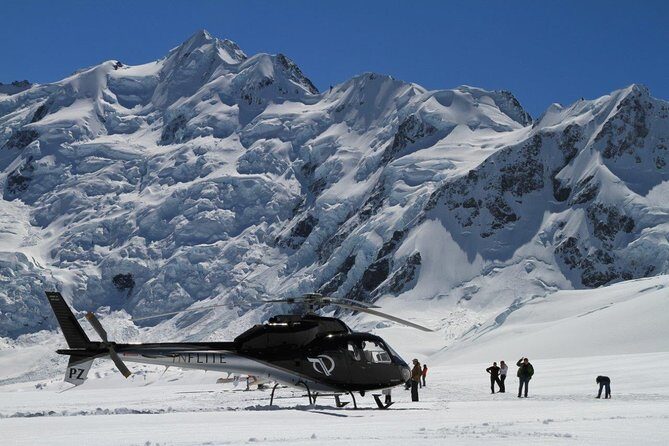
The route also includes Franz Josef Glacier as part of the experience, with a glacier landing included and about 15 minutes listed for that portion. That matters because it gives you more than one glacier perspective in the same overall trip.
From an imagery standpoint, having two glacier areas is a big deal. Even when glaciers share the same general look at first glance, their settings differ—where they sit in relation to ridges, how the valleys open, and how the glacier field spreads across the terrain. Two landings (or at least one landing plus extended glacier time) helps you feel the region instead of only viewing it.
Potential drawback: your exact timing can be affected by flight conditions. If the day is windy or visibility is limited, the helicopter may adjust. In real-world scenarios, shorter landings or reduced flight duration can happen when conditions don’t cooperate.
Aoraki/Mt Cook in the air: the Alps from the closest angle you’ll get
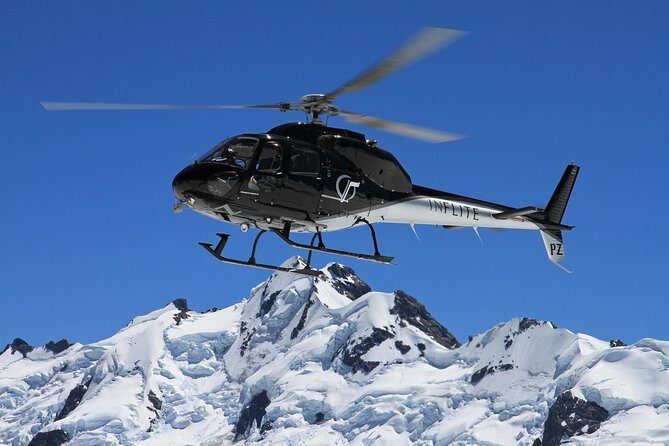
The circuit ultimately loops back toward Aoraki/Mt Cook. You start at Aoraki Mt Cook Airport, then fly around the mountain with a route that takes you over the glacier and West Coast viewing areas.
This is the part of the trip that helps you connect the dots. From the ground, Mt Cook can feel like a single peak you’re trying to reach. From the air, it becomes the anchor point for a broader system: glaciers feeding valleys, peaks rising above, and a West Coast that looks rugged even from high altitude.
One of the most practical upsides of the helicopter approach is that you see the region from multiple angles without needing to move hotels or rent another vehicle. If you’re trying to keep your days simple, this is a low-friction way to get a high-impact outcome.
Price and what you’re really paying for
At $476.73 per person, this isn’t a cheap thrill. The right way to judge value isn’t only the price per minute—it’s what you’re getting for that money.
You’re paying for:
- access to flight over multiple major glacier areas
- on-board live commentary with headsets
- a real glacier landing time window (not just a pass-by view)
- a small-group helicopter operation (maximum 12)
If you compare it to spending a full day driving between glacier viewpoints, the costs can get close once you factor in transport, time, and missed weather windows. Glacier country in New Zealand has an annoying habit of making plans weather-dependent. Helicopters can’t fix weather, but they can give you options when ground sightseeing is limited.
The big caution is that weather can change the exact experience length. Some people end up with a shorter flight time (for example, reduced duration with a ridge landing) when winds or conditions interfere. If you can’t handle the idea of a reduced plan, you should build flexibility into your schedule and book with a day buffer.
Weather reality: how your plan can shift without losing the experience
This is South Island. Weather is part of the itinerary. Flights may be cancelled due to weather conditions, and the company notes that the experience depends on good weather. If a flight is cancelled, you’ll be offered an alternative date or a full refund.
Even when the flight does run, the route can tighten. Winds can reduce the flight time, and you might get a different landing arrangement than the standard plan. That’s why it’s smart to arrive with a calm mindset: you’re not just buying a fixed product. You’re buying access to a helicopter operation that works when conditions allow it.
My advice for minimizing disappointment:
- keep your next day open when you can
- dress for cold and wind
- check in promptly so you’re ready if the timing shifts
- call the morning of if conditions look marginal
Who this is best for (and who should think twice)
This works best if you want a bucket-list glacier-and-mountains experience without spending the whole day on roads. It’s also a strong choice if you’re traveling with limited mobility or tight time windows, because the experience is designed around flying between viewpoint-rich areas.
It’s a good fit for:
- first-time helicopter riders who want guidance and headsets
- people who want to see multiple glaciers in one shot
- couples and small groups that prefer a max-12 setup
- anyone who wants glacier landing time for photos
Consider thinking twice if:
- you don’t have any schedule flexibility for a weather shift
- you’re uncomfortable with cold outdoor standing for a short landing window
- you’re expecting a guaranteed exact 55-minute duration every single day
Also note weight limit: total weight per passenger is 256 lbs. If you’re close to that limit, it’s worth planning carefully.
Should you book the 55-minute Grand Circle helicopter?
I’d book it if you want maximum Southern Alps impact with minimal time. This is one of those experiences where the helicopter format does the heavy lifting: you see more places, faster, and you get a landing moment that most scenic routes can’t offer.
If you’re the type who hates plan changes, book it only if your schedule can handle weather adjustments. The right move is to treat this as a plan that’s conditional on conditions, not a rigid appointment.
For most people, the decision comes down to a simple question: do you want a dramatic, time-saving view of Mt Cook and the West Coast glaciers with a real glacier photo stop? If yes, this is a strong choice.
FAQ
What is the duration of the Grand Circle helicopter flight?
The flight time is listed as approximately 55 minutes.
Where does the tour start and end?
It starts and ends back at Mount Cook Airport on Mount Cook Road, Canterbury Region 7999, New Zealand.
What is included in the helicopter ride?
You get headsets, live commentary on board, and a glacier landing component as part of the route.
Are souvenir photos included?
No. Souvenir photos are available to purchase, but they are not included.
What happens if the weather is poor?
Flights may be cancelled due to weather. If that happens, you’ll be offered a different date or a full refund.
How early do I need to check in?
Check-in closes 45 minutes before the flight time.
What are the age and passenger limits?
Children must be accompanied by an adult. The experience notes most travelers can participate, with a maximum of 12 passengers per flight and a 256 lbs total weight limit per passenger.
![[Stevong Travel] West Coromandel Day Tour - Price and what you’re really paying for at $434.40](https://e.newzealand-travel.com/wp-content/uploads/stevong-travel-west-coromandel-day-tour.jpg)