REVIEW · WELLINGTON
Capital Bites, A food tour of Wellington
Book on Viator →Operated by The Big Foody Food Tours · Bookable on Viator
Wellington tastes better when you walk it. This is a locally led food walking tour built around real Wellington city vibes plus tastings like coffee and chocolate, then rolling into bigger local flavors. I especially like that the route is planned to connect you with the places locals actually hang out, and the stops are tied to what you see as you go—so you taste the city, not just food.
My second favorite part is the drink-and-snack mix: craft beer alongside charcuterie and cheese, plus the famous-question cheese scone moment. One thing to consider first: it’s about 3 hours of mostly walking outdoors, and the tour isn’t recommended if you can’t manage at least 2 km, with good-weather being part of the plan. Guides you might see mentioned include Rebecca and Juli, and on some days the owner herself can meet the group.
In This Review
- Key things to know before you go
- A 3-hour Wellington food walk that turns sights into flavors
- Starting at Wellington i-site and ending at Scopa
- The route: Cuba Street, the waterfront, and Lambton Quay lanes
- Coffee and chocolate: how the sweet starts set the tone
- The cheese scone moment: Wellington’s big question
- Second-generation restaurant stop: why it changes the experience
- Charcuterie, cheese, and craft beer: the savory finale
- Why the guide’s city context boosts your own eating plans
- Price and value: is $139.11 worth it?
- Weather, pacing, and walking distance you should plan for
- Who this tour fits best (and who should reconsider)
- Should you book Capital Bites in Wellington?
- FAQ
- FAQ
- How long is the Capital Bites Wellington food tour?
- Where does the tour start and where does it end?
- What tastings are included?
- Is there an age requirement for alcohol?
- How much walking is involved?
- What happens if the weather is poor?
Key things to know before you go
- A slow-paced 3-hour walk: built for lingering, chatting, and tasting without feeling rushed
- Covers classic Wellington lanes: Cuba Street, Wellington waterfront, and Lambton Quay, plus side streets
- Included tastings are the point: coffee, chocolate, craft beer, charcuterie, and cheese
- Cheese scone is a headline: you’ll likely leave with a strong opinion about where Wellington does it best
- Small groups (max 12 people): easier pacing and more attention from the guide
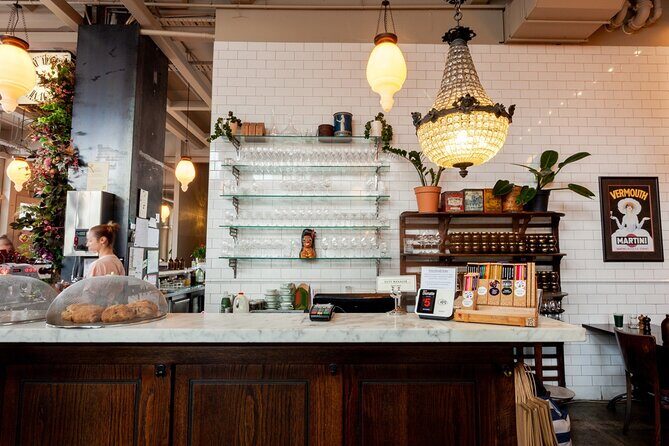
- End location on Cuba Street: finish at Scopa, right where you can keep exploring on foot
A 3-hour Wellington food walk that turns sights into flavors

Wellington is one of those cities where the streets do most of the talking. This tour leans into that. You start in the Te Aro area and move through the center on foot, with your guide pacing things for steady tasting and short explanations along the way. It’s designed for people who want more than a snack list—they want context for what they’re seeing.
You’re not just given food and released. The guide frames each stop with what it means locally—how Wellington’s food scene thinks, what people pay attention to, and how the city’s layout shapes what ends up on menus. That’s a small thing that makes a big difference later when you’re choosing your own dinner spots.
And yes, it’s still a proper food tour: you get multiple tastings, not just one “sampling moment.” Expect coffee and chocolate early, then savory bites and beer as the walk continues, ending with a final stop on Cuba Street.
You can also read our reviews of more food & drink experiences in Wellington


Starting at Wellington i-site and ending at Scopa
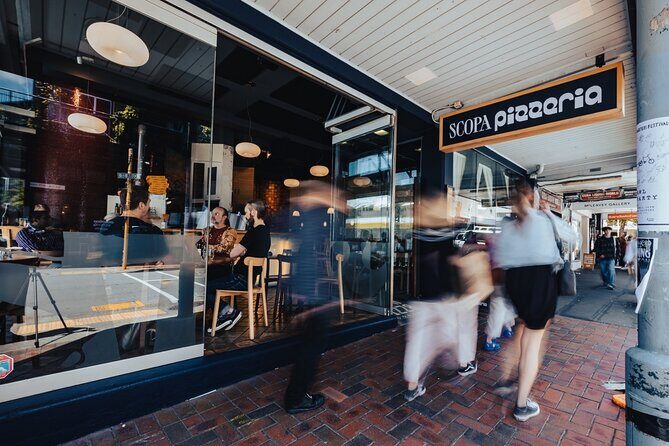
The tour starts at Wellington i-site Visitor Information Centre, 50 Cable Street, Tākina, Te Aro, Wellington 6011. Your walk finishes at Scopa, 141 Cuba Street, Te Aro, Wellington 6011.
This matters because it keeps your day simple. You can anchor your morning around one starting point near the center, then get dropped at a place that’s already in a great area to continue on your own. Cuba Street is a strong place to wander after, especially if you want dessert, coffee, or a casual drink without re-planning transport.
Timing is also straightforward: it starts at 10:00 am and runs about 3 hours. If you like doing one “structured” activity early and then leaving the rest of the day open, this format fits well.
The tour uses a mobile ticket, which is handy if you don’t want another printed voucher to manage while you’re walking around.
The route: Cuba Street, the waterfront, and Lambton Quay lanes
The guiding concept here is geography. Your guide shows you their favorite parts of the city centre, and you’ll cover Cuba Street, the Wellington waterfront, and Lambton Quay, plus the lanes and side streets between them. Even if you’ve only been in Wellington for a day, this is a clean way to learn how the city connects.
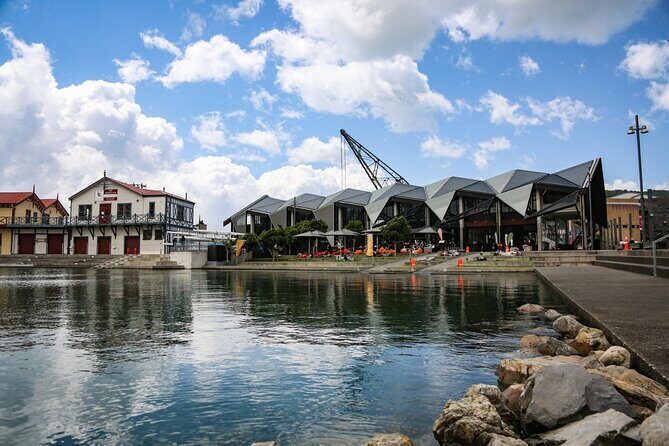
Cuba Street is where you get the casual city energy—shops, people-watching, and that “you’re in the middle of things” feeling. Lambton Quay is the more formal main street vibe, the kind of place you’ll recognize from first-time Wellington strolls. Then you hit the waterfront, where Wellington’s coastal outlook changes how the air feels and how you think about food that’s meant to be enjoyed outside.
The small lanes you’ll meander through are key. Those side streets are often where local character lives—quick storefronts, close-by eateries, and little in-between spaces that big tour buses miss.
This is a slow-paced walking tour. You’re not sprinting between stops. You get time to look around, and there’s room to stop and buy something if you want during the tour.
Coffee and chocolate: how the sweet starts set the tone
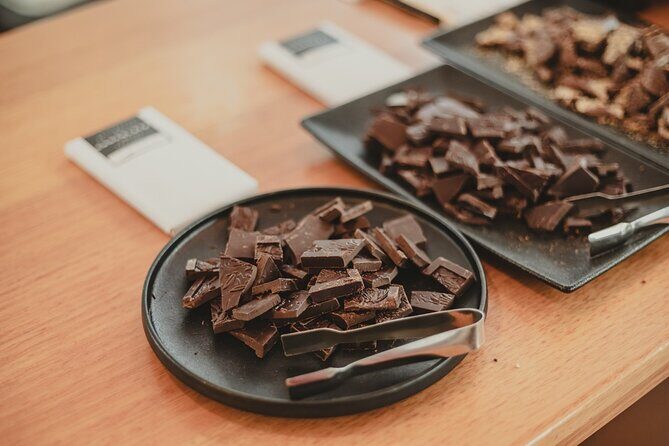
You’ll begin with coffee and chocolate tastings. That’s not random. Starting sweet and caffeinated gives you an easy baseline taste before savory flavors take over. It also sets the mood: this tour is meant to feel like a guided day out, not a rushed meal-on-a-timetable.
Because Wellington food can skew toward thoughtful and seasonal, a good guide will use these early tastings to teach you how local preferences show up in menus. Even without heavy lecture, you’ll pick up cues for what to look for later: balanced flavors, New Zealand ingredients, and comfort foods that feel distinctly local.
Chocolate can also be a great “compare” tasting. If you’ve tried a few brands before you arrive, this is a chance to notice what’s different here—how sweetness level, texture, and flavor intensity can vary across regions.
The cheese scone moment: Wellington’s big question
Every city has one food item people swear by. For Wellington, part of the fun is the cheese scone debate—where it’s best, and what makes a scone feel like it belongs in Wellington.
On this tour, the cheese scone question gets treated like a highlight. You’ll also stop at a waterfront eatery tied to a specific purpose, and that pairing makes sense: waterfront spaces tend to be where people go for comfort snacks that fit the casual vibe of being outside.
Here’s what I’d watch for as you taste: not just flavor, but texture. A great cheese scone should feel warm and sturdy enough to hold the cheese, not dry out, and not turn greasy. The best ones balance the savory hit with a soft base that still has structure.
By the time you’re done with this stop, you’ll probably know exactly what you want next time you’re back in Wellington—especially if you like grabbing one as a walk-around snack.
A few more Wellington tours and experiences worth a look





Second-generation restaurant stop: why it changes the experience

One of the stops is at a second generation-owned restaurant. That kind of continuity matters. It often means the menu isn’t constantly chasing trends for attention; it’s built on what worked before and what the current generation learned to improve.
Even if you don’t know the restaurant’s backstory ahead of time, the guide’s explanations help you notice the patterns: how they treat staples, how they balance classic comfort foods with local identity, and how they keep a consistent standard while still adapting.
This is the kind of stop where you’ll feel the tour isn’t just about tasting. It’s about understanding why certain foods keep showing up in Wellington—why some places become go-to options rather than one-off destinations.
Charcuterie, cheese, and craft beer: the savory finale
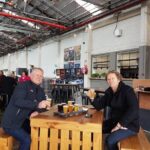
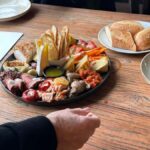
Later on, the tour shifts into the heavier hitters: charcuterie and cheese, plus craft beer.
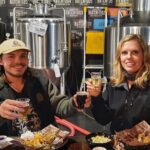
The beer part is simple but important for planning: alcohol tastings are for people who are over 18. If you’re traveling with anyone younger, you can still plan around the tour, but check the group’s needs so you don’t build your day expecting alcohol for everyone.
For the rest of you, this is where the tour becomes properly satisfying. Charcuterie and cheese work as a tasting format because you can compare salt, fat, tang, and texture across several items. When your guide talks through what you’re eating, it helps you notice pairing logic—why certain cheeses go with certain bread, why some bites feel brighter or heavier, and how the beer cuts through the richness.
Craft beer also makes sense in Wellington’s food culture. The city’s drink scene tends to meet people where they are: casual, friendly, and built for conversation. Pairing it with cheese and cured meats keeps the flavors punchy without turning the meal into a sugar-and-fat overload.
Why the guide’s city context boosts your own eating plans
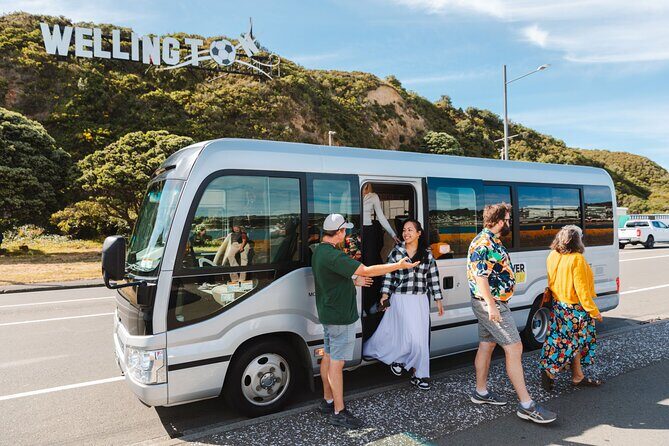
You’ll get more than “try this, it’s good.” Your guide is there to connect food to city life, sharing character, culture, and history as you walk. You’ll also get practical suggestions about where to eat and enjoy during your tour, and the guide team can help you decide what to order next.
That kind of guidance is valuable because it transfers. After this tour, you’re not stuck asking the same questions every time you open a menu. You can read a menu with more confidence: you’ll know what Wellington tends to do well, what kinds of flavors locals seem to prefer, and how to spot a place that fits your mood.
It also helps you avoid the trap of only eating the easiest tourist picks. Wellington has plenty of solid options, but having a guide point you toward the right type of place saves time and money.
Price and value: is $139.11 worth it?
At $139.11 per person, this isn’t a bargain-basement snack tour. But the value depends on what you compare it to.
What you get included is the big story: multiple tastings, including coffee, chocolate, craft beer, charcuterie, and cheese. When a tour covers drinks and food that would otherwise cost you separately, the price starts to look more like a bundle than an expense. Add in the fact that you’re paying for guided city walking—covering major parts of the center with commentary—and it shifts from “just food” to “food plus experience.”
Another value factor is the group size. With a max of 12 people, the tour feels designed to stay human-scaled. That tends to mean quicker attention and less awkwardness when you ask questions about what to order later.
If you’re the type who likes one guided morning activity and then you’ll keep eating on your own afterward, this tour can be a strong way to set your standards. You’ll know what you like by the time you’re choosing the next meal.
The only clear caveat: additional purchases are on you. You can buy things during the walk, but tastings are the included core. If you like to buy extra snacks and drinks, budget for it.
Weather, pacing, and walking distance you should plan for
This tour requires good weather. If conditions are poor, you’ll be offered a different date or a full refund.
Because it’s a walking tour, weather also affects comfort. Even if Wellington’s weather is manageable, you’ll still feel the difference between dry and windy versus wet and cold. Plan with layers and a rain-ready plan, so you’re not spending the tastings distracted by being uncomfortable.
As for your body: it’s geared for moderate fitness. It’s not recommended if you can’t walk at least two kilometers. The pacing is slow and relaxed, but you’re still moving across the city for the better part of three hours.
If you can handle a couple kilometers comfortably, you’re in the right zone.
Who this tour fits best (and who should reconsider)
This is ideal for you if:
- you want a guided way to learn Wellington’s center fast
- you like a mix of sweet and savory tastings
- you enjoy craft beer pairings with cheese and cured meats
- you’d rather ask questions during the walk than research menus later
It may not be the best fit if:
- you need a fully seated experience (this is still a walking tour)
- you can’t manage at least 2 km of walking
- you’re sensitive to weather changes and don’t want outdoor segments
Also, if alcohol is a major part of what you came for, the 18+ requirement matters. Make sure your group plan matches that.
Should you book Capital Bites in Wellington?
I’d book this if you want a food day that also teaches you the city. The combination of coffee and chocolate tastings, a cheese scone highlight, then charcuterie, cheese, and craft beer makes it feel like a full tasting arc rather than a quick sample sprint. The walking route through Cuba Street, the waterfront, and Lambton Quay gives you a sense of place that helps your remaining hours in Wellington.
Skip it or think twice only if the walking distance is a problem for you or if weather concerns would stress you out. If you’re comfortable walking a couple kilometers and you’re good with a weather-dependent plan, this is a strong, well-structured way to experience Wellington’s food culture in a few hours.
FAQ
FAQ
How long is the Capital Bites Wellington food tour?
It runs for about 3 hours.
Where does the tour start and where does it end?
It starts at the Wellington i-site Visitor Information Centre, 50 Cable Street, Te Aro, Wellington, and ends at Scopa, 141 Cuba Street, Te Aro, Wellington.
What tastings are included?
The tour includes all tastings, including coffee, chocolate, craft beer, charcuterie and cheese, and a cheese scone highlight.
Is there an age requirement for alcohol?
Yes. All guests must be over 18 to try any alcohol.
How much walking is involved?
It’s a walking tour with moderate physical fitness requirements, and it’s not recommended if you can’t walk a minimum of two kilometers.
What happens if the weather is poor?
The tour requires good weather. If it’s canceled due to poor weather, you’ll be offered a different date or a full refund.