REVIEW · WELLINGTON
Wellington: 3 Hour Walking Food Tour
Book on GetYourGuide →Operated by The Big Foody Ltd · Bookable on GetYourGuide
Your appetite leads the way in Wellington.
This 3-hour walking food tour pairs local eating with real city context as you move through the waterfront and the central streets. You’ll get a passionate guide who connects food to Wellington’s neighborhoods, plus Māori culture and everyday life.
Two things I really like: the food lineup has variety you can actually taste, not just a repeat of one theme, and the guides bring that city-to-table perspective. Stops can include a Māori waterfront eatery, a second-generation Italian pizzeria, award-winning Wellington-made chocolate, and a mix of restaurant bites like fish and chips, cheese-forward savouries, spicy dumplings with cheese, and dried lamb, plus coffee and a craft beer tasting. A possible drawback: you’re walking about 3 km on an easy route, rain or shine unless advised otherwise, and it isn’t set up for people with mobility impairments.
In This Review
- Key things to know before you go
- Why a Wellington walking food tour makes sense
- Meeting point and how the 3 km route plays out
- The food plan: Māori waterfront, Italian pizza, chocolate, and restaurant bites
- Māori waterfront eatery: food with culture attached
- Second-generation Italian pizzeria: the comfort stop
- Chocolate tasting: Wellington-made, award-winning style
- The trendy food alley: modern Wellington energy
- The awarded restaurant bite: Wellington’s “try-this” moment
- Craft beer, cheese, and coffee: why these tastings matter
- Beer: a local anchor, not just alcohol
- Cheese: the comfort-and-flavour tester
- Coffee: keep walking, keep tasting
- Wellington streets and waterfront: what you’ll notice on foot
- The guide factor: stories, pace, and real help
- Price and value: what $128 gets you (and when it’s a good deal)
- Who this tour suits best (and who should skip it)
- Should you book the Wellington 3-hour walking food tour?
- FAQ
- Where is the meeting point for the Wellington walking food tour?
- How long is the tour, and how far do you walk?
- Does the tour run in bad weather?
- Is the tour good for kids or people with mobility impairments?
- What tastings are included?
- Can I cancel or pay later?
Key things to know before you go
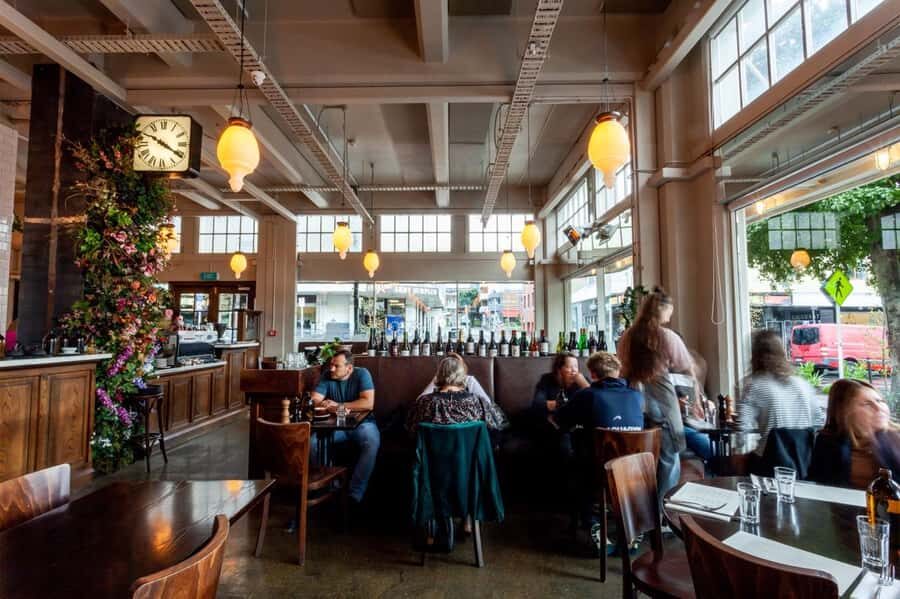
- Small group (up to 10) means questions are easy and pacing feels relaxed.
- Five to six eateries in 3 hours gives you a fast sample of Wellington without feeling rushed.
- Tastings are the main event: local beer, cheese, chocolate, plus multiple restaurant bites.
- Route covers Cuba Street, Willis Street, Lambton Quay, and the Waterfront, so you see where locals go.
- Guides like Rebecca, Wendy, and Juli/Julie are praised for pairing food with history and Māori culture.
- Bring a reusable water bottle and expect weather-appropriate clothing, since it runs rain or shine.
Why a Wellington walking food tour makes sense
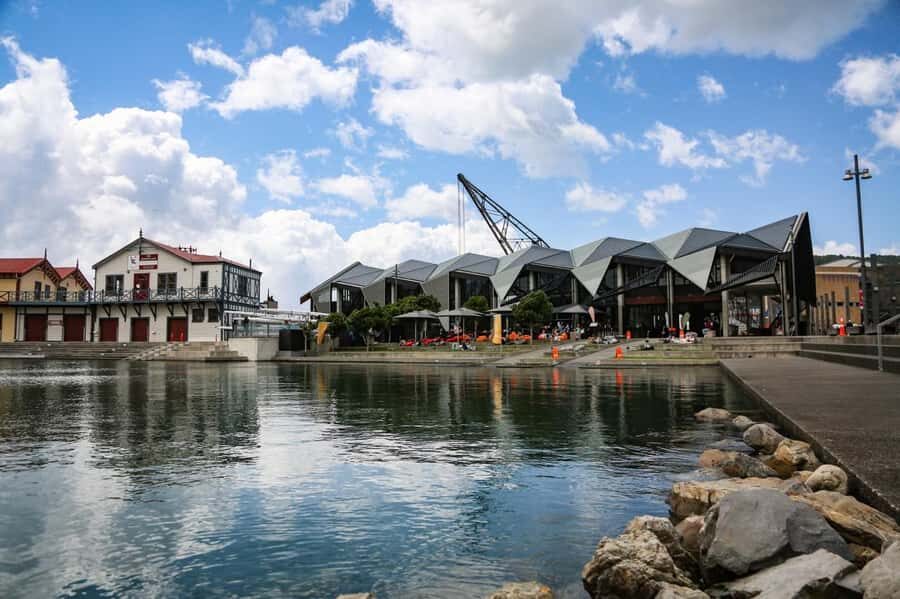
Wellington is often treated like a quick stop on New Zealand trips. I get it. But if you only glance at the waterfront and call it done, you’ll miss the city’s strongest personality: its food culture. This tour is designed for that first-day-in-Wellington feeling. You get a practical bite-by-bite overview of what the city is actually like, street-level.
The tour also has a nice balance of “proper food” and everyday comfort. One moment you’re tasting something tied to Māori waterfront food traditions. The next, you’re eating Italian-style pizza from a long-running family place. That mix matters. It keeps the tour interesting, and it helps you understand Wellington isn’t just coffee and craft beer, even though it does those well.
You can also read our reviews of more walking tours in Wellington



Meeting point and how the 3 km route plays out
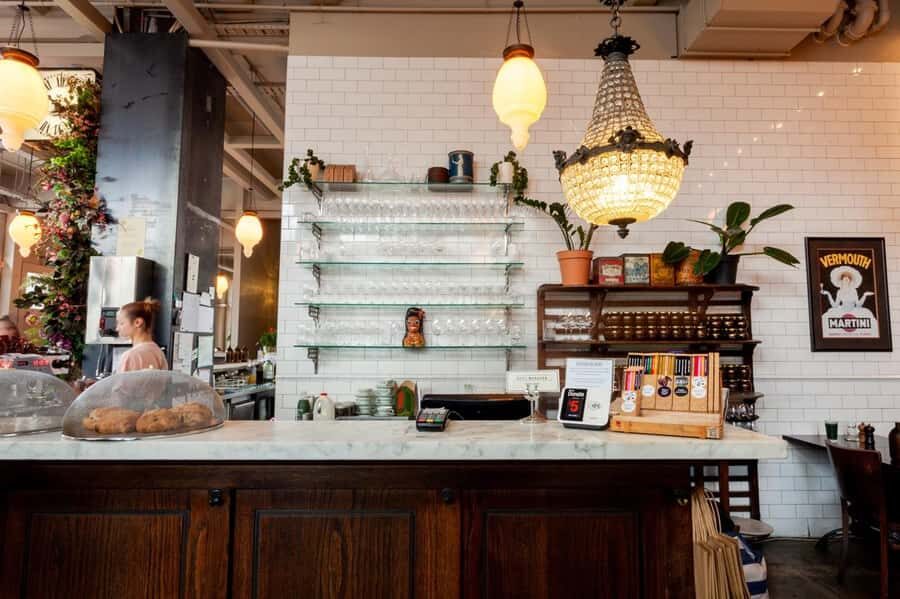
You meet outside the Wellington iSite, inside Tākina convention centre. It’s a handy starting spot because it’s central and easy to navigate once you’re oriented.
From there, you’ll walk through the city centre and to the waterfront, hitting streets like Cuba Street, Willis Street, and Lambton Quay. The total walk is about 3 kilometres, described as easy walking. Translation: you won’t be doing hill climbs all afternoon, but you should still wear shoes you trust on wet sidewalks.
Timing-wise, the tour is 3 hours, with enough time at each stop that you can taste, chat, and not feel like you’re sprinting between plates. That pacing shows up in the reviews too, with people commenting on a relaxing amount of time at venues.
One small “planning” detail: you’re asked to check in with the operator the day before. Do it. It reduces last-minute confusion and lets you focus on eating, not logistics.
The food plan: Māori waterfront, Italian pizza, chocolate, and restaurant bites
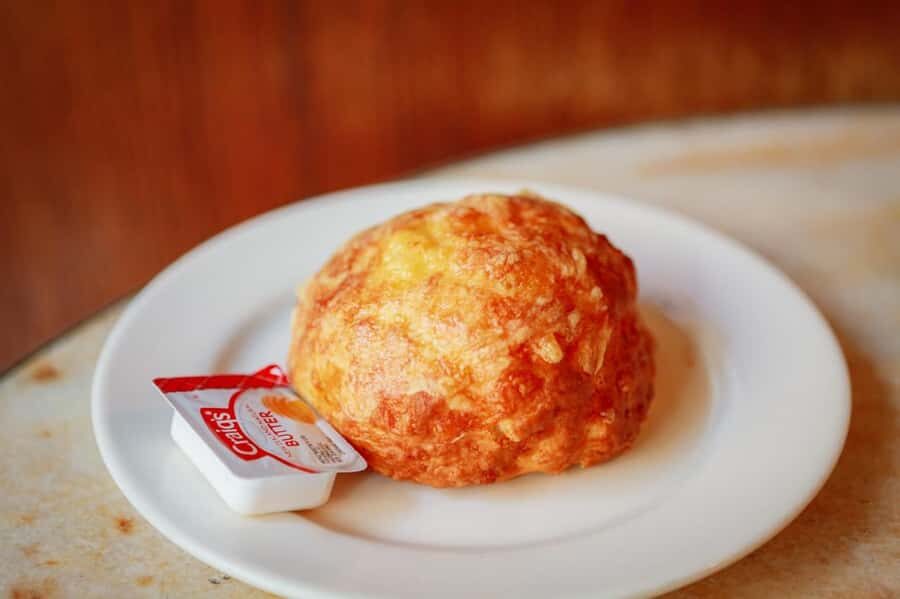
This is the part you’ll remember, because the tastings aren’t vague. The stops are set up to show how different parts of Wellington feed people, not just how restaurants look from the outside.
Māori waterfront eatery: food with culture attached
You’ll stop at a Māori waterfront eatery, which is the most meaningful anchor on the tour. The idea here isn’t just sampling. It’s understanding how local food connects to place and people. In reviews, guides like Rebecca and Wendy were especially praised for bringing Māori culture into the conversation in a respectful, natural way, so you’re not just eating in silence.
What to expect on the plate is a local-style meal experience built around that waterfront setting. Even if you’re not a big “cultural lesson” person, the food makes it stick.
Second-generation Italian pizzeria: the comfort stop
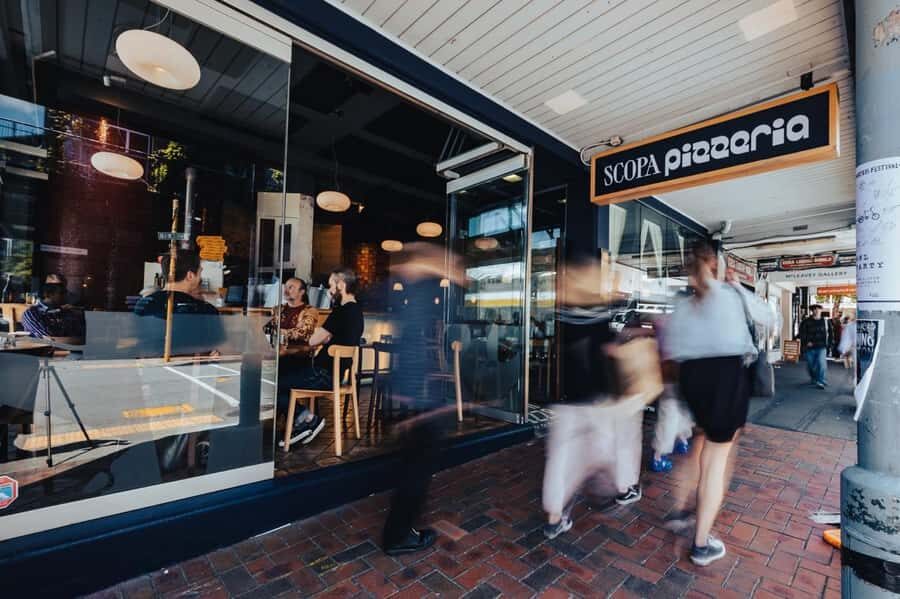
Next comes the comfort-food moment: a second-generation Italian family-run pizzeria. This is a good strategic choice. After tasting something culturally rooted in the waterfront, Italian pizza gives you a familiar framework to compare flavours, textures, and portions.
Even people who think they already know what pizza tastes like usually leave surprised. It’s not about inventing new pizza; it’s about tasting what Wellington’s Italian community serves when it’s doing it day after day.
You can also read our reviews of more food & drink experiences in Wellington



Chocolate tasting: Wellington-made, award-winning style
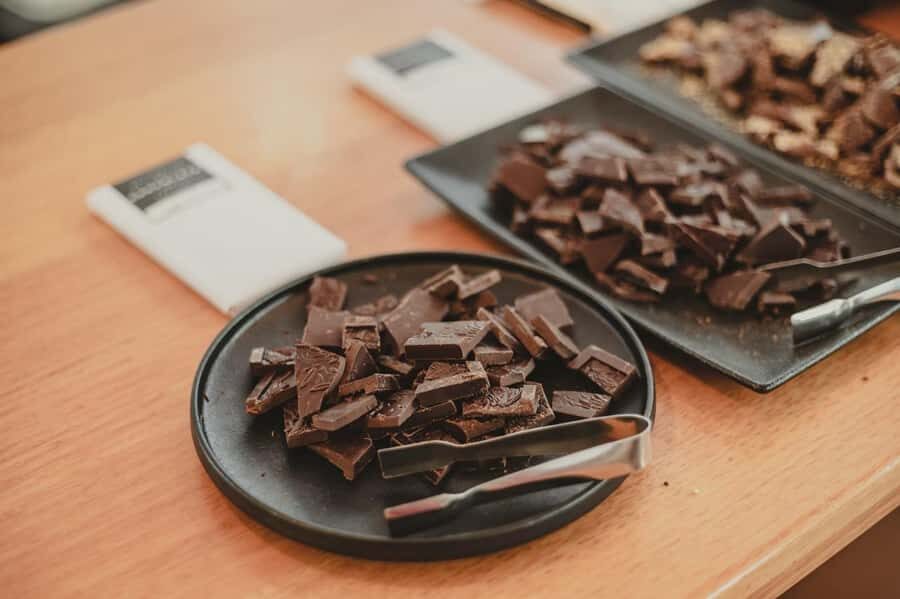
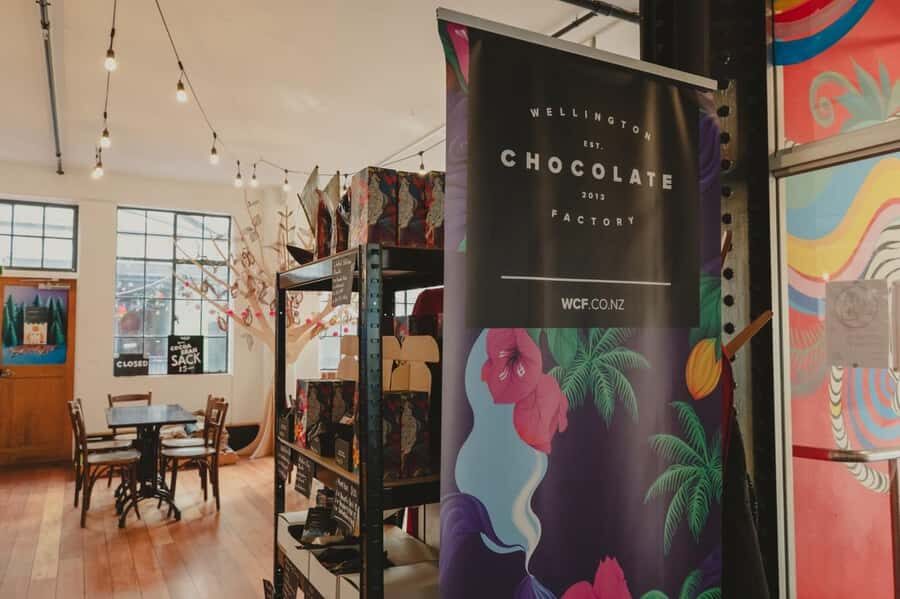
Then there’s the Wellington-made chocolate tasting, described as award-winning. This is the stop that turns the tour into a “sweet and salty” rhythm.
Chocolate tasting works better than you’d think on a walking tour because it resets your palate. You can also pick up a gift idea at the same time, and some guides are praised for even making time so you can buy gifts for friends back home.
The trendy food alley: modern Wellington energy
A later stop is at a trendy food alley, which gives you a quick look at contemporary Wellington food culture. The value here is contrast. Earlier parts of the tour lean traditional and restaurant-led. Here, you see the city’s newer energy—places where you can grab something fast and keep moving.
The awarded restaurant bite: Wellington’s “try-this” moment
The final stretch includes a visit to one of the city’s most awarded restaurants. You’re not staying for a full sit-down meal, but you’re getting that “this is what the city prides itself on” taste.
In the review notes you’ll see examples of what people sampled across the tour, like white fish and chips, spicy Chinese dumplings with cheese, and dried lamb. The exact menu can shift by departure, but the theme stays consistent: Wellington food spans cuisines and styles, not one narrow lane.
Craft beer, cheese, and coffee: why these tastings matter
This tour doesn’t treat drinks like side characters. They’re part of the structure. You can expect a local craft beer tasting, plus local cheese tasting, and coffee along the way.
Beer: a local anchor, not just alcohol
A craft beer tasting in Wellington fits the city’s reputation, but the tour keeps it grounded. You’re tasting as part of a broader food route, so the beer is there to match flavours you’ve already experienced, not just to fill space.
Some reviewers describe their beer as delicious and paired with a full day of food. That pairing effect is what you’re buying when you pay for the tour—someone else handles the timing and the combination.
Cheese: the comfort-and-flavour tester
The local cheese tasting is another smart tool. Cheese is easy to assess on the spot: salty vs. mild, firm vs. creamy, and how it plays with bread or savoury bites. It’s also a nice midpoint between sweet chocolate and heavier restaurant food.
If you love taking home flavour ideas, cheese is one of the easiest categories to remember later.
Coffee: keep walking, keep tasting
Coffee matters on a walking tour. It keeps the energy up without forcing you into a long break. Since coffee is included, you don’t have to choose between food and caffeine. You can just drink, taste, and keep the pace.
Wellington streets and waterfront: what you’ll notice on foot
The tour route is doing more than moving you between restaurants. It’s showing you how Wellington is arranged.
You’ll walk through Cuba Street, which is known for people-watching and street life. Then you head toward the Waterfront, where the mood changes fast—more open air, wider views, and a sense of Wellington’s relationship with the harbour. After that, you connect through Willis Street and Lambton Quay, which are the kinds of streets where business and everyday movement blend together.
One thing I like about the route choices: you’re not only stuck in one neighbourhood bubble. You’re seeing a spread, and that makes it easier to plan what you do after the tour—whether that’s going back for a second look at a street, or using the places you tasted as a shortlist for later.
The guide factor: stories, pace, and real help
What makes this tour feel worth it isn’t only the food. It’s the local guide and how they connect dots.
In reviews, guides such as Rebecca and Wendy are praised for going beyond menus—mixing in Wellington context and Māori culture, then making sure the day stays smooth. One nice example: a guide reportedly went above and beyond by helping guests find their way and even walking them to the trolley so they didn’t get lost.
That kind of practical help is underrated. It’s not just friendliness; it changes how confident you feel moving around the city after your tastings.
If you want to get the most out of the tour, ask your guide simple questions:
- What dish should I order if I only have one dinner?
- Where do locals go on a weekday?
- Is there a coffee or bakery you’d return to?
Price and value: what $128 gets you (and when it’s a good deal)
At $128 per person for 3 hours, it’s not the cheapest activity in Wellington. But this tour is priced like a “tastings package,” and the math starts to work if you actually enjoy food exploration.
You’re including:
- All tastings
- Five to six eateries and local spots
- Local guide
- Local craft beer tasting
- Local cheese tasting
- Local chocolate tasting
- Easy walking
What’s not included is also clear: additional purchases, no hotel pick-up/drop-off, and no extra alcoholic or non-alcoholic beverages beyond what the tour provides.
So here’s my take on value. If you plan to eat out anyway, this tour compresses a bunch of decision-making into one guided experience. You trade the hassle of picking places and guessing portions for an organized route where your day is already planned. And because the group is small (limited to 10 participants), you get attention and pacing that’s less chaotic than bigger tours.
If you’re the type who snacks lightly and hates drinking alcohol or trying multiple items, the price may feel steep. But if you want a structured sampler across Wellington cuisines, it’s a smart way to spend half a day.
Who this tour suits best (and who should skip it)
This tour is a great fit for adults and older teens who want a food-first overview of Wellington. It’s also especially good if you’re arriving for the first time and want to understand the city fast without running around with a map and a growling stomach.
It’s not suitable for children under 15, and it’s not set up for people with mobility impairments. That matters because it’s a walking route of about 3 kilometres.
If you love food variety and you’re happy walking, you’ll likely enjoy it. If you prefer deep museum-style pacing or you dislike walking in rain, you might want a different plan, because it runs rain or shine unless the operator advises otherwise.
Should you book the Wellington 3-hour walking food tour?
I think you should book if you want a high-return introduction to Wellington food culture: Māori waterfront flavours, Italian comfort food, Wellington chocolate, craft beer, cheese, coffee, and multiple restaurant bites in a single 3-hour block. The small group size and guide-led storytelling add real value beyond the food itself.
I’d skip it if you want a quiet, sit-down-only experience, or if walking and wet-weather plans stress you out. Also skip it if you’re under 15 or have mobility needs that make 3 kilometres of walking difficult.
If you’re on the fence, treat this as your “get your bearings fast” Wellington plan. After it, you’ll know what you like, where you want to return, and what to order the next time you sit down.
FAQ
Where is the meeting point for the Wellington walking food tour?
You meet outside the Wellington iSite, inside Tākina convention centre.
How long is the tour, and how far do you walk?
The tour lasts 3 hours and is about 3 kilometres of easy walking.
Does the tour run in bad weather?
It runs rain or shine unless the operator advises otherwise.
Is the tour good for kids or people with mobility impairments?
It’s not suitable for children under 15, and it’s not suitable for people with mobility impairments.
What tastings are included?
All tastings are included, including local craft beer tasting, local cheese tasting, and local chocolate tasting, plus bites from five to six local eateries and spots.
Can I cancel or pay later?
You can cancel up to 24 hours in advance for a full refund, and you can reserve now and pay later.
If you want, tell me your travel dates and what you like to eat (sweet, savoury, meat-heavy, vegetarian, beer or no beer). I can help you decide whether this tour’s style matches your appetite.