REVIEW · FRANZ JOSEF TOWN
Franz Josef: 35min Helicopter Trip over Two Glaciers
Book on GetYourGuide →Operated by Glacier Country Helicopters · Bookable on GetYourGuide
Franz Josef is already dramatic from the ground, but this adds flight. In a 35-minute helicopter trip, you’ll skim above the ice and mountains, then step onto snow for about 10 minutes at an elevated spot. I love that you get live, in-your-ear commentary the whole way, so the scenery turns into a story you can actually follow.
What I like even more is the payoff for the time you spend in the air. You cover two major glaciers (Franz Josef first, then Fox or Tasman) and still get that hands-on moment with a snow landing.
The big drawback is that it’s weather-dependent. If conditions don’t cooperate, flight routes can shift, and in some cases the trip may not operate as planned.
In This Review
- Key things that make this helicopter trip work
- How the 35 minutes gets you real glacier time
- What you can realistically expect
- The helicopter route: Franz Josef first, then Fox or Tasman
- Why flying changes the glacier story
- The 10-minute elevated snow landing (your photos and your boots)
- A practical note about footwear
- Southern Alps and Mount Cook views: when the sky cooperates
- What makes the commentary useful here
- Comfort, weight rules, and why they’re not a small detail
- A heads-up about who this tour fits
- What to bring, and what you should leave in the bag
- Bring
- Don’t bring
- Weather risk: how to think about it before you book
- How I’d plan around the weather
- Price and value: is $289 worth it?
- Should you book the Franz Josef helicopter glacier flight?
- FAQ
- How long is the helicopter trip?
- What glaciers will I see during the flight?
- Do you land on the snow?
- What’s included in the experience?
- Is the flight affected by weather?
- What should I bring, and what’s not allowed?
- Is it suitable for wheelchair users or mobility impairments?
Key things that make this helicopter trip work
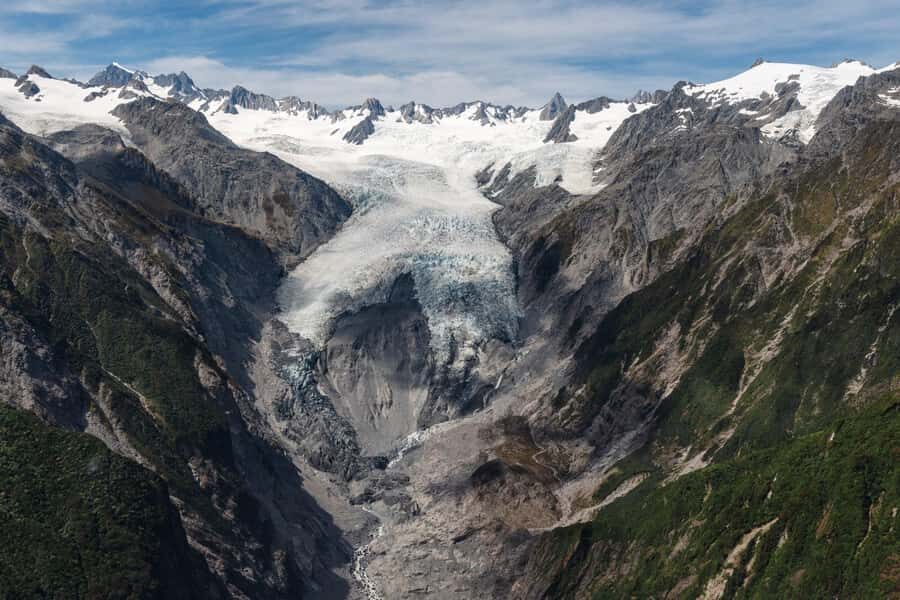
- Two glaciers in one flight: Franz Josef plus the Fox or Tasman Glacier
- Headset commentary: clear, live narration as you fly
- A real elevated snow landing: about 10 minutes on foot for photos
- Southern Alps views: you’ll spot major peaks including Mount Cook when conditions allow
- Small-ride feel: seating can be arranged to help more people get a better view
How the 35 minutes gets you real glacier time
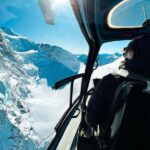
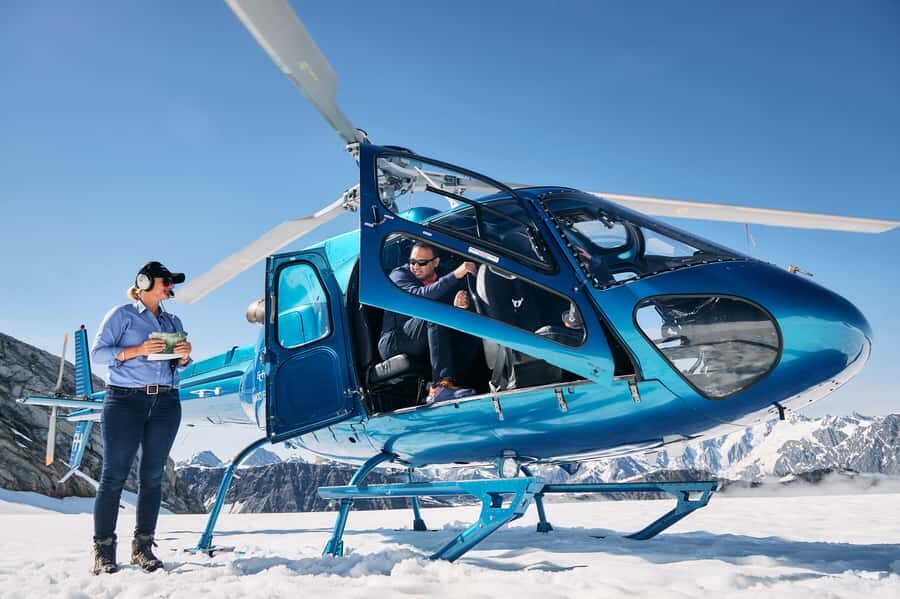
This is not one of those “fast pass” tours where you spend most of the day waiting. The whole experience is built around a short window: after check-in and a safety briefing, you’re transferred to the hangar, meet your pilot and guide, and then you’re airborne quickly. You’ll wear headsets so you can hear the live commentary without shouting over rotor noise.
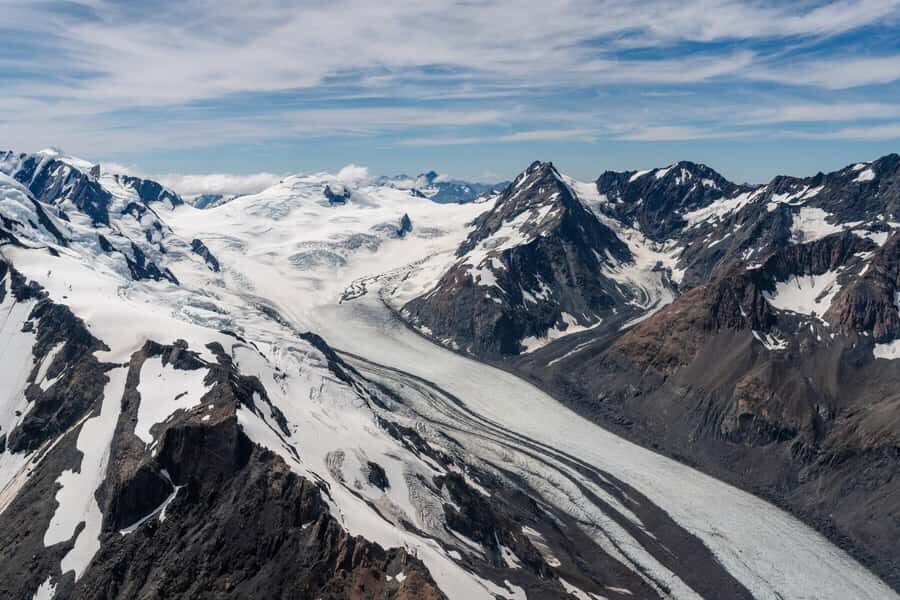
Once you lift off, the pacing feels efficient in a good way. You don’t just point the helicopter toward ice and hope for the best. Instead, you fly with narration that helps you understand what you’re seeing—ice pinnacles, crevasses, and the way the glaciers sit in the Southern Alps. That context matters. Without it, you’re left staring. With it, you’re tracking something.
And yes, you’ll get window time. The operation is set up so people can make the most of where they’re seated, including shifting seating as needed to help more passengers see clearly.
A few more Franz Josef Town tours and experiences worth a look
What you can realistically expect
Because the entire trip is only 35 minutes, you’ll want to arrive mentally ready to do three things: look up, listen, and take a few photos when the pilot gives you the best angles. It’s a quick hit of the West Coast’s glacier country—perfect if you’re short on time but want more than a roadside view.
The helicopter route: Franz Josef first, then Fox or Tasman
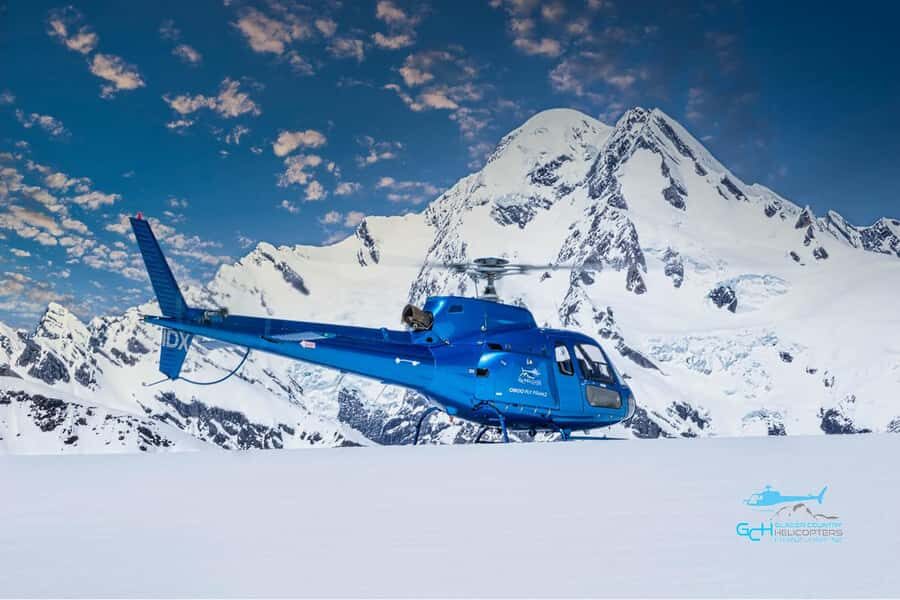
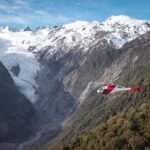
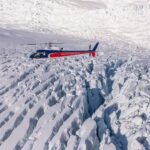
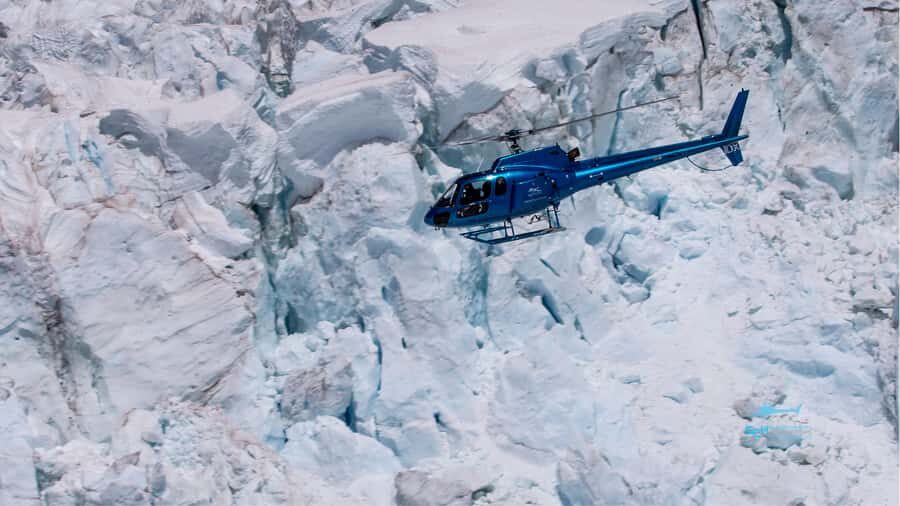
The core promise here is simple: see Franz Josef by air, then continue to either the Fox or Tasman Glacier. From the air, both glacier systems look like something out of a science video—sharp edges, long ice runs, and sudden changes in texture where the glacier surface breaks and reforms.
Franz Josef is the headline, and it’s easy to see why. Up close, it’s not just a block of ice. It has shape. It has texture. And because you’re flying overhead rather than standing at one fixed angle, you get a better sense of the glacier’s scale.
Then comes the second glacier. Depending on conditions, you’ll fly to Fox or Tasman, giving you a wider “glacier geography” impression than you’d get from one location alone. This is one reason I think this trip is good value: you’re paying to see more than a single dot on a map.
Why flying changes the glacier story
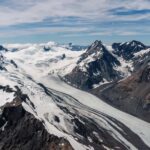
On the ground, glaciers are slow and distant. From above, you see the glacier as an entire system—where it feeds, where it fractures, and how it sits against forest, rock, and high peaks. Even if you’re not a geology person, the view makes it easier to understand the glacier’s drama.
The 10-minute elevated snow landing (your photos and your boots)
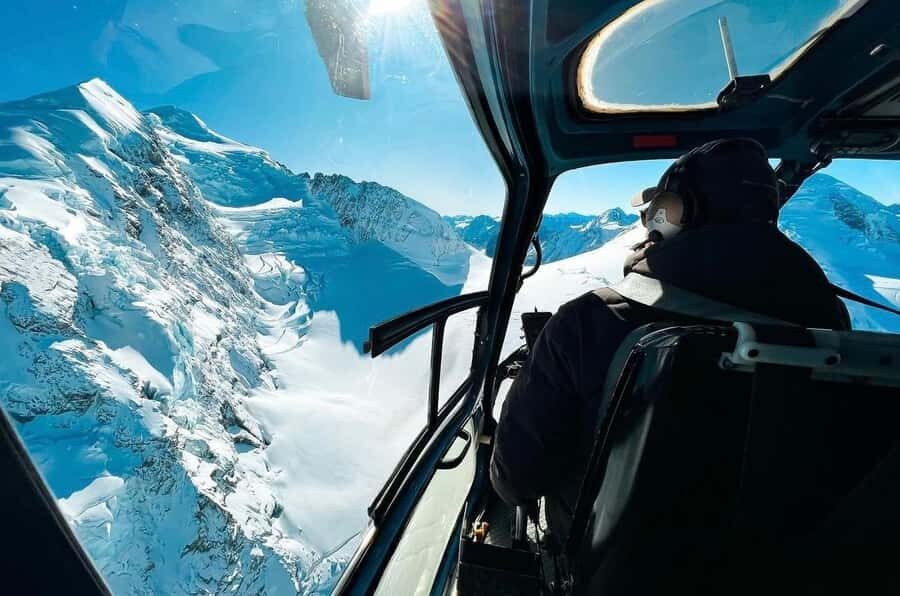
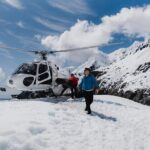
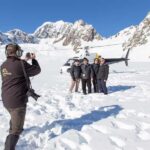
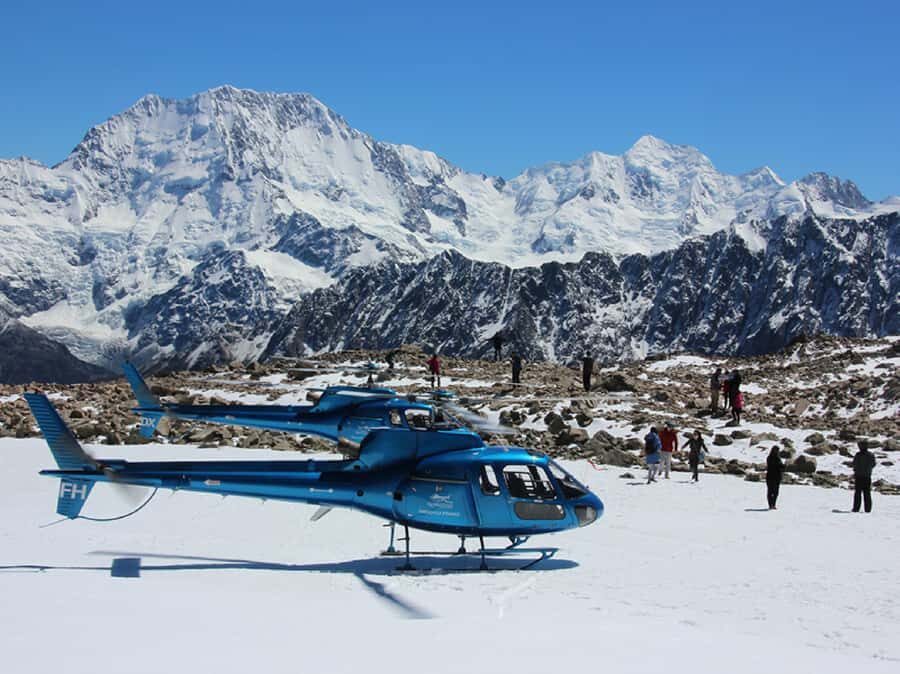
About partway through the flight, you’ll land on an elevated snow site for around 10 minutes. This is the part that usually sticks in people’s minds, because it turns the experience from looking to doing.
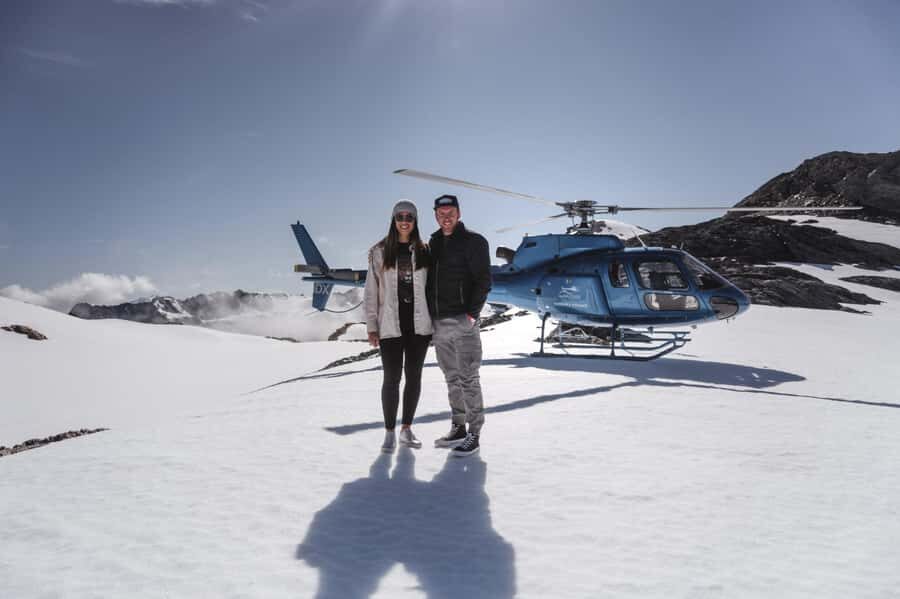
When you step onto snow, you get a different kind of perspective. Instead of only photographing from the helicopter, you can walk a few steps, frame shots with the mountains behind you, and feel how cold and wind-exposed that environment is—especially compared with the safer, more sheltered areas down in town.
It’s also your chance to capture photos that feel more like “I was there” rather than “I saw it from the air.” The photo opportunities here tend to be the best on the whole outing because you get both elevation and the open snow surface.
A practical note about footwear
Wear closed-toe shoes you can walk in confidently. You don’t need hiking boots, but you do want something that won’t slide on snow and that keeps your feet warm enough for a short walk in colder air.
Southern Alps and Mount Cook views: when the sky cooperates
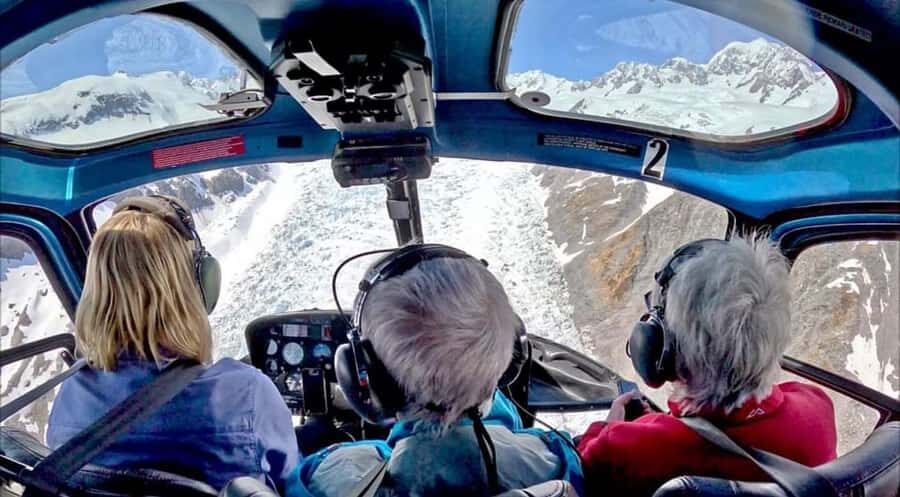
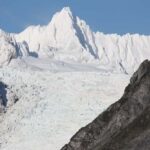
The flight path takes you among the Southern Alps, where the peaks can look close enough to touch. One standout detail is that you can pass Mount Cook, one of New Zealand’s best-known mountains. Whether you clearly see it depends on weather and visibility, but when conditions are right, it’s a big wow moment.
You’ll also get aerial views over the glacier region that include more than just ice: forest edges, rock faces, and river-like patterns cut through the terrain. Even when you’re focused on the glaciers, these surrounding features help you understand where the ice sits in the wider mountain system.
What makes the commentary useful here
Live narration matters most when you’re seeing things quickly. Your pilot and guide explain what you’re looking at so you’re not just collecting random images. Some people go in nervous about helicopters; once you hear the plan and the map-in-the-air explanation, it feels more controlled.
Comfort, weight rules, and why they’re not a small detail
This ride isn’t described as having “comfort seats,” which means standard seating may be tighter than what you’re used to. There’s also a comfort seat rule based on passenger weight: passengers 120KG and over (measured at check-in) are required to purchase a Comfort Seat, which is listed as half the regular price of the flight.
That might sound bureaucratic, but it’s actually a safety and comfort issue. In a helicopter, seating fit affects your ability to sit stable during flight changes and landing maneuvers.
A heads-up about who this tour fits
The activity isn’t suitable for wheelchair users or people with mobility impairments. That’s worth taking seriously because boarding, sitting, and movement during transfers can be difficult.
What to bring, and what you should leave in the bag
For this experience, pack light and plan for cold, wind, and fast timing.
Bring
- Sunglasses (snow glare is real)
- Camera (you’ll want it for both the air and the landing)
- Jacket (helicopters don’t stay warm the way you’d expect)
- Closed-toe shoes (for your 10 minutes on snow)
Don’t bring
- Drones
- Selfie sticks
- Tripods
- Walking sticks or crutches
- Explosive substances
- Loose clothing
- Large bags or luggage
I like this approach because it makes the landing simpler and reduces clutter near doors and seats. If you’re the type who always brings extra gear, this is one time you’ll enjoy traveling a bit lighter.
Weather risk: how to think about it before you book
Here’s the honest part. The trip is weather-dependent, and routes can change at short notice. There’s also the possibility of cancellation if minimum numbers aren’t met.
But there’s a difference between “weather ruins everything” and “weather changes the plan.” In glacier country, operations can sometimes pivot—shifting routes or adjusting what’s possible. You should still plan for uncertainty, though.
How I’d plan around the weather
If your schedule allows flexibility, give yourself some breathing room. Keep the rest of your day simple, because delays happen more often than in a museum or city activity. If you’re on a tight itinerary with no slack, this is the type of tour where you’ll want to be aware of that trade-off.
Price and value: is $289 worth it?
At $289 per person for a 35-minute experience, it’s not cheap. I’m not going to pretend helicopter rides are budget-friendly. You’re paying for something you can’t replicate easily: speed, height, and access to places most people only see from one angle.
So where does the value come from?
1) You’re seeing multiple glaciers in one outing. It’s not “one viewpoint.” It’s a two-glacier aerial route plus that snow landing.
2) You get headset commentary, which turns “pretty scenery” into something more meaningful.
3) You get the landing time (about 10 minutes), which adds physical, memorable moments rather than only views from above.
If you’re the kind of traveler who’s okay with paying for an experience that’s about perspective, scale, and a short burst of awe, this tends to feel worth it. If you only want glacier sightseeing without the helicopter premium, you’ll likely feel the cost more than the value.
Should you book the Franz Josef helicopter glacier flight?
I’d book it if:
- You want the best chance at glacier views fast, with time pressure.
- You like learning while you look, not just staring out a window.
- You’re excited by the idea of a snow landing where you can actually step around and take photos.
I might skip it if:
- You can’t handle weather uncertainty in your schedule.
- You’re sensitive to tight seating or need accessibility support (this isn’t suitable for wheelchair users).
- Your budget needs to stay strict, and you’d rather spend that money on longer, ground-based glacier hikes.
If you’re deciding right now, my advice is simple: treat this as your big “wow” moment in Franz Josef glacier country. If the weather works, it delivers a rare mix of ice views from above and a short walk on snow that feels much more personal than a drive-by.
FAQ
How long is the helicopter trip?
The total duration is 35 minutes, and it includes a stop with about 10 minutes of time on foot at an elevated snow landing site.
What glaciers will I see during the flight?
You’ll fly over Franz Josef and then either the Fox Glacier or the Tasman Glacier, depending on the route planned for your departure.
Do you land on the snow?
Yes. The flight includes a stop at an elevated snow landing site where you can explore on foot for about 10 minutes.
What’s included in the experience?
It includes a safety briefing, the helicopter flight, headsets, live commentary, and the pilot.
Is the flight affected by weather?
Yes. The experience is weather-dependent, so flight routes can change and there is a possibility of cancellation if conditions aren’t suitable. If that happens, you’ll be offered a reschedule or a full refund.
What should I bring, and what’s not allowed?
Bring sunglasses, a camera, a jacket, and closed-toe shoes. Not allowed items include drones, selfie sticks, tripods, walking sticks/crutches, explosive substances, loose clothing, and luggage or large bags.
Is it suitable for wheelchair users or mobility impairments?
No. The activity is not suitable for people with mobility impairments and wheelchair users.