REVIEW · FRANZ JOSEF TOWN
Franz Josef: West Coast Wildlife Centre Entry Ticket -48 hrs
Book on GetYourGuide →Operated by West Coast Wildlife Centre · Bookable on GetYourGuide
A rainy day has a plan in Franz Josef. The West Coast Wildlife Centre turns that wet West Coast energy into close-up wildlife viewing, with kiwi incubation and the new Ambassador Penguin Encounter built around real conservation.
I especially like the no-glass kiwi viewing in an open nocturnal setup. And I really appreciate that the tuatara exhibit and the penguin programme aren’t just about watching animals, they’re about keeping endangered species alive with ongoing work.
One consideration: the kiwi viewing area may not always feel as staffed as you’d want, so you need to follow the on-site guidance closely to avoid stressing the birds.
In This Review
- Quick, useful highlights
- West Coast Wildlife Centre in Franz Josef: what makes it worth your time
- Kiwi incubation and open nocturnal viewing with no glass barriers
- What you’ll actually notice when you’re in the kiwi area
- Why the kiwi programme is a big deal
- Tuatara viewing indoors: the living dinosaur with quiet habits
- Why indoor tuatara viewing is a smart move in Franz Josef
- Ambassador West Coast Penguin Encounter: timing, purpose, and close-up viewing
- What the new penguin experience feels like for visitors
- A practical tip
- Glacier and wildlife stories: connecting the animals to the West Coast
- Why this storytelling is useful, not just decorative
- How the 48-hour pass works: pace yourself across two days
- A realistic time allocation
- VIP Backstage Pass Tours: optional add-on, limited spots
- Price and value: is $38 a fair deal?
- The fine print that can affect your day
- Who should book this Franz Josef wildlife ticket?
- Should you book this entry ticket or skip it?
- FAQ
- What time should I arrive for the ticket?
- How long does the visit take?
- Does the kiwi viewing use glass barriers?
- What animals can I see with the entry ticket?
- What are the penguin feeding times?
- Is food and drinks allowed inside?
- Is the VIP Backstage Pass included?
- Is the centre wheelchair accessible?
Quick, useful highlights
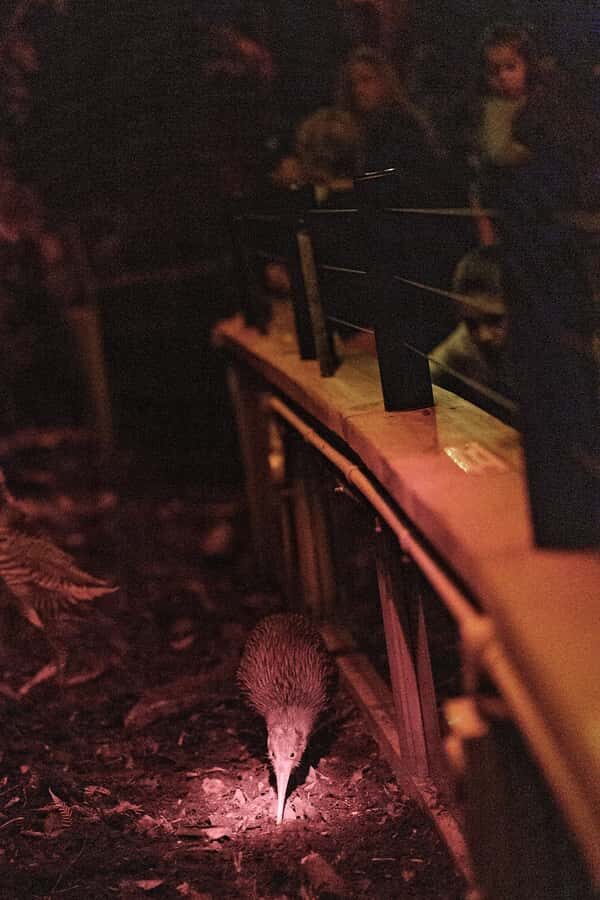
- No-glass kiwi viewing in a designed nocturnal environment, so you get a more natural look
- Rowi and Haast tokoeka are supported through the centre’s kiwi incubation and hatching programme
- Tūatara living-dinosaur habitat with indoor viewing you can enjoy in bad weather
- Ambassador West Coast Penguin Encounter with live feeding at 11am and 3pm (from 18 Oct 2025)
- Built for rain or shine, since it’s an indoor all-weather attraction
- A 48-hour pass that lets you go at your own pace across two days
West Coast Wildlife Centre in Franz Josef: what makes it worth your time
Franz Josef is famous for ice and drama. This is different. The West Coast Wildlife Centre is about the animals that call this region home, plus the species New Zealand is working to protect—right now, not someday.
For your visit, you’re not dealing with weather, muddy trails, or long driving between viewpoints. You walk inside, get access to multiple exhibits, and you can still connect it to the wider landscape of the Franz Josef Glacier area through stories and interpretation.
The conservation angle matters. Every visit supports real-time work helping bring endangered kiwi back from the brink. If you like your wildlife attractions to have a purpose beyond photos, you’ll feel at home here.
You can also read our reviews of more tours and experiences in Franz Josef Town.



Kiwi incubation and open nocturnal viewing with no glass barriers
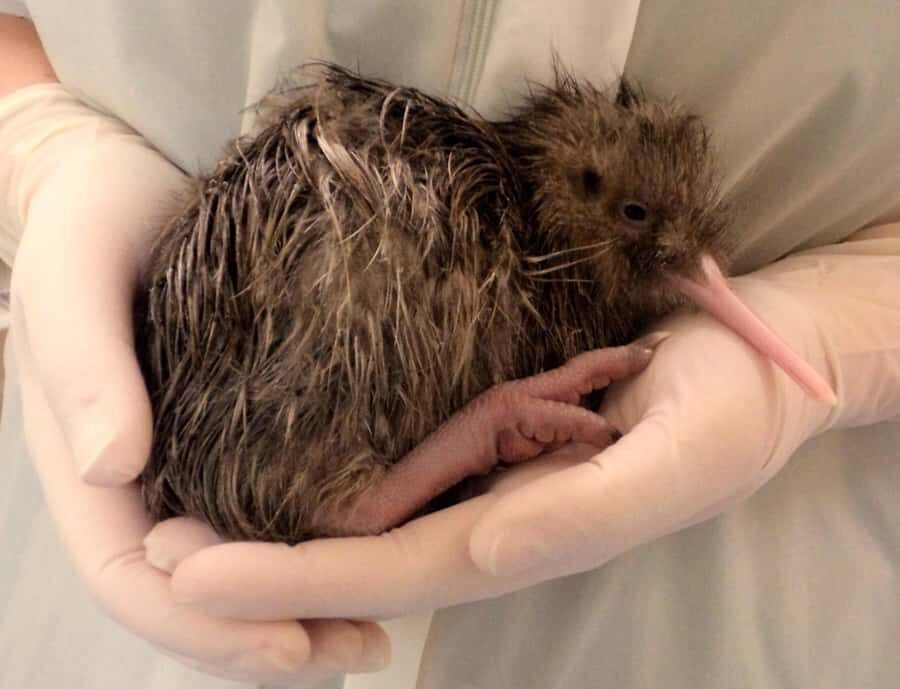
The kiwi portion is the main event. This centre runs the largest kiwi incubation and hatching facility on the South Island, and the viewing is built around the species, not around human convenience.
You’ll see live kiwi in a specially designed, open nocturnal environment—and the big detail is that you’re not separated by glass. That usually means fewer visual barriers and a more immediate sense of the birds being there.
What you’ll actually notice when you’re in the kiwi area
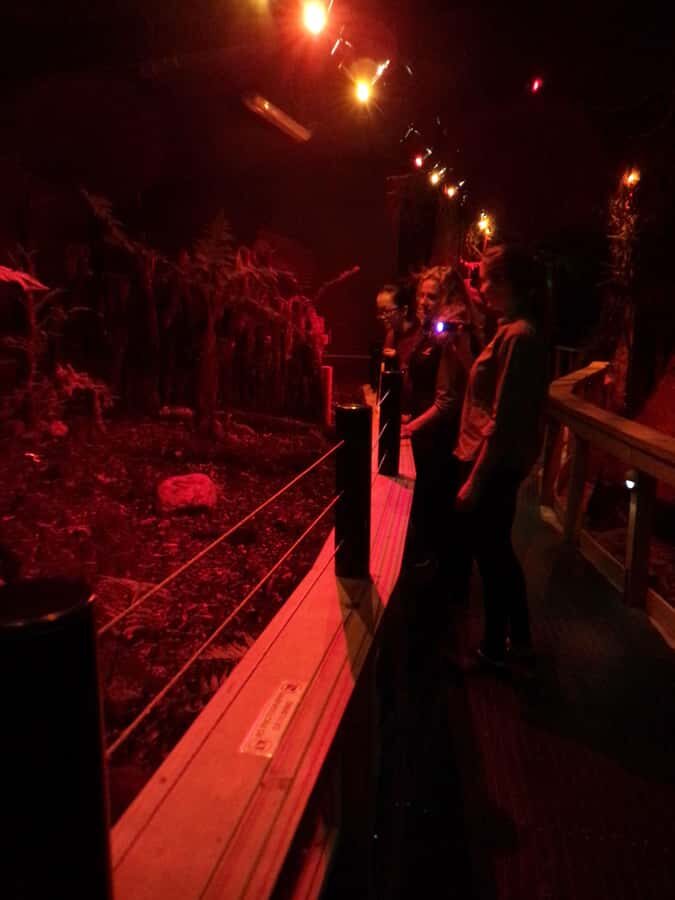
The kiwi space is set up for night-time behaviour, so expect a darker, quieter experience than a typical daytime exhibit. That’s great for authenticity, but it also affects what you can see at any given moment. Sometimes you might catch only a limited number of birds moving around, since kiwi activity can be unpredictable.
Also, because this area is designed to mirror their natural environment, you’ll want to treat the space carefully. If you move too much, talk too loudly, or ignore the posted guidance, you increase stress for the animals—especially if the habitat is temporarily less supervised than you’d like.
Why the kiwi programme is a big deal
This centre’s kiwi programme focuses on rowi and Haast tokoeka, two of the most endangered kiwi species. That makes the viewing feel more grounded. You’re not just watching a rare bird; you’re supporting the life-cycle work happening behind the scenes through incubation and hatching.
If you’re doing a South Island itinerary and want one attraction that feels both memorable and meaningful, the kiwi part is the anchor.
Tuatara viewing indoors: the living dinosaur with quiet habits
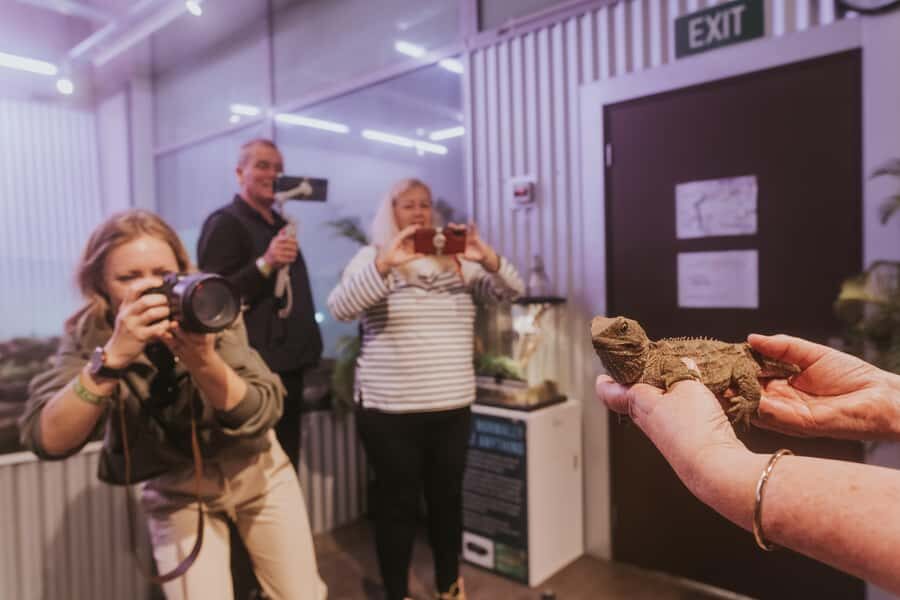
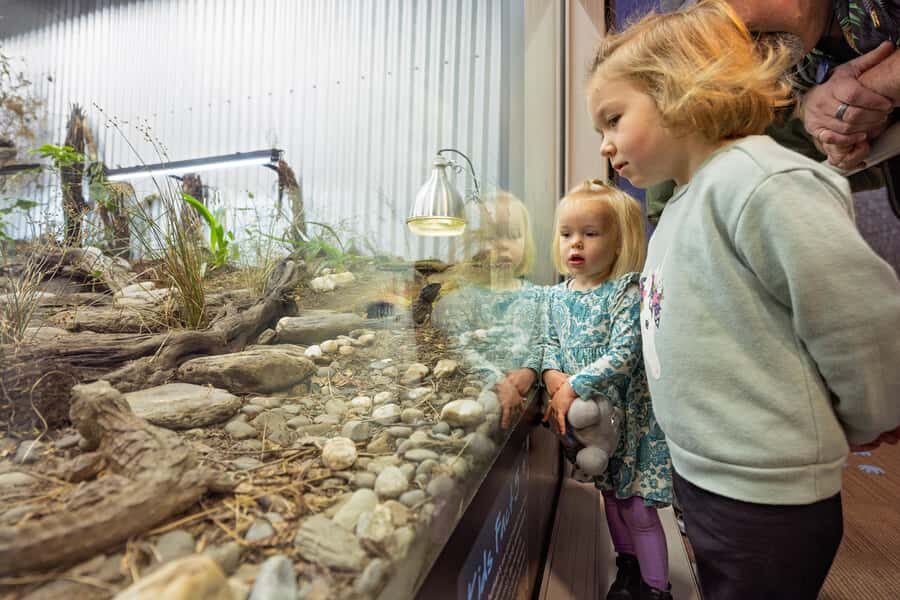
Next up is the tuatara, New Zealand’s ancient “living dinosaur.” These reptiles date back over 200 million years, and the centre’s indoor habitat is designed so you can watch them bask, feed, and move.
This is a good contrast to the kiwi area. Kiwi viewing is about night activity and conservation urgency. Tuatara viewing is about patience—slower movements, quieter body language, and the satisfaction of spotting how these animals use their space.


Why indoor tuatara viewing is a smart move in Franz Josef
The West Coast can throw weather at you. Since this is an all-weather indoor stop, you can keep your day moving even when the sky can’t decide.
You’ll likely spend less time “waiting for action” here and more time observing. If you’re the type who likes learning what makes an animal survive—heat, shelter, feeding patterns—tuatara is a rewarding stop.
Ambassador West Coast Penguin Encounter: timing, purpose, and close-up viewing
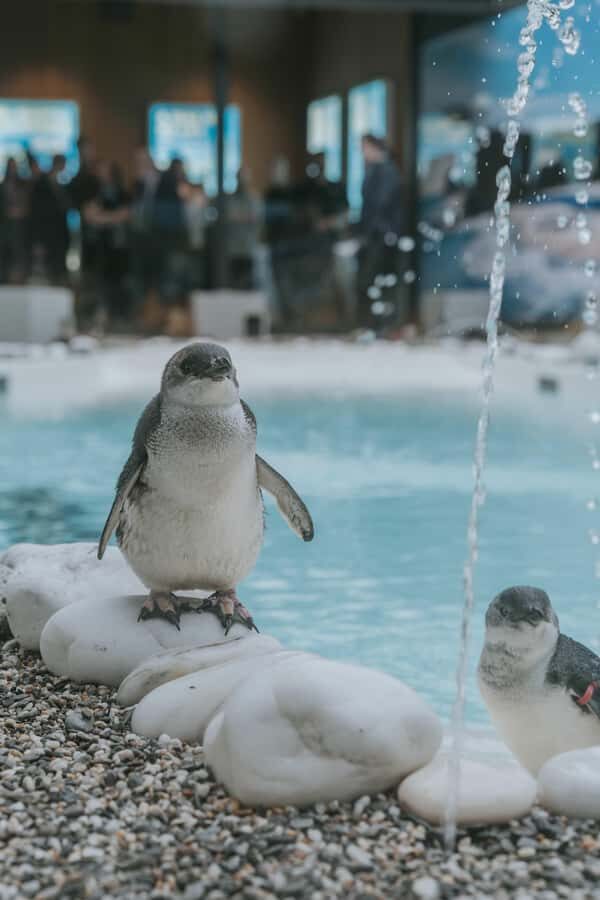
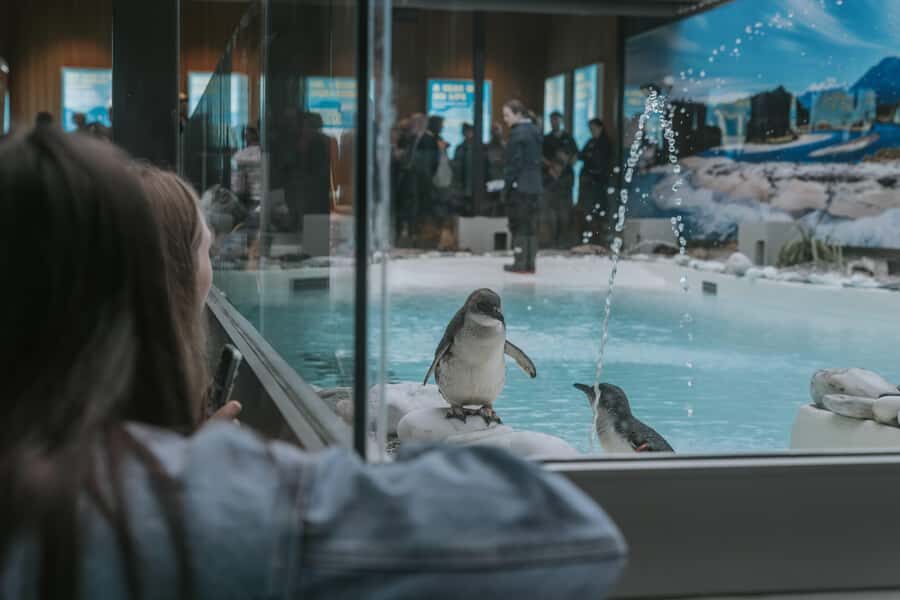
From 18 October 2025, the centre adds a major new attraction: the Ambassador West Coast Penguin Encounter. This is specifically for rescued kororā (little blue penguins) that cannot return to the wild, so the focus is on care, guardianship, and safe long-term living.
The encounter includes live penguin feeding at 11am and 3pm. If you want to catch the feeding, plan your time around those hours. It’s the kind of moment that turns a general exhibit into a “you’ll remember this” memory.
What the new penguin experience feels like for visitors
You’ll get close-up viewing plus keeper-style storytelling. The purpose is clear: these are marine birds facing real challenges in the wild, and the rescued penguins are there to help visitors understand that reality.
This matters because it keeps the encounter from feeling like just another animal display. You’re watching penguins in a purpose-built habitat, but you’re also learning why conservation work is needed for seabirds in Aotearoa.
A practical tip
If you’re doing the 48-hour pass, you can treat the penguin feeding like an appointment. Go once early to get your bearings, then schedule your second visit time around whichever feed is more convenient.
Glacier and wildlife stories: connecting the animals to the West Coast
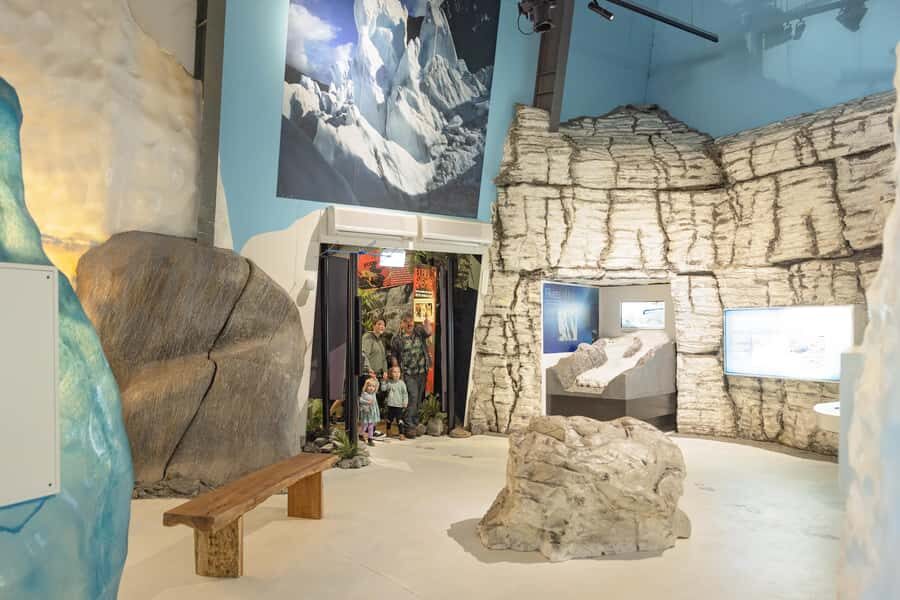
The wildlife viewing isn’t floating in a vacuum. The centre includes glacier and wildlife stories, linking what you see indoors to the wider dramatic forces that shape the planet out here.
That connection helps when you’re planning a South Island trip. You can pair this centre with glacier walks, scenic drives, or just the general West Coast vibe—then come back to a place where the learning continues in a dry setting.
Why this storytelling is useful, not just decorative
When an attraction includes context, you leave with more than a list of animals. You understand why these species matter, why they’re threatened, and how conservation work actually shows up in your visit.
Even if you’re short on time, the stories help you connect the exhibits into one coherent theme.
How the 48-hour pass works: pace yourself across two days
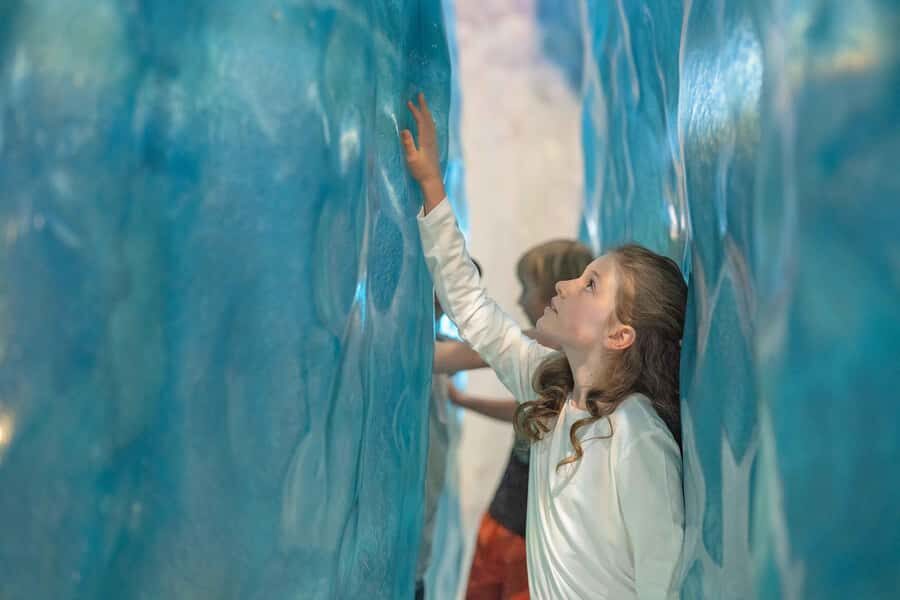
This is a 48-hour all-day pass. You activate it at first entry and then you’re free to return within that window.
That flexible structure is a quiet win. Wildlife isn’t movie choreography. Kiwi movement and penguin activity won’t follow your schedule. With two days, you get a second shot at good sightings, without feeling rushed.
A realistic time allocation
You’ll often see guidance that the best experience takes 30 minutes to 2 hours. I think that range is right because you can scale your visit:
- If you’re priority-shopping for kiwi and one more exhibit, 30 to 60 minutes can be enough.
- If you want to watch carefully, read the story bits, and catch a penguin feed, budget closer to 2 hours.
This works especially well for families, since younger visitors can enjoy one key area at a time instead of trying to do everything at once.
VIP Backstage Pass Tours: optional add-on, limited spots
There’s an optional VIP Backstage Pass Tour available for an additional cost, and it includes a VIP Backstage Pass style component.
The key word here is availability. Booking in advance is recommended because spots are limited. If backstage access sounds like the kind of thing you’d value—extra context, more behind-the-scenes conservation detail—this is where you’d spend the extra money.
If you don’t care about extra access, the standard entry ticket already covers the core live viewing areas: kiwi, penguins, and tuatara.
Price and value: is $38 a fair deal?
At $38 per person, the ticket isn’t a bargain like a quick roadside stop. But it isn’t overpriced for what you get either—especially if you care about conservation.
Here’s the value breakdown that matters:
- Multiple live animals in different habitats (kiwi, tuatara, and penguins)
- Real conservation focus tied to the kiwi incubation and hatching programme for endangered species
- Indoor all-weather setup, which is huge on the West Coast when plans can unravel
- Two-day validity, which increases your odds of seeing more than a single snapshot
Compared to paying for a one-time outdoor tour that can be affected by rain, this ticket gives you control. You can go when you want, in the conditions you get.
Add in the coffee shop and gift shop access, and you’ve got a full indoor visit that doesn’t require you to pack a whole meal.
The fine print that can affect your day
A few rules and practical notes can shape your experience.
- No food and drinks are allowed in the centre. You can use the coffee shop access, but plan around the no-bringing-in policy.
- You should check in at the main ticketing counter between 8am and 5pm daily.
- The centre is open from 8am daily, including most public holidays.
- The host or greeter is English, and the attraction is wheelchair accessible.
One more small reality check: parts of the exhibits are designed around animal comfort and behaviour. That means you’ll sometimes experience darker rooms or limited visibility zones—worth it for the authenticity, but don’t expect bright, guaranteed action on demand.
Who should book this Franz Josef wildlife ticket?
This ticket fits best if you’re:
- On the West Coast and want a weather-proof activity
- Interested in New Zealand conservation, not just sightseeing
- Visiting with kids or multi-age family members who might enjoy live feeding times and indoor viewing
- Short on time but want one stop that covers kiwi, penguins, and tuatara in one place
It’s also a strong choice if you prefer quiet, close observation over long, strenuous outings. The centre rewards calm attention.
If your travel style is only “outdoors all day, no indoor stops,” you might see this as a break rather than the main event. But as a purposeful stop, it’s a good one.
Should you book this entry ticket or skip it?
Book it if you want a single indoor stop in Franz Josef that gives you real wildlife viewing and tangible conservation support. The no-glass kiwi experience, the tuatara living-dinosaur habitat, and the future Ambassador Penguin Encounter from 18 October 2025 are a solid mix.
Skip or reconsider if you’re the type who needs lots of constant action and bright, easy viewing all the time. Kiwi behaviour is unpredictable, and the viewing spaces are designed for the birds first, humans second.
My bottom line: if you’re passing through Franz Josef and you can spare a couple hours (or use the full 48-hour pass), this is one of the more worthwhile ways to slow down and connect with New Zealand wildlife without letting the weather dictate your plans.
FAQ
What time should I arrive for the ticket?
You’ll need to arrive at the main ticketing counter between 8am and 5pm daily. That’s where you’ll activate your 48-hour pass.
How long does the visit take?
You’re advised to allocate 30 minutes to 2 hours for the best experience. If you want time to watch carefully and catch scheduled penguin feeding, lean toward the longer end.
Does the kiwi viewing use glass barriers?
No. The live kiwi viewing is described as open and without glass barriers in a specially designed nocturnal environment.
What animals can I see with the entry ticket?
The ticket includes live viewing of kiwi, Ambassador penguins (Ambassador West Coast Penguin Encounter from 18 Oct 2025), and a live tuatara encounter.
What are the penguin feeding times?
The new Ambassador Penguin Encounter includes live penguin feeding at 11am and 3pm.
Is food and drinks allowed inside?
No food and drinks are allowed. You do have coffee shop access, but you should plan for the policy.
Is the VIP Backstage Pass included?
VIP Backstage Pass Tours are optional and cost extra. Booking in advance is recommended due to limited availability.
Is the centre wheelchair accessible?
Yes, the West Coast Wildlife Centre is wheelchair accessible.