REVIEW · QUEENSTOWN
Glacier Explorer & Earnslaw Burn Helicopter Flight
Book on GetYourGuide →Operated by Glacier Southern Lakes Helicopters · Bookable on GetYourGuide
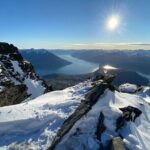
Few places feel this cinematic. A 50-minute helicopter hop links Queenstown’s alpine drama to Mt Aspiring National Park’s glaciers, plus a rare step-out-on-ice moment when conditions allow. I love how the flight is built around actual glacier terrain, not just scenery from the cabin, and I also love the chance to fly over the jagged cliffs of Skippers Canyon and the braided rivers below.
What you’re buying is motion, views, and a pilot-led story in the air. In-flight commentary helps you understand what you’re seeing as the route moves from canyon to valleys to glaciated peaks. One consideration: depending on the season and conditions (especially between January and June), you may not be able to land on a glacier, even though you’ll still get major glacier views.
This is run by Glacier Southern Lakes Helicopters, based at 35 Lucas Place (a big white hangar with parking out front). If you’re tight on time and want one big wildlife-free, adrenaline-light highlight in Queenstown, it’s hard to beat—just don’t plan on glacier landing being guaranteed.
In This Review
- Why This Flight Feels Like a Proper Queenstown Highlight
- Queenstown Takeoff to Mt Aspiring: The 50 Minutes You’ll Remember
- Skippers Canyon and Rees Valley: What the Route Shows From Above
- Earnslaw Burn Hanging Glacier and the Lord of the Rings Connection
- Glacier Landing Reality Check: What You Can Count On
- Stepping on the Ice: Photos, Timing, and Safety on the Glacier
- Pilots and In-Flight Commentary: Why the Human Touch Matters
- Price and Logistics: Is $408 Good Value?
- What to Bring (and What Not to Bring)
- Who This Glacier Explorer Flight Suits Best
- Should You Book Glacier Explorer and Earnslaw Burn?
- FAQ
- How long is the Glacier Explorer & Earnslaw Burn helicopter flight?
- Do I get a glacier landing for sure?
- What happens if weather prevents the flight?
- Is hotel pickup included?
- Where do I meet for the helicopter?
- What should I bring?
- Are drones or selfie sticks allowed?
- Is there live commentary during the flight?
Why This Flight Feels Like a Proper Queenstown Highlight
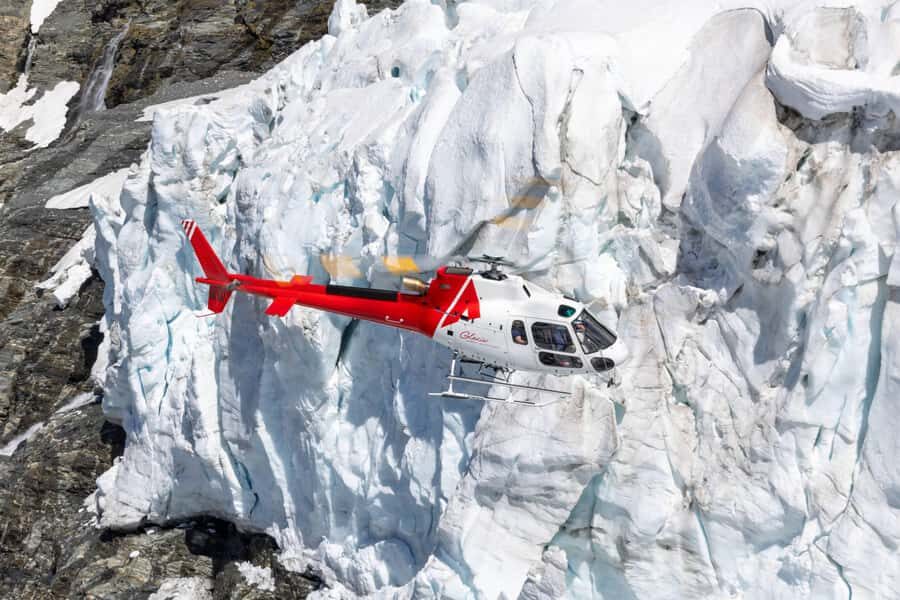
Queenstown is full of adventures, but this one has a specific kind of magic: it turns the vast, slow-moving glacier world into something you can reach in under an hour. The route is designed to connect the dots between valleys, ice falls, alpine lakes, and then the famous hanging glacier feed at Earnslaw Burn.
The flight also hits that sweet spot between thrill and comfort. You’re not doing a hike you have to prepare for all day; you’re getting short, focused time in the air, with a pilot who decides the final path to match weather and safety. Multiple pilots are described as calm, in control, and funny in that good way—like they want you to enjoy the ride as much as they want you to land safely.
Still, the helicopter experience comes with the nature of flying in the mountains: wind, cloud, and snow conditions matter. That’s why the operator is upfront that glacier landings can be limited at certain times of year.
Queenstown Takeoff to Mt Aspiring: The 50 Minutes You’ll Remember
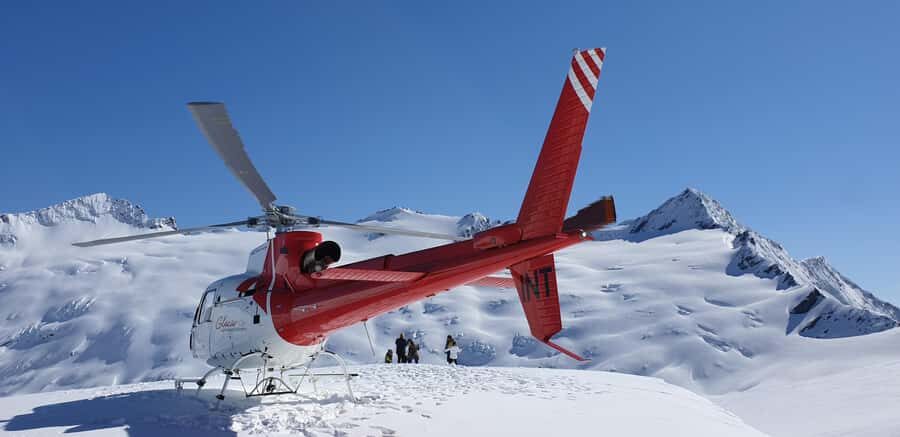
Your day starts with transport options from selected pickup points in central Queenstown, then a quick run to the hangar at 35 Lucas Place. Once you’re loaded, you’ll head out on a direct visual tour of the South Island’s high-country.
From the air, the scenery reads differently. Cliffs and river channels look sharper. Ice and rock boundaries show up as clear lines. And the glacier story becomes easier to grasp because you can see how valleys were carved and how ice systems fed and shaped the terrain over time.
A key thing I like about this format is that you get both breadth and a defining moment. You’ll fly over several named-feeling areas (Skippers Canyon, Rees Valley, Mt Aspiring zones), then the flight aims you toward the Earnslaw Burn area where the hanging glacier is the showpiece.
A few more Queenstown tours and experiences worth a look
Skippers Canyon and Rees Valley: What the Route Shows From Above
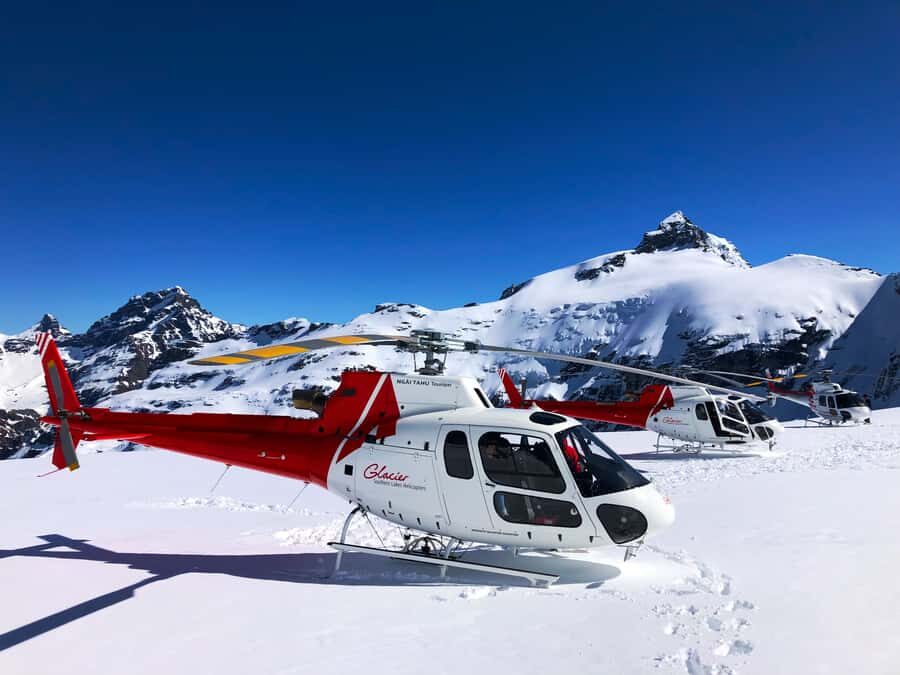
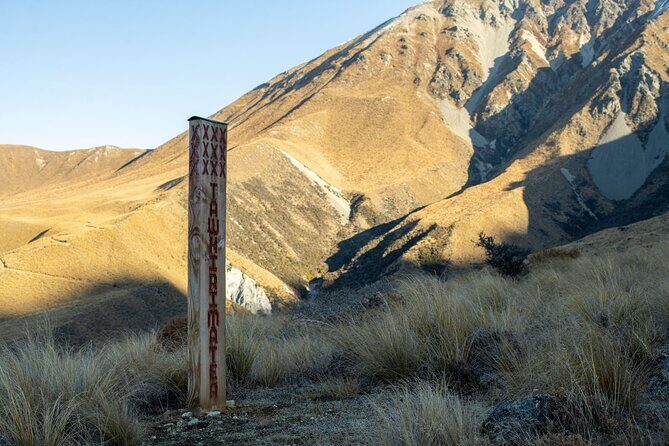
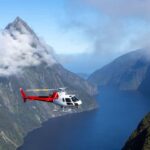
Skippers Canyon is the kind of place you can’t really appreciate from the ground without lots of stopping, driving, and hiking. From the helicopter, it becomes instantly legible: rugged cliff faces, dramatic drop-offs, and the way the canyon funnels the rivers and roads into narrow corridors.
Then you’ll pass over the Rees Valley, where braided rivers spread like thin ribbons across the valley floor. This is where aerial views stop being just pretty and start feeling informative. You get a sense of the glacier-to-river process: ice feeds water, water reshapes land, and the valley becomes a record of that movement.
You also get something that matters for photos: time. A helicopter flight gives you repeated angles quickly without burning hours on viewpoints. Even if you don’t consider yourself a photographer, the route makes it easier to capture that wow factor without needing perfect conditions at a roadside stop.
Earnslaw Burn Hanging Glacier and the Lord of the Rings Connection
If you’re a Lord of the Rings fan, this is the part that makes the trip feel extra. The helicopter continues toward the Earnslaw Burn, where there’s a hanging glacier feeding waterfalls tumbling down into the valley below. That otherworldly look is exactly why it became connected to the film world.
What’s useful for you: this isn’t just a trivia stop. Seeing a hanging glacier from above helps you understand why it looks so dramatic. From the ground, waterfalls and cliffs are separate scenes. From the air, the “where the ice starts” question is obvious, and it clicks how ice can sit above and feed water far below.
Some pilots have even helped bring the film side to life by pointing out locations that fans recognize, such as Isengard and Lothlorien. You shouldn’t assume that every pilot will do the same, but if it happens during your flight, it’s an easy way to turn a beautiful natural scene into a memory you’ll talk about later.
Glacier Landing Reality Check: What You Can Count On
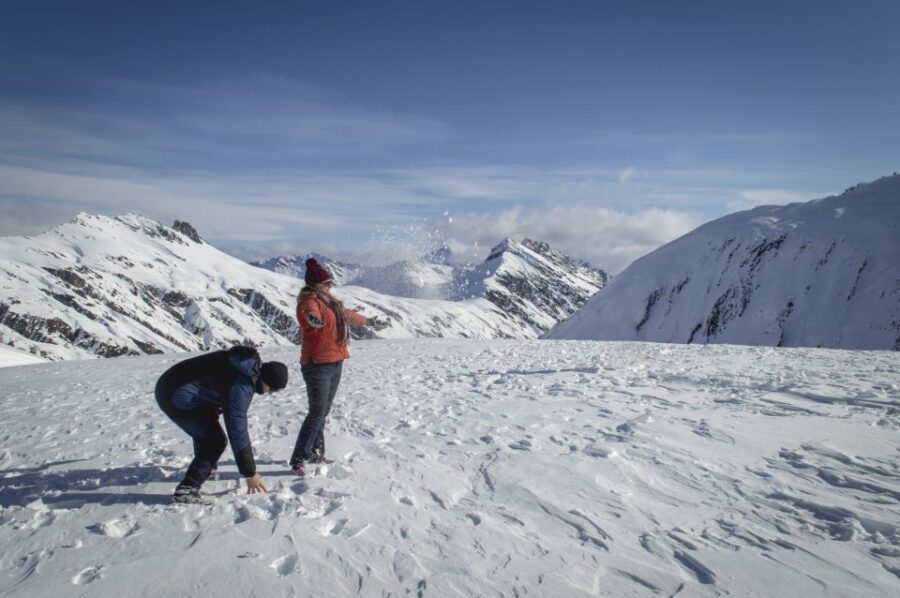
Here’s the honest part: glacier landing isn’t something you should plan around as a certainty.
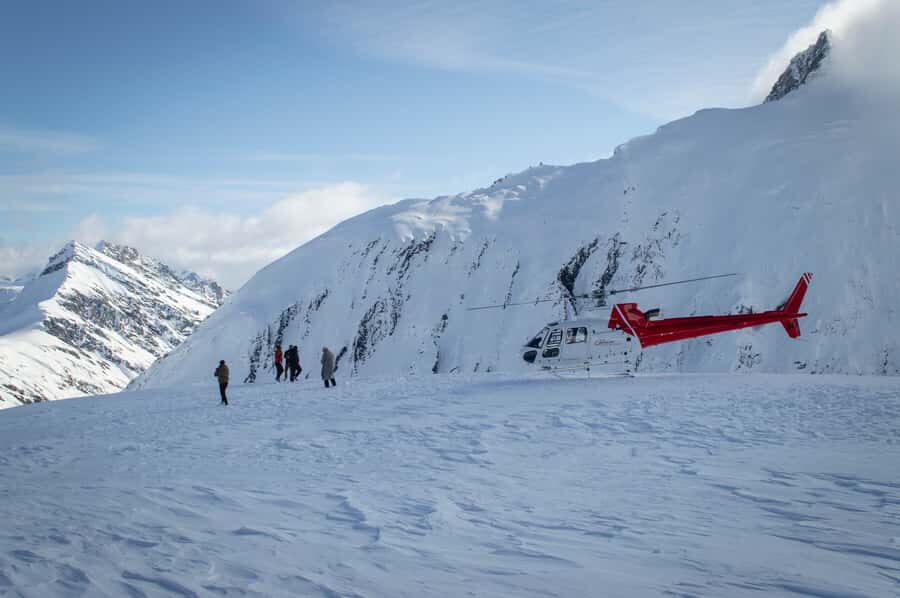
Between January and June, landing can be limited due to summer conditions like changing snow cover and exposed crevasses. The operator explains that they can’t always land on a glacier because landing locations are restricted. So even if the itinerary language says glacier landing, your actual experience depends on what the pilot deems safe at the time.
The good news is you’re not left with a consolation prize. In situations where landing isn’t possible, you’ll still fly over the glaciers, and your pilot will choose a “next best” alternative such as landing close to the glacier or doing an Alpine landing—both of which are still described as spectacular. In other words, you’ll still get the core glacier story; the only question is how close you get to the ice itself.
That said, if glacier landing is your top reason to book, treat timing and weather as part of your plan. Book early in your Queenstown schedule so you have flexibility if the operator needs to adjust your flight.
Stepping on the Ice: Photos, Timing, and Safety on the Glacier
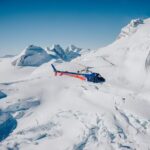
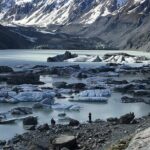
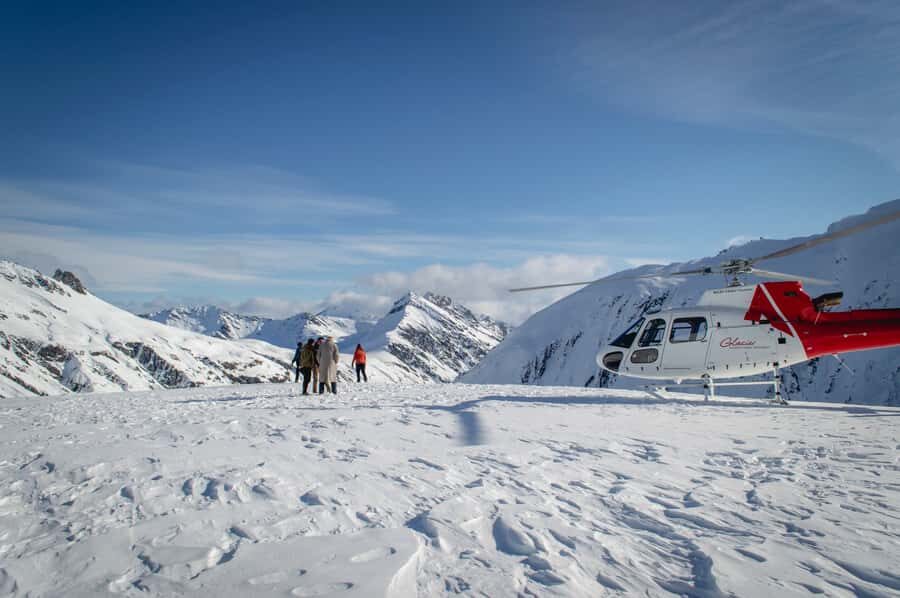
When glacier landing is possible, this is the moment the whole trip orbits around: you step out onto untouched wilderness surrounded by towering peaks and pristine ice. Reviews strongly emphasize how surreal it feels, and also how important it is that the pilot and staff keep you away from unsafe sections of the glacier.
What this means for you in practical terms:
- Expect to get time for photos, but you should also be ready to move and follow instructions quickly.
- Bring your camera ready and your sunglasses on, because the light on ice can be bright fast.
- Wear what you’re comfortable with, but if you’re carrying bulky winter layers, know that helicopter space can feel tight. One person noted that after wearing multi-layer winter clothing, the cabin felt cramped.
You’ll also get a better sense of glacial formation when you’re on the ice. From the air, glaciers look like solid surfaces. On the ground, you can appreciate the texture and the way the landscape changes from ice to rock and back again—like you’re seeing how the terrain was made instead of just seeing what it looks like now.
Pilots and In-Flight Commentary: Why the Human Touch Matters
This isn’t a silent flight. The experience includes in-flight commentary that helps you connect geography to glaciology—what’s a glacier, how ice falls feed valleys, why lakes appear tucked into mountain basins, and what you’re looking at when the route shifts.
The pilot also matters for your comfort. Several names come up in the feedback: Alfie, Jeremy, Luke, Tim, Will, Jack, Alice, Jeff, Kurt, and others. Across that variety, one theme repeats: pilots are described as friendly, calm, and focused on safety, with some also using humor or extra storytelling.
I love that because it changes the flight from a simple ride into an explanation you can actually use. When you land on ice, and you can name what you’re standing on or why the hanging glacier matters, you get more out of the minute-to-minute experience—and you end the trip with a clearer mental map of the Mt Aspiring region.
Price and Logistics: Is $408 Good Value?
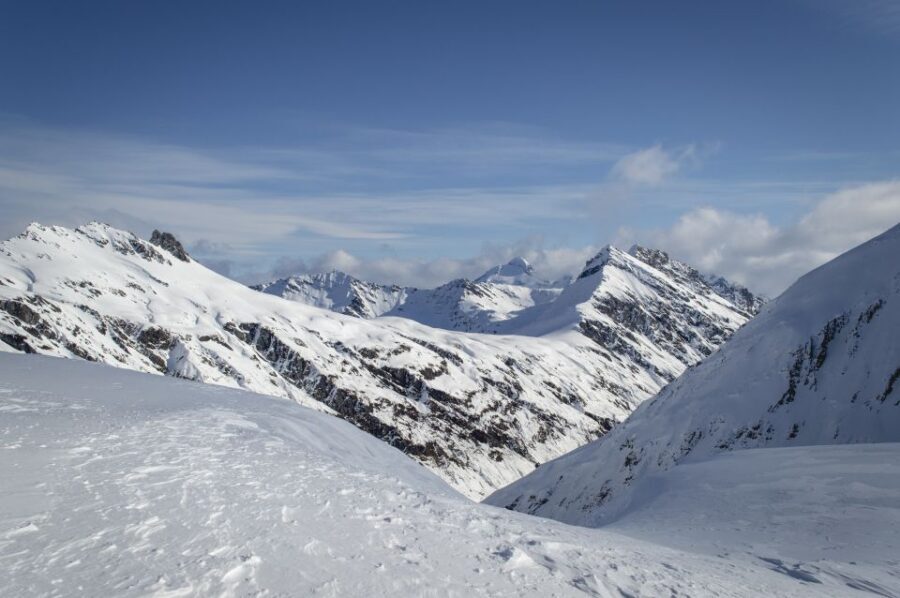
At $408 per person for a 50-minute helicopter flight, this is definitely not a budget activity. You’re paying for access: direct aerial travel over rough terrain, time savings versus driving and hiking, and the chance to land on glacier ice.
So what makes it feel like value instead of a splurge-with-nothing-else?
- You’re getting both a long enough airborne loop to see multiple features and a chance at the defining glacier landing.
- Your package includes bus transfers from selected pickup areas, so you’re not piecing together transport after the fact.
- You get a live guide voice in the air (English), plus pilot-led navigation and commentary.
If glacier landing ends up not being possible on your date, it becomes a harder decision. That’s when the route over glaciers has to carry the whole experience. The operator does state that if weather prevents flying, you can transfer to another day or receive a full refund.
As for overall organization, the transport portion is rated extremely high in the provided performance data (98% perfect scores). That matters because the smoothest helicopter day is usually the one where you don’t lose time at the start.
What to Bring (and What Not to Bring)
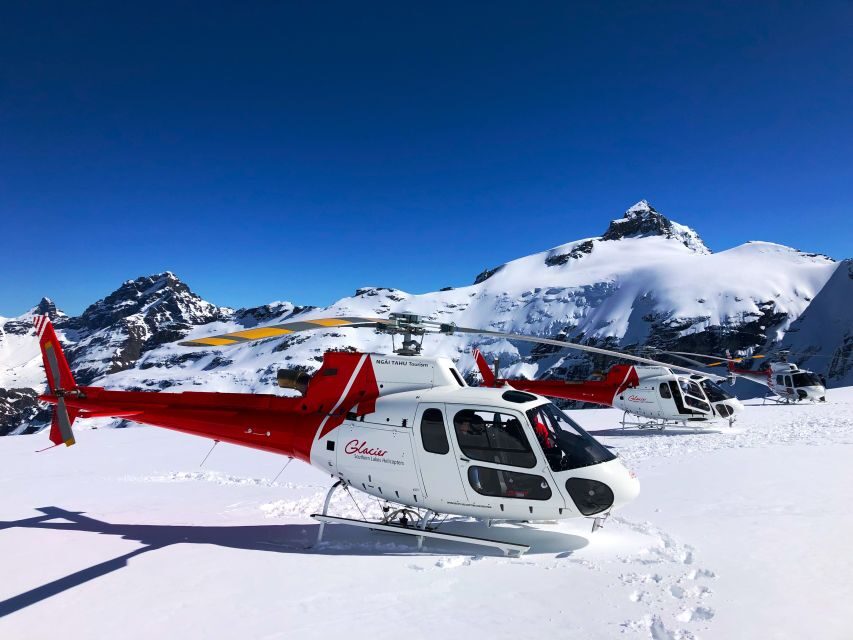
You’ll want to travel light, but smart.
- Bring sunglasses and a camera.
- Smoking is not allowed.
- Drones and selfie sticks are not allowed.
That’s actually good news for you. Fewer gadgets in the cabin means fewer interruptions and less crowding in tight helicopter space.
Also, if you’re the type who likes to plan for the small stuff, aim to be ready at the hangar on time. The schedule is weather-dependent, and your departure time is agreed once the minimum numbers are met and the provider confirms it.
Who This Glacier Explorer Flight Suits Best
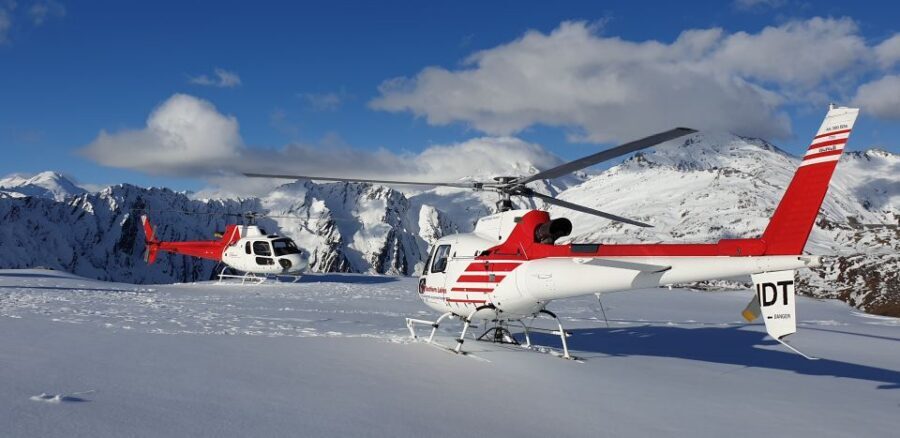
This is a great fit if you want:
- A high-impact Queenstown day without committing to a long hike.
- A clear glacier-focused experience tied to Mt Aspiring National Park.
- A mix of adrenaline and education, thanks to in-flight commentary.
- Optional Lord of the Rings connections through the Earnslaw Burn area.
It’s also a good choice if you’re traveling in a small group and want time together in a shared adventure. One flight described a small group setting—six passengers plus the pilot—where conversation felt easy and the pilot could give attention to different comfort levels.
If you’re deeply risk-averse or helicopter-averse, read the season notes carefully. The possibility of landing changes, and the flight path can change with pilot discretion. But if you’re open to that reality and you’re flexible with dates, the payoff can be huge.
Should You Book Glacier Explorer and Earnslaw Burn?
If your schedule can flex, I’d book. This is one of those rare Queenstown experiences where the “why” is immediate: glaciers, hanging ice, and dramatic canyon-to-valley geography all in one shot. The chance to step on ice is a major draw, and when it happens, it tends to define the trip.
I would hesitate only if:
- Glacier landing is the only outcome you’ll accept.
- You’re locked into a strict travel timetable with no room to change your flight date.
- You’re traveling with bulky items that make tight cabin space a problem.
If you can book early in your Queenstown itinerary and you’re okay with the idea that the pilot may adjust the landing plan for safety, this is a strong choice for a once-in-a-lifetime aerial glacier day.
FAQ
How long is the Glacier Explorer & Earnslaw Burn helicopter flight?
It runs for 50 minutes in the air.
Do I get a glacier landing for sure?
Not always. Between January and June, landing can be limited due to summer snow conditions and exposed crevasses. You’ll still fly over the glaciers, but landing may be close to the glacier or an Alpine landing instead.
What happens if weather prevents the flight?
If they cannot fly due to adverse weather, you can transfer your booking to another day, or you’ll receive a full refund.
Is hotel pickup included?
Pickup is optional and available from selected Queenstown hotels and central Queenstown locations, along with bus transfers from selected pickup points.
Where do I meet for the helicopter?
The base is located at 35 Lucas Place, in a big white hangar with plenty of parking out front.
What should I bring?
Bring sunglasses and a camera.
Are drones or selfie sticks allowed?
No. Drones and selfie sticks are not allowed.
Is there live commentary during the flight?
Yes. The experience includes in-flight commentary in English to highlight points of interest.