REVIEW · ROTORUA
Volcanic Valley Self Guided Walking and Hiking at Waimangu
Book on Viator →Operated by Waimangu Volcanic Valley · Bookable on Viator
Waimangu turns a walk into real-life geology. This self-guided outing through Rotorua’s geothermal valley lets you read a guide sheet, watch hot springs and steam vents bubble and spurt, and choose how far you go without the pressure of a set pace. I especially like that it’s genuinely nature-first, not a theme-park circuit.
I also like the practical shuttle bus back from the trail end, so you’re not stuck hiking out tired. One possible drawback: the ground is uneven and there are stairs, so it’s not recommended if you have walking disabilities.
In This Review
- Key things to know before you go
- Waimangu Volcanic Valley: walking inside a living geothermal system
- Price and what you actually get for the $46.54 ticket
- Check-in, the Wanderer Guide, and how to plan your route
- Walking the valley at your own pace (and why that’s the point)
- Inferno Crater Lake, Frying Pan Lake, and Rotomahana views you can’t fake
- Forest, wetlands, and nature spotting beyond the geysers
- Timing, entry flow, and why the shuttle can save your day
- Weather and trail conditions: what to wear for a Rotorua geothermal walk
- Who should book this self-guided Waimangu walk?
- Should you book Waimangu Volcanic Valley self-guided hiking?
- FAQ
- How long does the Waimangu self-guided walk take?
- Is this tour truly self-guided?
- What geothermal sights will I see?
- Do I need to walk back to the start?
- Is it okay for kids?
- Can I get a refund if my plans change?
- What fitness level do I need?
Key things to know before you go
- Self-guided with a guide sheet: you’ll have clear info for the geothermal stops as you walk.
- Multiple trail options: pick a shorter or longer route based on time and energy.
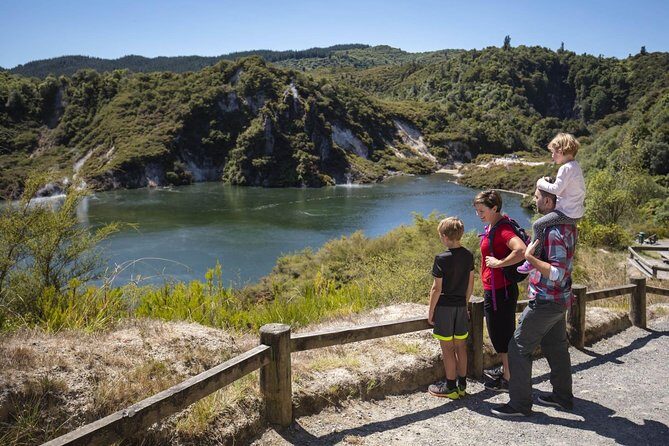
- Don’t miss the big three features: Inferno Crater Lake, Frying Pan Lake, and Lake Rotomahana.
- Steam shows best in good timing and weather: the day you go matters for visibility.
- Shuttle helps you pace the day: hop on at set points so you don’t have to reverse the hard parts.
- Plan for uneven surfaces: this is a real hike, not a flat stroll.
Waimangu Volcanic Valley: walking inside a living geothermal system
Waimangu Volcanic Valley is geothermal Rotorua at its most direct. You’re in an active zone where earth heat is constantly shaping the ground, and the valley looks different from almost any other thermal attraction because it’s built around the feeling of constant change—steam rising, hot water moving, and mineral colors that look almost painted.
This is also one of the reasons I think the self-guided format works so well. Instead of watching screens or rushing past explanations, you can stop when a fissure catches your eye, then read the next bit on the guide sheet while the sights are still fresh in front of you. That turns the walk into something closer to field-notes than a checklist.
And since Waimangu is described as the world’s youngest geothermal system, you get the sense that the place is still writing its story. You’ll see how the landscape relates to bigger regional events, including the Tarawera eruption and the now-hidden Pink and White Terraces—details that make the thermal views feel more connected, not random.
You can also read our reviews of more walking tours in Rotorua
Price and what you actually get for the $46.54 ticket
At about $46.54 per person, this isn’t the cheapest way to see geothermal sights in Rotorua—but it’s also not trying to price you like an all-day escorted tour. The value comes from what you receive for that money:
- Admission to the self-guided walk
- A guide sheet (your main “tour guide” on the trail)
- An internal shuttle service to get you back
- An air-conditioned vehicle as part of the transport setup
That combination matters. If you’re trying to squeeze Rotorua into a tight schedule, the shuttle means you can focus on walking and viewing rather than planning a return hike on your own. If you prefer freedom, the self-guided approach keeps you from feeling trapped in someone else’s timing.
One more practical point: food and drinks aren’t included, and transport to and from the attraction isn’t included either. So the real cost is the ticket plus whatever you spend on your own snacks and getting there. If you already have transport sorted, this ticket often feels like a fair deal for the variety of geothermal viewpoints you’ll encounter.
Check-in, the Wanderer Guide, and how to plan your route
Your day starts at 587 Waimangu Road at Waimangu Volcanic Valley. You’ll check in and pick up your Wanderer Guide. You can also download the free Waimangu App if you like having extra help on your phone.
Here’s how I’d plan it for the smoothest experience:
- Look at the guide sheet first, not the steam first. Skim the geothermal stops and the notes you’ll want to read at each one.
- Decide your “comfort zone” for time. The walk is roughly 1 to 4 hours depending on the route you choose, so it’s worth thinking honestly about how long you want to be on uneven terrain.
- Build in little pauses. The best moments aren’t the ones you rush through. Even a short stop to watch steam behavior usually adds a lot to the experience.
The trails come with options depending on how much time and energy you have, which is a big deal. You can tailor the day to a quick hit of geothermal drama or a longer walk that gives you more time at each feature.
Walking the valley at your own pace (and why that’s the point)
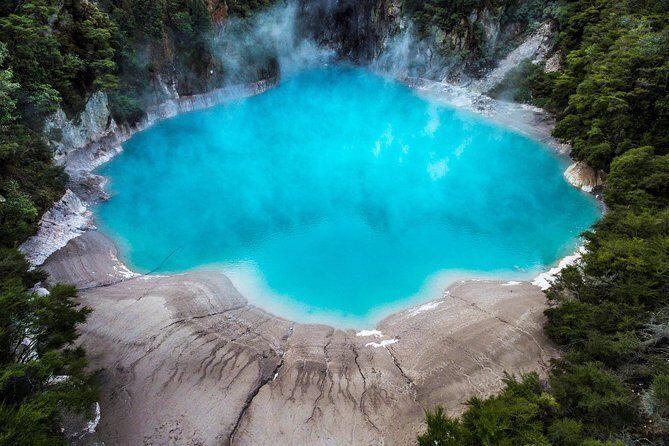
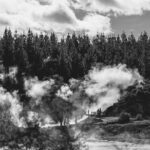
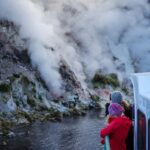
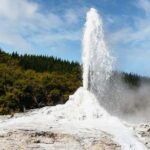
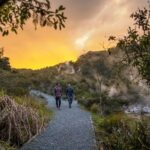
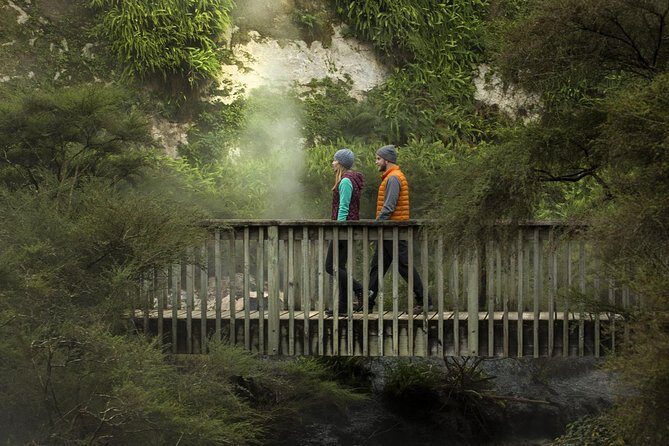
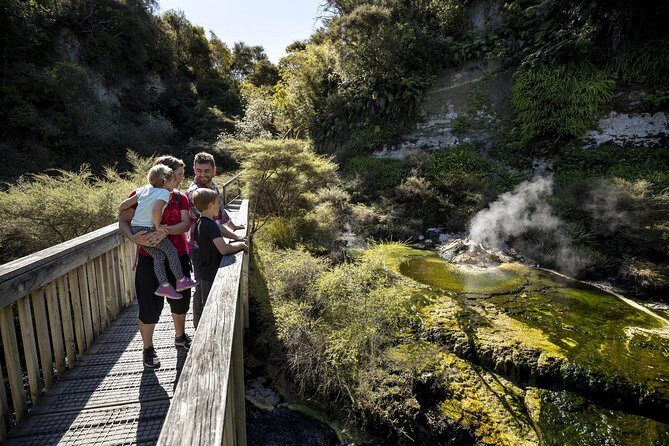
This is a self-paced hike through forests and open areas where geothermal activity shows up in different forms. You’ll see hot springs and steam vents bubbling and spurting through the vegetation, and you’ll move between viewpoints where the air itself feels warmer than you’d expect.
The flow of the day works like this: you follow winding trails, stop at marked geothermal attractions, then keep going when you’re ready. The guide sheet is your key—its job is to help you identify what you’re looking at, like Inferno Crater Lake and Lake Rotomahana, and give context for why Waimangu looks the way it does.
In plain terms, the self-guided format helps you learn without getting stuck waiting. If steam is active and you want extra time, you can slow down. If you’d rather keep moving, you can. That control is one of the most consistently praised parts of this experience because the valley rewards attention, not speed.
Inferno Crater Lake, Frying Pan Lake, and Rotomahana views you can’t fake
Some thermal places try hard to impress with one big photo spot. Waimangu gives you multiple “payoff stops,” which is why it tends to land well even if you’ve seen geothermal areas before.
Expect to look for:
- Frying Pan Lake: a geothermal feature with distinctive thermal activity you’ll learn more about from your guide sheet.
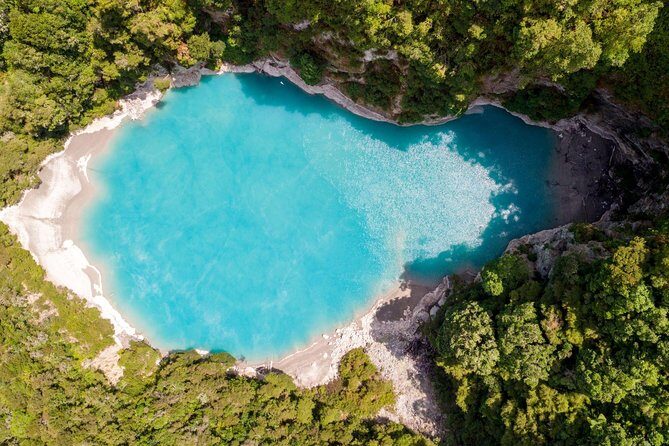
- Inferno Crater Lake: one of the headline sights, often described in reviews with a striking color in photos, plus the sense of heat and activity around it.
- Lake Rotomahana: a viewpoint tied to the wider Rotorua geothermal system.
The best part isn’t just seeing each one—it’s seeing how they fit into the broader geothermal story. As you walk, the guide information helps connect the present-day steam and water features to the region’s volcanic history. That makes the sights feel earned rather than random.
Also, steam and heat are moving targets. A view you see one day can look different another day depending on weather and visibility. So when you arrive, don’t treat the first big sight like it’s the only one worth your time. Keep walking and watch for variations along the way.
You can also read our reviews of more guided tours in Rotorua



Forest, wetlands, and nature spotting beyond the geysers
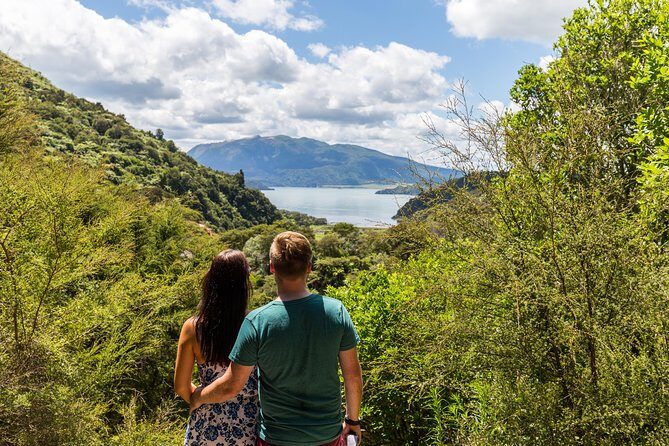
Waimangu isn’t only about thermal drama. It’s also where the valley’s plant and animal life becomes part of the experience. The guide sheet helps you notice what’s around you, not just what’s erupting.
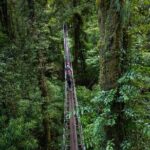
As you walk through native woodland and areas with wet ground, you’ll often notice details like how steam rises beside ferns and how the valley vegetation frames the geothermal features. In reviews, people talk about hearing birds and feeling like they’re walking in a quieter, more intimate natural setting.
One caution: this is active geothermal terrain. Stay on the paths. It’s tempting to wander for a closer look at vents or fissures, but the whole point is to view from built walking areas so you stay safe.
Timing, entry flow, and why the shuttle can save your day
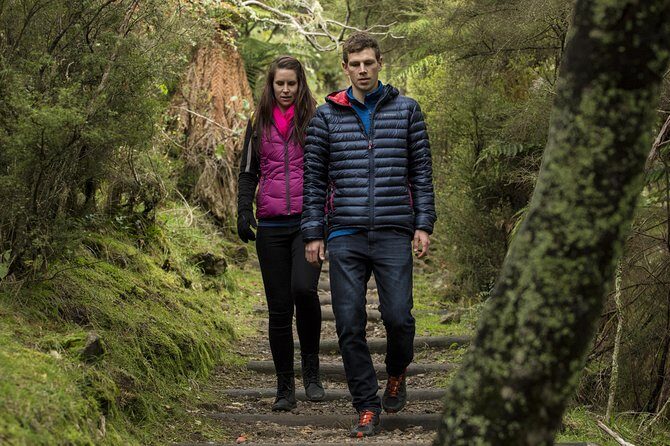
The trail experience is designed to keep things orderly. Your route is timed, and the setup is meant to reduce crowding so you’re not constantly fighting for the same photo angle.
The bigger timing issue is your own choice of how long to walk. Some people do a shorter route and are back quickly; others follow more stops and linger. Since the walking duration is listed as roughly 1 to 4 hours, I’d plan your schedule like it’s a hike first and a sightseeing trip second.
The internal shuttle bus is a major stress reliever. It brings you back from the trail end, and there are also stops along the way where you can shorten the day rather than walking the whole distance in one go. One review even calls out that a later appointment can force you to rush to catch the last bus, which is a good reminder: check the shuttle timing so you’re not stuck trying to beat the clock while also trying to enjoy steam vents and lakes.
Weather and trail conditions: what to wear for a Rotorua geothermal walk
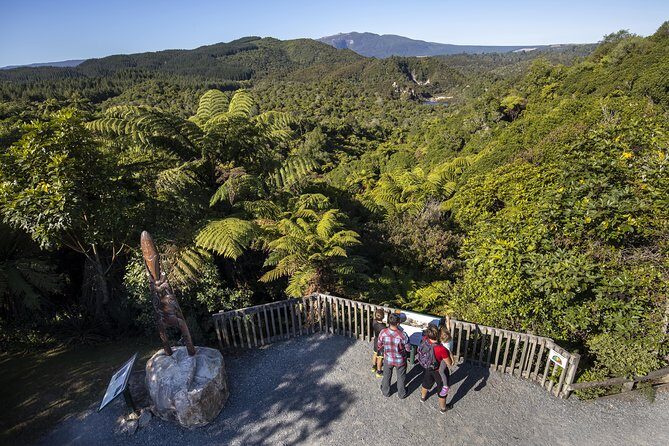
This experience operates in all weather conditions, so you should dress for damp ground, wind, and visibility changes. Rotorua can shift fast, and even when it’s not raining, geothermal valleys can still feel cool and misty.
For gear, I’d prioritize:
- Grippy shoes (uneven paths happen)
- A light rain layer just in case
- A small pack for water and a snack (food isn’t included)
Even though the walk isn’t described as extremely technical, reviews mention steep and sometimes challenging sections. There can be stairs, and the terrain is uneven enough that the tour specifically says it’s not recommended for those with walking disabilities.
If you’re going with kids, keep in mind that children must be accompanied by an adult, and the route involves real walking through a natural setting.
Who should book this self-guided Waimangu walk?
This is a great match if you want:
- A self-guided Rotorua experience with room to linger
- Geothermal features plus nature viewing, not just one big landmark
- A walk that you can scale up or down (short route vs. longer route)
I’d also suggest it if you’re the type who reads while you walk. The guide sheet is doing most of the “explaining,” and if you like learning by matching facts to what you’re seeing, this format works well.
Who might reconsider?
- If your mobility is limited, the uneven surfaces and stairs make it a poor fit.
- If you need a fully flat route with minimal walking, you’ll likely feel frustrated by the hike-style terrain.
Should you book Waimangu Volcanic Valley self-guided hiking?
Book it if you want the best kind of Rotorua day: active nature, real geothermal views, and enough structure to make it educational without taking away your time. The mix of Inferno Crater Lake, Frying Pan Lake, and Lake Rotomahana, plus the shuttle return, makes it one of the more practical geothermal options—especially if you don’t want to spend your whole day being rushed.
Think twice if you can’t handle uneven ground or stairs. For everyone else, this is a strong value for the freedom you get. Get your boots ready, pick your route length honestly, and let the steam do the talking.
FAQ
How long does the Waimangu self-guided walk take?
It runs for approximately 1 to 4 hours, depending on which trail options you choose and how long you spend at each stop.
Is this tour truly self-guided?
Yes. You follow the walking trails at your own pace using the guide sheet you pick up at check-in, with optional help from the Waimangu App.
What geothermal sights will I see?
You can expect geothermal features and viewpoints including Inferno Crater Lake, Frying Pan Lake, and Lake Rotomahana, plus steam vents and hot springs throughout the valley.
Do I need to walk back to the start?
No. There is an internal shuttle bus service from the hiking trail end, and there are shuttle points that let you shorten the day if you’re ready to head back.
Is it okay for kids?
Children must be accompanied by an adult. The terrain is uneven and the walk involves stairs in places, so choose your route length carefully.
Can I get a refund if my plans change?
Free cancellation is available up to 24 hours in advance for a full refund. If you cancel less than 24 hours before the start time, the amount paid won’t be refunded.
What fitness level do I need?
The walk is best for travelers with moderate physical fitness. It also isn’t recommended for people with walking disabilities due to uneven surfaces.