REVIEW · PORT CHALMERS
Iconic Wildlife Tour with Yellow Eyed Penguins & Royal Albatross
Book on Viator →Operated by Iconic Tours NZ Ltd · Bookable on Viator
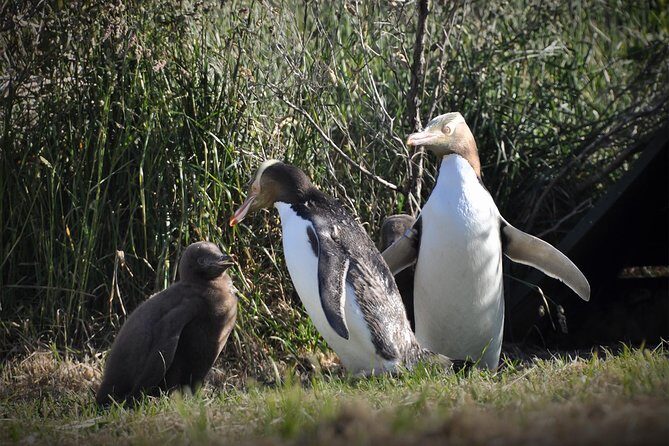
One of New Zealand’s best wildlife days happens near Dunedin. You get yellow-eyed penguins in their breeding and nesting grounds (not in a captive center), plus royal albatross viewing time on the Otago Peninsula, all wrapped into a fun half-day of classic Dunedin photo stops. The mix of real wildlife with quick city hits is what makes this outing so appealing.
I especially like how the bird viewing is set up for real chance, not just a walk-by. The tour also includes transfers from either Port Chalmers or central Dunedin, so you spend less time figuring out how to get out there. One thing to keep in mind: wildlife sightings are never guaranteed, and the day includes short walks on unsealed tracks and some steps.
In This Review
- Key highlights at a glance
- Why the Otago Peninsula is the star here
- Otago Peninsula Eco Restoration Alliance: penguin chances with real wild rules
- Royal Albatross Centre: free time plus good viewpoints
- Otago Peninsula driving: coast time between bird hotspots
- Baldwin Street and Dunedin Railway Station: classic stops that keep the day varied
- Transfers, timing, and a realistic 7-hour pace
- Price and value: what $245.13 buys you here
- Who this tour suits best (and who should skip it)
- A guide note: the difference a good host makes
- Should you book this yellow-eyed penguin and royal albatross day trip?
- FAQ
- What wildlife does this tour focus on?
- How long is the experience?
- What time does the tour start?
- Where does the tour pick up from?
- Is the Royal Albatross Centre entry included?
- Is there an optional albatross add-on?
- How many people are on the tour?
- Is there walking involved?
- Is this tour suitable for people using mobility aids?
- What if I don’t see the birds?
- What happens if the weather is bad?
Key highlights at a glance
- Wildlife-first routing on the Otago Peninsula where most of Dunedin’s native birds are found
- Small-group access at the Otago Peninsula Eco Restoration Alliance with a specialist wildlife guide
- Royal Albatross Centre time with free entry to the information gallery, cafe, and gift shop
- Baldwin Street stop for the world-famous steep street photo
- Dunedin Railway Station interior time for the mosaic floor and decorated hall
- Limited group size with a maximum of 20 travelers for easier viewing and logistics
Why the Otago Peninsula is the star here
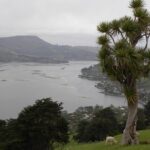
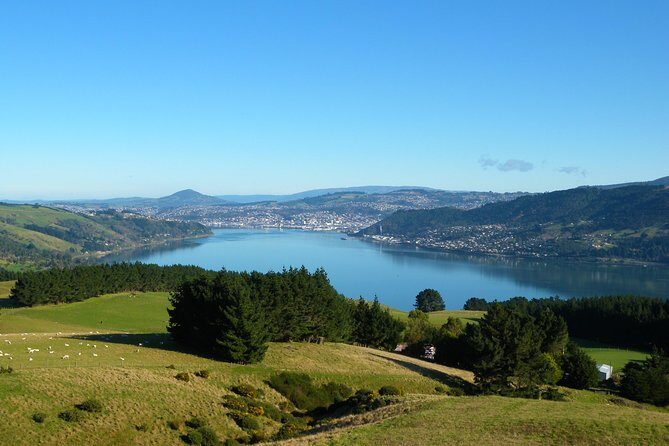
This is a wildlife day built around the Otago Peninsula, which juts out from the mainland almost like an island. That geography matters because it concentrates the action: you’re headed where seabirds and penguins naturally show up.
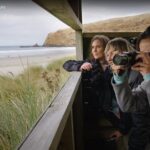
You’ll also get a sense of how careful this area is. At the penguin hide locations, you’re not meant to disturb the birds. The goal is quiet, patience, and good viewing angles, which is exactly what you want when you’re chasing something as specific as a yellow-eyed penguin breeding cycle.
A few more Port Chalmers tours and experiences worth a look
Otago Peninsula Eco Restoration Alliance: penguin chances with real wild rules
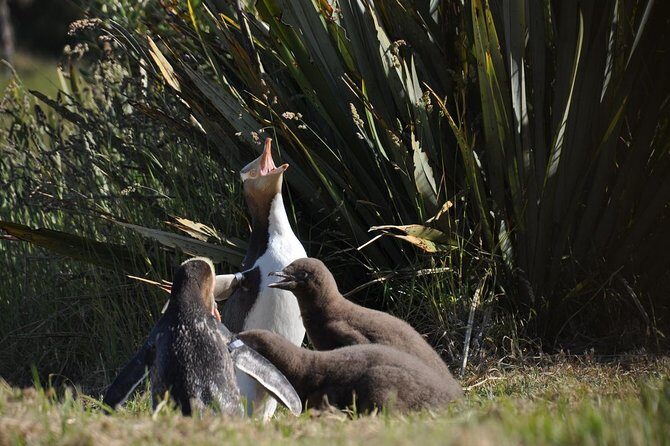
Your first wildlife stop is the Otago Peninsula Eco Restoration Alliance, a private nature reserve focused on eco restoration and wildlife viewing. It’s accessed as a small-group outing with a specialist wildlife guide, which helps you understand what you’re looking at without turning it into a classroom lecture.
This is where the tour feels most “wild.” Wildlife are free to come and go between the sea and the reserve, so you’re not following a schedule of animals performing on cue. In plain terms: you might have great sightings, or you might have slower moments. Either way, the experience is designed to respect the animals instead of forcing encounters.
Practical tip: wear footwear you trust. The tour includes short walks on unsealed tracks and there are easy steps to negotiate. If you’re even slightly worried about grip or footing, choose shoes with solid tread. One of the simplest ways to make a wildlife tour better is to avoid ankle stress.
Royal Albatross Centre: free time plus good viewpoints
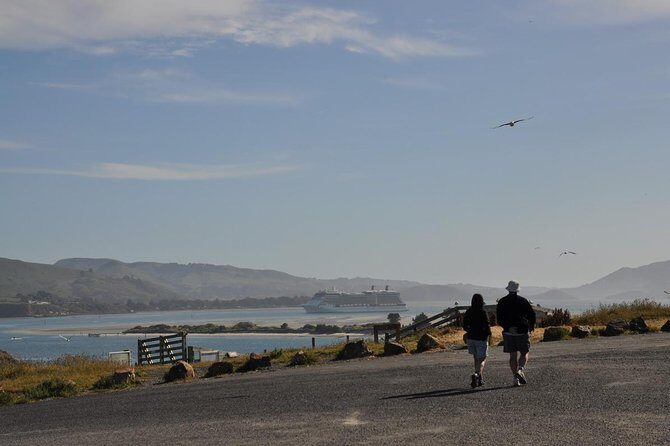
Next comes the Royal Albatross Centre. The tour includes free entry to the info gallery, cafe, and gift shop, which is a nice way to warm up or refuel if the weather turns cool or windy (and it often can on the coast).
If you want more than the free gallery time, there’s an optional add-on called the Royal Albatross Tour with an additional fee. The base stop still gives you time to enjoy the center’s viewing opportunities, so you don’t feel like you’re forced into paying more just to see something meaningful.
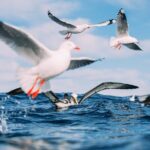
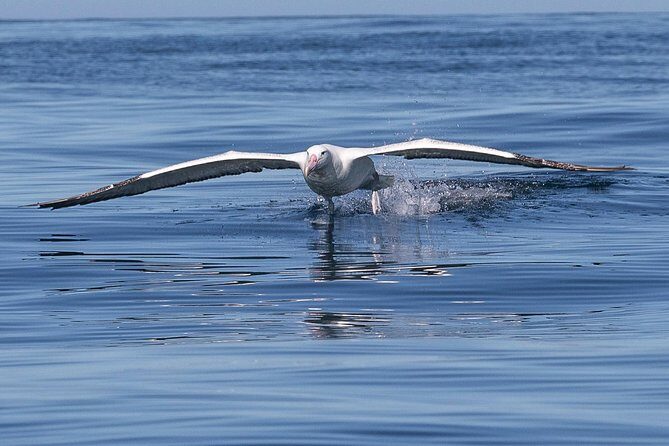
One reason this stop tends to score high in people’s minds is simple: it’s a place built for observing albatross behavior. On good days, you can spot adults on nests and flying overhead. On average days, you’ll still get plenty of chances to watch their movement and size from proper viewpoints, which is a lot easier than trying to spot them randomly from the roadside.
Otago Peninsula driving: coast time between bird hotspots
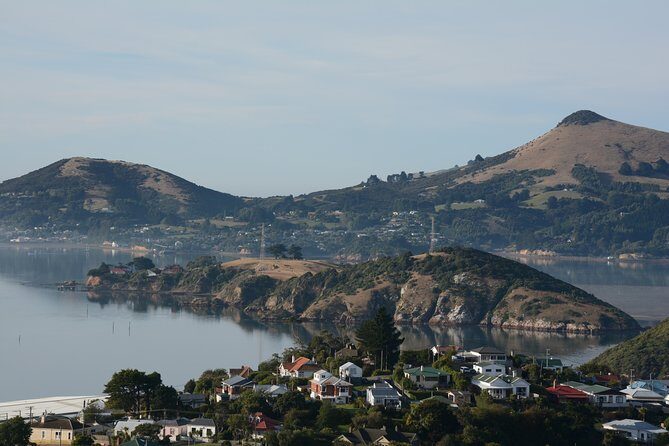
After the first reserve stop, you’ll spend extended time on the Otago Peninsula itself. This part is about giving you breathing room between structured viewing points—more coastline time, more lookout opportunities, and more chances for wildlife to appear.
This is also where the day can shift depending on conditions and what’s active that day. If the sea is calm and the birds are in the mood, the peninsula can feel alive. If it’s windy or if wildlife is quieter, you’ll still get the scenery and the lookouts, but your bird count might be lower than you hoped.
So set your expectations to match the reality of nature. You’re not booking a theme park show. You’re booking access to a region where animals do their own thing.
Baldwin Street and Dunedin Railway Station: classic stops that keep the day varied
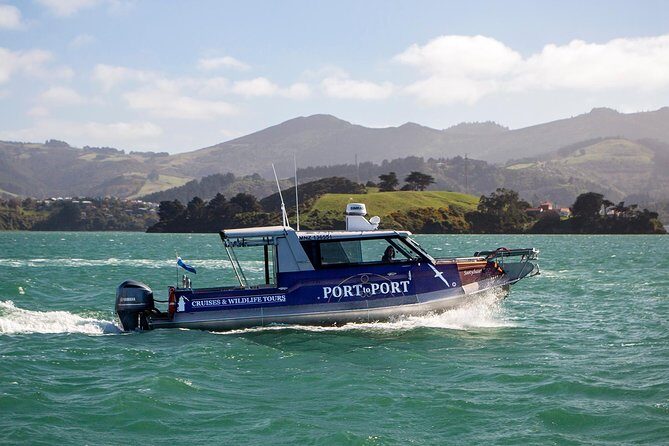
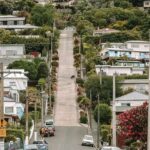
Between wildlife moments, the tour brings in several Dunedin icons so the day doesn’t feel like one long wait. You’ll stop at Baldwin Street, which is known as the world’s steepest street. Even if you don’t walk it, it’s a quick photo moment that makes people smile—because yes, it really is steep.
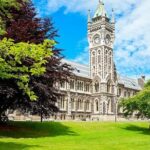
You’ll also spend time at Dunedin Railway Station, often described as one of the most photographed buildings in New Zealand. The tour includes time to look inside at the mosaic floor and the lavishly decorated interior. This matters because it adds a solid cultural anchor to the day, especially if you’re on a clock—like you might be if you’re visiting from a cruise.
If you like a balanced itinerary, this is a good model: wildlife time plus short, high-impact city stops. That way, even if the birds take a slower day, you still leave with memorable scenes.
Transfers, timing, and a realistic 7-hour pace
The tour runs about 7 hours and starts at 9:00 am. It includes transfers from Port Chalmers or central Dunedin, so you can roll straight from your arrival base into the day without sorting out transport.
Group size is capped at 20 travelers, which is important for wildlife viewing. Smaller groups usually mean quieter behavior at lookouts and fewer people trying to take photos from the same spot. It also helps with logistics when you’re moving around steep or uneven places.
Most days feel well paced rather than rushed, and the tour is built to cover multiple key areas without making you sprint between stops. Still, it’s not a sit-on-a-bus-and-do-nothing outing. You’ll do some walking on unsealed tracks, and there are steps. If you’re traveling with any mobility limits, think twice; this is not recommended for people using mobility aids.
Weather is another reality check. The experience requires good weather. If it’s canceled due to poor weather, you’ll be offered a different date or a full refund.
Price and value: what $245.13 buys you here
At $245.13 per person, this isn’t a bargain-basement tour. You’re paying for three things that add real value.
First is the wildlife focus built around actual habitats. The penguin viewing is designed around carefully placed hides and viewing in the birds’ natural environment, not a captive setup. That tends to mean the experience is more about observation than entertainment.
Second is the included structure. You get transfers from key meeting areas, plus multiple stops—eco restoration reserve, the Royal Albatross Centre, time on the peninsula, and iconic Dunedin photo stops. That bundling matters if you don’t have a car.
Third is the small-group nature. A max of 20 travelers helps you get better time at the right locations.
The main value risk is nature itself. Even in well-run tours, you can end up with fewer sightings on a particular day. Some people report seeing multiple nesting pairs at the albatross center and even chicks; others have said sightings were lighter than expected. If penguin or albatross sightings are your top goal, book with flexible expectations.
Who this tour suits best (and who should skip it)
This is a great fit if you:
- want yellow-eyed penguins in the wild setting and not a captive attraction
- enjoy bird watching and photo ops from multiple lookouts
- like a day that includes both nature and quick city highlights like Baldwin Street and the Railway Station
- are okay with moderate movement and short walks on uneven ground
It may not be a great fit if:
- you can’t manage unsealed tracks, steps, or short walks
- you’re uncomfortable with the idea that wildlife sightings can’t be guaranteed
Families can work, as long as children are accompanied by an adult. If you’re visiting from a cruise, the tour can work well too, since you provide your ship name and key timing details at booking—so the schedule is aligned to help you get back on board.
A guide note: the difference a good host makes
One reason people rate this tour so highly is the way the guides handle the day. In past outings, guides such as Kim, Jo, Greg, and Alan Hansen have been mentioned as friendly, informative, and good at keeping things organized without turning the day into a rush.
On a wildlife tour, narration isn’t just trivia. It helps you notice behavior—what to watch for and when to be still. And because penguins and albatross don’t follow a timetable, your host’s ability to read the situation can make your experience feel smoother.
Should you book this yellow-eyed penguin and royal albatross day trip?
I’d book this if you’re the type of traveler who wants a real chance at wildlife in an actual habitat, and you’re happy with a plan that prioritizes observation over guarantees. The combination of eco-restoration access, albatross viewing time, and classic Dunedin stops makes it a strong all-in-one day.
I would think twice only if mobility is a concern, or if you need a guaranteed “many birds every hour” outcome. This tour is designed for maximum opportunity, but nature stays nature.
If you go, plan for the weather, wear proper shoes, bring a camera you can grip one-handed while you wait, and give the penguin hides a few patient minutes. That’s when this day turns from sightseeing into something you’ll remember.
FAQ
What wildlife does this tour focus on?
The tour focuses on seeing yellow-eyed penguins in their breeding and nesting grounds and royal albatrosses in their natural habitats. You may also encounter other wildlife in the areas visited, including NZ fur seals.
How long is the experience?
The tour duration is about 7 hours.
What time does the tour start?
Start time is 9:00 am.
Where does the tour pick up from?
Transfers are included from Port Chalmers or central Dunedin.
Is the Royal Albatross Centre entry included?
Yes. You get free entry to the info gallery, cafe, and gift shop at the Royal Albatross Centre.
Is there an optional albatross add-on?
Yes. There is an optional Royal Albatross Tour add-on with an additional fee.
How many people are on the tour?
The tour has a maximum of 20 travelers.
Is there walking involved?
Yes. There are short walks on unsealed tracks and some easy steps to negotiate in the reserve. Suitable footwear is recommended.
Is this tour suitable for people using mobility aids?
It is not recommended for people with mobility aids.
What if I don’t see the birds?
Wildlife are free to come and go as they please. The tour makes efforts to maximize opportunities, but you cannot guarantee exactly what you will see on the day.
What happens if the weather is bad?
This experience requires good weather. If it’s canceled due to poor weather, you’ll be offered a different date or a full refund.