REVIEW · PORT CHALMERS
Dunedin: Scenic Railway Tour of Otago’s Coastline
Book on GetYourGuide →Operated by Dunedin Railways · Bookable on GetYourGuide
Coastal rail magic in 3.5 hours. On The Seasider, you head north from Dunedin and soak up Pacific Ocean views from comfy, classic carriages while a live onboard storyteller connects the coastline to local landmarks, history, and wildlife. I also really like the 1930s-style comfort—this isn’t a sprint, it’s a slow-moving way to see the shore. The one thing to keep in mind: it can get a bit loud at moments, and if a louder group is nearby, the commentary may be harder to catch.
What makes this trip feel especially practical is the choice built in. You can do the full coastal run to Merton for the longest stretch of scenery, or keep it lighter with an easy stop-off at Arc Brewery and rejoin the return train when you’re ready. Either way, you’ll spend the half-day glued to the windows or standing where the views open up, because the rail line tracks the coast closely.
Before you go, I’d treat it like a classic New Zealand weather day. Check-in starts 1 hour before departure and closes 15 minutes before, so you’ll want to arrive early, and wear flat shoes with warm layers in case you step off and the wind hits. If you need wheelchair access, there’s an accessible carriage and lift, but it’s limited capacity and arranged on request.
In This Review
- Key things that make The Seasider worth your time
- Setting off from Dunedin Railway Station (and why timing matters)
- Picking the route: Arc Brewery stop-off or full journey to Merton
- Option 1: North with a stop-off at Arc Brewery
- Option 2: Stay onboard for the full scenic run to Merton
- The coast north of Dunedin: bays, beaches, and cliff views from your seat
- What the Mihiwaka Tunnel feels like (and why it’s a highlight)
- Onboard commentary: how to catch it without missing the views
- Comfort, food, and the classic-carriage vibe
- Route reality check: the return journey and how it affects your experience
- Who should book The Seasider, and who might prefer something else
- Price and value: is $77 a good deal?
- Should you book The Seasider?
- FAQ
- How long is The Seasider Dunedin coastal railway tour?
- What does the $77 per person include?
- Do I have options for where to stop during the trip?
- Where does the train depart?
- When should I check in before departure?
- Is wheelchair access available?
- Is parking available near the station?
Key things that make The Seasider worth your time
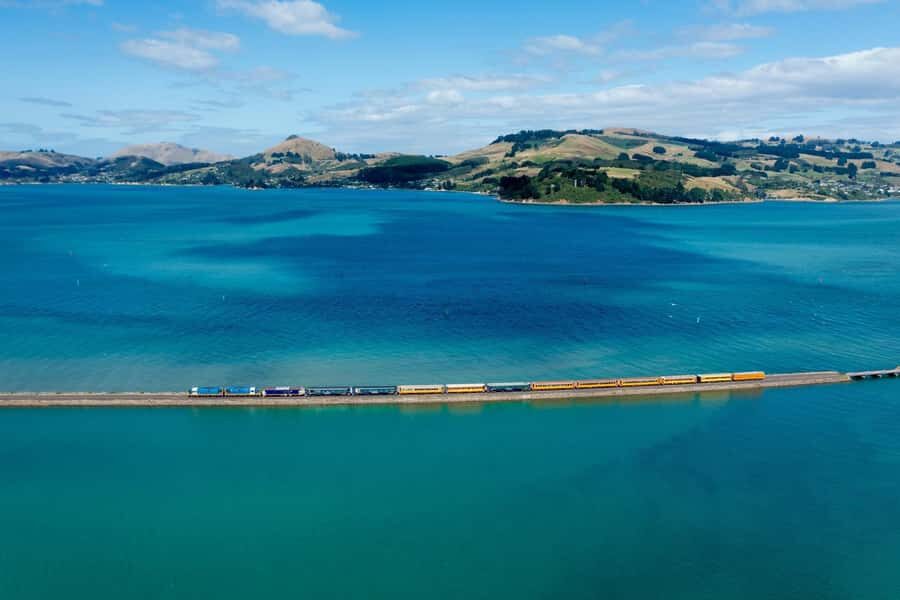
- It hugs the shoreline with rugged cliffs, beaches, and seaside towns north of Dunedin for nonstop ocean views
- The Mihiwaka Tunnel is a major moment, one of the longest railway tunnels in New Zealand
- Live onboard commentary brings context to what you’re seeing, including landmarks and local wildlife
- Two ways to do it: full scenic journey to Merton or a relaxed Arc Brewery stop-off
- Comfort comes first with classic carriages dating back to the 1930s
- You get a proper coastal break at Arc Brewery, with craft beer and food options from local food trucks
Setting off from Dunedin Railway Station (and why timing matters)
The experience starts at Dunedin Railway Station in the city centre, which makes it easy to build into a day without complicated transfers. If you’re coming in from Port Chalmers, it’s about 20 minutes away, and you’ve got straightforward options like shuttle, bus, taxi, or private transfer.
For me, the key is respecting the timing. Check-in begins 1 hour before the train leaves and ends 15 minutes before departure, so don’t roll up at the last minute thinking you can breeze through. If you’re trying to grab a good window seat, being early also helps you settle in before the carriages fill and the doors close.
Also plan your clothing like the coast in Otago is capable of changing its mind fast. You’ll be comfortable if you wear warm layers and flat shoes, and it’s smart to bring waterproof gear in case conditions turn damp or windy. Even if you’re mostly staying onboard, you’ll likely want to step near open views for photos.
You can also read our reviews of more tours and experiences in Port Chalmers.


Picking the route: Arc Brewery stop-off or full journey to Merton
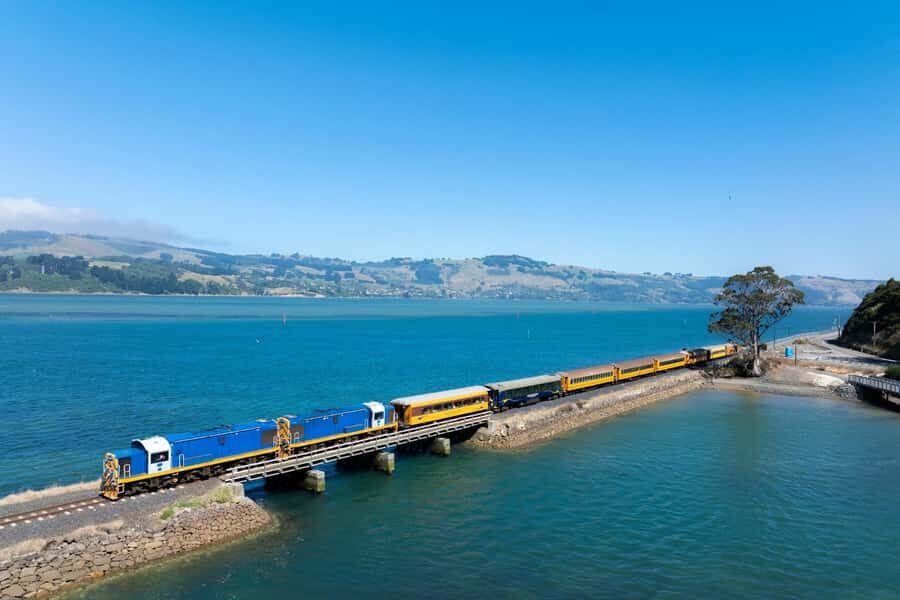
This tour’s best value trick is choice. Both options deliver scenic rail time along Otago’s coastline, but they change the feel of the half-day.
Option 1: North with a stop-off at Arc Brewery
This version is the easiest way to blend scenery with a proper food-and-drink pause. You travel north along the coast, hop off at Arc Brewery, and enjoy craft beer and food from visiting local food trucks before you rejoin the return train.
I like this option when your schedule is tight, you want a social break, or you’re the type who gets restless if a train ride is too long without a leg stretch. It’s also a good fit if you’re traveling with someone who doesn’t want to sit for the entire full run.
The tradeoff is simple: you’ll still see plenty of coastline, but you won’t get as much of the extended variety as the full route.
Option 2: Stay onboard for the full scenic run to Merton
If you want maximum coast time, this is the option. You stay onboard for the complete journey to Merton, and the ride shows contrasts beyond just the ocean edge—city outskirts to open coast, farmland to forest, and broad panoramic ocean views along the way.
This option works best if you’re aiming for a true scenic day out and you want the storytellers’ commentary to unfold across the full region. Just know you may spend more of the day returning along sections you’ve already seen, since the trip is built as a return journey. If your goal is variety at every minute, you might feel the repetition.
The coast north of Dunedin: bays, beaches, and cliff views from your seat
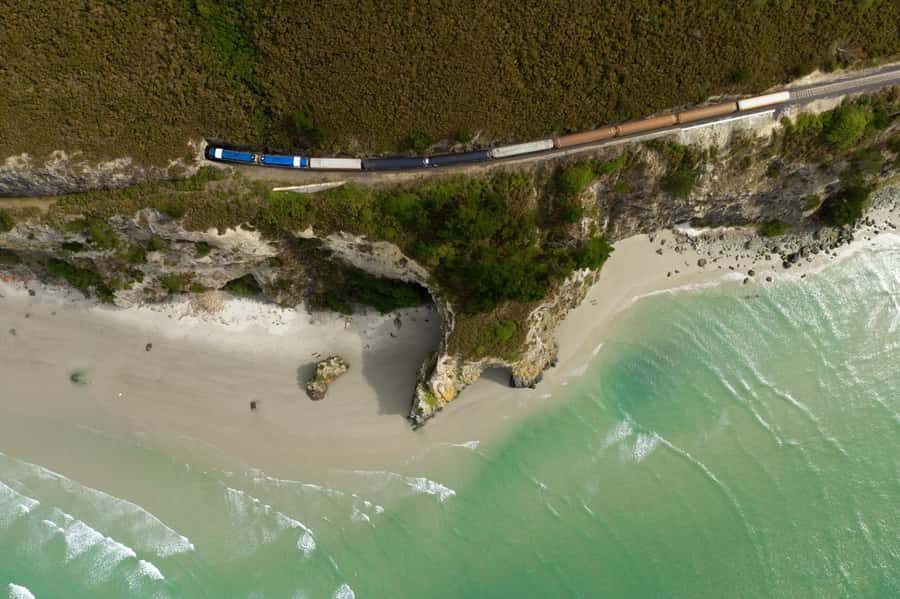
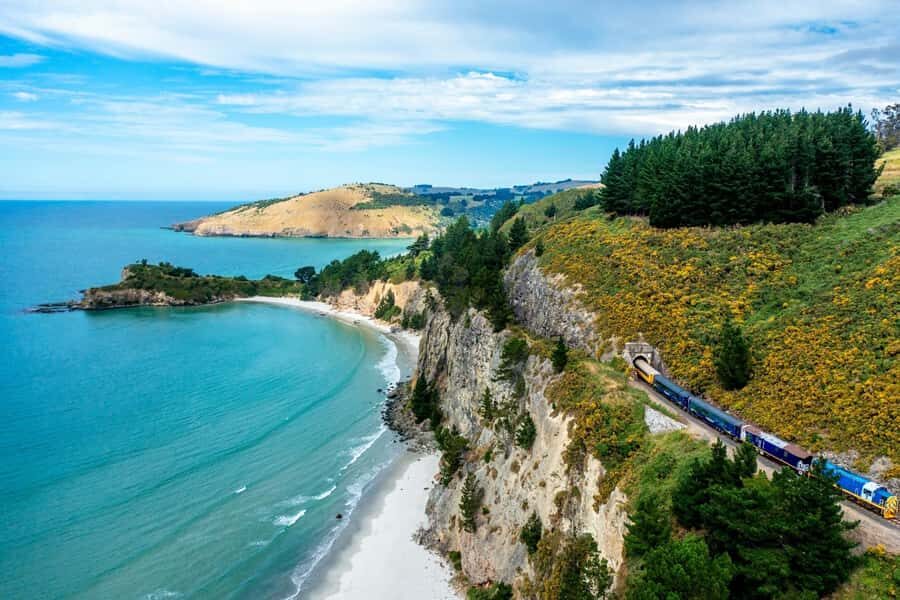
Once you leave Dunedin behind, the train becomes a slow-moving viewpoint. The route is designed for watching: the rail line follows the coastline close enough that you’re constantly checking which side the best view is on.
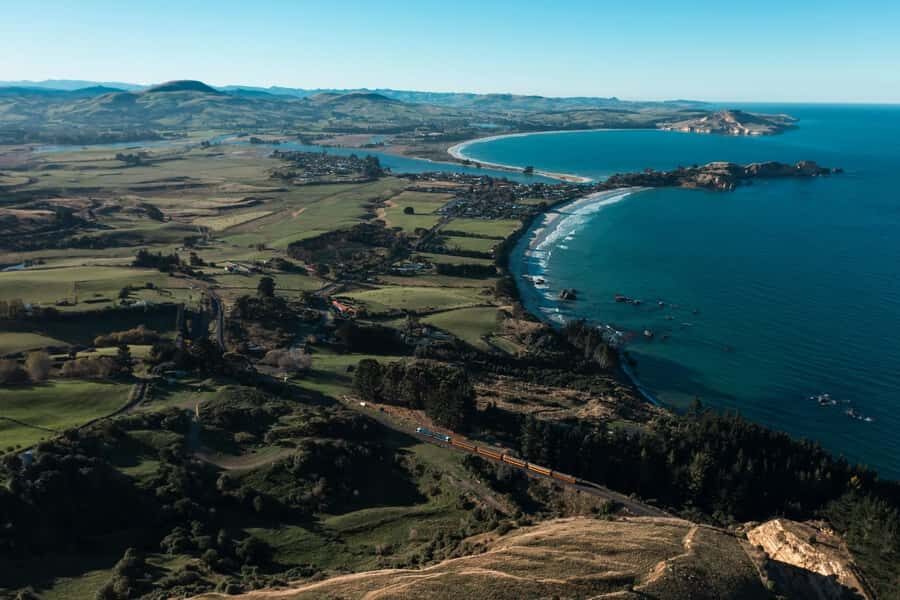
You’ll get standout scenery tied to recognizable spots along the coast, including Deborah Bay, Blueskin Bay, and Pūrākaunui Beach. These names matter less than the way they represent different coastal moods—some moments feel open and wide, while others look tight and dramatic where cliffs cut close to the track.
The ride also varies the backdrop as you move north. Expect coastal cliffs and beaches, but also stretches of farmland and patches of forest depending on where the line runs. That contrast is one of the reasons this works even for people who’ve seen plenty of New Zealand scenery before: you’re not just repeating the same ocean view, you’re watching the region change.
Practical tip: bring your camera strap or keep your hands free. You’ll want to grab shots without fighting your gear when the best views happen quickly between stopping points. If you’re prone to motion blur, sit steady and aim during straighter stretches where the train is less angled toward the coast.



What the Mihiwaka Tunnel feels like (and why it’s a highlight)
One of the clearest “only-on-this-rail-ride” moments is going through the Mihiwaka Tunnel, one of the longest railway tunnels in New Zealand. Even if tunnels don’t sound exciting on paper, they usually are—because the contrast is dramatic.
You get a transition from open coastal light to an enclosed, tunnel-dark moment, then back out again to the coastal world on the other side. That shift is part of the fun: it makes the coastline feel bigger and more dramatic after you leave the tunnel behind.
It’s also a moment where the storytelling can help you see more than just a tunnel in the frame. The onboard commentary focuses on local landmarks and the communities the line connects, and that context makes the infrastructure feel like part of the story rather than just a quick passage.
Onboard commentary: how to catch it without missing the views

The Seasider includes a live onboard storyteller, and that’s a huge part of why this trip feels more like a guided experience than a simple train. The commentary covers Dunedin’s coastal history and the landmarks and wildlife you might spot along the route.
In real life, there are two ways this can go: you either hear it cleanly, or you have trouble when the sound level rises around you. One of the most important considerations from people’s experiences is that loud groups can interfere, especially if you’re sitting near them.
So here’s what I’d do: pick a seat where you can still look out, but isn’t right beside the loudest social cluster. If you notice noise rising, don’t resign yourself to missing the narration—move a little within your car if there’s room, or shift your attention to listening during quieter stretches.
Even if you catch only parts of the story, the structure is helpful: you’ll see a coastline feature, then get the context for what it is and why it’s important. That rhythm is what makes the trip satisfying instead of just pretty.
Comfort, food, and the classic-carriage vibe

The train’s classic charm is more than decoration. The carriages date from the 1930s and feel built for a slow ride. That matters because the scenery isn’t one quick stop-and-go moment—it’s continuous. When seats are comfortable, you stop feeling like you need to keep moving just to stay engaged.
Food is handled on the onboard buffet car, and it’s a practical advantage for a half-day excursion. You don’t have to plan a separate meal just to keep energy up. If you’re the kind of person who likes to snack while watching scenery, this helps you stay in the moment.
The best strategy is simple: eat when you feel like it, then go back to the window. Don’t treat food like a whole second activity, because the coast is the main event.
Route reality check: the return journey and how it affects your experience

One honest detail about rail scenic trips is repetition. On this itinerary style, you can find yourself going back along a similar corridor, which means you might see some familiar stretches twice.
That doesn’t ruin the trip—coast views can look different depending on light, wind, and angle—but it can reduce that fresh-every-minute feeling for people who hate repeats. If you’re sensitive to repetition, consider the Arc Brewery stop-off option. You’ll break up the time with a real pause off the train, which makes the return feel like part of the overall day rather than a second lap of the same views.
Another reality check: if you’re picky about quiet, try to plan for that “not every moment is silent” situation. Even with great commentary, the experience can be affected by how social some passengers are in your carriage.
Who should book The Seasider, and who might prefer something else
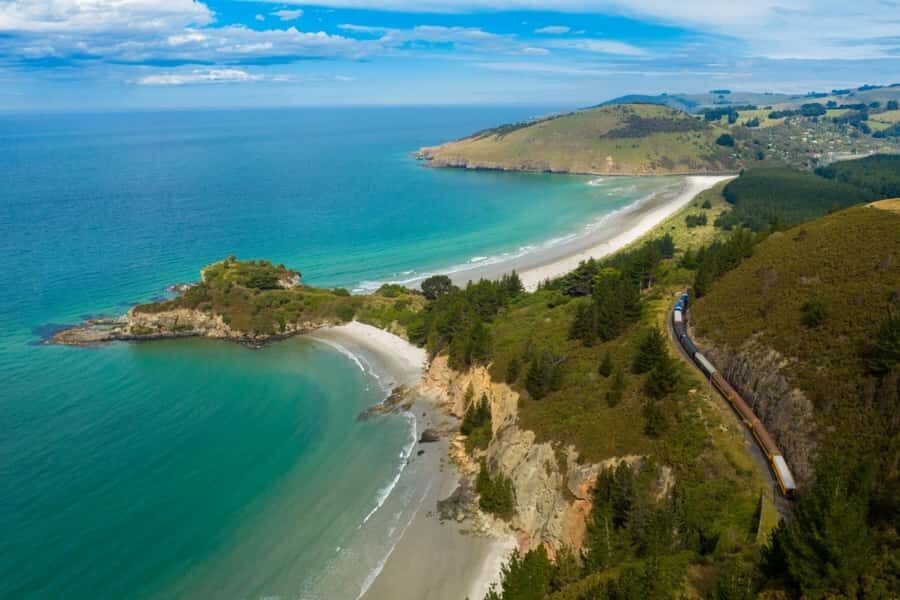
This is a great fit if you want:
- Scenic rail time without the effort of driving and parking
- A relaxed half-day plan that’s easy to understand
- Live storytelling that adds context to what you’re seeing
- Ocean views with stops and a choice to get off at Arc Brewery
It’s also a smart pick if you’re visiting from a cruise ship or you’re short on time but still want a memorable, coastal view. The station is central, the experience is only about 210 minutes, and it doesn’t require a complicated tour swap.
On the other hand, if you hate any chance of noise or you need perfectly quiet narration the whole time, you might find the experience less controlled. You’ll also want to be okay with the possibility of returning along similar scenery in a full round-trip format.
Price and value: is $77 a good deal?
At $77 per person for about 210 minutes, you’re paying for more than train rides. Your ticket includes the scenic coastal journey plus the live onboard storyteller, which is where the experience becomes more than scenery.
That value can make sense because you’re getting:
- A close-to-the-water rail route that’s hard to replicate without driving
- Classic 1930s carriages with a comfortable ride style
- Commentary that connects the coastline to places and people
- An optional Arc Brewery stop-off that adds food and craft beer time without extra planning
Where it might not feel like a bargain is if you’re expecting a very long, stop-heavy day trip. This is a half-day train experience, not a multi-stop bus tour. If you only want long wandering time off the train, you’ll probably prefer a tour with more frequent stops and guided walking.
But if you want to sit back and let Otago’s coastline roll past while someone explains what you’re seeing, $77 can feel like solid value for a compact outing.
Should you book The Seasider?
I’d book it if you want an easy coastal day that feels guided but still relaxed. The combination of close ocean views, the Mihiwaka Tunnel moment, and the live storytelling is what makes the trip click. Add the option to get off at Arc Brewery, and you’ve got a built-in way to break up the time without turning the day into logistics.
Don’t book it if you need guaranteed quiet, or if you’re extremely sensitive to repeating scenery on the return leg. In that case, you might still enjoy the ride, but go in with your expectations tuned: this is about enjoying the coastline from the rails, not about fresh views nonstop every minute.
If you can, arrive early for check-in, dress for weather, and choose your route style based on whether you want more pure coast time (Merton) or a food-and-beer pause (Arc Brewery).
FAQ
How long is The Seasider Dunedin coastal railway tour?
The duration is 210 minutes.
What does the $77 per person include?
It includes the scenic rail journey along Otago’s rugged coastline and a live onboard storyteller with local insights and stories.
Do I have options for where to stop during the trip?
Yes. You can choose either a full scenic journey to Merton while staying onboard, or a relaxed stop-off at Arc Brewery (then rejoining the return train).
Where does the train depart?
It departs from Dunedin Railway Station in the city centre.
When should I check in before departure?
Check-in begins 1 hour before the train departs and ends 15 minutes before departure.
Is wheelchair access available?
Yes. There is a wheelchair accessible carriage and lift available upon request only due to limited capacity, and you’ll need to email to request it.
Is parking available near the station?
Yes. There is plenty of pay-and-display parking around Dunedin Railway Station, with parking free on Sundays. If you have a campervan, the best place to park is the carpark on Thomas Burns Road.