REVIEW · LAKE TEKAPO
Lake Tekapo: Mountaintop Stargazing at Mount John Summit
Book on GetYourGuide →Operated by Dark Sky Project · Bookable on GetYourGuide
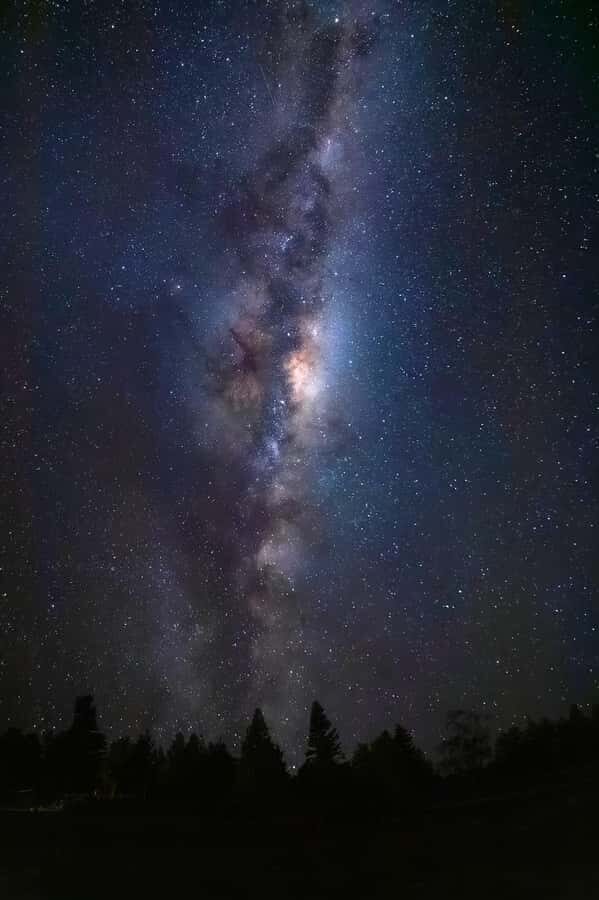
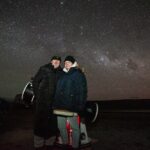
Stars feel close above Lake Tekapo. From the Mount John summit at 1,029m, this stargazing experience is built for one thing: helping you read the Southern Hemisphere night sky with real guidance and real dark-sky conditions.
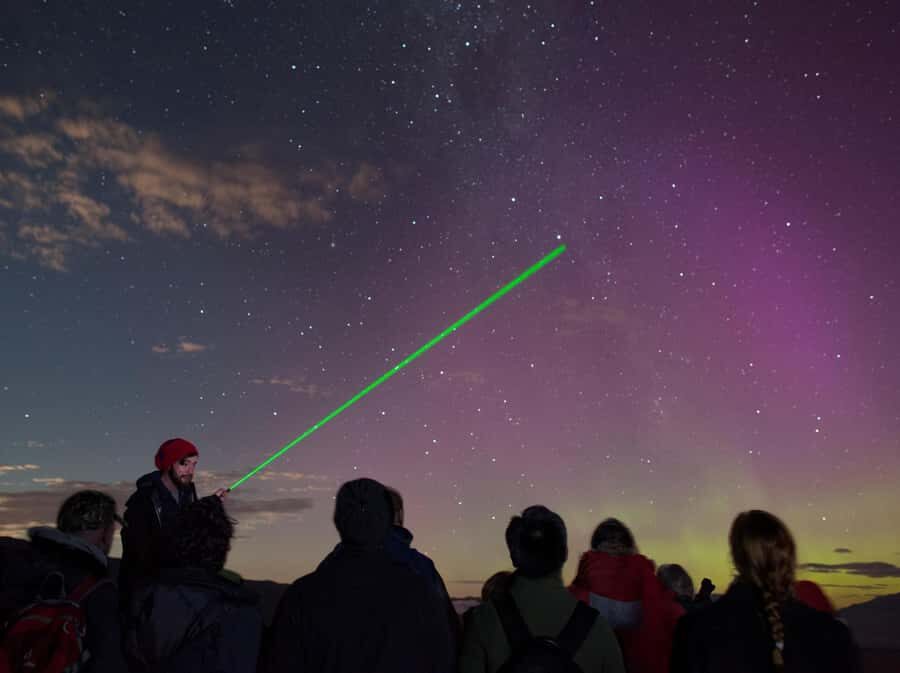
I especially like the step-by-step way the guides point you toward targets using handheld lasers, then back it up with high-powered telescopes. I also like the practical touches that make cold nights workable, including extreme cold weather (ECW) jackets and an organized return ride from the Dark Sky Project base to the summit.
One big thing to plan around: the tour is weather dependent, and even on clear nights, the moon can affect how easy it is to spot the Milky Way.
In This Review
- Key things to know before you go
- Mount John stargazing: why this spot is worth the climb
- How the 105 minutes actually feel up top
- The real magic: lasers that teach you the sky
- Telescopes and what you can realistically expect
- Cold-weather comfort at a 1,029m summit
- Dark Sky Project base logistics that keep the night smooth
- Price and value: what $130 buys you in Tekapo
- Who this suits best (and who should skip it)
- Before you book: practical tips that improve your chances
- Should you book Mount John stargazing at Lake Tekapo?
- FAQ
- What is the duration of the Lake Tekapo Mount John stargazing experience?
- Where do I meet for the tour?
- Is the tour weather dependent?
- Are meals and drinks included?
- What should I bring, and is flash photography allowed?
- What is the minimum age and what languages are offered?
Key things to know before you go
- Exclusive summit access above Lake Tekapo at Mount John
- Gold Standard International Dark Sky Reserve viewing conditions
- Lasers first, telescopes next so you build confidence, not just watch
- ECW jackets provided for serious Tekapo chills
- Dark-sky rules like no flash photography to protect everyone’s night vision
- Return transport between the Dark Sky Project base and the summit
Mount John stargazing: why this spot is worth the climb
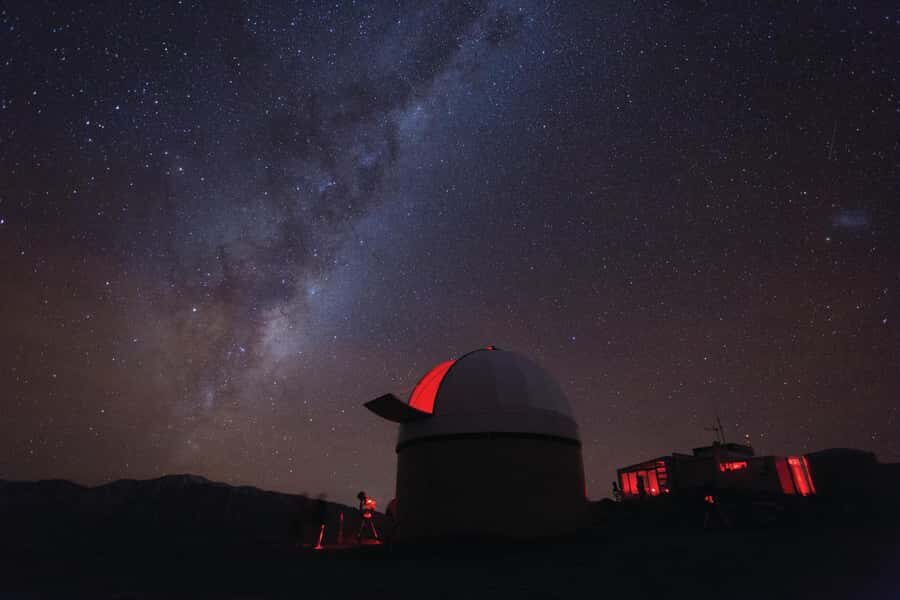
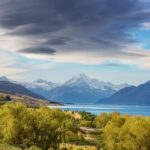
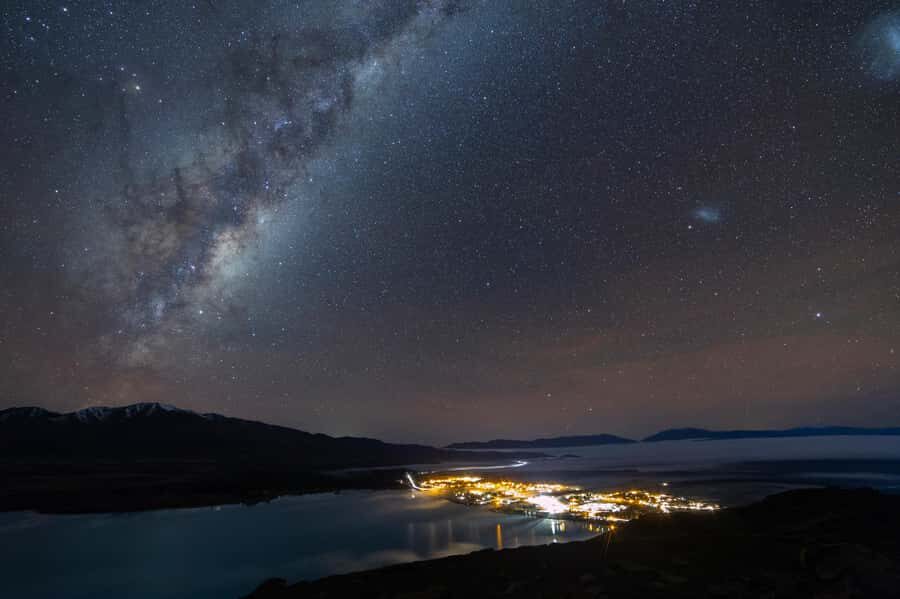
Lake Tekapo has a reputation for clear, dark skies, but this tour takes you beyond the lakefront viewpoint. You’re going up to the summit of Mount John (1,029m), and that elevation matters: less haze, darker skies, and a feeling that the universe is right overhead.
This is also centered on one of the world’s best stargazing environments: a Gold Standard International Dark Sky Reserve. In plain terms, that means the local area is actively managed to keep light pollution low—so stars look sharp, and the sky doesn’t get washed out. You’re not just looking at a pretty night; you’re learning how to navigate the sky as it really appears here in the Southern Hemisphere.
And yes, the views are the headline. But the reason this experience earns its place is the way it’s taught: you start with your own eyes, then get telescope time, so the sky makes sense—not just wow.
You can also read our reviews of more tours and experiences in Lake Tekapo.
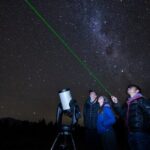
How the 105 minutes actually feel up top
This is a short, focused outing at 105 minutes total, which is a sweet spot. It’s long enough for a proper guided session, but not so long that you’ll lose patience while freezing on a mountaintop.
Here’s the flow you can expect:
- You check in at the Dark Sky Project base at the lakefront in Takapō/Tekapo at least 20 minutes early. This buffer matters because you’ll want time to get sorted, meet your group, and get the jacket situation squared away.
- Then you head up to the summit by vehicle for the main stargazing portion.
- On the summit, you get a guided tour of what’s in the sky that night, built around naked-eye viewing first, then telescopes.
- Finally, you ride back down to the base.
The tour is also designed to reduce disruption. With rules like no flash photography, you aren’t constantly losing your night vision. Even the small items—like having a lanyard torch mentioned in past experiences—are meant for moving safely without ruining the darkness for others.
The real magic: lasers that teach you the sky
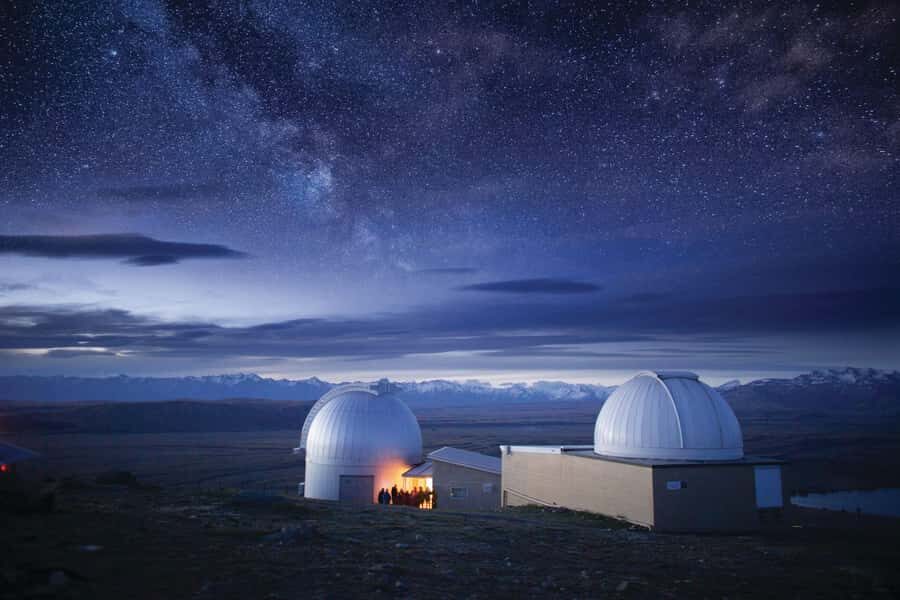
A lot of stargazing tours are “look at that.” This one is more like “here’s how to find it.”
You begin exploring the Southern sky with your eyes while the astronomy guides use handheld lasers to point out key celestial sights. The point isn’t just direction; it’s pattern recognition. Once you can follow where the guide is aiming, you start noticing relationships—how objects sit relative to bright stars, and how the sky shifts as you look around.
Guides at this kind of facility often explain not only what you’re seeing, but why it’s placed where it is. One guide named Oscar is mentioned for enthusiasm and clear explanations, and that kind of energy makes a difference. When you understand the basics—like how the Southern night sky is organized—you don’t feel like you’re watching random lights. You’re building your own mental map.
This matters for value. If you only get telescope time, you might look through once, see something, and move on. If you also learn how to spot things with your own eyes, the night keeps giving even after the tour ends.
Telescopes and what you can realistically expect
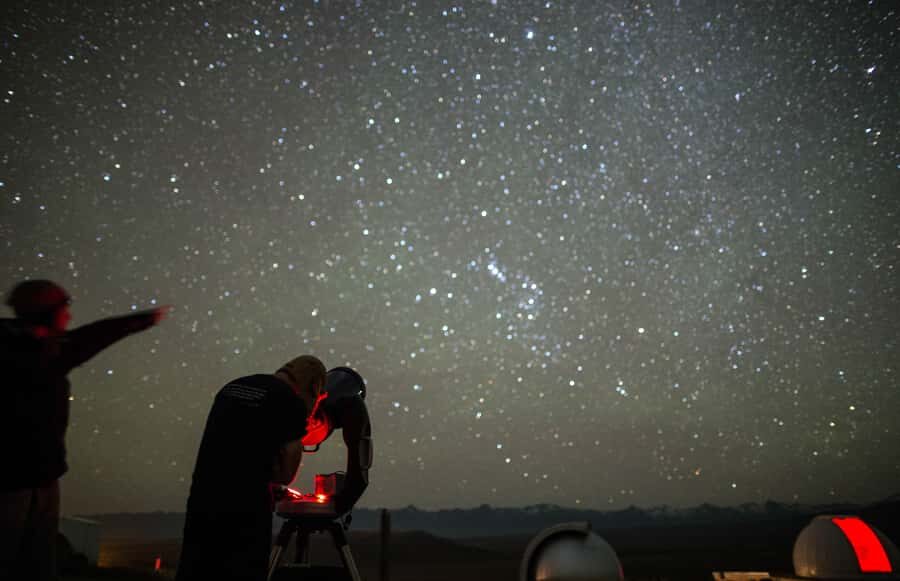
After the naked-eye phase, the tour shifts to high-powered telescopes. This is where you get the chance to see objects with more clarity and detail than you can manage on your own.
A good way to think about this: the telescope isn’t magic ink that changes the universe. It magnifies and reveals detail, but what you see depends on what’s above you that night and how the sky behaves. On some nights, you might catch very obvious hits. On other nights, targets you’re hoping for might be faint or simply not in the right position.
Some past nights have included showings like Mercury through a telescope and other standout objects such as Jupiter and the southern celestial pole. That gives you a clue about the kind of variety the guides can cover. But you should also be prepared for the fact that, depending on conditions, some telescope views can feel close to the naked-eye impression—just with sharper contrast and better definition. It’s still worthwhile, but it’s not a guarantee that every look will be a huge shocker.
If Milky Way viewing is your top goal, one tip stands out: try to time your booking with a new moon if you can. Moonlight can brighten the sky enough to make the Milky Way harder to see, even when the sky is otherwise clear.
Cold-weather comfort at a 1,029m summit
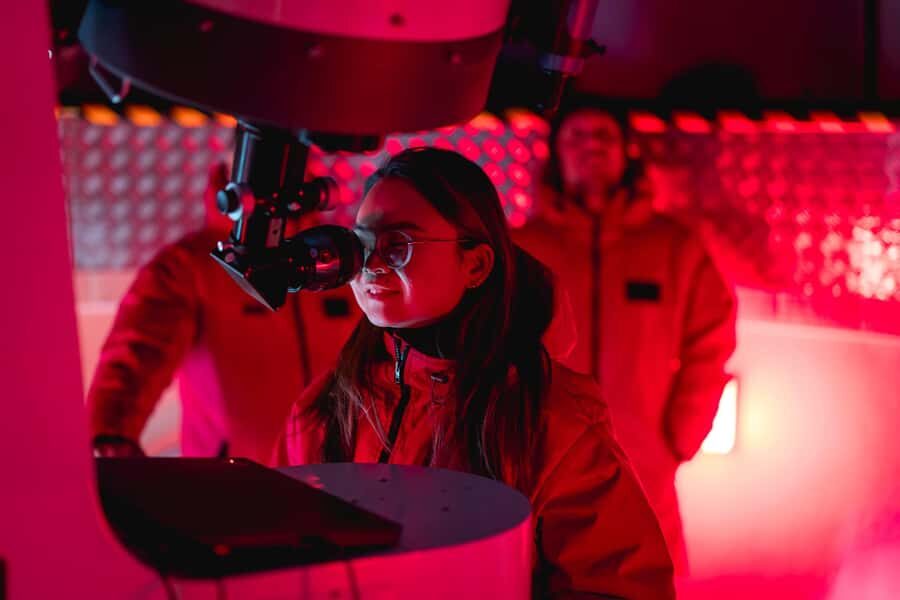
Let’s talk about the part people feel immediately: cold.
This is a mountaintop night, and you’ll want to treat it like winter gear territory year-round. The good news is that ECW jackets are provided during check-in. That’s a real value-add because it lowers the barrier to enjoying the experience even if you didn’t pack serious cold-weather layers.
Still, you should bring weather-appropriate clothing. Think warm base layers, hat, gloves, and something you can handle when the wind picks up. The tour requires a minimal level of fitness: you need confidence walking about 100 meters on a gravel incline and climbing a couple of steps in the dark. If you’re not comfortable with that, this won’t feel good, even if the sky is perfect.
Also note two simple rules that protect the experience:
- No flash photography (your view and everyone else’s night vision depend on it)
- Speak the tour language for safety. You’re required to speak the language of the tour, or you won’t be allowed to join.
If you meet those basics, you’ll find the jacket setup makes a huge difference.
Dark Sky Project base logistics that keep the night smooth
You meet at the Dark Sky Project base at the Tekapo lakefront. The most important time tip is to arrive early—check in at least 20 minutes prior to departure. That gives you time to get your jacket, get briefed, and settle in without rushing.
You don’t get hotel pickup or drop-off, so plan on making your own way to the lakefront meeting point. Parking tends to be available near the center, and then you ride up by vehicle from there. The ride itself is part of the fun for some people, especially because it sets the expectation that the night is timed and guided, not just a free-for-all.
One small but important scheduling note: if you’re booking a time after midnight, double-check the date you’re booking. On a short tour, that kind of mix-up is exactly how people end up stressed when they should be looking up.
Price and value: what $130 buys you in Tekapo
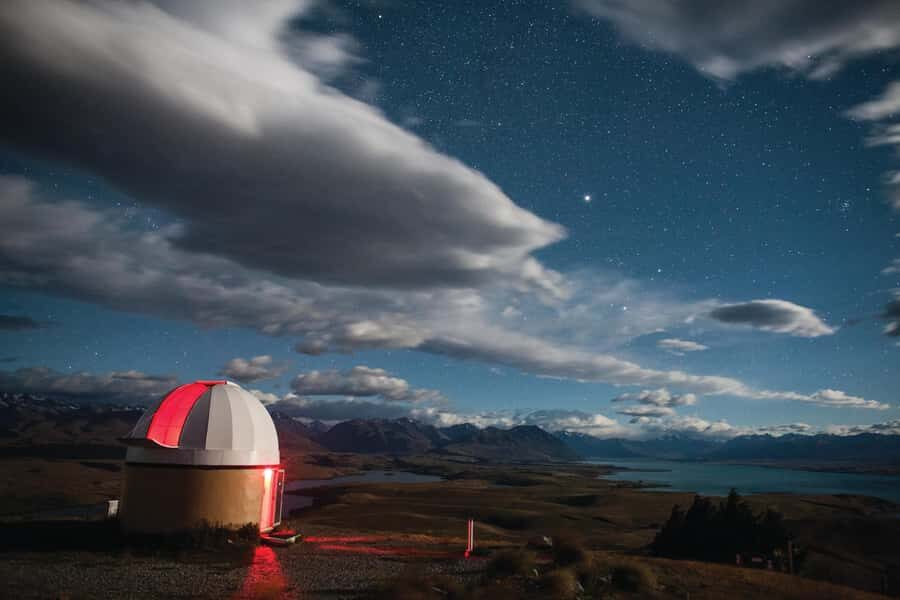
At $130 per person for 105 minutes, the cost may look steep if you compare it to casual stargazing from the lakefront. But you’re paying for structure, access, and expertise—not just darkness.
Here’s the value equation that makes this feel fair:
- Summit access to Mount John, which isn’t the same as simply standing in town.
- A guided session that actively teaches you how to find things using lasers, not just where to look.
- Time at high-powered telescopes during the same guided flow.
- Cold-weather support with ECW jackets.
- Return transport between the base and the summit.
If your goal is to actually understand what you’re seeing in the Southern sky, this price can make sense quickly. If your goal is mostly photos and casual sky watching, you may feel tempted to skip the tour. But if you want the night to click—this is the kind of experience that often leaves you feeling like you learned something you can use.
Who this suits best (and who should skip it)
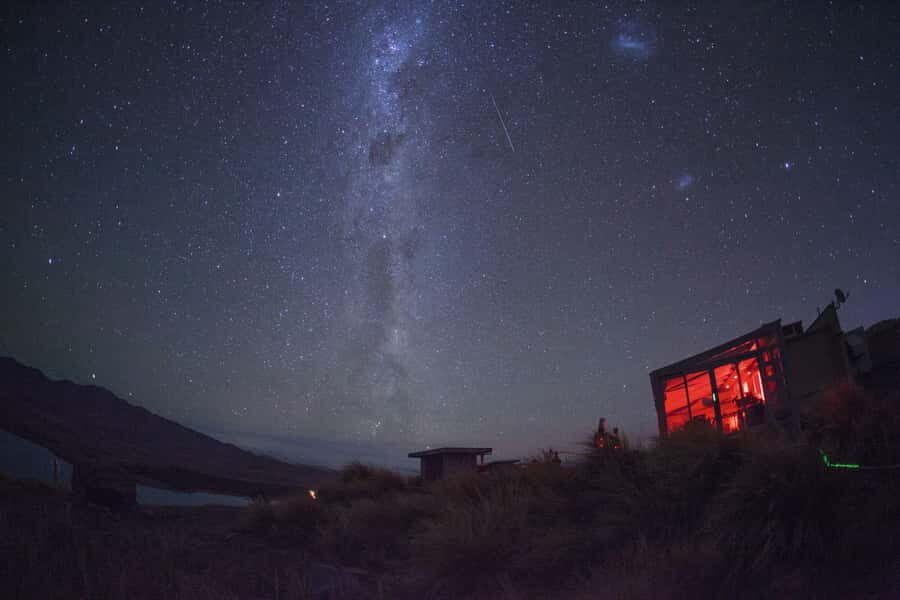
This tour is family-friendly, but with an age restriction: it’s 10 years and over. If you’re traveling as a family and the kids can handle a cold mountaintop and a short walk in the dark, it’s a strong pick.
This experience isn’t suitable for people with mobility impairments due to the walking and step requirements. And because of the safety language requirement, you also need to be comfortable joining in the language your time slot offers.
Based on how the night is taught, it suits best if you:
- Want a guided way to recognize constellations and key sky points
- Like astronomy as a learning experience, not just a photo stop
- Can plan around weather (and accept that plans can change)
It’s less ideal if you’re expecting a predictable list of solar system highlights every night. The sky changes. Targets appear or disappear based on what’s up above you and how the night behaves.
Before you book: practical tips that improve your chances
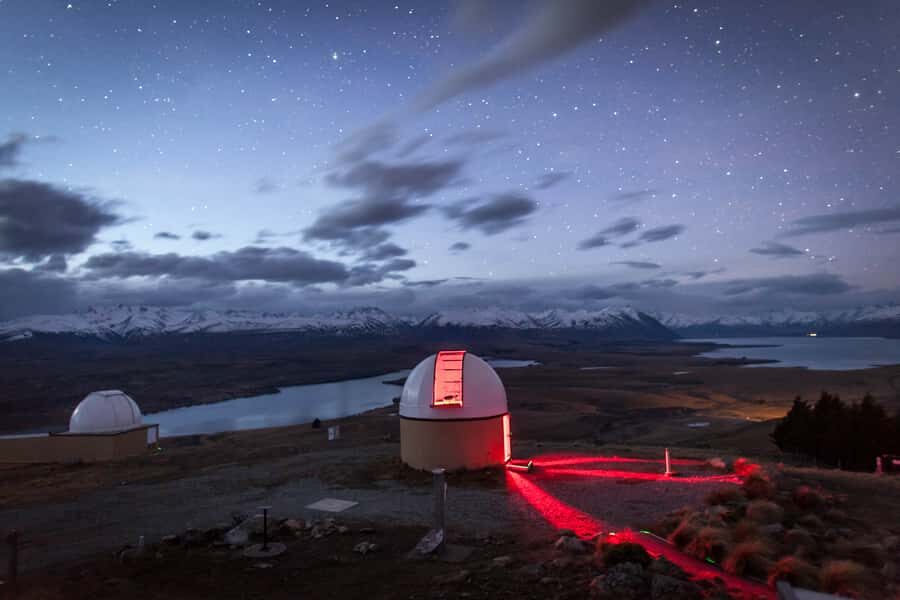
If you want the best chance at a truly memorable night, a few smart moves go a long way:
- Aim for clear skies: this tour is weather dependent, so check conditions close to your departure.
- Consider the moon phase: for Milky Way visibility, a booking near new moon can help.
- Dress like you mean it: warm layers plus hat and gloves make the difference between tolerable and enjoyable.
- Arrive on time: the 20-minute early check-in window helps everything run smoothly.
- Plan for the dark walk: you’ll need to handle gravel incline and a couple of steps at night.
- Respect the rules: no flash photography and follow guide instructions.
Also, remember what’s included: food and drinks aren’t included. If you want something to snack on afterward, plan for that.
Should you book Mount John stargazing at Lake Tekapo?
If you care about dark skies, want expert-guided pointing and telescope views, and you’re willing to dress for serious cold, this is an easy yes. You’re getting summit access in one of the best dark-sky regions on Earth, plus a teaching style that helps you understand the sky instead of just looking at it.
Book it especially if you:
- Want the Milky Way and Southern constellations in a place built for low light pollution
- Prefer a structured 105-minute program over a vague self-guided night
- Can meet the practical requirements: cold clothing, minimal fitness, and the language requirement
Skip it if you can’t manage steps in the dark, you need mobility support, or you’re only interested in a casual look without weather-and-moon considerations.
FAQ
What is the duration of the Lake Tekapo Mount John stargazing experience?
The experience lasts 105 minutes.
Where do I meet for the tour?
Check in at least 20 minutes before departure at the local supplier’s Dark Sky Project base at the Lake Tekapo/Takapō lakefront.
Is the tour weather dependent?
Yes. The tour is weather dependent, and in bad weather it can be cancelled. An indoor alternative may be offered or you can receive a full refund.
Are meals and drinks included?
No. Food and drinks are not included.
What should I bring, and is flash photography allowed?
Bring weather-appropriate clothing. Flash photography is not allowed.
What is the minimum age and what languages are offered?
The tour is family-friendly with an age restriction of 10 years and over. Tour guide languages include Japanese, English, and Chinese.