REVIEW · LAKE TEKAPO
Lake Tekapo: Stargazing Experience
Book on GetYourGuide →Operated by Chameleon Stargazing · Bookable on GetYourGuide
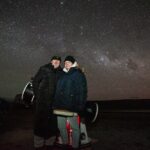
The night sky over Lake Tekapo hits different. You get taken to a Dark Sky Reserve area near-zero light pollution, then you spend the evening learning the southern sky with a guide and viewing real deep-sky objects. Guides like Mok and George make constellations feel like stories you can actually follow.
I especially love the combo of comfort and astronomy. You get a warm setup with seats, blankets, and hot chocolate, plus the guided telescope time with a 9.25-inch computerized telescope and a smart telescope. The evening ends with a fire bowl and roasted marshmallows, which turns a cold sky session into a cozy hangout.
One thing to plan for: it gets very cold in Tekapo at night, any season. If you’re walking from town (20 minutes), bring warm layers and something to help you safely navigate after dark.
In This Review
- Key highlights at Lake Tekapo stargazing
- Lake Tekapo Dark Sky Reserve: what you’re really paying for
- The 90-minute flow: meeting near town, then turning the sky on
- Guide-led southern sky stories: constellations with real context
- Telescope time at Lake Tekapo: deep-sky objects you can actually see
- Staying warm for real: blankets, hot chocolate, and a fire bowl finale
- Photos included: edited keepsakes that match what you saw
- Price and value: is $71 for 90 minutes a fair deal?
- Weather reality: what to do when the sky refuses to cooperate
- Who should book this Lake Tekapo stargazing tour
- Should you book Chameleon Stargazing at Lake Tekapo?
- FAQ
- How long is the Lake Tekapo stargazing experience?
- What does the stargazing tour cost?
- What telescope equipment is included?
- Where do I meet for the tour?
- Is hot chocolate included, and are dietary options available?
- Are photos included?
- What should I bring?
- Is the tour wheelchair accessible, and what languages are offered?
Key highlights at Lake Tekapo stargazing
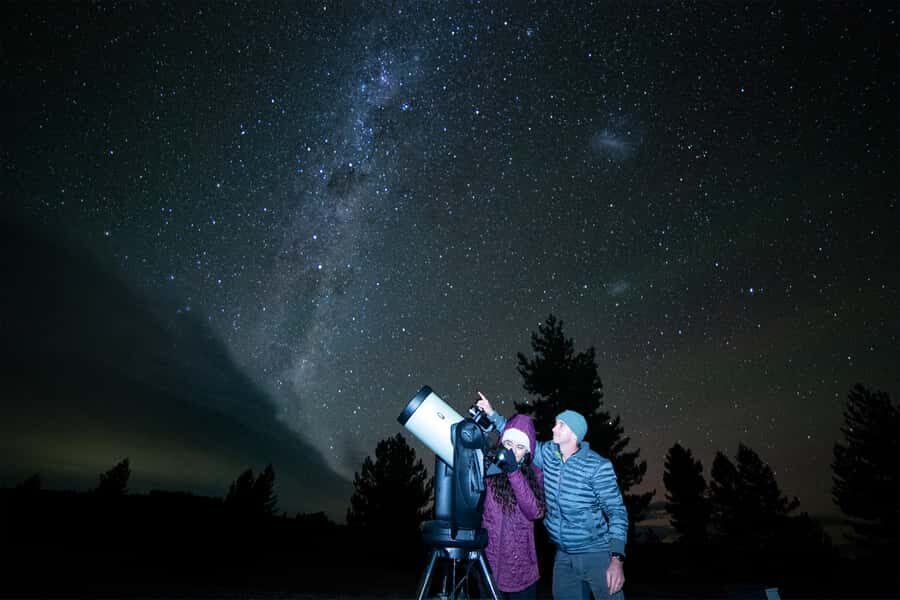
- Dark Sky Reserve viewing area: nearly zero light pollution for serious star visibility
- Two telescope styles: a 9.25-inch computerized telescope plus a smart telescope for guided looking
- Southern-sky storytelling: constellation facts mixed with Greek mythology and Maori legends
- Warmth that actually helps: outdoor seating with pillows, mattresses, and plenty of blankets
- Photos handled for you: edited photos taken during the tour, so you can remember what you saw
- Fire bowl finale: hot chocolate first, then marshmallows roasted at the end
Lake Tekapo Dark Sky Reserve: what you’re really paying for
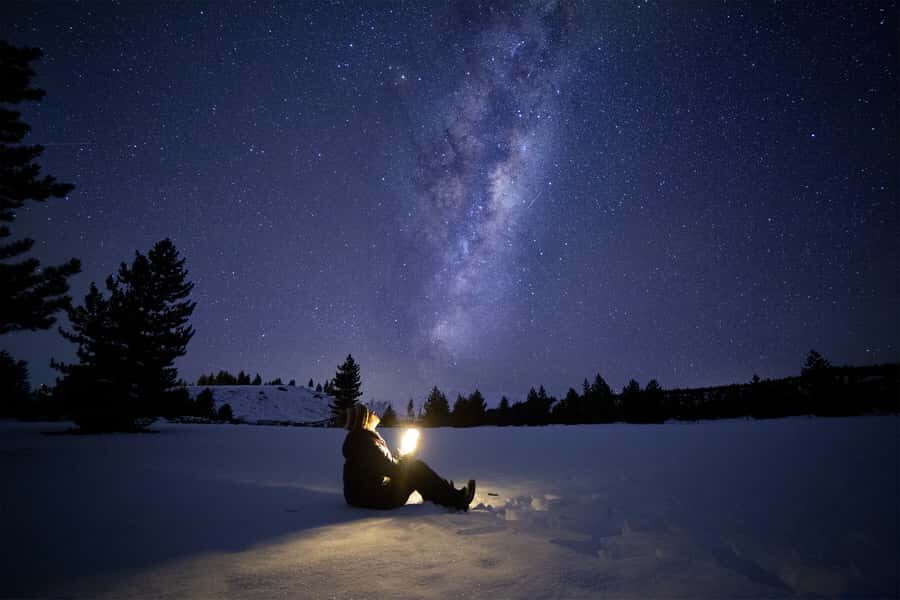
Lake Tekapo is famous for stars. The real reason this tour works is the setting. Your group is guided to a stargazing spot with nearly zero light pollution, inside the Dark Sky Reserve. That’s the difference between seeing a handful of bright points and actually noticing how crowded the sky gets once your eyes adjust.
In practical terms, you’ll be able to do two things at once:
1) look up and enjoy the sky with your own eyes
2) use the telescopes to pull details out of the darkness
The tour also treats comfort as part of the astronomy. When people try to do stargazing on their own, they freeze, they rush, and they miss half the fun. Here, you’re set up with seats and layered warmth so you can stay focused on what the guide is pointing out.
And yes, the night sky is the star of the show. But it’s the guided flow that makes it feel easy, not random.
You can also read our reviews of more tours and experiences in Lake Tekapo.
The 90-minute flow: meeting near town, then turning the sky on
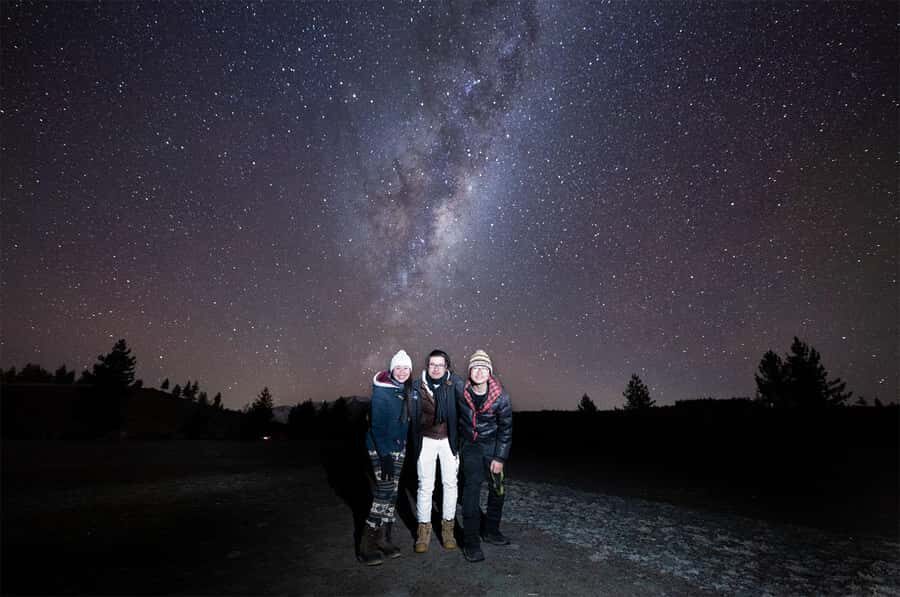
The whole experience is about 90 minutes. It starts with you heading to the viewing area (a short drive from Lake Tekapo town or a walk). The stargazing location is next to the Tekapo River, about a four-minute drive from the town centre.
Important detail: there’s no shuttle from the meeting point. If you’re staying near town and planning to walk, you’ll want to be ready for darkness fast. A few visitors noted that you can end up in total darkness for stretches, so I’d bring a head torch or something reflective to make walking easier—especially if you’re going solo.
Once you reach the stargazing setup, the evening follows a clear rhythm:
- you settle in (warm seating, blankets ready)
- your guide gets you oriented to the southern sky
- you move through telescope sessions
- you finish with fire bowl time and roasted marshmallows
This matters more than it sounds. Stargazing is time-sensitive. If you spend half your evening figuring out where to look, the sky starts slipping away. This tour keeps you on task without feeling rushed.
Guide-led southern sky stories: constellations with real context
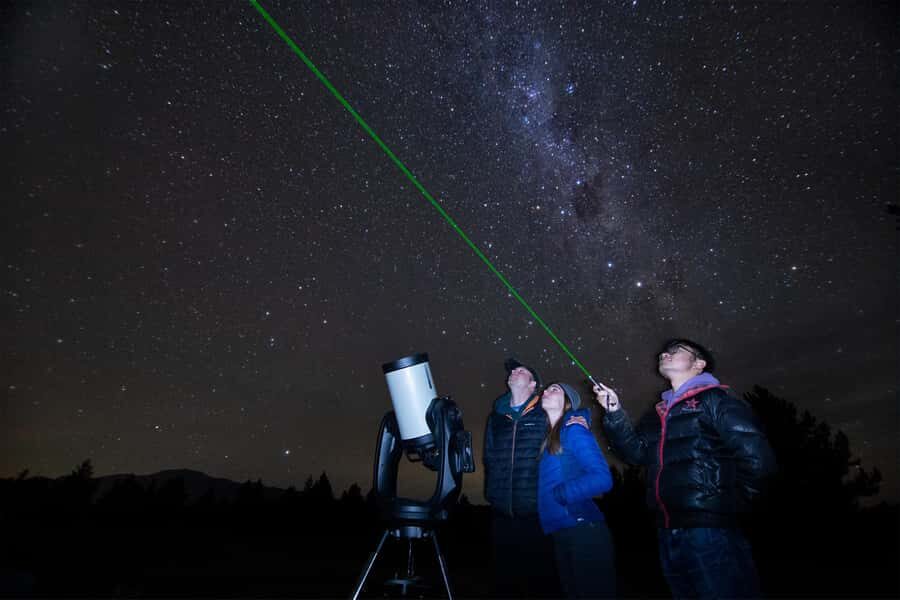
What makes this experience feel personal is the way the guide explains what you’re seeing. You’re not just handed a telescope and told good luck. You get a talk that connects the stars to human stories and science.
The guide’s presentation can include:
- constellations explained so you know what you’re looking at
- science facts about how the night sky works
- Greek mythology tied to star patterns
- Maori legends that add local cultural meaning to what you see
Guides also help you find the sky objects. Several tour descriptions mention laser guidance, which is a simple but powerful tool. It turns the sky from a blurry background into something you can track—especially when the stars look similar at first.
If you’re new to astronomy, this is a big win. You’ll get just enough structure to understand what’s happening. If you’ve seen stars before, you’ll still enjoy how the guide frames deeper-sky objects so they don’t feel like mystery blobs.
Telescope time at Lake Tekapo: deep-sky objects you can actually see
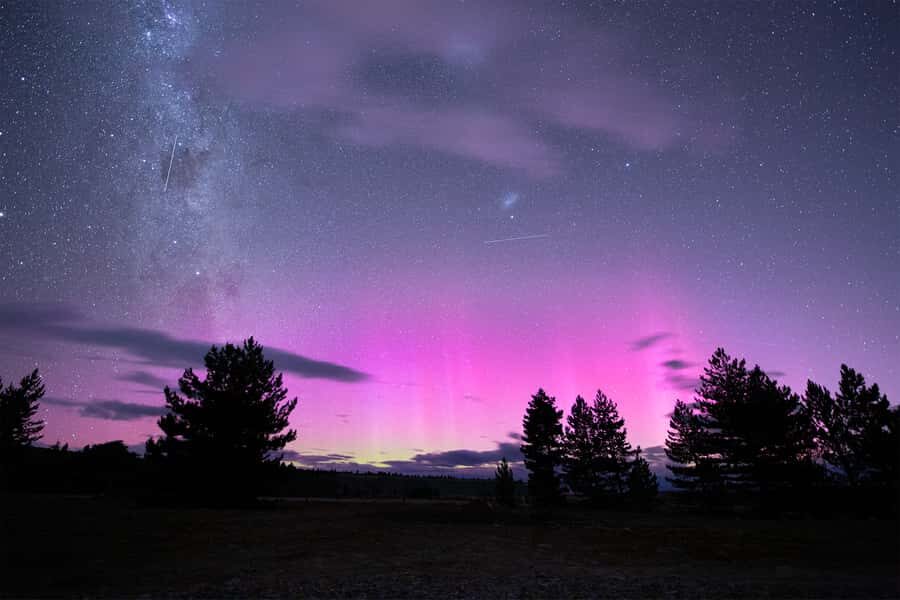
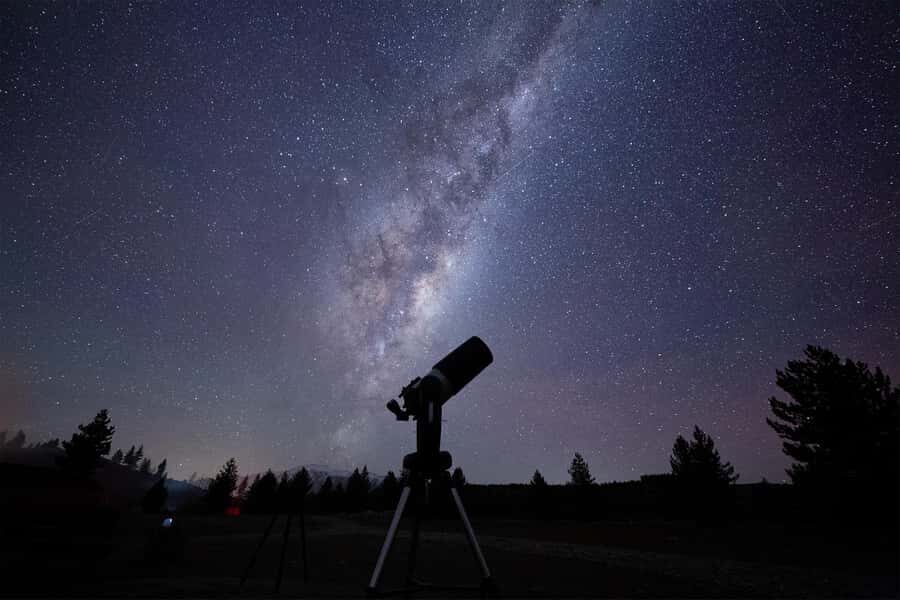
This tour is built around real telescope viewing. You’ll use a powerful 9.25-inch computerized telescope plus a smart telescope, and the guide helps you focus on specific targets in the southern sky.
Here’s the value of having the telescopes integrated into the guide’s explanations:
- You’re more likely to understand what the object is, not just see it.
- You’re less likely to stare at the eyepiece hoping something appears.
- You get a more “guided viewing” experience instead of solo guessing.
Based on descriptions of what people experienced, you may see things like:
- views of the moon during the session
- deep-sky targets such as nebulae (on clear nights and with proper viewing conditions)
- other notable stars and sky objects that stand out once the guide points them out
Even when weather isn’t perfect, the guide’s job is to keep you productive—showing you what they can and explaining how to interpret it. One of the nicest touches is that you get individualized attention during telescope viewing, not a vague group show.
Also, the telescope experience is enhanced by “multi-step” learning. You start with naked-eye orientation, then you switch to telescope details. That makes the sky feel less random and more like a map.
Staying warm for real: blankets, hot chocolate, and a fire bowl finale
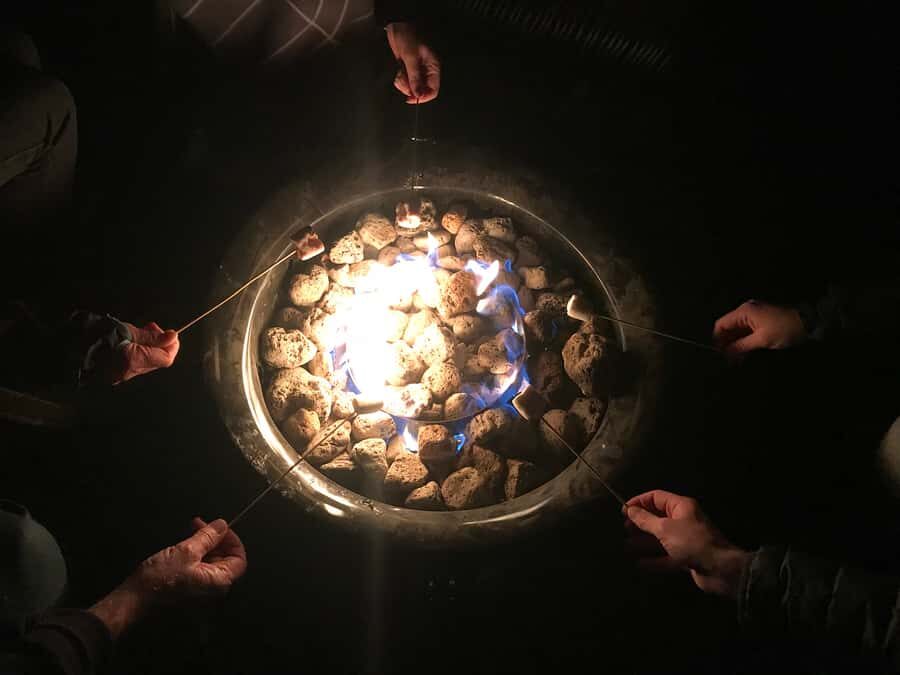
This is one of the most practical reasons the tour earns strong marks. In Tekapo, it can get cold at night regardless of the season. The tour plan clearly expects that.
You’re set up with outdoor seating plus blankets, pillows, and other layering for comfort. The idea is simple: keep you warm enough that you don’t spend the whole night thinking about your toes.
You’ll also get hot chocolate during the tour. Some runs serve it in a keepsake cup, which is a nice touch if you like bringing home small reminders. There are lactose-free and gluten-free options available if you request them.
Then the evening ends with a fire bowl and roasted marshmallows. It’s not just a snack moment. It’s a change of pace that lets you socialize, ask questions, and decompress after the telescope session.
If you’ve ever done cold-weather outdoor activities and felt miserable by minute 20, this tour is designed to avoid that.
Photos included: edited keepsakes that match what you saw
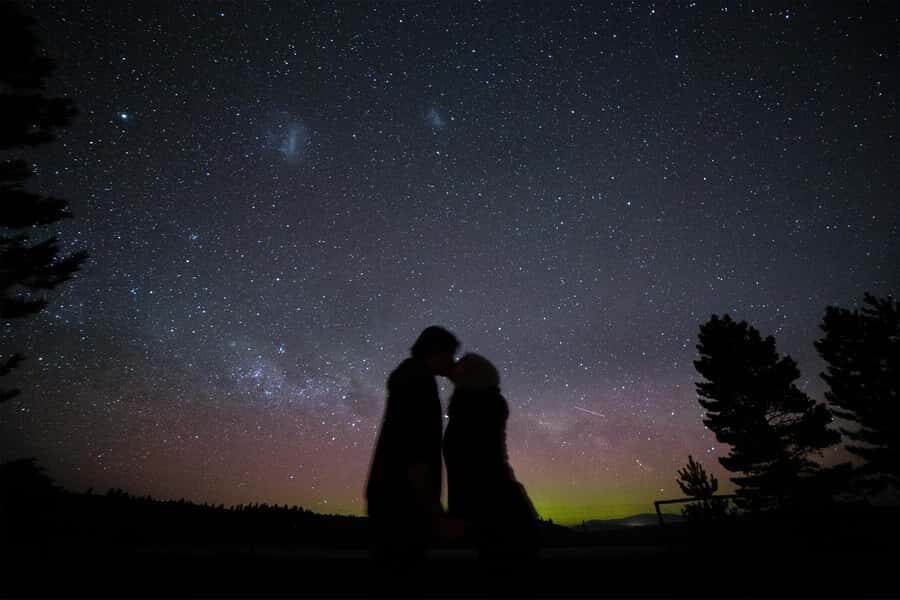
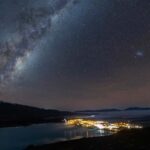
The tour includes a photography service. You get edited photos taken during the experience. That’s a big deal for stargazing because:
- many star photos don’t come out well on a phone
- capturing people with the sky is hard
- even if you nail the settings, the night might not cooperate
During the tour, your guide takes individual photos with the stars as a backdrop. You’re also likely to receive a set of images that document both telescope views and your night-sky experience.
I also saw mentions of small souvenirs like a key-chain light. Those details may vary, but the main promise—photos that help you remember what you saw—is consistent with what’s included.
Bottom line: you’ll leave with more than just fuzzy memories. You’ll have proof the sky really looked like that.
Price and value: is $71 for 90 minutes a fair deal?
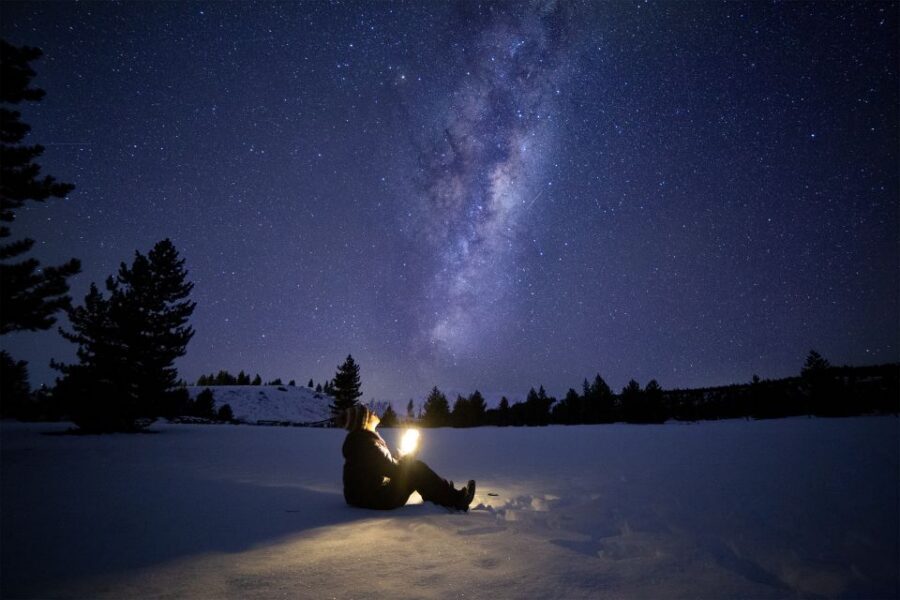
At $71 per person for 90 minutes, you’re not just paying for access to a telescope. You’re paying for a whole package that’s hard to replicate on your own without gear and know-how.
Here’s what’s included for that price:
- astronomy guide for the full evening
- access to the 9.25-inch computerized telescope and a smart telescope
- edited photos taken during the tour
- outdoor seating with blankets and other warm setup
- hot chocolate
- fire bowl with marshmallows
Even if you love astronomy, DIY stargazing usually means:
- you bring your own telescope (or you rely on luck and cloudy skies)
- you still need to figure out what to look for
- you’ll likely end up without proper photos unless you plan carefully
This tour solves the “what do I do once I’m out there?” problem. It also solves the “I froze and couldn’t enjoy it” problem with real warmth. For many people, that alone makes it worth it.
And because the group experience is time-managed, you get a full stargazing arc—orientation, telescope viewing, then a cozy wrap-up.
Weather reality: what to do when the sky refuses to cooperate
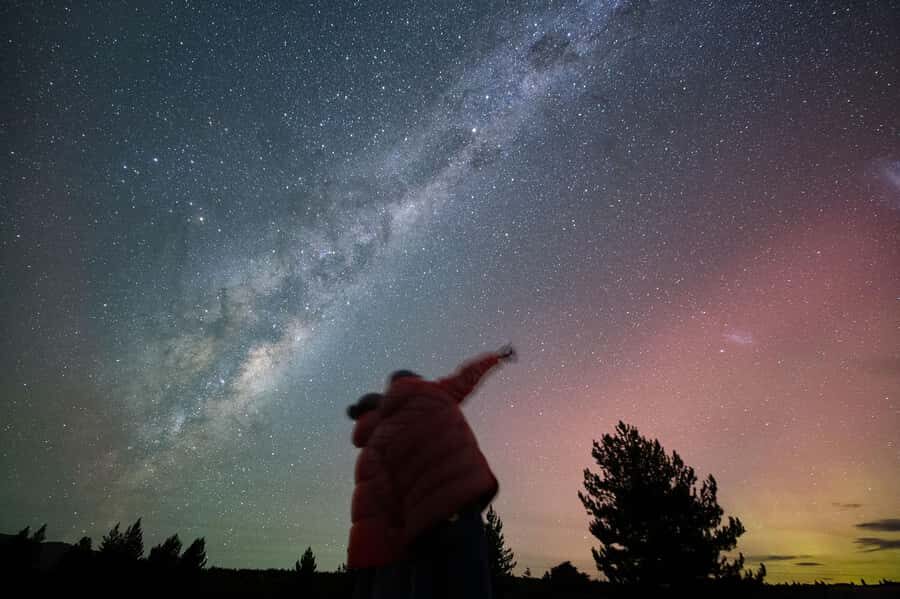
Lake Tekapo can be clear. It can also be windy or cloudy. The tour experience is designed to keep moving even when conditions aren’t ideal, and guides may adjust based on what the sky allows.
What I suggest you do as a practical step:
- check conditions before you go (especially if you’re booking near evening changes)
- dress for cold even if the day felt mild
- keep your expectations flexible—sometimes the guide’s job is to show you what’s still possible
One of the best clues that this tour handles real-world weather comes from experiences where guides offered an option to wait and see when clouds were rolling in. That tells you the team isn’t pretending every night is perfect. They’re trying to make the most of what the sky gives you.
Who should book this Lake Tekapo stargazing tour
This works especially well if:
- you want a guided introduction to the southern sky
- you don’t want to spend hours researching constellations and equipment
- you care about comfort in cold weather
- you want photos without fiddling with a camera setup
- you like a social, story-driven evening, not a stiff lecture
It also suits couples and friends. The fire bowl marshmallow ending feels easy and relaxed, like a shared winter camp moment with astronomy mixed in.
Wheelchair accessibility is listed as available, which is a helpful sign for anyone planning around mobility needs.
If you’re the type who hates cold outdoors, then be honest with yourself. This tour is warm for the outdoors, but it’s still outdoors. Dress like you mean it.
Should you book Chameleon Stargazing at Lake Tekapo?
If you’re in Lake Tekapo and you want the best use of your one night outside, I’d book this. The setup is thoughtful: Dark Sky Reserve location, real telescope time, guided storytelling (Greek mythology and Maori legends included), and comfort that keeps you present for the whole session. Add in included edited photos and a cozy end with roasted marshmallows, and you get a full package for $71.
The main reason to skip is if cold weather ruins your evening plan. If that’s you, consider a daytime activity instead and save your night energy for something indoors.
Otherwise, this is one of the easiest ways to turn the Lake Tekapo sky from something you just look at into something you understand and remember.
FAQ
How long is the Lake Tekapo stargazing experience?
The tour duration is 90 minutes.
What does the stargazing tour cost?
The price listed is $71 per person.
What telescope equipment is included?
You have access to a 9.25-inch telescope, along with a smart telescope.
Where do I meet for the tour?
There are no shuttles. The meeting area is about a 4-minute drive from Lake Tekapo town centre or a 20-minute walk, and the stargazing spot is next to the Tekapo River.
Is hot chocolate included, and are dietary options available?
Yes, hot chocolate is included. Lactose-free and gluten-free options are available on request.
Are photos included?
Yes. Edited photos are included, and the team takes photos with the night sky during the tour.
What should I bring?
Bring warm clothing and comfortable shoes.
Is the tour wheelchair accessible, and what languages are offered?
Wheelchair access is listed. The live guide is available in Chinese and English.