REVIEW · LAKE TEKAPO
Mount John Observatory Stargazing Experience, Tekapo
Book on Viator →Operated by Dark Sky Project · Bookable on Viator
Mount John gets you looking up fast. This Tekapo stargazing experience layers laser-guided naked-eye astronomy with telescope time, all under the Aoraki McKenzie dark-sky reserve above 1,029 m. I love the way the guides connect what you see to real Southern Hemisphere sky stories, and I love that you’re not stuck staring through gear alone—you get both. One watch-out: cloud cover can mean a cancelled outing (with an alternate indoor option sometimes offered), so pack a little patience for weather luck.
You’ll start in Lake Tekapo, then ride up to Mount John, where darkness is the star of the show. Expect a small-group vibe (with caps listed as up to 22 people per departure time, and a maximum of 30 for the activity). Bring layers, because even with jackets provided, the cold at the summit is no joke.
In This Review
- Key highlights before you book
- Arriving in Tekapo and riding up to Mount John
- Dark Sky Project check-in: where the night starts the right way
- University of Canterbury summit session: how the show actually works
- What you’ll see in the Southern Skies (and how to get the best night)
- Cold-weather gear, camera rules, and keeping your balance in the dark
- Language and who this experience suits best
- Is the $139.39 per person price worth it?
- Should you book Mount John Observatory stargazing in Tekapo?
- FAQ
- FAQ
- How long is the Mount John Observatory stargazing experience?
- What does the $139.39 per person include?
- Do you need to know astronomy to enjoy it?
- What happens if weather is bad?
- What language are the guides, and can I join if I don’t speak the tour language?
- Is this tour okay for people with mobility issues?
Key highlights before you book
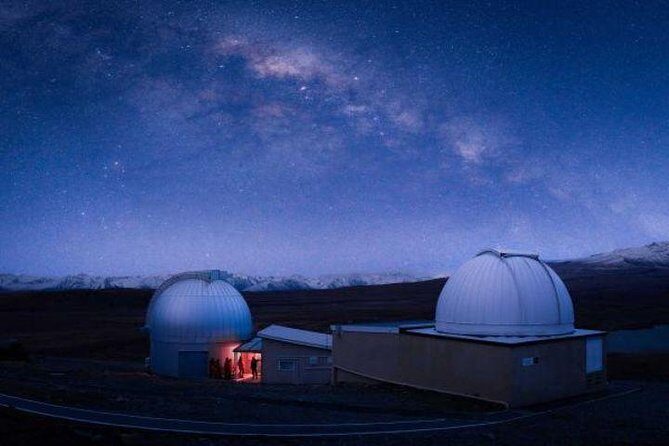
- Mount John summit access gives you exclusive time at the University of Canterbury observatory space at night.
- Laser pointers + naked-eye stargazing help you actually find things, not just admire darkness.
- Telescope viewing with advanced equipment means you’ll get both the big picture and the zoomed-in wonders.
- Extreme cold weather jackets included help you stay comfortable without hunting for gear.
- Small group size keeps the pace friendly and makes it easier to hear instructions in the dark.
Arriving in Tekapo and riding up to Mount John
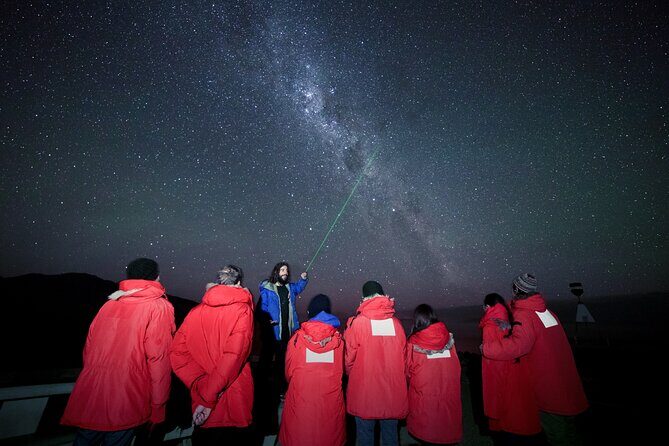
Lake Tekapo is your launch pad. You check in with the Dark Sky Project team in town, then they transport you up to Mount John (1029 m above Tekapo). That ride matters. You’re not just adding transport convenience—you’re gaining altitude and moving into the darker conditions that make stargazing in this part of the world so famous.
The schedule is built around getting you set up quickly. Stop 1 is short—about 15 minutes—including admission and the summit ride. I like that it keeps the night from turning into a long wait. You reach the top, you get oriented, and you start working through the sky while it’s still properly dark.
One practical note: this experience returns you to Tekapo township. That means you don’t need to worry about driving back on snowy or icy roads after dark—one less headache when you’re already traveling.
You can also read our reviews of more tours and experiences in Lake Tekapo.
Dark Sky Project check-in: where the night starts the right way
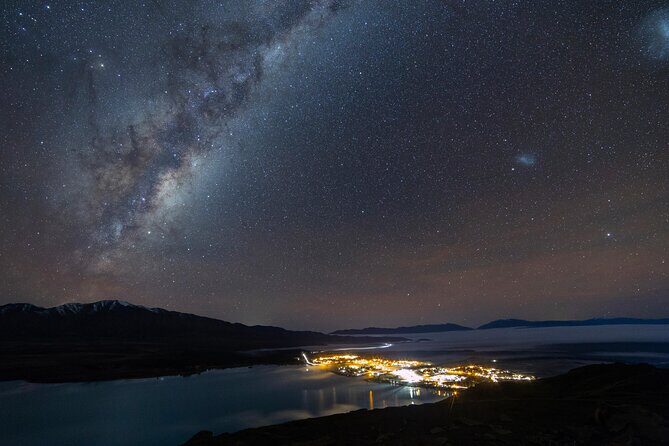
Stop 1 is with the Dark Sky Project team. This is more than a ticket counter. It’s where you’re positioned for success with the right rules and mindset before you look up.
You’ll get transported up and you’re issued your admission ticket for that first part. The big value here is timing: you’re on the summit early enough to take advantage of the sky conditions that make this experience worth the trip.
Then you move into the University of Canterbury Mt. John Observatory portion. This is where the science and storytelling show up in a hands-on way, guided by the people running or supporting research at the facility.
If you’re wondering about guide quality, there’s good signal in the way people describe the sessions. Names like Kieran, Alice, and Olive show up in praise, and that fits the pattern: the best nights are the ones where your guide helps you translate the sky into something you can recognize.
University of Canterbury summit session: how the show actually works
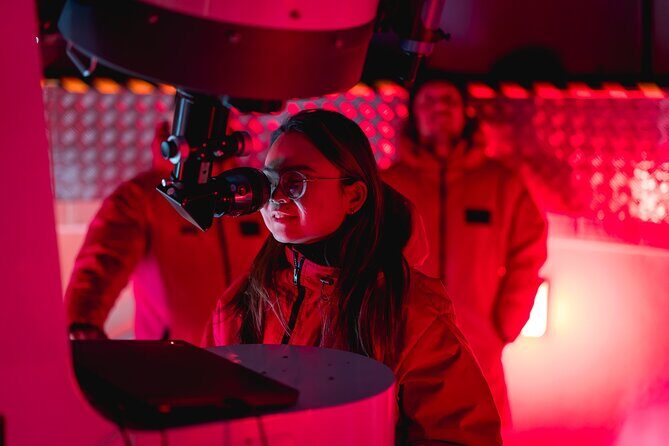
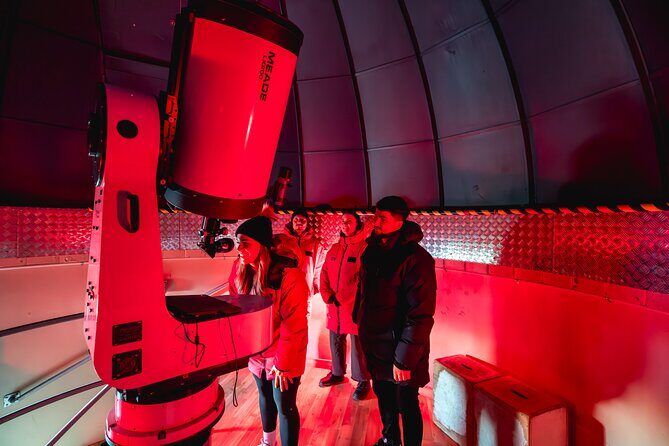
The main part runs about 1 hour 30 minutes from the summit. You’ll have exclusive access to the summit area, guided by astronomy staff. This is where you’ll get the two-part stargazing approach:
- Naked-eye stargazing with laser pointers so you can identify constellations and features without guessing.
- Telescope viewing through advanced observatory equipment so you can see targets with more detail than your eyes can manage alone.
This combination is a big deal for first-timers. If you only do telescopes, you can end up chasing faint dots with no context. If you only do naked-eye, you may miss what’s possible to see. Here, you get the story first, then the zoom.
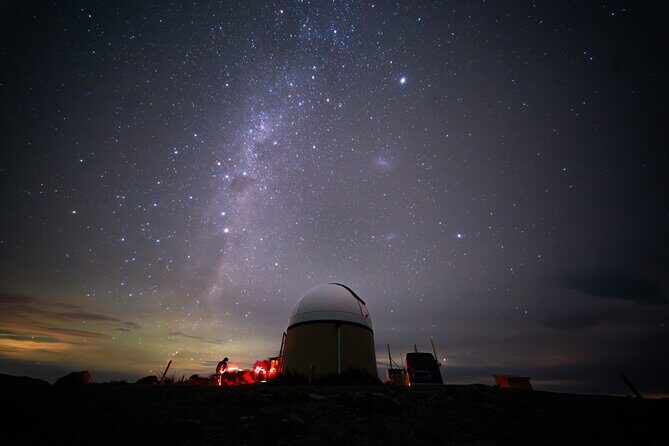
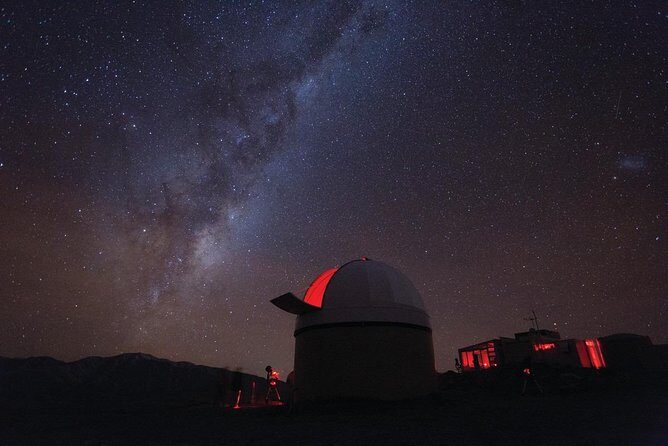
And it’s not just random sky watching. You’re in the heart of the Aoraki McKenzie International Dark Sky Reserve, described as the largest Gold standard reserve in the world. That’s the kind of place where dark skies aren’t a marketing line—they’re the point. Expect time spent looking for things like the Milky Way, star clusters, planets, constellations, and possibly even a distant galaxy, depending on the sky and conditions that night.
The guide also helps with identification techniques. For example, you may learn how to tell the true southern star from confusing look-alikes, and how to orient yourself so you’re not standing there going, okay, but where do I start?
What you’ll see in the Southern Skies (and how to get the best night)
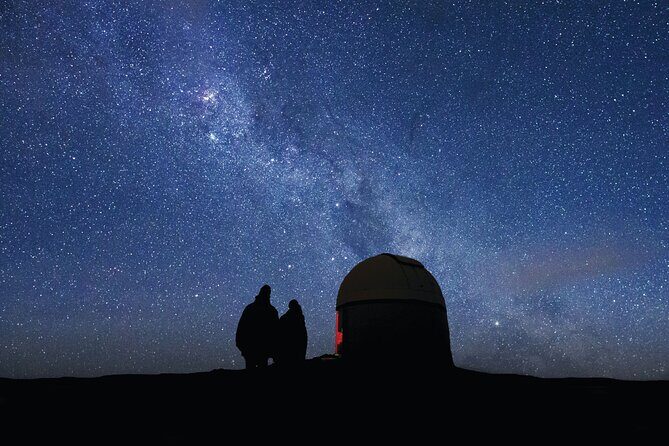
The pitch is Southern Hemisphere skies, and that’s what you’re actually doing up there. This experience is designed for the kinds of sights that dark skies enable:
- A clear view of the Milky Way when conditions cooperate
- Planets and their moons (when they’re visible and when the telescopes are pointed at the right targets)
- Star clusters and deep-sky objects
- Constellations and navigation-style learning (including southern sky landmarks)
Weather is the wildcard. Even when things are cloudy, guides are often able to work around shifting conditions—people describe nights where clouds moved just enough to still show stars and constellations like the Southern Cross and related reference points. But if the sky doesn’t clear in a workable way, the outing can be cancelled.
Here’s how to give yourself a better chance:
- Pick a date without a full moon if you have flexibility. A full moon can wash out the Milky Way, and it can make the night less dramatic.
- Arrive dressed for cold so you don’t spend the session fighting discomfort instead of looking up.
- Keep your attention on your guide’s instructions. With laser pointers and telescope timing, small delays can mean missing a brief window.
Cold-weather gear, camera rules, and keeping your balance in the dark
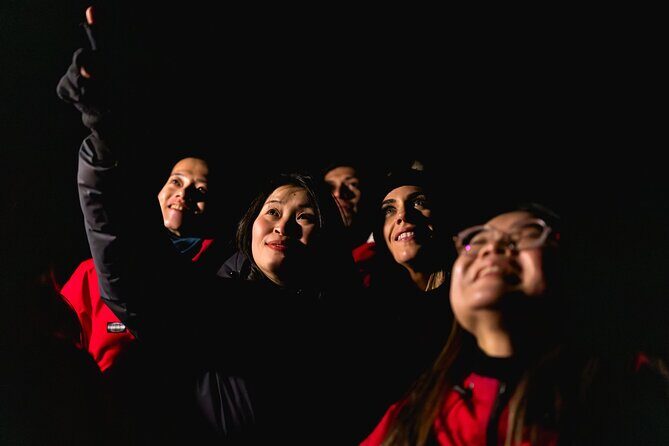
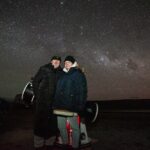
Stargazing at Mount John is not a stroll. It’s high up, it’s cold, and visibility is limited by design. The good news: you’ll get extreme cold weather jackets provided. That takes the edge off, especially if you’re arriving from warmer areas.
But don’t assume the jackets solve everything. Even with gear, bring layers and plan to be outside for the full session. People specifically call out that it’s still freezing in shoulder seasons, and you’ll want warm basics on underneath.
Also note the night-light rules. You may be restricted from using white light or torches, and one review warned that it can get hard to see your walking path in the dark. That means your real strategy is simple: stay close to your guide and your group when moving around.
Camera-wise, your experience depends on the specific rules your guide enforces that night. One review mentioned that wind can affect whether photos are supported (and that can be frustrating if you’re counting on crisp telescope shots). The takeaway is practical: don’t plan your whole evening around one perfect photo. Plan to learn the sky, then enjoy whatever you can capture.
Language and who this experience suits best
This is where you should check details before you go. The guides include English & Mandarin, and there’s also a clear requirement that you must speak the language of the tour for Health & Safety purposes. If you can’t, you won’t be allowed to join.
So if English isn’t your strongest language, confirm the language option on your booking before you commit. That’s especially important because groups can be run in different languages depending on the departure.
This tour also isn’t recommended for people with mobility issues. If you think you’ll struggle with cold, standing, and moving in low light, skip this one and look for an alternative daytime activity in Tekapo.
On the positive side, it’s built to work for stargazing beginners. People repeatedly describe it as very accessible, with guides that make it easy to identify major constellations and understand what you’re looking at. If you have a passing interest in the night sky, this can turn interest into real recognition.
Is the $139.39 per person price worth it?
At $139.39 per person, this isn’t a casual add-on. But it also isn’t trying to sell you a generic bus ride and a five-minute look.
The value comes from four cost drivers:
- Exclusive summit access at Mount John Observatory during the night
- Expert guidance during both naked-eye pointing and telescope time
- Return transport from Tekapo township
- Extreme cold weather jackets included
When you compare that to DIY stargazing, the math starts to make sense. DIY means driving, finding the right spot, and then trying to identify objects with no teaching and no telescope session. Here, you’re paying for interpretation plus equipment plus logistics handled for you.
It helps that the group size stays relatively small. Smaller groups usually mean the guide can keep the pace moving and manage safety in the dark.
If you’re hoping for a purely Milky Way-focused night, remember the weather risk. Cloud cover can cancel the experience, and while an alternate indoor option may be offered, not every indoor session will scratch the same itch as a clear night under the stars. In other words: the price buys access and guidance, but Mother Nature decides whether it’s a perfect sky.
Should you book Mount John Observatory stargazing in Tekapo?
I’d book this if you want:
- A guided way to learn the Southern Sky, not just a dark-sky photo shoot
- Telescope time plus a chance to understand what you’re seeing
- A compact evening built around the best window for stargazing
I’d think twice if you:
- Can’t handle cold standing outside (even with jackets provided)
- Need a perfectly clear night no matter what, because clouds can cancel the outing
- Rely on speaking a specific language you don’t have for the tour (you must speak the tour language)
If you can be flexible on date and you’re excited to look up, this is one of those New Zealand experiences where the learning sticks. Dark skies here are special, and the format makes sure you leave with more than just a few blurry photos.
FAQ
FAQ
How long is the Mount John Observatory stargazing experience?
The experience runs about 1 hour 45 minutes total (with roughly 15 minutes at the check-in/transport stage, then about 1 hour 30 minutes at the summit stargazing session).
What does the $139.39 per person include?
It includes exclusive summit access, expert astronomy guides, guided naked-eye stargazing with laser pointers, telescope viewing with observatory equipment, return transport from Tekapo township, and extreme cold weather jackets. Meals and snacks are not included.
Do you need to know astronomy to enjoy it?
No. The session is designed for a range of experience levels and uses laser pointers plus explanations so you can find constellations and understand what you’re seeing.
What happens if weather is bad?
This experience requires good weather. If it’s cancelled due to poor weather, you’ll be offered an alternate indoor experience as an alternative.
What language are the guides, and can I join if I don’t speak the tour language?
Guides are provided in English and Mandarin. Also, you’re required to speak the language of the tour due to Health & Safety purposes; if you cannot speak it, you won’t be allowed to join.
Is this tour okay for people with mobility issues?
It is not recommended with travelers with mobility issues.